Segments - by Product Type (Headsets, Keyboards, Mice, Controllers, Mousepads, Others), by Connectivity (Wired, Wireless), by Platform (PC, Console, Others), by Distribution Channel (Online Stores, Specialty Stores, Supermarkets/Hypermarkets, Others), by End-User (Personal, Commercial, Esports)
According to our latest research, the global Gaming Peripherals Market size reached USD 8.72 billion in 2024, reflecting robust momentum fueled by the surging popularity of esports, immersive gaming experiences, and ongoing technological innovation. The market is set to expand at a healthy CAGR of 8.6% from 2025 to 2033, with the forecasted market size expected to reach USD 18.19 billion by 2033. This growth trajectory is primarily driven by rising consumer demand for high-performance gaming accessories, the proliferation of gaming content creation, and the increasing adoption of advanced peripherals among both casual and professional gamers. As per the latest research, the market is also witnessing significant investments in product development and strategic partnerships, further solidifying its position as a dynamic and rapidly evolving sector within the broader gaming industry.
One of the primary growth factors shaping the Gaming Peripherals Market is the explosive rise of the global esports industry. Competitive gaming has transitioned from a niche hobby to a mainstream form of entertainment, attracting millions of viewers and participants worldwide. This surge in esports popularity has led to a corresponding increase in demand for specialized peripherals such as high-precision mice, mechanical keyboards, and noise-cancelling headsets, all of which are essential for competitive play. Additionally, the professionalization of esports has driven manufacturers to innovate and tailor their products to meet the rigorous demands of pro gamers, resulting in peripherals that offer enhanced responsiveness, durability, and customization options. These advancements not only benefit professional players but also appeal to the broader gaming community, fueling overall market growth.
Another significant driver is the continuous evolution of gaming technology and the growing emphasis on immersive experiences. The advent of virtual reality (VR), augmented reality (AR), and high-definition gaming platforms has created a need for peripherals that can deliver seamless and captivating interactions. For instance, VR headsets, adaptive controllers, and haptic feedback devices are gaining traction as gamers seek deeper levels of engagement. Furthermore, the increasing integration of RGB lighting, programmable macros, and ergonomic designs in peripherals is enhancing the user experience and encouraging frequent upgrades among enthusiasts. These technological advancements, coupled with declining hardware costs and greater accessibility, are expanding the addressable market and attracting new segments of gamers, from casual users to hardcore enthusiasts.
The proliferation of online gaming communities and content creation platforms is also playing a pivotal role in the expansion of the Gaming Peripherals Market. Platforms such as Twitch, YouTube Gaming, and Discord have transformed gaming into a highly social and interactive activity, where streaming and content sharing are integral to the experience. This shift has increased the demand for high-quality microphones, webcams, and audio equipment, as content creators seek to deliver professional-grade streams and recordings. Moreover, the rise of influencer marketing and brand collaborations within the gaming space is further amplifying the visibility and desirability of premium peripherals. As a result, manufacturers are investing in partnerships with popular streamers and esports teams to drive brand loyalty and capture a larger share of the market.
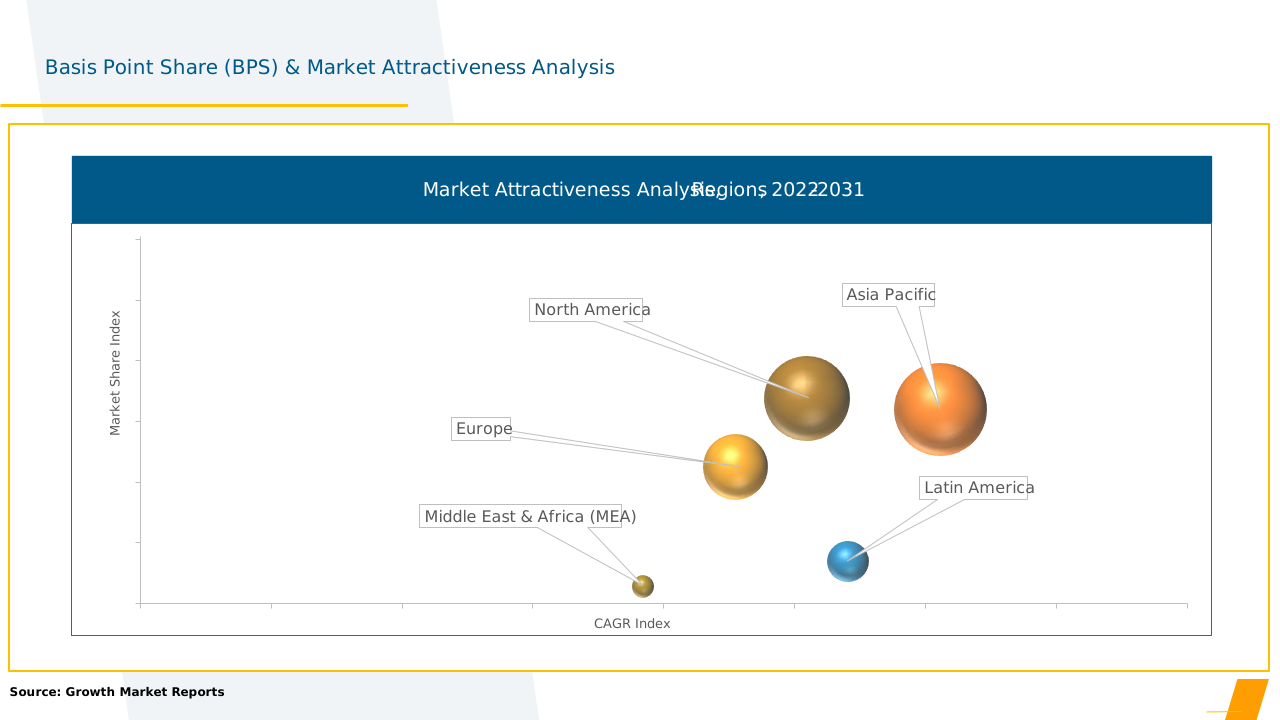
From a regional perspective, Asia Pacific continues to dominate the global Gaming Peripherals Market, accounting for the largest share in 2024, driven by a massive base of active gamers, burgeoning esports ecosystems, and rapid technological adoption. North America and Europe also represent significant markets, benefiting from high disposable incomes, established gaming cultures, and a strong presence of leading peripheral manufacturers. Meanwhile, Latin America and the Middle East & Africa are witnessing accelerated growth, propelled by rising internet penetration, increasing smartphone adoption, and government initiatives to promote digital entertainment. Each region presents unique opportunities and challenges, shaping the competitive landscape and influencing market strategies.
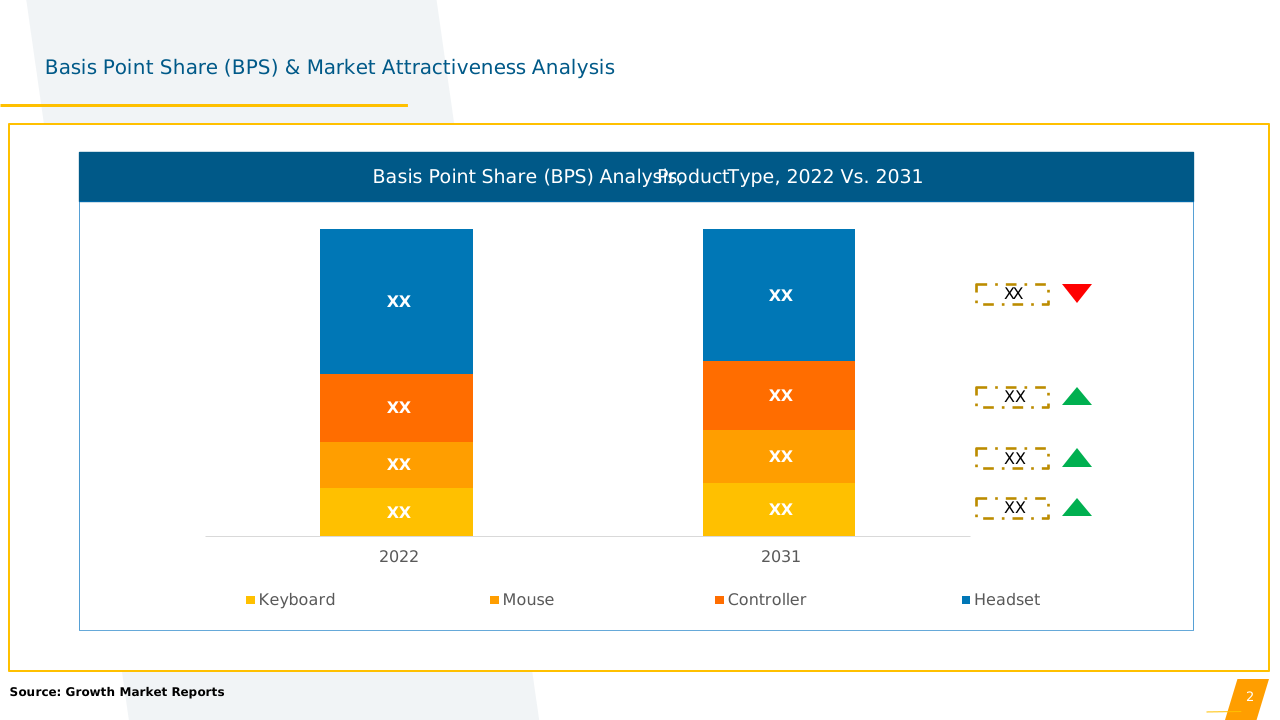
The Product Type segment in the Gaming Peripherals Market encompasses a diverse range of accessories, including headsets, keyboards, mice, controllers, mousepads, and other specialized devices. Headsets have emerged as a critical category, driven by the need for immersive audio experiences and seamless communication during multiplayer gaming. Modern gaming headsets feature advanced surround sound, noise-cancelling microphones, and wireless connectivity, catering to both competitive and casual gamers. The increasing popularity of live streaming and content creation has further boosted demand for high-fidelity audio peripherals, as clear communication and sound quality are essential for engaging audiences and enhancing gameplay. Manufacturers are also focusing on ergonomic designs and lightweight materials to ensure comfort during extended gaming sessions, contributing to the sustained growth of the headset segment.
Keyboards and mice continue to be fundamental components of the gaming peripheral ecosystem, with mechanical keyboards and high-DPI mice gaining significant traction among enthusiasts. Mechanical keyboards, known for their tactile feedback and durability, are favored by gamers seeking precision and customization. Features such as programmable keys, RGB lighting, and hot-swappable switches are now standard, allowing users to tailor their setups to individual preferences. Similarly, gaming mice have evolved to offer adjustable weights, customizable buttons, and ultra-fast response times, providing a competitive edge in fast-paced titles. The integration of advanced sensors and wireless technologies has further elevated the performance and convenience of these peripherals, making them indispensable tools for both esports professionals and everyday gamers.
Controllers represent another vital product category, particularly in the console gaming segment. The growing popularity of cross-platform gaming and the release of next-generation consoles have spurred innovation in controller design, with manufacturers introducing features such as adaptive triggers, haptic feedback, and modular components. These advancements enhance gameplay realism and enable greater personalization, appealing to a wide spectrum of users. Additionally, the rise of mobile gaming has led to the development of compact and versatile controllers compatible with smartphones and tablets, broadening the market’s reach and attracting new user segments. Mousepads, while often overlooked, play a crucial role in optimizing mouse performance, with premium options offering enhanced surface textures, RGB lighting, and wireless charging capabilities.
The "Others" category within the product type segment includes a variety of emerging peripherals such as gaming chairs, webcams, microphones, and VR accessories. The increasing focus on ergonomic setups and immersive experiences has driven demand for high-quality gaming chairs and VR equipment, particularly among streamers and content creators. Webcams and microphones are also experiencing robust growth, as more gamers engage in live streaming and online collaboration. The continuous expansion of this segment underscores the evolving needs of the gaming community and the ongoing innovation within the market.
| Attributes | Details |
| Report Title | Gaming Peripherals Market Research Report 2033 |
| By Product Type | Headsets, Keyboards, Mice, Controllers, Mousepads, Others |
| By Connectivity | Wired, Wireless |
| By Platform | PC, Console, Others |
| By Distribution Channel | Online Stores, Specialty Stores, Supermarkets/Hypermarkets, Others |
| By End-User | Personal, Commercial, Esports |
| Regions Covered | North America, Europe, APAC, Latin America, MEA |
| Base Year | 2024 |
| Historic Data | 2018-2023 |
| Forecast Period | 2025-2033 |
| Number of Pages | 266 |
| Number of Tables & Figures | 266 |
| Customization Available | Yes, the report can be customized as per your need. |
The Connectivity segment of the Gaming Peripherals Market is primarily divided into wired and wireless categories, each catering to distinct user preferences and performance requirements. Wired peripherals have traditionally dominated the market due to their reliability, low latency, and uninterrupted power supply, making them the preferred choice for competitive gamers and esports professionals. Wired connections eliminate concerns about signal interference and battery life, ensuring consistent performance during intense gaming sessions. Leading manufacturers continue to innovate within this segment by introducing lightweight cables, improved connectors, and enhanced durability, addressing common pain points and maintaining the relevance of wired peripherals in a rapidly evolving market.
Wireless gaming peripherals, on the other hand, have witnessed exponential growth in recent years, driven by advancements in wireless technology and changing consumer preferences. Modern wireless devices now offer latency and performance levels comparable to their wired counterparts, thanks to innovations such as low-latency Bluetooth, proprietary wireless protocols, and high-capacity rechargeable batteries. The convenience of untethered movement and clutter-free setups has made wireless peripherals increasingly popular among both casual and professional gamers. Additionally, the integration of wireless charging and multi-device connectivity features has further enhanced the appeal of this segment, enabling seamless transitions between gaming platforms and devices.
The shift towards wireless solutions is also being fueled by the growing adoption of gaming laptops, consoles, and mobile devices, which often lack the multiple USB ports required for wired accessories. As gaming becomes more mobile and versatile, the demand for wireless peripherals that offer portability and compatibility across platforms is expected to rise. Manufacturers are responding by developing compact, lightweight, and cross-compatible products that cater to the needs of on-the-go gamers and content creators. This trend is likely to accelerate as wireless technologies continue to evolve, providing new opportunities for innovation and market expansion.
Despite the rapid growth of wireless peripherals, certain challenges persist, including concerns about battery life, connectivity stability, and pricing. However, ongoing research and development efforts are addressing these issues, with manufacturers introducing energy-efficient components, adaptive frequency hopping, and competitive pricing strategies. As a result, the wireless segment is poised to capture a larger share of the market in the coming years, driven by consumer demand for flexibility, convenience, and cutting-edge features.
The Platform segment in the Gaming Peripherals Market is categorized into PC, console, and others, each representing unique user bases and market dynamics. PC gaming peripherals constitute the largest share of the market, reflecting the enduring popularity of desktop and laptop gaming among enthusiasts and professionals. PC gamers demand high-performance peripherals that offer precision, customization, and compatibility with a wide range of titles and genres. As a result, manufacturers prioritize the development of advanced keyboards, mice, and headsets tailored to the needs of PC users, incorporating features such as customizable macros, RGB lighting, and ergonomic designs. The PC gaming segment also benefits from a vibrant modding community and frequent hardware upgrades, driving continuous demand for new and innovative peripherals.
Console gaming peripherals represent a significant and rapidly growing segment, fueled by the widespread adoption of next-generation consoles and the increasing popularity of cross-platform gaming. Console gamers seek peripherals that enhance their gaming experience, such as wireless controllers, adaptive triggers, and high-fidelity headsets. The introduction of features like haptic feedback, motion sensing, and modular components has elevated the performance and versatility of console accessories, attracting a broader demographic of users. Additionally, the expansion of console gaming into living rooms and social spaces has driven demand for wireless and multi-functional peripherals that cater to group play and family entertainment.
The "Others" category within the platform segment includes peripherals designed for mobile devices, VR systems, and emerging gaming platforms. The rapid growth of mobile gaming, particularly in regions with high smartphone penetration, has created new opportunities for peripherals such as compact controllers, clip-on keyboards, and portable headsets. Similarly, the rise of VR and AR gaming has spurred demand for specialized accessories that enhance immersion and interactivity, including motion controllers, haptic gloves, and tracking sensors. As gaming platforms continue to diversify and evolve, the market for platform-specific peripherals is expected to expand, driven by technological advancements and shifting consumer preferences.
The interplay between platform compatibility and peripheral innovation is a key factor shaping the competitive landscape. Manufacturers are increasingly focusing on developing cross-platform solutions that offer seamless integration and consistent performance across PC, console, and mobile devices. This approach not only broadens the addressable market but also enhances user convenience and loyalty. As gaming ecosystems become more interconnected, the demand for versatile and future-proof peripherals is likely to rise, creating new growth opportunities for market participants.
The Distribution Channel segment in the Gaming Peripherals Market comprises online stores, specialty stores, supermarkets/hypermarkets, and other channels, each playing a distinct role in shaping consumer purchasing behavior. Online stores have emerged as the dominant distribution channel, driven by the convenience of e-commerce, wide product selection, and competitive pricing. The rise of digital marketplaces such as Amazon, Newegg, and regional e-tailers has made it easier for consumers to access the latest gaming peripherals, compare features, and read user reviews before making a purchase. The COVID-19 pandemic further accelerated the shift towards online shopping, with consumers increasingly relying on home delivery and contactless transactions.
Specialty stores, including dedicated gaming and electronics retailers, continue to play a vital role in the market by offering personalized service, hands-on product demonstrations, and expert advice. These stores cater to enthusiasts and professional gamers who seek in-depth information and the opportunity to test products before buying. The in-store experience is particularly important for high-end peripherals, where tactile feedback, comfort, and build quality are critical factors in the purchasing decision. Specialty retailers also host gaming events, tournaments, and product launches, fostering community engagement and brand loyalty.
Supermarkets and hypermarkets represent another important distribution channel, particularly in regions with high foot traffic and established retail infrastructure. These outlets offer a curated selection of popular gaming peripherals, catering to mainstream consumers and casual gamers. The presence of gaming accessories in mass-market retail environments has helped increase awareness and accessibility, driving impulse purchases and expanding the overall customer base. Additionally, partnerships between peripheral manufacturers and major retail chains have facilitated the rollout of exclusive products, promotions, and bundled offers.
Other distribution channels include direct-to-consumer (DTC) sales, gaming conventions, and pop-up stores, which provide unique opportunities for brands to engage with their target audience. DTC channels enable manufacturers to control the customer experience, gather valuable feedback, and build long-term relationships through loyalty programs and exclusive content. As the market continues to evolve, the integration of omnichannel strategies and the adoption of innovative retail technologies are expected to enhance the overall shopping experience and drive further growth in the Gaming Peripherals Market.
The End-User segment in the Gaming Peripherals Market is classified into personal, commercial, and esports users, each with distinct needs and purchasing behaviors. Personal users, comprising casual and recreational gamers, represent the largest share of the market. This segment is characterized by diverse preferences, ranging from entry-level peripherals for occasional gaming to high-end accessories for immersive experiences. Personal users are increasingly seeking products that offer a balance of performance, affordability, and aesthetics, with features such as customizable lighting, wireless connectivity, and ergonomic designs gaining popularity. The growing trend of home-based gaming and content creation has further fueled demand for versatile and user-friendly peripherals.
Commercial users, including gaming cafes, arcades, and entertainment venues, constitute a significant and rapidly expanding segment of the market. These establishments require durable, high-performance peripherals that can withstand heavy usage and deliver consistent performance across multiple gaming stations. The rise of gaming cafes in emerging markets, particularly in Asia Pacific, has created new opportunities for peripheral manufacturers to supply bulk orders and establish long-term partnerships. Commercial users also prioritize peripherals that are easy to maintain, upgrade, and customize, as they seek to differentiate their offerings and attract a loyal customer base.
The esports segment represents a niche but highly influential end-user group, driving innovation and setting industry standards for performance and reliability. Professional esports teams, tournament organizers, and gaming leagues demand peripherals that offer the highest levels of precision, responsiveness, and durability. Manufacturers collaborate closely with esports organizations to develop and endorse products that meet the specific needs of competitive gaming, often incorporating feedback from pro players into the design process. The visibility and credibility gained through esports partnerships have a significant impact on brand perception and consumer trust, influencing purchasing decisions across the broader gaming community.
The interplay between these end-user segments shapes the overall direction of the market, with trends and innovations often originating in the esports and commercial sectors before filtering down to personal users. As gaming continues to evolve as both a form of entertainment and a professional pursuit, the demand for specialized peripherals tailored to different user profiles is expected to grow, creating new opportunities for product differentiation and market expansion.
The Gaming Peripherals Market is poised for significant growth, presenting a wealth of opportunities for manufacturers, retailers, and investors. One of the most promising opportunities lies in the ongoing convergence of gaming and content creation, as more users engage in live streaming, esports, and social gaming activities. This trend is driving demand for high-quality audio-visual peripherals, such as microphones, webcams, and multi-functional headsets, creating new avenues for product innovation and differentiation. Additionally, the rapid adoption of emerging technologies such as VR, AR, and cloud gaming is opening up new markets for specialized peripherals that enhance immersion and interactivity. Manufacturers that can anticipate and respond to these trends by developing cutting-edge, cross-platform solutions are well-positioned to capture a larger share of the market and establish themselves as industry leaders.
Another key opportunity stems from the increasing focus on customization, personalization, and user experience. Gamers are seeking peripherals that reflect their individual preferences and play styles, driving demand for products with modular components, programmable features, and customizable aesthetics. The rise of online configurators, 3D printing, and user-generated content is enabling brands to offer tailored solutions and foster deeper engagement with their customer base. Furthermore, the expansion of gaming into new demographics, including female gamers, older adults, and differently-abled users, presents opportunities for inclusive design and targeted marketing. By embracing diversity and prioritizing accessibility, manufacturers can tap into underserved markets and drive long-term growth.
Despite the positive outlook, the Gaming Peripherals Market faces several threats and restraining factors that could impact its growth trajectory. Intense competition, rapid technological obsolescence, and price sensitivity among consumers are significant challenges for market participants. The proliferation of counterfeit and low-quality products, particularly in online marketplaces, poses risks to brand reputation and customer trust. Additionally, supply chain disruptions, fluctuating raw material costs, and regulatory uncertainties can affect production timelines and profitability. To mitigate these risks, manufacturers must invest in quality assurance, intellectual property protection, and agile supply chain management, while continuously innovating to stay ahead of evolving consumer preferences and market trends.
Asia Pacific remains the largest and most dynamic region in the Gaming Peripherals Market, accounting for approximately USD 3.47 billion of the global market size in 2024. The region’s dominance is underpinned by a massive base of active gamers, thriving esports ecosystems, and strong government support for digital entertainment. Countries such as China, South Korea, and Japan are at the forefront of innovation, with a high concentration of gaming cafes, professional teams, and leading peripheral manufacturers. The rapid adoption of mobile and PC gaming, coupled with rising disposable incomes and urbanization, is driving sustained growth in both premium and entry-level segments. Asia Pacific is expected to maintain a robust CAGR of 9.2% through 2033, outpacing other regions and offering significant opportunities for market expansion.
North America is another key market, with a 2024 market size of USD 2.31 billion, supported by a well-established gaming culture, high consumer spending, and a strong presence of global and regional peripheral brands. The region benefits from a mature esports infrastructure, widespread broadband connectivity, and a large community of content creators and streamers. Innovations in wireless technology, ergonomic design, and cross-platform compatibility are particularly popular among North American consumers, driving demand for high-end peripherals. The United States and Canada are leading contributors to regional growth, with a focus on premium products, exclusive collaborations, and immersive gaming experiences.
Europe follows closely, contributing USD 1.98 billion to the global market in 2024, with strong demand driven by countries such as Germany, the United Kingdom, and France. The region’s gaming market is characterized by a diverse user base, sophisticated retail infrastructure, and a growing emphasis on sustainability and eco-friendly products. European consumers prioritize quality, durability, and design, making it an attractive market for innovative and premium peripherals. Latin America and the Middle East & Africa, while smaller in terms of market size, are witnessing accelerated growth due to rising internet penetration, increasing smartphone adoption, and government initiatives to promote digital entertainment. These regions offer untapped potential for manufacturers willing to invest in localization, distribution, and community engagement.
The Gaming Peripherals Market is highly competitive, characterized by the presence of both established global brands and emerging regional players. The competitive landscape is shaped by continuous innovation, aggressive marketing strategies, and a relentless focus on user experience. Leading companies invest heavily in research and development to introduce cutting-edge products that cater to the evolving needs of gamers, from high-performance headsets and mechanical keyboards to wireless controllers and VR accessories. Brand loyalty and reputation play a crucial role in influencing purchasing decisions, with consumers often gravitating towards manufacturers known for quality, reliability, and customer support. Strategic partnerships with esports organizations, gaming influencers, and content creators further enhance brand visibility and credibility, driving sales and market share.
Product differentiation is a key strategy employed by market leaders, who seek to offer unique features, customizable options, and exclusive collaborations to stand out in a crowded marketplace. The integration of advanced technologies such as AI-driven customization, adaptive feedback, and cloud-based software updates is becoming increasingly common, enabling brands to deliver personalized and future-proof solutions. Pricing strategies also vary widely, with some companies targeting the premium segment through high-end, feature-rich peripherals, while others focus on affordability and accessibility to capture price-sensitive consumers. The rise of direct-to-consumer sales channels and omnichannel retail strategies has further intensified competition, as brands strive to control the customer experience and build long-term relationships.
Mergers, acquisitions, and strategic alliances are prevalent in the Gaming Peripherals Market, as companies seek to expand their product portfolios, enter new markets, and leverage complementary strengths. Collaborations with technology providers, chipset manufacturers, and software developers are enabling peripheral brands to integrate advanced features and enhance compatibility across platforms. Intellectual property protection and brand differentiation are critical factors for success, as the market faces ongoing challenges from counterfeit products and rapidly changing consumer preferences. Companies that can balance innovation, quality, and scalability are best positioned to capitalize on emerging opportunities and navigate the complexities of the global market.
Some of the major companies operating in the Gaming Peripherals Market include Logitech International S.A., Razer Inc., Corsair Gaming, Inc., SteelSeries ApS, HyperX (a division of HP Inc.), ASUS ROG, Cooler Master Technology Inc., Turtle Beach Corporation, and Mad Catz Global Limited. Logitech is renowned for its comprehensive range of gaming mice, keyboards, and headsets, consistently setting industry benchmarks for performance and reliability. Razer Inc. is a pioneer in gaming innovation, offering a diverse portfolio of peripherals known for their cutting-edge features, ergonomic designs, and strong brand identity within the esports community. Corsair Gaming has established itself as a leader in high-performance accessories, with a focus on mechanical keyboards, gaming mice, and streaming equipment tailored to both enthusiasts and professionals.
SteelSeries has gained a strong foothold in the market through its focus on esports partnerships and product innovation, delivering peripherals that meet the rigorous demands of competitive gaming. HyperX, a division of HP Inc., is celebrated for its premium headsets and memory products, combining quality, comfort, and affordability. ASUS ROG (Republic of Gamers) is synonymous with high-end gaming hardware, offering a wide array of peripherals that integrate seamlessly with its gaming laptops, desktops, and components. Cooler Master Technology Inc. and Turtle Beach Corporation are also prominent players, known for their innovative designs and commitment to enhancing the gaming experience. Mad Catz Global Limited, with its legacy of unique and customizable controllers, continues to cater to niche segments and enthusiast communities.
These companies are continuously expanding their product lines, investing in research and development, and exploring new market opportunities through strategic collaborations and acquisitions. Their ability to anticipate and respond to emerging trends, such as the rise of wireless technology, integration with cloud gaming platforms, and the growing importance of sustainability, will be critical in shaping the future of the Gaming Peripherals Market. As competition intensifies and consumer expectations evolve, the market is set to witness further consolidation, innovation, and growth in the years ahead.
The Gaming Peripherals market has been segmented on the basis of
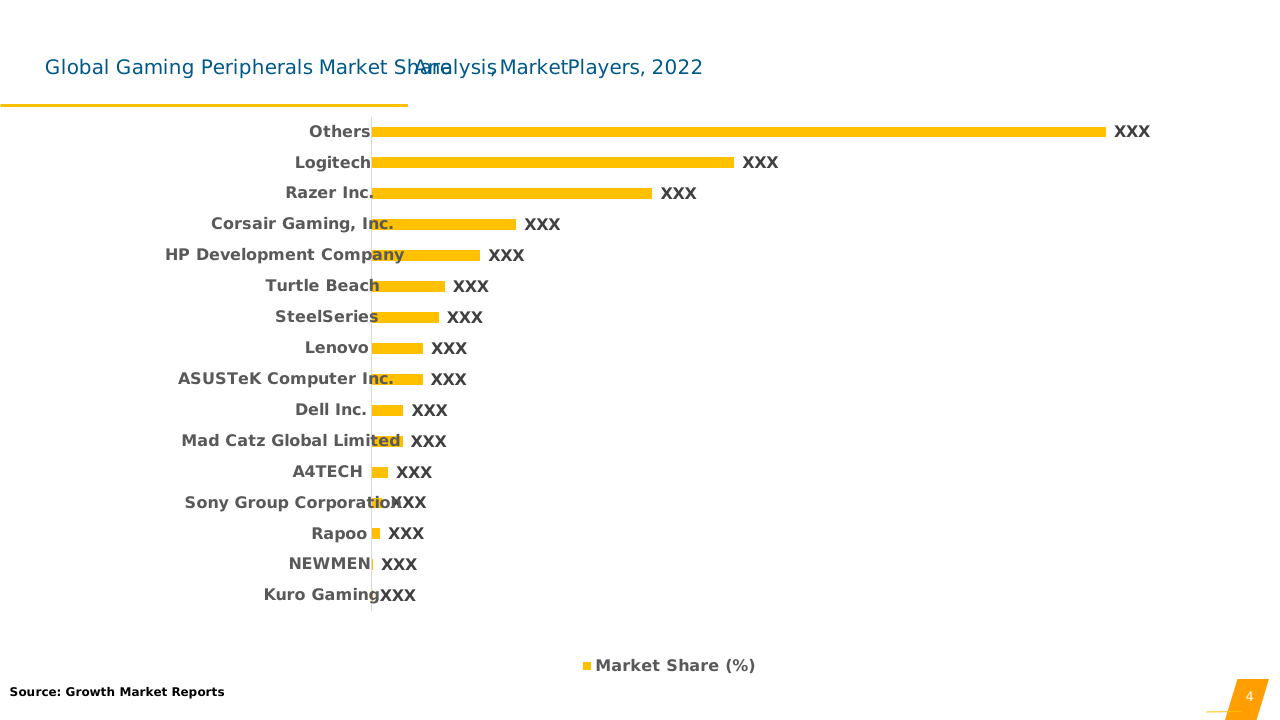
Top players in the market include Logitech, Razer Inc., Corsair Gaming, Inc., HP Development Company, Turtle Beach, SteelSeries, Lenovo, ASUSTeK Computer Inc., Dell Inc., Mad Catz Global Limited., A4TECH, Sony Group Corporation, Rapoo, NEWMEN, and Kuro Gaming. The players are adopting key strategies such as acquisition, collaborations, and geographical expansion where potential opportunities for the Global Gaming Peripherals Market.
Additional company profiles can be provided on request. For a discussion related to above findings, click Speak to Analyst.
Factors such as competitive strength and market positioning are key areas considered while selecting top companies to be profiled.
Technological advancements in gaming and increasing demand for pc gaming are some of the factors expected to drive market growth during the forecast period.
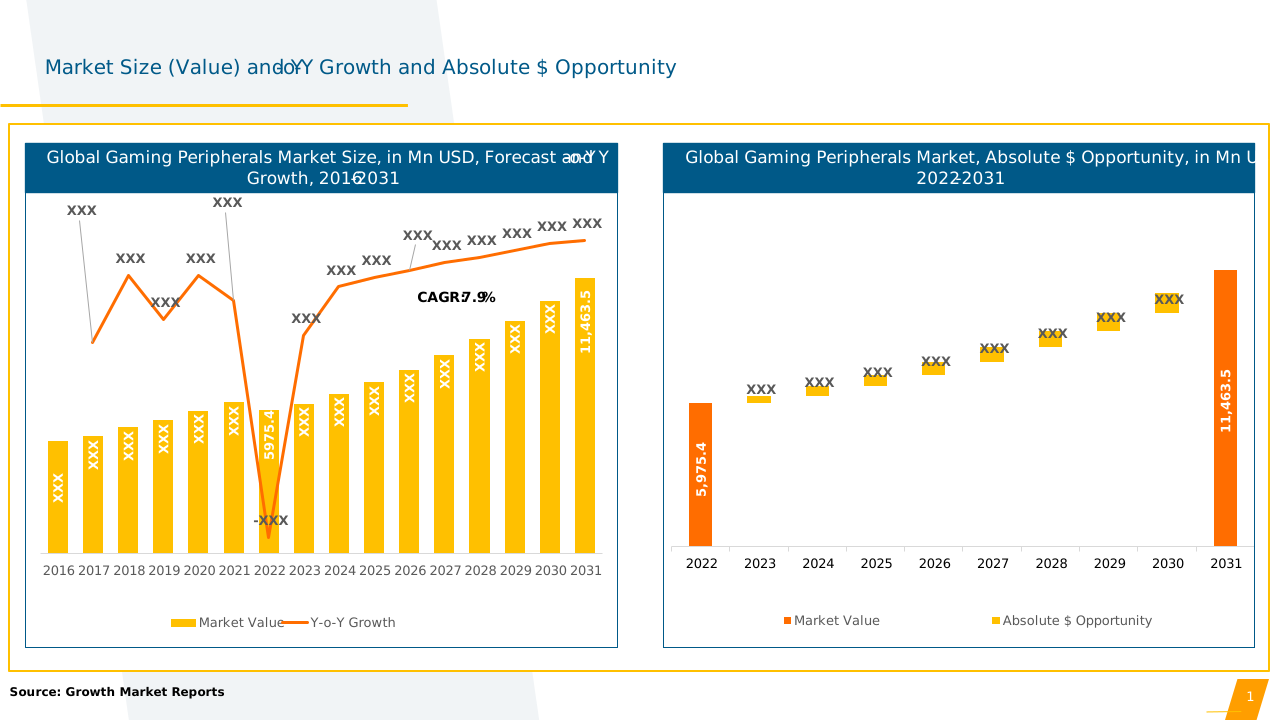
According to this growth market report, the Global Gaming Peripherals Market is likely to register a CAGR of 7.9% during the forecast period 2023-2031, with an anticipated valuation of USD 11,463.5 Million by the end of 2031.
Individuals and Enterprises are the major end-user of gaming peripherals.
Factors such as technological advancement and the Russia-Ukraine war are analyzed in the final report.
The pandemic had a positive impact on the Global Gaming Peripherals Market. The demand for gaming peripherals has increased as more people stayed at home and engaged in gaming activities for entertainment and socializing. This has boosted the sale of gaming keyboards, mice, headsets, and controllers, especially in regions where lockdowns and social distancing measures are enforced.

In addition to market size (in USD Million), Company Market Share (in % for base year 2022), and Value have been provided in the report.
The base year considered for the Global Gaming Peripherals Market report is 2022. The complete analysis period is 2016 to 2031, wherein, 2016-2021 are the historic years, and forecast is provided from 2023 to 2031.