Segments - by Product Type (Home Furniture, Office Furniture, Event Furniture, Others), by Material (Wood, Metal, Plastic, Glass, Others), by End-User (Residential, Commercial, Others), by Distribution Channel (Online, Offline)
According to our latest research, the global furniture rental market size reached USD 8.2 billion in 2024, with a robust year-on-year growth rate and a compound annual growth rate (CAGR) of 6.7% projected from 2025 to 2033. By leveraging this growth momentum, the market is expected to reach approximately USD 15.8 billion by 2033. This expansion is primarily driven by shifting consumer preferences toward flexible, cost-effective furnishing solutions, rapid urbanization, and the rising mobility of the global workforce, as per the latest research findings.
A significant growth factor in the furniture rental market is the increasing urbanization and migration of young professionals to metropolitan areas. The transient nature of modern employment, especially among millennials and Gen Z, has led to a surge in demand for temporary housing solutions. As these demographics often prefer renting over purchasing due to financial flexibility and convenience, the furniture rental industry has experienced heightened adoption. The proliferation of co-living spaces and furnished rental apartments further fuels this demand, as property owners and tenants alike turn to rental platforms for hassle-free, stylish, and adaptable furniture solutions. Moreover, the rising costs of home ownership and the growing trend of minimalism encourage consumers to avoid long-term commitments to furniture purchases, thus boosting market growth.
Another pivotal driver is the rapid advancement of digital platforms facilitating convenient and transparent rental experiences. The integration of user-friendly mobile applications, AI-powered personalization, and virtual showrooms has revolutionized the way consumers select and rent furniture. These digital innovations not only enhance customer engagement but also streamline operations for rental companies through efficient inventory management and logistics tracking. The expansion of e-commerce and the increasing penetration of internet services, particularly in emerging economies, have made furniture rental accessible to a broader audience. This digital transformation has also enabled companies to offer flexible rental plans, easy returns, and subscription-based models, further attracting a tech-savvy customer base.
Sustainability and environmental consciousness are becoming central themes in the furniture rental market. As consumers grow more aware of the environmental impact of fast furniture and waste generation, rental models are being recognized for their contribution to the circular economy. Furniture rental companies are increasingly promoting eco-friendly practices such as refurbishing, upcycling, and recycling of furniture, which not only reduces landfill waste but also appeals to environmentally conscious consumers. Corporate clients, especially in developed markets, are also opting for rental solutions to support their sustainability goals and reduce capital expenditure. This alignment with global sustainability trends is expected to remain a crucial growth lever for the industry in the coming years.
In addition to these digital advancements, the concept of Uniform Rental is gaining traction within the furniture rental market. Uniform Rental services offer businesses a streamlined approach to furnishing their spaces with consistent and cohesive design elements. This service is particularly appealing to companies that prioritize brand image and want to maintain a professional appearance across multiple locations. By opting for Uniform Rental, businesses can ensure that their office furniture aligns with their corporate identity, enhancing both employee satisfaction and client impressions. The flexibility of rental agreements allows companies to update their furnishings as needed, keeping up with design trends and changing business needs without the burden of ownership.
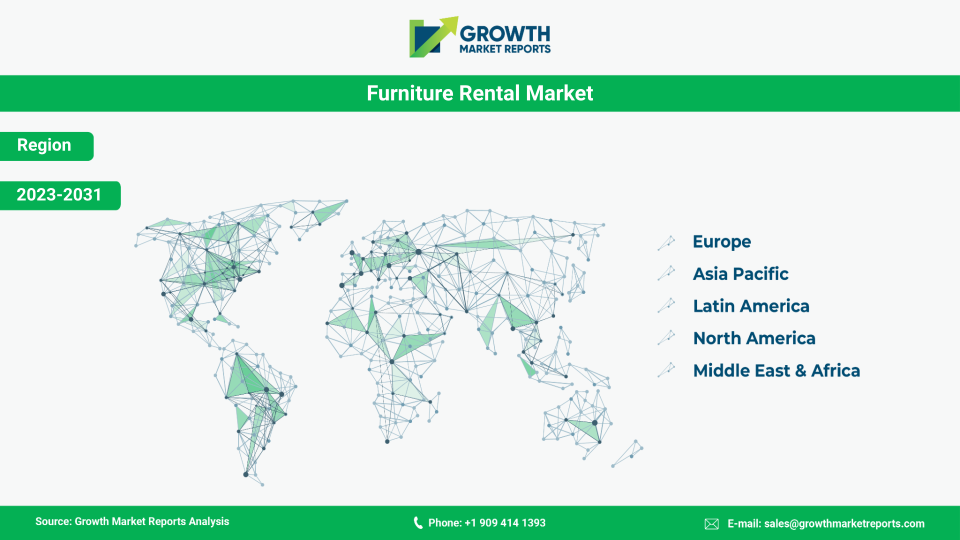
From a regional perspective, North America and Europe are currently the leading markets, accounting for the largest share of global revenues. However, the Asia Pacific region is witnessing the fastest growth, propelled by rapid urbanization, a burgeoning middle class, and increased exposure to Western lifestyle trends. Countries such as India, China, and Southeast Asian nations are emerging as key markets due to rising disposable incomes and a growing population of young, mobile professionals. Meanwhile, Latin America and the Middle East & Africa are gradually catching up as urban infrastructure improves and consumer attitudes shift toward rental solutions. The regional dynamics of the furniture rental market highlight a promising outlook for both established and emerging economies.
The product type segment of the furniture rental market is broadly categorized into home furniture, office furniture, event furniture, and others. Among these, home furniture holds the dominant share, driven by the increasing demand for flexible and affordable living solutions among urban dwellers and young professionals. The growing trend of rental housing, co-living spaces, and frequent relocations has made home furniture rental a preferred choice for consumers who prioritize convenience and cost savings. The segment includes essential items such as sofas, beds, dining tables, and wardrobes, all of which are in high demand for both short-term and long-term rentals. Rental companies are responding by offering curated packages and customizable solutions to cater to diverse residential needs.
Office furniture is another significant segment, experiencing substantial growth due to the rise of start-ups, remote working, and flexible office spaces. As businesses increasingly adopt agile work environments and temporary office setups, the need for rented office furniture such as desks, chairs, workstations, and conference tables has surged. This trend is particularly prominent among SMEs and co-working space providers who seek to minimize upfront capital expenditure and maintain operational flexibility. The office furniture rental segment is further bolstered by the expansion of the gig economy and the growing popularity of remote and hybrid work models, which require adaptable furnishing solutions that can be scaled up or down as needed.
Furthermore, the Event Furniture Rental segment is witnessing significant growth as more organizations and individuals recognize the benefits of renting over purchasing for short-term needs. Event Furniture Rental provides a cost-effective solution for hosting events such as conferences, weddings, and exhibitions, where the demand for high-quality, stylish furniture is temporary. This segment caters to a wide range of events, offering everything from elegant seating arrangements to functional staging solutions. By choosing rental options, event organizers can access a diverse inventory of furniture, ensuring their events are both visually appealing and logistically efficient. The convenience of delivery, setup, and removal services further enhances the appeal of Event Furniture Rental, making it a preferred choice for event planners seeking flexibility and ease.
Event furniture rental represents a niche yet lucrative segment, catering to the needs of corporate events, weddings, exhibitions, and social gatherings. This segment is characterized by high variability in demand, with peak seasons often coinciding with major events and festivals. Event organizers and businesses prefer renting over purchasing due to the temporary nature of their requirements and the need for specialized, stylish, and often large quantities of furniture. Rental companies in this segment focus on providing a wide range of options, including seating, tables, decorative pieces, and staging solutions, along with value-added services such as delivery, setup, and on-site support.
The others category encompasses specialized furniture types such as outdoor, educational, and healthcare furniture. While these segments currently represent a smaller share of the overall market, they are gaining traction as institutions and facilities increasingly recognize the benefits of rental models. For instance, educational institutions may rent furniture for temporary classrooms or events, while healthcare providers might opt for rented beds, chairs, or waiting room furniture to address fluctuating patient volumes. As the awareness and acceptance of rental solutions continue to grow across various sectors, the product type segment is expected to diversify further, offering new avenues for market expansion.
| Attributes | Details |
| Report Title | Furniture Rental Market Research Report 2033 |
| By Product Type | Home Furniture, Office Furniture, Event Furniture, Others |
| By Material | Wood, Metal, Plastic, Glass, Others |
| By End-User | Residential, Commercial, Others |
| By Distribution Channel | Online, Offline |
| Regions Covered | North America, Europe, APAC, Latin America, MEA |
| Base Year | 2024 |
| Historic Data | 2018-2023 |
| Forecast Period | 2025-2033 |
| Number of Pages | 282 |
| Number of Tables & Figures | 394 |
| Customization Available | Yes, the report can be customized as per your need. |
The material segment in the furniture rental market is segmented into wood, metal, plastic, glass, and others, each offering unique advantages and catering to different consumer preferences. Wood remains the most popular material due to its durability, aesthetic appeal, and versatility. Wooden furniture is highly sought after for both residential and commercial applications, as it complements a wide range of interior styles and offers a sense of warmth and sophistication. Rental companies often invest in high-quality wooden pieces that can withstand multiple rental cycles, ensuring longevity and customer satisfaction. The demand for eco-friendly and sustainably sourced wood further enhances the appeal of this segment among environmentally conscious consumers.
Metal furniture is favored for its strength, modern design, and low maintenance requirements. It is particularly popular in office and event furniture rentals, where durability and ease of cleaning are paramount. Metal furniture is also well-suited for outdoor events and commercial spaces, as it can withstand heavy use and varying weather conditions. The increasing adoption of industrial and minimalist design trends in both home and office settings has further boosted the demand for metal furniture rentals. Companies are offering a range of options, from sleek, contemporary pieces to more traditional designs, to cater to diverse customer tastes.
Plastic furniture is valued for its affordability, lightweight nature, and versatility. It is commonly used in event and outdoor furniture rentals, where ease of transportation and setup are critical. Plastic furniture is available in a wide array of colors and styles, making it a popular choice for themed events and casual gatherings. While it may not offer the same level of durability as wood or metal, advancements in material technology have led to the development of high-quality, durable plastic furniture that can withstand repeated use. The growing focus on sustainability has also prompted manufacturers to explore recyclable and biodegradable plastics, aligning with the environmental goals of the rental industry.
Glass furniture, although representing a smaller segment, is gaining popularity for its sleek, modern look and ability to enhance the visual appeal of spaces. It is often used in high-end residential settings, executive offices, and upscale events. Glass tables, shelves, and display units are favored for their elegance and ability to create a sense of openness in smaller spaces. However, concerns about fragility and safety limit the widespread adoption of glass furniture in rental applications. Rental companies address these concerns by implementing strict quality checks and offering insurance options for high-value items.
The others segment includes materials such as composite, bamboo, and upholstered furniture. These materials cater to niche markets and specific customer requirements, such as eco-friendly or ergonomic furniture solutions. As consumer preferences evolve and new materials are developed, the material segment of the furniture rental market is expected to witness continued innovation and diversification. Rental companies that prioritize quality, sustainability, and customization in their material offerings are likely to gain a competitive edge in the market.
The end-user segment of the furniture rental market is divided into residential, commercial, and others. The residential segment holds the largest share, driven by the increasing demand for flexible living solutions among urban populations, students, expatriates, and young professionals. The growing popularity of rental housing, co-living spaces, and frequent relocations among millennials and Gen Z has made furniture rental an attractive option for those seeking convenience, affordability, and style without the burden of ownership. Rental companies cater to this segment by offering customizable packages, subscription models, and value-added services such as delivery, assembly, and maintenance.
The commercial segment encompasses offices, co-working spaces, retail stores, hotels, and event venues. This segment is experiencing rapid growth as businesses increasingly seek cost-effective and flexible furnishing solutions to adapt to changing operational needs. The rise of start-ups, small and medium enterprises (SMEs), and the gig economy has led to a surge in demand for rented office furniture, meeting room setups, and collaborative workspaces. Additionally, the hospitality and retail sectors are leveraging furniture rental to create dynamic, seasonal, or themed environments without significant capital investment. Rental companies are responding by offering tailored solutions, bulk discounts, and comprehensive support services to meet the diverse needs of commercial clients.
The others category includes educational institutions, healthcare facilities, government agencies, and non-profit organizations. These end-users are increasingly recognizing the benefits of furniture rental for temporary setups, special projects, or fluctuating occupancy levels. For example, schools and universities may rent furniture for events, examinations, or temporary classrooms, while hospitals and clinics may require additional beds, chairs, or waiting area furnishings during peak periods. The growing acceptance of rental solutions in these sectors is expanding the addressable market and encouraging rental companies to diversify their offerings and develop specialized solutions for institutional clients.
The evolving needs and preferences of end-users are driving innovation in the furniture rental market. Companies are investing in advanced technologies, such as AI-driven personalization, virtual showrooms, and smart furniture, to enhance the customer experience and cater to specific requirements. The emphasis on sustainability, convenience, and affordability is expected to remain central to the value proposition of furniture rental companies, ensuring sustained growth across all end-user segments.
The distribution channel segment is bifurcated into online and offline channels, each playing a crucial role in the growth of the furniture rental market. Online channels have witnessed exponential growth in recent years, driven by the increasing penetration of e-commerce, widespread internet access, and the proliferation of mobile applications. Online platforms offer consumers unparalleled convenience, allowing them to browse, select, and rent furniture from the comfort of their homes. These platforms typically provide a wide range of products, detailed descriptions, customer reviews, and virtual visualization tools, enabling informed decision-making. The integration of AI and data analytics further enhances the online rental experience by offering personalized recommendations and flexible rental plans.
The rise of online furniture rental platforms has also facilitated the entry of new players and the expansion of existing companies into new markets. These platforms leverage digital marketing, social media engagement, and influencer partnerships to reach a broader audience and build brand awareness. The ability to offer seamless online transactions, instant customer support, and real-time inventory updates has made online channels the preferred choice for tech-savvy consumers, particularly in urban areas. Online rental companies are also focusing on optimizing logistics, delivery, and reverse logistics to ensure timely and efficient service, further strengthening their competitive position.
Despite the rapid growth of online channels, offline channels continue to play a significant role, particularly in regions with limited internet penetration or where consumers prefer a tactile shopping experience. Offline channels include brick-and-mortar stores, showrooms, and rental outlets, where customers can physically inspect and experience the furniture before making a rental decision. These channels are especially popular for high-value or customized furniture rentals, as they allow for personalized consultations and on-site demonstrations. Rental companies operating offline often complement their offerings with value-added services such as interior design advice, installation, and maintenance, enhancing customer satisfaction and loyalty.
The coexistence of online and offline channels has given rise to the omnichannel approach, where companies integrate digital and physical touchpoints to provide a seamless and consistent customer experience. This strategy enables rental companies to cater to diverse consumer preferences, expand their market reach, and optimize operational efficiency. As technology continues to evolve and consumer expectations rise, the distribution channel segment of the furniture rental market is expected to witness further innovation and convergence, driving overall market growth.
One of the most promising opportunities in the furniture rental market is the expansion into emerging economies, where rapid urbanization, rising disposable incomes, and changing lifestyle preferences are creating a fertile ground for rental solutions. As more people move to cities in search of employment and better living standards, the demand for affordable and flexible furnishing options is expected to surge. Rental companies can capitalize on this trend by tailoring their offerings to local tastes, investing in localized marketing strategies, and forming partnerships with real estate developers and property managers. Additionally, the growing emphasis on sustainability and the circular economy presents an opportunity for companies to differentiate themselves by offering eco-friendly, refurbished, and upcycled furniture, appealing to environmentally conscious consumers and businesses.
Another significant opportunity lies in the integration of advanced technologies to enhance the customer experience and streamline operations. The adoption of AI, machine learning, and data analytics can enable rental companies to offer personalized recommendations, optimize inventory management, and predict demand trends. Virtual and augmented reality tools can provide immersive product visualization, helping customers make better-informed decisions and reducing return rates. Furthermore, the development of subscription-based models, flexible rental plans, and value-added services such as maintenance, insurance, and interior design consultations can help companies attract and retain customers, increase revenue streams, and build long-term relationships.
Despite the numerous opportunities, the furniture rental market faces several restraining factors, the most notable being the challenges associated with logistics and inventory management. The need to transport, assemble, and maintain furniture across multiple locations requires significant investment in infrastructure, technology, and skilled labor. Delays, damages, or inconsistencies in service can negatively impact customer satisfaction and brand reputation. Additionally, concerns about hygiene, quality, and customization may deter some consumers from opting for rental solutions, particularly in the wake of health and safety concerns post-pandemic. Companies must address these challenges by investing in robust logistics networks, implementing stringent quality control measures, and offering transparent policies to build trust and credibility among customers.
North America currently leads the global furniture rental market, accounting for approximately USD 3.1 billion of the total market size in 2024. The region's dominance is attributed to the high mobility of the workforce, the prevalence of rental housing, and the widespread adoption of flexible work arrangements. The United States, in particular, is a major contributor, with a well-established rental ecosystem and a growing preference for subscription-based models among both residential and commercial clients. The presence of leading rental companies, advanced digital infrastructure, and a strong focus on sustainability further bolster the market's growth in North America. The region is expected to maintain a steady growth trajectory, supported by ongoing urbanization and evolving consumer preferences.
Europe is another significant market, with a market size of around USD 2.2 billion in 2024. The region is characterized by a mature rental culture, high urbanization rates, and a strong emphasis on sustainability and design. Countries such as the United Kingdom, Germany, France, and the Nordic nations are at the forefront of the furniture rental trend, driven by the increasing popularity of co-living spaces, student housing, and flexible offices. The European market is expected to grow at a CAGR of 6.2% through 2033, supported by favorable regulatory frameworks, rising environmental awareness, and the expansion of digital rental platforms. The focus on circular economy principles and the integration of eco-friendly materials are expected to further drive market growth in the region.
The Asia Pacific region is witnessing the fastest growth, with a market size of approximately USD 1.8 billion in 2024 and a projected CAGR of 8.1% through 2033. Rapid urbanization, a burgeoning middle class, and changing lifestyle preferences are fueling demand for furniture rental solutions in countries such as India, China, Japan, and Southeast Asian nations. The increasing penetration of digital platforms, rising disposable incomes, and the influence of Western lifestyles are driving the adoption of rental models among young professionals and urban families. The region presents significant growth opportunities for both local and international rental companies, particularly as infrastructure improves and consumer attitudes shift toward flexible, cost-effective furnishing solutions. Latin America and the Middle East & Africa, while currently smaller markets, are expected to show steady growth as urbanization accelerates and rental solutions gain acceptance among consumers and businesses.
The furniture rental market is characterized by a highly competitive landscape, with a mix of established players, emerging start-ups, and regional specialists vying for market share. The industry is marked by continuous innovation, strategic partnerships, and a strong focus on customer experience. Leading companies are investing in advanced technologies, expanding their product portfolios, and enhancing service offerings to differentiate themselves in a crowded marketplace. The rise of digital platforms and the increasing importance of sustainability have prompted companies to adopt omnichannel strategies, integrate eco-friendly practices, and explore new business models such as subscription-based rentals and value-added services.
Mergers, acquisitions, and strategic alliances are common in the furniture rental industry, as companies seek to expand their geographic reach, diversify their offerings, and strengthen their market position. The entry of new players, particularly in emerging markets, has intensified competition and driven innovation in areas such as logistics, customer engagement, and product design. Companies are also leveraging data analytics and AI to gain insights into customer preferences, optimize inventory management, and enhance operational efficiency. The focus on sustainability and the circular economy is prompting companies to invest in refurbishing, upcycling, and recycling initiatives, further differentiating their brands and appealing to environmentally conscious consumers.
Key players in the global furniture rental market include Furlenco, Rentomojo, CORT (a Berkshire Hathaway company), Feather, Brook Furniture Rental, and Cityfurnish. These companies have established strong brand recognition, extensive product portfolios, and robust distribution networks, enabling them to cater to a diverse customer base across residential, commercial, and event segments. Furlenco and Rentomojo, for example, are leading players in India, known for their innovative subscription models, customizable packages, and focus on customer experience. CORT, a subsidiary of Berkshire Hathaway, is a dominant player in North America, offering comprehensive rental solutions for homes, offices, and events, along with value-added services such as relocation support and furniture clearance.
Feather and Brook Furniture Rental are prominent in the United States, known for their stylish, high-quality offerings and commitment to sustainability. Cityfurnish has rapidly expanded its presence in India, leveraging digital platforms and strategic partnerships to reach urban millennials and young professionals. In addition to these major players, the market features numerous regional and niche companies that cater to specific customer segments, such as luxury rentals, student housing, or eco-friendly solutions. The competitive landscape is expected to remain dynamic, with ongoing innovation, strategic investments, and a strong emphasis on customer-centricity shaping the future of the furniture rental market.
The Furniture Rental market has been segmented on the basis of
The global furniture rental market is expanding with the presence of key players such as 1RentPlace, Inc.; Kieraya Furnishing Solutions Pvt. Ltd. (Furlenco); Edunetwork Pvt. Ltd.; The Lounge; Athoor Party & Services; Luxe Modern Rentals; CORT; Brook Furniture Rental, Inc.; Cityfurnish; Asia Furniture Rental; Feather; Inhabitr; GramOnRent; Aaron’s, LLC; and others, who use business strategies such as mergers, partnerships, product launches, collaborations, and acquisitions to strengthen their position in the market. For example, in March 2021, 1RentPlace, Inc. launched its online retail platform that enables its US-based customers to rent furniture, house decor, wall art, and others. In July 2021, Kieraya Furnishing Solutions Pvt. Ltd. (Furlenco) launched an annual subscription service, UNLIMITED by Furlenco, which offers free furniture and appliances swapping solutions to its India-based customers.
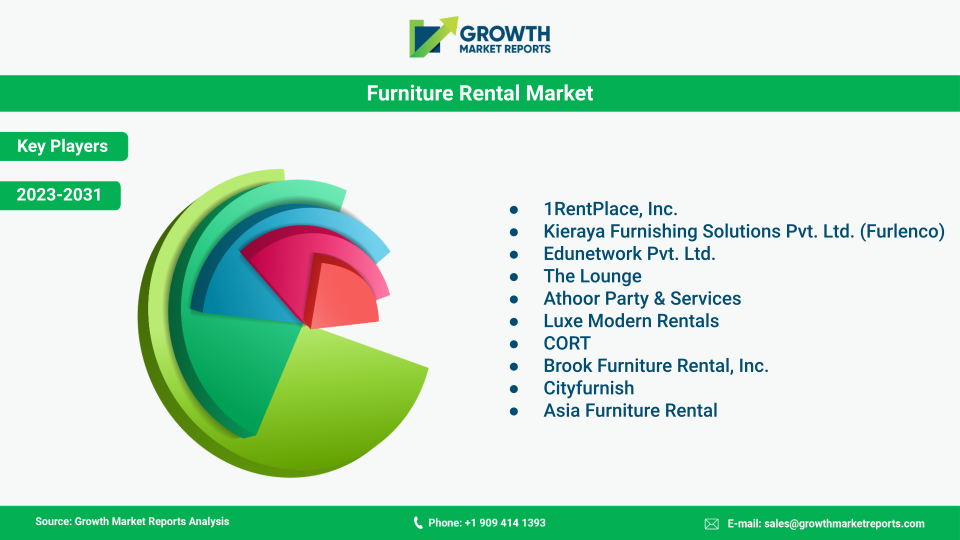
1RentPlace, Inc.; Kieraya Furnishing Solutions Pvt. Ltd. (Furlenco); Edunetwork Pvt. Ltd.; The Lounge; Athoor Party & Services; Luxe Modern Rentals; CORT; and Brook Furniture Rental, Inc. are some of the key players in the market.
North America dominates the global furniture rental market.
Furniture rental refers to a process of leasing furniture for personal or commercial use.
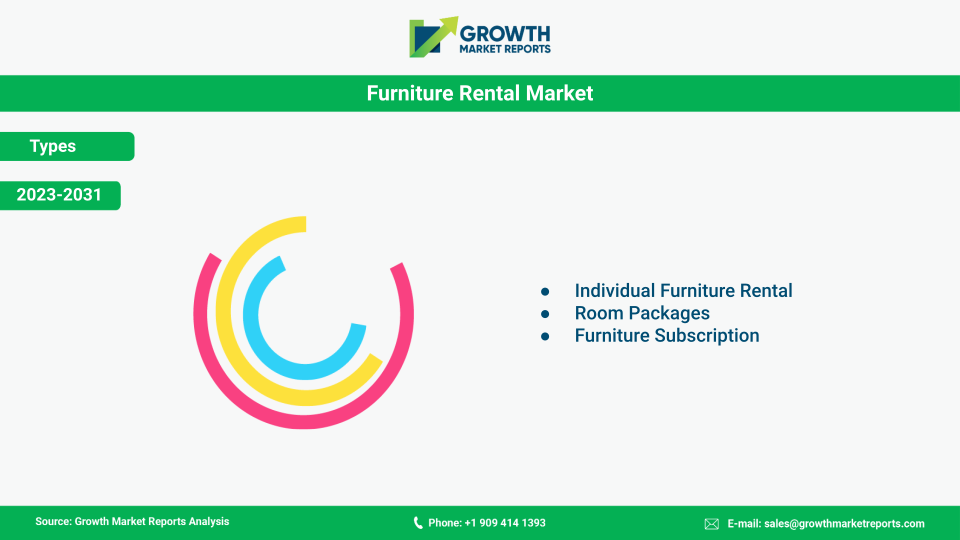
Individual furniture rental, room packages, and furniture subscription are the three types of furniture rental.
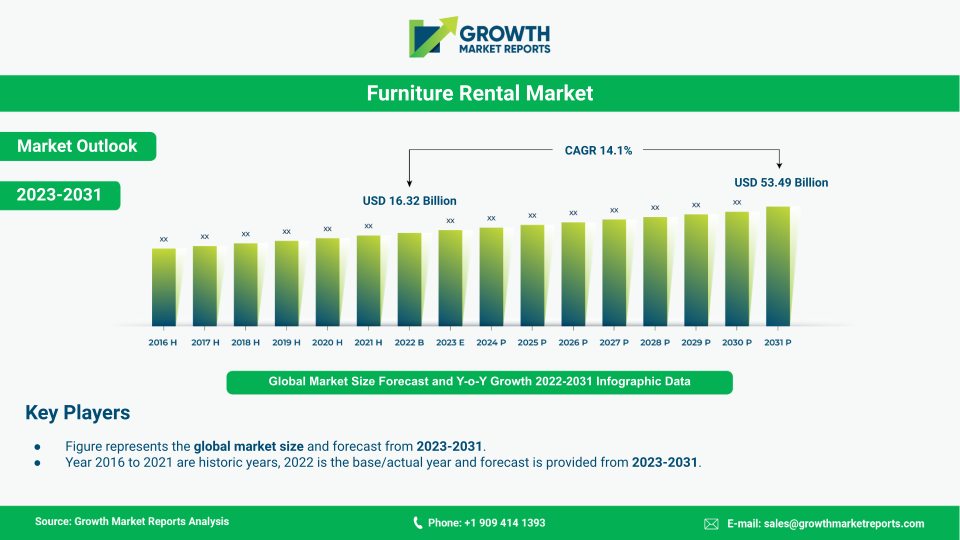
The global furniture rental market size was valued at around USD 16.32 billion in 2022 and is anticipated to reach around USD 53.49 billion by 2031.
The market is estimated to register CAGR of around 14.1% during the forecast period.