The freight and logistics market size is estimated to grow at a significant CAGR during the forecast period 2021-2028. The growth of market is attributed to rapid growth in the ASEAN countries such as China and India and government act as a backbone for the logistics sector.
Rail cargo is estimated to gain traction, supported by regional rail lines, infrastructure development and increased deployment for transfer hubs for inter-modal transportation segment is expected to boost the market during the projected period.
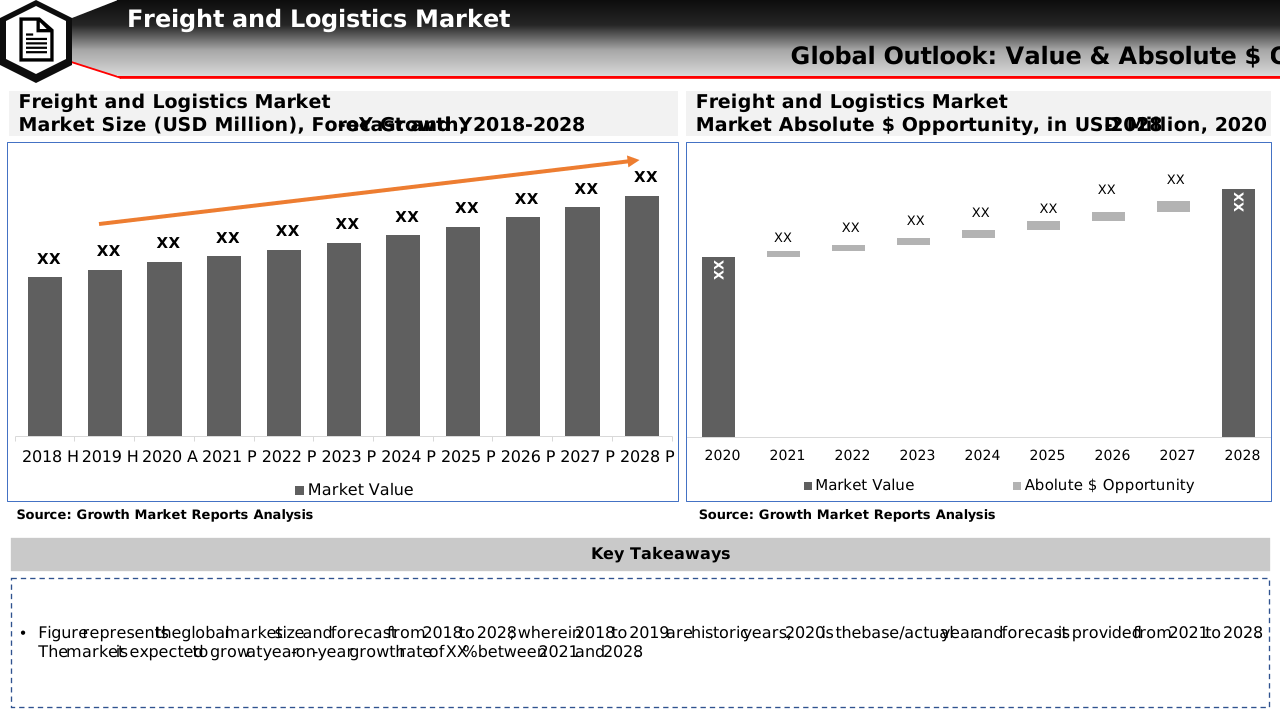
The growing trend of outsourcing logistics has taken over the global freight and logistics industry, the importance of the logistics service provider has grown drastically with the ongoing trend towards non-core competences.
With increasing investment and several technological adoptions the logistics industry is estimated to prioritize their operational efficiencies. Freight forwarders offer creative online solutions such as custom brokerage, transportation management solution, and freight matching.
Market Trends, Drivers, Restraints, and Opportunities
- Increasing government support and favorable policies is expected to drive the market during the forecast period.
- Growing logistic market in the major economies such as China and India is estimated to boost the market in the coming years.
- Increasing demand for logistics’ provider or outsourcing of logistics is expected to fuel the market during the projected period.
- Rapid growth in ecommerce segment and innovative logistics solution available for the clients is expected to spur the market during the projected period.
- Growing adoption of IoT devices is expected to drive the market during the forecast period.
- High logistics cost, lack of control of manufacturers on the service, and poor infrastructure act as challenge that can hinder the market growth.
Scope of Freight and Logistics Market
The report global freight and logistics market includes an assessment of the market, trends, segments, and regional markets. Overview and dynamics have also been included in the report.
|
Attributes
|
Details
|
|
Report Title
|
Freight and logistics market – Global Industry Analysis, Growth, Share, Size, Trends, and Forecast
|
|
Base Year
|
2020
|
|
Historic Data
|
2018–2019
|
|
Forecast Period
|
2021–2028
|
|
Segmentation
|
Functions (Freight Transport [Road, Inland Water, Air, and Rail], Freight Forwarding, Warehousing, Value Added Services, and Others), End users (Distributive Trade (Wholesale and Retail Segment FMCG included), Manufacturing & Automotive, Oil & Gas, Mining, Quarrying, agriculture, Fishing, Forestry, Construction, and Others)
|
|
Regional Scope
|
North America [United States, Canada, Mexico], Europe [United Kingdom, Russia, Spain, Germany, France, Rest of Europe], Asia Pacific [Japan, China, India, Indonesia, Philippines, Vietnam, Rest of Asia Pacific], South America [Argentina, Chile, Columbia, Brazil, Rest of South America], Middle East and Africa [Qatar, UAE, Saudi Arabia, Nigeria, Rest of Middle East and Africa]
|
|
Report Coverage
|
Company Share, Market Analysis and Size, Competitive Landscape, Growth Factors, and Trends, and Revenue Forecast
|
|
Key Players Covered in the Report
|
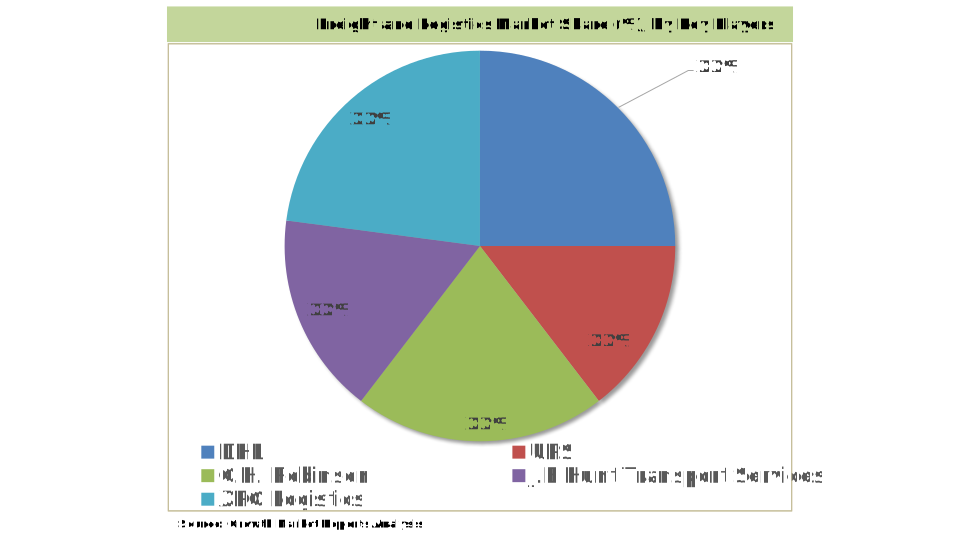
DHL; UPS; C.H. Robinson; J.B Hunt Transport Services; XPO Logistics.
|
Freight and Logistics Market Segment Insights
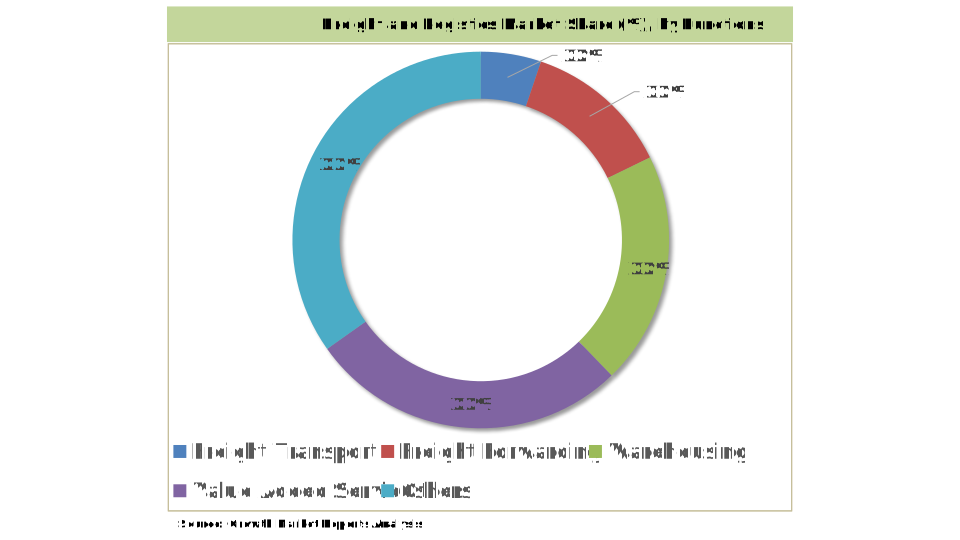
On the basis of functions, the market is segregated into freight transport, freight forwarding, warehousing, value added services, and others. The freight transport segment is further fragmented into road, inland water, air, and rail. The rail segment is expected to exhibit high CAGR owing to expanded railway network with increased deployment hubs and well supported infrastructure development. However, the warehousing segment is estimated to grow at a rapid pace due to cold chain freight infrastructure.
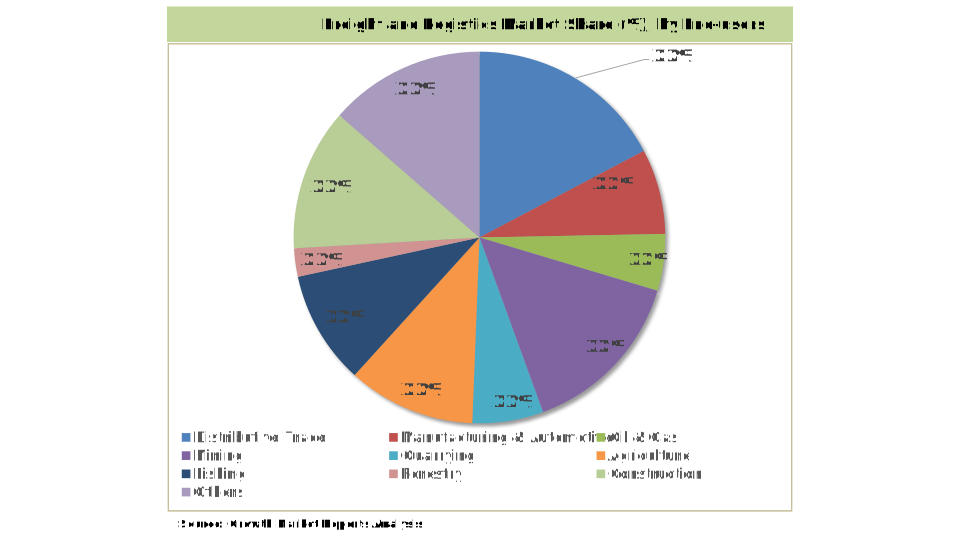
Based on end users, the market is fragmented into distributive trade (wholesale and retail segment FMCG included), manufacturing & automotive, oil & gas, mining, quarrying, agriculture, fishing, forestry, construction, and others. The manufacturing & automotive segment is anticipated to hold large share of the market due to growing import and export of heavy machinery such as equipment, automobile parts, and electrical machine.
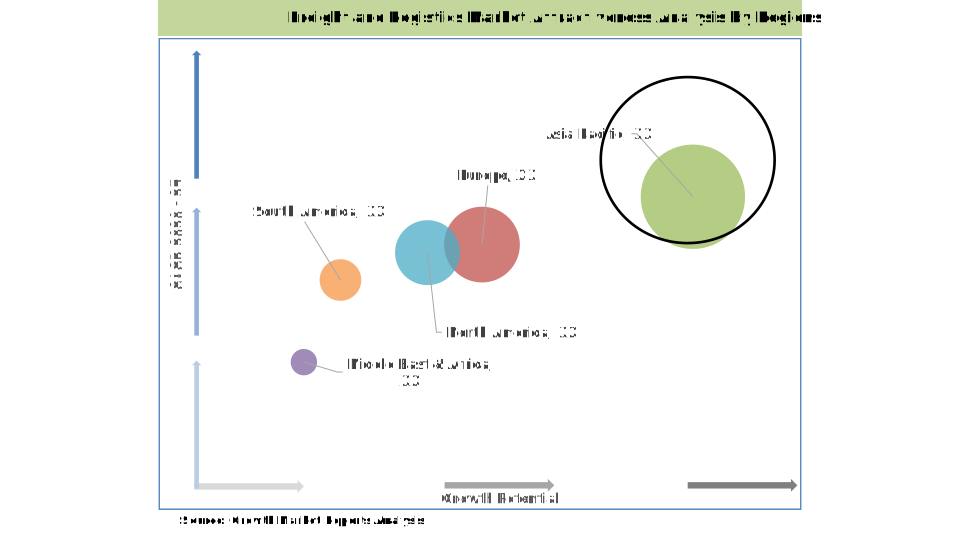
In the terms of region, the market is segregated into North America [United States, Canada, and Mexico], Europe [United Kingdom, Russia, Spain, Germany, France, and Rest of Europe], Asia Pacific [Japan, China, India, Indonesia, Philippines, Vietnam, and Rest of Asia Pacific], South America [Argentina, Chile, Columbia, Brazil, and Rest of South America], Middle East and Africa [Qatar, UAE, Saudi Arabia, Nigeria, and Rest of Middle East & Africa]. Asia Pacific is estimated to dominate the market owing to presence of major economies such as China and India in the region, rapid technological adoption in the logistics operations, continuous investments in transportation, and rising intra-Asian trade.
Segments
The global freight and logistics market has been bifurcated on the basis of
Functions
- Freight Transport
- Road
- Inland Water
- Air
- Rail
- Freight Forwarding
- Warehousing
- Value Added Services
- Others
End users
- Distributive Trade
-
- Wholesale
- Retail Segment FMCG included
- Manufacturing & Automotive
- Oil & Gas
- Mining
- Quarrying
- Agriculture
- Fishing
- Forestry
- Construction
- Others
Regions
- North America
- United States
- Canada
- Mexico
- Europe
- United Kingdom
- Russia
- Spain
- Germany
- France
- Rest of Europe
- Asia Pacific
- Japan
- China
- India
- Indonesia
- Philippine
- Vietnam
- Rest of Asia Pacific
- South America
- Argentina
- Chile
- Columbia
- Brazil
- Rest of South America
- Middle East and Africa
- Qatar
- UAE
- Saudi Arabia
- Nigeria
- Rest of Middle East & Africa
Key Players
Competitive Landscape
Key players competing global freight and logistics market include DHL; UPS; C.H. Robinson; J.B Hunt Transport Services; XPO Logistics.Some of these players are targeting on business strategies such as mergers, acquisitions, partnerships, collaborations, capacity expansion, and product launches to increase their market shares.











 Request For Customization
 Enquiry Before Buying
 Speak With Analyst