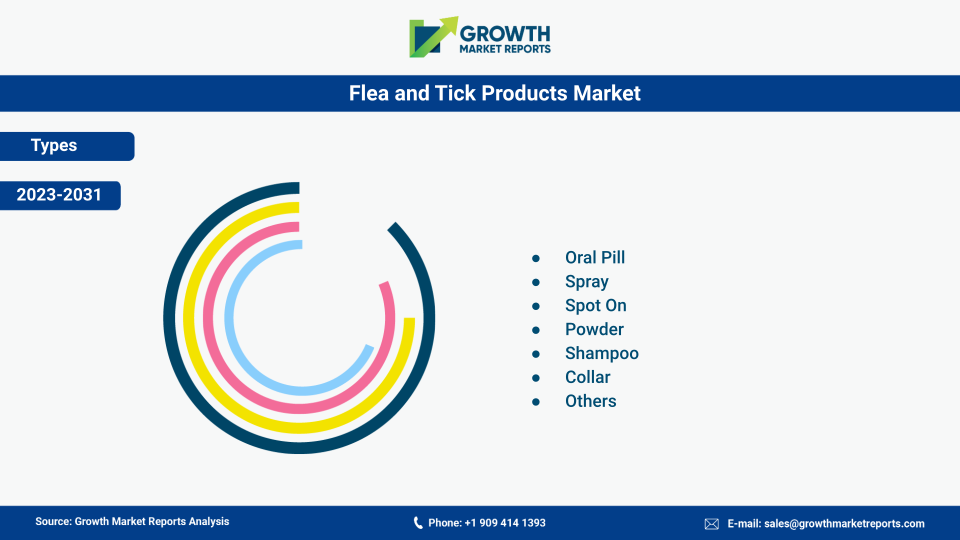
Segments - by Product Type (Oral Medications, Topical Treatments, Collars, Sprays, Powders, Shampoos, Others), by Animal Type (Dogs, Cats, Others), by Distribution Channel (Veterinary Clinics, Pet Specialty Stores, Online Retail, Supermarkets/Hypermarkets, Others)
The global flea and tick products market size stood at USD 10.3 billion in 2024, according to our latest research, with a robust CAGR of 6.8% projected from 2025 to 2033. By the end of 2033, the market is expected to reach USD 19.1 billion, driven by rising pet ownership, increasing awareness regarding pet health, and the continuous launch of innovative products. The expanding demand for effective parasite control solutions, especially in developed and emerging economies, remains a key growth factor shaping the trajectory of this market.
One of the primary growth drivers for the flea and tick products market is the surge in pet adoption rates globally, particularly in urban areas where pets are increasingly considered family members. The humanization of pets has led to heightened attention towards their health and well-being, prompting owners to invest in preventive healthcare, including regular flea and tick treatments. This cultural shift is further supported by growing disposable incomes, allowing pet owners to allocate more resources for premium and specialized pet care products. As a result, manufacturers are focusing on developing safer, more effective, and convenient solutions, such as oral medications and long-acting collars, to cater to evolving consumer preferences.
Another significant growth factor is the rising prevalence of flea- and tick-borne diseases, which pose serious health risks not only to animals but also to humans. The increased awareness of zoonotic diseases has prompted both veterinarians and regulatory authorities to recommend regular use of flea and tick control products. Additionally, advancements in veterinary pharmaceuticals and the introduction of combination treatments that target multiple parasites simultaneously have further fueled market expansion. These innovations are often supported by extensive marketing campaigns and educational initiatives aimed at informing pet owners about the importance of year-round parasite protection, thereby bolstering product demand.
The rapid expansion of e-commerce and online retail channels has also played a pivotal role in the growth of the flea and tick products market. With the convenience of home delivery, access to a wider range of products, and the availability of expert advice online, consumers are increasingly turning to digital platforms for their pet care needs. This shift is particularly pronounced in North America and Europe, where internet penetration and digital literacy rates are high. Online platforms not only facilitate easy access to products but also enable manufacturers to engage directly with consumers, gather feedback, and tailor their offerings to meet specific customer needs, further driving market growth.
From a regional perspective, North America continues to dominate the flea and tick products market, accounting for the largest share in 2024, followed closely by Europe. The Asia Pacific region, however, is poised for the fastest growth during the forecast period, driven by rising pet ownership, urbanization, and increasing awareness of animal health. Latin America and the Middle East & Africa are also witnessing gradual growth, supported by improving veterinary infrastructure and growing disposable incomes. Despite regional differences, the global trend towards pet humanization and preventive healthcare remains a unifying factor propelling the market forward.
The product type segment of the flea and tick products market is highly diversified, encompassing oral medications, topical treatments, collars, sprays, powders, shampoos, and other specialized solutions. Oral medications have gained significant traction in recent years due to their convenience, efficacy, and long-lasting protection. These products are often preferred by pet owners seeking an easy-to-administer option that ensures systemic coverage against a broad spectrum of parasites. The growing availability of prescription and over-the-counter oral treatments has expanded their reach, while ongoing research into novel active ingredients continues to enhance their safety profile and effectiveness. Manufacturers are also exploring palatable formulations to improve compliance among pets, further driving the adoption of oral flea and tick solutions.
Topical treatments remain a staple in the flea and tick products market, offering direct application to the animal’s skin for localized and systemic protection. These products, typically administered as spot-on solutions, are favored for their rapid action and ability to target specific infestation sites. Topical treatments often combine insecticidal and repellent properties, making them effective against a wide range of external parasites. However, concerns regarding potential skin irritation and accidental ingestion have prompted manufacturers to invest in safer formulations and improved applicator designs. Despite these challenges, the enduring popularity of topical treatments can be attributed to their proven efficacy and the trust they have built among veterinarians and pet owners alike.
Flea and tick collars represent another significant segment, particularly valued for their long-lasting protection and ease of use. Modern collars are designed to release active ingredients gradually over several months, providing continuous defense against fleas and ticks without the need for frequent reapplication. This feature appeals to busy pet owners who seek low-maintenance solutions. Technological advancements have led to the development of collars with water-resistant properties and enhanced safety features, minimizing the risk of adverse reactions. The rising demand for non-invasive and cost-effective alternatives to oral and topical treatments has contributed to the steady growth of the collar segment within the market.
Other product types, such as sprays, powders, and shampoos, continue to find favor among pet owners seeking immediate relief from infestations or supplemental protection alongside primary treatments. Sprays and powders are particularly useful for treating the pet’s environment, while medicated shampoos offer a dual benefit of cleansing and parasite control. Although these products may not provide the same duration of protection as oral or collar-based treatments, their affordability and ease of application make them a popular choice for multi-pet households or as part of integrated pest management strategies. The continual introduction of natural and hypoallergenic formulations is further broadening the appeal of these product categories.
| Attributes | Details |
| Report Title | Flea and Tick Products Market Research Report 2033 |
| By Product Type | Oral Medications, Topical Treatments, Collars, Sprays, Powders, Shampoos, Others |
| By Animal Type | Dogs, Cats, Others |
| By Distribution Channel | Veterinary Clinics, Pet Specialty Stores, Online Retail, Supermarkets/Hypermarkets, Others |
| Regions Covered | North America, Europe, APAC, Latin America, MEA |
| Base Year | 2024 |
| Historic Data | 2018-2023 |
| Forecast Period | 2025-2033 |
| Number of Pages | 286 |
| Number of Tables & Figures | 306 |
| Customization Available | Yes, the report can be customized as per your need. |
The animal type segment of the flea and tick products market is primarily divided into dogs, cats, and other animals, with dogs accounting for the largest share in 2024. The dominance of the dog segment can be attributed to their higher susceptibility to outdoor exposure and the greater prevalence of flea and tick infestations among canine populations. Dog owners are generally more proactive in seeking preventive healthcare solutions, given the close companionship and active lifestyles shared with their pets. This has led to a wide array of tailored products, ranging from breed-specific formulations to innovative delivery mechanisms designed to suit the unique needs of different dog breeds and sizes.
The cat segment is also experiencing steady growth, fueled by increasing cat ownership and heightened awareness of the health risks posed by flea and tick infestations. Unlike dogs, cats often exhibit greater sensitivity to certain active ingredients, necessitating the development of specialized formulations that prioritize safety and efficacy. Manufacturers are responding with cat-specific oral medications, spot-on treatments, and collars that cater to the distinct behavioral and physiological characteristics of felines. Educational campaigns aimed at dispelling myths about indoor cats being immune to parasites have further encouraged regular use of flea and tick control products among cat owners.
The other animals category, which includes small mammals, rabbits, and exotic pets, represents a niche yet growing segment within the market. As the popularity of non-traditional pets rises, so does the demand for targeted parasite control solutions. These animals often have unique care requirements and may be particularly vulnerable to certain infestations, prompting the need for specialized products and veterinary guidance. While this segment currently contributes a smaller share to the overall market, it presents significant growth opportunities for manufacturers willing to invest in research and development tailored to the needs of diverse animal species.
Cross-species product development is an emerging trend, with some manufacturers introducing broad-spectrum solutions that can be safely used across multiple animal types. This approach appeals to multi-pet households seeking convenience and cost-effectiveness, while also simplifying inventory management for retailers and veterinary clinics. However, the need for rigorous safety testing and clear labeling remains paramount to prevent accidental misuse or adverse reactions. As the market continues to evolve, animal type segmentation will play a critical role in shaping product innovation and marketing strategies.
The distribution channel segment of the flea and tick products market is characterized by a dynamic interplay between traditional and modern retail formats. Veterinary clinics remain a vital channel for the sale of prescription and premium flea and tick products, leveraging the trust and expertise of veterinary professionals to drive product adoption. Pet owners often rely on veterinarians for personalized recommendations and guidance, particularly when dealing with severe infestations or pets with specific health concerns. The integration of veterinary services with retail offerings, such as in-clinic pharmacies and online prescription fulfillment, is further enhancing the accessibility and convenience of flea and tick products through this channel.
Pet specialty stores continue to play a significant role in the market, offering a curated selection of flea and tick solutions alongside expert advice and educational resources. These stores cater to discerning pet owners seeking high-quality, specialized products that may not be readily available in mass-market outlets. The in-store experience, including product demonstrations and personalized consultations, remains a key differentiator for pet specialty retailers. However, the rise of digital platforms and the growing trend of omnichannel retailing are prompting many specialty stores to expand their online presence and offer seamless shopping experiences across multiple touchpoints.
Online retail has emerged as the fastest-growing distribution channel in the flea and tick products market, driven by the convenience of home delivery, competitive pricing, and access to a wide range of products. E-commerce platforms have democratized access to both prescription and over-the-counter solutions, enabling consumers to compare products, read reviews, and make informed purchasing decisions from the comfort of their homes. The COVID-19 pandemic further accelerated the shift towards online shopping, with many pet owners opting for contactless transactions and subscription-based delivery services. Manufacturers are increasingly partnering with leading e-commerce platforms to enhance product visibility and reach new customer segments.
Supermarkets and hypermarkets offer another important distribution channel, particularly for over-the-counter flea and tick products. These outlets provide convenience and accessibility for consumers seeking quick solutions during routine shopping trips. The presence of well-known brands and promotional offers in these retail environments helps drive impulse purchases and expand market reach. However, competition from specialty and online retailers remains intense, prompting supermarkets and hypermarkets to diversify their product assortments and invest in staff training to enhance customer service.
Other distribution channels, including independent pet stores, agricultural supply outlets, and direct-to-consumer sales, continue to contribute to the overall market landscape. The growing trend towards direct engagement between manufacturers and consumers, facilitated by digital marketing and social media platforms, is reshaping traditional distribution models and creating new opportunities for product differentiation and brand loyalty. As the market evolves, the ability to offer a seamless, omnichannel experience will be a key success factor for both established players and new entrants.
The flea and tick products market presents a wealth of opportunities for growth and innovation, particularly in the realm of product development and technological advancement. The increasing demand for natural and eco-friendly solutions has spurred research into plant-based active ingredients and biodegradable formulations that minimize environmental impact while maintaining efficacy. Additionally, the integration of smart technologies, such as wearable devices that monitor parasite activity or dispense medication automatically, holds significant promise for enhancing the convenience and effectiveness of flea and tick control. Companies that invest in research and development, coupled with strategic partnerships and acquisitions, are well-positioned to capture emerging opportunities and differentiate themselves in a competitive market.
Another major opportunity lies in the expansion of the market into emerging economies, where rising pet ownership and improving veterinary infrastructure are creating new avenues for growth. Educational initiatives aimed at raising awareness about the importance of regular parasite control, coupled with the introduction of affordable and accessible products, can help unlock untapped market potential in regions such as Asia Pacific, Latin America, and Africa. Furthermore, the growing trend towards pet insurance and preventive healthcare plans is expected to boost demand for flea and tick products as part of comprehensive wellness packages. Companies that tailor their offerings to the unique needs and preferences of diverse consumer segments will be best positioned to capitalize on these opportunities.
Despite the positive outlook, the flea and tick products market faces several restraining factors, including regulatory challenges and concerns regarding product safety. Stringent regulations governing the approval and marketing of veterinary pharmaceuticals can lead to lengthy and costly development processes, particularly for new active ingredients or combination treatments. Additionally, reports of adverse reactions or resistance to certain products have raised concerns among consumers and regulatory authorities, prompting calls for greater transparency and post-market surveillance. Manufacturers must navigate these challenges by investing in robust safety testing, clear labeling, and ongoing education to maintain consumer trust and ensure compliance with evolving regulatory standards.
Regionally, North America held the largest share of the flea and tick products market in 2024, with a market value of USD 4.2 billion. The region’s dominance is attributed to high pet ownership rates, strong veterinary infrastructure, and a well-established retail ecosystem. The United States, in particular, accounts for the majority of regional revenue, driven by a culture of pet humanization and a proactive approach to preventive healthcare. The presence of leading market players and continuous product innovation further reinforce North America’s leadership position in the global market.
Europe is the second-largest market, valued at USD 2.6 billion in 2024, and is characterized by a similar emphasis on pet well-being and regulatory oversight. The region’s growth is supported by rising adoption of companion animals, increasing awareness of zoonotic diseases, and the presence of robust distribution networks. Countries such as the United Kingdom, Germany, and France are at the forefront of market expansion, with a growing preference for premium and natural flea and tick products. The European market is expected to register a steady CAGR of 6.2% during the forecast period.
The Asia Pacific region is poised for the fastest growth, with a market size of USD 1.8 billion in 2024 and a projected CAGR of 8.1% from 2025 to 2033. Rapid urbanization, rising disposable incomes, and increasing awareness of pet health are driving demand for flea and tick products across countries such as China, Japan, and India. The expansion of e-commerce platforms and the introduction of affordable, locally manufactured products are further accelerating market growth in the region. Latin America and the Middle East & Africa, with market sizes of USD 0.9 billion and USD 0.8 billion respectively, are also witnessing gradual growth, supported by improving veterinary services and growing pet ownership.
The flea and tick products market is highly competitive, with a mix of multinational corporations, regional players, and emerging startups vying for market share. The competitive landscape is characterized by continuous product innovation, aggressive marketing strategies, and a strong focus on research and development. Leading companies are investing heavily in the development of novel active ingredients, combination therapies, and user-friendly delivery mechanisms to differentiate their offerings and address evolving consumer preferences. Strategic collaborations, mergers, and acquisitions are common as companies seek to expand their product portfolios, enhance distribution capabilities, and gain access to new markets.
Brand loyalty and trust play a critical role in shaping consumer purchasing decisions, particularly in the veterinary channel where recommendations from professionals carry significant weight. Companies with established reputations for safety, efficacy, and reliability are well-positioned to maintain their competitive edge, while new entrants must invest in robust clinical testing and transparent communication to build credibility. The growing trend towards natural and eco-friendly products has also prompted many established players to diversify their portfolios and explore new market segments, further intensifying competition.
Digital transformation is reshaping the competitive landscape, with companies leveraging e-commerce platforms, social media, and data analytics to engage directly with consumers and gather valuable insights into market trends. The rise of direct-to-consumer sales and subscription-based delivery models is enabling manufacturers to build stronger relationships with customers, enhance brand loyalty, and drive repeat purchases. Companies that successfully integrate digital strategies with traditional retail and veterinary channels are likely to gain a significant competitive advantage in the evolving market.
Some of the major companies operating in the flea and tick products market include Bayer AG, Elanco Animal Health Incorporated, Boehringer Ingelheim International GmbH, Zoetis Inc., Merck & Co., Inc., Virbac, Ceva Santé Animale, and Sergeant’s Pet Care Products, Inc. These companies are at the forefront of product innovation, with extensive research and development pipelines focused on both synthetic and natural solutions. Bayer AG, for example, is known for its Advantix and Seresto brands, which offer a range of topical and collar-based treatments. Elanco Animal Health has a strong presence in oral medications, while Zoetis Inc. continues to expand its portfolio through strategic acquisitions and partnerships.
Boehringer Ingelheim has made significant investments in the development of combination treatments that target multiple parasites, while Merck & Co., Inc. is recognized for its commitment to safety and efficacy in veterinary pharmaceuticals. Virbac and Ceva Santé Animale have established strong regional footprints, particularly in Europe and Asia Pacific, and are known for their focus on natural and eco-friendly formulations. Sergeant’s Pet Care Products, Inc. caters to the mass market with a diverse range of affordable solutions, leveraging extensive distribution networks to reach a broad customer base. These companies, along with a host of regional and emerging players, are driving the evolution of the flea and tick products market through innovation, collaboration, and a relentless focus on customer needs.
The Flea and Tick Products market has been segmented on the basis of
Key players in the flea and tick products market includes Bayer AG, Ecto Development Corporation, Schering-Plough, Intervet Inc., Virbac, BoehringerIngelheim International GmbH., Zoetis, Bioveta, a.s., Elanco, Merck and Co., Inc, The Hartz Mountain Corporation, Zoetis, Promika, LLC, Sergeant’s Pet Care Products, Inc., Ceva, and Adams. Mergers & acquisitions, collaborations, agreements, and partnerships are some growth strategies adopted by these players to strengthen their geographical presence.

Yes, opportunities exist in developing natural and eco-friendly products, expanding into emerging markets, and leveraging digital platforms for direct-to-consumer sales.
Key trends include the humanization of pets, demand for natural and eco-friendly solutions, technological advancements, and the expansion of e-commerce.
Major players include Bayer AG, Elanco Animal Health Incorporated, Boehringer Ingelheim International GmbH, Zoetis Inc., Merck & Co., Inc., Virbac, Ceva Santé Animale, and Sergeant’s Pet Care Products, Inc.
Growth is driven by rising pet ownership, increased awareness of pet health, the prevalence of flea- and tick-borne diseases, and the continuous launch of innovative products.
Key distribution channels include veterinary clinics, pet specialty stores, online retail, supermarkets/hypermarkets, and other outlets.
Dogs account for the largest share in the flea and tick products market, followed by cats and other animals.
The main product types include oral medications, topical treatments, collars, sprays, powders, shampoos, and other specialized solutions.
North America holds the largest share of the flea and tick products market, followed by Europe. The Asia Pacific region is expected to see the fastest growth.
The flea and tick products market is expected to grow at a CAGR of 6.8% from 2025 to 2033.
The global flea and tick products market was valued at USD 10.3 billion in 2024.