Segments - by Type (Macro Minerals, Micro Minerals), by Livestock (Ruminants, Poultry, Swine, Aquaculture, Equine, Others), by Form (Powder, Granules, Liquid), by Application (Animal Nutrition, Animal Health, Others)
According to our latest research, the global feed minerals market size reached USD 4.85 billion in 2024, reflecting a robust growth trajectory supported by increasing demand for high-quality animal nutrition worldwide. The market is projected to expand at a CAGR of 5.7% from 2025 to 2033, reaching an estimated value of USD 8.04 billion by 2033. This growth is primarily driven by rising awareness among livestock producers regarding the importance of balanced mineral supplementation in animal feed to enhance productivity, health, and overall quality of animal-derived products. As per our latest research, the market continues to witness significant investments in product innovation and regional expansion, further fueling its upward momentum.
One of the primary growth factors for the feed minerals market is the escalating demand for animal protein across both developed and emerging economies. With growing populations, rising disposable incomes, and shifting dietary patterns, there is a notable surge in the consumption of meat, eggs, and dairy products. This trend compels livestock producers to focus on optimizing animal nutrition, with feed minerals playing a crucial role in improving feed efficiency, growth rates, and reproductive performance. Additionally, the intensification of animal farming practices necessitates the use of scientifically formulated feed, incorporating essential macro and micro minerals to prevent deficiencies and promote optimal health. This ongoing transition from traditional to commercial and scientific animal husbandry practices is expected to further stimulate market growth in the years ahead.
Another significant contributor to the feed minerals market's expansion is the increasing prevalence of animal diseases and the corresponding need for preventive healthcare solutions. The livestock sector is increasingly challenged by various health issues, including metabolic disorders, skeletal deformities, and immune deficiencies, which can be effectively addressed through balanced mineral supplementation. Regulatory bodies and industry associations are also actively promoting the adoption of mineral-enriched feed to ensure food safety and animal welfare. Furthermore, advancements in feed formulation technologies and the development of innovative mineral blends tailored to specific livestock requirements are enhancing product efficacy and broadening the application scope of feed minerals globally.
Sustainability and environmental considerations are also shaping the feed minerals market landscape. Livestock producers are under growing pressure to minimize the environmental impact of animal farming, particularly concerning nutrient runoff and resource utilization. Feed minerals, when precisely formulated and administered, can significantly improve nutrient absorption and reduce excretion, thereby contributing to more sustainable production systems. Additionally, the adoption of traceability and quality assurance programs in the feed supply chain is driving demand for high-purity, bioavailable mineral sources. These trends are encouraging manufacturers to invest in research and development, focusing on eco-friendly and highly efficient mineral products that align with evolving regulatory standards and consumer expectations.
From a regional perspective, Asia Pacific continues to dominate the feed minerals market, accounting for the largest share in 2024, driven by the massive livestock populations in countries such as China, India, and Vietnam. The regionÂ’s rapid urbanization, expanding middle class, and increasing focus on food security are fueling investments in modern animal husbandry practices and feed production infrastructure. North America and Europe also represent significant markets, characterized by stringent regulatory frameworks, advanced feed manufacturing technologies, and high awareness of animal health and nutrition. Meanwhile, Latin America and the Middle East & Africa are emerging as high-potential regions, supported by growing livestock sectors and increasing adoption of commercial feed solutions. Overall, regional dynamics are expected to remain a key determinant of market growth and competitive strategies over the forecast period.
Liquid Feed Supplements are gaining traction in the feed minerals market due to their versatility and ease of use. These supplements can be seamlessly integrated into existing feeding systems, providing a convenient solution for livestock producers looking to enhance nutrient delivery. The liquid form allows for precise dosing and uniform distribution, ensuring that all animals receive the necessary minerals for optimal health and productivity. Additionally, liquid feed supplements can be formulated to include a range of essential minerals, vitamins, and other nutrients, making them an attractive option for producers aiming to improve feed efficiency and animal performance. As the demand for high-quality animal products continues to rise, the adoption of liquid feed supplements is expected to grow, offering significant opportunities for innovation and market expansion.
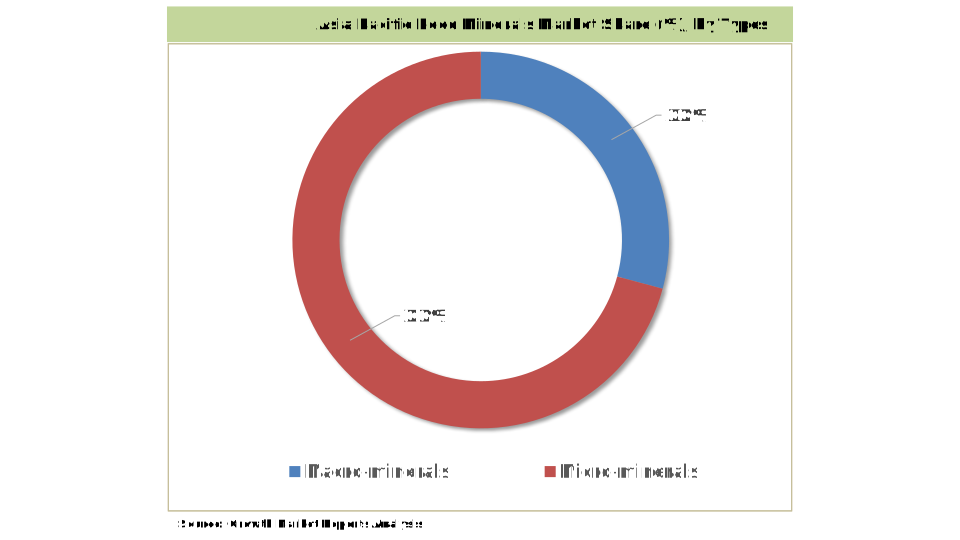
The feed minerals market is broadly segmented by type into macro minerals and micro minerals, each playing distinct yet complementary roles in animal nutrition. Macro minerals, including calcium, phosphorus, magnesium, sodium, potassium, chloride, and sulfur, are required in relatively large quantities and are fundamental for skeletal development, metabolic processes, and electrolyte balance in livestock. The demand for macro minerals remains consistently high, particularly in ruminant and poultry sectors, where deficiencies can lead to severe health and productivity issues. On the other hand, micro minerals, such as iron, zinc, copper, manganese, selenium, cobalt, and iodine, are needed in trace amounts but are equally critical for enzyme function, immune response, and reproductive health. The growing focus on precision nutrition and the prevention of specific mineral deficiencies is driving innovation in both macro and micro mineral formulations.
Macro minerals continue to hold a dominant share in the feed minerals market, primarily due to their essentiality in large-scale animal production systems. Calcium and phosphorus, for instance, are vital for bone health and eggshell formation in poultry, while magnesium and potassium are crucial for muscle function and metabolic regulation in dairy and beef cattle. The increasing adoption of high-performance livestock breeds, which require optimized mineral nutrition to achieve their genetic potential, is further boosting the demand for macro minerals. Manufacturers are responding by developing highly bioavailable and stable mineral sources, such as chelated minerals and mineral complexes, to enhance absorption and minimize waste.
Micro minerals, although required in smaller quantities, are gaining prominence due to their pivotal role in disease resistance and overall animal well-being. Zinc and selenium, for example, are widely recognized for their antioxidant properties and immune-boosting effects, making them indispensable in commercial feed formulations. The rising incidence of trace mineral deficiencies, coupled with the growing emphasis on preventive healthcare and productivity enhancement, is driving the incorporation of tailored micro mineral blends in animal feed. Furthermore, regulatory initiatives aimed at controlling heavy metal contamination and ensuring feed safety are encouraging the use of high-purity, contaminant-free micro minerals in the industry.
The market for feed minerals by type is also witnessing significant advancements in product formulation and delivery systems. Innovations such as encapsulated minerals, nano-mineral supplements, and slow-release formulations are gaining traction, offering improved stability, palatability, and targeted release in the digestive tract. These technological developments are enabling livestock producers to achieve more consistent and predictable outcomes, while also addressing challenges related to mineral interactions, antagonisms, and bioavailability. As the industry continues to evolve, the demand for customized mineral solutions, tailored to specific species, production stages, and environmental conditions, is expected to drive further growth and diversification within the feed minerals market.
Organic Trace Minerals for Feed are becoming increasingly important in the feed minerals market as livestock producers seek sustainable and effective solutions for animal nutrition. These minerals, derived from natural sources, are designed to improve bioavailability and reduce environmental impact. By enhancing the absorption of nutrients, organic trace minerals contribute to better animal health and performance, while also minimizing waste and nutrient runoff. The growing consumer demand for organic and natural animal products is driving the adoption of these minerals, as they align with the principles of sustainable agriculture and animal welfare. As regulatory standards become more stringent, the use of organic trace minerals is expected to rise, offering a competitive edge to producers who prioritize quality and sustainability.
| Attributes | Details |
| Report Title | Feed Minerals Market Research Report 2033 |
| By Type | Macro Minerals, Micro Minerals |
| By Livestock | Ruminants, Poultry, Swine, Aquaculture, Equine, Others |
| By Form | Powder, Granules, Liquid |
| By Application | Animal Nutrition, Animal Health, Others |
| Regions Covered | North America, Europe, APAC, Latin America, MEA |
| Base Year | 2024 |
| Historic Data | 2018-2023 |
| Forecast Period | 2025-2033 |
| Number of Pages | 275 |
| Number of Tables & Figures | 353 |
| Customization Available | Yes, the report can be customized as per your need. |
The feed minerals market is segmented by livestock into ruminants, poultry, swine, aquaculture, equine, and others, with each segment exhibiting unique nutritional requirements and market dynamics. Ruminants, including cattle, sheep, and goats, represent a significant share of the market, driven by the large-scale production of beef and dairy products globally. Mineral supplementation is particularly critical in ruminant diets to prevent metabolic disorders such as milk fever, grass tetany, and lameness, which can severely impact productivity and profitability. The increasing adoption of intensive and semi-intensive farming systems, coupled with the rising demand for high-quality milk and meat, is fueling the uptake of specialized mineral blends in this segment.
The poultry segment is another major contributor to the feed minerals market, supported by the rapid expansion of the global poultry industry and the growing popularity of chicken meat and eggs. Poultry birds have high metabolic rates and fast growth cycles, making them particularly susceptible to mineral deficiencies that can affect bone strength, eggshell quality, and immune function. Feed manufacturers are increasingly formulating mineral-enriched diets to support optimal growth, feed conversion efficiency, and disease resistance in broilers, layers, and breeders. The demand for organic and antibiotic-free poultry products is also driving the development of natural and bioavailable mineral supplements, catering to health-conscious consumers and premium markets.
Swine production is witnessing robust growth, especially in Asia and Latin America, where pork is a staple protein source. Minerals such as zinc, copper, and iron are essential for piglet development, reproductive performance, and immune health. The intensification of swine farming and the increasing focus on disease prevention are prompting producers to invest in high-quality mineral additives that can enhance growth rates, reduce mortality, and improve carcass quality. Regulatory restrictions on the use of antibiotics as growth promoters are further accelerating the adoption of mineral-based alternatives, positioning feed minerals as a key component of sustainable swine nutrition strategies.
Aquaculture is emerging as a high-growth segment within the feed minerals market, driven by the rising demand for farmed fish and seafood. Minerals play a vital role in osmoregulation, skeletal development, and disease resistance in aquatic species, and their inclusion in aquafeed is essential for achieving optimal growth and feed utilization. The increasing adoption of recirculating aquaculture systems (RAS) and the expansion of shrimp and salmon farming are generating new opportunities for mineral supplement manufacturers. Equine and other specialty livestock, including pets and exotic animals, also represent niche markets for feed minerals, with growing demand for tailored solutions that address specific health and performance needs.
Mineral Premix for Animal Feed plays a crucial role in ensuring balanced nutrition and optimal health for livestock. These premixes are carefully formulated to provide a comprehensive blend of essential minerals, tailored to meet the specific needs of different animal species and production systems. By incorporating mineral premixes into feed formulations, producers can prevent deficiencies and support various physiological functions, including growth, reproduction, and immune response. The precision and consistency offered by mineral premixes make them an indispensable component of modern animal husbandry practices. As the industry continues to evolve, the demand for customized and high-quality mineral premixes is expected to increase, driving further advancements in feed formulation and delivery technologies.
The feed minerals market is segmented by form into powder, granules, and liquid, each offering distinct advantages in terms of handling, mixing, and bioavailability. Powdered minerals are widely used due to their ease of incorporation into compound feed and premixes, as well as their cost-effectiveness. They are particularly popular in large-scale feed mills and integrated livestock operations, where uniform distribution and consistent nutrient delivery are critical. The fine particle size of powdered minerals ensures rapid dissolution and absorption in the animalÂ’s digestive tract, making them suitable for a wide range of species and production systems.
Granular feed minerals are gaining traction, especially in regions with advanced feed manufacturing infrastructure and a focus on precision nutrition. Granules offer improved flowability, reduced dust generation, and enhanced mixing properties, making them ideal for automated feed processing and bulk handling. They are also less prone to segregation during transportation and storage, ensuring more consistent nutrient profiles in finished feed products. The adoption of granular minerals is particularly pronounced in the poultry and swine sectors, where high feed throughput and stringent quality control standards are prevalent.
Liquid feed minerals represent a growing segment, driven by the increasing adoption of liquid feeding systems and the need for rapid, targeted supplementation in intensive livestock operations. Liquid minerals can be easily administered through drinking water or sprayed onto feed, offering flexibility and convenience, particularly in large-scale poultry and swine farms. They are also favored for their high bioavailability and fast absorption rates, which are critical during periods of stress, disease outbreaks, or rapid growth. The demand for liquid minerals is further supported by advancements in formulation technologies, enabling the development of stable, palatable, and residue-free products that meet the evolving needs of modern animal production.
The choice of mineral form is increasingly influenced by factors such as species-specific requirements, farm management practices, and regulatory considerations. For instance, organic and specialty livestock producers may prefer liquid or granular minerals for their ease of application and compatibility with organic certification standards. Additionally, the growing emphasis on feed safety, traceability, and environmental sustainability is prompting manufacturers to invest in innovative delivery systems that minimize waste, enhance nutrient utilization, and reduce the risk of contamination. As the feed minerals market continues to evolve, the demand for versatile, user-friendly, and high-performance mineral products is expected to drive ongoing innovation and market expansion.
The feed minerals market is segmented by application into animal nutrition, animal health, and others, with animal nutrition accounting for the largest share. Minerals are essential components of balanced animal diets, supporting growth, reproduction, and overall performance across all livestock species. The increasing adoption of scientifically formulated feed and the growing emphasis on precision nutrition are driving the demand for customized mineral blends that address specific life stages, production goals, and environmental conditions. Feed manufacturers are leveraging advanced nutritional science to develop mineral supplements that enhance feed efficiency, reduce nutrient excretion, and support sustainable animal production.
Animal health is an increasingly important application area for feed minerals, reflecting the growing recognition of the role of nutrition in disease prevention and immune support. Minerals such as zinc, selenium, and copper are widely used for their immunomodulatory and antioxidant properties, helping to reduce the incidence of infectious diseases and improve recovery rates. The rising prevalence of metabolic disorders, skeletal deformities, and reproductive issues in commercial livestock operations is prompting producers to invest in targeted mineral supplementation programs. Additionally, the phasing out of antibiotic growth promoters in many regions is accelerating the adoption of mineral-based alternatives that support gut health and resilience.
Other applications of feed minerals include their use in specialty animal diets, such as those for pets, zoo animals, and laboratory species, as well as in feed additives for specific production challenges. For example, chelated minerals and organic mineral complexes are increasingly used to address bioavailability issues and minimize environmental impact, while nano-mineral supplements are being explored for their potential to enhance nutrient delivery and efficacy. The growing demand for functional and value-added feed products is driving innovation in mineral applications, with manufacturers focusing on developing solutions that offer multiple benefits, including improved palatability, stress mitigation, and enhanced product quality.
The application landscape of the feed minerals market is also shaped by evolving regulatory frameworks and consumer preferences. Stringent regulations governing feed safety, heavy metal contamination, and trace element supplementation are prompting manufacturers to invest in quality assurance and compliance systems. At the same time, the rising demand for organic, non-GMO, and antibiotic-free animal products is encouraging the use of natural and sustainable mineral sources. As the market continues to mature, the integration of feed minerals into holistic animal health and nutrition strategies is expected to drive further growth and diversification across all application segments.
The feed minerals market is poised for significant opportunities, particularly with the ongoing shift towards sustainable and precision livestock farming. As producers seek to maximize productivity while minimizing environmental impact, there is growing demand for high-efficiency, bioavailable mineral supplements that enhance nutrient absorption and reduce waste. The development of innovative delivery systems, such as encapsulated and nano-mineral formulations, presents new avenues for product differentiation and value addition. Additionally, the expanding scope of functional feed additives, including minerals with immunomodulatory, antioxidant, and stress-mitigating properties, is opening up new markets and applications. The increasing adoption of digital technologies and data-driven nutrition management is further enabling producers to tailor mineral supplementation programs to individual animal needs, driving efficiency and profitability across the value chain.
Emerging markets in Asia, Latin America, and the Middle East & Africa offer substantial growth potential for feed minerals, supported by rising livestock populations, improving feed manufacturing infrastructure, and growing awareness of animal nutrition. Strategic collaborations between feed manufacturers, mineral suppliers, and research institutions are facilitating the development of region-specific solutions that address local challenges and opportunities. The integration of feed minerals into holistic animal health and welfare programs, in line with consumer preferences for safe, high-quality, and ethically produced animal products, is expected to further fuel market expansion. Furthermore, regulatory support for the use of mineral supplements in animal feed, coupled with investments in quality assurance and traceability, is enhancing market credibility and consumer trust.
Despite these opportunities, the feed minerals market faces several threats and restraints that could impact its growth trajectory. One of the primary challenges is the volatility in raw material prices, particularly for high-purity mineral sources and specialty additives. Supply chain disruptions, geopolitical tensions, and environmental regulations can lead to fluctuations in availability and cost, affecting profit margins for manufacturers and end-users. Additionally, concerns regarding heavy metal contamination, over-supplementation, and environmental pollution from mineral excretion are prompting tighter regulatory scrutiny and the need for more sustainable solutions. The competitive landscape is also intensifying, with new entrants and substitute products posing a threat to established players. To mitigate these risks, industry stakeholders must focus on innovation, quality assurance, and sustainable sourcing practices.
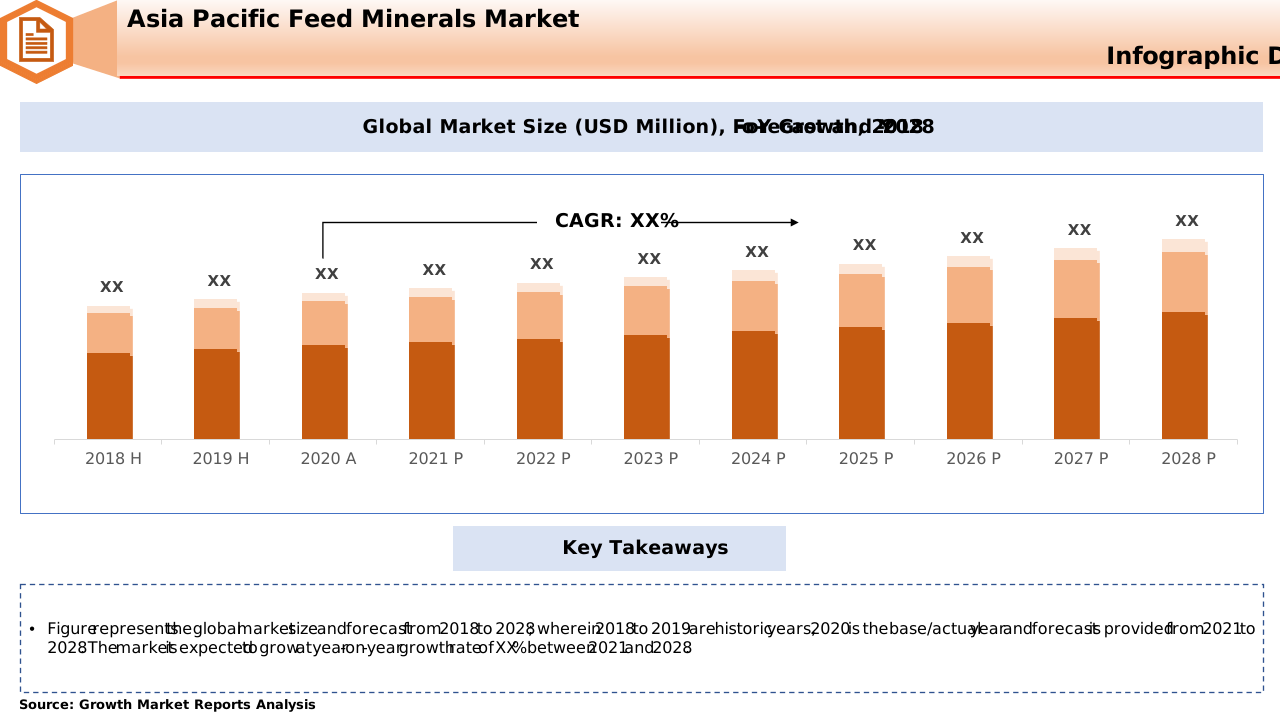
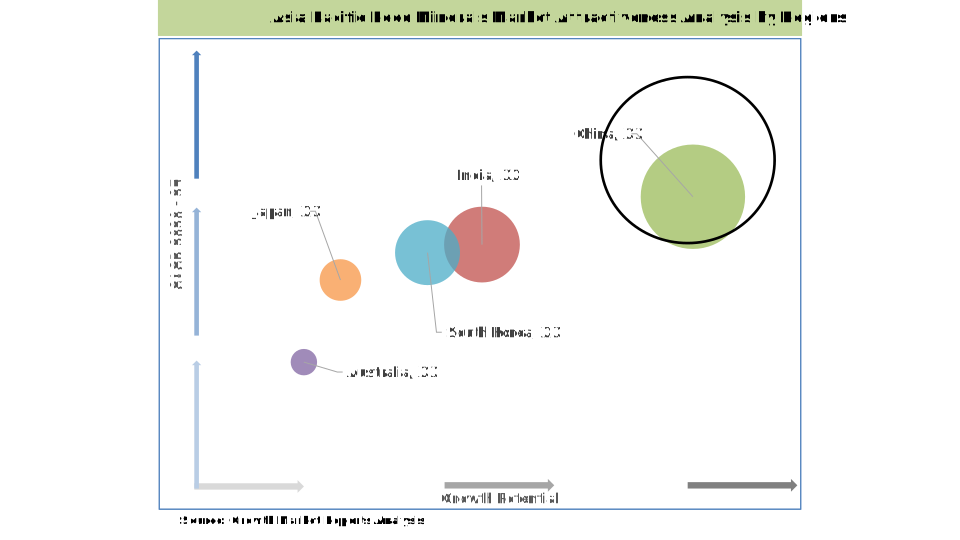
Asia Pacific remains the largest and fastest-growing region in the global feed minerals market, with a market size of approximately USD 2.05 billion in 2024. The regionÂ’s dominance is attributed to its vast livestock populations, rapid urbanization, and increasing investments in modern animal husbandry practices. China and India are the primary contributors, accounting for more than half of the regional market, driven by expanding dairy, poultry, and aquaculture sectors. The rising demand for high-quality animal protein, coupled with government initiatives to improve feed safety and productivity, is fueling the adoption of mineral-enriched feed across the region. The Asia Pacific feed minerals market is projected to grow at a CAGR of 6.3% through 2033, outpacing other regions and offering significant opportunities for both local and international players.
North America and Europe collectively account for a substantial share of the global feed minerals market, with market sizes of USD 1.04 billion and USD 0.89 billion respectively in 2024. These regions are characterized by advanced feed manufacturing technologies, stringent regulatory frameworks, and high awareness of animal health and nutrition. The presence of leading feed and mineral supplement manufacturers, coupled with a strong focus on research and development, is driving innovation and product differentiation. In North America, the United States dominates the market, supported by its large-scale beef, poultry, and dairy industries. In Europe, Germany, France, and the United Kingdom are key markets, with a growing emphasis on sustainable and organic animal production systems. Both regions are expected to maintain steady growth rates, supported by ongoing investments in quality assurance, traceability, and sustainable sourcing.
Latin America and the Middle East & Africa are emerging as high-potential regions in the feed minerals market, with market sizes of USD 0.53 billion and USD 0.34 billion respectively in 2024. These regions are witnessing rapid growth in livestock production, driven by rising incomes, changing dietary patterns, and increasing urbanization. Brazil, Mexico, and Argentina are leading the Latin American market, while South Africa, Egypt, and Saudi Arabia are key markets in the Middle East & Africa. The adoption of commercial feed solutions and mineral supplementation is gaining momentum, supported by government initiatives to improve food security and animal productivity. However, challenges related to infrastructure, quality control, and regulatory compliance remain, necessitating targeted strategies and investments by market participants.
The feed minerals market is highly competitive, with a diverse mix of multinational corporations, regional players, and niche manufacturers vying for market share. The competitive landscape is characterized by ongoing investments in research and development, product innovation, and strategic collaborations aimed at addressing evolving customer needs and regulatory requirements. Leading companies are focusing on expanding their product portfolios, enhancing bioavailability and efficacy, and developing sustainable sourcing and production practices. Mergers and acquisitions, joint ventures, and partnerships are common strategies employed to strengthen market presence, access new markets, and leverage complementary capabilities.
Product differentiation and quality assurance are key competitive factors in the feed minerals market. Companies are investing in advanced formulation technologies, such as chelation, encapsulation, and nano-mineral delivery systems, to enhance nutrient absorption and minimize interactions with other feed components. The ability to offer customized solutions tailored to specific species, production stages, and regional requirements is increasingly important, as livestock producers seek to optimize performance and profitability. Regulatory compliance, traceability, and sustainability are also critical considerations, with manufacturers adopting rigorous quality control systems and certifications to meet the expectations of customers, regulators, and end consumers.
The competitive landscape is further shaped by the emergence of new entrants and the introduction of substitute products, such as organic and plant-based mineral supplements. While established players benefit from strong brand recognition, extensive distribution networks, and technical expertise, they must remain agile and responsive to changing market dynamics and customer preferences. The growing importance of digital technologies and data-driven nutrition management is also creating opportunities for differentiation and value addition, with companies investing in digital platforms, analytics, and precision nutrition tools to enhance customer engagement and support.
Major companies operating in the global feed minerals market include Cargill, Inc., Archer Daniels Midland Company (ADM), Nutreco N.V., Alltech, Inc., Novus International, Inc., DSM Nutritional Products, and Phibro Animal Health Corporation. Cargill, Inc. is a leading player with a comprehensive portfolio of feed minerals and a strong global presence, leveraging its extensive research capabilities and supply chain infrastructure. ADM is renowned for its focus on innovation and sustainability, offering a wide range of mineral supplements tailored to diverse livestock needs. Nutreco N.V. and Alltech, Inc. are recognized for their commitment to quality, safety, and customer service, with a strong emphasis on research and technical support. Novus International, Inc. and DSM Nutritional Products are at the forefront of product development, introducing novel mineral solutions that address emerging challenges in animal health and nutrition. Phibro Animal Health Corporation is known for its expertise in mineral nutrition and disease prevention, serving a broad customer base across multiple regions.
These companies are actively investing in expanding their production capacities, strengthening distribution networks, and enhancing customer engagement through technical support and value-added services. Strategic acquisitions, partnerships with local players, and collaborations with research institutions are enabling them to access new markets, accelerate innovation, and address region-specific challenges. The ongoing focus on sustainability, regulatory compliance, and digital transformation is expected to further shape the competitive landscape, with leading players leveraging their capabilities to drive growth, differentiation, and long-term success in the global feed minerals market.
The Feed Minerals market has been segmented on the basis of
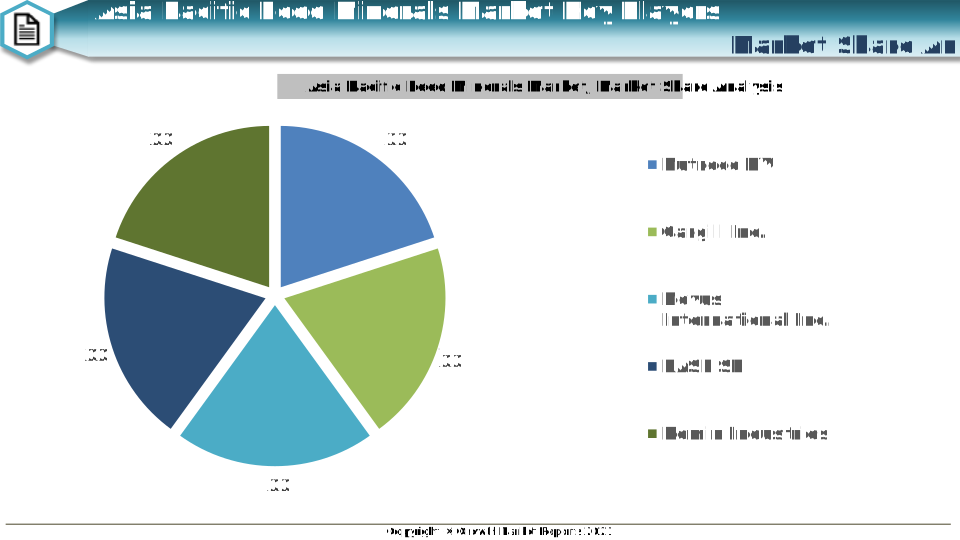
Key players competing in the Asia Pacific feed minerals market are Nutreco NV; Cargill Inc.; Novus International Inc.; BASF SE; and Kemin Industries. The companies are focusing on developing marketing strategies, product line expansions, innovating new products, and forming strong distribution networks with other industry players in order to expand their market shares.
Sustainability concerns are driving demand for eco-friendly, highly bioavailable mineral products. Regulatory frameworks are becoming stricter regarding feed safety, traceability, and environmental impact, prompting manufacturers to invest in quality assurance and sustainable sourcing.
Major players include Cargill, Inc., Archer Daniels Midland Company (ADM), Nutreco N.V., Alltech, Inc., Novus International, Inc., DSM Nutritional Products, and Phibro Animal Health Corporation, among others.
Opportunities include the shift toward sustainable and precision livestock farming, innovative mineral formulations, and growth in emerging markets. Challenges involve raw material price volatility, regulatory compliance, and concerns about environmental impact and heavy metal contamination.
Feed minerals are primarily used for animal nutrition and health, supporting growth, reproduction, immune function, and disease prevention. They are also used in specialty diets for pets and exotic animals.
Feed minerals are available in powder, granules, and liquid forms. Powders are cost-effective and easy to mix, granules offer better flowability and reduced dust, and liquids provide high bioavailability and are suitable for rapid supplementation.
The market is segmented by livestock into ruminants (cattle, sheep, goats), poultry, swine, aquaculture, equine, and others. Each segment has unique nutritional needs, with ruminants and poultry representing major market shares.
Feed minerals are categorized into macro minerals (such as calcium, phosphorus, magnesium, potassium) and micro minerals (such as zinc, iron, copper, selenium). Macro minerals are required in larger amounts for skeletal and metabolic functions, while micro minerals are needed in trace amounts for enzyme activity and immune health.
Asia Pacific is the largest and fastest-growing region, led by China and India. North America and Europe also hold significant market shares, while Latin America and the Middle East & Africa are emerging as high-potential regions.
Key growth drivers include rising demand for high-quality animal nutrition, increased consumption of animal protein, growing awareness of mineral supplementation benefits, and advancements in feed formulation technologies.
The global feed minerals market reached USD 4.85 billion in 2024 and is projected to grow at a CAGR of 5.7% from 2025 to 2033, reaching an estimated value of USD 8.04 billion by 2033.