Segments - by Product Type (Assay Kits, Instruments, Consumables), by Test Type (Thyroid Function Test, Insulin Test, Cortisol Test, Testosterone Test, Estradiol Test, Progesterone Test, Others), by Technology (Immunoassay, Tandem Mass Spectrometry, Monoclonal and Polyclonal Antibody, Sensor Technology, Others), by End User (Hospitals, Diagnostic Laboratories, Ambulatory Care Centers, Others)
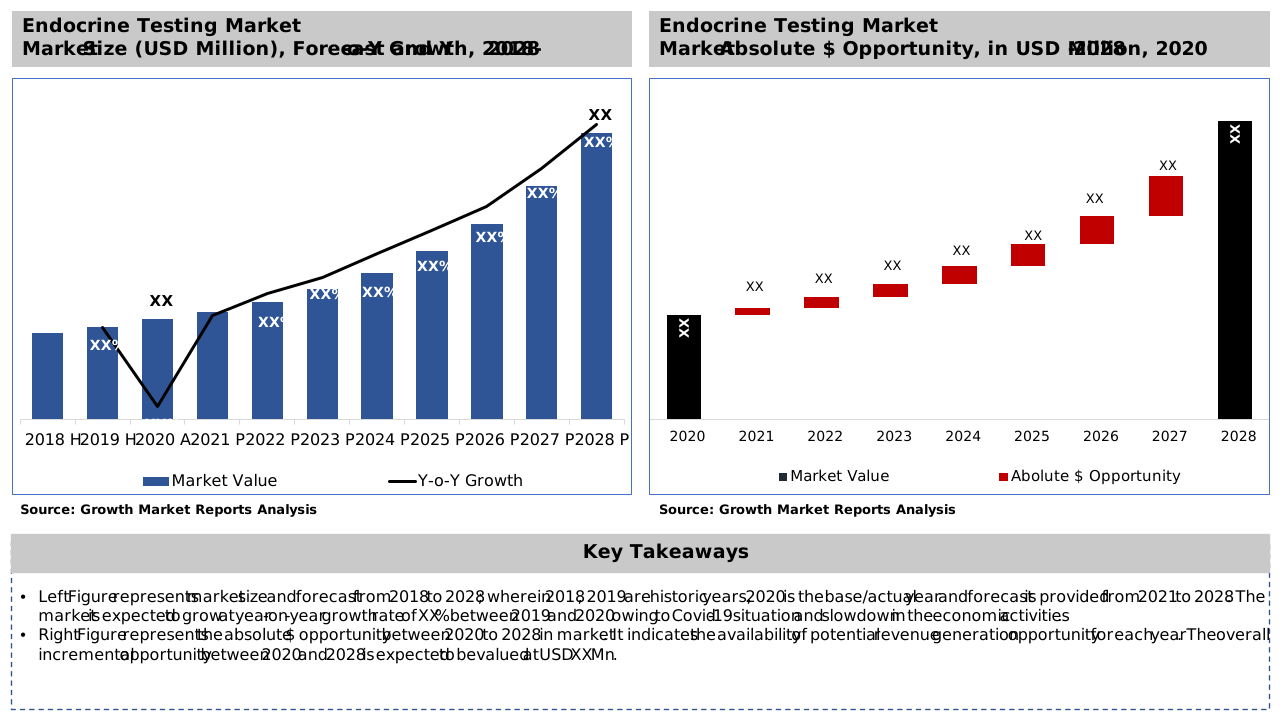
According to our latest research, the global endocrine testing market size reached USD 11.8 billion in 2024, demonstrating robust growth driven by the rising prevalence of endocrine disorders and advancements in diagnostic technologies. The market is expected to expand at a CAGR of 8.2% during the forecast period, reaching a projected value of USD 22.3 billion by 2033. Key growth factors include the increasing incidence of hormonal imbalances, growing awareness of early disease detection, and the integration of innovative testing technologies across healthcare settings.
One of the primary drivers fueling the growth of the endocrine testing market is the global rise in endocrine disorders such as diabetes, thyroid dysfunction, adrenal insufficiency, and reproductive hormone imbalances. The increasing prevalence of lifestyle-related diseases, sedentary habits, and unhealthy dietary patterns has amplified the burden of endocrine conditions worldwide. Furthermore, the expanding geriatric population, which is more susceptible to hormonal fluctuations and chronic diseases, is contributing significantly to the demand for reliable and rapid endocrine testing solutions. The growing awareness among patients and healthcare providers about the importance of early diagnosis and continuous monitoring is also propelling the adoption of advanced diagnostic assays and instruments.
Technological advancements in diagnostic platforms have revolutionized the endocrine testing landscape. The introduction of highly sensitive immunoassays, tandem mass spectrometry, and sensor-based technologies has enabled healthcare professionals to achieve higher accuracy, specificity, and efficiency in hormone quantification. These innovations not only facilitate early detection and precise monitoring of endocrine disorders but also support personalized treatment regimens. The increased adoption of automated and point-of-care testing devices across hospitals, diagnostic laboratories, and ambulatory care centers has further enhanced the accessibility and turnaround time of endocrine tests, making them integral to modern clinical practice.
Government initiatives and supportive reimbursement policies in several countries are also playing a critical role in market expansion. Public health campaigns focusing on preventive healthcare, coupled with investments in healthcare infrastructure and diagnostic capabilities, have encouraged the routine screening of at-risk populations. In addition, collaborations between public and private stakeholders are fostering research and development activities aimed at improving assay sensitivity, multiplexing capabilities, and cost-effectiveness. These concerted efforts are expected to drive the global endocrine testing market forward, ensuring that high-quality diagnostic solutions are available to a broader population base.
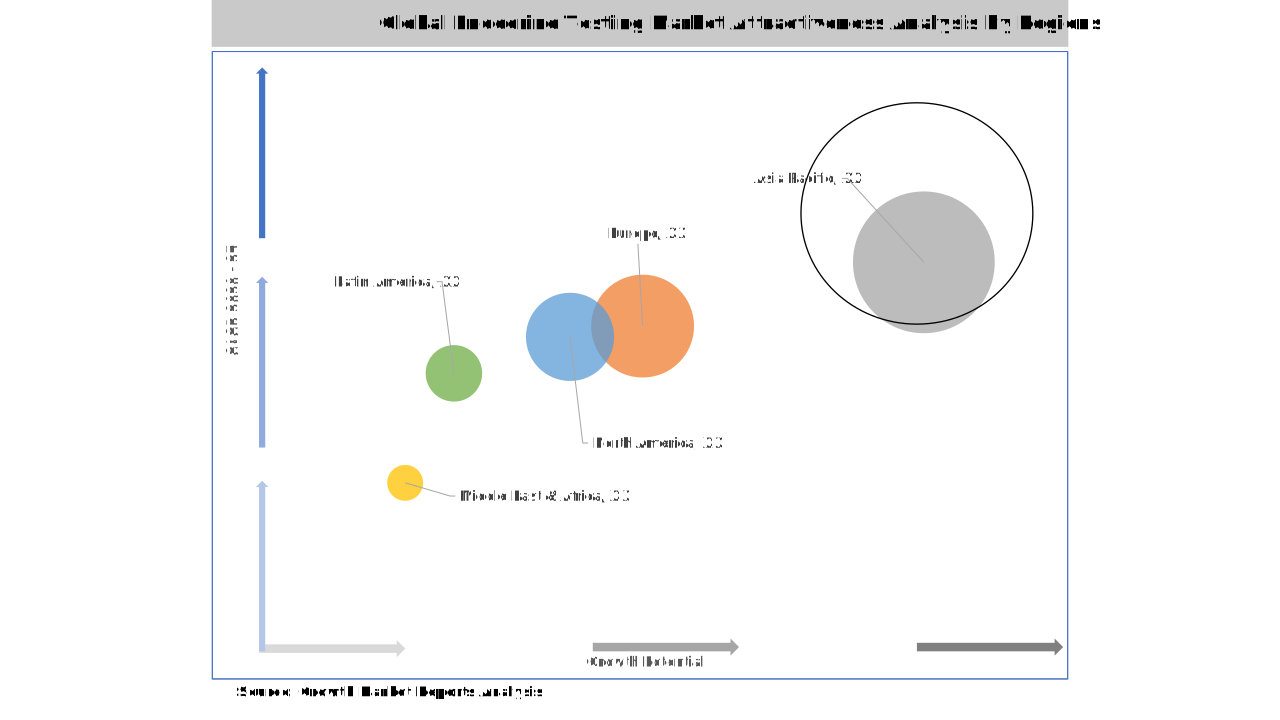
From a regional perspective, North America currently dominates the endocrine testing market, accounting for the largest revenue share in 2024, followed by Europe and Asia Pacific. This leadership is attributed to the presence of advanced healthcare infrastructure, high disease awareness, and significant investments in research and development. However, the Asia Pacific region is anticipated to witness the fastest growth during the forecast period, owing to rising healthcare expenditure, increasing incidence of endocrine disorders, and expanding access to diagnostic services. Emerging markets in Latin America and the Middle East & Africa are also expected to contribute to overall market growth, driven by improving healthcare systems and growing patient awareness.
The product type segment of the endocrine testing market is broadly categorized into assay kits, instruments, and consumables. Assay kits represent the largest share of this segment, owing to their widespread use in quantitative and qualitative hormone analysis across clinical laboratories and healthcare facilities. These kits offer high sensitivity, specificity, and reproducibility, making them indispensable for routine endocrine screening and disease monitoring. The continuous innovation in assay kit formulations, such as the development of multiplex assays and enhanced detection chemistries, has further strengthened their adoption in both research and clinical settings.
Instruments, including automated analyzers, spectrophotometers, and point-of-care devices, form a critical component of the endocrine testing workflow. The demand for advanced instruments is driven by the need for high-throughput, rapid, and accurate diagnostic solutions. Automated platforms have significantly reduced manual intervention, minimized errors, and improved the efficiency of hormone testing. The integration of digital technologies, such as connectivity features and data management systems, has further enhanced the functionality and utility of these instruments, enabling seamless operations in hospitals and diagnostic laboratories.
Consumables, encompassing reagents, calibrators, quality control materials, and sample preparation tools, are essential for the smooth operation and maintenance of endocrine testing procedures. The recurring need for consumables ensures a steady revenue stream for manufacturers and suppliers. The increasing adoption of single-use and pre-packaged consumables has also contributed to improved laboratory safety, reduced contamination risks, and enhanced workflow efficiency. As the volume of endocrine testing continues to rise globally, the demand for high-quality consumables is expected to remain robust throughout the forecast period.
The competitive landscape within the product type segment is characterized by continuous innovation, with market players focusing on developing user-friendly, cost-effective, and highly accurate products. Strategic collaborations, mergers, and acquisitions among key industry participants are further intensifying competition and driving product enhancements. Overall, the product type segment is poised for sustained growth, supported by technological advancements and increasing awareness of the importance of early and accurate endocrine disorder diagnosis.
| Attributes | Details |
| Report Title | Endocrine Testing Market Research Report 2033 |
| By Product Type | Assay Kits, Instruments, Consumables |
| By Test Type | Thyroid Function Test, Insulin Test, Cortisol Test, Testosterone Test, Estradiol Test, Progesterone Test, Others |
| By Technology | Immunoassay, Tandem Mass Spectrometry, Monoclonal and Polyclonal Antibody, Sensor Technology, Others |
| By End User | Hospitals, Diagnostic Laboratories, Ambulatory Care Centers, Others |
| Regions Covered | North America, Europe, APAC, Latin America, MEA |
| Base Year | 2024 |
| Historic Data | 2018-2023 |
| Forecast Period | 2025-2033 |
| Number of Pages | 275 |
| Number of Tables & Figures | 386 |
| Customization Available | Yes, the report can be customized as per your need. |
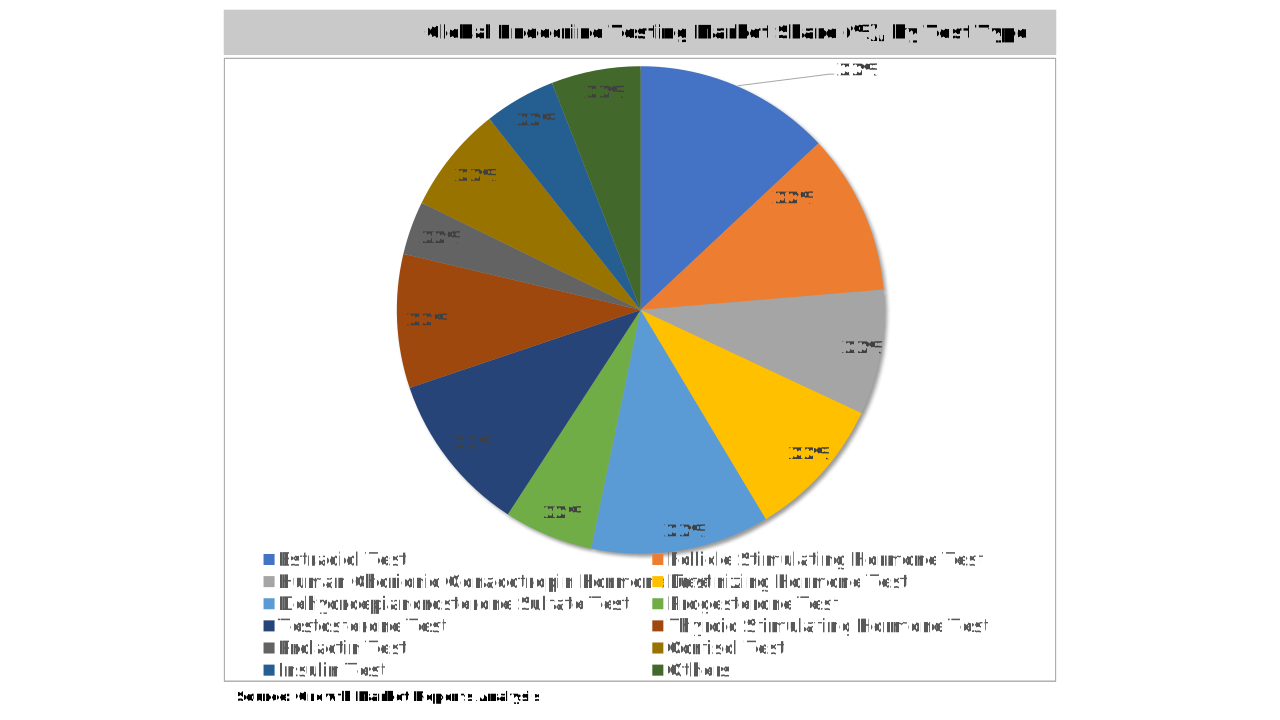
The test type segment encompasses a variety of assays, including thyroid function tests, insulin tests, cortisol tests, testosterone tests, estradiol tests, progesterone tests, and others. Among these, thyroid function tests hold the largest market share due to the high prevalence of thyroid disorders such as hypothyroidism and hyperthyroidism worldwide. These tests, which typically measure levels of thyroid-stimulating hormone (TSH), free thyroxine (FT4), and free triiodothyronine (FT3), are critical for the early diagnosis and management of thyroid diseases. The increasing incidence of autoimmune thyroid disorders and the growing awareness of thyroid health have further fueled the demand for comprehensive thyroid function testing.
Insulin and cortisol tests are also witnessing significant growth, driven by the rising burden of diabetes and adrenal gland disorders. Insulin testing is essential for diagnosing and monitoring diabetes mellitus, while cortisol assays are crucial for assessing adrenal function and diagnosing conditions such as Cushing’s syndrome and Addison’s disease. The growing prevalence of metabolic syndrome, obesity, and stress-related disorders has underscored the importance of these tests in routine clinical practice. Additionally, advancements in assay sensitivity and automation have improved the accuracy and reliability of insulin and cortisol measurements.
Reproductive hormone tests, including testosterone, estradiol, and progesterone assays, play a pivotal role in the diagnosis and management of infertility, polycystic ovary syndrome (PCOS), menstrual irregularities, and other reproductive health issues. The increasing awareness of reproductive health, coupled with the rising adoption of assisted reproductive technologies (ART), has contributed to the growing demand for these tests. Moreover, the availability of comprehensive hormone panels and multiplex assays has enabled healthcare providers to obtain a holistic view of patients’ endocrine status, facilitating personalized treatment plans.
Other tests within this segment include parathyroid hormone assays, growth hormone tests, and prolactin measurements, which are essential for diagnosing a range of endocrine disorders affecting calcium metabolism, growth, and lactation. The expansion of test menus in diagnostic laboratories and the integration of novel biomarkers into routine panels are expected to further drive the growth of the test type segment. The increasing focus on preventive healthcare and early disease detection is likely to sustain the demand for a broad spectrum of endocrine tests in the coming years.
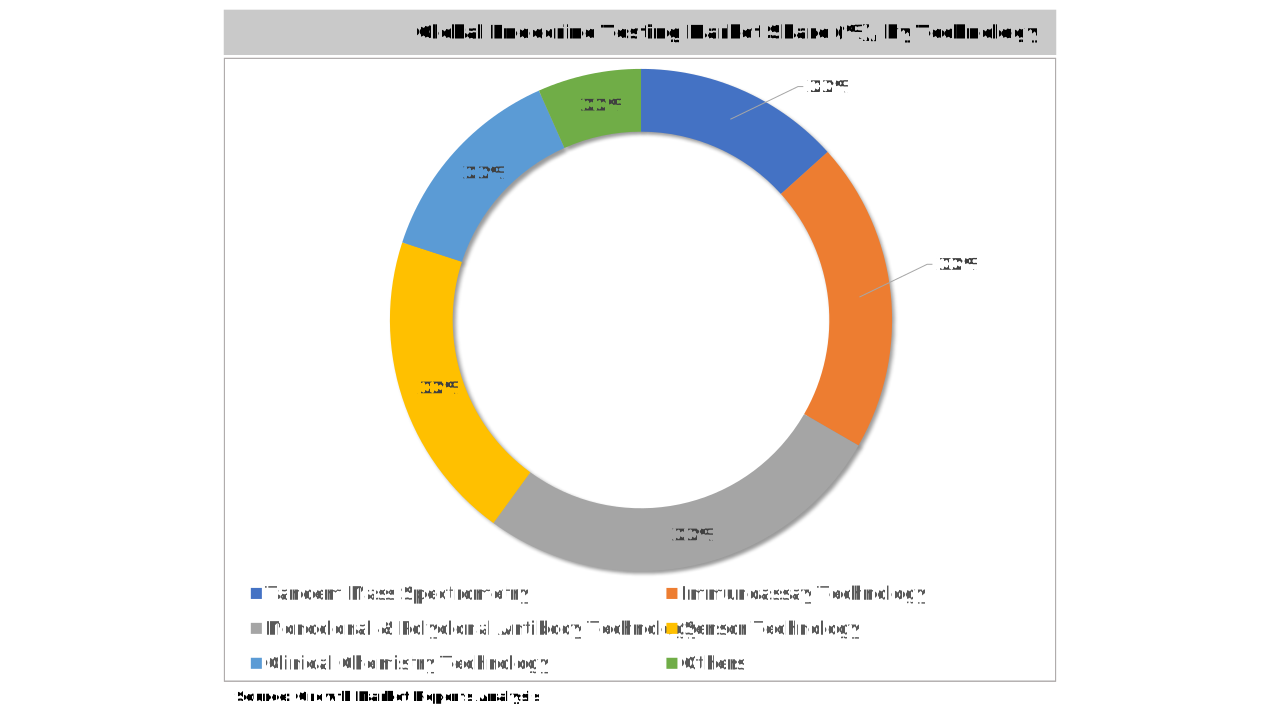
The technology segment of the endocrine testing market is segmented into immunoassay, tandem mass spectrometry, monoclonal and polyclonal antibody-based assays, sensor technology, and others. Immunoassay techniques, such as enzyme-linked immunosorbent assays (ELISA) and chemiluminescent immunoassays (CLIA), dominate this segment due to their high sensitivity, specificity, and scalability. These methods have become the gold standard for hormone quantification in clinical laboratories, enabling accurate and rapid detection of a wide range of endocrine biomarkers. The continuous evolution of immunoassay platforms, including the development of fully automated systems and multiplexing capabilities, has further enhanced their utility in high-throughput testing environments.
Tandem mass spectrometry (MS/MS) has emerged as a powerful technology for endocrine testing, offering unparalleled accuracy and specificity in the measurement of hormones and metabolites. This technique is particularly valuable for analyzing complex samples and detecting low-abundance analytes that may be challenging to quantify using traditional methods. The adoption of MS/MS in clinical laboratories is increasing, driven by the need for precise and comprehensive hormone profiling. However, the high cost and technical complexity of mass spectrometry systems may limit their widespread adoption in resource-constrained settings.
Monoclonal and polyclonal antibody-based assays are integral to the development of high-performance immunoassays. These antibodies enable the selective detection of specific hormones, ensuring high assay sensitivity and minimal cross-reactivity. Advances in antibody engineering and production technologies have facilitated the creation of robust and reliable assays for a wide range of endocrine targets. The growing demand for customized and high-affinity antibodies is expected to drive further innovation in this segment, supporting the development of next-generation diagnostic solutions.
Sensor technology, including biosensors and point-of-care testing devices, is gaining traction in the endocrine testing market due to its potential to deliver rapid, on-site results with minimal sample processing. These technologies are particularly valuable in decentralized and remote healthcare settings, where access to centralized laboratory infrastructure may be limited. The integration of digital connectivity and data analytics into sensor-based platforms is enabling real-time monitoring and remote patient management, aligning with the broader trend toward personalized and connected healthcare.
The end user segment of the endocrine testing market is segmented into hospitals, diagnostic laboratories, ambulatory care centers, and others. Hospitals represent the largest end user group, accounting for a significant proportion of the market share in 2024. The high volume of patient admissions, availability of advanced diagnostic infrastructure, and presence of skilled healthcare professionals make hospitals the primary centers for endocrine testing. The integration of automated platforms and electronic health records in hospital laboratories has further streamlined testing workflows and improved patient outcomes.
Diagnostic laboratories are another key end user segment, driven by the increasing trend toward outsourcing of complex diagnostic tests and the rising demand for specialized testing services. These laboratories offer a broad menu of endocrine tests, leveraging advanced technologies and high-throughput platforms to deliver accurate and timely results. The consolidation of diagnostic laboratory networks and the expansion of reference laboratory services have further strengthened the role of this segment in the global endocrine testing market.
Ambulatory care centers, including outpatient clinics and primary care facilities, are witnessing growing adoption of endocrine testing solutions. The shift toward decentralized healthcare delivery, coupled with the rising emphasis on preventive care and early disease detection, has increased the demand for rapid and accessible testing in ambulatory settings. The availability of point-of-care devices and portable testing platforms has enabled healthcare providers to offer comprehensive endocrine screening and monitoring services outside traditional hospital environments.
Other end users, such as academic and research institutions, contribute to the market by driving innovation and supporting the development of novel diagnostic assays and technologies. Collaborative research initiatives and partnerships between academic centers and industry players are fostering the translation of cutting-edge discoveries into clinically relevant testing solutions. The diverse range of end users in the endocrine testing market underscores the widespread applicability and importance of these diagnostic tools across the healthcare continuum.
The endocrine testing market presents numerous opportunities for growth and innovation. One of the most promising areas is the integration of artificial intelligence and machine learning algorithms into diagnostic platforms. These technologies have the potential to enhance the accuracy of test interpretation, enable personalized risk assessment, and support clinical decision-making. Additionally, the development of multiplex assays capable of simultaneously detecting multiple hormones and biomarkers is expected to streamline testing workflows and reduce costs. The expansion of telemedicine and remote patient monitoring solutions is also creating new opportunities for decentralized endocrine testing, particularly in underserved and rural regions.
Another significant opportunity lies in the expansion of endocrine testing services in emerging markets. Rapid urbanization, increasing healthcare expenditure, and improving access to diagnostic services in countries across Asia Pacific, Latin America, and the Middle East & Africa are expected to drive market growth. Strategic partnerships between global diagnostic companies and local healthcare providers can facilitate the introduction of advanced testing technologies and support capacity building. Furthermore, ongoing research into novel biomarkers and the development of next-generation assay platforms are likely to open new avenues for early detection and personalized management of endocrine disorders.
Despite these opportunities, the market faces several challenges and restraining factors. One of the primary threats is the high cost associated with advanced diagnostic instruments and reagents, which may limit adoption in resource-limited settings. Additionally, the complexity of certain testing technologies, such as mass spectrometry, requires specialized training and expertise, posing barriers to widespread implementation. Regulatory hurdles and the need for stringent quality control measures can also delay product approvals and market entry. Addressing these challenges will require concerted efforts from industry stakeholders, policymakers, and healthcare providers to ensure equitable access to high-quality endocrine testing solutions.
North America held the largest share of the global endocrine testing market in 2024, with a market value of USD 4.7 billion. The region’s dominance can be attributed to well-established healthcare infrastructure, high disease awareness, and significant investments in research and development. The United States, in particular, is a major contributor, driven by the high prevalence of diabetes, thyroid disorders, and other endocrine conditions. The presence of leading diagnostic companies and the widespread adoption of advanced testing technologies have further strengthened North America’s position in the market.
Europe accounted for the second-largest share, with a market size of USD 3.1 billion in 2024. The region benefits from robust public health systems, comprehensive screening programs, and favorable reimbursement policies. Countries such as Germany, the United Kingdom, and France are at the forefront of adopting innovative diagnostic platforms and expanding access to endocrine testing services. The increasing focus on preventive healthcare and early disease detection is expected to drive steady growth in the European market, with a projected CAGR of 7.8% during the forecast period.
The Asia Pacific region is anticipated to witness the fastest growth, with a market value of USD 2.3 billion in 2024 and a projected CAGR of 10.1% through 2033. Rapid urbanization, rising healthcare expenditure, and increasing awareness of endocrine disorders are key factors driving market expansion in countries such as China, India, and Japan. The growing adoption of advanced diagnostic technologies and the expansion of healthcare infrastructure are expected to further accelerate market growth. Latin America and the Middle East & Africa are also poised for significant development, supported by improving healthcare systems and increasing investments in diagnostic capabilities.
The global endocrine testing market is highly competitive, characterized by the presence of numerous multinational corporations, regional players, and emerging startups. The competitive landscape is shaped by continuous innovation, with companies striving to develop advanced diagnostic platforms, enhance assay sensitivity, and expand their product portfolios. Strategic collaborations, mergers, and acquisitions are common strategies employed by market leaders to strengthen their market position and gain access to new technologies and customer segments. The emphasis on research and development is evident, as companies invest heavily in the discovery of novel biomarkers, the optimization of testing methodologies, and the integration of digital health solutions.
Leading players in the endocrine testing market are focused on expanding their global footprint through the establishment of manufacturing facilities, distribution networks, and partnerships with healthcare providers. The ability to offer comprehensive testing solutions, including assay kits, instruments, and consumables, is a key differentiator in the market. Companies are also prioritizing regulatory compliance and quality assurance to meet the stringent requirements of various healthcare systems. The growing demand for point-of-care testing and decentralized diagnostic solutions has prompted several players to invest in the development of portable and user-friendly devices, catering to the needs of diverse end users.
Market competition is further intensified by the entry of new players and the emergence of innovative startups specializing in niche areas such as sensor technology, multiplex assays, and artificial intelligence-driven diagnostics. These companies are leveraging cutting-edge technologies to address unmet clinical needs and offer differentiated solutions. The dynamic nature of the endocrine testing market necessitates agility and adaptability, as companies must continuously monitor market trends, regulatory changes, and evolving customer preferences to maintain a competitive edge.
Some of the major companies operating in the global endocrine testing market include Abbott Laboratories, Siemens Healthineers, Roche Diagnostics, Thermo Fisher Scientific, Danaher Corporation, Bio-Rad Laboratories, Merck KGaA, bioMérieux SA, and Quest Diagnostics. Abbott Laboratories is renowned for its comprehensive portfolio of immunoassay platforms and point-of-care testing solutions. Siemens Healthineers offers a wide range of automated analyzers and advanced diagnostic assays, while Roche Diagnostics is recognized for its leadership in immunochemistry and clinical chemistry testing. Thermo Fisher Scientific and Danaher Corporation are prominent players in the mass spectrometry and laboratory automation segments, respectively. Bio-Rad Laboratories and Merck KGaA are known for their expertise in antibody production and assay development, while bioMérieux SA specializes in innovative sensor-based technologies. Quest Diagnostics is a leading provider of diagnostic laboratory services, offering an extensive menu of endocrine tests to healthcare providers across the globe.
Collectively, these companies are driving the advancement of endocrine testing technologies and expanding access to high-quality diagnostic solutions worldwide. Their commitment to innovation, quality, and customer satisfaction is expected to shape the future trajectory of the global endocrine testing market, ensuring continued growth and improved patient outcomes.
The Endocrine Testing market has been segmented on the basis of
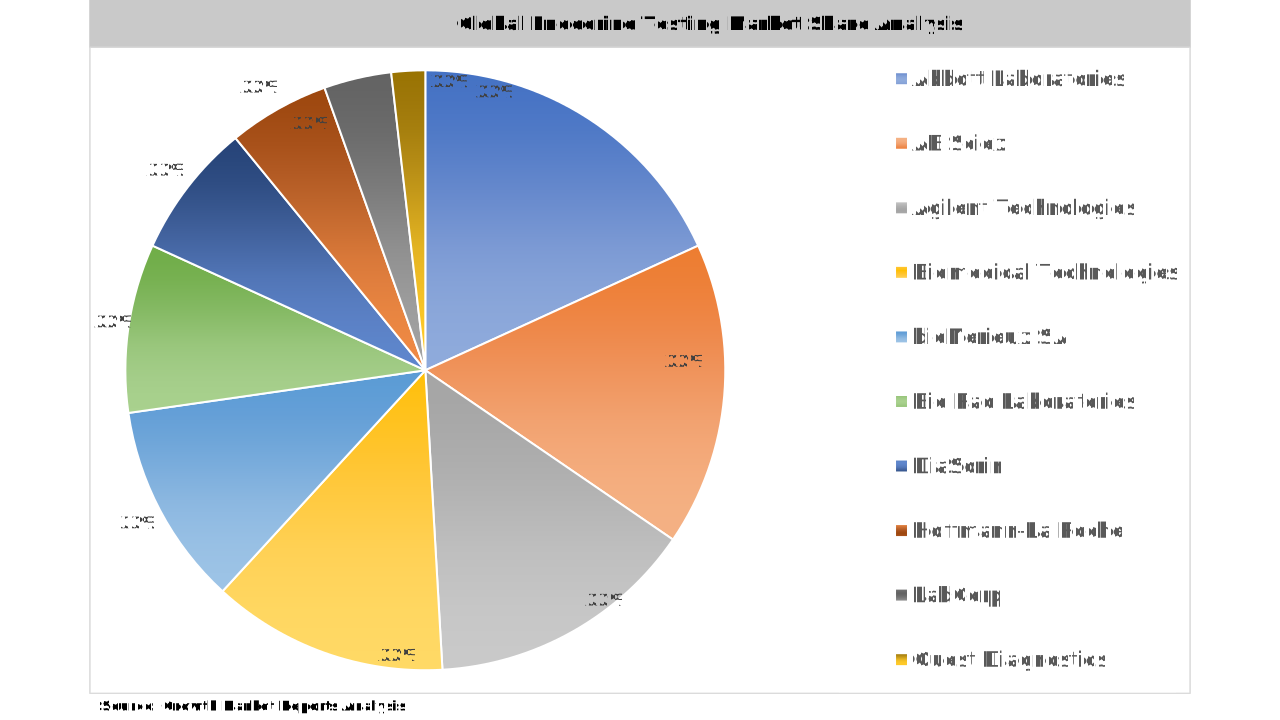
Some of the key players competing in the global endocrine testing market include Abbott Laboratories, AB Sciex, Agilent Technologies, Biomedical Technologies, bioMerieux SA, Bio Rad Laboratories, DiaSorin, Hoffmann-La Roche Ltd., LabCorp, and Quest Diagnostics.
Many players are concentrating on strategic initiatives such as mergers and acquisitions, co-development deals, product launches and development, and licensing partnerships to increase their products portfolio. Moreover, these competitors are focusing on strategies such as introducing technological advanced products and collaboration to sustain in the competition.
Future trends include the integration of artificial intelligence and machine learning in diagnostics, development of multiplex assays, expansion of telemedicine, and increased adoption of point-of-care and remote testing solutions.
Major players include Abbott Laboratories, Siemens Healthineers, Roche Diagnostics, Thermo Fisher Scientific, Danaher Corporation, Bio-Rad Laboratories, Merck KGaA, bioMérieux SA, and Quest Diagnostics.
Challenges include the high cost of advanced instruments and reagents, complexity of certain technologies requiring specialized training, and regulatory hurdles for product approvals.
Primary end users include hospitals, diagnostic laboratories, ambulatory care centers, and academic or research institutions.
Key technologies include immunoassays (like ELISA and CLIA), tandem mass spectrometry, monoclonal and polyclonal antibody-based assays, and sensor technology for point-of-care testing.
Thyroid function tests are the most commonly used, followed by insulin, cortisol, testosterone, estradiol, and progesterone tests, among others.
The main product types are assay kits, instruments (such as automated analyzers and point-of-care devices), and consumables like reagents and calibrators.
North America currently holds the largest share of the endocrine testing market, followed by Europe and Asia Pacific. The Asia Pacific region is expected to experience the fastest growth through 2033.
Key growth drivers include the rising prevalence of endocrine disorders, advancements in diagnostic technologies, increasing awareness of early disease detection, and the integration of innovative testing solutions in healthcare.
As of 2024, the global endocrine testing market size reached USD 11.8 billion, with expectations to grow to USD 22.3 billion by 2033.