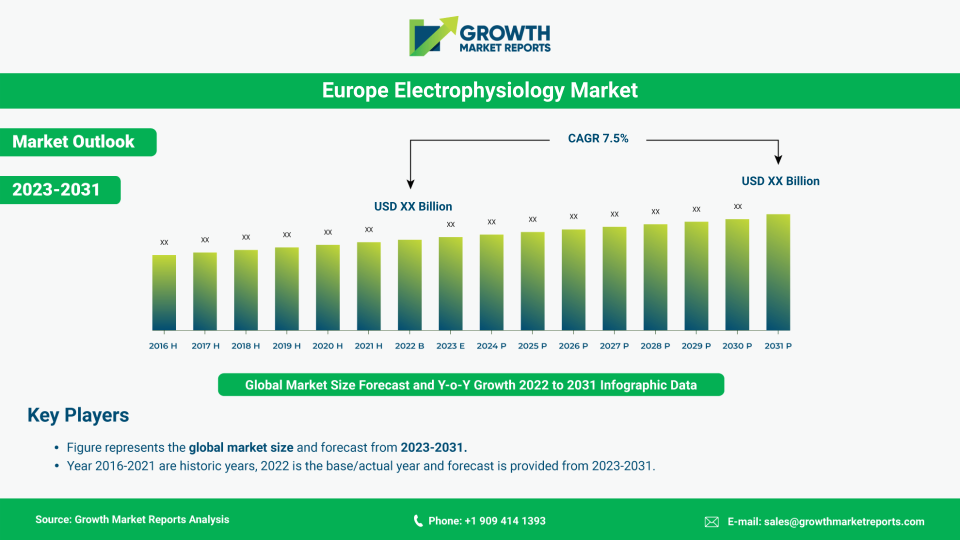
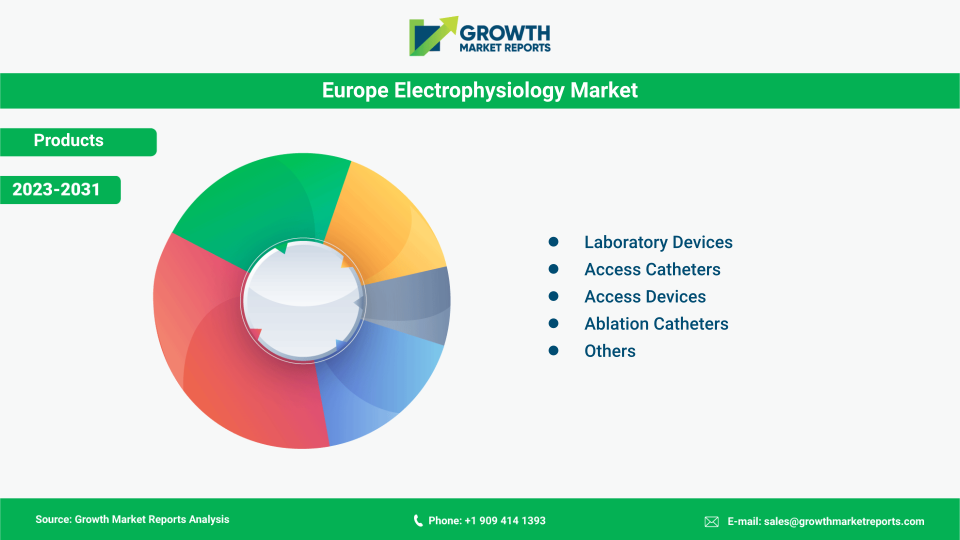
Segments - by Product Type (Electrophysiology Ablation Catheters, Electrophysiology Diagnostic Catheters, Electrophysiology Laboratory Devices, Access Devices, Others), by Indication (Atrial Fibrillation, Supraventricular Tachycardia, Ventricular Tachycardia, Others), by End-User (Hospitals, Ambulatory Surgical Centers, Diagnostic Centers, Others)
According to our latest research, the global electrophysiology market size reached USD 9.6 billion in 2024, reflecting robust momentum driven by technological advancements and rising prevalence of cardiac arrhythmias. The market is projected to grow at a CAGR of 9.2% from 2025 to 2033, reaching an estimated value of USD 21.5 billion by 2033. This impressive growth trajectory is underpinned by increasing adoption of minimally invasive electrophysiology procedures, expanding geriatric population, and continuous innovation in ablation and diagnostic technologies. As per the latest research, the market is poised for substantial expansion, fueled by both clinical demand and technological evolution.
One of the primary growth factors for the electrophysiology market is the escalating incidence of cardiac arrhythmias, particularly atrial fibrillation and ventricular tachycardia, which are major contributors to morbidity and mortality worldwide. The aging global population, coupled with lifestyle changes such as increased prevalence of obesity, hypertension, and diabetes, has led to a surge in cardiovascular disease cases. This, in turn, has heightened the demand for advanced electrophysiology diagnostic and ablation procedures. Continuous advancements in catheter design, mapping systems, and imaging modalities have further enabled more accurate and safer interventions, thereby propelling market growth. Additionally, the growing awareness among healthcare professionals and patients about the efficacy of electrophysiology procedures for arrhythmia management has contributed significantly to market expansion.
Technological innovation remains a cornerstone for the sustained growth of the electrophysiology market. The integration of three-dimensional (3D) mapping systems, robotic-assisted ablation, and real-time data analytics have revolutionized the diagnosis and treatment of complex arrhythmias. These innovations not only improve the precision and safety of procedures but also reduce procedure times and enhance patient outcomes. The increasing adoption of minimally invasive techniques has resulted in shorter hospital stays and faster recovery, making electrophysiology procedures more attractive to both patients and healthcare providers. Furthermore, the advent of next-generation ablation catheters, such as cryoablation and laser ablation, is expanding the therapeutic options available in the market, driving further growth.
Healthcare infrastructure development and favorable reimbursement policies in developed regions are also driving the electrophysiology market. Governments and private health insurers are increasingly recognizing the cost-effectiveness of early arrhythmia intervention, which reduces long-term healthcare expenditures associated with stroke and heart failure. This has led to higher rates of adoption of electrophysiology procedures in hospitals and ambulatory surgical centers. Moreover, strategic collaborations between medical device manufacturers and healthcare institutions are accelerating the introduction of innovative products and expanding market reach. However, disparities in access to advanced electrophysiology treatments persist across developing regions, which remains a challenge for global market penetration.
Regionally, North America continues to dominate the electrophysiology market, accounting for the largest revenue share in 2024, followed by Europe and Asia Pacific. The high prevalence of arrhythmias, well-established healthcare systems, and rapid adoption of cutting-edge technologies are key drivers in these regions. Asia Pacific is emerging as a lucrative market, fueled by rising healthcare investments, increasing awareness, and growing patient populations. Latin America and the Middle East & Africa are witnessing gradual market growth, primarily due to improving healthcare infrastructure and increasing focus on cardiovascular disease management. The regional outlook underscores the global nature of electrophysiology market growth, with significant opportunities for expansion across both mature and emerging markets.
The electrophysiology market by product type is segmented into electrophysiology ablation catheters, electrophysiology diagnostic catheters, electrophysiology laboratory devices, access devices, and others. Among these, electrophysiology ablation catheters represent the largest and fastest-growing segment, driven by their critical role in the treatment of atrial fibrillation and other complex arrhythmias. The increasing adoption of radiofrequency and cryoablation catheters is attributed to their proven efficacy, safety profile, and ability to deliver targeted therapy. Innovations in catheter technology, such as contact force sensing and irrigated-tip catheters, have further enhanced procedural outcomes and reduced recurrence rates, solidifying their dominance in the market.
Electrophysiology diagnostic catheters are also witnessing substantial demand, as accurate diagnosis is pivotal for the effective management of arrhythmias. These catheters enable detailed mapping of cardiac electrical activity, helping clinicians identify the precise origin of arrhythmias. The evolution of high-density mapping catheters and integration with advanced imaging modalities have significantly improved diagnostic accuracy and procedural efficiency. As the complexity of arrhythmias being treated increases, the demand for sophisticated diagnostic tools is expected to rise, further bolstering this segment's growth.
Electrophysiology laboratory devices, including mapping systems, recording systems, and stimulators, play a crucial role in supporting both diagnostic and therapeutic procedures. The adoption of 3D electroanatomical mapping systems has transformed the electrophysiology landscape by enabling visualization of complex cardiac structures and real-time monitoring during ablation. These systems are integral to improving procedural safety, reducing fluoroscopy time, and enhancing overall clinical outcomes. The ongoing development of user-friendly, interoperable, and AI-driven laboratory devices is expected to drive continued growth in this segment.
Access devices, such as sheaths and introducers, are essential for facilitating safe and efficient catheter placement during electrophysiology procedures. While this segment is smaller compared to ablation and diagnostic catheters, it remains a vital component of the overall market. Innovations in access device design, focusing on minimizing vascular complications and improving maneuverability, are contributing to their steady adoption. The "others" category includes ancillary products such as cables, connectors, and support equipment, which, while less prominent, are indispensable for seamless electrophysiology laboratory operations.
Overall, the product type segmentation highlights the dynamic and innovation-driven nature of the electrophysiology market. The continuous introduction of next-generation catheters and laboratory devices, coupled with increasing procedural volumes, is expected to sustain robust growth across all product categories through 2033.
| Attributes | Details |
| Report Title | Electrophysiology Market Research Report 2033 |
| By Product Type | Electrophysiology Ablation Catheters, Electrophysiology Diagnostic Catheters, Electrophysiology Laboratory Devices, Access Devices, Others |
| By Indication | Atrial Fibrillation, Supraventricular Tachycardia, Ventricular Tachycardia, Others |
| By End-User | Hospitals, Ambulatory Surgical Centers, Diagnostic Centers, Others |
| Regions Covered | North America, Europe, APAC, Latin America, MEA |
| Base Year | 2024 |
| Historic Data | 2018-2023 |
| Forecast Period | 2025-2033 |
| Number of Pages | 267 |
| Number of Tables & Figures | 257 |
| Customization Available | Yes, the report can be customized as per your need. |
The indication segment of the electrophysiology market is categorized into atrial fibrillation, supraventricular tachycardia, ventricular tachycardia, and others. Atrial fibrillation (AF) stands out as the most significant indication, accounting for the largest share of electrophysiology procedures globally. The rising prevalence of AF, particularly among the elderly population, has led to an increased focus on early diagnosis and intervention. Electrophysiology ablation has emerged as a first-line therapy for drug-refractory AF, supported by robust clinical evidence demonstrating its superiority over pharmacological treatment in reducing recurrence and improving quality of life. The growing adoption of AF ablation is expected to remain a key growth driver for the market.
Supraventricular tachycardia (SVT) represents another major indication for electrophysiology procedures. SVT encompasses a range of arrhythmias originating above the ventricles, including atrioventricular nodal reentrant tachycardia (AVNRT) and atrioventricular reentrant tachycardia (AVRT). Catheter ablation is recognized as a highly effective and curative treatment for SVT, with success rates exceeding 95 percent in many cases. The minimally invasive nature of the procedure, coupled with low complication rates, has contributed to its widespread acceptance among clinicians and patients alike. As awareness of SVT and its management options increases, the demand for electrophysiology procedures in this segment is expected to grow steadily.
Ventricular tachycardia (VT) is a potentially life-threatening arrhythmia that requires prompt and effective intervention. Electrophysiology studies and ablation are critical tools for the diagnosis and management of VT, particularly in patients with structural heart disease or prior myocardial infarction. Advances in mapping technologies and ablation techniques have improved the safety and efficacy of VT ablation, making it a viable option for a broader patient population. The increasing emphasis on reducing sudden cardiac death and improving long-term outcomes in high-risk patients is expected to drive growth in the VT segment.
The "others" category includes a range of less common arrhythmias, such as atrial flutter and Wolff-Parkinson-White syndrome, which also benefit from electrophysiology interventions. While these indications represent a smaller share of the overall market, advances in diagnostic and therapeutic technologies are expanding the scope of treatable arrhythmias. The ongoing refinement of ablation techniques and the introduction of novel energy sources are expected to further broaden the range of indications addressed by electrophysiology procedures.
In summary, the indication analysis underscores the central role of atrial fibrillation in driving electrophysiology market growth, while also highlighting significant opportunities in SVT, VT, and other arrhythmias. As clinical guidelines continue to evolve and evidence supporting electrophysiology interventions strengthens, the market is poised for sustained expansion across all major indications.
The end-user segment of the electrophysiology market encompasses hospitals, ambulatory surgical centers, diagnostic centers, and others. Hospitals represent the largest end-user category, accounting for the majority of electrophysiology procedures performed worldwide. The presence of advanced infrastructure, skilled electrophysiologists, and comprehensive cardiac care units enables hospitals to offer a full spectrum of diagnostic and therapeutic electrophysiology services. The increasing number of specialized electrophysiology labs within hospitals, coupled with the growing adoption of minimally invasive procedures, is driving procedural volumes and revenue in this segment.
Ambulatory surgical centers (ASCs) are emerging as a significant growth area within the electrophysiology market. The shift towards outpatient care, driven by advances in minimally invasive techniques and shorter recovery times, is making ASCs an attractive option for both patients and providers. ASCs offer cost advantages, reduced hospital stays, and improved patient convenience, contributing to their rising popularity. The expansion of reimbursement coverage for electrophysiology procedures performed in ASCs is further accelerating market growth in this segment. As more complex arrhythmia cases become amenable to outpatient intervention, the role of ASCs in the electrophysiology landscape is expected to expand.
Diagnostic centers play a critical role in the early identification and management of cardiac arrhythmias. These centers are equipped with advanced diagnostic tools, including electrocardiography, Holter monitoring, and electrophysiology study equipment, enabling comprehensive arrhythmia assessment. The increasing emphasis on preventive cardiology and early detection of arrhythmias is driving demand for diagnostic services. As healthcare systems prioritize value-based care and early intervention, diagnostic centers are expected to play an increasingly important role in the electrophysiology market.
The "others" category includes research institutions, academic medical centers, and specialty clinics that contribute to electrophysiology research, training, and specialized care delivery. These institutions play a pivotal role in advancing clinical knowledge, developing innovative technologies, and training the next generation of electrophysiologists. While this segment represents a smaller share of the market, its contributions to research and innovation are essential for sustaining long-term market growth and improving patient outcomes.
Overall, the end-user analysis highlights the diverse settings in which electrophysiology procedures are performed. The increasing decentralization of care, driven by technological advancements and evolving healthcare delivery models, is expected to expand access to electrophysiology services and drive market growth across all end-user segments.
The electrophysiology market presents significant opportunities for growth, particularly in emerging economies where the burden of cardiovascular diseases is rising rapidly. Expanding healthcare infrastructure, increasing healthcare expenditure, and growing awareness of arrhythmia management are creating a fertile environment for market expansion. Medical device manufacturers have the opportunity to tap into these markets by offering cost-effective, user-friendly, and scalable electrophysiology solutions. Strategic partnerships with local healthcare providers and investment in training and education can further accelerate market penetration. Additionally, the ongoing shift towards value-based healthcare and preventive cardiology is expected to drive demand for early diagnosis and intervention, creating new avenues for growth.
Technological innovation represents another key opportunity in the electrophysiology market. The integration of artificial intelligence, robotics, and advanced imaging into electrophysiology procedures is transforming the field, enabling more precise and personalized care. The development of next-generation ablation catheters, remote monitoring solutions, and wearable devices is expanding the scope of electrophysiology beyond traditional hospital settings. Companies that invest in research and development, focus on user-centric design, and prioritize regulatory compliance are well-positioned to capitalize on these opportunities. Furthermore, the increasing acceptance of telemedicine and remote consultation is expected to enhance access to electrophysiology expertise, particularly in underserved regions.
Despite the promising outlook, the electrophysiology market faces several restraining factors. High procedural costs, limited reimbursement in certain regions, and the need for specialized training pose challenges to widespread adoption. Additionally, the complexity of electrophysiology procedures and the risk of complications require a high level of expertise and infrastructure, which may not be readily available in all healthcare settings. Regulatory hurdles and the lengthy approval process for new devices can also slow market entry and innovation. Addressing these challenges will require concerted efforts from stakeholders across the healthcare ecosystem, including policymakers, payers, providers, and industry players.
North America continues to lead the global electrophysiology market, with a market size of USD 4.2 billion in 2024. The region's dominance is attributed to a high prevalence of cardiac arrhythmias, advanced healthcare infrastructure, and rapid adoption of innovative electrophysiology technologies. The United States, in particular, accounts for the majority of procedures, supported by a strong network of specialized cardiac centers and favorable reimbursement policies. Canada is also witnessing steady growth, driven by increasing healthcare investments and rising awareness of arrhythmia management. The region is expected to maintain a robust growth trajectory, with a projected CAGR of 8.7% through 2033.
Europe is the second-largest market for electrophysiology, with a market size of USD 2.7 billion in 2024. The region benefits from well-established healthcare systems, high levels of clinical expertise, and strong government support for cardiovascular disease management. Countries such as Germany, the United Kingdom, and France are at the forefront of electrophysiology innovation, with a high concentration of specialized centers and research institutions. The increasing adoption of minimally invasive procedures and favorable regulatory environment are driving market growth across the region. Eastern European countries are also showing promising growth, fueled by improving healthcare infrastructure and rising patient awareness.
The Asia Pacific region is emerging as a high-growth market for electrophysiology, with a market size of USD 1.8 billion in 2024. Rapid urbanization, increasing healthcare expenditure, and a growing burden of cardiovascular diseases are key drivers in this region. China, Japan, and India are leading the way, supported by expanding healthcare infrastructure and rising investments in advanced medical technologies. The region is expected to witness the highest CAGR of 11.2% during the forecast period, driven by increasing adoption of electrophysiology procedures and growing focus on early diagnosis and intervention. Latin America and the Middle East & Africa, with combined market size of USD 0.9 billion in 2024, are also experiencing gradual growth, supported by improving access to healthcare and rising awareness of arrhythmia management.
The global electrophysiology market is characterized by intense competition, with a mix of established multinational corporations and innovative emerging players vying for market share. The competitive landscape is shaped by continuous investment in research and development, strategic collaborations, and a strong focus on product innovation. Leading companies are leveraging their extensive product portfolios, global distribution networks, and deep clinical expertise to maintain their competitive edge. The market is also witnessing a wave of mergers and acquisitions, as companies seek to expand their capabilities, enter new markets, and strengthen their positions in key segments.
Product differentiation and technological innovation are critical success factors in the electrophysiology market. Companies are investing heavily in the development of next-generation ablation catheters, advanced mapping systems, and integrated electrophysiology platforms. The ability to offer comprehensive solutions that enhance procedural efficiency, improve patient outcomes, and reduce healthcare costs is a key driver of competitive advantage. Additionally, regulatory compliance, quality assurance, and post-market surveillance are becoming increasingly important as the market evolves and new technologies are introduced.
The competitive landscape is also influenced by the growing importance of partnerships and collaborations. Leading companies are forming alliances with healthcare providers, academic institutions, and technology firms to accelerate product development, expand market reach, and address unmet clinical needs. These collaborations are facilitating the integration of artificial intelligence, robotics, and data analytics into electrophysiology procedures, driving the next wave of innovation in the market. Furthermore, companies are focusing on expanding their presence in high-growth emerging markets through localized strategies, investment in training and education, and adaptation of products to meet regional needs.
Some of the major players in the electrophysiology market include Abbott Laboratories, Boston Scientific Corporation, Medtronic plc, Johnson & Johnson (Biosense Webster), Siemens Healthineers, GE Healthcare, MicroPort Scientific Corporation, and Biotronik SE & Co. KG. Abbott Laboratories is recognized for its comprehensive portfolio of ablation and diagnostic catheters, as well as advanced mapping systems. Boston Scientific Corporation is a leader in the development of innovative ablation technologies and integrated electrophysiology solutions. Medtronic plc offers a wide range of electrophysiology products, including advanced catheters and mapping systems, and has a strong global presence.
Johnson & Johnson, through its Biosense Webster division, is a pioneer in the field, known for its cutting-edge mapping and ablation technologies. Siemens Healthineers and GE Healthcare are prominent players in the electrophysiology laboratory devices segment, offering state-of-the-art imaging and recording systems. MicroPort Scientific Corporation and Biotronik SE & Co. KG are expanding their global footprint, particularly in emerging markets, through a combination of innovation, strategic partnerships, and localized manufacturing. These companies are at the forefront of shaping the future of the electrophysiology market, driving advancements in technology, clinical outcomes, and patient care.
The Electrophysiology market has been segmented on the basis of
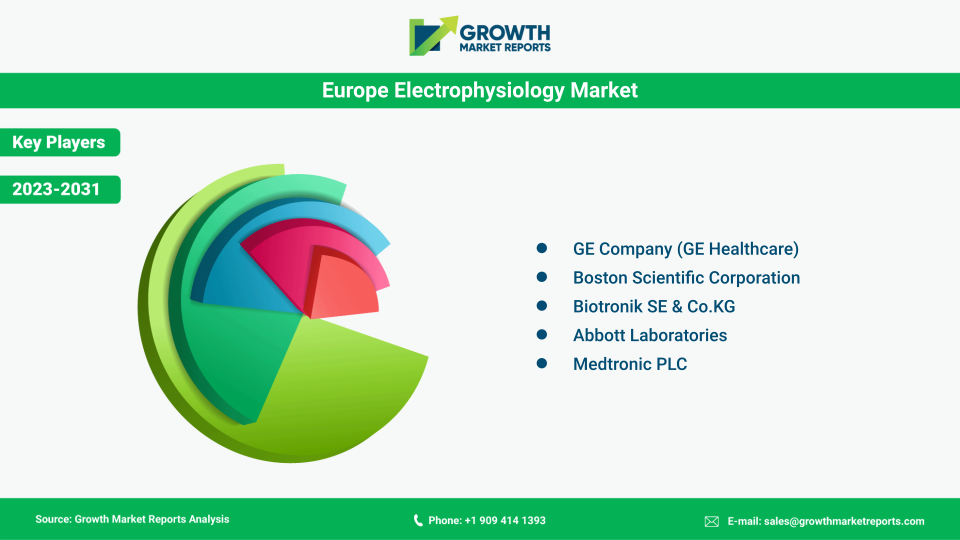
Key players competing in the Europe electrophysiology market include GE Company (GE Healthcare); Boston Scientific Corporation; Biotronik SE & Co.KG; Abbott Laboratories; Medtronic PLC.
Some of these players are targeting on business strategies such as mergers, acquisitions, partnerships, collaborations, capacity expansion, and product launches to increase their market shares. For instance,
In January 2021, Farapulse received CE Mark for its FARAPULSE Pulsed Field Ablation (PFA) system for the treatment of Paroxysmal Atrial Fibrillation.
In December 2020, Actus Medical introduced a system they called AcQBlate Force Sensing Ablation System especially in Europe after they receive the CE Mark for their system, AcQBlate FORCE and Qubic Force Sensing Module aka Qubic Force.
Emerging markets offer significant growth opportunities due to rising cardiovascular disease burden, expanding healthcare infrastructure, increasing healthcare expenditure, and growing awareness of arrhythmia management.
Technological innovation, such as the integration of AI, robotics, and advanced imaging, is improving procedural precision, safety, and patient outcomes, while also enabling the development of next-generation ablation catheters and remote monitoring solutions.
Challenges include high procedural costs, limited reimbursement in some regions, the need for specialized training, regulatory hurdles, and disparities in access to advanced treatments in developing regions.
Major companies include Abbott Laboratories, Boston Scientific Corporation, Medtronic plc, Johnson & Johnson (Biosense Webster), Siemens Healthineers, GE Healthcare, MicroPort Scientific Corporation, and Biotronik SE & Co. KG.
Key growth drivers include the rising prevalence of cardiac arrhythmias, technological innovation (such as 3D mapping and robotic-assisted ablation), expanding geriatric population, and increasing adoption of minimally invasive procedures.
North America leads the market, followed by Europe and Asia Pacific. North America accounts for the largest revenue share in 2024, with Asia Pacific emerging as a high-growth region.
The main indications include atrial fibrillation, supraventricular tachycardia, ventricular tachycardia, and other arrhythmias such as atrial flutter and Wolff-Parkinson-White syndrome.
Electrophysiology ablation catheters represent the largest and fastest-growing product segment, mainly due to their critical role in treating atrial fibrillation and other complex arrhythmias.
The electrophysiology market is expected to grow at a CAGR of 9.2% from 2025 to 2033, reaching an estimated value of USD 21.5 billion by 2033.
As of 2024, the global electrophysiology market size reached USD 9.6 billion, with strong growth driven by technological advancements and the rising prevalence of cardiac arrhythmias.