Segments - by Product Type (Portable EMS Devices, Wearable EMS Devices, Standalone EMS Devices), by Application (Sports and Fitness, Rehabilitation, Pain Management, Aesthetic Medicine, Others), by End-User (Hospitals & Clinics, Physiotherapy Centers, Home Care Settings, Fitness Centers, Others), by Distribution Channel (Online, Offline)
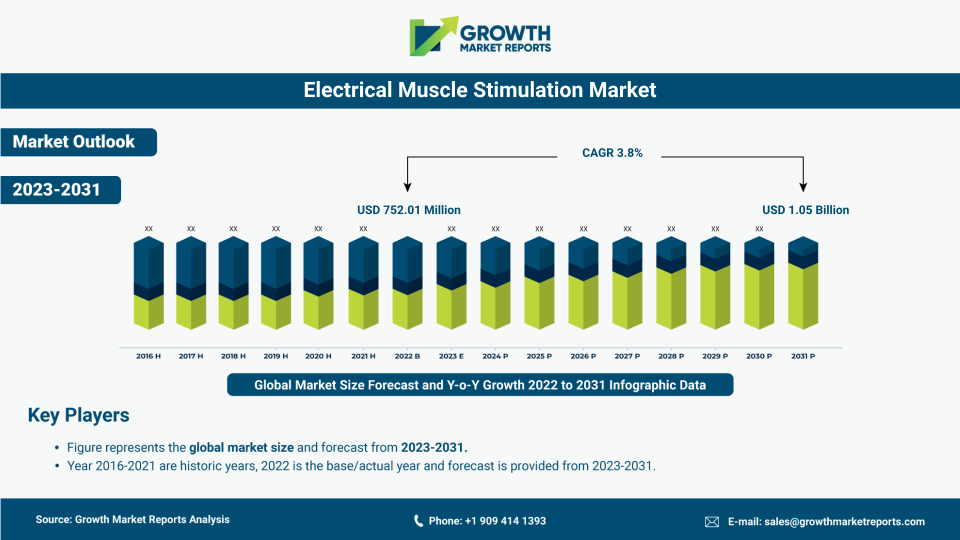
According to our latest research, the global Electrical Muscle Stimulation (EMS) market size stood at USD 985.6 million in 2024, with the market exhibiting a robust growth trajectory driven by technological advancements and rising adoption across healthcare and fitness sectors. The EMS market is projected to reach USD 2,329.1 million by 2033, expanding at a compelling CAGR of 9.8% during the forecast period. This growth is primarily attributed to the increasing prevalence of musculoskeletal disorders, burgeoning demand for non-invasive pain management solutions, and the growing integration of EMS technology in sports and rehabilitation. As per our comprehensive analysis, the market continues to witness significant investments and product innovations, further fueling its upward momentum.
One of the primary growth drivers for the Electrical Muscle Stimulation market is the surging incidence of chronic pain and musculoskeletal conditions globally. With aging populations and sedentary lifestyles on the rise, the prevalence of ailments such as lower back pain, arthritis, and post-surgical muscle atrophy has escalated. EMS devices offer a non-pharmacological, non-invasive alternative for pain management and muscle rehabilitation, making them increasingly attractive to both healthcare providers and patients. Additionally, the ongoing shift towards home-based healthcare solutions has accelerated the adoption of portable and wearable EMS devices, empowering individuals to manage their health independently and efficiently. This trend is further supported by favorable reimbursement policies in several developed markets, which have contributed to increased accessibility and utilization of EMS technologies.
Another significant factor propelling the EMS market is the expanding application of electrical muscle stimulation in the sports and fitness industry. Professional athletes and fitness enthusiasts are increasingly leveraging EMS devices for muscle strengthening, injury prevention, and enhanced recovery. The integration of EMS technology into training regimens has been shown to improve muscle performance, endurance, and overall physical conditioning. Furthermore, the proliferation of fitness centers, gyms, and wellness studios equipped with advanced EMS systems has created new avenues for market growth. The emergence of wearable EMS devices, which offer real-time feedback and personalized training programs, has further broadened the consumer base, attracting tech-savvy users seeking innovative ways to optimize their workouts and achieve their fitness goals.
Technological advancements and product innovation represent another critical growth catalyst for the EMS market. Leading manufacturers are investing heavily in research and development to introduce next-generation EMS devices with enhanced functionality, user-friendly interfaces, and improved safety profiles. The integration of wireless connectivity, mobile applications, and artificial intelligence has revolutionized the user experience, enabling remote monitoring, data tracking, and personalized therapy protocols. These innovations are not only enhancing the efficacy and convenience of EMS devices but also expanding their applications beyond traditional healthcare settings. As a result, EMS technology is increasingly being adopted in aesthetic medicine for body contouring and muscle toning, further diversifying the market and unlocking new revenue streams.
The Neuromuscular Electrical Stimulation Device is an innovative advancement within the EMS market, offering targeted muscle stimulation that is particularly beneficial for rehabilitation and recovery. These devices are designed to deliver electrical impulses that mimic the action of signals coming from neurons, thereby stimulating muscle contraction. This technology is especially beneficial for patients recovering from surgery or those with neurological impairments, as it aids in muscle re-education and prevents atrophy. The growing interest in personalized healthcare solutions has led to increased research and development in this area, with manufacturers focusing on creating devices that are not only effective but also user-friendly and accessible for home use. The integration of such devices into rehabilitation protocols is expected to enhance patient outcomes significantly, providing a non-invasive option for muscle strengthening and recovery.
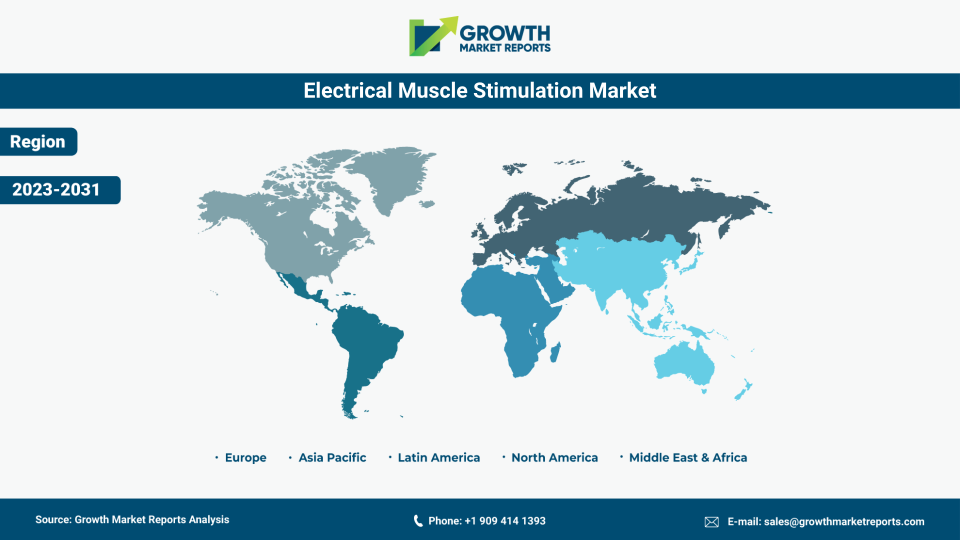
From a regional perspective, North America continues to dominate the global EMS market, accounting for the largest revenue share in 2024. This leadership position is underpinned by the presence of a well-established healthcare infrastructure, high consumer awareness, and a strong focus on technological innovation. Europe follows closely, driven by supportive government initiatives and a growing aging population. Meanwhile, the Asia Pacific region is poised for the fastest growth during the forecast period, fueled by rising healthcare expenditure, increasing adoption of advanced medical devices, and a burgeoning fitness industry. Latin America and the Middle East & Africa are also witnessing steady growth, albeit from a smaller base, as awareness and accessibility of EMS technology continue to improve.
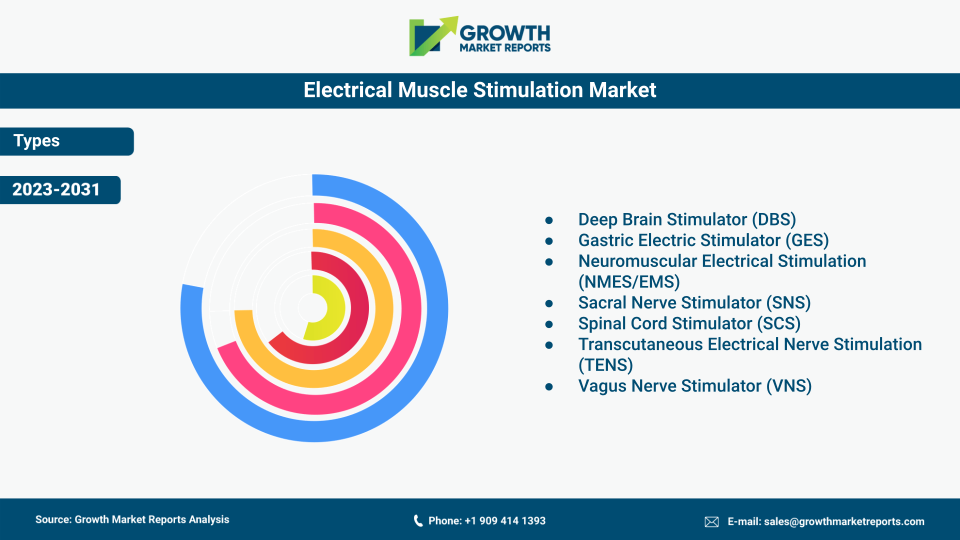
The Electrical Muscle Stimulation market is segmented by product type into Portable EMS Devices, Wearable EMS Devices, and Standalone EMS Devices. Portable EMS devices have gained significant traction owing to their convenience, ease of use, and affordability. These devices are particularly popular among home care users and fitness enthusiasts who require flexibility and mobility in their muscle stimulation routines. The portability factor has also contributed to increased adoption in remote and resource-limited settings, where access to traditional rehabilitation facilities may be limited. As manufacturers continue to introduce compact, lightweight, and battery-operated models, the portable EMS segment is expected to maintain its dominance throughout the forecast period.
Wearable EMS devices represent the fastest-growing segment within the product type category, driven by advancements in wearable technology and the rising demand for smart health solutions. These devices are designed to be discreet, comfortable, and compatible with daily activities, making them ideal for continuous muscle stimulation and real-time monitoring. The integration of Bluetooth connectivity, mobile apps, and cloud-based data analytics has transformed wearable EMS devices into sophisticated health management tools. Consumers are increasingly drawn to the personalized feedback and adaptive training programs offered by these wearables, which cater to a wide range of applications from fitness enhancement to post-injury rehabilitation.
Standalone EMS devices, typically larger and more powerful than their portable and wearable counterparts, are primarily used in clinical settings such as hospitals, physiotherapy centers, and rehabilitation clinics. These devices offer a broader range of stimulation modes, customizable parameters, and advanced safety features, making them suitable for intensive therapy and complex medical conditions. Despite their higher cost and limited mobility, standalone EMS devices remain indispensable in professional healthcare environments where comprehensive muscle stimulation protocols are required. The adoption of these devices is further supported by ongoing clinical research and the development of evidence-based treatment guidelines.
The competitive landscape within the product type segment is characterized by continuous innovation, with leading manufacturers striving to differentiate their offerings through enhanced performance, user experience, and integration capabilities. The convergence of EMS technology with other modalities, such as transcutaneous electrical nerve stimulation (TENS) and biofeedback, is also gaining traction, resulting in multifunctional devices that address a wider spectrum of therapeutic needs. As consumer preferences evolve and demand for personalized healthcare solutions intensifies, the product type segment is expected to witness sustained growth and diversification.
| Attributes | Details |
| Report Title | Electrical Muscle Stimulation Market Research Report 2033 |
| By Product Type | Portable EMS Devices, Wearable EMS Devices, Standalone EMS Devices |
| By Application | Sports and Fitness, Rehabilitation, Pain Management, Aesthetic Medicine, Others |
| By End-User | Hospitals & Clinics, Physiotherapy Centers, Home Care Settings, Fitness Centers, Others |
| By Distribution Channel | Online, Offline |
| Regions Covered | North America, Europe, APAC, Latin America, MEA |
| Base Year | 2024 |
| Historic Data | 2018-2023 |
| Forecast Period | 2025-2033 |
| Number of Pages | 296 |
| Number of Tables & Figures | 396 |
| Customization Available | Yes, the report can be customized as per your need. |
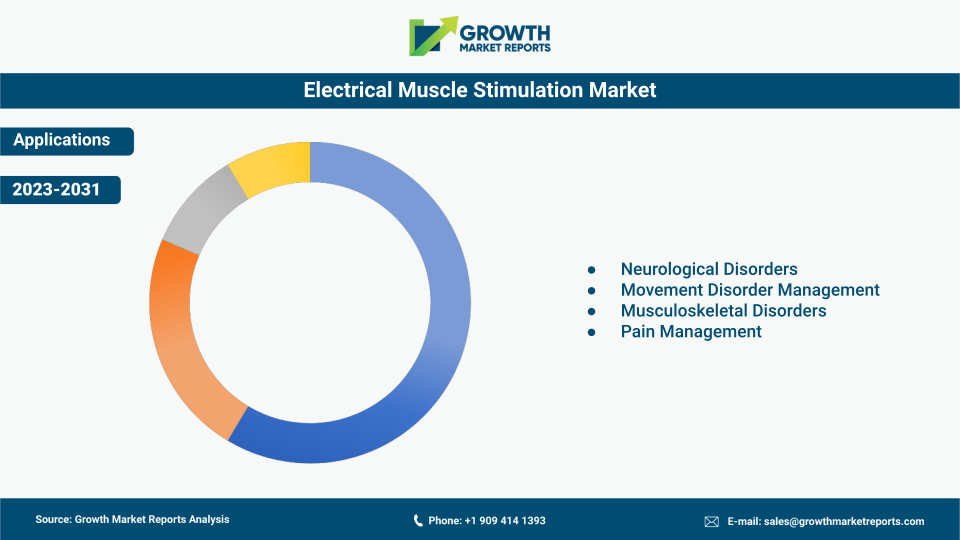
The application landscape of the Electrical Muscle Stimulation market encompasses Sports and Fitness, Rehabilitation, Pain Management, Aesthetic Medicine, and Others. Sports and fitness represent a major application area, with EMS devices being widely used for muscle strengthening, endurance training, and recovery. Athletes and fitness enthusiasts are increasingly incorporating EMS into their training regimens to enhance performance, prevent injuries, and accelerate muscle repair. The growing popularity of EMS-based fitness studios and personal training programs has further fueled demand in this segment, with wearable and portable devices gaining particular traction among younger, tech-savvy consumers.
Rehabilitation is another key application driving the EMS market, particularly in the context of post-surgical recovery, neurological disorders, and musculoskeletal injuries. EMS devices are extensively used in physiotherapy centers and hospitals to restore muscle function, improve mobility, and reduce the risk of muscle atrophy. The ability of EMS technology to deliver targeted, controlled stimulation makes it an invaluable tool for personalized rehabilitation programs. Ongoing research and clinical trials continue to validate the efficacy of EMS in improving patient outcomes, thereby boosting adoption among healthcare providers and patients alike.
Pain management is a rapidly expanding application segment, as EMS devices offer a non-invasive, drug-free alternative for alleviating chronic and acute pain. The rising prevalence of conditions such as lower back pain, osteoarthritis, and fibromyalgia has created a substantial market opportunity for EMS-based pain relief solutions. Portable and wearable EMS devices are particularly popular in this segment, enabling patients to manage pain conveniently at home or on the go. The growing acceptance of EMS therapy among pain specialists and the integration of EMS with complementary modalities, such as TENS, are expected to drive further growth in this application area.
The use of EMS in aesthetic medicine is gaining momentum, with devices being employed for body contouring, muscle toning, and cellulite reduction. The demand for non-surgical, minimally invasive cosmetic procedures has surged in recent years, creating new opportunities for EMS technology in the beauty and wellness industry. Clinics and medspas are increasingly offering EMS-based treatments as part of their service portfolios, attracting clients seeking effective, safe, and convenient solutions for physical enhancement. As technological advancements continue to improve the efficacy and safety of EMS devices, the aesthetic medicine segment is poised for significant expansion.
The end-user segment of the Electrical Muscle Stimulation market includes Hospitals & Clinics, Physiotherapy Centers, Home Care Settings, Fitness Centers, and Others. Hospitals and clinics represent a significant share of the market, driven by the widespread use of EMS devices in acute care, post-operative recovery, and chronic disease management. These healthcare facilities rely on advanced standalone EMS systems to deliver precise, customizable therapy tailored to individual patient needs. The growing emphasis on evidence-based practice and the integration of EMS into multidisciplinary treatment protocols have further cemented the role of hospitals and clinics as key end-users.
Physiotherapy centers are another major end-user group, leveraging EMS technology to enhance rehabilitation outcomes for patients with musculoskeletal injuries, neurological disorders, and post-surgical complications. The ability of EMS devices to facilitate muscle re-education, prevent atrophy, and improve functional mobility has made them a staple in modern physiotherapy practice. As awareness of the benefits of EMS therapy continues to grow among physiotherapists and patients, adoption rates in this segment are expected to rise steadily. The increasing availability of specialized EMS training programs and certification courses is also contributing to the professionalization of EMS-based rehabilitation services.
Home care settings are witnessing rapid growth as advancements in portable and wearable EMS devices empower individuals to manage their health independently. The shift towards home-based healthcare is being driven by factors such as rising healthcare costs, an aging population, and the desire for greater convenience and autonomy. EMS devices designed for home use are characterized by user-friendly interfaces, intuitive controls, and comprehensive safety features, making them accessible to a wide range of users. The proliferation of telehealth platforms and remote monitoring solutions has further facilitated the integration of EMS therapy into home care routines, enabling healthcare providers to track patient progress and adjust treatment plans remotely.
Fitness centers and gyms represent a burgeoning end-user segment, with EMS technology being incorporated into group classes, personal training sessions, and wellness programs. The ability of EMS devices to deliver targeted muscle stimulation and enhance workout efficiency has made them increasingly popular among fitness professionals and clients seeking innovative training modalities. As the fitness industry continues to evolve, EMS-based offerings are expected to become a standard feature in premium fitness centers and boutique studios, driving further market growth. The "Others" category, which includes research institutions, sports teams, and military organizations, also contributes to the diverse end-user landscape of the EMS market.
The distribution channel segment of the Electrical Muscle Stimulation market is bifurcated into Online and Offline channels. The offline segment, comprising brick-and-mortar medical supply stores, specialty retailers, and hospital pharmacies, has traditionally dominated the market, accounting for a significant share of EMS device sales. Offline channels offer the advantage of personalized customer service, product demonstrations, and immediate product availability, making them particularly appealing to healthcare professionals and older consumers. The presence of trained staff and after-sales support further enhances the value proposition of offline distribution, ensuring customer satisfaction and loyalty.
However, the online distribution channel is rapidly gaining ground, driven by the proliferation of e-commerce platforms, digital health marketplaces, and direct-to-consumer sales models. Online channels offer unparalleled convenience, competitive pricing, and a wide selection of EMS devices, attracting a diverse customer base that includes tech-savvy consumers, home care users, and fitness enthusiasts. The ability to access detailed product information, customer reviews, and virtual consultations has empowered buyers to make informed purchasing decisions. The COVID-19 pandemic further accelerated the shift towards online sales, as restrictions on physical retail and heightened health concerns prompted consumers to embrace digital shopping channels.
Manufacturers and distributors are increasingly adopting omnichannel strategies to capitalize on the strengths of both online and offline channels. Strategic partnerships with e-commerce giants, investment in user-friendly websites, and the integration of virtual try-on and remote consultation features are enhancing the online shopping experience. At the same time, physical retail outlets are being reimagined as experiential centers, offering interactive product demonstrations, educational workshops, and personalized consultations. This convergence of digital and physical channels is expected to drive sustained growth in EMS device sales and improve customer engagement across the board.
The competitive dynamics within the distribution channel segment are also being shaped by regulatory considerations, reimbursement policies, and evolving consumer preferences. As governments and healthcare organizations continue to promote the adoption of digital health solutions, online channels are likely to play an increasingly prominent role in the EMS market. However, offline channels will remain indispensable for high-value, complex devices and professional healthcare settings, where personalized support and hands-on training are critical to successful adoption and usage.
The Electrical Muscle Stimulation market is brimming with opportunities, particularly as technological innovation continues to accelerate. The integration of EMS devices with artificial intelligence, wearable sensors, and mobile health applications has the potential to revolutionize personalized therapy and remote patient monitoring. These advancements enable real-time data collection, adaptive stimulation protocols, and seamless communication between patients and healthcare providers, resulting in improved treatment outcomes and enhanced user satisfaction. Additionally, the expansion of EMS applications into emerging areas such as aesthetic medicine, preventive healthcare, and occupational therapy presents lucrative growth prospects for manufacturers and service providers. As consumer awareness of the benefits of EMS technology continues to rise, early movers in the market stand to gain a significant competitive advantage.
Another significant opportunity lies in the untapped potential of emerging markets, particularly in the Asia Pacific, Latin America, and Middle East & Africa regions. Rapid urbanization, rising disposable incomes, and increasing investments in healthcare infrastructure are creating favorable conditions for the adoption of EMS devices. Governments and private sector stakeholders are actively promoting digital health initiatives, telemedicine, and home-based care solutions, further driving demand for portable and wearable EMS technologies. Strategic collaborations, localized product development, and targeted marketing campaigns can help manufacturers penetrate these high-growth markets and establish a strong foothold in the global EMS landscape.
Despite the numerous opportunities, the EMS market faces several restraining factors that could impede its growth trajectory. Chief among these is the lack of standardized regulations and clinical guidelines governing the use of EMS devices, particularly in developing markets. Variability in product quality, safety standards, and reimbursement policies can create barriers to adoption and limit market penetration. Additionally, concerns regarding the potential for misuse, adverse effects, and contraindications may deter some healthcare professionals and consumers from embracing EMS technology. Addressing these challenges will require concerted efforts from industry stakeholders, regulatory authorities, and professional associations to establish clear standards, promote best practices, and enhance public trust in EMS devices.
North America continues to lead the global Electrical Muscle Stimulation market, accounting for the largest share of USD 380.1 million in 2024. The region's dominance is driven by a well-established healthcare infrastructure, high levels of consumer awareness, and a strong focus on technological innovation. The United States, in particular, is home to several leading EMS device manufacturers and research institutions, fostering a culture of continuous product development and clinical validation. Favorable reimbursement policies, robust distribution networks, and widespread adoption of digital health solutions further contribute to the region's leadership position. The North American market is expected to maintain a steady growth trajectory, supported by ongoing investments in telehealth, home-based care, and sports medicine.
Europe holds the second-largest share of the EMS market, with revenues reaching USD 285.9 million in 2024. The region benefits from supportive government initiatives, a growing aging population, and a strong emphasis on preventive healthcare and rehabilitation. Countries such as Germany, the United Kingdom, and France are at the forefront of EMS adoption, driven by advanced healthcare systems, high levels of physician engagement, and a thriving fitness industry. The European market is projected to grow at a healthy CAGR of 9.2% through 2033, as regulatory harmonization, cross-border collaborations, and increased investment in research and development continue to drive innovation and market expansion.
The Asia Pacific region is poised for the fastest growth in the EMS market, with revenues estimated at USD 210.3 million in 2024. Rapid urbanization, rising healthcare expenditure, and increasing adoption of advanced medical devices are fueling demand for EMS technology across key markets such as China, Japan, India, and South Korea. The region's burgeoning middle class, growing fitness consciousness, and government support for digital health initiatives are creating a fertile environment for market growth. Local manufacturers are also playing a pivotal role in driving innovation and affordability, making EMS devices more accessible to a broader population. As awareness and accessibility continue to improve, the Asia Pacific market is expected to outpace other regions in terms of growth rate and market potential.
The competitive landscape of the Electrical Muscle Stimulation market is characterized by intense rivalry, rapid technological innovation, and a diverse mix of global and regional players. Leading companies are continually investing in research and development to introduce next-generation EMS devices with enhanced features, improved safety profiles, and greater user convenience. Strategic collaborations, mergers and acquisitions, and product portfolio expansions are common strategies employed by key players to strengthen their market position and capitalize on emerging opportunities. The entry of new players, particularly in the wearable and portable device segments, is further intensifying competition and driving innovation across the industry.
Product differentiation, brand reputation, and regulatory compliance are critical success factors in the EMS market. Established players leverage their extensive distribution networks, clinical expertise, and customer support infrastructure to maintain a competitive edge. At the same time, emerging companies are focusing on niche applications, affordable pricing, and direct-to-consumer sales models to capture market share. The growing importance of digital health platforms, telemedicine, and remote monitoring solutions is also reshaping the competitive dynamics, with companies investing in software development, data analytics, and connectivity features to enhance the value proposition of their EMS devices.
Intellectual property protection, regulatory approvals, and clinical validation are key barriers to entry in the EMS market, particularly for new entrants and smaller players. Companies that can demonstrate the safety, efficacy, and reliability of their products through robust clinical trials and regulatory certifications are better positioned to gain the trust of healthcare professionals and consumers. Ongoing investment in education, training, and customer engagement is also essential to drive adoption and build long-term loyalty in this highly competitive market.
Major companies operating in the global Electrical Muscle Stimulation market include OMRON Corporation, Zynex Inc., DJO Global (Enovis), Beurer GmbH, NeuroMetrix Inc., PowerDot, AxioBionics, Tone-A-Matic, BioMedical Life Systems Inc., and EMS Physio Ltd. OMRON Corporation is renowned for its innovative healthcare solutions and strong presence in both the medical and consumer segments. Zynex Inc. specializes in pain management and rehabilitation devices, with a focus on expanding its product portfolio through research and development. DJO Global (Enovis) is a leading provider of orthopedic and rehabilitation solutions, offering a comprehensive range of EMS devices for clinical and home use. Beurer GmbH is a prominent player in the European market, known for its user-friendly, high-quality EMS devices targeting both healthcare professionals and consumers. NeuroMetrix Inc. is at the forefront of digital health innovation, integrating advanced technology and data analytics into its EMS offerings. These companies, along with other key players, are shaping the future of the EMS market through continuous innovation, strategic partnerships, and a relentless focus on improving patient outcomes and user experience.
The Electrical Muscle Stimulation market has been segmented on the basis of
Major players competing in the global electrical muscle stimulation market share is include in Axiobionics, LLC, Beurer North America, L.P., BioMedical Life Systems, Inc., DJO Global, Inc., EMS Physio Ltd., Mettler Electronics Corp., NeuroMetrix, Inc., OG Wellness Technologies Co., Ltd., OMRON Corporation, RS Medical, Inc., Tone-A-Matic, Zimmer MedizinSysteme GmbH, and Zynex, Inc.
Some of these organizations have involved in adopting numerous market strategies such as merger & acquisition, collaboration, partnership, product launch, R&D activities, and capacity expansion to increase market share and global presence.
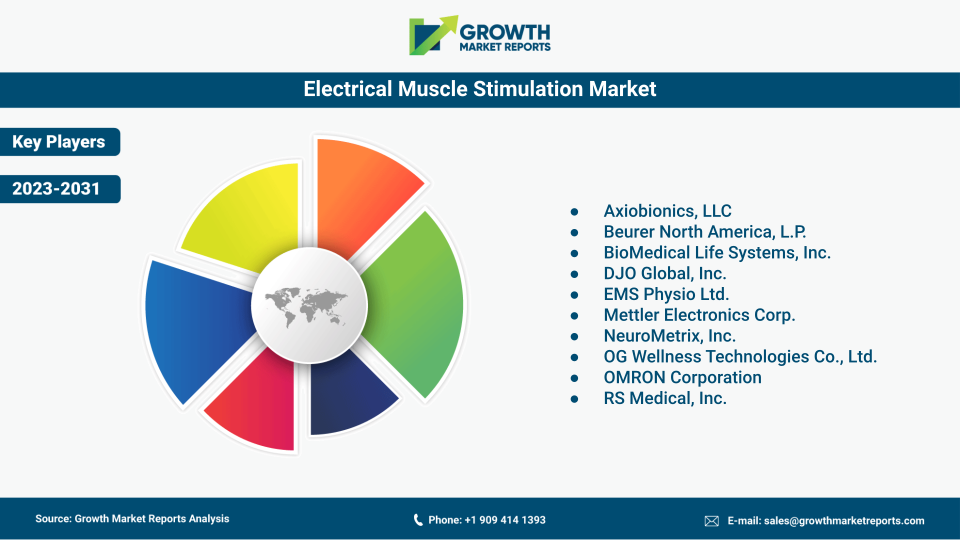
Key companies include OMRON Corporation, Zynex Inc., DJO Global (Enovis), Beurer GmbH, NeuroMetrix Inc., PowerDot, AxioBionics, Tone-A-Matic, BioMedical Life Systems Inc., and EMS Physio Ltd.
Challenges include lack of standardized regulations, variability in product quality and safety, inconsistent reimbursement policies, and concerns about misuse or adverse effects of EMS devices.
Technological advancements such as wireless connectivity, mobile app integration, artificial intelligence, and real-time data tracking are revolutionizing EMS devices, making them more effective, user-friendly, and suitable for personalized therapy.
North America leads the EMS market, followed by Europe. The Asia Pacific region is expected to experience the fastest growth due to rising healthcare expenditure, increasing adoption of advanced medical devices, and a growing fitness industry.
EMS devices are distributed through both online and offline channels. Offline channels like medical supply stores and pharmacies have traditionally dominated, but online sales are rapidly increasing due to the convenience and wide selection offered by e-commerce platforms.
Major end-users include hospitals and clinics, physiotherapy centers, home care settings, fitness centers, and others such as research institutions and sports teams.
EMS devices are widely used for sports and fitness, rehabilitation, pain management, and aesthetic medicine, including muscle strengthening, injury recovery, chronic pain relief, and body contouring.
The EMS market is segmented into Portable EMS Devices, Wearable EMS Devices, and Standalone EMS Devices. Portable EMS devices are currently the most popular due to their convenience and affordability, while wearable EMS devices are the fastest-growing segment.
Key growth drivers include the rising prevalence of musculoskeletal disorders, increasing demand for non-invasive pain management solutions, technological advancements, and the growing use of EMS in sports, fitness, and rehabilitation.
The global Electrical Muscle Stimulation (EMS) market is projected to reach USD 2,329.1 million by 2033, expanding at a CAGR of 9.8% from its 2024 value of USD 985.6 million.