Dysphagia Diet Thickening Agents Market Report 2034

Dysphagia Diet Thickening Agents Market Report 2034

Segments - by Product Type (Starch-based Thickening Agents, Gum-based Thickening Agents, Others), by Form (Powder, Liquid, Gel, Others), by Application (Hospitals, Home Care, Nursing Homes, Others), by Distribution Channel (Online Stores, Pharmacies, Supermarkets/Hypermarkets, Others)

https://growthmarketreports.com/Anuradha
Author : Anuradha B. More
https://growthmarketreports.com/Vaibhav
Fact-checked by : Vaibhav Chandola
https://growthmarketreports.com/Shruti
Editor : Shruti Bhat

Last Updated : Jun, 2026 | Report ID :FB-640 | 4.6 Rating | 17 Reviews | 252 Pages | Format : Docx PDF

Report Description

This report is updated with the latest market data and insights as of June 2026. Base year: 2025  |  Forecast period: 2026-2034


Dysphagia Diet Thickening Agents Market Outlook

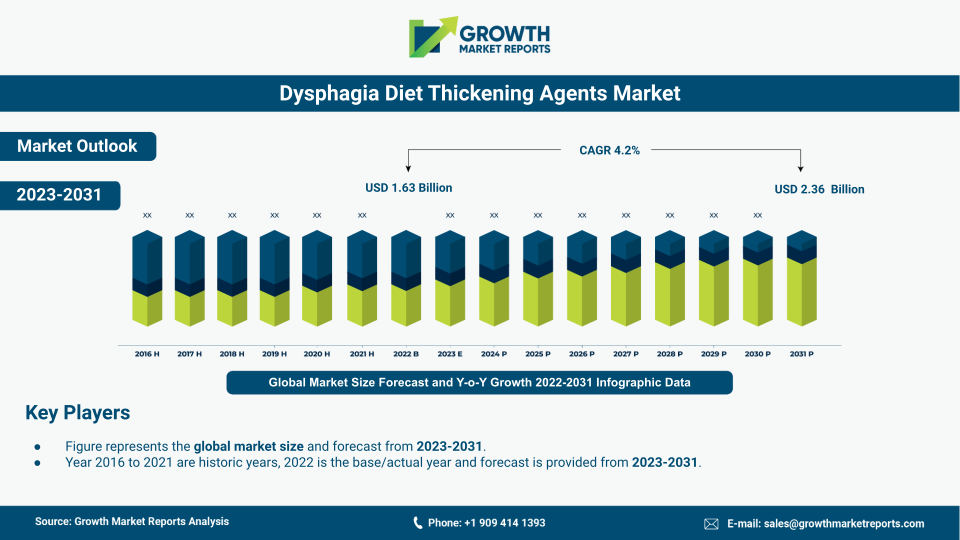
As per our latest research, the global Dysphagia Diet Thickening Agents market size reached USD 715.1 million in 2025, and is projected to grow at a robust CAGR of 6.8% from 2026 to 2034. By the end of the forecast period, the market is expected to attain a value of USD 1,350.2 million by 2034. This growth is primarily driven by the rising prevalence of dysphagia across all age groups, particularly among the geriatric population, and increasing awareness about the importance of safe swallowing practices in both clinical and home care settings.

Global Dysphagia Diet Thickening Agents Market Size Forecast 2025-2034, USD Million

The growth trajectory of the Dysphagia Diet Thickening Agents market is strongly influenced by the increasing incidence of dysphagia, which is often associated with neurological disorders, stroke, head and neck cancers, and age-related physiological changes. As the global population ages, the number of individuals at risk of swallowing difficulties is expected to surge, creating a sustained demand for thickening agents that can modify food and beverage textures to prevent aspiration and ensure safe swallowing. Heightened awareness and education efforts by healthcare professionals and advocacy organizations have led to earlier diagnosis and intervention, further propelling market expansion. The integration of dysphagia management into routine care protocols in hospitals and nursing homes, reinforced by the global adoption of the International Dysphagia Diet Standardisation Initiative (IDDSI) framework, has also contributed to the steady adoption of these products, especially in developed markets with advanced healthcare infrastructure.

Another significant growth driver is the continuous innovation in the formulation and delivery of thickening agents. Manufacturers are investing heavily in research and development to create products that not only meet the textural requirements for dysphagia diets but also appeal to patient preferences in terms of taste, mouthfeel, and ease of preparation. The emergence of gum-based and pre-thickened liquid products, which offer superior stability and consistency compared to traditional starch-based options, has broadened the market's appeal and expanded its consumer base. Additionally, the growing trend towards personalized nutrition and patient-centric care has spurred the development of customizable thickening solutions tailored to individual needs, further enhancing adherence and improving patient outcomes. Broader innovation across the food thickener industry is also generating new ingredient platforms that are finding application in clinical dysphagia management.

The proliferation of e-commerce and digital health platforms has played a pivotal role in market growth. Online distribution channels have made it easier for caregivers and patients to access a wide variety of thickening agents, compare product features, and benefit from home delivery services. This shift towards online purchasing is particularly notable in regions with dispersed populations or limited access to brick-and-mortar pharmacies and supermarkets. Moreover, the post-pandemic normalization of remote healthcare solutions and home-based care has reinforced the importance of convenient access to dysphagia management products, contributing to the overall expansion of the market through 2025 and into the forecast horizon.

In the realm of dysphagia management, the introduction of advanced technologies such as the Paste Thickener has marked a significant milestone. This innovative solution is designed to enhance the consistency of food and beverages, ensuring they meet the specific needs of individuals with swallowing difficulties. Unlike traditional thickening agents, next-generation paste formulations offer unique properties that maintain viscosity over time, even under varying temperature conditions. This stability is crucial in clinical settings where precise texture modification is essential for patient safety. Furthermore, the ability to blend seamlessly with a variety of foods without altering their taste or appearance makes such formats a preferred choice among healthcare providers and caregivers. As the demand for more effective dysphagia management solutions grows, these advanced thickening technologies are poised to play a pivotal role in improving patient outcomes and quality of life.

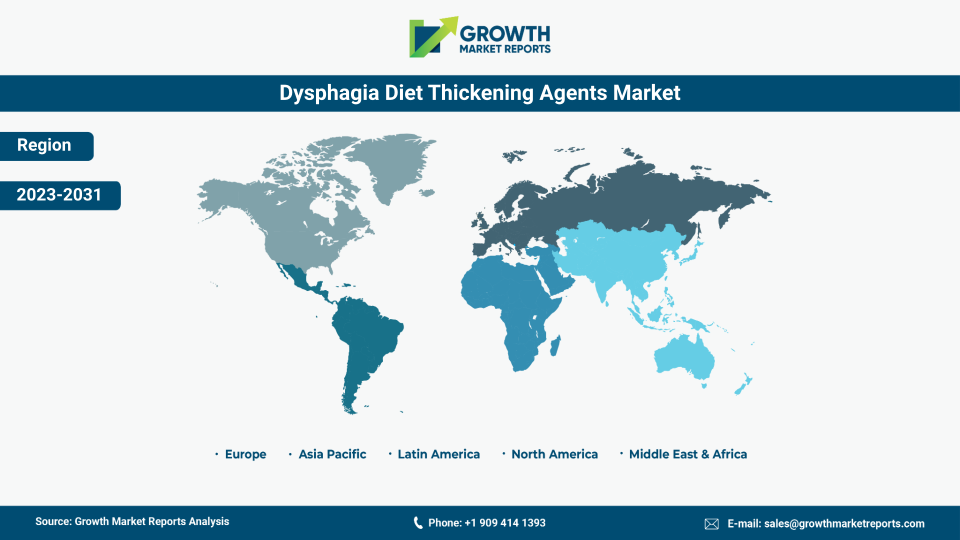
From a regional perspective, North America continues to dominate the Dysphagia Diet Thickening Agents market, accounting for approximately 37.2% of global revenue in 2025, followed by Europe and Asia Pacific. The high prevalence of age-related swallowing disorders, well-established healthcare systems, and a strong focus on patient safety have underpinned market growth in these regions. Meanwhile, emerging economies in Asia Pacific and Latin America are witnessing increased demand, driven by rising healthcare expenditure, improving awareness about dysphagia, and a growing elderly population. The Middle East and Africa region, though currently holding a smaller market share, is expected to present lucrative opportunities over the forecast period as healthcare infrastructure improves and awareness initiatives gain traction.

Product Type Analysis

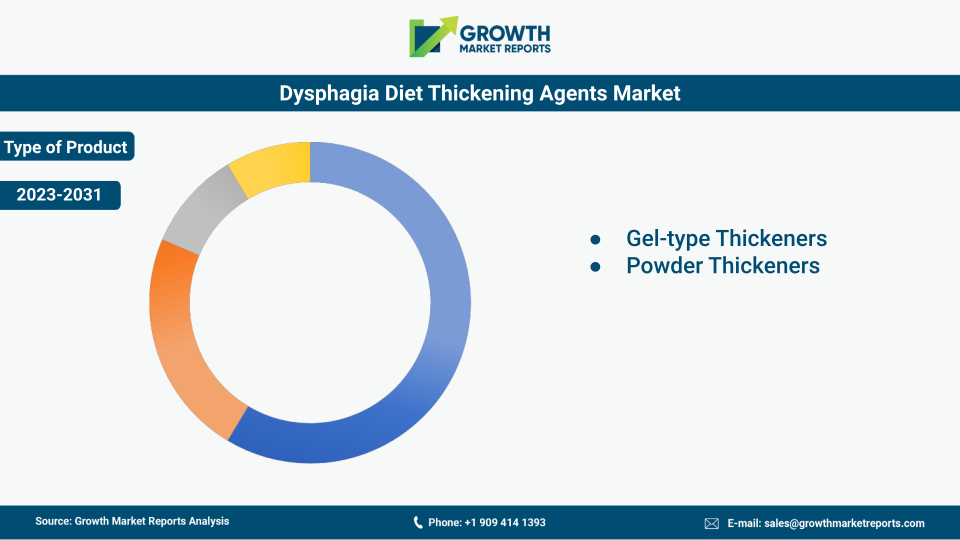
The Dysphagia Diet Thickening Agents market is segmented by product type into starch-based thickening agents, gum-based thickening agents, and others. Starch-based thickening agents have traditionally dominated the market due to their widespread availability, cost-effectiveness, and ease of use. These agents, derived from sources such as corn, potato, and tapioca, are commonly used in both institutional and home care settings to modify the consistency of liquids and semi-solids for individuals with dysphagia. However, starch-based products can sometimes impart an undesirable taste or grainy texture, and their viscosity may break down over time, particularly when exposed to salivary amylase, which can compromise the safety and palatability of thickened foods and beverages. In 2025, starch-based agents hold approximately 48.5% of the global market by value.

Dysphagia Diet Thickening Agents Market Share by Product Type 2025

In recent years, gum-based thickening agents have gained significant traction, owing to their superior stability, consistency, and sensory properties. These products, which often utilize xanthan gum, guar gum, or a combination of hydrocolloids, maintain their viscosity over a wide range of temperatures and pH levels and are less susceptible to enzymatic breakdown. As a result, gum-based agents are increasingly preferred in clinical settings where precise texture modification and long-lasting consistency are critical for patient safety. Gum-based products typically produce a smoother mouthfeel and are less likely to alter the flavor of foods and beverages, enhancing patient compliance and satisfaction. This segment accounts for roughly 38.2% of the 2025 market and is growing at a faster pace than the overall market average. The rise of specialty hydrocolloids, including xanthan gum spray thickener formats, is further expanding the functional toolkit available to dysphagia product formulators.

The "others" segment includes a range of alternative thickening agents, such as modified food starches, pectin, carrageenan, and protein-based thickeners, as well as innovative products designed for specific patient populations or dietary restrictions. Manufacturers are exploring novel formulations to address unmet needs, including allergen-free, gluten-free, and organic options, as well as products tailored for pediatric or geriatric use. Developments in carrageenan-based thickening technology, for instance, are opening new possibilities for stable, plant-derived texture modification at clinical-grade consistency. These specialized offerings are expected to gain market share as awareness of dysphagia grows and the demand for personalized nutrition solutions increases.

Competition among product types is driving continuous improvement in performance, safety, and user experience. Manufacturers are investing in advanced processing technologies to optimize the solubility, dispersibility, and sensory characteristics of their products, while also ensuring compliance with regulatory standards and guidelines for medical foods. The increasing emphasis on evidence-based practice in dysphagia management is prompting healthcare providers to select thickening agents based on clinical efficacy, safety, and patient preferences, rather than cost alone. This shift is expected to favor premium gum-based and specialty products, particularly in developed markets with a strong focus on patient-centered care. Broader innovations in food bulking agents are also informing new approaches to texture modification that may eventually expand the dysphagia product category.

Report Scope

Attributes Details
Report Title Dysphagia Diet Thickening Agents Market Research Report 2034
By Product Type Starch-based Thickening Agents, Gum-based Thickening Agents, Others
By Form Powder, Liquid, Gel, Others
By Application Hospitals, Home Care, Nursing Homes, Others
By Distribution Channel Online Stores, Pharmacies, Supermarkets/Hypermarkets, Others
Regions Covered North America, Europe, APAC, Latin America, MEA
Base Year 2025
Historic Data 2019-2024
Forecast Period 2026-2034
Number of Pages 252
Number of Tables & Figures 394
Customization Available Yes, the report can be customized as per your need.

Form Analysis

The Dysphagia Diet Thickening Agents market is also segmented by form, including powder, liquid, gel, and others. Powdered thickening agents remain the most widely used form, accounting for a significant share of the market in 2025. Powders offer versatility, long shelf life, and cost-effectiveness, making them suitable for both institutional and home use. They can be easily mixed with a wide range of liquids and semi-solids to achieve the desired consistency and are available in various packaging formats to cater to different user needs. However, proper mixing techniques are essential to avoid clumping and ensure uniform dispersion, which can be a challenge for some caregivers and patients.

Liquid thickening agents have gained popularity in recent years, particularly among patients and caregivers seeking convenience and ease of use. These ready-to-use products eliminate the need for measuring and mixing, reducing preparation time and minimizing the risk of dosing errors. Liquid thickeners are especially beneficial in acute care settings, where speed and accuracy are critical, and in home care environments where caregivers may have limited training. Their consistent viscosity and palatable taste have contributed to increased patient compliance, although they are generally priced at a premium compared to powder forms.

Gel-based thickening agents represent another innovative segment, offering unique advantages in terms of texture control and sensory appeal. Gels can provide a more natural mouthfeel and are often used to create visually appealing, easy-to-swallow foods for individuals with severe dysphagia. These products are particularly useful in long-term care facilities and specialized dysphagia management programs, where patient satisfaction and quality of life are paramount. The development of flavored and nutrient-enriched gels further expands their utility, catering to the diverse needs of patients with complex medical conditions.

The "others" category encompasses emerging forms such as pre-thickened beverages, single-serve sachets, and dissolvable tablets, which offer additional convenience and portability. These innovative delivery formats are gaining traction as manufacturers respond to the demand for on-the-go solutions and simplified dosing regimens. As the market matures, continued diversification in product forms is expected, driven by advances in food science, packaging technology, and consumer preferences. The ability to offer a broad portfolio of forms will be a key differentiator for manufacturers seeking to capture market share and address the evolving needs of patients, caregivers, and healthcare providers through 2034.

Application Analysis

The application segment of the Dysphagia Diet Thickening Agents market includes hospitals, home care, nursing homes, and others. Hospitals represent a major application area, accounting for a significant portion of market demand in 2025. In acute care settings, dysphagia management is a critical component of patient safety protocols, particularly for individuals recovering from stroke, surgery, or other medical conditions that impair swallowing function. Hospitals rely on thickening agents to modify the consistency of foods and fluids, reducing the risk of aspiration pneumonia and other complications. The adoption of standardized dysphagia diets and evidence-based guidelines, including the IDDSI framework, has further institutionalized the use of thickening agents in clinical practice, driving steady demand from this segment.

Home care is an increasingly important application area, reflecting the broader trend towards patient-centered care and aging in place. As more individuals with dysphagia are managed outside of traditional healthcare facilities, the need for accessible, user-friendly thickening agents has grown substantially. Home care settings present unique challenges, including varying levels of caregiver expertise and limited access to professional support. Manufacturers are responding with products that emphasize simplicity, safety, and palatability, as well as educational resources to support caregivers and patients in preparing and administering thickened diets. The expansion of telehealth and remote monitoring services is also facilitating better management of dysphagia at home, further supporting market growth in this segment through 2034.

Nursing homes and long-term care facilities constitute another key application area, given the high prevalence of dysphagia among elderly residents. In these settings, thickening agents are used as part of comprehensive nutrition and hydration management programs, aimed at preventing malnutrition, dehydration, and aspiration-related complications. The emphasis on improving quality of life and resident satisfaction has prompted facilities to adopt a wider range of thickening agents, including those with enhanced sensory properties and nutritional profiles. Staff training and adherence to best practices are essential to ensure the safe and effective use of these products, and ongoing collaboration with manufacturers and healthcare professionals is critical to meeting the needs of this vulnerable population.

The "others" application segment includes rehabilitation centers, specialty clinics, and outpatient care facilities, where dysphagia management is integrated into multidisciplinary care pathways. These settings often serve patients with complex medical needs, such as those with neurological disorders, head and neck cancers, or congenital conditions affecting swallowing. The demand for specialized thickening agents in these environments is expected to grow as awareness of dysphagia increases and the benefits of early intervention become more widely recognized. Manufacturers that can demonstrate the clinical efficacy and safety of their products in diverse application settings will be well-positioned to capture emerging opportunities throughout the 2026-2034 forecast period.

Distribution Channel Analysis

The Dysphagia Diet Thickening Agents market is distributed through a variety of channels, including online stores, pharmacies, supermarkets and hypermarkets, and others. Online stores have emerged as a dominant distribution channel, particularly following the normalization of digital health purchasing behaviors that accelerated during and after the COVID-19 pandemic. E-commerce platforms offer a convenient and accessible way for patients, caregivers, and healthcare providers to purchase thickening agents, compare product features, and access educational resources. The ability to deliver products directly to consumers' homes is especially valuable for individuals with mobility limitations or those living in remote areas.

Pharmacies remain a critical distribution channel, particularly for patients who require professional guidance in selecting and using thickening agents. Pharmacists play an important role in educating consumers about product options, dosing, and preparation techniques, as well as identifying potential interactions with other medications or dietary restrictions. The presence of thickening agents in both retail and hospital pharmacies ensures broad accessibility and supports the integration of dysphagia management into routine care. Partnerships between manufacturers and pharmacy chains are expected to strengthen as demand for these products continues to grow through 2034.

Supermarkets and hypermarkets offer another important avenue for the distribution of dysphagia diet thickening agents, particularly for consumers seeking convenience and immediate access. The inclusion of these products in mainstream grocery stores reflects the growing recognition of dysphagia as a common health concern and the increasing demand for over-the-counter solutions. Supermarkets and hypermarkets provide a platform for manufacturers to reach a broader audience and promote awareness of dysphagia management through in-store displays, sampling programs, and educational campaigns.

The "others" distribution channel includes specialty medical supply stores, direct sales to healthcare facilities, and institutional procurement programs. These channels are particularly important for bulk purchases and for supplying products to hospitals, nursing homes, and rehabilitation centers. Manufacturers that can establish strong relationships with institutional buyers and demonstrate the value of their products in terms of safety, efficacy, and cost-effectiveness will be well-positioned to secure long-term contracts and expand their market presence. Continued innovation in distribution strategies, including subscription services, telehealth partnerships, and integrated care models, is expected to reshape this channel landscape through 2034.

Opportunities & Threats

The Dysphagia Diet Thickening Agents market presents numerous opportunities for growth, particularly in the areas of product innovation, geographic expansion, and strategic partnerships. Advances in food science and hydrocolloid technology are enabling manufacturers to develop thickening agents with enhanced functional properties, such as improved solubility, stability, and sensory appeal. The growing emphasis on personalized nutrition and patient-centered care is creating demand for customizable solutions that cater to individual preferences and dietary requirements. In addition, the expansion of online distribution channels and digital health platforms is opening up new avenues for reaching consumers and providing education and support. Companies that can leverage these trends to deliver high-quality, differentiated products and services will be well-positioned to capture market share and drive long-term growth through 2034.

Another significant opportunity lies in the expansion of the market into emerging economies, where rising healthcare expenditure, improving infrastructure, and increasing awareness of dysphagia are driving demand. Partnerships with local healthcare providers, distributors, and advocacy organizations can help manufacturers navigate regulatory requirements and cultural preferences, while also building trust and credibility among consumers. The development of affordable, locally sourced thickening agents can further enhance accessibility and adoption in resource-limited settings. In addition, ongoing research into the epidemiology and management of dysphagia in diverse populations is expected to generate new insights and inform the development of targeted interventions, particularly across Asia Pacific and Latin America where the elderly population is growing rapidly.

Despite these opportunities, the market faces several restraining factors, including regulatory challenges, product safety concerns, and competition from alternative therapies. The classification of thickening agents as medical foods or dietary supplements varies by region, leading to inconsistencies in labeling, quality standards, and reimbursement policies. Ensuring the safety and efficacy of these products is critical, particularly given the vulnerability of the target population. Adverse events, such as choking or aspiration resulting from incorrect viscosity preparation, can have serious consequences and undermine confidence in dysphagia management solutions. Furthermore, the availability of alternative therapies, such as texture-modified foods, swallowing exercises, and medical devices, may limit the adoption of thickening agents in certain settings. Manufacturers must address these challenges through rigorous quality control, clinical research, and ongoing education of healthcare professionals and consumers.

Regional Outlook

Regionally, North America commands the largest share of the Dysphagia Diet Thickening Agents market, with the United States contributing the majority of regional revenue. In 2025, North America accounted for approximately USD 266.0 million of the global market, driven by a high prevalence of dysphagia, advanced healthcare infrastructure, and a strong focus on patient safety and quality of care. The presence of leading manufacturers, robust regulatory frameworks, and widespread adoption of standardized dysphagia management protocols, including the IDDSI framework, have further solidified the region's leadership position. The market in North America is expected to maintain a steady growth trajectory, supported by ongoing innovation and increasing awareness among healthcare professionals and consumers through 2034.

Dysphagia Diet Thickening Agents Market Regional Share 2025

Europe is the second-largest regional market, generating approximately USD 191.6 million in 2025. The region benefits from a rapidly aging population, high rates of neurological disorders, and well-established healthcare systems that prioritize early detection and management of dysphagia. Countries such as Germany, the United Kingdom, and France are at the forefront of adopting advanced thickening agents and implementing best practices in dysphagia care. The European market is projected to grow at a CAGR of 6.6% through 2034, driven by continued investments in healthcare infrastructure, increased funding for research and development, and the expansion of home care services.

The Asia Pacific region is emerging as a key growth engine for the Dysphagia Diet Thickening Agents market, with a market size of approximately USD 153.0 million in 2025. Rapid urbanization, rising disposable incomes, and improving access to healthcare are fueling demand for dysphagia management solutions in countries such as China, Japan, and India. The region's large and rapidly aging population presents significant opportunities for market expansion, particularly as awareness of dysphagia and its complications increases. Local manufacturers are investing in product development and distribution networks to meet the needs of diverse consumer segments, while international players are forging partnerships to strengthen their presence in this dynamic market. Latin America and the Middle East and Africa, while currently representing smaller shares of the global market at approximately 8.6% and 6.0% respectively, are expected to witness steady growth as healthcare infrastructure improves and awareness initiatives gain momentum over the 2026-2034 forecast period.

Competitor Outlook

The competitive landscape of the Dysphagia Diet Thickening Agents market is characterized by the presence of several global and regional players, each striving to enhance their market position through product innovation, strategic partnerships, and geographic expansion. Leading companies are investing heavily in research and development to create thickening agents that offer superior performance, safety, and user experience. The focus on evidence-based practice and patient-centered care is driving demand for products that are not only effective in modifying food and beverage textures but also appealing in terms of taste, mouthfeel, and convenience. As the market matures through 2034, competition is expected to intensify, with manufacturers seeking to differentiate themselves through branding, customer support, and value-added services.

In addition to product innovation, companies are pursuing mergers, acquisitions, and collaborations to expand their product portfolios, access new markets, and leverage complementary strengths. Strategic alliances with healthcare providers, advocacy organizations, and distribution partners are enabling manufacturers to reach a broader audience and enhance their credibility among consumers and healthcare professionals. The expansion of online distribution channels and digital health platforms is further reshaping the competitive landscape, enabling smaller players to compete more effectively with established brands and facilitating the entry of new entrants into the market.

Quality assurance and regulatory compliance are critical differentiators in the Dysphagia Diet Thickening Agents market, given the vulnerability of the target population and the potential risks associated with improper use. Leading manufacturers are investing in robust quality control systems, clinical research, and educational initiatives to ensure the safety and efficacy of their products. The ability to demonstrate clinical benefits, secure regulatory approvals, and obtain reimbursement from healthcare payers is increasingly important for market success. Companies that can build strong relationships with healthcare professionals and institutions, while also engaging directly with patients and caregivers, will be well-positioned to capture market share and drive long-term growth through 2034.

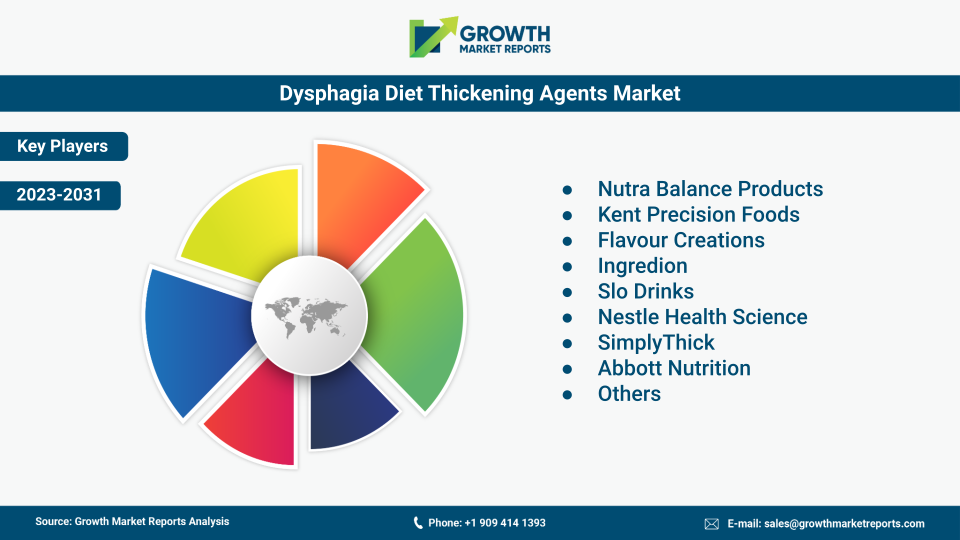
Among the major players in the Dysphagia Diet Thickening Agents market are Nestlé Health Science, Kent Precision Foods Group (Thick-It), Nutricia (Danone), SimplyThick LLC, Hormel Health Labs, Fresenius Kabi, and Abbott Laboratories. Nestlé Health Science is renowned for its extensive product portfolio and commitment to clinical research, offering a range of starch-based and gum-based thickening agents for both institutional and home care use. Kent Precision Foods Group, through its Thick-It brand, is a market leader in the United States, known for its innovative products and educational resources for caregivers and healthcare professionals. Nutricia, a subsidiary of Danone, has a strong presence in Europe and Asia Pacific, with a focus on evidence-based nutrition solutions for individuals with dysphagia and other medical conditions.

SimplyThick LLC specializes in gum-based thickening agents designed to provide consistent viscosity and superior sensory properties, catering to the needs of both pediatric and adult patients. Hormel Health Labs offers a comprehensive range of thickening agents, pre-thickened beverages, and texture-modified foods, with a strong emphasis on product quality and customer support. Fresenius Kabi is a global leader in clinical nutrition, providing a variety of thickening agents and nutritional supplements for hospital and home care settings. Abbott Laboratories brings its broad clinical nutrition expertise to the dysphagia segment, reinforcing product safety and patient compliance. These companies, along with a host of regional and emerging players including Flavor Creations, Medtrition Inc., Kissei Pharmaceutical Co. Ltd., Slo Drinks, Victus Inc., HPC Foods Ltd., Biofarma Srl, and Oral Alimentos Especializados S.A. de C.V., are driving innovation and shaping the future of the Dysphagia Diet Thickening Agents market through ongoing research, product development, and strategic partnerships.

Key Players

  • Nestlé Health Science
  • Kent Precision Foods Group (Thick-It)
  • SimplyThick LLC
  • Nutricia (Danone)
  • Hormel Health Labs
  • Fresenius Kabi
  • Abbott Laboratories
  • Flavor Creations
  • Medtrition, Inc.
  • Kissei Pharmaceutical Co., Ltd.
  • Slo Drinks
  • Victus, Inc.
  • HPC Foods Ltd.
  • Biofarma Srl
  • Oral Alimentos Especializados S.A. de C.V.

Segments

The Dysphagia Diet Thickening Agents market has been segmented on the basis of

Product Type

  • Starch-based Thickening Agents
  • Gum-based Thickening Agents
  • Others

Form

  • Powder
  • Liquid
  • Gel
  • Others

Application

  • Hospitals
  • Home Care
  • Nursing Homes
  • Others

Distribution Channel

  • Online Stores
  • Pharmacies
  • Supermarkets/Hypermarkets
  • Others

Frequently Asked Questions

Several converging trends are creating significant opportunities. The global shift toward personalized nutrition is driving demand for customizable thickening solutions tailored to individual patient needs, dietary restrictions, and flavor preferences. Advances in hydrocolloid science are enabling the development of next-generation gum-based and hybrid thickeners with improved stability, clarity, and nutritional integration. Growing adoption of the IDDSI framework is standardizing product development and clinical selection globally. Expansion into emerging markets in Asia Pacific, Latin America, and the Middle East and Africa presents substantial untapped revenue potential. Digital health integration, including smart packaging and telehealth-supported dysphagia management programs, is also emerging as a key differentiator for forward-looking manufacturers.

Key challenges include inconsistent regulatory classification of thickening agents across jurisdictions, which creates variation in labeling requirements, quality standards, and reimbursement eligibility. Product safety concerns, particularly around aspiration risk if incorrect viscosity levels are prepared, demand rigorous quality control and caregiver education. Palatability and texture-related patient non-compliance remain ongoing issues, especially for starch-based products. Competition from alternative dysphagia management approaches such as texture-modified foods, neuromuscular electrical stimulation, and swallowing therapy can also limit thickener adoption. Rising raw material costs and supply chain volatility present additional operational challenges for manufacturers in 2025 and beyond.

The market features a mix of large multinational healthcare and nutrition companies alongside focused specialty players. Leading companies include Nestlé Health Science, Kent Precision Foods Group (Thick-It), SimplyThick LLC, Nutricia (Danone), Hormel Health Labs, Fresenius Kabi, Abbott Laboratories, Flavor Creations, Medtrition Inc., Kissei Pharmaceutical Co. Ltd., Slo Drinks, Victus Inc., HPC Foods Ltd., Biofarma Srl, and Oral Alimentos Especializados S.A. de C.V. These companies compete on the basis of product efficacy, sensory quality, regulatory compliance, clinical evidence, and distribution reach.

North America leads the global market with approximately 37.2% share in 2025, driven by high dysphagia prevalence, advanced healthcare infrastructure, and strong adoption of evidence-based dysphagia management protocols. Europe holds the second-largest share at around 26.8%, supported by an aging population and well-funded public healthcare systems across Germany, the United Kingdom, and France. Asia Pacific accounts for roughly 21.4% and is the fastest-growing region, propelled by its large elderly population, rising healthcare expenditure, and improving dysphagia awareness in China, Japan, and India. Latin America and the Middle East and Africa hold smaller but expanding shares as healthcare infrastructure and awareness continue to improve.

The market is served through four main distribution channels. Online stores have grown rapidly and now represent a leading channel, offering broad product selection, home delivery, and accessibility for consumers in remote or underserved areas. Pharmacies remain critical, especially for patients seeking professional guidance on product selection and preparation. Supermarkets and hypermarkets provide mainstream retail access, reflecting growing consumer recognition of dysphagia as a common health issue. The others channel, encompassing specialty medical supply stores, direct institutional sales, and group purchasing organizations, is especially important for bulk supply to hospitals and nursing homes.

The primary application segments are hospitals, home care, nursing homes, and others such as rehabilitation centers and specialty clinics. Hospitals represented the largest single application in 2025, as thickening agents are integral to patient safety protocols for individuals recovering from stroke, surgery, or neurological events. Home care is the fastest-growing application, reflecting broader trends toward aging in place and patient-centered care. Nursing homes account for a significant and stable share, given the high dysphagia prevalence among long-term care residents. Specialty and outpatient care settings are also expanding as multidisciplinary dysphagia management pathways become more common.

Dysphagia diet thickening agents are available in several forms to suit diverse clinical and consumer needs. Powder remains the most widely used form due to its versatility, long shelf life, and cost efficiency, and it can be blended into a broad range of liquids and semi-solids. Liquid (ready-to-use) thickeners offer convenience and dosing accuracy, particularly valued in acute care and home care settings. Gel-based products provide a more natural mouthfeel and are popular in long-term care facilities. Emerging forms include pre-thickened beverages, single-serve sachets, and dissolvable tablet formats that cater to on-the-go and simplified-dosing requirements.

Starch-based thickening agents currently hold the largest share at approximately 48.5% of the 2025 market, owing to their cost-effectiveness, wide availability, and established use in both institutional and home settings. Gum-based thickening agents are the fastest-growing segment, accounting for roughly 38.2% of the market, driven by their superior viscosity stability, resistance to salivary amylase breakdown, and better sensory properties. The remaining share belongs to specialty and alternative thickeners including modified food starches, pectin-based, and protein-based formulations.

Key drivers include the increasing prevalence of dysphagia linked to neurological disorders, stroke, head and neck cancers, and age-related physiological decline. The rapid growth of the global geriatric population is a primary catalyst, as older adults are disproportionately affected by swallowing difficulties. Additional drivers include greater clinician awareness, adoption of standardized dysphagia diet protocols such as the IDDSI framework, continuous product innovation by manufacturers, and the expansion of home care and telehealth services that make thickening agents more accessible to patients and caregivers.

As of 2025, the global Dysphagia Diet Thickening Agents market is valued at approximately USD 715.1 million. It is projected to grow at a CAGR of 6.8% from 2026 to 2034, reaching an estimated USD 1,350.2 million by the end of the forecast period. This growth is underpinned by rising dysphagia prevalence, an aging global population, and expanding awareness of safe swallowing practices in both clinical and home care environments.

Table Of Content

Chapter 1 Executive Summary
Chapter 2 Assumptions and Acronyms Used
Chapter 3 Research Methodology
Chapter 4 Dysphagia Diet Thickening Agents Market Overview
   4.1 Introduction
      4.1.1 Market Taxonomy
      4.1.2 Market Definition
      4.1.3 Macro-Economic Factors Impacting the Market Growth
   4.2 Dysphagia Diet Thickening Agents Market Dynamics
      4.2.1 Market Drivers
      4.2.2 Market Restraints
      4.2.3 Market Opportunity
   4.3 Dysphagia Diet Thickening Agents Market - Supply Chain Analysis
      4.3.1 List of Key Suppliers
      4.3.2 List of Key Distributors
      4.3.3 List of Key Consumers
   4.4 Key Forces Shaping the Dysphagia Diet Thickening Agents Market
      4.4.1 Bargaining Power of Suppliers
      4.4.2 Bargaining Power of Buyers
      4.4.3 Threat of Substitution
      4.4.4 Threat of New Entrants
      4.4.5 Competitive Rivalry
   4.5 Global Dysphagia Diet Thickening Agents Market Size & Forecast, 2023-2032
      4.5.1 Dysphagia Diet Thickening Agents Market Size and Y-o-Y Growth
      4.5.2 Dysphagia Diet Thickening Agents Market Absolute $ Opportunity

Chapter 5 Global Dysphagia Diet Thickening Agents Market Analysis and Forecast By Product Type
   5.1 Introduction
      5.1.1 Key Market Trends & Growth Opportunities By Product Type
      5.1.2 Basis Point Share (BPS) Analysis By Product Type
      5.1.3 Absolute $ Opportunity Assessment By Product Type
   5.2 Dysphagia Diet Thickening Agents Market Size Forecast By Product Type
      5.2.1 Starch-based Thickening Agents
      5.2.2 Gum-based Thickening Agents
      5.2.3 Others
   5.3 Market Attractiveness Analysis By Product Type

Chapter 6 Global Dysphagia Diet Thickening Agents Market Analysis and Forecast By Form
   6.1 Introduction
      6.1.1 Key Market Trends & Growth Opportunities By Form
      6.1.2 Basis Point Share (BPS) Analysis By Form
      6.1.3 Absolute $ Opportunity Assessment By Form
   6.2 Dysphagia Diet Thickening Agents Market Size Forecast By Form
      6.2.1 Powder
      6.2.2 Liquid
      6.2.3 Gel
      6.2.4 Others
   6.3 Market Attractiveness Analysis By Form

Chapter 7 Global Dysphagia Diet Thickening Agents Market Analysis and Forecast By Application
   7.1 Introduction
      7.1.1 Key Market Trends & Growth Opportunities By Application
      7.1.2 Basis Point Share (BPS) Analysis By Application
      7.1.3 Absolute $ Opportunity Assessment By Application
   7.2 Dysphagia Diet Thickening Agents Market Size Forecast By Application
      7.2.1 Hospitals
      7.2.2 Home Care
      7.2.3 Nursing Homes
      7.2.4 Others
   7.3 Market Attractiveness Analysis By Application

Chapter 8 Global Dysphagia Diet Thickening Agents Market Analysis and Forecast By Distribution Channel
   8.1 Introduction
      8.1.1 Key Market Trends & Growth Opportunities By Distribution Channel
      8.1.2 Basis Point Share (BPS) Analysis By Distribution Channel
      8.1.3 Absolute $ Opportunity Assessment By Distribution Channel
   8.2 Dysphagia Diet Thickening Agents Market Size Forecast By Distribution Channel
      8.2.1 Online Stores
      8.2.2 Pharmacies
      8.2.3 Supermarkets/Hypermarkets
      8.2.4 Others
   8.3 Market Attractiveness Analysis By Distribution Channel

Chapter 9 Global Dysphagia Diet Thickening Agents Market Analysis and Forecast by Region
   9.1 Introduction
      9.1.1 Key Market Trends & Growth Opportunities By Region
      9.1.2 Basis Point Share (BPS) Analysis By Region
      9.1.3 Absolute $ Opportunity Assessment By Region
   9.2 Dysphagia Diet Thickening Agents Market Size Forecast By Region
      9.2.1 North America
      9.2.2 Europe
      9.2.3 Asia Pacific
      9.2.4 Latin America
      9.2.5 Middle East & Africa (MEA)
   9.3 Market Attractiveness Analysis By Region

Chapter 10 Coronavirus Disease (COVID-19) Impact 
   10.1 Introduction 
   10.2 Current & Future Impact Analysis 
   10.3 Economic Impact Analysis 
   10.4 Government Policies 
   10.5 Investment Scenario

Chapter 11 North America Dysphagia Diet Thickening Agents Analysis and Forecast
   11.1 Introduction
   11.2 North America Dysphagia Diet Thickening Agents Market Size Forecast by Country
      11.2.1 U.S.
      11.2.2 Canada
   11.3 Basis Point Share (BPS) Analysis by Country
   11.4 Absolute $ Opportunity Assessment by Country
   11.5 Market Attractiveness Analysis by Country
   11.6 North America Dysphagia Diet Thickening Agents Market Size Forecast By Product Type
      11.6.1 Starch-based Thickening Agents
      11.6.2 Gum-based Thickening Agents
      11.6.3 Others
   11.7 Basis Point Share (BPS) Analysis By Product Type 
   11.8 Absolute $ Opportunity Assessment By Product Type 
   11.9 Market Attractiveness Analysis By Product Type
   11.10 North America Dysphagia Diet Thickening Agents Market Size Forecast By Form
      11.10.1 Powder
      11.10.2 Liquid
      11.10.3 Gel
      11.10.4 Others
   11.11 Basis Point Share (BPS) Analysis By Form 
   11.12 Absolute $ Opportunity Assessment By Form 
   11.13 Market Attractiveness Analysis By Form
   11.14 North America Dysphagia Diet Thickening Agents Market Size Forecast By Application
      11.14.1 Hospitals
      11.14.2 Home Care
      11.14.3 Nursing Homes
      11.14.4 Others
   11.15 Basis Point Share (BPS) Analysis By Application 
   11.16 Absolute $ Opportunity Assessment By Application 
   11.17 Market Attractiveness Analysis By Application
   11.18 North America Dysphagia Diet Thickening Agents Market Size Forecast By Distribution Channel
      11.18.1 Online Stores
      11.18.2 Pharmacies
      11.18.3 Supermarkets/Hypermarkets
      11.18.4 Others
   11.19 Basis Point Share (BPS) Analysis By Distribution Channel 
   11.20 Absolute $ Opportunity Assessment By Distribution Channel 
   11.21 Market Attractiveness Analysis By Distribution Channel

Chapter 12 Europe Dysphagia Diet Thickening Agents Analysis and Forecast
   12.1 Introduction
   12.2 Europe Dysphagia Diet Thickening Agents Market Size Forecast by Country
      12.2.1 Germany
      12.2.2 France
      12.2.3 Italy
      12.2.4 U.K.
      12.2.5 Spain
      12.2.6 Russia
      12.2.7 Rest of Europe
   12.3 Basis Point Share (BPS) Analysis by Country
   12.4 Absolute $ Opportunity Assessment by Country
   12.5 Market Attractiveness Analysis by Country
   12.6 Europe Dysphagia Diet Thickening Agents Market Size Forecast By Product Type
      12.6.1 Starch-based Thickening Agents
      12.6.2 Gum-based Thickening Agents
      12.6.3 Others
   12.7 Basis Point Share (BPS) Analysis By Product Type 
   12.8 Absolute $ Opportunity Assessment By Product Type 
   12.9 Market Attractiveness Analysis By Product Type
   12.10 Europe Dysphagia Diet Thickening Agents Market Size Forecast By Form
      12.10.1 Powder
      12.10.2 Liquid
      12.10.3 Gel
      12.10.4 Others
   12.11 Basis Point Share (BPS) Analysis By Form 
   12.12 Absolute $ Opportunity Assessment By Form 
   12.13 Market Attractiveness Analysis By Form
   12.14 Europe Dysphagia Diet Thickening Agents Market Size Forecast By Application
      12.14.1 Hospitals
      12.14.2 Home Care
      12.14.3 Nursing Homes
      12.14.4 Others
   12.15 Basis Point Share (BPS) Analysis By Application 
   12.16 Absolute $ Opportunity Assessment By Application 
   12.17 Market Attractiveness Analysis By Application
   12.18 Europe Dysphagia Diet Thickening Agents Market Size Forecast By Distribution Channel
      12.18.1 Online Stores
      12.18.2 Pharmacies
      12.18.3 Supermarkets/Hypermarkets
      12.18.4 Others
   12.19 Basis Point Share (BPS) Analysis By Distribution Channel 
   12.20 Absolute $ Opportunity Assessment By Distribution Channel 
   12.21 Market Attractiveness Analysis By Distribution Channel

Chapter 13 Asia Pacific Dysphagia Diet Thickening Agents Analysis and Forecast
   13.1 Introduction
   13.2 Asia Pacific Dysphagia Diet Thickening Agents Market Size Forecast by Country
      13.2.1 China
      13.2.2 Japan
      13.2.3 South Korea
      13.2.4 India
      13.2.5 Australia
      13.2.6 South East Asia (SEA)
      13.2.7 Rest of Asia Pacific (APAC)
   13.3 Basis Point Share (BPS) Analysis by Country
   13.4 Absolute $ Opportunity Assessment by Country
   13.5 Market Attractiveness Analysis by Country
   13.6 Asia Pacific Dysphagia Diet Thickening Agents Market Size Forecast By Product Type
      13.6.1 Starch-based Thickening Agents
      13.6.2 Gum-based Thickening Agents
      13.6.3 Others
   13.7 Basis Point Share (BPS) Analysis By Product Type 
   13.8 Absolute $ Opportunity Assessment By Product Type 
   13.9 Market Attractiveness Analysis By Product Type
   13.10 Asia Pacific Dysphagia Diet Thickening Agents Market Size Forecast By Form
      13.10.1 Powder
      13.10.2 Liquid
      13.10.3 Gel
      13.10.4 Others
   13.11 Basis Point Share (BPS) Analysis By Form 
   13.12 Absolute $ Opportunity Assessment By Form 
   13.13 Market Attractiveness Analysis By Form
   13.14 Asia Pacific Dysphagia Diet Thickening Agents Market Size Forecast By Application
      13.14.1 Hospitals
      13.14.2 Home Care
      13.14.3 Nursing Homes
      13.14.4 Others
   13.15 Basis Point Share (BPS) Analysis By Application 
   13.16 Absolute $ Opportunity Assessment By Application 
   13.17 Market Attractiveness Analysis By Application
   13.18 Asia Pacific Dysphagia Diet Thickening Agents Market Size Forecast By Distribution Channel
      13.18.1 Online Stores
      13.18.2 Pharmacies
      13.18.3 Supermarkets/Hypermarkets
      13.18.4 Others
   13.19 Basis Point Share (BPS) Analysis By Distribution Channel 
   13.20 Absolute $ Opportunity Assessment By Distribution Channel 
   13.21 Market Attractiveness Analysis By Distribution Channel

Chapter 14 Latin America Dysphagia Diet Thickening Agents Analysis and Forecast
   14.1 Introduction
   14.2 Latin America Dysphagia Diet Thickening Agents Market Size Forecast by Country
      14.2.1 Brazil
      14.2.2 Mexico
      14.2.3 Rest of Latin America (LATAM)
   14.3 Basis Point Share (BPS) Analysis by Country
   14.4 Absolute $ Opportunity Assessment by Country
   14.5 Market Attractiveness Analysis by Country
   14.6 Latin America Dysphagia Diet Thickening Agents Market Size Forecast By Product Type
      14.6.1 Starch-based Thickening Agents
      14.6.2 Gum-based Thickening Agents
      14.6.3 Others
   14.7 Basis Point Share (BPS) Analysis By Product Type 
   14.8 Absolute $ Opportunity Assessment By Product Type 
   14.9 Market Attractiveness Analysis By Product Type
   14.10 Latin America Dysphagia Diet Thickening Agents Market Size Forecast By Form
      14.10.1 Powder
      14.10.2 Liquid
      14.10.3 Gel
      14.10.4 Others
   14.11 Basis Point Share (BPS) Analysis By Form 
   14.12 Absolute $ Opportunity Assessment By Form 
   14.13 Market Attractiveness Analysis By Form
   14.14 Latin America Dysphagia Diet Thickening Agents Market Size Forecast By Application
      14.14.1 Hospitals
      14.14.2 Home Care
      14.14.3 Nursing Homes
      14.14.4 Others
   14.15 Basis Point Share (BPS) Analysis By Application 
   14.16 Absolute $ Opportunity Assessment By Application 
   14.17 Market Attractiveness Analysis By Application
   14.18 Latin America Dysphagia Diet Thickening Agents Market Size Forecast By Distribution Channel
      14.18.1 Online Stores
      14.18.2 Pharmacies
      14.18.3 Supermarkets/Hypermarkets
      14.18.4 Others
   14.19 Basis Point Share (BPS) Analysis By Distribution Channel 
   14.20 Absolute $ Opportunity Assessment By Distribution Channel 
   14.21 Market Attractiveness Analysis By Distribution Channel

Chapter 15 Middle East & Africa (MEA) Dysphagia Diet Thickening Agents Analysis and Forecast
   15.1 Introduction
   15.2 Middle East & Africa (MEA) Dysphagia Diet Thickening Agents Market Size Forecast by Country
      15.2.1 Saudi Arabia
      15.2.2 South Africa
      15.2.3 UAE
      15.2.4 Rest of Middle East & Africa (MEA)
   15.3 Basis Point Share (BPS) Analysis by Country
   15.4 Absolute $ Opportunity Assessment by Country
   15.5 Market Attractiveness Analysis by Country
   15.6 Middle East & Africa (MEA) Dysphagia Diet Thickening Agents Market Size Forecast By Product Type
      15.6.1 Starch-based Thickening Agents
      15.6.2 Gum-based Thickening Agents
      15.6.3 Others
   15.7 Basis Point Share (BPS) Analysis By Product Type 
   15.8 Absolute $ Opportunity Assessment By Product Type 
   15.9 Market Attractiveness Analysis By Product Type
   15.10 Middle East & Africa (MEA) Dysphagia Diet Thickening Agents Market Size Forecast By Form
      15.10.1 Powder
      15.10.2 Liquid
      15.10.3 Gel
      15.10.4 Others
   15.11 Basis Point Share (BPS) Analysis By Form 
   15.12 Absolute $ Opportunity Assessment By Form 
   15.13 Market Attractiveness Analysis By Form
   15.14 Middle East & Africa (MEA) Dysphagia Diet Thickening Agents Market Size Forecast By Application
      15.14.1 Hospitals
      15.14.2 Home Care
      15.14.3 Nursing Homes
      15.14.4 Others
   15.15 Basis Point Share (BPS) Analysis By Application 
   15.16 Absolute $ Opportunity Assessment By Application 
   15.17 Market Attractiveness Analysis By Application
   15.18 Middle East & Africa (MEA) Dysphagia Diet Thickening Agents Market Size Forecast By Distribution Channel
      15.18.1 Online Stores
      15.18.2 Pharmacies
      15.18.3 Supermarkets/Hypermarkets
      15.18.4 Others
   15.19 Basis Point Share (BPS) Analysis By Distribution Channel 
   15.20 Absolute $ Opportunity Assessment By Distribution Channel 
   15.21 Market Attractiveness Analysis By Distribution Channel

Chapter 16 Competition Landscape 
   16.1 Dysphagia Diet Thickening Agents Market: Competitive Dashboard
   16.2 Global Dysphagia Diet Thickening Agents Market: Market Share Analysis, 2023
   16.3 Company Profiles (Details – Overview, Financials, Developments, Strategy) 
      16.3.1 Nestlé Health Science
      16.3.2 Kent Precision Foods Group (Thick-It)
      16.3.3 SimplyThick LLC
      16.3.4 Nutricia (Danone)
      16.3.5 Hormel Health Labs
      16.3.6 Fresenius Kabi
      16.3.7 Abbott Laboratories
      16.3.8 Flavor Creations
      16.3.9 Medtrition, Inc.
      16.3.10 Kissei Pharmaceutical Co., Ltd.
      16.3.11 Slo Drinks
      16.3.12 Victus, Inc.
      16.3.13 HPC Foods Ltd.
      16.3.14 Biofarma Srl
      16.3.15 Oral Alimentos Especializados S.A. de C.V.

Methodology

Our Clients

Honda Motor Co. Ltd.
Microsoft
Deloitte
General Mills
General Electric
Pfizer
sinopec
The John Holland Group