Segments - by Product Type (Wound Care Dressings, Biologics, Therapy Devices, Others), by Ulcer Type (Neuropathic Ulcers, Ischemic Ulcers, Neuro-Ischemic Ulcers), by End-User (Hospitals, Clinics, Ambulatory Surgical Centers, Home Care Settings)
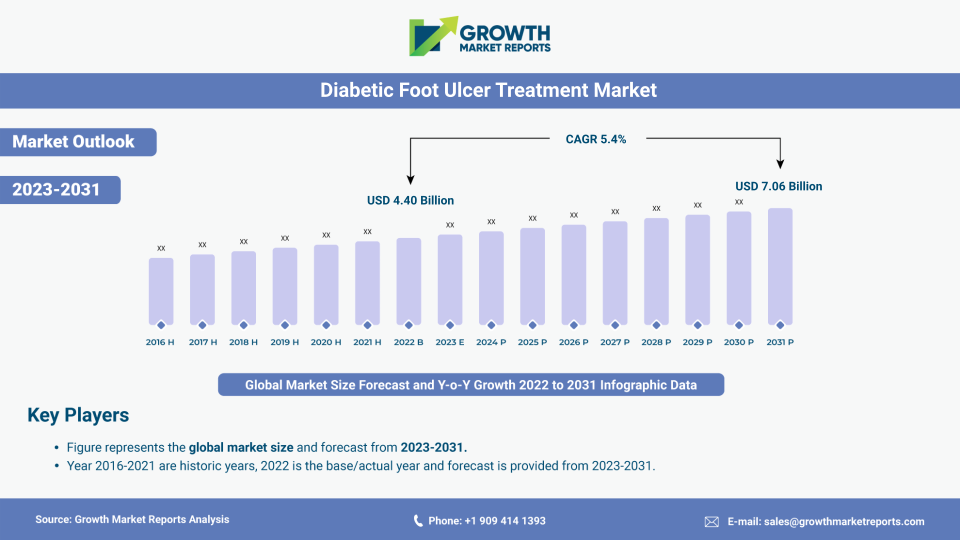
According to our latest research, the global diabetic foot ulcer treatment market size reached USD 5.7 billion in 2024, driven by rising diabetes prevalence and growing awareness of advanced wound care. The market is expanding at a compound annual growth rate (CAGR) of 7.1% and is forecasted to reach USD 10.5 billion by 2033. Key growth drivers include increasing incidences of diabetes-related complications, technological advancements in wound care products, and a surge in healthcare expenditure globally. This robust growth trajectory highlights the market’s critical role in addressing the complex needs of diabetic patients worldwide, as per our 2025 research findings.
The primary growth factor fueling the diabetic foot ulcer treatment market is the alarming rise in diabetes prevalence worldwide. As the number of people living with diabetes continues to surge, so does the risk of developing diabetic foot ulcers—a serious complication that can lead to infection, amputation, and even mortality if not managed effectively. The International Diabetes Federation estimates over 537 million adults globally are living with diabetes as of 2024, and a significant percentage of these individuals are at risk of ulceration. This epidemiological trend is compelling healthcare systems to prioritize advanced wound care solutions, catalyzing demand for innovative products and therapies. Furthermore, increasing patient awareness, coupled with proactive government initiatives aimed at diabetes management and foot care, is contributing to higher diagnosis rates and improved access to treatment options.
Another significant growth driver is the rapid advancement and adoption of wound care technologies. The market has witnessed a paradigm shift from traditional dressings to advanced wound care dressings, biologics, and therapy devices that facilitate faster healing and reduce the risk of infection. Biologics, such as growth factors, skin substitutes, and stem cell therapies, are gaining traction due to their ability to accelerate tissue regeneration and improve clinical outcomes. Simultaneously, the integration of digital health monitoring devices and telemedicine platforms is enhancing patient compliance and follow-up, particularly in remote or underserved regions. These technological innovations are not only improving the efficacy of diabetic foot ulcer treatment but also expanding the market’s reach by making advanced care more accessible and affordable.
A third key growth factor is the increasing investment in healthcare infrastructure and the expansion of reimbursement coverage for advanced wound care products and therapies. Both public and private sectors are channeling substantial resources into the development and commercialization of novel treatment modalities, recognizing the economic and societal burden posed by diabetic foot ulcers. Improved reimbursement policies are making it easier for patients to access premium wound care treatments, thereby driving market penetration. Additionally, collaborations between research institutions, healthcare providers, and industry players are accelerating clinical trials and regulatory approvals, ensuring that innovative solutions reach the market more swiftly. These concerted efforts are poised to sustain the market’s growth momentum over the coming years.
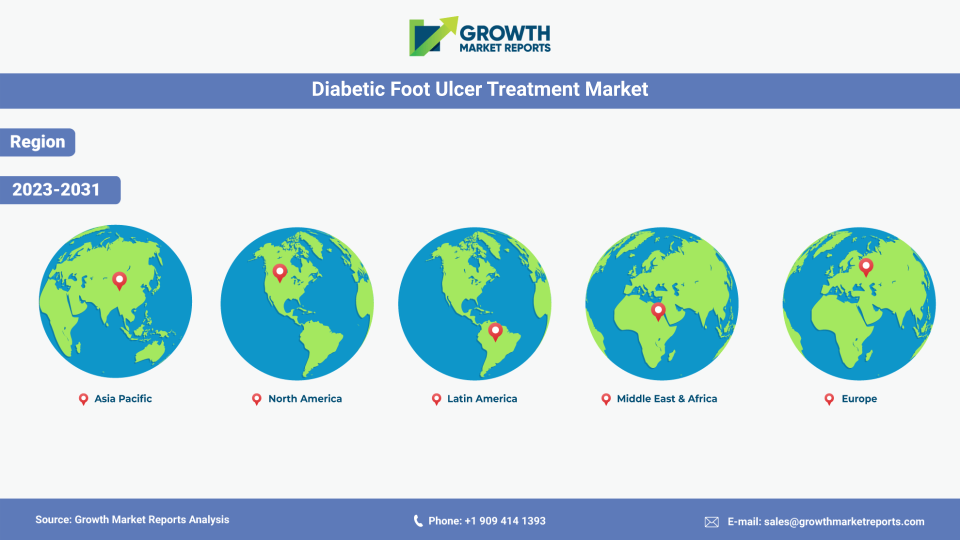
Regionally, North America dominates the diabetic foot ulcer treatment market, accounting for the largest share in 2024, followed closely by Europe and the Asia Pacific. The high prevalence of diabetes, well-established healthcare infrastructure, and early adoption of advanced wound care technologies are primary contributors to North America’s leadership position. Europe benefits from strong government support, robust reimbursement frameworks, and a growing geriatric population, while the Asia Pacific region is emerging as a lucrative market due to its large diabetic population, improving healthcare access, and increasing awareness of diabetic complications. Latin America and the Middle East & Africa are also witnessing steady growth, driven by rising healthcare investments and efforts to enhance diabetes management programs.
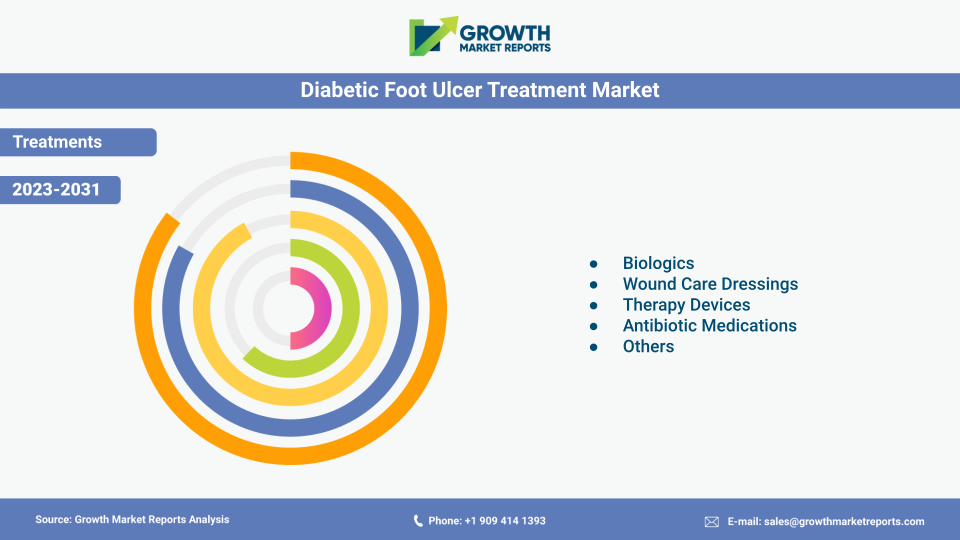
The diabetic foot ulcer treatment market by product type is segmented into wound care dressings, biologics, therapy devices, and others. Wound care dressings represent the most widely adopted solution, owing to their essential role in maintaining a moist wound environment, promoting healing, and preventing infection. These dressings include hydrocolloids, hydrogels, alginates, foam dressings, and antimicrobial dressings, each tailored to specific wound characteristics and stages of healing. The increasing sophistication of wound care dressings, such as the incorporation of silver or honey for antimicrobial properties, has further propelled their adoption. Hospitals and clinics frequently rely on these products as first-line therapy, given their proven efficacy and ease of use. The continuous innovation in dressing materials and formats is expected to sustain robust growth in this segment.
Biologics are rapidly gaining traction as a transformative segment within the diabetic foot ulcer treatment market. This category encompasses growth factors, skin substitutes, and stem cell-based therapies designed to stimulate tissue regeneration and accelerate wound closure. Biologics are particularly beneficial for chronic or non-healing ulcers, where conventional dressings may fall short. The market is witnessing a surge in research and development activities aimed at enhancing the efficacy and accessibility of these advanced therapies. Regulatory approvals for novel biologic products are increasing, and reimbursement frameworks are gradually expanding to cover these high-value treatments. As a result, biologics are poised to capture a larger share of the market, especially in developed regions with advanced healthcare systems.
Therapy devices, including negative pressure wound therapy (NPWT) systems, hyperbaric oxygen therapy (HBOT) devices, and electrical stimulation devices, constitute another critical segment. These devices offer adjunctive treatment options for complex or refractory diabetic foot ulcers, often in conjunction with wound care dressings or biologics. NPWT, for example, has demonstrated significant clinical benefits by promoting granulation tissue formation and reducing edema. The growing body of clinical evidence supporting the efficacy of therapy devices, coupled with increasing investments in device innovation, is driving their adoption in both hospital and home care settings. The integration of smart technology and remote monitoring capabilities is further enhancing the utility and appeal of these devices.
The "others" segment encompasses a variety of additional products and adjunctive therapies, such as topical agents, debridement products, and offloading devices. While these products may not command the same market share as dressings, biologics, or therapy devices, they play a vital role in comprehensive diabetic foot ulcer management. Offloading devices, in particular, are essential for redistributing pressure and preventing ulcer recurrence, especially in patients with neuropathic ulcers. The growing emphasis on multidisciplinary care approaches and personalized treatment plans is likely to drive demand for these complementary products, ensuring holistic patient care and improved clinical outcomes.
| Attributes | Details |
| Report Title | Diabetic Foot Ulcer Treatment Market Research Report 2033 |
| By Product Type | Wound Care Dressings, Biologics, Therapy Devices, Others |
| By Ulcer Type | Neuropathic Ulcers, Ischemic Ulcers, Neuro-Ischemic Ulcers |
| By End-User | Hospitals, Clinics, Ambulatory Surgical Centers, Home Care Settings |
| Regions Covered | North America, Europe, APAC, Latin America, MEA |
| Base Year | 2024 |
| Historic Data | 2018-2023 |
| Forecast Period | 2025-2033 |
| Number of Pages | 270 |
| Number of Tables & Figures | 375 |
| Customization Available | Yes, the report can be customized as per your need. |
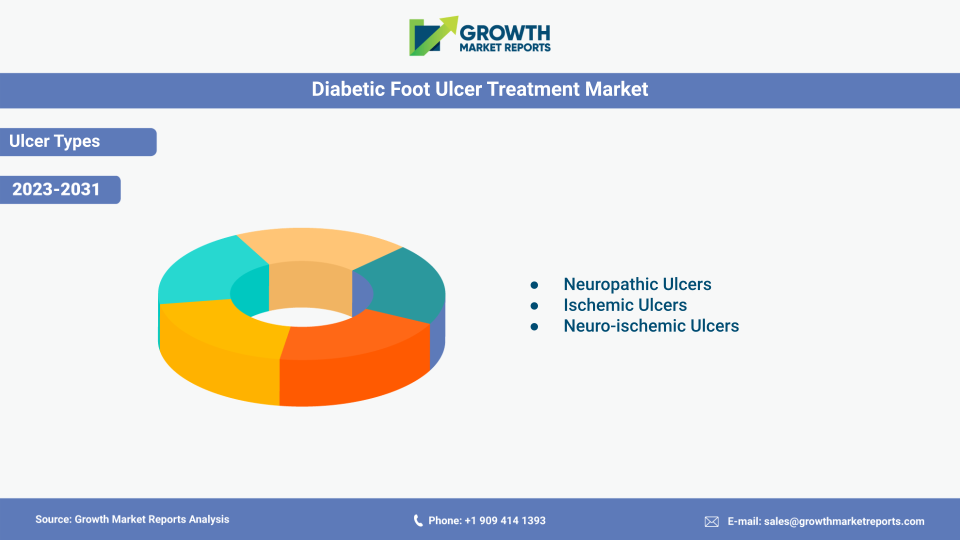
The diabetic foot ulcer treatment market is segmented by ulcer type into neuropathic ulcers, ischemic ulcers, and neuro-ischemic ulcers. Neuropathic ulcers are the most prevalent, accounting for a significant portion of total cases globally. These ulcers arise primarily due to peripheral neuropathy, which impairs sensation in the feet and increases the risk of unnoticed injuries and subsequent ulceration. Effective management of neuropathic ulcers requires a combination of wound care dressings, offloading devices, and patient education to prevent recurrence. The high incidence of neuropathic ulcers is driving targeted research and innovation in both preventive and therapeutic interventions, with a focus on early detection and comprehensive care strategies.
Ischemic ulcers, caused by peripheral arterial disease and compromised blood flow, present unique challenges in diabetic foot ulcer management. These ulcers are often more difficult to heal and are associated with a higher risk of infection and amputation. Treatment typically involves a multidisciplinary approach, including vascular interventions, advanced wound care products, and sometimes surgical procedures to restore adequate blood flow. The increasing prevalence of cardiovascular comorbidities among diabetic patients is contributing to a rise in ischemic ulcer cases, prompting the development of specialized treatment protocols and products tailored to this patient population. Enhanced diagnostic capabilities and improved access to vascular care are expected to support market growth in this segment.
Neuro-ischemic ulcers, which result from a combination of neuropathy and ischemia, represent the most complex and challenging ulcer type to manage. These ulcers are associated with the highest rates of non-healing, infection, and lower limb amputation. Successful treatment of neuro-ischemic ulcers requires an integrated approach that addresses both neuropathic and ischemic components, often involving collaboration between podiatrists, vascular surgeons, and wound care specialists. Advanced therapies such as biologics and NPWT devices are increasingly being utilized to improve healing outcomes in this high-risk group. The rising incidence of neuro-ischemic ulcers, particularly in aging populations with multiple comorbidities, is driving demand for innovative and multidisciplinary treatment solutions.
The segmentation of the diabetic foot ulcer treatment market by ulcer type enables manufacturers and healthcare providers to tailor interventions based on the underlying pathophysiology and patient needs. This targeted approach is facilitating better clinical outcomes and optimizing resource allocation within healthcare systems. As the understanding of ulcer pathogenesis and risk factors continues to evolve, the development of personalized treatment modalities is expected to become a key focus area, further driving market growth and differentiation.
The end-user landscape of the diabetic foot ulcer treatment market is segmented into hospitals, clinics, ambulatory surgical centers, and home care settings. Hospitals remain the primary end-users, accounting for the largest market share in 2024. This dominance is attributed to the availability of advanced wound care infrastructure, specialized medical personnel, and comprehensive treatment capabilities. Hospitals are equipped to manage severe and complex cases, often providing multidisciplinary care that integrates surgical interventions, advanced wound care products, and post-acute rehabilitation. The increasing burden of diabetes-related complications is prompting hospitals to invest in state-of-the-art wound care units and adopt evidence-based protocols, further reinforcing their central role in the market.
Clinics represent a critical segment, particularly for the management of less severe or early-stage diabetic foot ulcers. These facilities offer accessible, cost-effective care and are often the first point of contact for patients presenting with foot complications. Clinics are increasingly adopting advanced wound care products and therapies, driven by growing patient awareness and the need for timely intervention to prevent ulcer progression. The expansion of specialized wound care clinics and podiatry centers is enhancing the quality and continuity of care, particularly in urban and suburban regions. Collaborative care models, involving partnerships between clinics and hospitals, are also gaining traction, facilitating seamless patient referral and management pathways.
Ambulatory surgical centers (ASCs) are emerging as important end-users, particularly for outpatient procedures such as debridement, minor surgical interventions, and advanced wound care therapies. ASCs offer several advantages, including reduced hospital stay, lower healthcare costs, and faster patient turnaround times. The growing preference for minimally invasive procedures and the increasing availability of advanced wound care technologies in ASCs are driving their adoption among diabetic foot ulcer patients. As healthcare systems continue to emphasize value-based care and resource optimization, ASCs are expected to play a more prominent role in the treatment landscape.
Home care settings are witnessing significant growth, fueled by the rising demand for patient-centric care and the increasing availability of portable wound care devices and telemedicine solutions. Home-based care is particularly beneficial for elderly or immobile patients, enabling regular wound monitoring and timely intervention without the need for frequent hospital visits. The integration of digital health platforms and remote patient monitoring tools is enhancing the effectiveness of home care, improving patient adherence, and reducing the risk of complications. As healthcare delivery models continue to evolve, the home care segment is expected to capture a larger share of the diabetic foot ulcer treatment market, supported by favorable reimbursement policies and advancements in home-based wound care products.
The diabetic foot ulcer treatment market presents significant opportunities for growth and innovation, particularly in the development and commercialization of advanced wound care products and biologics. The increasing prevalence of diabetes, coupled with rising patient awareness and proactive government initiatives, is creating a favorable environment for the adoption of novel therapies. Emerging technologies such as 3D-printed skin substitutes, personalized medicine, and digital wound monitoring platforms are poised to revolutionize the treatment landscape, offering faster healing, reduced recurrence rates, and improved patient outcomes. Additionally, the expansion of healthcare infrastructure in emerging markets and the growing emphasis on early diagnosis and preventive care are expected to unlock new growth avenues for market players. Strategic collaborations between industry stakeholders, research institutions, and healthcare providers are further accelerating product development and market penetration.
Another major opportunity lies in the integration of telemedicine and remote patient monitoring solutions within diabetic foot ulcer management. The COVID-19 pandemic has highlighted the importance of remote healthcare delivery, prompting rapid adoption of virtual consultations and digital health platforms. These technologies enable continuous wound monitoring, early detection of complications, and timely intervention, particularly for patients in remote or underserved regions. The increasing availability of portable wound care devices and smart dressings equipped with sensors is enhancing the feasibility and effectiveness of home-based care. Market players investing in digital health solutions and patient engagement tools are well-positioned to capitalize on this growing trend, improving patient adherence and clinical outcomes while reducing the overall burden on healthcare systems.
Despite the numerous opportunities, the diabetic foot ulcer treatment market faces several restraining factors that could impede growth. High treatment costs, particularly for advanced wound care products and biologics, remain a significant barrier to widespread adoption, especially in low- and middle-income countries. Limited reimbursement coverage for certain therapies and products further exacerbates this challenge, restricting patient access to optimal care. Additionally, the complex and multifactorial nature of diabetic foot ulcers necessitates multidisciplinary management, which can be difficult to coordinate in resource-constrained settings. The lack of standardized treatment protocols and variability in clinical practice also pose challenges to achieving consistent and effective outcomes. Addressing these barriers will require concerted efforts from policymakers, payers, and industry stakeholders to ensure equitable access to high-quality diabetic foot ulcer care.
North America leads the global diabetic foot ulcer treatment market, accounting for approximately USD 2.2 billion of the total market size in 2024. The region’s dominance is underpinned by a high prevalence of diabetes, advanced healthcare infrastructure, and early adoption of innovative wound care technologies. The United States, in particular, represents the largest national market, supported by robust reimbursement frameworks, a strong network of specialized wound care centers, and extensive research and development activities. Canada also contributes significantly, with proactive government initiatives aimed at diabetes management and prevention of complications. The North American market is expected to maintain a steady growth rate, with a projected CAGR of 6.8% through 2033, driven by ongoing technological advancements and increasing healthcare expenditure.
Europe holds the second-largest share of the diabetic foot ulcer treatment market, with a market size of approximately USD 1.7 billion in 2024. The region benefits from a well-established healthcare system, comprehensive reimbursement policies, and a growing geriatric population—factors that collectively drive demand for advanced wound care solutions. Key markets such as Germany, the United Kingdom, France, and Italy are at the forefront of innovation, with a strong focus on research, clinical trials, and adoption of biologics and therapy devices. The European market is characterized by a high level of collaboration between public health authorities, academic institutions, and industry players, fostering a dynamic environment for product development and commercialization. The region is expected to witness steady growth, supported by ongoing public health initiatives and increasing awareness of diabetic complications.
The Asia Pacific region is emerging as a high-growth market, with a market size of around USD 1.1 billion in 2024 and a projected CAGR of 8.2% through 2033. The region’s rapid growth is driven by a large diabetic population, improving healthcare access, and rising investments in healthcare infrastructure. Countries such as China, India, and Japan are witnessing a surge in diabetes-related complications, prompting greater demand for effective wound care solutions. Government initiatives aimed at improving diabetes management and expanding access to advanced therapies are further supporting market growth. While the Asia Pacific market currently lags behind North America and Europe in terms of adoption of advanced wound care products, it presents significant untapped potential for market players willing to invest in education, training, and distribution networks. Latin America and the Middle East & Africa collectively account for the remaining market share, with increasing healthcare investments and efforts to enhance diabetes care driving gradual market expansion in these regions.
The competitive landscape of the diabetic foot ulcer treatment market is characterized by the presence of several global and regional players, each vying for market share through product innovation, strategic partnerships, and geographic expansion. Leading companies are investing heavily in research and development to introduce advanced wound care dressings, biologics, and therapy devices that offer superior clinical outcomes and patient convenience. The market is witnessing a steady influx of new entrants, particularly in the biologics and digital health segments, intensifying competition and driving the pace of innovation. Key players are also focusing on expanding their distribution networks and strengthening relationships with healthcare providers to enhance market penetration and brand loyalty.
Mergers and acquisitions are a common strategy among major market participants, enabling them to broaden their product portfolios, access new technologies, and enter emerging markets. Collaborations with academic institutions, research organizations, and government agencies are facilitating the development and commercialization of novel treatment modalities, while licensing agreements and co-marketing partnerships are helping companies accelerate product launches and expand their geographic footprint. The competitive environment is further shaped by the evolving regulatory landscape, with companies striving to achieve timely product approvals and maintain compliance with stringent quality and safety standards.
The growing emphasis on value-based care and patient-centric solutions is prompting companies to invest in digital health platforms, remote monitoring tools, and personalized medicine approaches. Market leaders are leveraging artificial intelligence, big data analytics, and wearable technologies to enhance wound assessment, monitor healing progress, and optimize treatment regimens. These technological advancements are not only improving patient outcomes but also creating new revenue streams and differentiating market offerings. As the market continues to evolve, companies that prioritize innovation, collaboration, and customer engagement are likely to maintain a competitive edge.
Some of the major companies operating in the diabetic foot ulcer treatment market include Smith & Nephew plc, Mölnlycke Health Care AB, ConvaTec Group plc, Coloplast A/S, 3M Health Care, Organogenesis Holdings Inc., Integra LifeSciences Holdings Corporation, Medline Industries, Inc., B. Braun Melsungen AG, and Cardinal Health, Inc. Smith & Nephew is renowned for its comprehensive portfolio of advanced wound care dressings and therapy devices, while Mölnlycke Health Care and ConvaTec are recognized for their innovative wound management solutions and global distribution networks. Coloplast and 3M Health Care are leaders in the development of antimicrobial dressings and skin substitutes, while Organogenesis and Integra LifeSciences are at the forefront of biologics and regenerative medicine. Medline, B. Braun, and Cardinal Health offer a wide range of wound care products and have established strong relationships with hospitals and clinics worldwide.
These companies are continuously investing in product development, clinical research, and market expansion to strengthen their positions in the diabetic foot ulcer treatment market. Strategic initiatives such as acquisitions, partnerships, and product launches are enabling them to address emerging market needs and capitalize on growth opportunities. As the competitive landscape becomes increasingly dynamic, the ability to innovate, adapt to changing market trends, and deliver value-based solutions will be critical to long-term success in the diabetic foot ulcer treatment market.
The Diabetic Foot Ulcer Treatment market has been segmented on the basis of
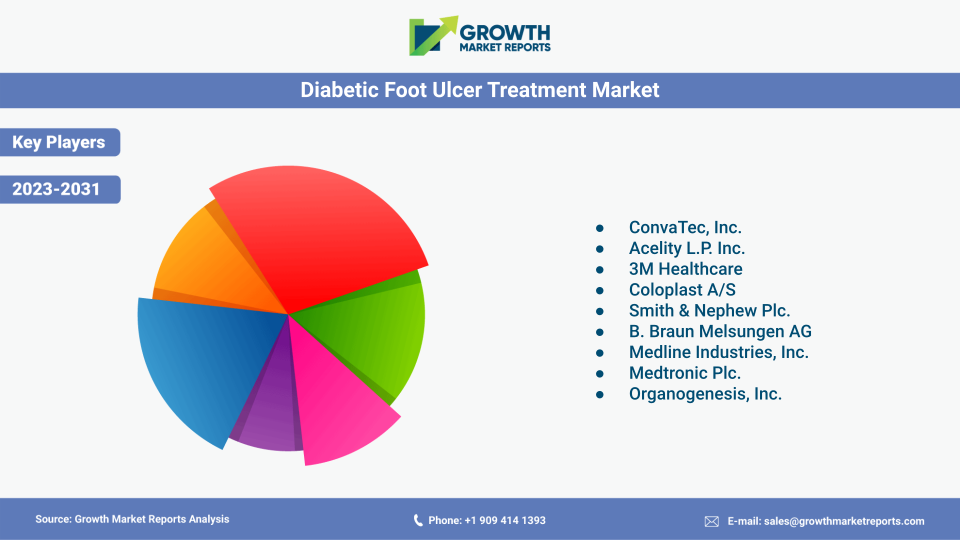
Key players competing in the diabetic foot ulcer treatment market are ConvaTec, Inc.; Acelity L.P. Inc.; 3M Healthcare; Coloplast A/S; Smith & Nephew Plc.; B. Braun Melsungen AG; Medline Industries, Inc.; Medtronic Plc.; Organogenesis, Inc.; Molnlycke Health Care AB; and BSN Medical GMBH. Major market players are implementing several business strategies including mergers, acquisitions, partnerships, collaborations, capacity expansion, and product launches to enhance their market shares.
Opportunities include the development of advanced wound care products, integration of telemedicine and remote monitoring, expansion in emerging markets, and personalized medicine approaches.
Key players include Smith & Nephew, Mölnlycke Health Care, ConvaTec Group, Coloplast, 3M Health Care, Organogenesis, Integra LifeSciences, Medline Industries, B. Braun, and Cardinal Health.
Major challenges include high treatment costs, limited reimbursement coverage, the need for multidisciplinary care, and lack of standardized treatment protocols.
Recent advancements include biologics (growth factors, skin substitutes, stem cell therapies), negative pressure wound therapy devices, digital health monitoring, and telemedicine platforms.
Hospitals are the largest end-users, followed by clinics, ambulatory surgical centers, and home care settings.
The main types are neuropathic ulcers, ischemic ulcers, and neuro-ischemic ulcers, with neuropathic ulcers being the most prevalent globally.
The market is segmented into wound care dressings, biologics, therapy devices, and others such as topical agents and offloading devices.
North America leads the market, followed by Europe and the Asia Pacific. North America’s dominance is due to high diabetes prevalence, advanced healthcare infrastructure, and early adoption of innovative wound care solutions.
Key growth drivers include the rising prevalence of diabetes, advancements in wound care technologies, increased healthcare expenditure, and greater patient awareness.
As of 2024, the global diabetic foot ulcer treatment market is valued at USD 5.7 billion, with projections to reach USD 10.5 billion by 2033.