Segments - by Product Type (Restorative, Orthodontic, Endodontic, Periodontic, Prosthodontic, Others), by Material (Metal-Ceramics, Ceramics, Metals, Others), by Equipment (Milling Equipment, Furnaces, Articulators, Scanners, Others), by Application (Dental Clinics, Hospitals, Others)
According to our latest research, the global dental laboratories market size stood at USD 38.2 billion in 2024, reflecting robust expansion driven by rising dental care awareness and technological advancements. The industry is expected to grow at a CAGR of 5.8% from 2025 to 2033, reaching a forecasted market size of USD 64.3 billion by 2033. This sustained growth is attributed to the increasing prevalence of dental disorders, a surge in cosmetic dentistry, and the rapid adoption of digital dentistry solutions worldwide.
One of the primary growth factors propelling the dental laboratories market is the escalating demand for dental prosthetics and restorative solutions. An aging global population, coupled with rising incidences of dental caries and periodontal diseases, continues to fuel the need for crowns, bridges, and dentures. Moreover, the trend toward dental aesthetics, particularly in urban populations, has significantly increased the volume of cosmetic dental procedures. Patients are increasingly seeking advanced, customized solutions, which has led to a surge in the adoption of digital workflows, 3D printing, and CAD/CAM technologies within dental laboratories. These innovations not only improve the precision and quality of dental restorations but also enhance turnaround times, thereby driving further market expansion.
Technological advancements remain a cornerstone in the evolution of the dental laboratories market. The integration of digital dentistry, including intraoral scanners, milling machines, and 3D printers, has revolutionized traditional processes, making them more efficient and cost-effective. Dental laboratories are leveraging these technologies to offer a broader range of services, from orthodontic appliances to complex implant restorations. The transition from conventional methods to digital workflows has also enabled laboratories to reduce manual errors and improve patient outcomes. Furthermore, the rising investment in research and development by key market players is fostering innovation, leading to the introduction of new materials and equipment that enhance the durability and aesthetics of dental prosthetics.
Another significant growth driver is the increasing collaboration between dental laboratories and dental clinics, hospitals, and academic institutions. These partnerships enable laboratories to access a larger patient pool and stay updated with the latest clinical practices and regulatory standards. The growing emphasis on preventive dental care and the expansion of dental insurance coverage in both developed and emerging markets are also contributing to market growth. In addition, government initiatives aimed at improving oral health infrastructure, particularly in developing regions, are providing a conducive environment for the expansion of dental laboratory services. The combination of these factors is expected to sustain the upward trajectory of the dental laboratories market in the coming years.
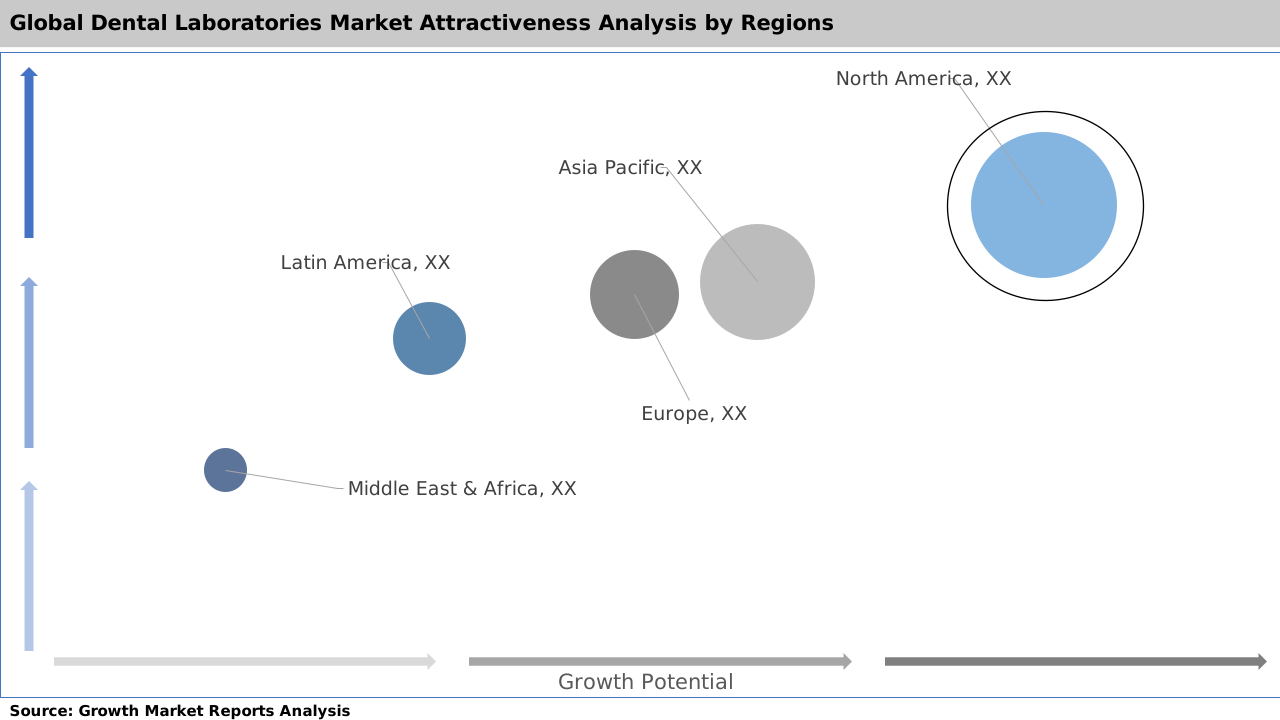
From a regional perspective, North America continues to dominate the dental laboratories market, accounting for the largest revenue share in 2024. This leadership position is attributed to the regionÂ’s advanced healthcare infrastructure, high dental care expenditure, and early adoption of cutting-edge dental technologies. Europe follows closely, driven by a strong focus on dental aesthetics and comprehensive dental insurance coverage. The Asia Pacific region is emerging as a high-growth market, supported by a growing middle-class population, increasing dental tourism, and rising awareness about oral health. Meanwhile, Latin America and the Middle East & Africa are witnessing steady growth, albeit at a slower pace, due to improving healthcare access and gradual adoption of digital dental solutions.
Cosmetic Dentistry has become a significant trend in the dental industry, driven by the increasing desire for aesthetic enhancements and the pursuit of a perfect smile. This branch of dentistry focuses on improving the appearance of teeth, gums, and overall smile aesthetics, often involving procedures such as teeth whitening, veneers, and bonding. The rise in cosmetic dentistry is not just about vanity; it reflects a broader societal shift towards health and wellness, where a beautiful smile is seen as a key component of personal confidence and professional success. Dental laboratories play a crucial role in this field by providing the necessary tools and technologies to create customized, high-quality dental restorations that meet the aesthetic demands of patients. As the demand for cosmetic procedures continues to grow, dental laboratories are increasingly investing in advanced materials and digital technologies to enhance their capabilities and deliver superior results.
The dental laboratories market is segmented by product type into restorative, orthodontic, endodontic, periodontic, prosthodontic, and others. Among these, restorative products such as crowns, bridges, and veneers command a significant market share, owing to the high prevalence of dental caries and tooth loss globally. The demand for restorative solutions is further bolstered by the aging population, which is more susceptible to dental issues requiring complex restorations. Dental laboratories specializing in restorative products are increasingly adopting digital manufacturing techniques to enhance the precision and customization of their offerings, thus meeting the rising expectations of both dental professionals and patients for high-quality, aesthetically pleasing results.
Orthodontic products represent another vital segment, driven by the growing demand for teeth alignment solutions among both adolescents and adults. The introduction of clear aligners and other discreet orthodontic appliances has expanded the patient base, as individuals seek less conspicuous treatment options. Dental laboratories play a crucial role in fabricating custom orthodontic devices using advanced CAD/CAM technologies and 3D printing, which allow for faster production and improved fit. The segment's growth is also supported by increasing awareness of oral health and the aesthetic benefits of orthodontic treatment, particularly in emerging markets where dental tourism is gaining traction.
Endodontic and periodontic products, while representing smaller segments, are experiencing steady growth due to the rising incidence of root canal treatments and periodontal diseases. Dental laboratories contribute to these segments by providing specialized solutions such as endodontic posts, cores, and periodontal splints. The growing collaboration between dental specialists and laboratories ensures the development of tailored products that address specific clinical needs, thereby improving patient outcomes. Additionally, advancements in biomaterials and regenerative techniques are opening new avenues for innovation within these segments, further enhancing their value proposition in the dental laboratories market.
Prosthodontic products, including dentures, implant-supported prostheses, and removable partial dentures, continue to be a mainstay for dental laboratories, particularly in regions with a high prevalence of edentulism. The increasing acceptance of dental implants as a preferred solution for tooth replacement has driven the demand for implant-supported restorations. Dental laboratories are investing in state-of-the-art equipment and materials to produce durable, natural-looking prosthodontic solutions that meet the diverse needs of patients. The ongoing shift toward minimally invasive and patient-centric treatments is expected to further stimulate growth in this segment, as laboratories strive to deliver products that offer superior functionality and aesthetics.
| Attributes | Details |
| Report Title | Dental Laboratories Market Research Report 2033 |
| By Product Type | Restorative, Orthodontic, Endodontic, Periodontic, Prosthodontic, Others |
| By Material | Metal-Ceramics, Ceramics, Metals, Others |
| By Equipment | Milling Equipment, Furnaces, Articulators, Scanners, Others |
| By Application | Dental Clinics, Hospitals, Others |
| Regions Covered | North America, Europe, APAC, Latin America, MEA |
| Base Year | 2024 |
| Historic Data | 2018-2023 |
| Forecast Period | 2025-2033 |
| Number of Pages | 267 |
| Number of Tables & Figures | 371 |
| Customization Available | Yes, the report can be customized as per your need. |
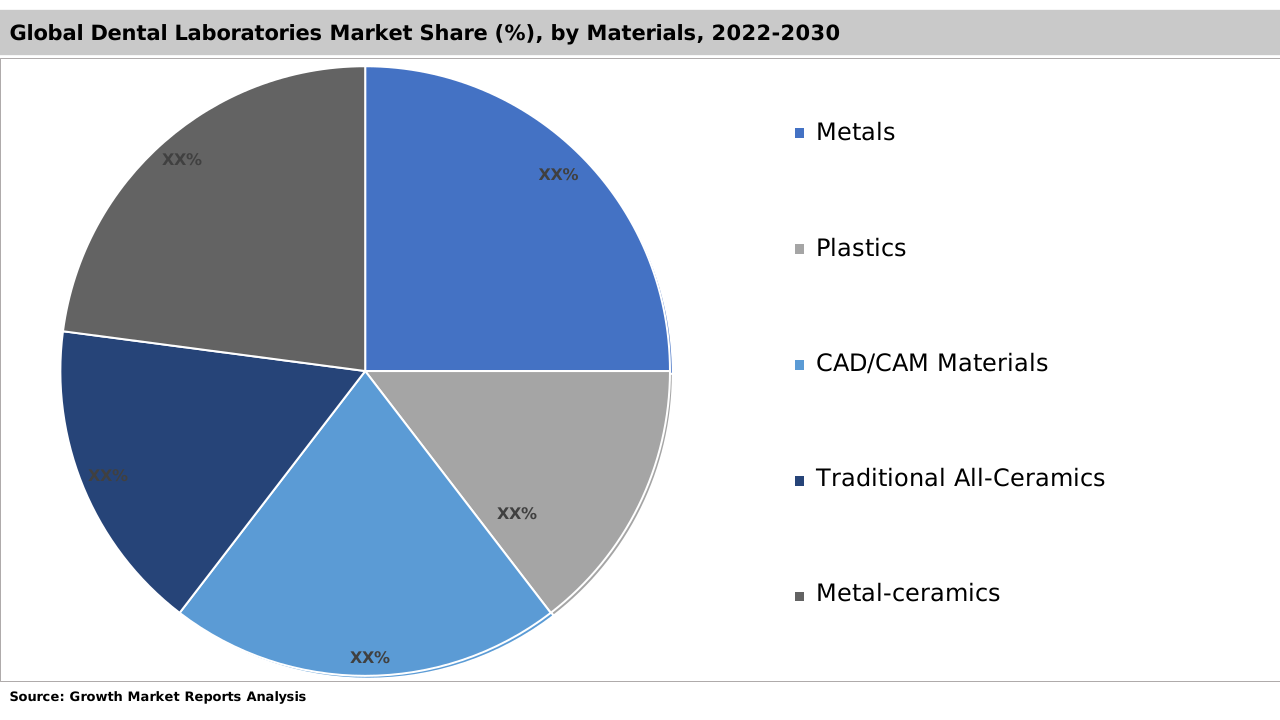
Material selection is a critical aspect of the dental laboratories market, with options including metal-ceramics, ceramics, metals, and others. Metal-ceramics have traditionally dominated the market due to their strength, durability, and cost-effectiveness. These materials are widely used in the fabrication of crowns and bridges, offering a balance between mechanical performance and aesthetic appeal. However, the growing preference for metal-free restorations, driven by concerns over metal allergies and the desire for more natural-looking results, is gradually shifting demand toward all-ceramic materials. Dental laboratories are responding by expanding their portfolios to include advanced ceramic solutions that mimic the translucency and color of natural teeth.
Ceramic materials, particularly zirconia and lithium disilicate, are gaining prominence in the dental laboratories market due to their superior biocompatibility, strength, and esthetic properties. The adoption of CAD/CAM technology has facilitated the widespread use of ceramics in the production of crowns, bridges, veneers, and implant abutments. Dental laboratories are increasingly leveraging digital workflows to optimize the fabrication process, reduce turnaround times, and deliver highly customized ceramic restorations. The ongoing development of new ceramic materials with enhanced properties is expected to further drive the growth of this segment, as patients and clinicians seek long-lasting, visually appealing solutions.
Metals, including gold, cobalt-chromium, and titanium, continue to play a vital role in specific dental applications, such as implantology and removable partial dentures. While the use of metals in visible restorations is declining in favor of ceramics, their mechanical properties make them indispensable for certain structural applications. Dental laboratories specializing in metal-based restorations are investing in advanced casting and milling technologies to improve the precision and efficiency of their production processes. Additionally, the rising adoption of titanium in dental implants is contributing to the sustained demand for metal materials in the market.
Digital Denture technology is revolutionizing the way dental laboratories approach the fabrication of dentures. This innovative process involves the use of digital impressions and CAD/CAM technology to design and manufacture dentures with unprecedented precision and efficiency. Unlike traditional methods, digital dentures offer a more streamlined workflow, reducing the time and labor involved in creating custom prosthetics. Patients benefit from a more comfortable fit and improved aesthetics, as digital dentures can be tailored to the unique contours of their mouths. The adoption of digital denture technology is gaining momentum in the dental laboratories market, as it aligns with the broader trend towards digital dentistry and enhances the overall quality of care provided to patients. By embracing this technology, dental laboratories can offer more consistent and reliable outcomes, ultimately improving patient satisfaction and expanding their service offerings.
Other materials, such as composite resins and polymers, are also gaining traction in the dental laboratories market, particularly for temporary restorations and pediatric applications. The versatility and ease of manipulation offered by these materials make them suitable for a wide range of dental procedures. Dental laboratories are exploring innovative material combinations and additive manufacturing techniques to expand their product offerings and cater to evolving clinical requirements. The ongoing research and development in dental materials are expected to yield new solutions that enhance the functional and aesthetic outcomes of dental restorations, thereby supporting the overall growth of the market.
The equipment segment of the dental laboratories market encompasses milling equipment, furnaces, articulators, scanners, and others. Milling equipment, including both wet and dry milling machines, is essential for the precise fabrication of dental restorations from ceramics, metals, and composite materials. The widespread adoption of CAD/CAM milling systems has revolutionized the workflow in dental laboratories, enabling the production of highly accurate and customized prosthetics. The integration of milling equipment with digital design software has also improved operational efficiency, reduced material wastage, and minimized manual intervention, thereby enhancing the overall productivity of dental laboratories.
Furnaces are another critical component in the dental laboratory workflow, used for sintering, glazing, and firing ceramic restorations. Advanced furnaces equipped with programmable controls and precise temperature management systems have become standard in modern dental laboratories. These innovations ensure consistent quality and optimal material properties in the final restorations. The growing demand for all-ceramic and zirconia-based prosthetics has driven the need for specialized furnaces capable of handling high-strength materials. Dental laboratories are increasingly investing in state-of-the-art furnace technology to meet the evolving needs of dental professionals and patients.
Articulators are indispensable tools in the dental laboratory, used to simulate jaw movements and ensure proper occlusion in dental restorations. The shift toward digital articulators and virtual articulation software has enhanced the accuracy and efficiency of occlusal analysis and adjustment processes. Dental laboratories are adopting these advanced solutions to improve the fit and functionality of crowns, bridges, and dentures, thereby reducing the need for chairside adjustments. The integration of articulators with digital impression systems and CAD/CAM workflows is further streamlining the laboratory process, resulting in better patient outcomes and higher satisfaction rates.
Scanners, both intraoral and laboratory-based, play a pivotal role in digitizing dental impressions and enabling seamless communication between dental clinics and laboratories. The adoption of high-resolution 3D scanners has significantly improved the accuracy of digital models, facilitating the design and fabrication of complex restorations. Dental laboratories are leveraging scanner technology to enhance collaboration with dental professionals, reduce turnaround times, and minimize errors associated with traditional impression techniques. The ongoing advancements in scanner technology, including faster processing speeds and improved image quality, are expected to drive further adoption in the dental laboratories market.
The availability of a Denture Repair Kit has become an essential component for both dental professionals and patients, providing a convenient solution for minor denture repairs. These kits typically include materials and tools necessary to fix common issues such as cracks, breaks, or loose teeth in dentures. For patients, a denture repair kit offers the advantage of addressing minor problems at home, reducing the need for immediate professional intervention and minimizing disruption to their daily lives. For dental laboratories, offering these kits can enhance their service portfolio and provide an additional revenue stream, while also supporting patient care by ensuring that minor issues can be managed promptly. As the demand for dentures continues to rise, particularly among the aging population, the role of denture repair kits in maintaining the functionality and longevity of these prosthetics becomes increasingly important.
The dental laboratories market serves various applications, with dental clinics and hospitals being the primary end-users. Dental clinics represent the largest application segment, accounting for a substantial share of the market revenue. The increasing number of private dental practices, coupled with the rising demand for specialized and cosmetic dental procedures, is driving the collaboration between clinics and dental laboratories. Clinics rely on laboratories for the fabrication of custom restorations, orthodontic devices, and other dental appliances, enabling them to offer comprehensive treatment solutions to their patients. The trend toward multi-specialty clinics and group practices is further expanding the scope of services provided by dental laboratories.
Hospitals represent another significant application area for dental laboratories, particularly in the context of complex restorative and surgical procedures. Hospitals often partner with specialized dental laboratories to access advanced prosthetic solutions, implant restorations, and maxillofacial appliances. The integration of dental laboratory services within hospital settings ensures timely and coordinated care for patients requiring multidisciplinary treatment. The growing emphasis on oral health as an integral component of overall health is prompting hospitals to invest in state-of-the-art dental laboratory equipment and technologies, thereby enhancing the quality and efficiency of dental care delivery.
Other applications of dental laboratory services include academic institutions, research organizations, and public health programs. Academic institutions utilize dental laboratory facilities for training and research purposes, exposing students to the latest materials, equipment, and techniques in restorative and prosthetic dentistry. Research organizations collaborate with dental laboratories to develop and test new materials, devices, and treatment protocols, contributing to the advancement of dental science. Public health programs, particularly in developing regions, are leveraging dental laboratory services to address the unmet needs of underserved populations, providing access to affordable and high-quality dental restorations.
The diversification of application areas is expanding the reach and impact of dental laboratories, enabling them to cater to a broader spectrum of clinical and research needs. The ongoing digital transformation of dental laboratory workflows is facilitating seamless integration with various healthcare settings, enhancing collaboration, and improving patient outcomes. As the demand for personalized and patient-centric dental care continues to rise, the role of dental laboratories in supporting the delivery of advanced, high-quality solutions is expected to grow further.
The dental laboratories market presents numerous opportunities for growth and innovation, particularly in the realm of digital dentistry. The increasing adoption of CAD/CAM systems, 3D printing, and digital impression technologies is transforming traditional laboratory workflows, enabling the production of highly precise and customized restorations. Dental laboratories that invest in these advanced technologies are well-positioned to capitalize on the growing demand for aesthetic and functional dental solutions. Additionally, the expanding market for dental implants and the rising prevalence of edentulism present significant opportunities for laboratories specializing in implant-supported restorations. The ongoing development of new materials with enhanced properties, such as improved strength, biocompatibility, and aesthetics, is also creating avenues for product differentiation and competitive advantage.
Another major opportunity in the dental laboratories market lies in the expansion into emerging markets, where rising disposable incomes, increasing awareness of oral health, and growing access to dental care are driving demand for advanced dental services. Dental laboratories can leverage partnerships with local dental clinics, hospitals, and distributors to establish a strong presence in these regions. The rise of dental tourism, particularly in countries such as India, Thailand, and Mexico, offers additional growth prospects, as patients from developed countries seek high-quality, cost-effective dental treatments abroad. Furthermore, the integration of artificial intelligence and machine learning into dental laboratory processes holds the potential to further enhance efficiency, accuracy, and patient outcomes, opening up new frontiers for innovation and value creation.
Despite the numerous opportunities, the dental laboratories market faces certain restraining factors that could hinder its growth. One of the primary challenges is the high capital investment required for the adoption of advanced digital technologies and equipment. Small and medium-sized dental laboratories, in particular, may struggle to afford the upfront costs associated with upgrading their facilities and training their staff. Additionally, the shortage of skilled dental technicians and the increasing complexity of dental procedures place pressure on laboratories to maintain high standards of quality and efficiency. Regulatory compliance and the need to adhere to stringent quality control measures also add to the operational burden. Addressing these challenges will be crucial for dental laboratories seeking to remain competitive and capitalize on the growth opportunities in the market.
North America remains the largest market for dental laboratories, with the region accounting for approximately USD 15.6 billion in 2024. The United States leads this growth, driven by a well-established dental care infrastructure, high per capita dental expenditure, and early adoption of digital dentistry technologies. The presence of leading dental laboratory equipment manufacturers and a strong focus on research and development further contribute to the regionÂ’s dominance. Canada is also witnessing steady growth, supported by government initiatives to improve oral health and expand access to dental care services. The North American market is expected to maintain a healthy growth trajectory, with a projected CAGR of 5.2% through 2033.
Europe is the second-largest regional market, with a value of USD 12.7 billion in 2024. Countries such as Germany, the United Kingdom, and France are at the forefront, owing to their advanced healthcare systems, comprehensive dental insurance coverage, and strong emphasis on dental aesthetics. The regionÂ’s aging population and increasing prevalence of dental disorders are driving demand for restorative and prosthodontic solutions. The adoption of digital technologies and the presence of leading dental laboratories and academic institutions are further supporting market growth. Eastern European countries are also experiencing increased investment in dental care infrastructure, contributing to the overall expansion of the European market.
The Asia Pacific region is emerging as a high-growth market for dental laboratories, with a market size of USD 7.9 billion in 2024 and a projected CAGR of 7.1% over the forecast period. Rapid urbanization, rising disposable incomes, and growing awareness of oral health are driving demand for advanced dental services in countries such as China, India, Japan, and South Korea. The region is also benefiting from the increasing popularity of dental tourism, as patients from developed countries seek affordable, high-quality dental treatments. Government initiatives to improve healthcare infrastructure and expand access to dental care are further supporting market growth. The Asia Pacific market is expected to witness the fastest growth among all regions, presenting significant opportunities for dental laboratories and equipment manufacturers.
The global dental laboratories market is highly competitive, characterized by the presence of numerous multinational corporations, regional players, and specialized laboratories. Market participants are focusing on product innovation, technological advancements, and strategic collaborations to strengthen their market position and expand their service offerings. The adoption of digital dentistry solutions, such as CAD/CAM systems, 3D printing, and digital impression technologies, is a key differentiator among leading dental laboratories. Companies are also investing in research and development to introduce new materials, equipment, and workflow solutions that enhance the quality, efficiency, and customization of dental restorations.
Strategic partnerships and mergers and acquisitions are common strategies employed by market players to gain access to new markets, technologies, and customer segments. For instance, leading dental laboratory equipment manufacturers are collaborating with dental clinics, hospitals, and academic institutions to develop integrated solutions that streamline the dental restoration process. The increasing focus on training and education is another important trend, as companies seek to address the shortage of skilled dental technicians and ensure the successful adoption of advanced technologies. Additionally, market players are leveraging digital marketing and e-commerce platforms to expand their reach and improve customer engagement.
The competitive landscape is also shaped by the emergence of specialized dental laboratories that focus on niche areas such as orthodontics, implantology, and cosmetic dentistry. These laboratories differentiate themselves by offering highly customized solutions, leveraging advanced materials and technologies to meet the specific needs of dental professionals and patients. The rise of group dental practices and dental service organizations is further influencing the market dynamics, as these entities seek to establish long-term partnerships with reliable and technologically advanced dental laboratories.
Some of the major companies operating in the dental laboratories market include National Dentex Corporation, Modern Dental Group Limited, Glidewell Laboratories, Dental Services Group, Knight Dental Group, and Aspen Dental Management, Inc. These companies are recognized for their extensive product portfolios, strong distribution networks, and commitment to quality and innovation. National Dentex Corporation, for example, is known for its comprehensive range of dental laboratory services and its focus on digital dentistry solutions. Modern Dental Group Limited has a strong presence in both developed and emerging markets, offering a wide array of restorative and prosthodontic products. Glidewell Laboratories is a pioneer in the adoption of digital workflows and is renowned for its research and development capabilities.
Dental Services Group and Knight Dental Group are also prominent players, offering a diverse range of laboratory services and products to dental professionals across North America and Europe. These companies are continually investing in new technologies and expanding their service offerings to meet the evolving needs of the dental industry. Aspen Dental Management, Inc. operates a network of dental laboratories and clinics, providing integrated solutions that enhance the efficiency and quality of dental care delivery. The collective efforts of these and other market participants are driving the ongoing advancement and growth of the global dental laboratories market.
The Dental Laboratories market has been segmented on the basis of
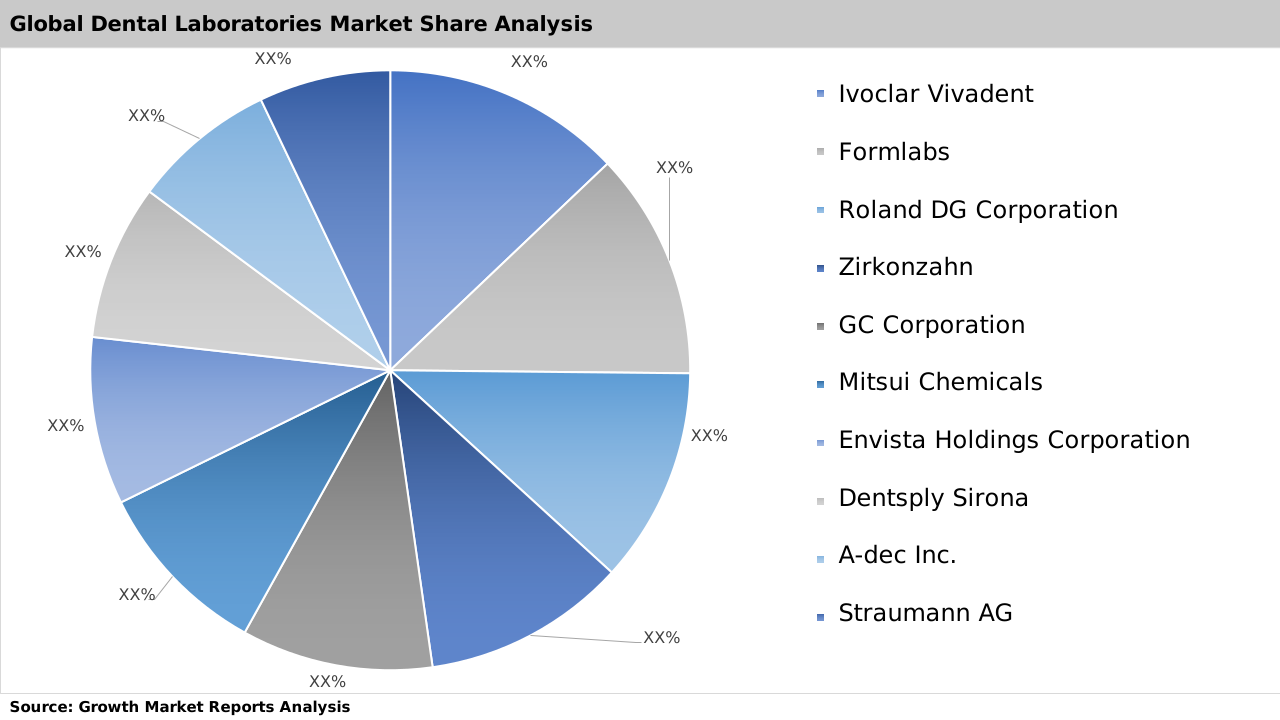
Key players competing in the dental laboratories market include Dental Services Group; 3M Health Care; National Dentex Corporation; Knight dental design; Champlain Dental Laboratory, Inc.; Henry Schein, Inc.; Straumann AG; A-dec Inc.; Dentsply Sirona; Envista Holdings Corporation; Mitsui Chemicals; GC Corporation; Zirkonzahn; Roland DG Corporation; Formlabs; Ivoclar Vivadent; VITA Zahnfabrik H. Rauter GmbH & Co. KG; Shofu Dental Corporation; and VOCO GmbH. Some of these players are using several market strategies such as acquisitions, mergers, collaborations, partnerships, capacity expansion, and product launches to enhance their market shares.
A-dec Inc.; Dentsply Sirona; Envista Holdings Corporation; Mitsui Chemicals; GC Corporation; Zirkonzahn are some of the key players in the dental laboratories market.
North America dominated the dental laboratories market in 2021.
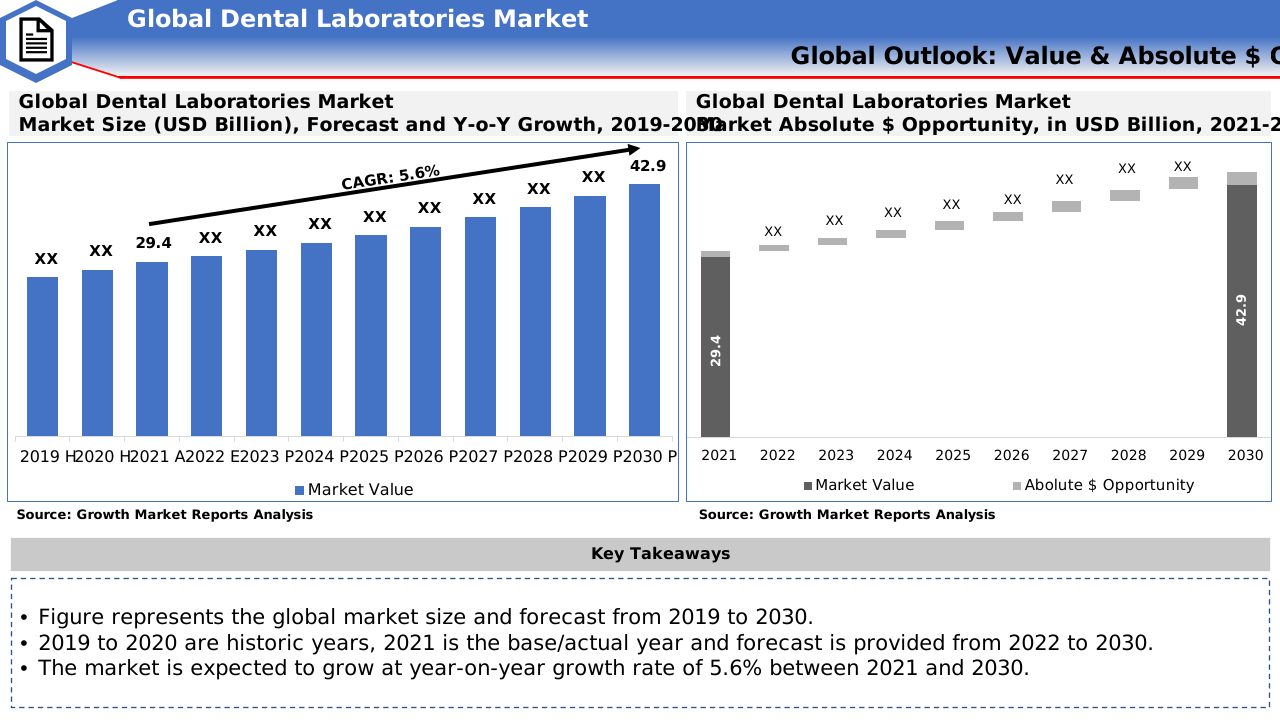
The dental laboratories market size was valued at USD 29.4 billion in 2021.
The dental laboratories market is expected to expand at a CAGR of around 5.6% during the forecast period, 2022 – 2030.
The dental laboratories market is expected to reach USD 42.9 billion by 2030.