Segments - by Product Type (Diagnostic Dental Equipment, Therapeutic Dental Equipment, General Equipment, Others), by Application (Hospitals, Dental Clinics, Academic & Research Institutes, Others), by End-User (Dental Laboratories, Hospitals, Clinics, Others)
According to our latest research, the global dental equipment market size reached USD 9.7 billion in 2024 and is expected to grow at a robust CAGR of 6.2% from 2025 to 2033. By the end of 2033, the market is projected to attain a value of USD 16.7 billion. This strong growth trajectory is primarily driven by technological advancements in dental care, increasing prevalence of dental disorders, and the rising demand for cosmetic dentistry worldwide. The market’s expansion is also supported by significant investments in dental healthcare infrastructure and a growing awareness of oral hygiene among the global population.
One of the primary growth factors fueling the dental equipment market is the ongoing technological innovation in diagnostic and therapeutic dental devices. The integration of digital imaging, 3D printing, and computer-aided design/computer-aided manufacturing (CAD/CAM) systems has revolutionized dental procedures, enhancing both the accuracy and efficiency of treatments. These advancements have significantly reduced chair time for patients and improved the precision of dental restorations, leading to higher patient satisfaction and better clinical outcomes. Moreover, the advent of minimally invasive procedures supported by advanced dental equipment has increased the adoption rate among dental professionals, further propelling market growth.
Another critical driver is the rising prevalence of dental diseases, such as dental caries, periodontal diseases, and oral cancers, which are becoming increasingly common due to changing lifestyles and dietary habits. According to the World Health Organization, oral diseases affect nearly 3.5 billion people globally, highlighting the urgent need for effective dental care solutions. This has led to a surge in demand for dental diagnostic and therapeutic equipment, particularly in emerging economies where access to dental care is improving. Additionally, the growing geriatric population, which is more prone to dental disorders, is expected to contribute significantly to the rising demand for dental equipment over the forecast period.
The increasing focus on cosmetic dentistry is another major factor driving the dental equipment market. With the growing awareness of aesthetic dental treatments and the desire for improved appearance, there has been a notable rise in procedures such as teeth whitening, veneers, and orthodontics. This trend is particularly prominent in developed regions, where disposable incomes are higher, and patients are willing to invest in advanced dental solutions. The proliferation of dental clinics and the expansion of dental service chains have also played a pivotal role in making cosmetic dental procedures more accessible to a broader population, thereby boosting the demand for state-of-the-art dental equipment.
From a regional perspective, North America continues to dominate the dental equipment market owing to its advanced healthcare infrastructure, high awareness regarding oral health, and significant investments in dental technology. However, the Asia Pacific region is witnessing the fastest growth, driven by a large patient pool, increasing healthcare expenditure, and rapid urbanization. Europe also holds a substantial share, supported by favorable reimbursement policies and a strong presence of key market players. The Middle East & Africa and Latin America are emerging as promising markets due to improving access to dental care and rising government initiatives to enhance oral health outcomes.
The product type segment of the dental equipment market is broadly categorized into diagnostic dental equipment, therapeutic dental equipment, general equipment, and others. Diagnostic dental equipment includes devices such as dental radiology equipment, intraoral cameras, and caries detection devices. The increasing adoption of digital imaging technologies and the need for early detection of dental diseases have significantly boosted the demand for diagnostic equipment. These devices offer enhanced imaging capabilities, allowing dentists to diagnose complex dental conditions with greater accuracy and efficiency. The growing prevalence of dental disorders and the rising focus on preventive dental care are expected to further drive the growth of this segment.
Therapeutic dental equipment encompasses a wide range of devices used in the treatment of dental conditions, including dental chairs, lasers, handpieces, and electrosurgical devices. The therapeutic segment is witnessing substantial growth due to the rising number of dental procedures, such as restorative, endodontic, and periodontal treatments. Technological advancements in therapeutic equipment, such as the development of ergonomic dental chairs and high-speed handpieces, have improved the overall patient experience and treatment outcomes. Additionally, the increasing demand for minimally invasive procedures and the growing popularity of laser dentistry are contributing to the expansion of this segment.
General equipment, which includes sterilization equipment, compressors, and suction systems, forms an essential part of every dental clinic and hospital. The emphasis on infection control and sterilization protocols has become more pronounced, especially in the aftermath of the COVID-19 pandemic. Dental practitioners are increasingly investing in advanced sterilization equipment to ensure patient safety and comply with stringent regulatory standards. The ongoing need for reliable and efficient general equipment is expected to sustain the growth of this segment throughout the forecast period.
Other dental equipment, such as dental laboratory machines and auxiliary devices, also play a crucial role in supporting dental practices. The growth of dental laboratories and the increasing adoption of CAD/CAM technology in dental prosthetics have driven the demand for specialized laboratory equipment. These devices enable the production of high-quality dental restorations and prostheses, meeting the growing expectations of both dental professionals and patients. As dental laboratories continue to expand their service offerings, the demand for advanced equipment in this segment is anticipated to rise steadily.
| Attributes | Details |
| Report Title | Dental Equipment Market Research Report 2033 |
| By Product Type | Diagnostic Dental Equipment, Therapeutic Dental Equipment, General Equipment, Others |
| By Application | Hospitals, Dental Clinics, Academic & Research Institutes, Others |
| By End-User | Dental Laboratories, Hospitals, Clinics, Others |
| Regions Covered | North America, Europe, APAC, Latin America, MEA |
| Base Year | 2024 |
| Historic Data | 2018-2023 |
| Forecast Period | 2025-2033 |
| Number of Pages | 284 |
| Number of Tables & Figures | 346 |
| Customization Available | Yes, the report can be customized as per your need. |
The application segment of the dental equipment market is segmented into hospitals, dental clinics, academic & research institutes, and others. Hospitals represent a significant share of the market due to their comprehensive dental care services and the availability of advanced dental equipment. The integration of multidisciplinary dental departments within hospitals allows for the treatment of complex dental cases, including oral surgeries and maxillofacial procedures. Hospitals are also preferred for emergency dental care, making them a vital end-user for dental equipment manufacturers. The increasing number of hospital-based dental clinics and the expansion of dental departments in tertiary care centers are expected to drive the demand for dental equipment in this segment.
Dental clinics constitute the largest end-user segment in the dental equipment market, owing to the proliferation of private dental practices and the rising demand for specialized dental services. The trend towards personalized and patient-centric care has led to the adoption of advanced dental equipment in clinics, enabling practitioners to offer a wide range of services, from preventive care to complex restorative procedures. The growth of dental service organizations (DSOs) and group practices has further accelerated the adoption of cutting-edge dental technologies, as these entities focus on enhancing operational efficiency and patient outcomes. The increasing preference for outpatient dental care and the convenience offered by dental clinics are expected to sustain the growth of this segment.
Academic and research institutes play a crucial role in the dental equipment market by driving innovation and advancing dental education. These institutions invest in state-of-the-art dental equipment to provide hands-on training to dental students and conduct research on new dental materials and technologies. The collaboration between academic institutions and dental equipment manufacturers has led to the development of innovative products and techniques, contributing to the overall advancement of dental care. The growing emphasis on research and development in dentistry and the need for skilled dental professionals are expected to bolster the demand for dental equipment in academic and research settings.
Other applications of dental equipment include mobile dental units, community health centers, and military dental facilities. The increasing focus on improving access to dental care in remote and underserved areas has led to the deployment of mobile dental units equipped with advanced diagnostic and therapeutic devices. These units play a vital role in delivering essential dental services to populations with limited access to traditional dental clinics. The expansion of community-based dental programs and government initiatives to promote oral health are expected to drive the demand for dental equipment in these alternative settings.
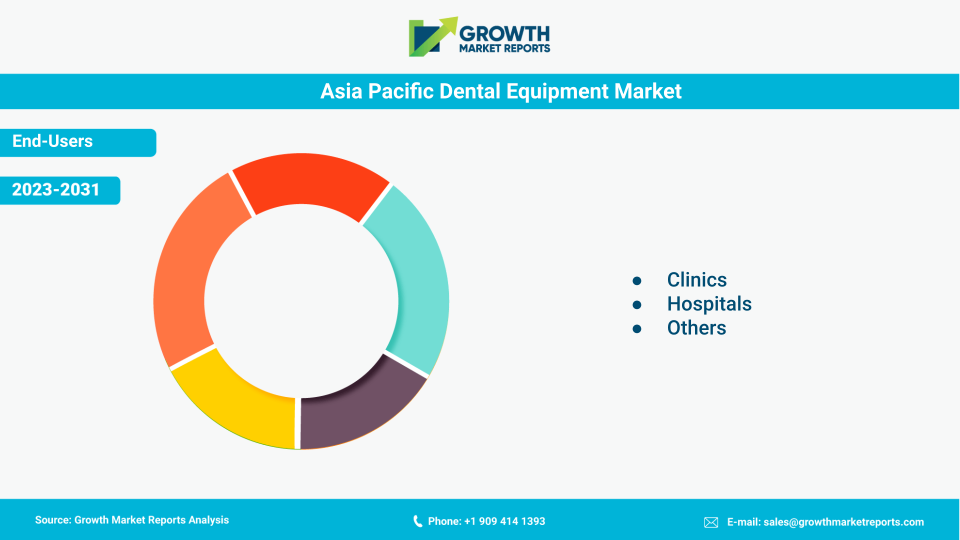
The end-user segment of the dental equipment market includes dental laboratories, hospitals, clinics, and others. Dental laboratories are pivotal in the fabrication of dental prosthetics, crowns, bridges, and orthodontic appliances. The increasing adoption of digital workflows, such as CAD/CAM technology, has transformed the operations of dental laboratories, enabling the production of high-precision dental restorations. The demand for advanced laboratory equipment is being driven by the rising number of dental prosthetic procedures and the growing preference for customized dental solutions. As dental laboratories continue to embrace digital transformation, the need for sophisticated dental equipment is expected to rise.
Hospitals, as end-users, account for a substantial share of the dental equipment market due to their ability to provide comprehensive dental care, including surgical and emergency services. The presence of specialized dental departments within hospitals allows for the treatment of complex cases that require advanced diagnostic and therapeutic equipment. Hospitals are also at the forefront of adopting new dental technologies, driven by the need to improve patient outcomes and comply with regulatory standards. The increasing number of hospital-based dental clinics and the expansion of dental services in multi-specialty hospitals are expected to fuel the demand for dental equipment in this segment.
Clinics, particularly private dental practices, represent the largest end-user group in the dental equipment market. The shift towards patient-centric care and the increasing demand for cosmetic and restorative dental procedures have led to the widespread adoption of advanced dental equipment in clinics. The growth of dental service organizations and the trend towards consolidation in the dental care industry have further accelerated the adoption of cutting-edge technologies. Clinics are increasingly investing in digital imaging systems, laser equipment, and ergonomic dental chairs to enhance the quality of care and improve patient experience. The rising number of dental clinics, especially in emerging economies, is expected to drive the growth of this segment.
Other end-users of dental equipment include academic institutions, research organizations, and government health agencies. These entities play a critical role in advancing dental education and research, investing in state-of-the-art equipment to train future dental professionals and conduct innovative research. The collaboration between academic institutions and dental equipment manufacturers has resulted in the development of new products and techniques, contributing to the overall growth of the market. Government health agencies are also investing in dental equipment to support public health initiatives and improve access to dental care in underserved communities.
The dental equipment market presents numerous opportunities for growth, particularly in the areas of technological innovation and expanding access to dental care. The increasing adoption of digital dentistry, including 3D printing, CAD/CAM systems, and digital imaging, is transforming dental practices and enabling the development of personalized dental solutions. These technologies offer significant advantages in terms of accuracy, efficiency, and patient outcomes, creating new opportunities for dental equipment manufacturers to develop innovative products. The growing focus on minimally invasive procedures and the rising demand for cosmetic dentistry are also expected to drive market growth, as patients seek advanced solutions for both functional and aesthetic dental needs.
Emerging markets, particularly in Asia Pacific and Latin America, offer significant growth opportunities for the dental equipment market. The rising prevalence of dental diseases, increasing healthcare expenditure, and improving access to dental care in these regions are driving the demand for advanced dental equipment. Government initiatives to promote oral health and the expansion of dental service infrastructure are further supporting market growth. Additionally, the increasing adoption of teledentistry and mobile dental units is helping to bridge the gap in access to dental care in remote and underserved areas. These trends present lucrative opportunities for market players to expand their presence and tap into new customer segments.
Despite the promising growth prospects, the dental equipment market faces several restraining factors, including the high cost of advanced dental equipment and the limited reimbursement for dental procedures in many regions. The significant upfront investment required for state-of-the-art dental equipment can be a barrier for small and medium-sized dental practices, particularly in emerging economies. Additionally, the lack of skilled dental professionals and the need for specialized training to operate advanced equipment can hinder market adoption. Regulatory challenges and the stringent approval process for new dental devices also pose threats to market growth, as manufacturers must navigate complex and evolving regulatory landscapes to bring new products to market.
North America remains the largest regional market for dental equipment, accounting for approximately 35% of the global market share in 2024, valued at around USD 3.4 billion. The region’s dominance is attributed to its advanced healthcare infrastructure, high awareness of oral health, and significant investments in dental technology. The presence of major market players and the increasing adoption of digital dentistry have further strengthened North America's position in the global dental equipment market. The United States, in particular, leads the region with a well-established network of dental clinics and a strong focus on cosmetic dentistry.
Europe holds a substantial share of the dental equipment market, with a market size of approximately USD 2.7 billion in 2024. The region benefits from favorable reimbursement policies, a strong presence of key industry players, and a high level of awareness regarding oral health. Countries such as Germany, the United Kingdom, and France are leading contributors to the European dental equipment market, driven by the increasing demand for advanced dental procedures and the expansion of dental service infrastructure. Europe is expected to witness steady growth over the forecast period, supported by ongoing investments in dental technology and research.
The Asia Pacific region is the fastest-growing market for dental equipment, with a projected CAGR of 8.1% from 2025 to 2033. The market size in Asia Pacific reached USD 2.1 billion in 2024 and is expected to experience significant growth due to the large patient pool, rising healthcare expenditure, and rapid urbanization. Countries such as China, India, and Japan are driving the growth of the dental equipment market in the region, supported by government initiatives to improve access to dental care and the increasing adoption of advanced dental technologies. The expansion of dental clinics and the growing focus on preventive dental care are expected to further boost market growth in Asia Pacific.
The dental equipment market is highly competitive, characterized by the presence of several global and regional players striving to gain a competitive edge through product innovation, strategic partnerships, and mergers and acquisitions. The market is marked by continuous technological advancements, with companies investing heavily in research and development to introduce new and improved dental equipment. The focus on digital dentistry, including CAD/CAM systems, 3D printing, and digital imaging, has intensified competition, as manufacturers seek to differentiate their offerings and capture a larger share of the market. The growing demand for minimally invasive procedures and cosmetic dentistry has also prompted companies to develop advanced equipment that meets the evolving needs of dental professionals and patients.
Major players in the dental equipment market are increasingly adopting strategies such as product launches, collaborations, and acquisitions to expand their product portfolios and strengthen their market presence. Companies are also focusing on expanding their distribution networks and enhancing their customer support services to improve market penetration. The emphasis on sustainability and the development of eco-friendly dental equipment is emerging as a key trend, with manufacturers seeking to reduce the environmental impact of their products and operations. The competitive landscape is further shaped by the entry of new players, particularly in emerging markets, where the demand for affordable and high-quality dental equipment is rising.
Some of the leading companies in the dental equipment market include Dentsply Sirona Inc., Planmeca Group, Danaher Corporation, 3M Company, Carestream Dental LLC, GC Corporation, and A-dec Inc.. These companies are recognized for their extensive product portfolios, strong research and development capabilities, and global distribution networks. Dentsply Sirona Inc. is a prominent player with a wide range of dental equipment, including imaging systems, treatment centers, and CAD/CAM solutions. Planmeca Group is known for its innovative digital dental solutions and strong presence in the European market. Danaher Corporation, through its subsidiaries such as KaVo Kerr and Nobel Biocare, offers a comprehensive range of dental equipment and solutions.
3M Company is a key player in the dental equipment market, offering a broad spectrum of dental products, including restorative materials, digital impression systems, and preventive care solutions. Carestream Dental LLC specializes in digital imaging systems and practice management software, catering to the needs of dental professionals worldwide. GC Corporation is recognized for its high-quality dental materials and equipment, with a strong focus on research and innovation. A-dec Inc. is a leading manufacturer of dental chairs, delivery systems, and operatory equipment, known for its commitment to quality and customer satisfaction. These companies, along with several emerging players, are expected to drive the growth and innovation in the dental equipment market over the forecast period.
The Dental Equipment market has been segmented on the basis of
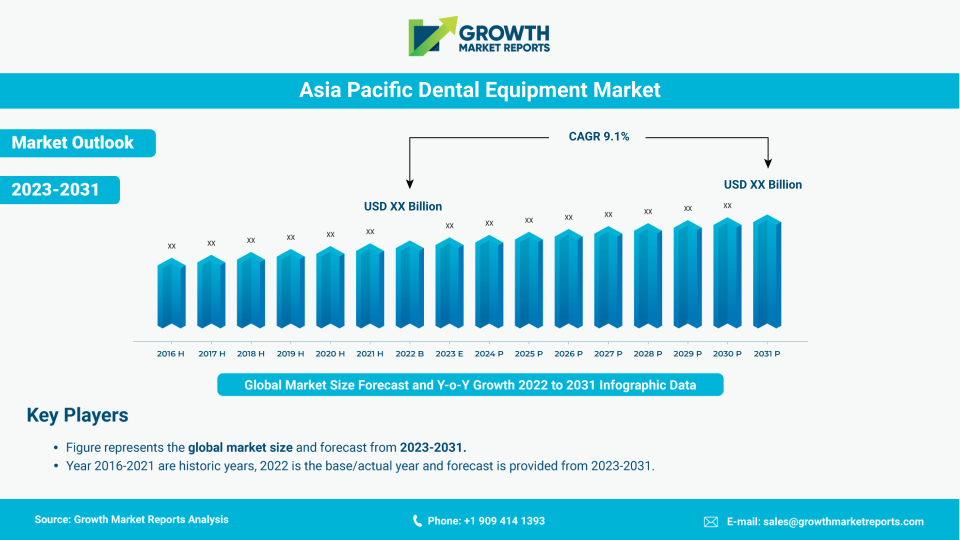
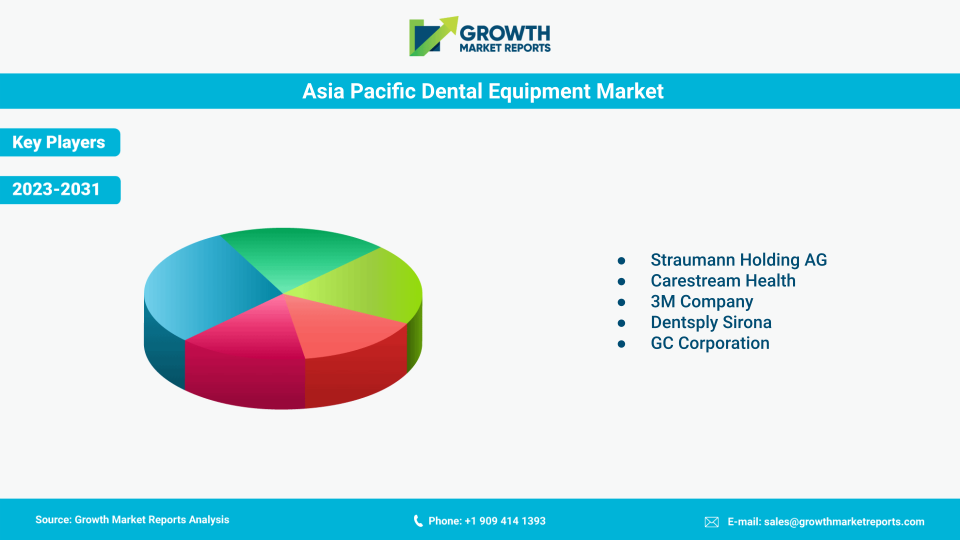
Key players competing in the Asia Pacific dental equipment market are Straumann Holding AG; Carestream Health; 3M Company; Dentsply Sirona; and GC Corporation. The Companies are engaging in vigorous acquisitions, collaborations, and ventures to consolidate their position in the market.
In January 2021, Dentsply Sirona acquired Byte Company for USD 1.04 billion to strengthen DENTSPLY Sirona’s clear aligner category. The company aimed to strengthen its connections with dental professionals through the agreement.
Yes, the Dental Equipment Market Research Report 2033 offers customization options to meet specific client requirements.
Trends include the rise of digital dentistry, growing demand for cosmetic and minimally invasive procedures, expansion in emerging markets, and a focus on eco-friendly and sustainable dental equipment.
Major companies include Dentsply Sirona Inc., Planmeca Group, Danaher Corporation, 3M Company, Carestream Dental LLC, GC Corporation, A-dec Inc., and several others.
Key challenges include the high cost of advanced equipment, limited reimbursement for dental procedures, shortage of skilled professionals, and complex regulatory requirements for new devices.
Dental equipment is used in hospitals, dental clinics, academic & research institutes, dental laboratories, and other settings such as mobile dental units and community health centers.
Technologies like digital imaging, 3D printing, CAD/CAM systems, and minimally invasive dental procedures are enhancing accuracy, efficiency, and patient outcomes, while reducing treatment times.
The market is segmented into diagnostic dental equipment (e.g., radiology equipment, intraoral cameras), therapeutic dental equipment (e.g., dental chairs, lasers), general equipment (e.g., sterilization equipment, compressors), and other specialized devices.
North America dominates the dental equipment market, accounting for about 35% of the global share, followed by Europe and the rapidly growing Asia Pacific region.
Major growth factors include technological advancements in dental care, increasing prevalence of dental disorders, rising demand for cosmetic dentistry, significant investments in dental healthcare infrastructure, and growing awareness of oral hygiene.
The global dental equipment market reached USD 9.7 billion in 2024 and is expected to grow at a CAGR of 6.2% from 2025 to 2033, reaching USD 16.7 billion by 2033.