Dental Device Market Research Report 2033

Dental Device Market Research Report 2033

Segments - by Product Type (Diagnostic Dental Equipment, Therapeutic Dental Equipment, General & Specialty Dental Devices, Others), by Application (Orthodontics, Endodontics, Periodontics, Prosthodontics, Others), by End User (Hospitals, Dental Clinics, Ambulatory Surgical Centers, Others)

https://growthmarketreports.com/raksha
Author : Raksha Sharma
https://growthmarketreports.com/Vaibhav
Fact-checked by : V. Chandola
https://growthmarketreports.com/Shruti
Editor : Shruti Bhat

Upcoming | Report ID :HC-1327 | 4.7 Rating | 65 Reviews | 285 Pages | Format : Docx PDF

Report Description


Dental Device Market Outlook

According to our latest research, the global dental device market size in 2024 stands at USD 12.8 billion, reflecting robust demand driven by technological advancements and increasing awareness about oral health. The market is projected to grow at a CAGR of 6.7% from 2025 to 2033, reaching an estimated USD 23.1 billion by the end of the forecast period. This growth is primarily fueled by the rising prevalence of dental disorders, continuous innovation in dental technology, and a growing geriatric population globally. As per our comprehensive analysis, the dental device market is poised for significant expansion, with both developed and emerging regions contributing to the upward trajectory.

One of the most significant growth factors in the dental device market is the increasing incidence of dental diseases such as caries, periodontitis, and oral cancer. The World Health Organization reports that oral diseases affect nearly 3.5 billion people worldwide, creating a substantial need for advanced diagnostic and therapeutic dental equipment. The growing awareness regarding oral hygiene, coupled with government and private sector initiatives to promote dental health, has led to a surge in dental visits and procedures. This trend is further supported by the rising adoption of preventive dental care, which is driving demand for both general and specialty dental devices across various healthcare settings.

Technological innovation is another key driver propelling the dental device market forward. The integration of digital technologies such as 3D imaging, CAD/CAM systems, and laser dentistry has revolutionized dental procedures, making them more efficient, accurate, and patient-friendly. These advancements have not only improved the diagnostic and therapeutic capabilities of dental professionals but have also enhanced patient outcomes and satisfaction. The emergence of minimally invasive techniques and the growing popularity of cosmetic dentistry are further accelerating the adoption of advanced dental devices. As dental practices increasingly invest in state-of-the-art equipment, the market is witnessing a notable shift towards high-value, technologically sophisticated products.

The demographic shift towards an aging population is also significantly impacting the dental device market. Older adults are more susceptible to dental conditions such as tooth loss, gum disease, and oral cancer, necessitating regular dental care and intervention. As life expectancy increases globally, the demand for dental prosthetics, implants, and restorative devices is on the rise. Additionally, the growing middle-class population in emerging economies is leading to higher disposable incomes and greater spending on dental care. This is creating new opportunities for market players to expand their presence and cater to a broader patient base, particularly in regions where access to dental services has historically been limited.

The role of Dental Diagnostics and Surgical Equipment is becoming increasingly pivotal in the evolving landscape of dental care. These tools are essential for accurate diagnosis and effective treatment planning, enabling dental professionals to address a wide range of oral health issues with precision. The integration of advanced imaging systems and surgical instruments is enhancing the capabilities of dental practitioners, allowing for more comprehensive patient assessments and minimally invasive interventions. As the demand for high-quality dental care continues to rise, the adoption of state-of-the-art diagnostic and surgical equipment is expected to grow, driving further advancements in the field.

From a regional perspective, North America continues to dominate the dental device market, accounting for the largest share in terms of revenue and technological adoption. However, the Asia Pacific region is rapidly emerging as a key growth engine, driven by increasing healthcare investments, rising dental tourism, and a burgeoning middle-class population. Europe also remains a significant market, supported by well-established healthcare infrastructure and favorable reimbursement policies. Latin America and the Middle East & Africa, while smaller in terms of market size, are witnessing steady growth due to improving access to dental care and rising awareness about oral health. The global landscape is thus characterized by both mature and high-growth markets, offering diverse opportunities for stakeholders across the value chain.

Global  Dental Device Industry Outlook

Product Type Analysis

The dental device market by product type is segmented into diagnostic dental equipment, therapeutic dental equipment, general and specialty dental devices, and others. Diagnostic dental equipment includes imaging systems such as X-ray units, cone beam computed tomography (CBCT), and intraoral scanners, which have become indispensable in modern dental practice due to their ability to provide precise and detailed images for accurate diagnosis. The demand for advanced diagnostic tools is increasing as dental professionals seek to enhance early detection and treatment planning for a wide range of oral health conditions. The integration of artificial intelligence and digital imaging technologies is further revolutionizing this segment, enabling faster and more reliable diagnostics.

Therapeutic dental equipment encompasses devices used in the treatment and management of dental diseases, including dental lasers, electrosurgical systems, and ultrasonic instruments. The adoption of minimally invasive procedures is driving growth in this segment, as patients and practitioners alike seek solutions that reduce pain, recovery time, and procedural risks. Dental lasers, for instance, are increasingly being used for soft tissue surgeries, periodontal therapy, and cavity preparation, offering superior precision and patient comfort. The therapeutic segment is also benefiting from ongoing research and development efforts aimed at introducing innovative products that address evolving clinical needs.

The general and specialty dental devices segment includes a wide array of instruments and apparatus used in routine and specialized dental procedures. This category covers dental handpieces, chairs, lights, sterilization equipment, and specialty devices for orthodontics, endodontics, and prosthodontics. The rising prevalence of complex dental conditions and the growing demand for cosmetic and restorative dentistry are contributing to the expansion of this segment. Manufacturers are focusing on ergonomics, durability, and user-friendly features to cater to the diverse requirements of dental professionals, thereby enhancing operational efficiency and patient care standards.

Other dental devices, including consumables and ancillary products, also play a crucial role in supporting dental practice operations. These products, ranging from impression materials and adhesives to infection control supplies, are essential for maintaining high standards of hygiene and procedural accuracy. The increasing emphasis on infection prevention, particularly in the wake of the COVID-19 pandemic, has heightened demand for single-use and sterilizable products. As dental practices continue to prioritize patient safety and regulatory compliance, the market for ancillary dental devices is expected to witness sustained growth over the forecast period.

Collectively, the product type segment analysis underscores the dynamic nature of the dental device market, with each sub-segment contributing to overall market growth. The ongoing shift towards digitalization, minimally invasive techniques, and patient-centric care is reshaping product development strategies and driving investments in research and innovation. As the market evolves, stakeholders must remain agile and responsive to emerging trends and technological advancements to maintain a competitive edge.

Report Scope

Attributes Details
Report Title Dental Device Market Research Report 2033
By Product Type Diagnostic Dental Equipment, Therapeutic Dental Equipment, General & Specialty Dental Devices, Others
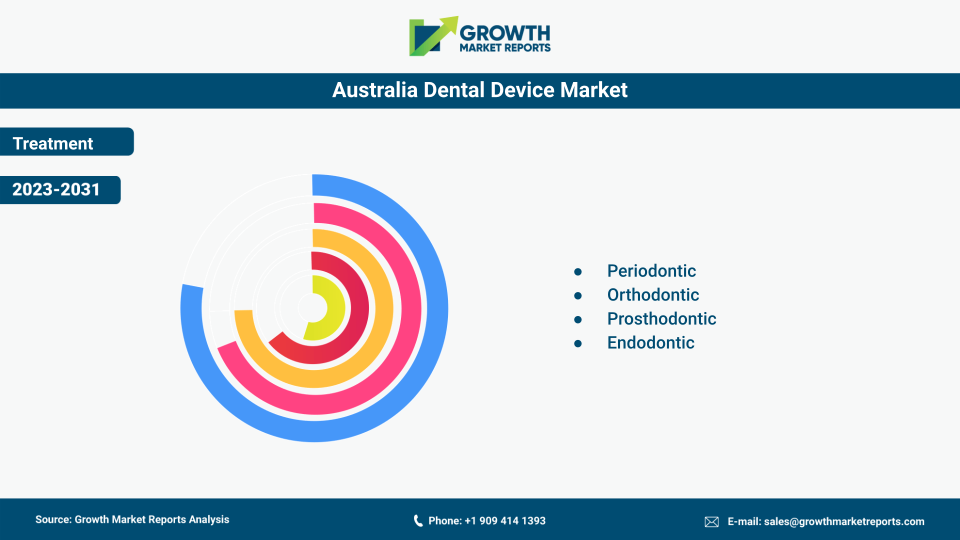
By Application Orthodontics, Endodontics, Periodontics, Prosthodontics, Others
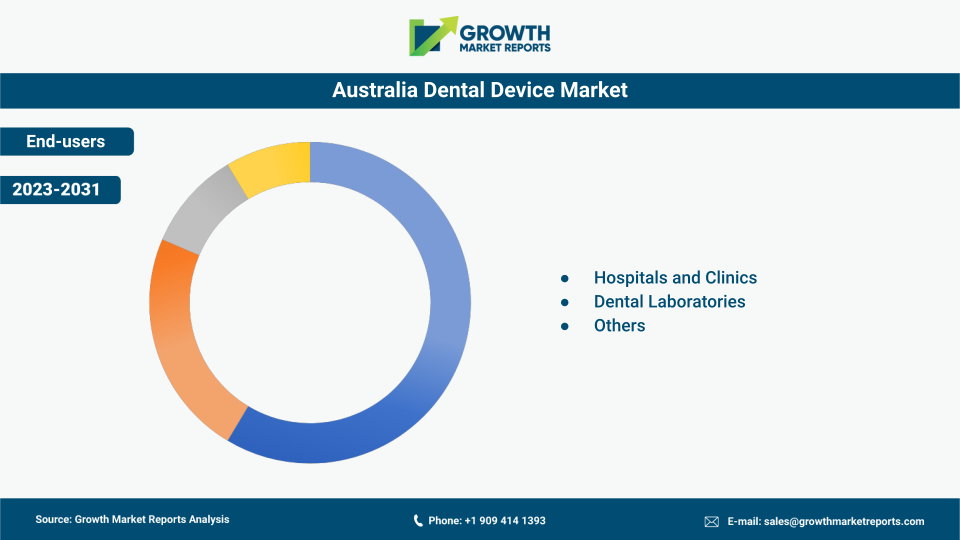
By End User Hospitals, Dental Clinics, Ambulatory Surgical Centers, Others
Regions Covered North America, Europe, APAC, Latin America, MEA
Base Year 2024
Historic Data 2018-2023
Forecast Period 2025-2033
Number of Pages 285
Number of Tables & Figures 255
Customization Available Yes, the report can be customized as per your need.

Application Analysis

The dental device market is segmented by application into orthodontics, endodontics, periodontics, prosthodontics, and others, each representing a critical area of dental care. Orthodontics, which involves the diagnosis and correction of misaligned teeth and jaws, is experiencing robust growth due to the increasing demand for aesthetic dental treatments and the rising prevalence of malocclusion among children and adults. The advent of clear aligners and digital orthodontic solutions has transformed the patient experience, offering discreet and comfortable alternatives to traditional braces. As awareness about the benefits of orthodontic treatment grows, this segment is expected to maintain its upward trajectory.

Endodontics focuses on the treatment of dental pulp and root canal procedures, which are essential for preserving natural teeth and preventing the spread of infection. The introduction of advanced endodontic instruments, such as rotary files, apex locators, and digital imaging systems, has significantly improved the success rates and efficiency of root canal treatments. The rising incidence of dental caries and pulpitis, coupled with increasing patient preference for tooth preservation, is fueling demand for endodontic devices. Market players are investing in the development of innovative products that enhance procedural accuracy and reduce treatment time.

The Dental Chair is a cornerstone of any dental practice, serving as the primary platform for patient care and treatment delivery. Modern dental chairs are designed with ergonomics and patient comfort in mind, featuring advanced adjustability and integrated technologies to support a wide range of procedures. The evolution of dental chair design reflects the industry's commitment to improving patient experiences and optimizing clinical workflows. As dental practices continue to adopt innovative solutions, the demand for high-performance dental chairs that offer enhanced functionality and durability is expected to rise, contributing to the overall growth of the dental device market.

In the periodontics segment, devices and instruments are used for the prevention, diagnosis, and treatment of gum diseases, which are among the most common oral health issues globally. The growing awareness about the link between periodontal health and systemic conditions such as diabetes and cardiovascular disease has heightened the focus on early intervention and effective management of gum diseases. Laser therapy, ultrasonic scalers, and regenerative materials are among the key products driving growth in this segment. Dental professionals are increasingly adopting evidence-based approaches and advanced technologies to improve patient outcomes and minimize the risk of complications.

Prosthodontics encompasses devices and materials used for the restoration and replacement of missing teeth, including dental implants, crowns, bridges, and dentures. The aging population and rising incidence of tooth loss are major factors contributing to the expansion of this segment. Technological advancements in implantology, digital impressions, and CAD/CAM fabrication have streamlined prosthodontic procedures, making them more accessible and efficient. Patients are increasingly seeking durable and aesthetically pleasing solutions, prompting manufacturers to focus on product quality, customization, and ease of use.

The "others" category includes devices used in oral surgery, pediatric dentistry, and preventive care, among other applications. The growing emphasis on preventive dentistry and early intervention is driving demand for diagnostic and prophylactic devices. As dental practices diversify their service offerings to meet evolving patient needs, the application segment is becoming increasingly complex and competitive. Market participants must continuously innovate and adapt to changing clinical practices and patient expectations to capitalize on emerging opportunities.

End User Analysis

The dental device market is segmented by end user into hospitals, dental clinics, ambulatory surgical centers, and others, each playing a distinct role in the delivery of dental care. Hospitals represent a significant end user segment, particularly for complex and surgical dental procedures that require advanced infrastructure and multidisciplinary expertise. The integration of dental departments within large hospital settings enables comprehensive care for patients with co-morbidities and facilitates access to specialized treatments. Hospitals are increasingly investing in state-of-the-art dental equipment to enhance service quality and patient safety, driving growth in this segment.

Dental clinics constitute the largest and most dynamic end user segment in the dental device market. These facilities cater to a wide range of dental needs, from routine check-ups and preventive care to specialized treatments such as orthodontics, endodontics, and prosthodontics. The proliferation of multi-specialty and chain dental clinics, particularly in urban areas, has expanded access to high-quality dental services. Clinics are at the forefront of adopting new technologies and innovative devices, as they strive to differentiate themselves in a competitive market and meet rising patient expectations for convenience, comfort, and outcomes.

Ambulatory surgical centers (ASCs) are gaining prominence as preferred settings for certain dental procedures that do not require prolonged hospitalization. ASCs offer cost-effective, efficient, and patient-friendly alternatives to traditional hospital-based care, particularly for minor surgeries and outpatient treatments. The increasing trend towards minimally invasive procedures and same-day surgeries is supporting the growth of ASCs as key end users of dental devices. These centers are investing in advanced equipment and streamlined workflows to enhance procedural efficiency and patient throughput.

The "others" category includes academic and research institutions, dental laboratories, and mobile dental units, all of which contribute to the broader ecosystem of dental care. Academic and research institutions play a vital role in training the next generation of dental professionals and driving innovation through research and development. Dental laboratories, on the other hand, are essential for the fabrication of custom dental prosthetics and appliances, leveraging advanced materials and digital technologies. Mobile dental units are expanding access to care in underserved and remote areas, addressing disparities in oral health outcomes.

Overall, the end user segment analysis highlights the diverse and evolving landscape of dental care delivery. Each end user group has unique requirements and priorities, influencing their adoption of dental devices and technologies. Understanding these dynamics is critical for manufacturers and service providers seeking to tailor their offerings and maximize market penetration across different care settings.

Opportunities & Threats

The dental device market presents a multitude of opportunities for growth and innovation, particularly in the areas of digital dentistry and personalized care. The rapid adoption of digital solutions such as intraoral scanners, 3D printing, and artificial intelligence is transforming the way dental services are delivered, enabling greater precision, efficiency, and customization. These technologies are opening new avenues for treatment planning, patient engagement, and workflow optimization, creating significant value for both practitioners and patients. Additionally, the growing demand for cosmetic and restorative dentistry, fueled by rising disposable incomes and changing aesthetic preferences, is expanding the market for high-value dental devices and materials.

Emerging markets represent another major opportunity for dental device manufacturers and service providers. As healthcare infrastructure improves and awareness about oral health increases in regions such as Asia Pacific, Latin America, and the Middle East, there is a growing demand for affordable and accessible dental care solutions. Strategic partnerships, local manufacturing, and targeted marketing initiatives can help companies tap into these high-growth markets and establish a strong foothold. Furthermore, the increasing emphasis on preventive care and early intervention is driving demand for diagnostic and prophylactic devices, creating new revenue streams and fostering long-term market sustainability.

Despite these opportunities, the dental device market faces several restraints that could hinder growth. One of the primary challenges is the high cost of advanced dental equipment, which can be prohibitive for small and independent dental practices, particularly in developing regions. Additionally, stringent regulatory requirements and lengthy approval processes can delay product launches and increase compliance costs for manufacturers. Reimbursement limitations and variability across different healthcare systems also pose challenges to market access and adoption. Addressing these barriers will require ongoing collaboration between industry stakeholders, regulators, and policymakers to ensure that innovative dental devices can reach the patients and practitioners who need them most.

Regional Outlook

The North America region continues to lead the dental device market, accounting for approximately USD 5.1 billion in revenue in 2024. The regionÂ’s dominance is underpinned by a well-established healthcare infrastructure, high levels of dental insurance coverage, and a strong culture of preventive dental care. The United States, in particular, is a major contributor to market growth, with a large base of dental professionals and early adoption of advanced technologies. The presence of leading manufacturers and robust investment in research and development further reinforce North America's position as a global leader in dental device innovation and adoption.

Europe holds the second-largest share of the global dental device market, with a market size of USD 3.7 billion in 2024. The region benefits from comprehensive public healthcare systems, favorable reimbursement policies, and a high level of awareness about oral health. Countries such as Germany, the United Kingdom, and France are at the forefront of dental technology adoption, supported by strong regulatory frameworks and active professional associations. The European market is expected to grow at a steady CAGR of 5.8% over the forecast period, driven by ongoing investments in digital dentistry and increasing demand for cosmetic and restorative procedures.

The Asia Pacific region is emerging as a key growth engine for the dental device market, with a current market size of USD 2.6 billion in 2024. Rapid urbanization, rising disposable incomes, and increasing healthcare expenditures are fueling demand for dental services and devices in countries such as China, India, and Japan. The region is also witnessing a surge in dental tourism, as patients seek high-quality, affordable care. Market growth in Asia Pacific is expected to outpace other regions, with a projected CAGR of 8.1% from 2025 to 2033. Latin America and the Middle East & Africa, while smaller in market size, are also experiencing steady growth as access to dental care improves and awareness about oral health rises.

 Dental Device Market Statistics

Competitor Outlook

The competitive landscape of the dental device market is characterized by the presence of both global giants and regional players, each vying for market share through innovation, strategic partnerships, and expansion initiatives. Leading companies are investing heavily in research and development to introduce cutting-edge products that address evolving clinical needs and enhance patient outcomes. The market is witnessing a trend towards consolidation, as larger players acquire smaller firms to expand their product portfolios, geographic reach, and technological capabilities. This dynamic environment is fostering intense competition, driving continuous improvement in product quality, performance, and customer service.

Innovation remains a key differentiator in the dental device market, with companies focusing on the integration of digital technologies, artificial intelligence, and minimally invasive techniques. The shift towards digital dentistry is prompting manufacturers to develop solutions that streamline workflows, improve diagnostic accuracy, and enhance patient experiences. Customization and personalization are also gaining traction, as patients increasingly seek tailored treatments that meet their unique needs and preferences. To stay ahead in this rapidly evolving market, companies are leveraging data analytics, cloud-based platforms, and remote monitoring tools to deliver value-added services and support.

Strategic collaborations and partnerships are playing a pivotal role in shaping the competitive landscape. Companies are joining forces with academic institutions, research organizations, and technology providers to accelerate innovation and bring new products to market. These collaborations are enabling the development of integrated solutions that combine hardware, software, and services, offering comprehensive value propositions to dental professionals and patients. Additionally, market players are expanding their presence in emerging markets through local manufacturing, distribution agreements, and targeted marketing campaigns, aiming to capture a larger share of the global dental device market.

Some of the major companies operating in the dental device market include Dentsply Sirona, Danaher Corporation, Straumann Group, 3M Company, Henry Schein, Inc., Planmeca Group, Align Technology, Inc., GC Corporation, and Carestream Dental. Dentsply Sirona is renowned for its comprehensive portfolio of dental equipment and consumables, with a strong focus on digital dentistry and CAD/CAM solutions. Danaher Corporation, through its subsidiaries such as KaVo Kerr and Nobel Biocare, offers a wide range of diagnostic and therapeutic devices, leveraging advanced technologies and global distribution networks. Straumann Group is a leader in dental implantology and restorative solutions, known for its commitment to innovation and quality. 3M Company and Henry Schein, Inc. are also prominent players, offering a diverse array of dental products and services to meet the needs of practitioners worldwide.

Planmeca Group is recognized for its digital imaging systems and dental units, while Align Technology, Inc. has revolutionized orthodontics with its Invisalign clear aligner system. GC Corporation specializes in dental materials and laboratory products, supporting both clinical and laboratory workflows. Carestream Dental is a key player in digital imaging and practice management software, providing integrated solutions for dental professionals. These companies, along with numerous other regional and niche players, are shaping the future of the dental device market through ongoing innovation, strategic investments, and a relentless focus on customer needs.

Key Players

  • Dentsply Sirona
  • Straumann Group
  • Envista Holdings Corporation
  • Align Technology
  • 3M Oral Care
  • Zimmer Biomet Dental
  • Henry Schein, Inc.
  • Planmeca Group
  • Ivoclar Vivadent
  • GC Corporation
  • Nobel Biocare (Danaher Corporation)
  • Coltene Holding AG
  • Carestream Dental
  • Vatech Co., Ltd.
  • Osstem Implant
  • Septodont
  • Ultradent Products, Inc.
  • Shofu Dental Corporation
  • Kulzer GmbH
  • Bicon, LLC
 Dental Device Market Overview

Segments

The Dental Device market has been segmented on the basis of

Product Type

  • Diagnostic Dental Equipment
  • Therapeutic Dental Equipment
  • General & Specialty Dental Devices
  • Others

Application

  • Orthodontics
  • Endodontics
  • Periodontics
  • Prosthodontics
  • Others

End User

  • Hospitals
  • Dental Clinics
  • Ambulatory Surgical Centers
  • Others

Competitive Landscape

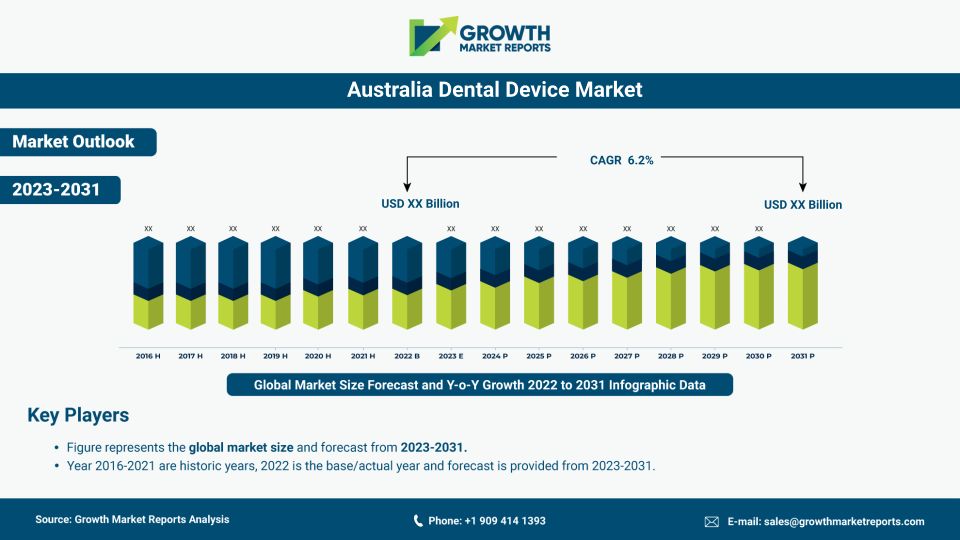
Key players competing in the Australia dental device market include GC Corporation; Dentsply Sirona; 3M Company; Envista Holdings Corporation; and Carestream Health Inc. Some of these players are engaged in several market strategies such as mergers, acquisitions, partnerships, collaborations, capacity expansion, and product launches to enhance their market shares.
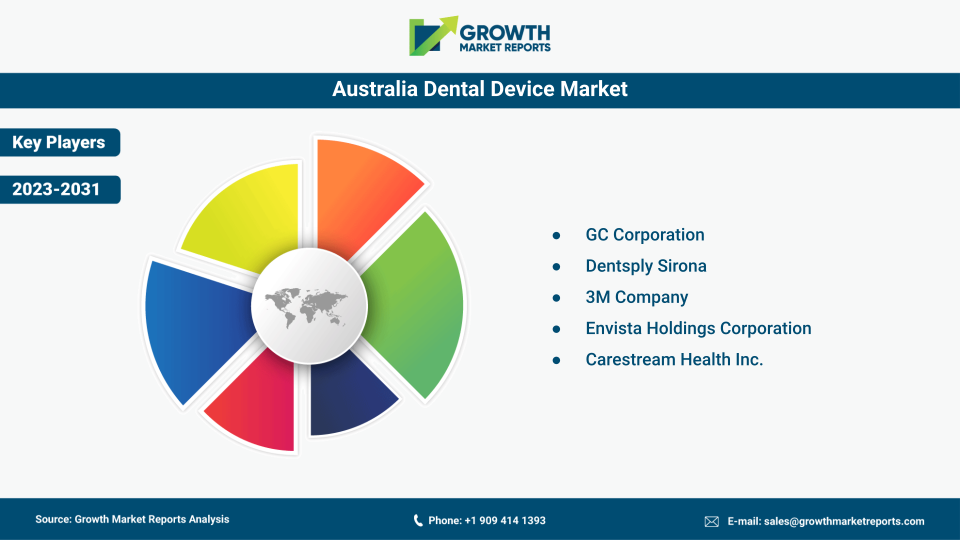

Australia Dental Device Market Keyplayers

Frequently Asked Questions

Major players include Dentsply Sirona, Straumann Group, Envista Holdings Corporation, Align Technology, 3M Oral Care, Zimmer Biomet Dental, Henry Schein, Planmeca Group, Ivoclar Vivadent, GC Corporation, Nobel Biocare, and others.

Opportunities include the adoption of digital dentistry, growth in emerging markets, and demand for cosmetic and restorative dentistry. Challenges involve high equipment costs, regulatory hurdles, and reimbursement limitations.

Key end users include hospitals, dental clinics, ambulatory surgical centers, academic and research institutions, dental laboratories, and mobile dental units.

Dental devices are used in orthodontics, endodontics, periodontics, prosthodontics, and other areas such as oral surgery and preventive care.

North America holds the largest market share, followed by Europe and Asia Pacific. Asia Pacific is emerging as a key growth region due to rising healthcare investments and dental tourism.

Digital technologies like 3D imaging, CAD/CAM systems, and laser dentistry are revolutionizing dental procedures, making them more efficient, accurate, and patient-friendly.

The market is segmented into diagnostic dental equipment, therapeutic dental equipment, general and specialty dental devices, and other ancillary products.

Key growth drivers include the rising prevalence of dental disorders, continuous innovation in dental technology, increasing geriatric population, and growing awareness about oral hygiene.

The dental device market is expected to grow at a CAGR of 6.7% from 2025 to 2033, reaching approximately USD 23.1 billion by the end of the forecast period.

The global dental device market size in 2024 is estimated at USD 12.8 billion, driven by technological advancements and increased awareness of oral health.

Table Of Content

Chapter 1 Executive Summary
Chapter 2 Assumptions and Acronyms Used
Chapter 3 Research Methodology
Chapter 4  Dental Device Market Overview
   4.1 Introduction
      4.1.1 Market Taxonomy
      4.1.2 Market Definition
      4.1.3 Macro-Economic Factors Impacting the Market Growth
   4.2  Dental Device Market Dynamics
      4.2.1 Market Drivers
      4.2.2 Market Restraints
      4.2.3 Market Opportunity
   4.3  Dental Device Market - Supply Chain Analysis
      4.3.1 List of Key Suppliers
      4.3.2 List of Key Distributors
      4.3.3 List of Key Consumers
   4.4 Key Forces Shaping the  Dental Device Market
      4.4.1 Bargaining Power of Suppliers
      4.4.2 Bargaining Power of Buyers
      4.4.3 Threat of Substitution
      4.4.4 Threat of New Entrants
      4.4.5 Competitive Rivalry
   4.5 Global  Dental Device Market Size & Forecast, 2023-2032
      4.5.1  Dental Device Market Size and Y-o-Y Growth
      4.5.2  Dental Device Market Absolute $ Opportunity

Chapter 5 Global  Dental Device Market Analysis and Forecast By Product Type
   5.1 Introduction
      5.1.1 Key Market Trends & Growth Opportunities By Product Type
      5.1.2 Basis Point Share (BPS) Analysis By Product Type
      5.1.3 Absolute $ Opportunity Assessment By Product Type
   5.2  Dental Device Market Size Forecast By Product Type
      5.2.1 Diagnostic Dental Equipment
      5.2.2 Therapeutic Dental Equipment
      5.2.3 General & Specialty Dental Devices
      5.2.4 Others
   5.3 Market Attractiveness Analysis By Product Type

Chapter 6 Global  Dental Device Market Analysis and Forecast By Application
   6.1 Introduction
      6.1.1 Key Market Trends & Growth Opportunities By Application
      6.1.2 Basis Point Share (BPS) Analysis By Application
      6.1.3 Absolute $ Opportunity Assessment By Application
   6.2  Dental Device Market Size Forecast By Application
      6.2.1 Orthodontics
      6.2.2 Endodontics
      6.2.3 Periodontics
      6.2.4 Prosthodontics
      6.2.5 Others
   6.3 Market Attractiveness Analysis By Application

Chapter 7 Global  Dental Device Market Analysis and Forecast By End User
   7.1 Introduction
      7.1.1 Key Market Trends & Growth Opportunities By End User
      7.1.2 Basis Point Share (BPS) Analysis By End User
      7.1.3 Absolute $ Opportunity Assessment By End User
   7.2  Dental Device Market Size Forecast By End User
      7.2.1 Hospitals
      7.2.2 Dental Clinics
      7.2.3 Ambulatory Surgical Centers
      7.2.4 Others
   7.3 Market Attractiveness Analysis By End User

Chapter 8 Global  Dental Device Market Analysis and Forecast by Region
   8.1 Introduction
      8.1.1 Key Market Trends & Growth Opportunities By Region
      8.1.2 Basis Point Share (BPS) Analysis By Region
      8.1.3 Absolute $ Opportunity Assessment By Region
   8.2  Dental Device Market Size Forecast By Region
      8.2.1 North America
      8.2.2 Europe
      8.2.3 Asia Pacific
      8.2.4 Latin America
      8.2.5 Middle East & Africa (MEA)
   8.3 Market Attractiveness Analysis By Region

Chapter 9 Coronavirus Disease (COVID-19) Impact 
   9.1 Introduction 
   9.2 Current & Future Impact Analysis 
   9.3 Economic Impact Analysis 
   9.4 Government Policies 
   9.5 Investment Scenario

Chapter 10 North America  Dental Device Analysis and Forecast
   10.1 Introduction
   10.2 North America  Dental Device Market Size Forecast by Country
      10.2.1 U.S.
      10.2.2 Canada
   10.3 Basis Point Share (BPS) Analysis by Country
   10.4 Absolute $ Opportunity Assessment by Country
   10.5 Market Attractiveness Analysis by Country
   10.6 North America  Dental Device Market Size Forecast By Product Type
      10.6.1 Diagnostic Dental Equipment
      10.6.2 Therapeutic Dental Equipment
      10.6.3 General & Specialty Dental Devices
      10.6.4 Others
   10.7 Basis Point Share (BPS) Analysis By Product Type 
   10.8 Absolute $ Opportunity Assessment By Product Type 
   10.9 Market Attractiveness Analysis By Product Type
   10.10 North America  Dental Device Market Size Forecast By Application
      10.10.1 Orthodontics
      10.10.2 Endodontics
      10.10.3 Periodontics
      10.10.4 Prosthodontics
      10.10.5 Others
   10.11 Basis Point Share (BPS) Analysis By Application 
   10.12 Absolute $ Opportunity Assessment By Application 
   10.13 Market Attractiveness Analysis By Application
   10.14 North America  Dental Device Market Size Forecast By End User
      10.14.1 Hospitals
      10.14.2 Dental Clinics
      10.14.3 Ambulatory Surgical Centers
      10.14.4 Others
   10.15 Basis Point Share (BPS) Analysis By End User 
   10.16 Absolute $ Opportunity Assessment By End User 
   10.17 Market Attractiveness Analysis By End User

Chapter 11 Europe  Dental Device Analysis and Forecast
   11.1 Introduction
   11.2 Europe  Dental Device Market Size Forecast by Country
      11.2.1 Germany
      11.2.2 France
      11.2.3 Italy
      11.2.4 U.K.
      11.2.5 Spain
      11.2.6 Russia
      11.2.7 Rest of Europe
   11.3 Basis Point Share (BPS) Analysis by Country
   11.4 Absolute $ Opportunity Assessment by Country
   11.5 Market Attractiveness Analysis by Country
   11.6 Europe  Dental Device Market Size Forecast By Product Type
      11.6.1 Diagnostic Dental Equipment
      11.6.2 Therapeutic Dental Equipment
      11.6.3 General & Specialty Dental Devices
      11.6.4 Others
   11.7 Basis Point Share (BPS) Analysis By Product Type 
   11.8 Absolute $ Opportunity Assessment By Product Type 
   11.9 Market Attractiveness Analysis By Product Type
   11.10 Europe  Dental Device Market Size Forecast By Application
      11.10.1 Orthodontics
      11.10.2 Endodontics
      11.10.3 Periodontics
      11.10.4 Prosthodontics
      11.10.5 Others
   11.11 Basis Point Share (BPS) Analysis By Application 
   11.12 Absolute $ Opportunity Assessment By Application 
   11.13 Market Attractiveness Analysis By Application
   11.14 Europe  Dental Device Market Size Forecast By End User
      11.14.1 Hospitals
      11.14.2 Dental Clinics
      11.14.3 Ambulatory Surgical Centers
      11.14.4 Others
   11.15 Basis Point Share (BPS) Analysis By End User 
   11.16 Absolute $ Opportunity Assessment By End User 
   11.17 Market Attractiveness Analysis By End User

Chapter 12 Asia Pacific  Dental Device Analysis and Forecast
   12.1 Introduction
   12.2 Asia Pacific  Dental Device Market Size Forecast by Country
      12.2.1 China
      12.2.2 Japan
      12.2.3 South Korea
      12.2.4 India
      12.2.5 Australia
      12.2.6 South East Asia (SEA)
      12.2.7 Rest of Asia Pacific (APAC)
   12.3 Basis Point Share (BPS) Analysis by Country
   12.4 Absolute $ Opportunity Assessment by Country
   12.5 Market Attractiveness Analysis by Country
   12.6 Asia Pacific  Dental Device Market Size Forecast By Product Type
      12.6.1 Diagnostic Dental Equipment
      12.6.2 Therapeutic Dental Equipment
      12.6.3 General & Specialty Dental Devices
      12.6.4 Others
   12.7 Basis Point Share (BPS) Analysis By Product Type 
   12.8 Absolute $ Opportunity Assessment By Product Type 
   12.9 Market Attractiveness Analysis By Product Type
   12.10 Asia Pacific  Dental Device Market Size Forecast By Application
      12.10.1 Orthodontics
      12.10.2 Endodontics
      12.10.3 Periodontics
      12.10.4 Prosthodontics
      12.10.5 Others
   12.11 Basis Point Share (BPS) Analysis By Application 
   12.12 Absolute $ Opportunity Assessment By Application 
   12.13 Market Attractiveness Analysis By Application
   12.14 Asia Pacific  Dental Device Market Size Forecast By End User
      12.14.1 Hospitals
      12.14.2 Dental Clinics
      12.14.3 Ambulatory Surgical Centers
      12.14.4 Others
   12.15 Basis Point Share (BPS) Analysis By End User 
   12.16 Absolute $ Opportunity Assessment By End User 
   12.17 Market Attractiveness Analysis By End User

Chapter 13 Latin America  Dental Device Analysis and Forecast
   13.1 Introduction
   13.2 Latin America  Dental Device Market Size Forecast by Country
      13.2.1 Brazil
      13.2.2 Mexico
      13.2.3 Rest of Latin America (LATAM)
   13.3 Basis Point Share (BPS) Analysis by Country
   13.4 Absolute $ Opportunity Assessment by Country
   13.5 Market Attractiveness Analysis by Country
   13.6 Latin America  Dental Device Market Size Forecast By Product Type
      13.6.1 Diagnostic Dental Equipment
      13.6.2 Therapeutic Dental Equipment
      13.6.3 General & Specialty Dental Devices
      13.6.4 Others
   13.7 Basis Point Share (BPS) Analysis By Product Type 
   13.8 Absolute $ Opportunity Assessment By Product Type 
   13.9 Market Attractiveness Analysis By Product Type
   13.10 Latin America  Dental Device Market Size Forecast By Application
      13.10.1 Orthodontics
      13.10.2 Endodontics
      13.10.3 Periodontics
      13.10.4 Prosthodontics
      13.10.5 Others
   13.11 Basis Point Share (BPS) Analysis By Application 
   13.12 Absolute $ Opportunity Assessment By Application 
   13.13 Market Attractiveness Analysis By Application
   13.14 Latin America  Dental Device Market Size Forecast By End User
      13.14.1 Hospitals
      13.14.2 Dental Clinics
      13.14.3 Ambulatory Surgical Centers
      13.14.4 Others
   13.15 Basis Point Share (BPS) Analysis By End User 
   13.16 Absolute $ Opportunity Assessment By End User 
   13.17 Market Attractiveness Analysis By End User

Chapter 14 Middle East & Africa (MEA)  Dental Device Analysis and Forecast
   14.1 Introduction
   14.2 Middle East & Africa (MEA)  Dental Device Market Size Forecast by Country
      14.2.1 Saudi Arabia
      14.2.2 South Africa
      14.2.3 UAE
      14.2.4 Rest of Middle East & Africa (MEA)
   14.3 Basis Point Share (BPS) Analysis by Country
   14.4 Absolute $ Opportunity Assessment by Country
   14.5 Market Attractiveness Analysis by Country
   14.6 Middle East & Africa (MEA)  Dental Device Market Size Forecast By Product Type
      14.6.1 Diagnostic Dental Equipment
      14.6.2 Therapeutic Dental Equipment
      14.6.3 General & Specialty Dental Devices
      14.6.4 Others
   14.7 Basis Point Share (BPS) Analysis By Product Type 
   14.8 Absolute $ Opportunity Assessment By Product Type 
   14.9 Market Attractiveness Analysis By Product Type
   14.10 Middle East & Africa (MEA)  Dental Device Market Size Forecast By Application
      14.10.1 Orthodontics
      14.10.2 Endodontics
      14.10.3 Periodontics
      14.10.4 Prosthodontics
      14.10.5 Others
   14.11 Basis Point Share (BPS) Analysis By Application 
   14.12 Absolute $ Opportunity Assessment By Application 
   14.13 Market Attractiveness Analysis By Application
   14.14 Middle East & Africa (MEA)  Dental Device Market Size Forecast By End User
      14.14.1 Hospitals
      14.14.2 Dental Clinics
      14.14.3 Ambulatory Surgical Centers
      14.14.4 Others
   14.15 Basis Point Share (BPS) Analysis By End User 
   14.16 Absolute $ Opportunity Assessment By End User 
   14.17 Market Attractiveness Analysis By End User

Chapter 15 Competition Landscape 
   15.1  Dental Device Market: Competitive Dashboard
   15.2 Global  Dental Device Market: Market Share Analysis, 2023
   15.3 Company Profiles (Details – Overview, Financials, Developments, Strategy) 
      15.3.1 Dentsply Sirona
Straumann Group
Envista Holdings Corporation
Align Technology
3M Oral Care
Zimmer Biomet Dental
Henry Schein, Inc.
Planmeca Group
Ivoclar Vivadent
GC Corporation
Nobel Biocare (Danaher Corporation)
Coltene Holding AG
Carestream Dental
Vatech Co., Ltd.
Osstem Implant
Septodont
Ultradent Products, Inc.
Shofu Dental Corporation
Kulzer GmbH
Bicon, LLC

Methodology

Our Clients

Nestle SA
Pfizer
The John Holland Group
Siemens Healthcare
General Electric
Honda Motor Co. Ltd.
Deloitte
sinopec