Segments - by Product Type (Herbicides, Insecticides, Fungicides, Others), by Source (Synthetic, Bio-based), by Formulation (Liquid, Dry), by Application (Cereals & Grains, Fruits & Vegetables, Oilseeds & Pulses, Others)
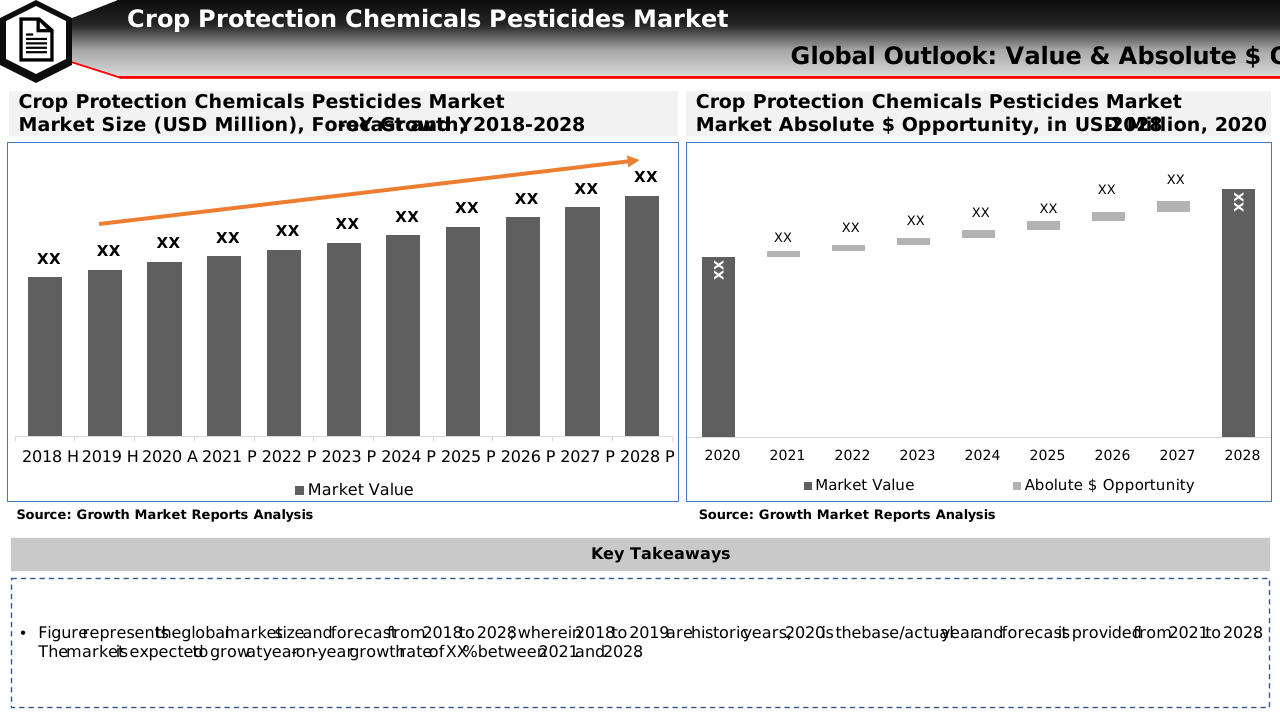
According to our latest research, the global Crop Protection Chemicals (Pesticides) market size in 2024 stands at USD 72.4 billion, reflecting the industry’s robust presence across agricultural economies worldwide. The market is anticipated to expand at a CAGR of 4.8% from 2025 to 2033, reaching a projected value of USD 110.5 billion by 2033. This sustained growth is primarily driven by the increasing demand for higher agricultural productivity, the expansion of arable land, and the urgent need to safeguard crops from pests, diseases, and weeds. As per our latest research, the sector’s growth trajectory is further influenced by innovations in pesticide formulations and a rising emphasis on sustainable farming practices.
One of the most significant growth factors for the Crop Protection Chemicals (Pesticides) market is the increasing global population, which directly correlates with the rising demand for food production. As the world’s population is expected to surpass 8.5 billion by 2030, the pressure on agricultural systems to deliver higher yields per hectare has never been greater. Farmers are increasingly relying on advanced crop protection solutions to minimize crop losses due to pest infestations and diseases. This, in turn, is fueling the adoption of both synthetic and bio-based pesticides, as stakeholders seek to balance productivity with environmental stewardship. Moreover, the prevalence of monoculture farming and the intensification of agriculture in emerging economies have further amplified the need for effective pest management solutions.
Another key driver is the ongoing technological advancements in pesticide formulations and application techniques. The development of targeted, low-toxicity, and environment-friendly pesticides has revolutionized the market, enabling precise application and minimizing collateral damage to non-target organisms. Innovations such as nano-formulations, controlled-release systems, and drone-based pesticide delivery are not only enhancing efficacy but also reducing the environmental footprint of crop protection chemicals. This technological evolution is being supported by stringent regulatory frameworks in major markets, which are pushing manufacturers to invest in research and development for safer and more sustainable products. Additionally, the growing adoption of integrated pest management (IPM) practices is contributing to the market’s expansion by encouraging the judicious use of chemical and biological solutions.
Climate change and evolving pest resistance patterns are further propelling the growth of the Crop Protection Chemicals (Pesticides) market. Shifts in weather patterns and rising temperatures are leading to the emergence of new pest species and the expansion of existing ones into previously unaffected regions. This dynamic pest landscape necessitates the continuous development of novel pesticides and resistance management strategies. Simultaneously, regulatory authorities and industry associations are increasingly promoting the adoption of bio-based alternatives and sustainable crop protection solutions to address environmental and health concerns. These trends are expected to create lucrative opportunities for market players, particularly in regions where climate-induced pest outbreaks are becoming more frequent and severe.
Regionally, the Asia Pacific market is emerging as a powerhouse, driven by the vast agricultural landscapes of China, India, and Southeast Asia. The region accounts for the largest share of global pesticide consumption, fueled by rapid population growth, intensive farming practices, and government initiatives to boost food security. North America and Europe, while mature markets, are witnessing a shift towards bio-based and low-residue crop protection chemicals, reflecting the growing consumer preference for organic and sustainably produced food. Latin America, with its expanding soybean and corn cultivation, is also exhibiting robust growth, while the Middle East & Africa are gradually increasing their market share through investments in modern agriculture and pest management infrastructure.
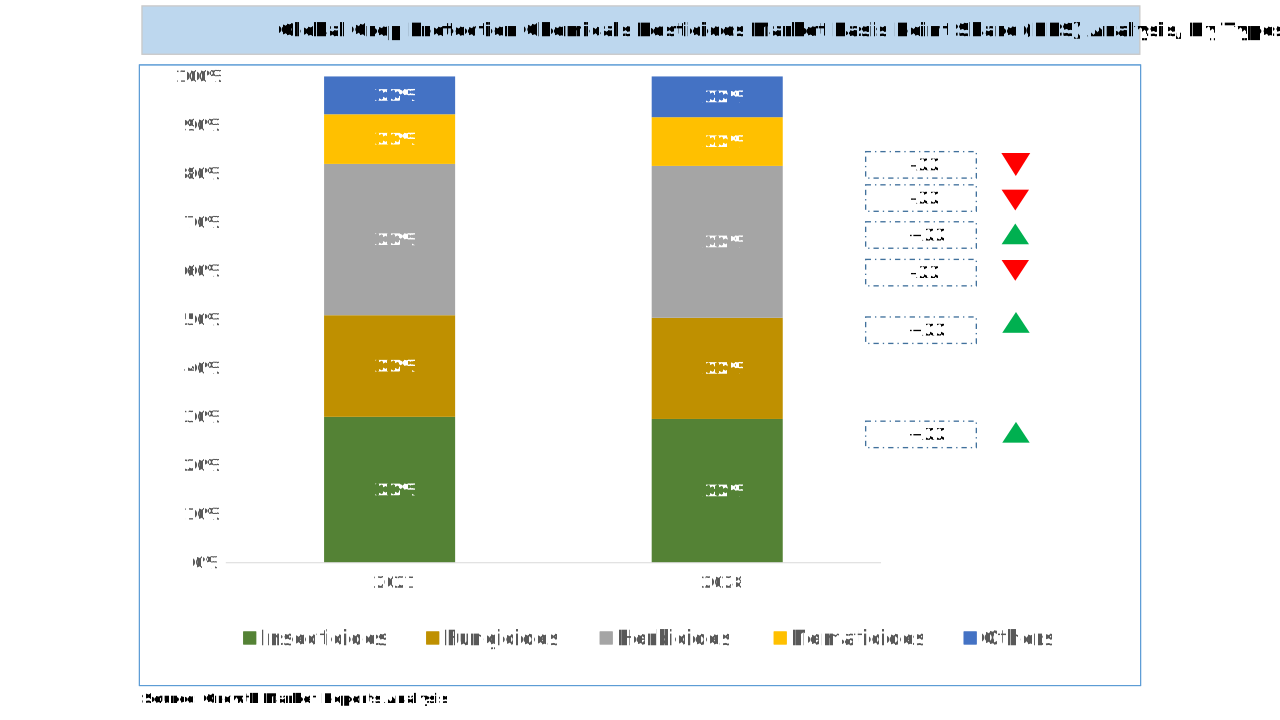
The Product Type segment of the Crop Protection Chemicals (Pesticides) market is primarily categorized into Herbicides, Insecticides, Fungicides, and Others. Among these, herbicides hold the largest market share, accounting for a significant portion of global pesticide sales. The dominance of herbicides can be attributed to the widespread prevalence of weed infestation across major crop types such as cereals, grains, and oilseeds. Herbicides are essential for maintaining crop yield and quality by controlling unwanted vegetation that competes for nutrients, water, and sunlight. The continuous development of selective and non-selective herbicides, coupled with the adoption of herbicide-tolerant genetically modified crops, has further bolstered this segment’s growth. However, the segment also faces challenges related to herbicide resistance and regulatory restrictions on certain active ingredients.
Insecticides represent the second-largest segment, driven by the persistent threat of insect pests to global food production. The demand for insecticides is particularly strong in regions prone to outbreaks of invasive pests, such as locusts and armyworms. Advances in insecticide chemistry, including the introduction of systemic and contact insecticides, have enhanced the efficacy and safety profile of these products. Moreover, the integration of insecticides into integrated pest management (IPM) programs is gaining traction, as farmers seek to minimize crop losses while adhering to residue limits and environmental regulations. The insecticides segment is also witnessing a gradual shift towards bio-rational and botanical insecticides, reflecting the broader industry trend towards sustainability.
Fungicides play a crucial role in protecting crops from fungal diseases, which can cause devastating losses in both yield and quality. The segment is experiencing robust growth, particularly in high-value crops such as fruits, vegetables, and ornamentals. The increasing incidence of fungal diseases, exacerbated by climate change and intensive farming practices, is driving the demand for novel fungicide formulations with broad-spectrum activity and improved resistance management properties. Additionally, the adoption of preventive fungicide applications and the development of combination products are contributing to the segment’s expansion. Regulatory scrutiny over certain fungicide classes, such as triazoles and strobilurins, is prompting manufacturers to innovate and diversify their product portfolios.
The "Others" category encompasses nematicides, rodenticides, and plant growth regulators, which collectively address niche pest management needs. While these products represent a smaller share of the overall market, they are gaining importance in specific applications, such as protected cultivation and specialty crops. The growing awareness of nematode infestations and the rising demand for residue-free produce are expected to drive the adoption of these specialized crop protection solutions. Furthermore, the emergence of precision agriculture and site-specific pest management is creating new opportunities for the development and commercialization of targeted pesticide products within this segment.
| Attributes | Details |
| Report Title | Crop Protection Chemicals Pesticides Market Research Report 2033 |
| By Product Type | Herbicides, Insecticides, Fungicides, Others |
| By Source | Synthetic, Bio-based |
| By Formulation | Liquid, Dry |
| By Application | Cereals & Grains, Fruits & Vegetables, Oilseeds & Pulses, Others |
| Regions Covered | North America, Europe, APAC, Latin America, MEA |
| Base Year | 2024 |
| Historic Data | 2018-2023 |
| Forecast Period | 2025-2033 |
| Number of Pages | 255 |
| Number of Tables & Figures | 286 |
| Customization Available | Yes, the report can be customized as per your need. |
The Source segment of the Crop Protection Chemicals (Pesticides) market is bifurcated into Synthetic and Bio-based products. Synthetic pesticides have traditionally dominated the market, owing to their broad-spectrum activity, cost-effectiveness, and ease of application. These products are widely used across various crop types and geographies, providing reliable protection against a wide array of pests, diseases, and weeds. The synthetic segment includes several chemical classes, such as organophosphates, carbamates, pyrethroids, and triazoles, each with distinct modes of action and application profiles. However, the segment is facing increasing regulatory scrutiny and public concern over potential environmental and health risks associated with certain active ingredients. This has led to the gradual phase-out of some high-risk chemicals and the tightening of maximum residue limits (MRLs) in key markets.
Bio-based pesticides, also known as biopesticides, are emerging as a promising alternative to synthetic counterparts, driven by the growing demand for sustainable and eco-friendly crop protection solutions. These products are derived from natural sources, such as plants, microorganisms, and minerals, and are characterized by their low toxicity, biodegradability, and minimal impact on non-target organisms. Bio-based pesticides are gaining traction in organic farming systems and among consumers seeking residue-free produce. The segment is witnessing rapid innovation, with the development of new microbial and botanical formulations targeting specific pests and diseases. Government support, favorable regulatory frameworks, and increased investment in research and development are further accelerating the adoption of bio-based crop protection chemicals.
The transition from synthetic to bio-based pesticides is not without challenges. Bio-based products often face issues related to shelf life, consistency, and spectrum of activity compared to their synthetic counterparts. Additionally, the higher cost of bio-based formulations and the need for specialized application techniques can be barriers to widespread adoption, particularly among smallholder farmers in developing regions. Nevertheless, advances in formulation technology, improved efficacy, and the integration of biopesticides into integrated pest management (IPM) programs are gradually overcoming these obstacles and expanding the market share of bio-based crop protection chemicals.
The interplay between synthetic and bio-based pesticides is shaping the future of the Crop Protection Chemicals (Pesticides) market. Manufacturers are increasingly adopting a portfolio approach, offering a mix of synthetic and bio-based solutions to cater to diverse customer needs and regulatory requirements. The rising trend of combination products, which blend chemical and biological actives, is enabling more effective and sustainable pest management strategies. This evolving landscape is expected to drive further innovation and collaboration across the value chain, from raw material suppliers to end-users.
The Formulation segment of the Crop Protection Chemicals (Pesticides) market is divided into Liquid and Dry formulations. Liquid formulations, including emulsifiable concentrates, suspension concentrates, and soluble liquids, dominate the market due to their ease of handling, uniform application, and compatibility with modern spraying equipment. Liquid pesticides are preferred for large-scale farming operations, where efficiency and coverage are critical. Advances in formulation technology, such as microencapsulation and nano-dispersion, are enhancing the stability, efficacy, and safety of liquid products. These innovations are enabling the development of targeted delivery systems that minimize off-target movement and maximize pest control.
Dry formulations, such as wettable powders, granules, and dusts, are widely used in regions with limited access to water or where liquid application is impractical. Dry pesticides offer advantages in terms of storage stability, ease of transportation, and reduced risk of spillage or leakage. They are particularly popular among smallholder farmers and in specialty crop applications, where precise dosing and localized treatment are essential. The segment is also witnessing innovation in the form of water-dispersible granules and controlled-release formulations, which enhance user safety and reduce environmental impact.
The choice between liquid and dry formulations is influenced by several factors, including crop type, pest spectrum, application method, and environmental conditions. For instance, liquid formulations are preferred for foliar applications and large-scale field crops, while dry formulations are more suitable for soil treatment and localized pest infestations. The increasing adoption of precision agriculture and site-specific application technologies is further shaping the demand for tailored pesticide formulations that meet the specific needs of different farming systems.
Manufacturers are investing in the development of user-friendly, safe, and effective formulations that cater to the evolving needs of farmers and regulatory authorities. The trend towards ready-to-use (RTU) and low-drift formulations is gaining momentum, as stakeholders seek to minimize operator exposure and environmental contamination. Additionally, the integration of adjuvants, surfactants, and other additives into pesticide formulations is enhancing performance and compatibility with other crop protection products. This dynamic landscape is expected to drive continued innovation and differentiation in the formulation segment of the Crop Protection Chemicals (Pesticides) market.
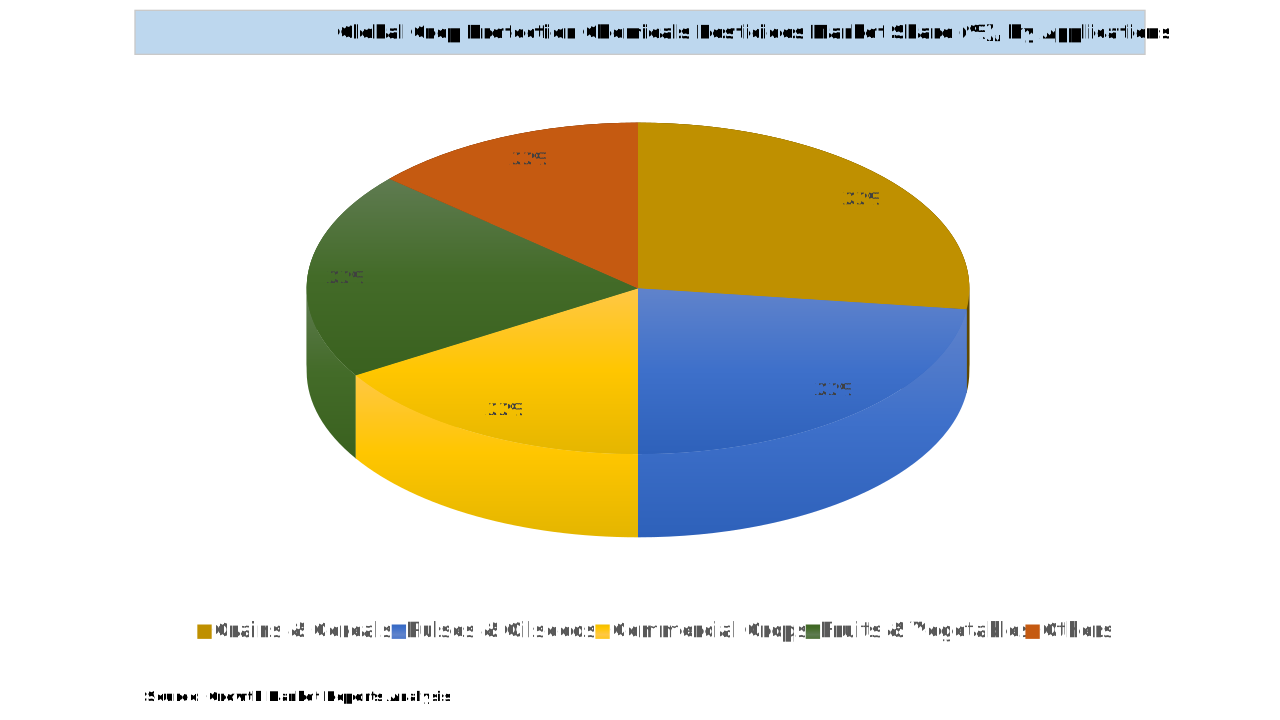
The Application segment of the Crop Protection Chemicals (Pesticides) market encompasses Cereals & Grains, Fruits & Vegetables, Oilseeds & Pulses, and Others. Cereals & grains represent the largest application segment, accounting for a substantial share of global pesticide consumption. Major crops such as wheat, rice, and maize are highly susceptible to a wide range of pests, diseases, and weeds, necessitating the use of effective crop protection solutions. The intensification of cereal production in Asia Pacific, North America, and Europe, coupled with the adoption of high-yielding varieties, is driving the demand for herbicides, fungicides, and insecticides in this segment. Government initiatives to enhance food security and ensure stable grain supplies are further supporting market growth.
Fruits & vegetables constitute the second-largest application segment, driven by the increasing global consumption of fresh produce and the rising awareness of health and nutrition. High-value horticultural crops are particularly vulnerable to pest and disease pressure, which can significantly impact yield, quality, and marketability. The segment is characterized by the frequent use of fungicides and insecticides, as well as the growing adoption of bio-based and residue-free crop protection solutions. Stringent regulatory standards and consumer preferences for safe and sustainable produce are shaping the demand for innovative pesticide products in this segment.
Oilseeds & pulses are another important application area, with crops such as soybean, canola, and lentils playing a critical role in global food and feed supply chains. The expansion of oilseed cultivation in Latin America, North America, and Asia Pacific is driving the demand for crop protection chemicals to manage weeds, insects, and diseases. The segment is witnessing increased adoption of herbicide-tolerant and pest-resistant crop varieties, which are influencing pesticide usage patterns and driving the development of tailored solutions for specific crop-pest interactions. The growing demand for plant-based proteins and vegetable oils is expected to further boost market growth in this segment.
The "Others" category includes specialty crops such as cotton, sugarcane, and ornamentals, which have unique pest management requirements. While these crops represent a smaller share of overall pesticide consumption, they are significant in certain regions and contribute to the diversification of the market. The increasing adoption of precision agriculture, protected cultivation, and integrated pest management (IPM) practices is creating new opportunities for the development and commercialization of specialized crop protection products tailored to specific crop needs.
The Crop Protection Chemicals (Pesticides) market is poised for significant opportunities, particularly in the realm of sustainable agriculture and integrated pest management (IPM). As regulatory bodies and consumers increasingly demand environmentally friendly solutions, there is a substantial market for bio-based pesticides and low-residue chemical formulations. The development of advanced application technologies, such as drone-based spraying and precision agriculture tools, presents opportunities for manufacturers to offer products that optimize efficacy while minimizing environmental impact. Additionally, the expansion of agriculture in emerging economies, coupled with government support for modern farming practices, is expected to drive the adoption of crop protection chemicals in regions with untapped potential.
Another major opportunity lies in the ongoing innovation within the industry, particularly in the development of novel active ingredients and combination products that address resistance management and evolving pest pressures. The integration of digital agriculture platforms, data analytics, and artificial intelligence is enabling more precise and efficient pest monitoring and control, creating new business models and value-added services for market players. Strategic collaborations between agrochemical companies, research institutions, and technology providers are accelerating the commercialization of next-generation crop protection solutions. Furthermore, the rising demand for organic and residue-free produce is opening new avenues for bio-based and microbial pesticides, particularly in high-value horticultural and specialty crop segments.
Despite these opportunities, the market faces significant restrainers, most notably the stringent regulatory environment governing the approval and use of crop protection chemicals. The lengthy and costly registration process for new active ingredients, coupled with the phase-out of certain high-risk chemicals, poses challenges for manufacturers seeking to bring innovative products to market. Additionally, the increasing prevalence of pesticide resistance among target pests and the growing public concern over potential health and environmental risks are prompting calls for reduced pesticide usage and a shift towards alternative pest management strategies. These factors are expected to constrain market growth, particularly in regions with strict regulatory frameworks and high levels of consumer awareness.
The Asia Pacific region dominates the Crop Protection Chemicals (Pesticides) market, accounting for approximately USD 28.6 billion in 2024, representing nearly 40% of the global market. The region’s leadership is underpinned by the vast agricultural landscapes of China, India, and Southeast Asia, where intensive farming practices and high pest pressure drive the demand for effective crop protection solutions. Government initiatives to enhance food security, improve farm productivity, and promote sustainable agriculture are further supporting market growth. The Asia Pacific market is expected to expand at a robust CAGR of 5.3% through 2033, outpacing other regions due to rapid urbanization, rising population, and increasing adoption of modern farming technologies.
North America and Europe collectively account for a significant share of the global market, with estimated values of USD 17.5 billion and USD 14.3 billion respectively in 2024. These mature markets are characterized by stringent regulatory frameworks, high levels of technological adoption, and a growing preference for bio-based and low-residue crop protection chemicals. The United States leads the North American market, driven by large-scale commercial farming and the adoption of genetically modified crops. In Europe, the focus is on sustainable agriculture, integrated pest management (IPM), and compliance with strict environmental and safety standards. Both regions are witnessing a gradual shift towards precision agriculture and digital farming solutions, which are shaping the demand for innovative pesticide products and application technologies.
Latin America and the Middle East & Africa are emerging as high-growth markets, with estimated market sizes of USD 7.8 billion and USD 4.2 billion respectively in 2024. Latin America, led by Brazil and Argentina, is experiencing rapid expansion in soybean, corn, and sugarcane cultivation, driving the demand for herbicides, fungicides, and insecticides. The Middle East & Africa, though smaller in market size, is witnessing increased investment in modern agriculture and pest management infrastructure, particularly in countries such as South Africa, Egypt, and Saudi Arabia. Both regions offer significant growth potential, driven by favorable climatic conditions, expanding arable land, and government support for agricultural development.
The Crop Protection Chemicals (Pesticides) market is highly competitive and characterized by the presence of several global and regional players vying for market share through product innovation, strategic collaborations, and geographic expansion. The market landscape is shaped by a combination of established agrochemical giants and emerging players specializing in bio-based and niche crop protection solutions. Intense competition is driving continuous investment in research and development, with companies focusing on the discovery of novel active ingredients, improved formulations, and integrated pest management (IPM) solutions. The rising demand for sustainable and eco-friendly products is prompting industry leaders to diversify their portfolios and explore new business models, such as digital agriculture platforms and value-added advisory services.
Strategic mergers and acquisitions are a common feature of the market, enabling companies to strengthen their market position, expand their product offerings, and access new technologies and markets. For instance, leading agrochemical firms are actively acquiring or partnering with biotech startups and research organizations to accelerate the development and commercialization of bio-based pesticides. These collaborations are also facilitating the transfer of knowledge and expertise, driving innovation and enhancing the competitiveness of market participants. Additionally, companies are investing in capacity expansion, supply chain optimization, and digital transformation to improve operational efficiency and customer engagement.
The regulatory environment plays a pivotal role in shaping the competitive dynamics of the market. Companies with robust compliance capabilities and the ability to navigate complex regulatory frameworks are better positioned to capitalize on emerging opportunities and mitigate risks associated with product bans and restrictions. The ability to demonstrate product safety, efficacy, and sustainability is increasingly becoming a key differentiator in the market. Furthermore, the adoption of digital technologies, such as precision agriculture, remote sensing, and data analytics, is enabling companies to offer integrated solutions that enhance farm productivity and sustainability.
Major companies operating in the Crop Protection Chemicals (Pesticides) market include Bayer AG, Syngenta AG, BASF SE, Corteva Agriscience, FMC Corporation, UPL Limited, Sumitomo Chemical Company, Nufarm Limited, ADAMA Agricultural Solutions, and Marrone Bio Innovations. Bayer AG is a global leader with a comprehensive portfolio of crop protection products and a strong focus on innovation and sustainability. Syngenta AG, a subsidiary of ChemChina, is renowned for its advanced research capabilities and extensive global distribution network. BASF SE is a key player in both synthetic and bio-based crop protection chemicals, with a strong emphasis on digital farming solutions. Corteva Agriscience, formed through the merger of Dow AgroSciences and DuPont Pioneer, is a major innovator in seed and crop protection technologies. FMC Corporation and UPL Limited are recognized for their broad product portfolios and strategic acquisitions in high-growth markets.
Sumitomo Chemical Company and Nufarm Limited are notable for their focus on specialty crop protection solutions and strong presence in Asia Pacific and Latin America. ADAMA Agricultural Solutions, part of the China National Chemical Corporation (ChemChina), is a leading provider of off-patent crop protection products with a global footprint. Marrone Bio Innovations is a pioneer in the development of bio-based and microbial pesticides, catering to the growing demand for sustainable agriculture. These companies are continuously investing in research and development, strategic partnerships, and digital transformation to enhance their competitive edge and address the evolving needs of farmers and regulators worldwide.
The Crop Protection Chemicals Pesticides market has been segmented on the basis of
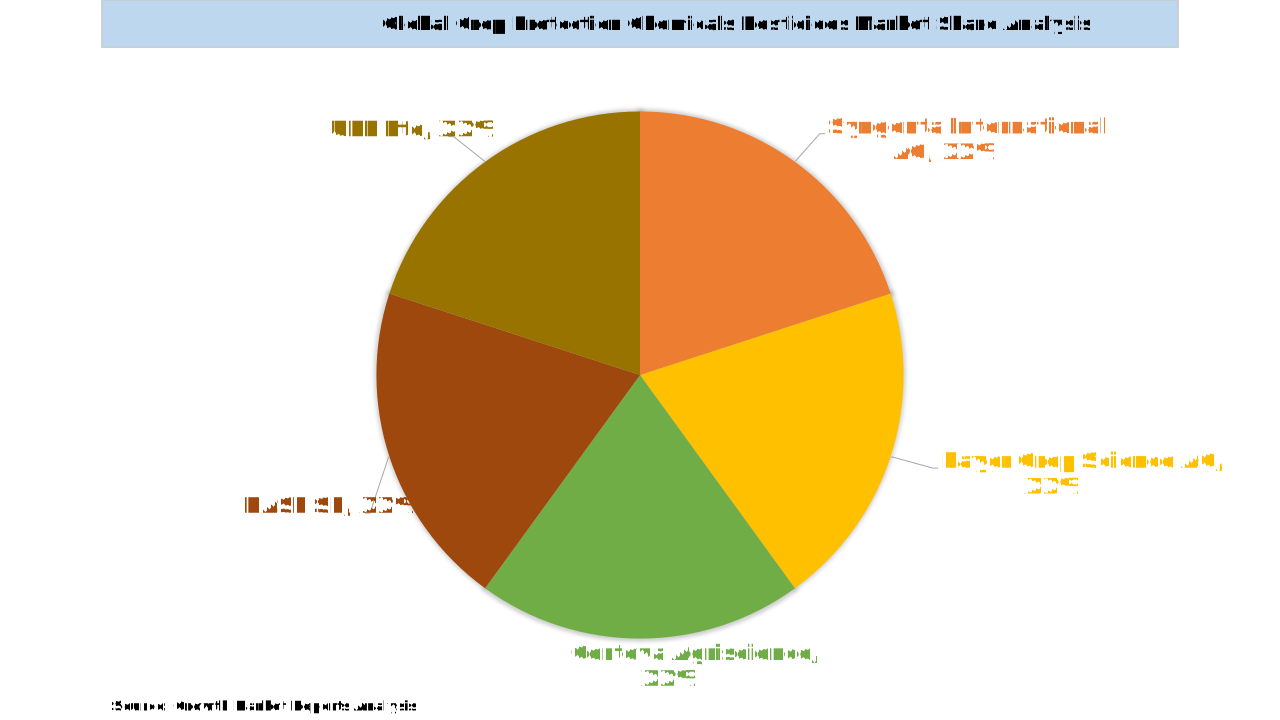
The major players in the crop protection chemicals pesticides market include Syngenta International AG, Bayer Crop Science AG, Corteva Agriscience, BASF SE, and UPL Ltd
Some of these players are using several market strategies such as acquisitions, merger, collaborations, partnerships, capacity expansion, and product launches to enhance their market shares and to generate revenue and raise their production line of the business in the coming years.
Climate change is leading to the emergence of new pest species and expanding pest ranges, increasing the need for novel pesticides and resistance management strategies, as well as promoting the adoption of sustainable crop protection solutions.
Major players include Bayer AG, Syngenta AG, BASF SE, Corteva Agriscience, FMC Corporation, UPL Limited, Sumitomo Chemical, Nufarm Limited, ADAMA Ltd., and Marrone Bio Innovations.
Opportunities include the rise of sustainable and bio-based solutions, precision agriculture, and digital farming technologies. Challenges involve stringent regulations, pesticide resistance, and public concerns over health and environmental risks.
Recent innovations include nano-formulations, controlled-release systems, drone-based pesticide delivery, and the development of targeted, low-toxicity pesticides to enhance efficacy and reduce environmental impact.
Major application areas include cereals & grains, fruits & vegetables, oilseeds & pulses, and specialty crops such as cotton and sugarcane.
Asia Pacific leads the market, accounting for nearly 40% of global consumption, followed by North America and Europe. Latin America and the Middle East & Africa are emerging as high-growth regions.
Synthetic pesticides are chemically manufactured and offer broad-spectrum activity, while bio-based pesticides (biopesticides) are derived from natural sources like plants and microorganisms, offering eco-friendly and low-toxicity alternatives.
Herbicides hold the largest market share, followed by insecticides and fungicides. Herbicides are widely used for weed control in cereals, grains, and oilseeds.
Key growth drivers include rising global population, increasing demand for food production, expansion of arable land, technological advancements in pesticide formulations, and a growing emphasis on sustainable farming practices.
The global crop protection chemicals (pesticides) market size is estimated at USD 72.4 billion in 2024 and is projected to reach USD 110.5 billion by 2033, growing at a CAGR of 4.8% from 2025 to 2033.