Segments - by Vaccine Type (mRNA Vaccines, Viral Vector Vaccines, Protein Subunit Vaccines, Inactivated Vaccines, Others), by Production Capacity (In-House Manufacturing, Contract Manufacturing Organizations), by Development Stage (Preclinical, Clinical Trials, Approved/Authorized), by Distribution Channel (Government Procurement, Private Procurement, Hospitals & Clinics, Pharmacies, Others)
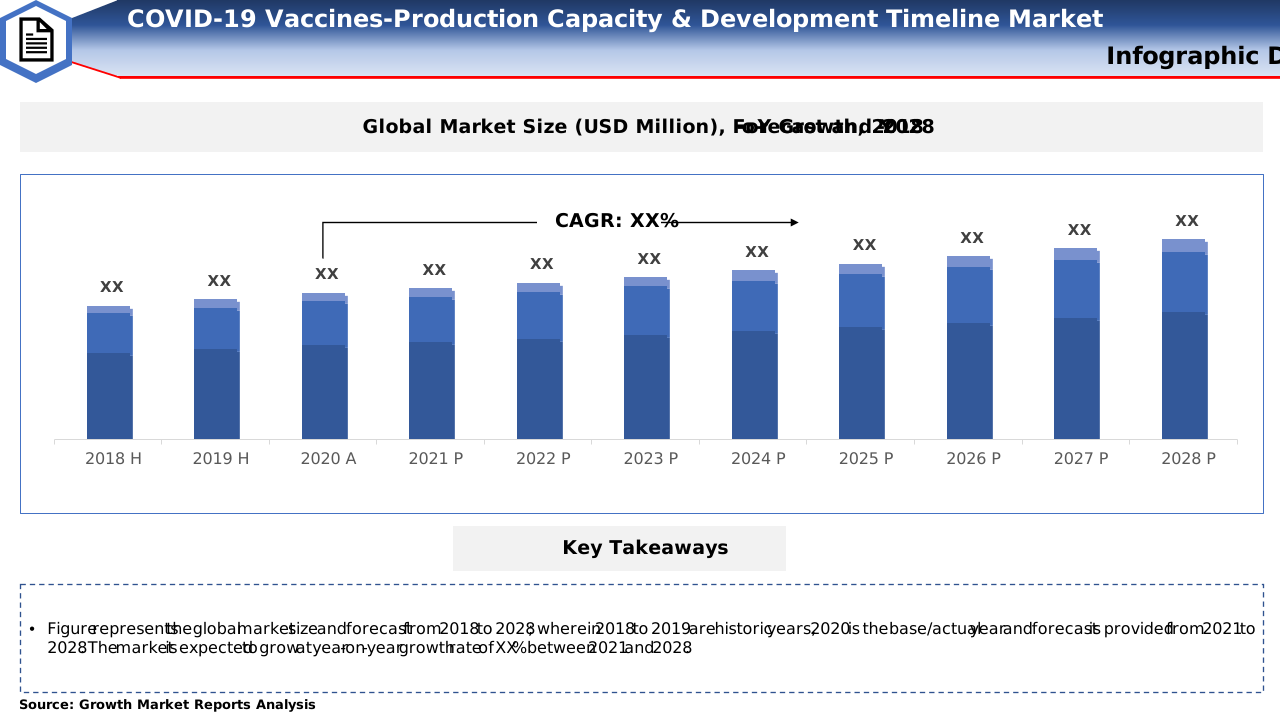
According to our latest research, the global COVID-19 vaccines market size reached USD 40.2 billion in 2024, reflecting a significant contraction from the pandemic’s peak but remaining a critical segment of the global biopharmaceutical industry. The market is projected to grow at a CAGR of 3.7% from 2025 to 2033, reaching a forecasted value of USD 56.7 billion by 2033. This growth is primarily driven by the ongoing need for booster vaccinations, the emergence of new viral variants, and sustained investments in vaccine research and production capabilities worldwide. The market’s resilience is further supported by government procurement programs and the expansion of vaccine access in emerging economies.
The evolution of the COVID-19 vaccines market is shaped by several growth factors, notably the persistent circulation of SARS-CoV-2 and the continuous emergence of new variants that challenge existing immunity levels. Governments and health organizations worldwide remain vigilant, prioritizing the development and distribution of updated vaccines to counter variant-driven outbreaks. The introduction of bivalent and multivalent vaccines, designed to offer protection against multiple strains, has spurred ongoing demand. Furthermore, the increasing reliance on annual or biannual booster doses for vulnerable populations, such as the elderly and immunocompromised individuals, ensures a steady baseline for vaccine consumption. The integration of COVID-19 vaccination into routine immunization schedules is also anticipated to contribute to market stability over the forecast period.
Another key driver is the remarkable progress in vaccine technology, particularly the rapid advancement and deployment of mRNA vaccine platforms. The success of mRNA vaccines has not only revolutionized the response to COVID-19 but has also accelerated research and development for other infectious diseases. This technological leap has encouraged investments in flexible manufacturing infrastructure, enabling faster adaptation to emerging threats and enhancing global production capacity. Additionally, partnerships between pharmaceutical companies, governments, and contract manufacturing organizations (CMOs) have optimized supply chains, improved scalability, and facilitated technology transfer to developing regions. These collaborative efforts are essential for maintaining readiness against future pandemics and for addressing ongoing global health challenges.
Market growth is further bolstered by proactive government policies and international collaborations aimed at ensuring equitable vaccine distribution. Initiatives such as COVAX and bilateral agreements have played a crucial role in expanding vaccine access to low- and middle-income countries, thereby stimulating demand and supporting market expansion. The increasing participation of private procurement channels, including hospitals, clinics, and pharmacies, has diversified distribution networks and improved accessibility for broader populations. Moreover, the push for localized manufacturing and regulatory harmonization is streamlining vaccine approval processes and reducing dependency on a limited number of global suppliers. These trends collectively underpin the sustained growth trajectory of the COVID-19 vaccines market.
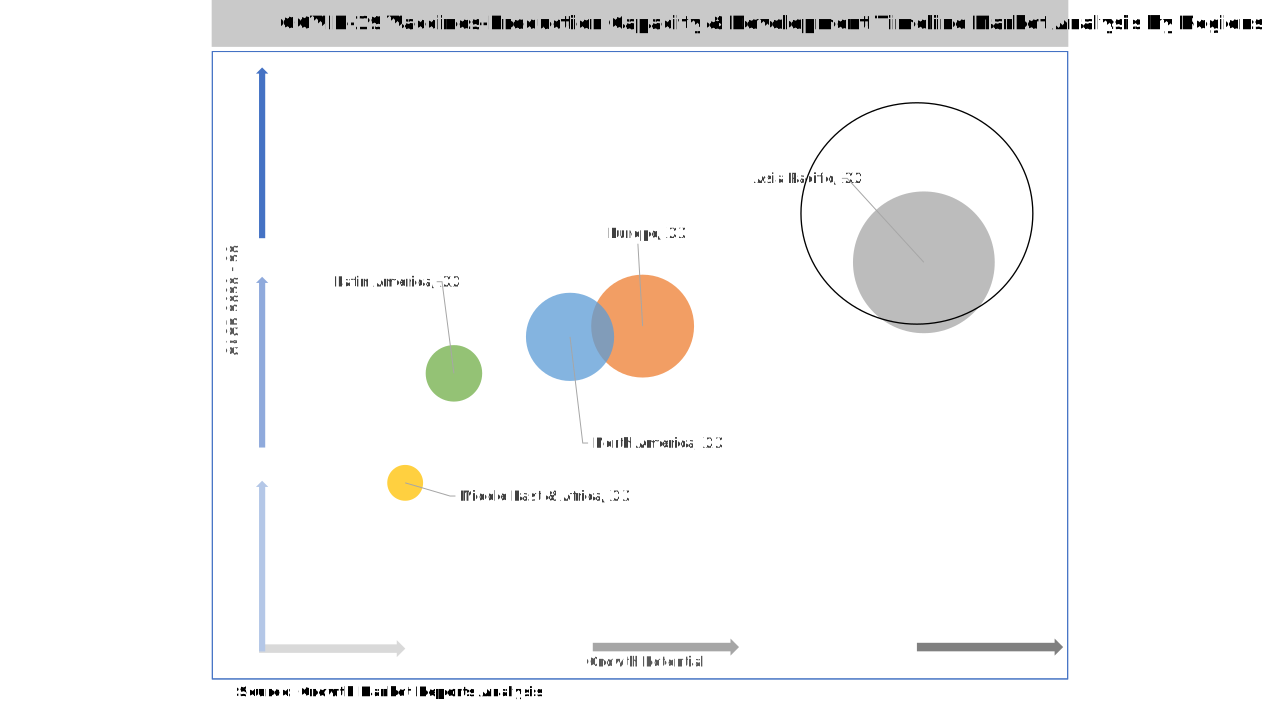
Regionally, North America and Europe continue to dominate the COVID-19 vaccines market, accounting for the largest shares due to robust healthcare infrastructure, high vaccination rates, and substantial government funding. However, the Asia Pacific region is exhibiting the fastest growth, driven by large-scale immunization campaigns, expanding manufacturing capabilities, and rising awareness about the importance of vaccination. Countries such as China and India are emerging as significant players in both vaccine production and consumption, supported by favorable policy frameworks and increasing investments in biotechnology. Latin America and the Middle East & Africa are also witnessing gradual improvements in vaccine coverage, although challenges related to infrastructure and affordability persist. Overall, the regional dynamics are expected to evolve as global efforts intensify to achieve comprehensive vaccine coverage and pandemic preparedness.
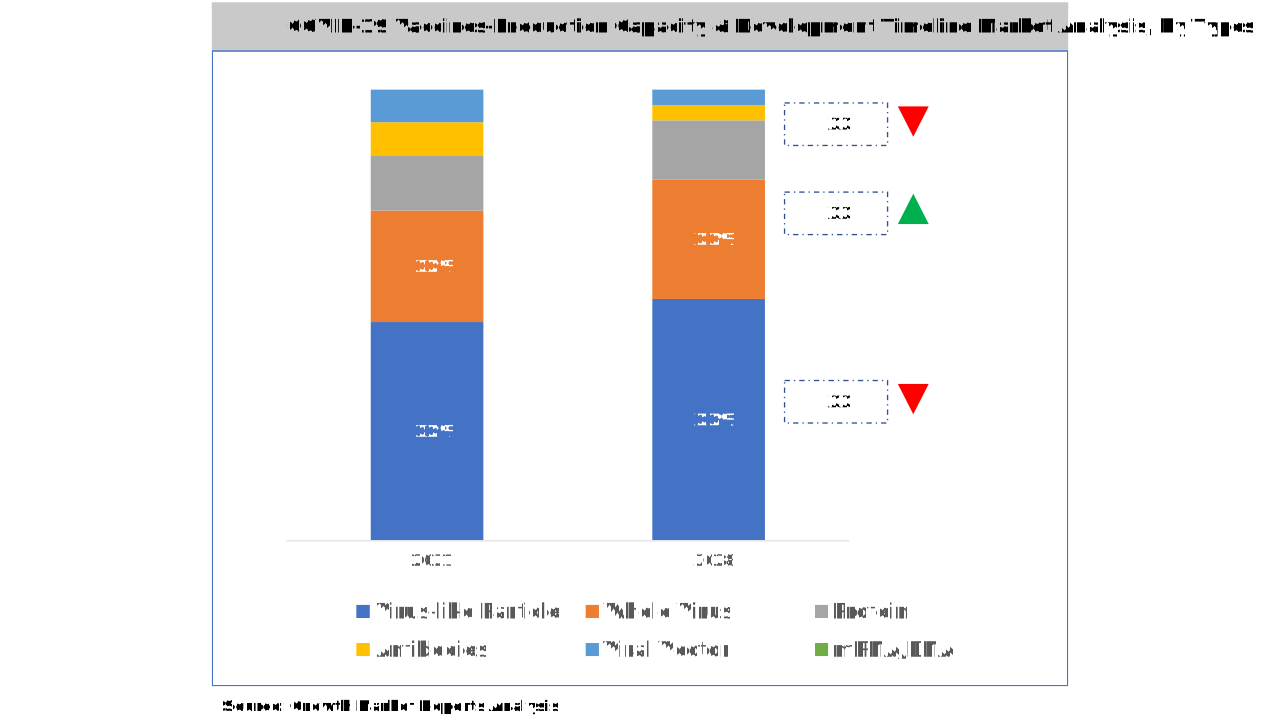
The COVID-19 vaccines market is segmented by vaccine type, with mRNA vaccines, viral vector vaccines, protein subunit vaccines, inactivated vaccines, and other platforms each playing distinct roles in the global immunization landscape. mRNA vaccines, led by products from Pfizer-BioNTech and Moderna, have established themselves as market leaders due to their high efficacy, rapid development timelines, and adaptability to emerging variants. These vaccines leverage cutting-edge genetic engineering technologies, enabling swift updates in response to viral mutations. The scalability and robust safety profiles of mRNA vaccines have driven widespread adoption, particularly in high-income countries with advanced healthcare systems. Furthermore, ongoing research into thermostable formulations and combination vaccines is expected to further enhance the market share of mRNA platforms.
Viral vector vaccines, such as those developed by AstraZeneca and Johnson & Johnson, continue to play a vital role, especially in regions with limited cold chain infrastructure. These vaccines utilize harmless adenoviruses to deliver genetic material encoding the SARS-CoV-2 spike protein, eliciting strong immune responses. While initial concerns about rare side effects temporarily impacted demand, continued post-marketing surveillance and updated safety guidelines have restored confidence in this segment. Viral vector vaccines are particularly valued for their ease of storage and distribution, making them well-suited for mass immunization campaigns in low- and middle-income countries. The development of next-generation vector vaccines with improved efficacy and safety profiles is underway, signaling sustained relevance for this technology.
Protein subunit vaccines represent another important segment, offering an alternative approach by presenting purified viral proteins to the immune system. These vaccines, exemplified by Novavax, have gained traction due to their established manufacturing processes and favorable safety profiles, especially among individuals with contraindications to mRNA or viral vector vaccines. Protein subunit vaccines are often used as booster doses or in heterologous vaccination regimens, providing flexibility for public health strategies. Advances in adjuvant technology and production scalability are expected to drive further growth in this segment, particularly as new variants necessitate updated formulations.
Inactivated vaccines, predominantly produced by Chinese manufacturers such as Sinopharm and Sinovac, remain a cornerstone of immunization efforts in many developing countries. These vaccines use whole virus particles that have been chemically inactivated, offering broad-spectrum immune responses. The extensive safety data and established manufacturing infrastructure for inactivated vaccines make them a preferred choice for large-scale vaccination programs in regions with limited access to newer technologies. However, their relatively lower efficacy compared to mRNA and viral vector vaccines has prompted ongoing research into improved formulations and adjuvants. Other vaccine types, including DNA vaccines and live attenuated vaccines, are also under development, contributing to the diversification of the COVID-19 vaccine portfolio.
The competitive landscape across vaccine types is characterized by continuous innovation, with manufacturers racing to develop next-generation vaccines that address emerging variants and offer longer-lasting protection. The integration of novel delivery systems, such as intranasal and oral vaccines, is also being explored to improve ease of administration and expand immunization coverage. As the market matures, the ability to rapidly adapt vaccine platforms to evolving epidemiological trends will be a key differentiator, shaping the future trajectory of the COVID-19 vaccines market.
| Attributes | Details |
| Report Title | COVID-19 Vaccines-Production Capacity & Development Timeline Market Research Report 2033 |
| By Vaccine Type | mRNA Vaccines, Viral Vector Vaccines, Protein Subunit Vaccines, Inactivated Vaccines, Others |
| By Production Capacity | In-House Manufacturing, Contract Manufacturing Organizations |
| By Development Stage | Preclinical, Clinical Trials, Approved/Authorized |
| By Distribution Channel | Government Procurement, Private Procurement, Hospitals & Clinics, Pharmacies, Others |
| Regions Covered | North America, Europe, APAC, Latin America, MEA |
| Base Year | 2024 |
| Historic Data | 2018-2023 |
| Forecast Period | 2025-2033 |
| Number of Pages | 298 |
| Number of Tables & Figures | 364 |
| Customization Available | Yes, the report can be customized as per your need. |
The production capacity segment of the COVID-19 vaccines market is bifurcated into in-house manufacturing and contract manufacturing organizations (CMOs), each playing pivotal roles in meeting global vaccine demand. In-house manufacturing refers to vaccine production conducted within pharmaceutical companies’ proprietary facilities, allowing for greater control over quality, intellectual property, and supply chain management. Leading vaccine developers, such as Pfizer, Moderna, and AstraZeneca, have invested heavily in expanding in-house production capacities, leveraging advanced bioprocessing technologies and automation to maximize output. This approach ensures rapid response to surges in demand, particularly during public health emergencies, and facilitates the development of proprietary formulations tailored to specific market needs.
Contract manufacturing organizations have emerged as indispensable partners in scaling up global vaccine production, especially during periods of unprecedented demand. CMOs offer specialized expertise, flexible capacity, and geographic reach, enabling vaccine developers to rapidly increase output without the need for significant capital investments in new facilities. The strategic outsourcing of manufacturing processes to CMOs has accelerated technology transfer, facilitated regulatory compliance, and supported the localization of vaccine production in emerging markets. Notable CMOs, such as Catalent, Lonza, and Serum Institute of India, have played critical roles in manufacturing billions of COVID-19 vaccine doses, ensuring timely and equitable distribution worldwide.
The collaboration between in-house manufacturing and CMOs has fostered a dynamic and resilient supply chain, capable of adapting to fluctuating demand and evolving regulatory requirements. Pharmaceutical companies often adopt a hybrid model, leveraging both internal and external production capabilities to optimize efficiency, reduce risk, and enhance scalability. This approach has proven particularly effective in addressing supply chain disruptions and ensuring continuity of vaccine supply during global crises. Moreover, investments in modular and flexible manufacturing technologies are enabling faster reconfiguration of production lines to accommodate new vaccine formulations and platforms.
Capacity expansion initiatives are being driven by public-private partnerships, government funding, and international organizations, all focused on strengthening global pandemic preparedness. The establishment of regional manufacturing hubs, particularly in Asia Pacific, Latin America, and Africa, is aimed at reducing dependency on a limited number of suppliers and improving access to vaccines in underserved regions. These efforts are complemented by regulatory harmonization and streamlined approval processes, which facilitate the rapid deployment of new manufacturing facilities and the scaling up of production volumes. As the market transitions from emergency response to long-term sustainability, ongoing investments in manufacturing infrastructure will be essential to meet future demand for COVID-19 vaccines and other emerging infectious diseases.
Looking ahead, the integration of digital technologies, such as artificial intelligence and advanced analytics, is expected to further enhance production efficiency and quality control. Real-time monitoring of manufacturing processes, predictive maintenance, and supply chain optimization are becoming standard practices, enabling manufacturers to anticipate and address potential bottlenecks proactively. The continued evolution of production capacity strategies will be a key determinant of the COVID-19 vaccines market’s ability to respond to future public health challenges and maintain global vaccine security.
The development stage segment of the COVID-19 vaccines market encompasses preclinical, clinical trials, and approved/authorized vaccines, reflecting the dynamic and iterative nature of vaccine research and development. Preclinical development involves laboratory and animal studies aimed at identifying promising vaccine candidates and optimizing formulations. This stage is characterized by high levels of innovation, with researchers exploring novel platforms, adjuvants, and delivery systems to enhance immunogenicity and safety. The rapid sharing of genomic data and advances in computational modeling have accelerated the identification of new targets and the design of next-generation vaccine candidates, positioning the market for continued growth.
Clinical trials represent a critical phase in the vaccine development process, encompassing multiple stages (Phase I, II, and III) to evaluate safety, immunogenicity, and efficacy in human populations. The unprecedented speed and scale of COVID-19 vaccine clinical trials have set new benchmarks for the industry, demonstrating the potential of adaptive trial designs, real-world evidence, and global collaboration. Regulatory agencies have implemented expedited review pathways and rolling submissions, enabling faster decision-making and earlier access to promising vaccines. The ongoing evaluation of vaccine performance against emerging variants and in diverse populations is informing updates to vaccination strategies and supporting the development of variant-specific and multivalent vaccines.
The approved/authorized segment comprises vaccines that have received regulatory clearance for emergency use or full approval, enabling widespread distribution and administration. The rigorous post-marketing surveillance of approved vaccines is providing valuable real-world data on safety, effectiveness, and durability of protection, informing public health policies and future research priorities. The continuous monitoring of adverse events and breakthrough infections is guiding the development of updated vaccine formulations and booster strategies, ensuring sustained protection against evolving threats. The transition from emergency use authorization to full approval is also driving investments in manufacturing scale-up, quality assurance, and supply chain optimization.
The interplay between preclinical research, clinical development, and regulatory approval is fostering a culture of innovation and continuous improvement within the COVID-19 vaccines market. The lessons learned from the rapid development and deployment of COVID-19 vaccines are being applied to other infectious diseases, oncology, and therapeutic areas, expanding the market’s potential and impact. The establishment of global clinical trial networks, data-sharing platforms, and regulatory harmonization initiatives is streamlining the development pipeline and reducing time-to-market for new vaccines.
As the market matures, the focus is shifting towards the development of next-generation vaccines with improved efficacy, broader protection, and enhanced safety profiles. The integration of novel technologies, such as self-amplifying RNA, viral-like particles, and universal coronavirus vaccines, is expected to drive future growth and diversification. The ongoing evolution of the development stage landscape will be instrumental in maintaining the COVID-19 vaccines market’s relevance and resilience in the face of emerging public health threats.
The distribution channel segment of the COVID-19 vaccines market is comprised of government procurement, private procurement, hospitals & clinics, pharmacies, and other channels, each playing a distinct role in ensuring vaccine accessibility and coverage. Government procurement has been the primary driver of vaccine distribution, with national and international agencies securing large volumes of vaccines through advance purchase agreements and public health programs. This approach has enabled the rapid deployment of vaccines to priority populations, supported by centralized logistics, cold chain management, and mass vaccination campaigns. The effectiveness of government procurement channels is further enhanced by partnerships with international organizations, such as the World Health Organization and Gavi, which facilitate equitable access to vaccines in low- and middle-income countries.
Private procurement channels, including corporate vaccination programs and private healthcare providers, have emerged as important contributors to vaccine distribution, particularly in regions with well-developed healthcare systems and high levels of private sector engagement. These channels offer greater flexibility and convenience for individuals seeking vaccination outside of public programs, supporting broader coverage and uptake. The expansion of private procurement is also driving competition, innovation, and efficiency in vaccine delivery, as providers seek to differentiate themselves through value-added services, such as digital scheduling, home delivery, and personalized vaccination plans.
Hospitals and clinics serve as critical distribution points for COVID-19 vaccines, leveraging their established infrastructure, trained personnel, and patient trust to facilitate safe and efficient vaccination. These settings are particularly important for administering vaccines to high-risk populations, managing adverse events, and providing education and counseling on vaccine benefits and safety. The integration of COVID-19 vaccination into routine healthcare services is expected to support the long-term sustainability of immunization programs and enhance overall public health outcomes.
Pharmacies have played a transformative role in expanding access to COVID-19 vaccines, particularly in underserved and remote communities. The widespread presence of pharmacies, coupled with their ability to offer convenient, walk-in vaccination services, has significantly increased vaccine uptake and coverage. Pharmacies are also leveraging digital health technologies to streamline appointment scheduling, track vaccination status, and provide reminders for booster doses. The continued expansion of pharmacy-based vaccination services is expected to drive further growth in this distribution channel, particularly as COVID-19 vaccines become a routine part of adult immunization schedules.
Other distribution channels, such as mobile vaccination units, community health centers, and non-governmental organizations, are playing complementary roles in reaching hard-to-reach populations and addressing barriers to vaccine access. These channels are particularly important in low-resource settings, where infrastructure and healthcare workforce limitations may impede traditional delivery methods. The integration of multiple distribution channels, supported by robust data management and coordination systems, is essential for achieving comprehensive vaccine coverage and ensuring the success of global immunization efforts.
The COVID-19 vaccines market presents numerous opportunities for growth and innovation, driven by ongoing investments in research and development, technological advancements, and evolving public health needs. The emergence of new variants and the potential for future pandemics underscore the importance of maintaining a robust and adaptable vaccine development pipeline. Opportunities abound in the development of next-generation vaccines with broader protection, improved safety profiles, and more convenient delivery methods, such as oral or intranasal formulations. The expansion of vaccine manufacturing capabilities in emerging markets, supported by technology transfer and capacity-building initiatives, is also creating new avenues for market growth and diversification. Furthermore, the integration of digital health technologies, such as electronic health records and vaccine passports, is enhancing the efficiency and effectiveness of vaccine distribution and monitoring.
Strategic collaborations between pharmaceutical companies, governments, and international organizations are fostering innovation, improving supply chain resilience, and facilitating equitable access to vaccines. The increasing focus on personalized and precision vaccination, driven by advances in genomics and immunology, is opening up new market segments and opportunities for differentiation. The growing recognition of the importance of adult immunization and the integration of COVID-19 vaccines into routine vaccination schedules are expected to drive sustained demand and market expansion. Additionally, the application of mRNA and other novel vaccine platforms to a broader range of infectious diseases and therapeutic areas is creating significant long-term growth potential for the industry.
Despite these opportunities, the COVID-19 vaccines market faces several restraining factors that could impact growth and sustainability. Vaccine hesitancy, driven by misinformation, safety concerns, and cultural barriers, remains a significant challenge, particularly in certain regions and demographic groups. The waning of pandemic urgency and the perception of reduced risk may lead to declining vaccination rates and reduced market demand. Regulatory complexities, supply chain disruptions, and geopolitical tensions also pose risks to market stability and growth. Addressing these challenges will require sustained investment in public education, regulatory harmonization, and global cooperation to ensure the continued success of COVID-19 vaccination efforts.
North America continues to lead the COVID-19 vaccines market, with a market size of USD 13.2 billion in 2024, accounting for approximately 32.8% of the global market. The region’s dominance is underpinned by high vaccination rates, robust healthcare infrastructure, and substantial government funding for vaccine procurement and distribution. The United States, in particular, has played a central role in vaccine development, manufacturing, and deployment, leveraging its advanced biotechnology sector and strong regulatory frameworks. Canada and Mexico have also made significant progress in expanding vaccine access and coverage, supported by coordinated public health campaigns and cross-border collaborations. The North American market is expected to grow at a steady CAGR of 2.9% over the forecast period, driven by ongoing booster campaigns and the integration of COVID-19 vaccination into routine healthcare services.
Europe represents the second-largest regional market, with a market size of USD 11.5 billion in 2024, or 28.6% of the global total. The region’s growth is fueled by strong government procurement programs, high levels of public trust in vaccination, and the presence of leading pharmaceutical manufacturers. The European Union’s coordinated approach to vaccine approval, procurement, and distribution has enabled efficient and equitable access across member states. Countries such as Germany, France, and the United Kingdom have been at the forefront of vaccine research, development, and rollout, supported by significant investments in biotechnology and life sciences. The European market is projected to grow at a CAGR of 3.2%, driven by ongoing immunization efforts and the development of next-generation vaccines targeting emerging variants.
The Asia Pacific region is experiencing the fastest growth in the COVID-19 vaccines market, with a market size of USD 10.8 billion in 2024 and a projected CAGR of 5.1% through 2033. The region’s rapid expansion is driven by large-scale immunization campaigns, expanding manufacturing capabilities, and rising awareness of the importance of vaccination. China and India are leading the way in both vaccine production and consumption, supported by favorable policy frameworks and increasing investments in biotechnology. Southeast Asian countries are also making significant strides in improving vaccine access and coverage, despite ongoing challenges related to infrastructure and affordability. The Asia Pacific market is expected to play an increasingly important role in the global COVID-19 vaccines landscape, supported by strong public health initiatives and international collaborations.
The competitive landscape of the COVID-19 vaccines market is characterized by intense innovation, strategic collaborations, and a dynamic mix of established pharmaceutical giants and emerging biotechnology firms. The market is dominated by a handful of key players who have demonstrated the ability to rapidly develop, manufacture, and distribute vaccines on a global scale. These companies have leveraged their scientific expertise, manufacturing capabilities, and global networks to secure regulatory approvals and capture significant market share. The competitive environment is further shaped by ongoing investments in research and development, with companies racing to develop next-generation vaccines that offer broader protection, improved safety, and more convenient delivery methods.
Strategic partnerships and alliances have been instrumental in accelerating vaccine development and deployment, enabling companies to pool resources, share risks, and access new markets. Collaborations between pharmaceutical companies, contract manufacturing organizations, and government agencies have optimized supply chains, facilitated technology transfer, and ensured the rapid scaling up of production capacity. The competitive landscape is also marked by a focus on lifecycle management, with manufacturers investing in updated formulations, combination vaccines, and expanded indications to maintain market relevance and drive long-term growth. The ability to adapt to evolving regulatory requirements, address emerging variants, and respond to changing market dynamics will be critical for sustained competitive advantage.
Intellectual property management and regulatory compliance are key differentiators in the COVID-19 vaccines market, with companies seeking to protect their innovations while navigating complex approval pathways across multiple jurisdictions. The global nature of the market has necessitated the development of robust quality assurance systems, post-marketing surveillance, and pharmacovigilance programs to ensure the safety and efficacy of vaccines. Companies that can demonstrate consistent quality, reliability, and transparency are well-positioned to build trust with regulators, healthcare providers, and patients, thereby enhancing their competitive position.
Major companies in the COVID-19 vaccines market include Pfizer-BioNTech, Moderna, AstraZeneca, Johnson & Johnson, Sinopharm, Sinovac, Novavax, and the Serum Institute of India. Pfizer-BioNTech and Moderna have been at the forefront of mRNA vaccine development, achieving rapid regulatory approvals and capturing significant market share in high-income countries. AstraZeneca and Johnson & Johnson have played key roles in supplying viral vector vaccines to both developed and developing markets, leveraging their global manufacturing networks and partnerships with international organizations. Sinopharm and Sinovac have been instrumental in expanding vaccine access in Asia, Africa, and Latin America, supported by large-scale production capabilities and government backing. Novavax has carved out a niche with its protein subunit vaccine, offering an alternative for individuals with contraindications to other platforms. The Serum Institute of India, as the world’s largest vaccine manufacturer by volume, has been a critical supplier to the COVAX initiative and low- and middle-income countries, demonstrating the importance of regional manufacturing hubs in ensuring global vaccine security.
Each of these companies continues to invest in research and development, capacity expansion, and strategic partnerships to maintain their competitive edge. The ongoing evolution of the COVID-19 vaccines market will be shaped by their ability to innovate, adapt to changing public health needs, and navigate an increasingly complex global landscape. As the market matures, new entrants and emerging technologies are expected to further intensify competition, driving continued progress and improvement in vaccine development and delivery.
The COVID-19 Vaccines-Production Capacity & Development Timeline market has been segmented on the basis of
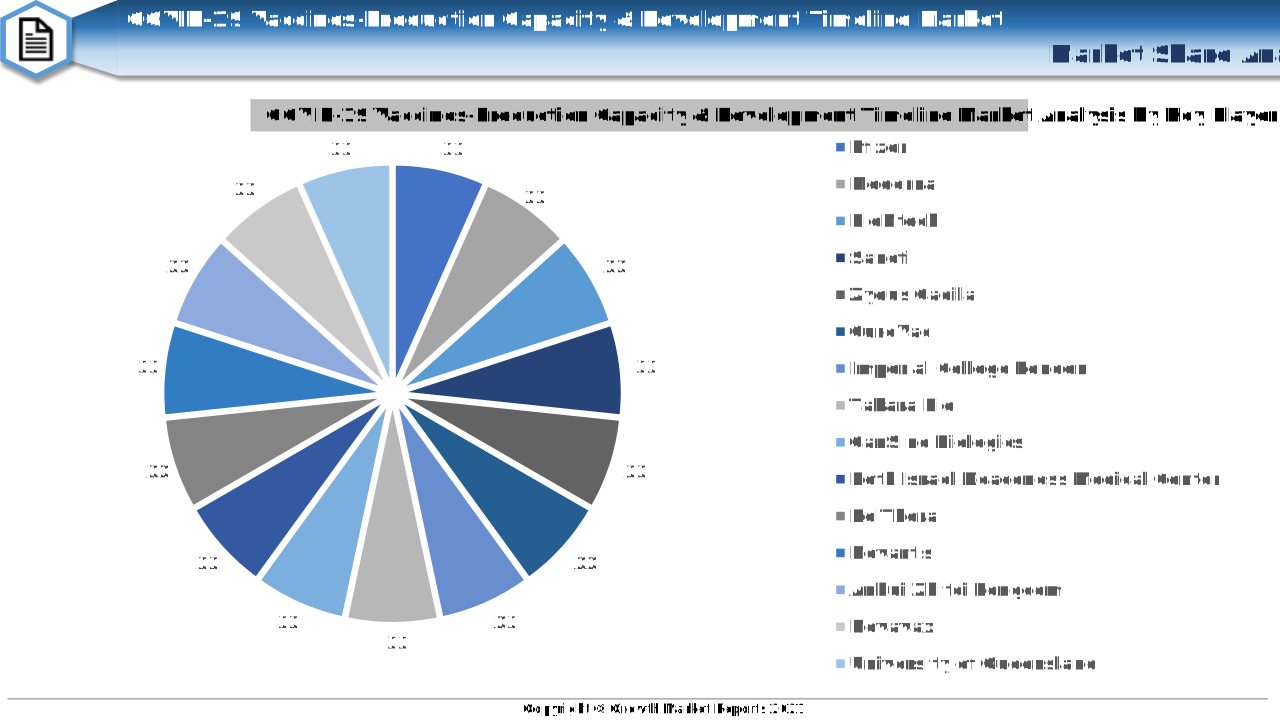
Key players competing in the COVID-19 vaccines-production capacity & development timeline market include Pfizer, Moderna, BioNtech, Sanofi, Zydus Cadila, CureVac, Imperial College London, Takara Bio, CanSino Biologics, Beth Israel Deaconess Medical Center, ReiThera, Novartis, Anhui Zhifei Longcom, Novavax, and the University of Queensland.
Many of these market players are looking at opportunities to implement business strategies such as mergers, acquisitions, partnerships, capacity expansion, and product launches to enhance their market shares. Companies are also adopting collaboration strategy for the best result and early launch of vaccines. For instance, Moderna collaborated with Lonza, AstraZeneca with Serum Institute of India and Pfizer, and BioNTech with Pfizer to expand their product portfolio.
The emergence of new variants is driving the development of updated, bivalent, and multivalent vaccines, as well as ongoing research into more effective and longer-lasting formulations.
Opportunities include the development of next-generation vaccines, expansion of manufacturing in emerging markets, and integration of digital health technologies. Challenges include vaccine hesitancy, regulatory complexities, supply chain disruptions, and geopolitical tensions.
Key players include Pfizer-BioNTech, Moderna, AstraZeneca, Johnson & Johnson, Sinovac, Sinopharm, Serum Institute of India, Novavax, and several others.
Distribution channels include government procurement, private procurement, hospitals & clinics, pharmacies, and other channels such as mobile units and community health centers.
North America and Europe currently dominate the market due to robust healthcare infrastructure and high vaccination rates, while the Asia Pacific region is experiencing the fastest growth, led by China and India.
Production capacity is being expanded through both in-house manufacturing by major pharmaceutical companies and partnerships with contract manufacturing organizations (CMOs), supported by investments in flexible and modular manufacturing technologies.
Demand is driven by the need for booster vaccinations, emergence of new variants, ongoing government procurement, expanded vaccine access in emerging economies, and integration into routine immunization schedules.
mRNA vaccines, such as those from Pfizer-BioNTech and Moderna, are leading the market due to their high efficacy, rapid development, and adaptability. Other key types include viral vector vaccines, protein subunit vaccines, and inactivated vaccines.
The COVID-19 vaccines market is expected to grow at a CAGR of 3.7% from 2025 to 2033, reaching a forecasted value of USD 56.7 billion by 2033.
As of 2024, the global COVID-19 vaccines market size reached USD 40.2 billion, reflecting a contraction from its pandemic peak but remaining a significant segment of the biopharmaceutical industry.