COVID-19 Sample Collection Kits Market Report 2034

COVID-19 Sample Collection Kits Market Report 2034

Segments - by Product Type (Swab Kits, Viral Transport Media, Blood Collection Kits, Saliva Collection Kits, Others), by Application (Diagnostic Testing, Research, Others), by Sample Type (Nasopharyngeal, Oropharyngeal, Nasal, Saliva, Blood, Others), by End-User (Hospitals & Clinics, Diagnostic Laboratories, Research Institutes, Others), by Distribution Channel (Direct Sales, Online Sales, Others)

https://growthmarketreports.com/raksha
Author : Raksha Sharma
https://growthmarketreports.com/Vaibhav
Fact-checked by : V. Chandola
https://growthmarketreports.com/Shruti
Editor : Shruti Bhat

Last Updated : Jun, 2026 | Report ID :HC-805 | 5.0 Rating | 65 Reviews | 290 Pages | Format : Docx PDF

Report Description

This report is updated with the latest market data and insights as of June 2026. Base year: 2025  |  Forecast period: 2026-2034


COVID-19 Sample Collection Kits Market Outlook

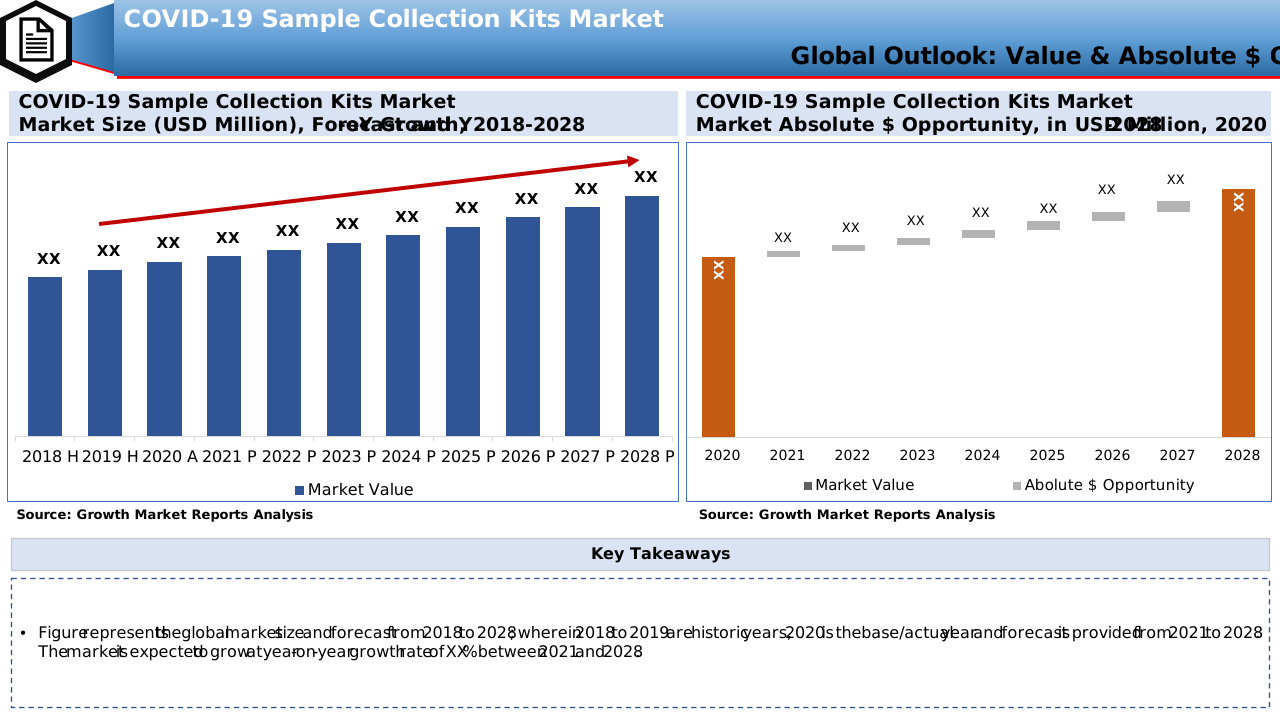
According to our latest research, the COVID-19 sample collection kits market size reached USD 3.67 billion globally in 2025, with a robust compound annual growth rate (CAGR) of 7.1% projected through the forecast period. By 2034, the market is expected to reach USD 6.79 billion, driven by ongoing testing requirements, emerging variants, and the persistent need for surveillance in both clinical and research settings. The growth of this market continues to be fueled by advancements in diagnostic technologies, expansion of healthcare infrastructure, and a renewed global focus on pandemic preparedness. Demand for COVID-19 detection solutions across clinical, community, and research settings remains a core structural driver underpinning the market's upward trajectory through 2034.

Global COVID-19 Sample Collection Kits Market Size Forecast 2025-2034, USD Billion

The primary growth factor for the COVID-19 sample collection kits market is the sustained global emphasis on diagnostic testing to control the spread of COVID-19 and its variants. As countries strive to maintain low infection rates and prevent future outbreaks, frequent and widespread testing remains a cornerstone of public health strategies. Governments and private organizations are investing heavily in rapid and accurate testing solutions, which has significantly boosted the demand for a diverse range of sample collection kits. The emergence of new and more transmissible variants has necessitated ongoing surveillance and testing, further propelling market expansion into the 2026-2034 forecast window.

A critical driver for the market is technological innovation in sample collection methods and materials. Manufacturers are developing more user-friendly, less invasive, and highly reliable kits, such as saliva-based and self-collection formats, to improve patient compliance and testing accuracy. These advancements have enabled mass screening and frequent testing in community settings, schools, airports, and workplaces. The growing popularity of home-based specimen collection has further expanded the addressable market, allowing individuals to collect and submit samples without visiting clinical facilities. Integration with digital health platforms for seamless data management and result tracking has enhanced the value proposition of these kits for healthcare providers and end-users alike, and this technological evolution is expected to sustain the market's growth trajectory through 2034.

The expansion of healthcare infrastructure, particularly in emerging economies, has also played a vital role in the growth of the COVID-19 sample collection kits market. Governments and international agencies have invested in strengthening laboratory capacities and supply chains to ensure timely and efficient sample collection and processing. This has led to increased accessibility and availability of sample collection kits in remote and underserved regions. The growing collaboration between public and private sectors has facilitated the rapid scale-up of production and distribution channels, ensuring that sample collection kits reach a broader population base and contribute to effective ongoing pandemic management.

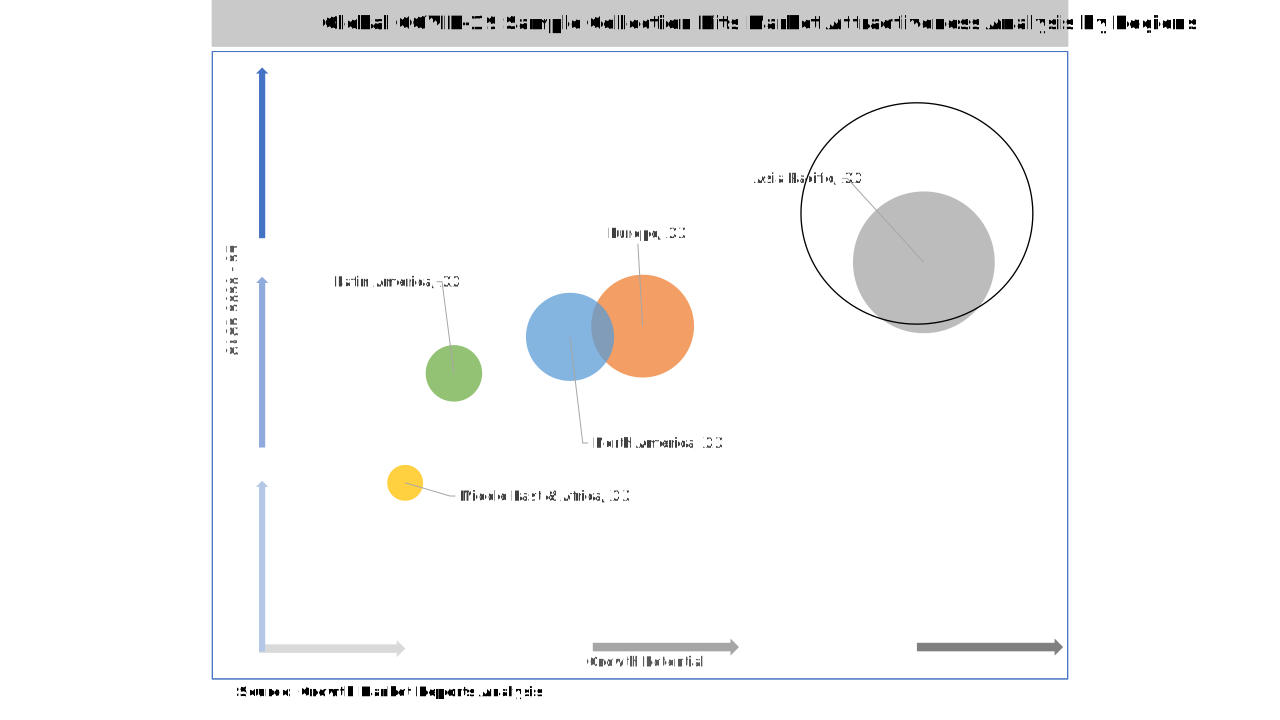
From a regional perspective, North America continues to dominate the global market, accounting for approximately 35.5% of global revenue in 2025, followed by Europe at 26.5% and Asia Pacific at 21.5%. The high adoption of advanced diagnostic technologies, robust healthcare infrastructure, and proactive government initiatives have positioned these regions at the forefront of the market. Asia Pacific is exhibiting the fastest growth rate, driven by increasing healthcare investments, rising awareness, and the presence of a large population base. Latin America and the Middle East & Africa are also witnessing steady growth, supported by international aid and government-led mass testing campaigns, underscoring the global importance of sample collection kits in the ongoing management of COVID-19.

Product Type Analysis

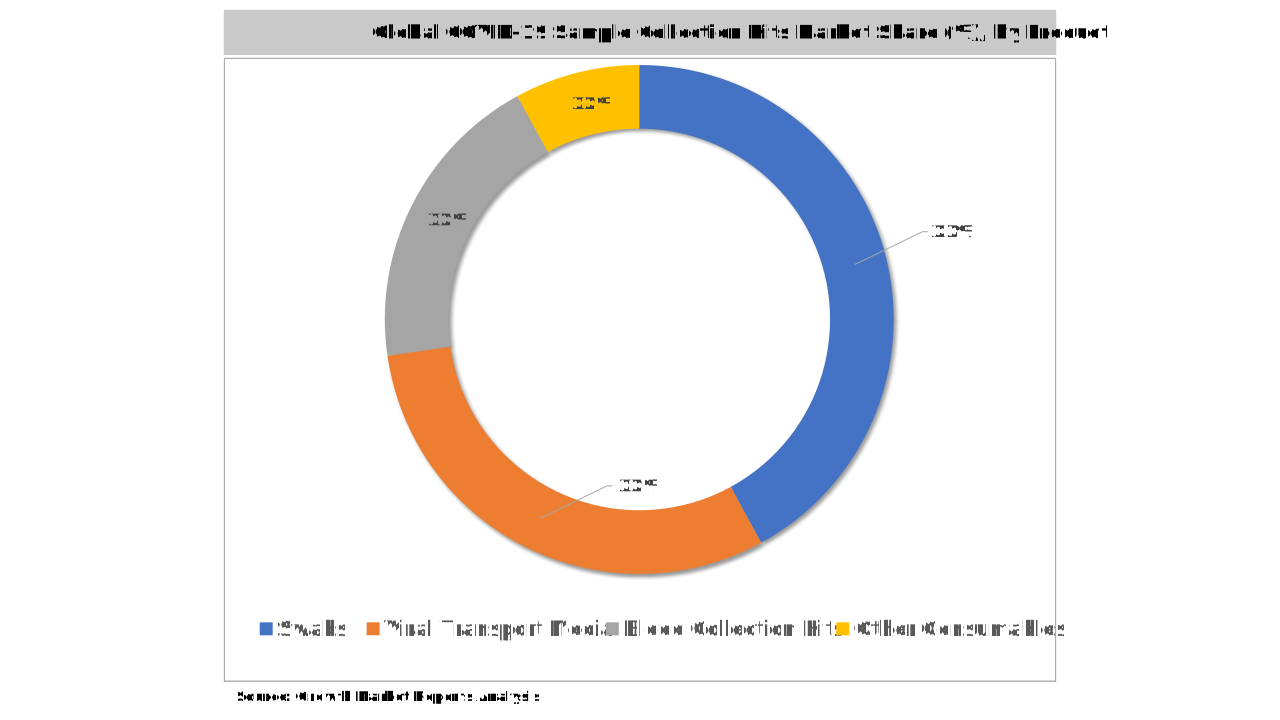
The COVID-19 sample collection kits market is segmented by product type into swab kits, viral transport media, blood collection kits, saliva collection kits, and others. Among these, swab kits have consistently held the largest market share at approximately 38.5% in 2025, owing to their widespread use in nasopharyngeal and oropharyngeal sample collection, which remain the gold standard for SARS-CoV-2 detection. The ease of use, reliability, and compatibility with various diagnostic platforms make swab kits the preferred choice for both mass screening and clinical diagnostics. The specialized category of buccal swab collection devices is also attracting attention for its gentle, non-invasive approach suitable for pediatric and sensitive-population testing. Viral transport media, essential for preserving the integrity of collected samples during transportation, have also seen substantial demand, especially in regions with centralized testing facilities.

COVID-19 Sample Collection Kits Market Share by Product Type 2025

Saliva collection kits have emerged as a significant growth segment within the product landscape, accounting for approximately 17.5% of market revenue in 2025. Their non-invasive nature and suitability for self-collection have made them increasingly popular, particularly in community testing settings and among pediatric and elderly populations. Saliva-based kits have facilitated large-scale screening efforts in schools, workplaces, and public events, reducing the reliance on healthcare professionals for sample collection and minimizing the risk of virus transmission. Ongoing innovations aimed at improving sensitivity and specificity are further boosting demand for saliva collection kits through the forecast period.

Blood collection kits, while less prevalent than swab or saliva kits, play a crucial role in serological testing and research applications, representing approximately 14.5% of the market in 2025. These kits are essential for antibody detection, vaccine efficacy studies, and epidemiological surveillance, providing valuable insights into population-level immunity and infection trends. As research into long-term immunity and post-infection sequelae intensifies, the demand for blood collection kits is anticipated to grow steadily, supported by advancements in minimally invasive collection techniques and integration with multiplex testing platforms. The broader field of COVID-19 diagnostics continues to evolve rapidly, creating complementary demand across all product type sub-segments.

Other product types, including sputum collection kits and specialized transport media, cater to niche applications and specific patient populations, collectively accounting for approximately 7.5% of the market in 2025. These products are often used in research settings or for individuals unable to provide standard sample types. The diversification of product offerings within the market reflects the evolving needs of healthcare providers and researchers, as well as the ongoing quest for more accurate, convenient, and cost-effective testing solutions. Manufacturers are continuously investing in product development and quality assurance to meet stringent regulatory standards and ensure the safety and reliability of their kits.

Overall, the product type segment is characterized by intense competition and rapid innovation, with manufacturers striving to differentiate their offerings through improved performance, user experience, and integration with digital health solutions. The ability to adapt to changing testing requirements, regulatory landscapes, and consumer preferences will be a key determinant of success in this dynamic market segment through 2034.

Report Scope

Attributes Details
Report Title COVID-19 Sample Collection Kits Market Research Report 2034
By Product Type Swab Kits, Viral Transport Media, Blood Collection Kits, Saliva Collection Kits, Others
By Application Diagnostic Testing, Research, Others
By Sample Type Nasopharyngeal, Oropharyngeal, Nasal, Saliva, Blood, Others
By End-User Hospitals & Clinics, Diagnostic Laboratories, Research Institutes, Others
By Distribution Channel Direct Sales, Online Sales, Others
Regions Covered North America, Europe, APAC, Latin America, MEA
Base Year 2025
Historic Data 2019-2024
Forecast Period 2026-2034
Number of Pages 290
Number of Tables & Figures 255
Customization Available Yes, the report can be customized as per your need.

Application Analysis

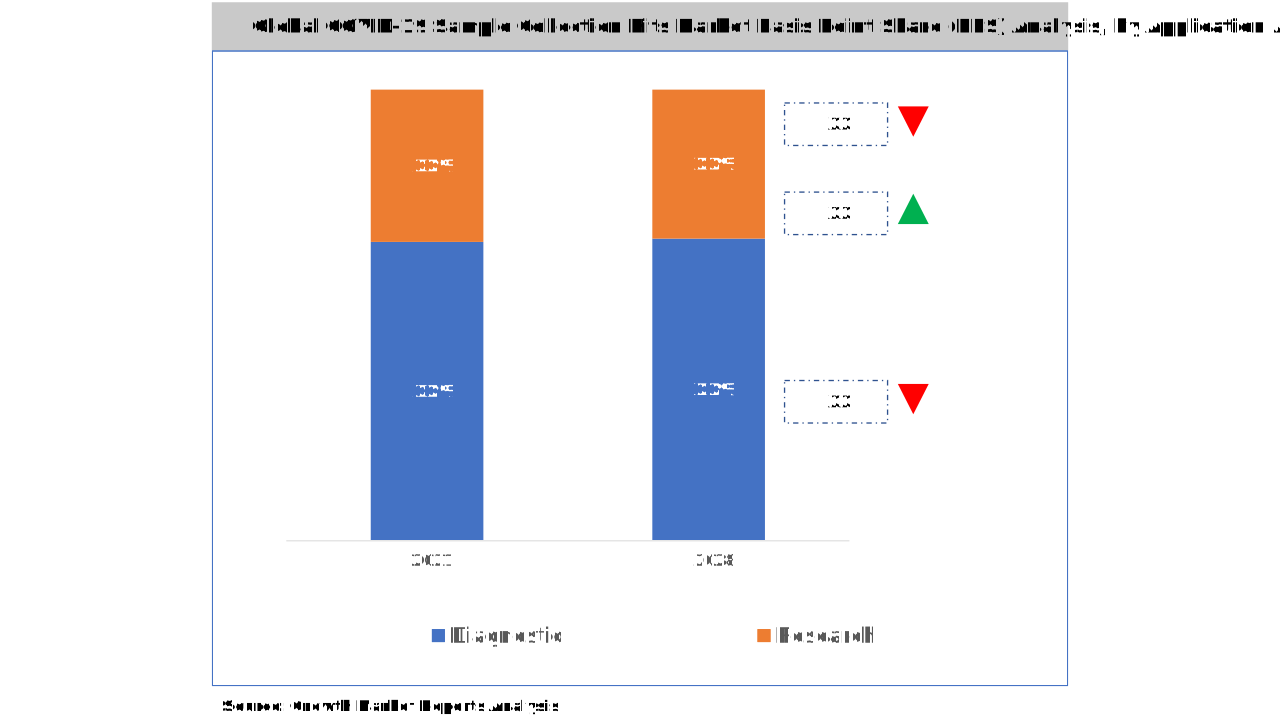
The application segment of the COVID-19 sample collection kits market is primarily divided into diagnostic testing, research, and others. Diagnostic testing remains the dominant application, accounting for the majority of market revenue in 2025. The ongoing need for early detection, contact tracing, and outbreak containment has sustained high demand for sample collection kits in clinical and community settings. Rapid antigen and molecular testing, supported by efficient sample collection, have enabled healthcare systems to respond swiftly to emerging threats and manage patient care effectively. The integration of sample collection kits with point-of-care diagnostic devices has further streamlined the testing process, reducing turnaround times and improving accessibility across diverse healthcare settings.

Research applications represent a significant and growing segment within the market. The global scientific community continues to investigate various aspects of COVID-19, including viral mutations, vaccine efficacy, and long-term health impacts. Sample collection kits are indispensable tools for conducting epidemiological studies, clinical trials, and genomic surveillance. The ability to collect high-quality, standardized samples is critical for generating reliable data and advancing our understanding of the virus. As research efforts expand to include new variants and post-acute sequelae of COVID-19, demand for specialized collection kits tailored to specific research needs is expected to rise considerably through 2034.

Other applications, such as occupational health screening, travel-related testing, and public event monitoring, have also contributed to market growth in 2025. The adoption of sample collection kits in non-traditional settings has enabled organizations to maintain safe operations and comply with regulatory requirements. Airlines, cruise lines, and large employers have implemented regular testing protocols using self-collection kits to minimize disruptions and protect public health. The growing crossover with adjacent respiratory diagnostics, including the development of dual RSV and flu self-collection PCR kits, is opening new application avenues and broadening the total addressable market for collection kit manufacturers.

The application segment is also witnessing increased collaboration between diagnostic companies, research institutions, and public health agencies. These partnerships have facilitated the development of customized solutions that address specific testing and research objectives. Multiplex kits capable of detecting multiple respiratory pathogens are being deployed to differentiate COVID-19 from other seasonal illnesses, enhancing diagnostic accuracy and resource allocation. The ability to adapt to evolving public health priorities and scientific inquiries will be essential for sustaining growth in this segment through the forecast period.

In summary, the application landscape for COVID-19 sample collection kits is broad and dynamic, reflecting the diverse and evolving needs of healthcare systems, researchers, and society at large. The continued emphasis on diagnostic accuracy, research excellence, and public health protection will drive innovation and expansion across all application areas through 2034.

Sample Type Analysis

The sample type segment of the COVID-19 sample collection kits market encompasses nasopharyngeal, oropharyngeal, nasal, saliva, blood, and others. Nasopharyngeal samples have long been considered the gold standard for COVID-19 testing due to their high sensitivity and specificity. These samples are widely used in both clinical diagnostics and large-scale screening programs, and their reliability and compatibility with various testing platforms have cemented their position as a preferred sample type, despite the discomfort associated with the collection process for some patients.

Oropharyngeal and nasal samples offer alternative collection methods that are less invasive and more comfortable for patients. These sample types have gained popularity in community testing settings, where ease of use and patient compliance are critical. Nasal swabs, in particular, have been adopted for self-collection kits, enabling individuals to perform tests at home or in non-clinical environments. The shift towards less invasive sampling methods has expanded testing accessibility and facilitated frequent screening, especially in schools, workplaces, and public events, a trend that is expected to continue through 2034.

Saliva samples have emerged as a game-changer in the sample type segment, offering a non-invasive, user-friendly, and scalable solution for COVID-19 testing. Saliva-based collection kits have been widely adopted for mass screening and surveillance, particularly in populations where traditional swabbing methods are challenging or impractical. The ability to self-collect saliva samples has reduced the burden on healthcare workers and minimized exposure risks. Ongoing research and development efforts are focused on enhancing the sensitivity and reliability of saliva-based tests, further driving market growth through the 2026-2034 period.

Blood samples are primarily used for serological testing, including antibody detection and vaccine response monitoring. While not as commonly used for acute infection diagnosis, blood collection kits play a vital role in research and public health surveillance. The demand for blood-based sample collection is expected to grow as interest in long-term immunity, post-infection sequelae, and vaccine efficacy studies increases. Technological advancements in minimally invasive blood collection methods, such as fingerstick devices, are making these tests more accessible and acceptable to a broader population through the forecast period.

Other sample types, such as sputum and breath samples, are being explored for specific patient populations or research applications. The diversification of sample types reflects the ongoing quest for more accurate, convenient, and patient-friendly testing solutions. Manufacturers are investing in the development of innovative collection devices and protocols to address the unique challenges associated with each sample type. The ability to offer a wide range of sample collection options will be a key competitive advantage in the evolving COVID-19 sample collection kits market through 2034.

End-User Analysis

The end-user segment of the COVID-19 sample collection kits market includes hospitals & clinics, diagnostic laboratories, research institutes, and others. Hospitals and clinics represent the largest end-user group, driven by the high volume of diagnostic testing conducted in these settings. The need for timely and accurate diagnosis to guide patient management and infection control measures has sustained strong demand for sample collection kits in hospitals and clinics. These institutions rely on a steady supply of high-quality kits to support routine testing, emergency response, and outbreak management throughout 2025 and beyond.

Diagnostic laboratories are another major end-user, playing a central role in large-scale screening, confirmation testing, and genomic surveillance. The centralization of testing in diagnostic laboratories has enabled economies of scale, streamlined workflows, and ensured the consistency and reliability of test results. Laboratories require a diverse range of sample collection kits to accommodate different testing platforms and protocols. The ongoing expansion of laboratory capacity, particularly in response to new variants and increased testing demand globally, is expected to drive sustained growth in this segment through 2034.

Research institutes represent a growing end-user segment, reflecting the global commitment to advancing scientific knowledge and developing new solutions for COVID-19. These institutions require specialized sample collection kits for clinical trials, epidemiological studies, and basic research. The ability to collect high-quality, standardized samples is critical for generating reliable data and supporting the development of new diagnostics, therapeutics, and vaccines. Collaboration between research institutes, diagnostic companies, and public health agencies has facilitated the rapid development and deployment of innovative sample collection solutions tailored to research needs.

Other end-users, including public health agencies, educational institutions, and large employers, have increasingly adopted sample collection kits to support mass screening and surveillance programs. The deployment of self-collection kits in schools, workplaces, and community settings has enabled organizations to monitor infection rates, prevent outbreaks, and maintain safe operations. The versatility and scalability of sample collection kits have made them indispensable tools for a wide range of end-users, contributing to the overall resilience of healthcare and public health systems in 2025 and throughout the forecast period.

The end-user segment is characterized by diverse needs and requirements, necessitating a broad portfolio of sample collection solutions. Manufacturers must tailor their offerings to meet the specific demands of each end-user group, including regulatory compliance, ease of use, and integration with existing workflows. The ability to provide reliable, user-friendly, and cost-effective sample collection kits will be essential for capturing market share and sustaining growth in this competitive landscape through 2034.

Distribution Channel Analysis

The distribution channel segment of the COVID-19 sample collection kits market comprises direct sales, online sales, and others. Direct sales have traditionally dominated the market, with manufacturers supplying kits directly to hospitals, laboratories, and government agencies. This channel ensures timely delivery, quality assurance, and the ability to meet large-volume orders, particularly during periods of high demand. Direct sales are favored for their reliability, personalized service, and the ability to establish long-term partnerships with key customers, advantages that remain important in 2025.

Online sales have experienced significant growth and continue to expand in 2025, driven by the increasing adoption of e-commerce platforms and the need for convenient, contactless purchasing options. Online platforms offer a wide range of sample collection kits, enabling customers to compare products, read reviews, and place orders from the comfort of their homes or offices. The convenience and accessibility of online sales are expected to drive continued growth in this channel through 2034, particularly for self-collection kits and smaller orders placed by individual consumers, small clinics, and educational institutions. The parallel expansion of consumer-oriented specimen collection categories across e-commerce channels reflects a broader industry shift toward direct-to-consumer diagnostics.

Other distribution channels, such as third-party distributors, wholesalers, and retail pharmacies, play a supportive role in expanding market reach and ensuring product availability in remote or underserved regions. These channels are particularly important in emerging markets, where healthcare infrastructure may be less developed and direct access to manufacturers is limited. The involvement of multiple distribution channels has enhanced the resilience and flexibility of the supply chain, enabling rapid response to changing demand patterns and market dynamics.

The distribution channel segment is characterized by increasing competition and the need for efficient logistics and supply chain management. Manufacturers must balance the benefits of direct sales, such as control and customer relationships, with the scalability and reach offered by online and third-party channels. The ability to ensure timely delivery, product quality, and customer satisfaction will be critical for success in this segment. The integration of digital technologies, such as inventory management systems and real-time tracking, is enhancing the efficiency and transparency of distribution networks, a trend that will accelerate through 2034.

Overall, the diversification of distribution channels is a key trend in the COVID-19 sample collection kits market, reflecting the need to meet diverse customer preferences and ensure widespread product availability. The continued evolution of distribution strategies will play a pivotal role in supporting market growth and resilience in the face of ongoing public health challenges through the forecast period.

Opportunities & Threats

The COVID-19 sample collection kits market presents numerous opportunities for growth and innovation through 2034. One of the most significant opportunities lies in the ongoing development of next-generation sample collection technologies. Advances in non-invasive, self-collection, and multiplex testing solutions have the potential to revolutionize the market by improving patient experience, reducing healthcare worker exposure, and enabling more frequent and widespread testing. The integration of digital health platforms for seamless data management and result tracking offers additional value to healthcare providers and end-users, creating new revenue streams and enhancing market differentiation through the forecast period.

Another key opportunity is the expansion of market reach into emerging economies and underserved regions. As governments and international organizations invest in strengthening healthcare infrastructure and pandemic preparedness through 2034, there is a growing demand for reliable, affordable, and accessible sample collection kits. Manufacturers that can adapt their products and distribution strategies to meet the unique needs of these markets stand to gain a significant competitive advantage. Partnerships with local distributors, government agencies, and non-governmental organizations can facilitate market entry and drive sustained growth in these high-potential regions.

Despite the many opportunities, the market also faces notable threats and restraints. One of the primary challenges is the potential moderation of acute testing demand as vaccination rates stabilize and COVID-19 transitions more fully to an endemic phase. As governments and healthcare providers adapt their strategies and resources to other public health priorities, procurement of sample collection kits may shift in composition and volume. The emergence of new competitors, intensifying price pressures, and evolving regulatory requirements across geographies may also impact market dynamics and profitability. Manufacturers must remain agile and innovative, diversifying their portfolios into adjacent respiratory diagnostics and pandemic preparedness products, to navigate these challenges and sustain long-term growth through 2034.

Regional Outlook

North America remains the leading region in the COVID-19 sample collection kits market, accounting for approximately 35.5% of global revenue in 2025. The North American market was valued at approximately USD 1.30 billion in 2025, driven by high testing rates, advanced healthcare infrastructure, and proactive government initiatives. The United States, in particular, has implemented widespread testing programs in schools, workplaces, and public venues, sustaining robust demand for sample collection kits. Canada and Mexico have also invested heavily in diagnostic testing and surveillance, contributing to regional growth. The presence of major market players and ongoing innovation further reinforce North America's leadership position through 2034.

COVID-19 Sample Collection Kits Market Regional Share 2025

Europe holds the second-largest market share at 26.5%, with a regional market size of approximately USD 0.97 billion in 2025. The region's growth is supported by strong healthcare systems, coordinated public health responses, and the adoption of advanced diagnostic technologies. Countries such as Germany, the United Kingdom, and France have implemented comprehensive testing strategies, including mass screening and genomic surveillance, to manage the pandemic and prevent future outbreaks. The European market is characterized by a high degree of regulatory oversight and quality assurance, driving demand for reliable and compliant sample collection kits. The region is expected to maintain a steady CAGR of approximately 6.8% through 2034.

The Asia Pacific region is the fastest-growing market, with a regional market size of approximately USD 0.79 billion in 2025 and a projected CAGR of 8.6% through 2034. Rapid population growth, increasing healthcare investments, and rising awareness of diagnostic testing are key drivers of regional expansion. Countries such as China, India, Japan, and South Korea are implementing large-scale testing and surveillance programs, supported by government funding and international aid. The presence of local manufacturers, cost-effective solutions, and expanding distribution networks are further fueling market growth in Asia Pacific. Latin America and the Middle East & Africa, with market sizes of approximately USD 0.33 billion and USD 0.28 billion respectively in 2025, are also witnessing steady growth, driven by efforts to improve healthcare access and pandemic preparedness through the forecast period.

Competitor Outlook

The COVID-19 sample collection kits market is characterized by intense competition and a dynamic landscape of global and regional players. Leading companies are focused on innovation, quality assurance, and strategic partnerships to strengthen their market positions and expand their product portfolios. The competitive environment is further intensified by the entry of new players, including regional manufacturers and specialized medical device companies, seeking to capitalize on sustained demand for diagnostic solutions through 2034. Mergers, acquisitions, and collaborations are common strategies employed to enhance technological capabilities, expand market reach, and achieve economies of scale.

Product differentiation is a key focus for market participants, with companies investing heavily in research and development to introduce next-generation sample collection kits. Innovations such as non-invasive saliva and breath collection kits, integrated digital health solutions, and multiplex testing capabilities are driving competitive advantage and market share gains. Regulatory compliance and quality assurance remain critical success factors, with manufacturers striving to meet stringent standards set by agencies such as the FDA, CE marking bodies, and WHO. The ability to navigate complex regulatory environments and obtain timely approvals is essential for market entry and sustained growth through the forecast period.

The competitive landscape is also shaped by the ability to scale production and respond rapidly to changing demand patterns. Companies with robust manufacturing capabilities, efficient supply chains, and diversified distribution networks are better positioned to meet the needs of global customers and respond to public health emergencies. Strategic partnerships with governments, healthcare providers, and research institutions have enabled leading players to secure large-volume contracts and participate in national testing programs. A focus on customer service, technical support, and training further enhances brand loyalty and market presence across all geographies.

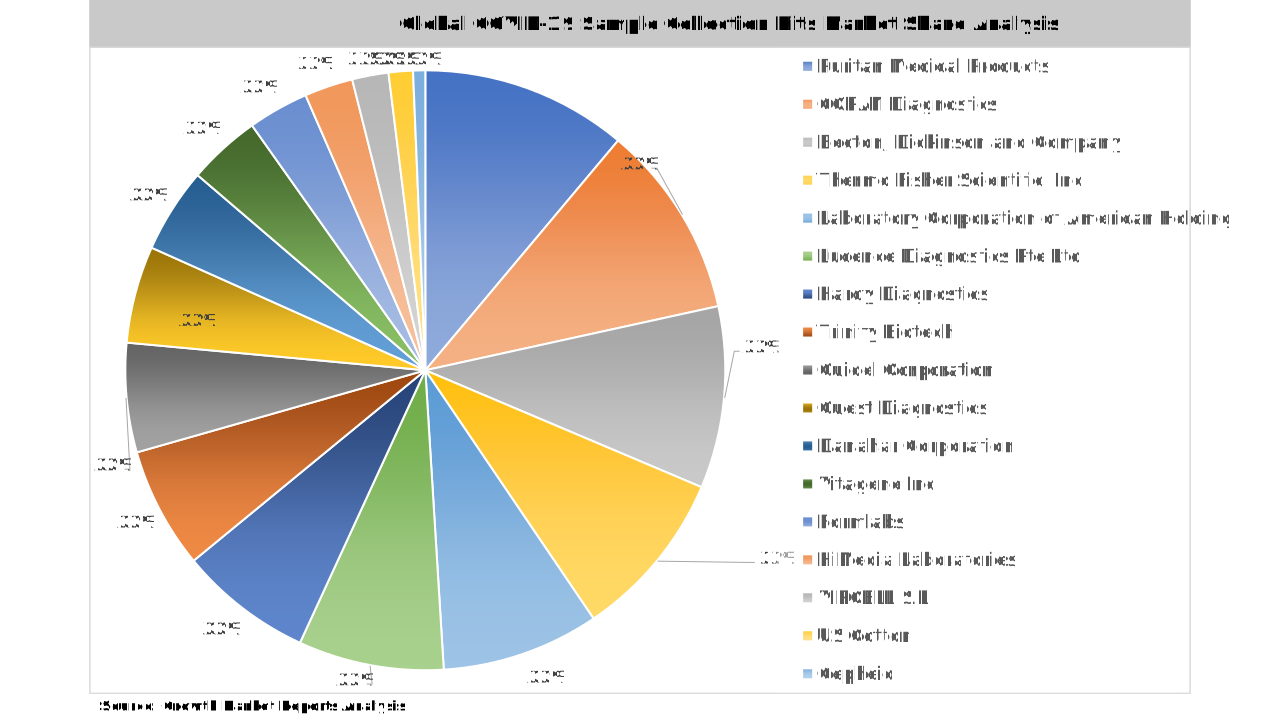
Major companies operating in the COVID-19 sample collection kits market include Thermo Fisher Scientific Inc., Becton Dickinson and Company (BD), F. Hoffmann-La Roche Ltd., Abbott Laboratories, QIAGEN N.V., Puritan Medical Products, Copan Diagnostics Inc., Hologic Inc., Bio-Rad Laboratories Inc., Danaher Corporation, Siemens Healthineers AG, Greiner Bio-One International GmbH, Sarstedt AG & Co. KG, Meridian Bioscience Inc., Zymo Research Corporation, Medline Industries LP, Nest Scientific Inc., and Hardy Diagnostics. These companies are recognized for their extensive product portfolios, global reach, and commitment to innovation. Thermo Fisher Scientific, for example, has leveraged its expertise in molecular diagnostics and laboratory automation to develop high-quality sample collection kits and support large-scale testing efforts worldwide. BD and Roche have introduced a range of swab and viral transport media kits, supported by robust distribution networks and customer support services.

Puritan Medical Products and Copan Diagnostics are notable for their specialization in swab and transport media solutions, catering to the unique needs of clinical and research laboratories. Abbott Laboratories and QIAGEN have focused on integrating sample collection with rapid diagnostic platforms, enhancing the speed and accuracy of testing. Hologic Inc. and Bio-Rad Laboratories have contributed to market growth through the development of innovative sample collection devices and partnerships with public health agencies. Danaher Corporation, through its subsidiaries including Cepheid, has expanded its presence in the market by offering a diverse range of collection kits and laboratory solutions. The collective efforts of these major players, along with emerging regional companies, continue to drive innovation, quality, and accessibility in the COVID-19 sample collection kits market through 2034.

Key Players

  • Thermo Fisher Scientific Inc.
  • F. Hoffmann-La Roche Ltd.
  • QIAGEN N.V.
  • Becton, Dickinson and Company (BD)
  • Abbott Laboratories
  • Danaher Corporation
  • Bio-Rad Laboratories, Inc.
  • Siemens Healthineers AG
  • Hologic, Inc.
  • Greiner Bio-One International GmbH
  • Puritan Medical Products
  • Copan Diagnostics Inc.
  • Medline Industries, LP
  • Zymo Research Corporation
  • Nest Scientific Inc.
  • Hardy Diagnostics
  • Meridian Bioscience Inc.
  • Sarstedt AG & Co. KG

Segments

The COVID-19 Sample Collection Kits market has been segmented on the basis of

Product Type

  • Swab Kits
  • Viral Transport Media
  • Blood Collection Kits
  • Saliva Collection Kits
  • Others

Application

  • Diagnostic Testing
  • Research
  • Others

Sample Type

  • Nasopharyngeal
  • Oropharyngeal
  • Nasal
  • Saliva
  • Blood
  • Others

End-User

  • Hospitals & Clinics
  • Diagnostic Laboratories
  • Research Institutes
  • Others

Distribution Channel

  • Direct Sales
  • Online Sales
  • Others

Frequently Asked Questions

Key opportunities include the development of next-generation non-invasive and multiplex collection platforms, expansion into underserved emerging markets, integration with digital health and telehealth ecosystems, and diversification into broader respiratory pathogen surveillance as demand evolves beyond COVID-19 alone. Major challenges include potential declines in acute testing demand as vaccination rates stabilize, intensifying price competition from new market entrants, supply chain vulnerabilities exposed during peak demand periods, evolving regulatory requirements across different geographies, and the need to continuously innovate to remain relevant as the pandemic transitions to an endemic phase.

The market features a mix of large diversified diagnostics companies and specialized manufacturers. Leading players include Thermo Fisher Scientific Inc., F. Hoffmann-La Roche Ltd., QIAGEN N.V., Becton Dickinson and Company, Abbott Laboratories, Danaher Corporation, Bio-Rad Laboratories, Siemens Healthineers AG, Hologic Inc., Puritan Medical Products, Copan Diagnostics Inc., Greiner Bio-One International GmbH, Sarstedt AG & Co. KG, Meridian Bioscience Inc., Zymo Research Corporation, and Medline Industries LP. These companies compete on product quality, regulatory compliance, supply chain reliability, and technological innovation.

North America holds the largest regional share at approximately 35.5% of global revenue in 2025, supported by advanced healthcare infrastructure, high testing rates, and significant government preparedness spending. Europe is the second-largest market at 26.5%, driven by coordinated public health responses and robust regulatory frameworks. Asia Pacific accounts for 21.5% and is the fastest-growing region, projected to expand at a CAGR of approximately 8.6% through 2034, fueled by rising healthcare investments, large populations, and expanding local manufacturing capabilities. Latin America and the Middle East & Africa together account for the remaining share and are growing steadily.

Direct sales remain the dominant distribution channel, particularly for large institutional buyers such as hospitals, government agencies, and diagnostic laboratories that require guaranteed supply, volume pricing, and tailored service agreements. Online sales have grown significantly since 2020 and continue to expand in 2025, driven by e-commerce adoption and demand for self-collection kits among individual consumers and smaller organizations. Other channels, including third-party distributors, wholesalers, and retail pharmacies, play an important role in reaching remote and emerging markets.

Hospitals and clinics represent the largest end-user segment, driven by high volumes of routine and emergency diagnostic testing. Diagnostic laboratories are the second-largest group, supporting centralized large-scale screening, confirmation testing, and genomic surveillance. Research institutes form a growing segment, requiring specialized kits for clinical trials and epidemiological studies. Other end-users include public health agencies, schools, large employers, airports, and community health centers implementing ongoing surveillance and mass screening programs.

Nasopharyngeal samples remain the gold standard for sensitivity in clinical diagnostics and continue to account for the largest share of the sample type segment in 2025. However, nasal and saliva samples are gaining rapid adoption due to their non-invasive nature, suitability for self-collection, and applicability in community and workplace settings. Oropharyngeal samples remain widely used in clinical environments, while blood samples support serological testing, vaccine response monitoring, and epidemiological research.

Diagnostic testing is the dominant application, accounting for the majority of market revenue in 2025. It encompasses clinical diagnostics, point-of-care testing, community screening, travel testing, and occupational health monitoring. Research represents the second-largest application, covering clinical trials, genomic surveillance, vaccine efficacy studies, and long-term immunity research. Other applications include public event monitoring, school-based screening programs, and border health management, all of which continue to generate meaningful demand.

The market is segmented by product type into swab kits, viral transport media, blood collection kits, saliva collection kits, and others (including sputum collection devices and specialized transport media). Swab kits hold the largest share at approximately 38.5% in 2025, followed by viral transport media at 22.0% and saliva collection kits at 17.5%, reflecting the sustained preference for molecular diagnostics and the growing adoption of non-invasive collection approaches.

The primary growth drivers include continued government investment in pandemic preparedness and diagnostic infrastructure, the emergence of new SARS-CoV-2 variants requiring ongoing surveillance, rapid advances in non-invasive and self-collection technologies, and the integration of sample collection solutions with digital health platforms. Expanding healthcare infrastructure in emerging economies and growing research activity around long-term COVID-19 sequelae also contribute significantly to market expansion through the 2026-2034 forecast period.

According to our latest research, the global COVID-19 sample collection kits market reached USD 3.67 billion in 2025, the base year for this report. The market is forecast to grow at a CAGR of 7.1% from 2026 to 2034, reaching approximately USD 6.79 billion by 2034, driven by sustained testing requirements, genomic surveillance programs, and ongoing pandemic preparedness investments worldwide.

Table Of Content

Chapter 1 Executive Summary
Chapter 2 Assumptions and Acronyms Used
Chapter 3 Research Methodology
Chapter 4 COVID-19 Sample Collection Kits Market Overview
   4.1 Introduction
      4.1.1 Market Taxonomy
      4.1.2 Market Definition
      4.1.3 Macro-Economic Factors Impacting the Market Growth
   4.2 COVID-19 Sample Collection Kits Market Dynamics
      4.2.1 Market Drivers
      4.2.2 Market Restraints
      4.2.3 Market Opportunity
   4.3 COVID-19 Sample Collection Kits Market - Supply Chain Analysis
      4.3.1 List of Key Suppliers
      4.3.2 List of Key Distributors
      4.3.3 List of Key Consumers
   4.4 Key Forces Shaping the COVID-19 Sample Collection Kits Market
      4.4.1 Bargaining Power of Suppliers
      4.4.2 Bargaining Power of Buyers
      4.4.3 Threat of Substitution
      4.4.4 Threat of New Entrants
      4.4.5 Competitive Rivalry
   4.5 Global COVID-19 Sample Collection Kits Market Size & Forecast, 2023-2032
      4.5.1 COVID-19 Sample Collection Kits Market Size and Y-o-Y Growth
      4.5.2 COVID-19 Sample Collection Kits Market Absolute $ Opportunity

Chapter 5 Global COVID-19 Sample Collection Kits Market Analysis and Forecast By Product Type
   5.1 Introduction
      5.1.1 Key Market Trends & Growth Opportunities By Product Type
      5.1.2 Basis Point Share (BPS) Analysis By Product Type
      5.1.3 Absolute $ Opportunity Assessment By Product Type
   5.2 COVID-19 Sample Collection Kits Market Size Forecast By Product Type
      5.2.1 Swab Kits
      5.2.2 Viral Transport Media
      5.2.3 Blood Collection Kits
      5.2.4 Saliva Collection Kits
      5.2.5 Others
   5.3 Market Attractiveness Analysis By Product Type

Chapter 6 Global COVID-19 Sample Collection Kits Market Analysis and Forecast By Application
   6.1 Introduction
      6.1.1 Key Market Trends & Growth Opportunities By Application
      6.1.2 Basis Point Share (BPS) Analysis By Application
      6.1.3 Absolute $ Opportunity Assessment By Application
   6.2 COVID-19 Sample Collection Kits Market Size Forecast By Application
      6.2.1 Diagnostic Testing
      6.2.2 Research
      6.2.3 Others
   6.3 Market Attractiveness Analysis By Application

Chapter 7 Global COVID-19 Sample Collection Kits Market Analysis and Forecast By Sample Type
   7.1 Introduction
      7.1.1 Key Market Trends & Growth Opportunities By Sample Type
      7.1.2 Basis Point Share (BPS) Analysis By Sample Type
      7.1.3 Absolute $ Opportunity Assessment By Sample Type
   7.2 COVID-19 Sample Collection Kits Market Size Forecast By Sample Type
      7.2.1 Nasopharyngeal
      7.2.2 Oropharyngeal
      7.2.3 Nasal
      7.2.4 Saliva
      7.2.5 Blood
      7.2.6 Others
   7.3 Market Attractiveness Analysis By Sample Type

Chapter 8 Global COVID-19 Sample Collection Kits Market Analysis and Forecast By End-User
   8.1 Introduction
      8.1.1 Key Market Trends & Growth Opportunities By End-User
      8.1.2 Basis Point Share (BPS) Analysis By End-User
      8.1.3 Absolute $ Opportunity Assessment By End-User
   8.2 COVID-19 Sample Collection Kits Market Size Forecast By End-User
      8.2.1 Hospitals & Clinics
      8.2.2 Diagnostic Laboratories
      8.2.3 Research Institutes
      8.2.4 Others
   8.3 Market Attractiveness Analysis By End-User

Chapter 9 Global COVID-19 Sample Collection Kits Market Analysis and Forecast By Distribution Channel
   9.1 Introduction
      9.1.1 Key Market Trends & Growth Opportunities By Distribution Channel
      9.1.2 Basis Point Share (BPS) Analysis By Distribution Channel
      9.1.3 Absolute $ Opportunity Assessment By Distribution Channel
   9.2 COVID-19 Sample Collection Kits Market Size Forecast By Distribution Channel
      9.2.1 Direct Sales
      9.2.2 Online Sales
      9.2.3 Others
   9.3 Market Attractiveness Analysis By Distribution Channel

Chapter 10 Global COVID-19 Sample Collection Kits Market Analysis and Forecast by Region
   10.1 Introduction
      10.1.1 Key Market Trends & Growth Opportunities By Region
      10.1.2 Basis Point Share (BPS) Analysis By Region
      10.1.3 Absolute $ Opportunity Assessment By Region
   10.2 COVID-19 Sample Collection Kits Market Size Forecast By Region
      10.2.1 North America
      10.2.2 Europe
      10.2.3 Asia Pacific
      10.2.4 Latin America
      10.2.5 Middle East & Africa (MEA)
   10.3 Market Attractiveness Analysis By Region

Chapter 11 Coronavirus Disease (COVID-19) Impact 
   11.1 Introduction 
   11.2 Current & Future Impact Analysis 
   11.3 Economic Impact Analysis 
   11.4 Government Policies 
   11.5 Investment Scenario

Chapter 12 North America COVID-19 Sample Collection Kits Analysis and Forecast
   12.1 Introduction
   12.2 North America COVID-19 Sample Collection Kits Market Size Forecast by Country
      12.2.1 U.S.
      12.2.2 Canada
   12.3 Basis Point Share (BPS) Analysis by Country
   12.4 Absolute $ Opportunity Assessment by Country
   12.5 Market Attractiveness Analysis by Country
   12.6 North America COVID-19 Sample Collection Kits Market Size Forecast By Product Type
      12.6.1 Swab Kits
      12.6.2 Viral Transport Media
      12.6.3 Blood Collection Kits
      12.6.4 Saliva Collection Kits
      12.6.5 Others
   12.7 Basis Point Share (BPS) Analysis By Product Type 
   12.8 Absolute $ Opportunity Assessment By Product Type 
   12.9 Market Attractiveness Analysis By Product Type
   12.10 North America COVID-19 Sample Collection Kits Market Size Forecast By Application
      12.10.1 Diagnostic Testing
      12.10.2 Research
      12.10.3 Others
   12.11 Basis Point Share (BPS) Analysis By Application 
   12.12 Absolute $ Opportunity Assessment By Application 
   12.13 Market Attractiveness Analysis By Application
   12.14 North America COVID-19 Sample Collection Kits Market Size Forecast By Sample Type
      12.14.1 Nasopharyngeal
      12.14.2 Oropharyngeal
      12.14.3 Nasal
      12.14.4 Saliva
      12.14.5 Blood
      12.14.6 Others
   12.15 Basis Point Share (BPS) Analysis By Sample Type 
   12.16 Absolute $ Opportunity Assessment By Sample Type 
   12.17 Market Attractiveness Analysis By Sample Type
   12.18 North America COVID-19 Sample Collection Kits Market Size Forecast By End-User
      12.18.1 Hospitals & Clinics
      12.18.2 Diagnostic Laboratories
      12.18.3 Research Institutes
      12.18.4 Others
   12.19 Basis Point Share (BPS) Analysis By End-User 
   12.20 Absolute $ Opportunity Assessment By End-User 
   12.21 Market Attractiveness Analysis By End-User
   12.22 North America COVID-19 Sample Collection Kits Market Size Forecast By Distribution Channel
      12.22.1 Direct Sales
      12.22.2 Online Sales
      12.22.3 Others
   12.23 Basis Point Share (BPS) Analysis By Distribution Channel 
   12.24 Absolute $ Opportunity Assessment By Distribution Channel 
   12.25 Market Attractiveness Analysis By Distribution Channel

Chapter 13 Europe COVID-19 Sample Collection Kits Analysis and Forecast
   13.1 Introduction
   13.2 Europe COVID-19 Sample Collection Kits Market Size Forecast by Country
      13.2.1 Germany
      13.2.2 France
      13.2.3 Italy
      13.2.4 U.K.
      13.2.5 Spain
      13.2.6 Russia
      13.2.7 Rest of Europe
   13.3 Basis Point Share (BPS) Analysis by Country
   13.4 Absolute $ Opportunity Assessment by Country
   13.5 Market Attractiveness Analysis by Country
   13.6 Europe COVID-19 Sample Collection Kits Market Size Forecast By Product Type
      13.6.1 Swab Kits
      13.6.2 Viral Transport Media
      13.6.3 Blood Collection Kits
      13.6.4 Saliva Collection Kits
      13.6.5 Others
   13.7 Basis Point Share (BPS) Analysis By Product Type 
   13.8 Absolute $ Opportunity Assessment By Product Type 
   13.9 Market Attractiveness Analysis By Product Type
   13.10 Europe COVID-19 Sample Collection Kits Market Size Forecast By Application
      13.10.1 Diagnostic Testing
      13.10.2 Research
      13.10.3 Others
   13.11 Basis Point Share (BPS) Analysis By Application 
   13.12 Absolute $ Opportunity Assessment By Application 
   13.13 Market Attractiveness Analysis By Application
   13.14 Europe COVID-19 Sample Collection Kits Market Size Forecast By Sample Type
      13.14.1 Nasopharyngeal
      13.14.2 Oropharyngeal
      13.14.3 Nasal
      13.14.4 Saliva
      13.14.5 Blood
      13.14.6 Others
   13.15 Basis Point Share (BPS) Analysis By Sample Type 
   13.16 Absolute $ Opportunity Assessment By Sample Type 
   13.17 Market Attractiveness Analysis By Sample Type
   13.18 Europe COVID-19 Sample Collection Kits Market Size Forecast By End-User
      13.18.1 Hospitals & Clinics
      13.18.2 Diagnostic Laboratories
      13.18.3 Research Institutes
      13.18.4 Others
   13.19 Basis Point Share (BPS) Analysis By End-User 
   13.20 Absolute $ Opportunity Assessment By End-User 
   13.21 Market Attractiveness Analysis By End-User
   13.22 Europe COVID-19 Sample Collection Kits Market Size Forecast By Distribution Channel
      13.22.1 Direct Sales
      13.22.2 Online Sales
      13.22.3 Others
   13.23 Basis Point Share (BPS) Analysis By Distribution Channel 
   13.24 Absolute $ Opportunity Assessment By Distribution Channel 
   13.25 Market Attractiveness Analysis By Distribution Channel

Chapter 14 Asia Pacific COVID-19 Sample Collection Kits Analysis and Forecast
   14.1 Introduction
   14.2 Asia Pacific COVID-19 Sample Collection Kits Market Size Forecast by Country
      14.2.1 China
      14.2.2 Japan
      14.2.3 South Korea
      14.2.4 India
      14.2.5 Australia
      14.2.6 South East Asia (SEA)
      14.2.7 Rest of Asia Pacific (APAC)
   14.3 Basis Point Share (BPS) Analysis by Country
   14.4 Absolute $ Opportunity Assessment by Country
   14.5 Market Attractiveness Analysis by Country
   14.6 Asia Pacific COVID-19 Sample Collection Kits Market Size Forecast By Product Type
      14.6.1 Swab Kits
      14.6.2 Viral Transport Media
      14.6.3 Blood Collection Kits
      14.6.4 Saliva Collection Kits
      14.6.5 Others
   14.7 Basis Point Share (BPS) Analysis By Product Type 
   14.8 Absolute $ Opportunity Assessment By Product Type 
   14.9 Market Attractiveness Analysis By Product Type
   14.10 Asia Pacific COVID-19 Sample Collection Kits Market Size Forecast By Application
      14.10.1 Diagnostic Testing
      14.10.2 Research
      14.10.3 Others
   14.11 Basis Point Share (BPS) Analysis By Application 
   14.12 Absolute $ Opportunity Assessment By Application 
   14.13 Market Attractiveness Analysis By Application
   14.14 Asia Pacific COVID-19 Sample Collection Kits Market Size Forecast By Sample Type
      14.14.1 Nasopharyngeal
      14.14.2 Oropharyngeal
      14.14.3 Nasal
      14.14.4 Saliva
      14.14.5 Blood
      14.14.6 Others
   14.15 Basis Point Share (BPS) Analysis By Sample Type 
   14.16 Absolute $ Opportunity Assessment By Sample Type 
   14.17 Market Attractiveness Analysis By Sample Type
   14.18 Asia Pacific COVID-19 Sample Collection Kits Market Size Forecast By End-User
      14.18.1 Hospitals & Clinics
      14.18.2 Diagnostic Laboratories
      14.18.3 Research Institutes
      14.18.4 Others
   14.19 Basis Point Share (BPS) Analysis By End-User 
   14.20 Absolute $ Opportunity Assessment By End-User 
   14.21 Market Attractiveness Analysis By End-User
   14.22 Asia Pacific COVID-19 Sample Collection Kits Market Size Forecast By Distribution Channel
      14.22.1 Direct Sales
      14.22.2 Online Sales
      14.22.3 Others
   14.23 Basis Point Share (BPS) Analysis By Distribution Channel 
   14.24 Absolute $ Opportunity Assessment By Distribution Channel 
   14.25 Market Attractiveness Analysis By Distribution Channel

Chapter 15 Latin America COVID-19 Sample Collection Kits Analysis and Forecast
   15.1 Introduction
   15.2 Latin America COVID-19 Sample Collection Kits Market Size Forecast by Country
      15.2.1 Brazil
      15.2.2 Mexico
      15.2.3 Rest of Latin America (LATAM)
   15.3 Basis Point Share (BPS) Analysis by Country
   15.4 Absolute $ Opportunity Assessment by Country
   15.5 Market Attractiveness Analysis by Country
   15.6 Latin America COVID-19 Sample Collection Kits Market Size Forecast By Product Type
      15.6.1 Swab Kits
      15.6.2 Viral Transport Media
      15.6.3 Blood Collection Kits
      15.6.4 Saliva Collection Kits
      15.6.5 Others
   15.7 Basis Point Share (BPS) Analysis By Product Type 
   15.8 Absolute $ Opportunity Assessment By Product Type 
   15.9 Market Attractiveness Analysis By Product Type
   15.10 Latin America COVID-19 Sample Collection Kits Market Size Forecast By Application
      15.10.1 Diagnostic Testing
      15.10.2 Research
      15.10.3 Others
   15.11 Basis Point Share (BPS) Analysis By Application 
   15.12 Absolute $ Opportunity Assessment By Application 
   15.13 Market Attractiveness Analysis By Application
   15.14 Latin America COVID-19 Sample Collection Kits Market Size Forecast By Sample Type
      15.14.1 Nasopharyngeal
      15.14.2 Oropharyngeal
      15.14.3 Nasal
      15.14.4 Saliva
      15.14.5 Blood
      15.14.6 Others
   15.15 Basis Point Share (BPS) Analysis By Sample Type 
   15.16 Absolute $ Opportunity Assessment By Sample Type 
   15.17 Market Attractiveness Analysis By Sample Type
   15.18 Latin America COVID-19 Sample Collection Kits Market Size Forecast By End-User
      15.18.1 Hospitals & Clinics
      15.18.2 Diagnostic Laboratories
      15.18.3 Research Institutes
      15.18.4 Others
   15.19 Basis Point Share (BPS) Analysis By End-User 
   15.20 Absolute $ Opportunity Assessment By End-User 
   15.21 Market Attractiveness Analysis By End-User
   15.22 Latin America COVID-19 Sample Collection Kits Market Size Forecast By Distribution Channel
      15.22.1 Direct Sales
      15.22.2 Online Sales
      15.22.3 Others
   15.23 Basis Point Share (BPS) Analysis By Distribution Channel 
   15.24 Absolute $ Opportunity Assessment By Distribution Channel 
   15.25 Market Attractiveness Analysis By Distribution Channel

Chapter 16 Middle East & Africa (MEA) COVID-19 Sample Collection Kits Analysis and Forecast
   16.1 Introduction
   16.2 Middle East & Africa (MEA) COVID-19 Sample Collection Kits Market Size Forecast by Country
      16.2.1 Saudi Arabia
      16.2.2 South Africa
      16.2.3 UAE
      16.2.4 Rest of Middle East & Africa (MEA)
   16.3 Basis Point Share (BPS) Analysis by Country
   16.4 Absolute $ Opportunity Assessment by Country
   16.5 Market Attractiveness Analysis by Country
   16.6 Middle East & Africa (MEA) COVID-19 Sample Collection Kits Market Size Forecast By Product Type
      16.6.1 Swab Kits
      16.6.2 Viral Transport Media
      16.6.3 Blood Collection Kits
      16.6.4 Saliva Collection Kits
      16.6.5 Others
   16.7 Basis Point Share (BPS) Analysis By Product Type 
   16.8 Absolute $ Opportunity Assessment By Product Type 
   16.9 Market Attractiveness Analysis By Product Type
   16.10 Middle East & Africa (MEA) COVID-19 Sample Collection Kits Market Size Forecast By Application
      16.10.1 Diagnostic Testing
      16.10.2 Research
      16.10.3 Others
   16.11 Basis Point Share (BPS) Analysis By Application 
   16.12 Absolute $ Opportunity Assessment By Application 
   16.13 Market Attractiveness Analysis By Application
   16.14 Middle East & Africa (MEA) COVID-19 Sample Collection Kits Market Size Forecast By Sample Type
      16.14.1 Nasopharyngeal
      16.14.2 Oropharyngeal
      16.14.3 Nasal
      16.14.4 Saliva
      16.14.5 Blood
      16.14.6 Others
   16.15 Basis Point Share (BPS) Analysis By Sample Type 
   16.16 Absolute $ Opportunity Assessment By Sample Type 
   16.17 Market Attractiveness Analysis By Sample Type
   16.18 Middle East & Africa (MEA) COVID-19 Sample Collection Kits Market Size Forecast By End-User
      16.18.1 Hospitals & Clinics
      16.18.2 Diagnostic Laboratories
      16.18.3 Research Institutes
      16.18.4 Others
   16.19 Basis Point Share (BPS) Analysis By End-User 
   16.20 Absolute $ Opportunity Assessment By End-User 
   16.21 Market Attractiveness Analysis By End-User
   16.22 Middle East & Africa (MEA) COVID-19 Sample Collection Kits Market Size Forecast By Distribution Channel
      16.22.1 Direct Sales
      16.22.2 Online Sales
      16.22.3 Others
   16.23 Basis Point Share (BPS) Analysis By Distribution Channel 
   16.24 Absolute $ Opportunity Assessment By Distribution Channel 
   16.25 Market Attractiveness Analysis By Distribution Channel

Chapter 17 Competition Landscape 
   17.1 COVID-19 Sample Collection Kits Market: Competitive Dashboard
   17.2 Global COVID-19 Sample Collection Kits Market: Market Share Analysis, 2023
   17.3 Company Profiles (Details – Overview, Financials, Developments, Strategy) 
      17.3.1 Thermo Fisher Scientific Inc.
      17.3.2 F. Hoffmann-La Roche Ltd.
      17.3.3 QIAGEN N.V.
      17.3.4 Becton, Dickinson and Company (BD)
      17.3.5 Abbott Laboratories
      17.3.6 Danaher Corporation
      17.3.7 Bio-Rad Laboratories, Inc.
      17.3.8 Siemens Healthineers AG
      17.3.9 Hologic, Inc.
      17.3.10 Greiner Bio-One International GmbH
      17.3.11 Puritan Medical Products
      17.3.12 Copan Diagnostics Inc.
      17.3.13 Medline Industries, LP
      17.3.14 Zymo Research Corporation
      17.3.15 Nest Scientific Inc.
      17.3.16 Hardy Diagnostics
      17.3.17 Meridian Bioscience Inc.
      17.3.18 Sarstedt AG & Co. KG

Methodology

Our Clients

Dassault Aviation
Deloitte
General Electric
Siemens Healthcare
sinopec
Honda Motor Co. Ltd.
General Mills
Pfizer