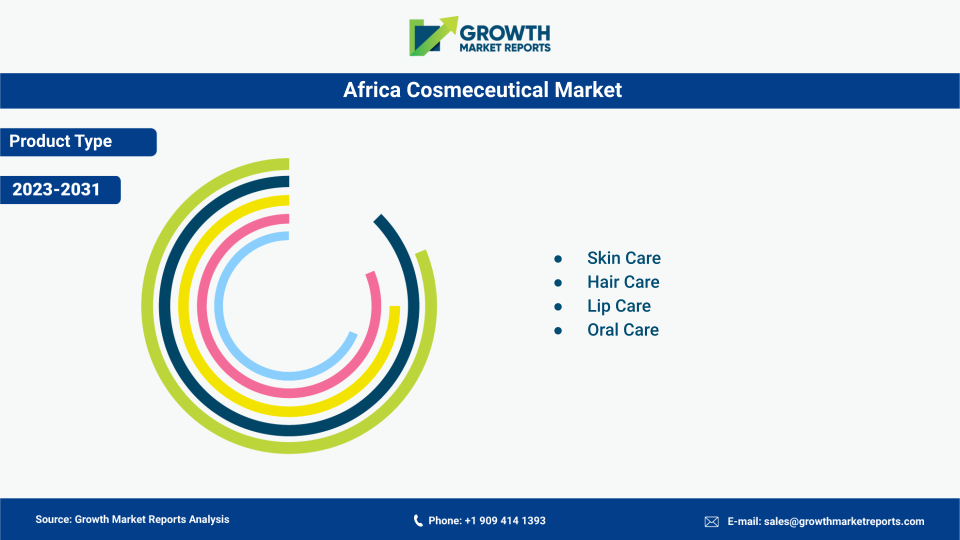
Segments - by Product Type (Skin Care, Hair Care, Oral Care, Others), by Active Ingredient (Antioxidants, Peptides, Retinoids, Botanicals, Others), by Distribution Channel (Pharmacy & Drug Stores, Supermarkets/Hypermarkets, Online Stores, Specialty Stores, Others), by End-User (Men, Women, Unisex)
According to our latest research, the global Cosmeceutical market size reached USD 74.5 billion in 2024, reflecting a robust demand for advanced personal care solutions. The market is projected to expand at a CAGR of 8.2% from 2025 to 2033, culminating in a forecasted value of USD 143.5 billion by 2033. This growth trajectory is primarily driven by rising consumer awareness regarding skin health, increased disposable incomes, and the proliferation of innovative, science-backed cosmetic products that blend pharmaceutical and cosmetic benefits. As per our latest research, the market’s expansion is also being amplified by rapid advancements in active ingredients and a surge in online retail channels.
One of the most significant growth factors for the cosmeceutical market is the increasing consumer inclination towards preventive skincare and anti-aging solutions. As global populations age, especially in developed economies, there is a marked shift in consumer preference toward products that offer both aesthetic enhancement and therapeutic benefits. The demand for products containing active ingredients such as retinoids, peptides, and antioxidants has surged, as these compounds are clinically proven to deliver visible results. Additionally, the growing prevalence of skin disorders, heightened pollution levels, and the desire for youthful, radiant skin have further fueled the adoption of cosmeceuticals over traditional cosmetics. This trend is reinforced by the proliferation of scientific research highlighting the efficacy of such products, leading to higher consumer trust and willingness to invest in premium solutions.
Another key driver is the rapid evolution of product formulations and delivery systems within the cosmeceutical market. Companies are investing heavily in R&D to develop innovative formulations that ensure better penetration of active ingredients and enhanced efficacy. The integration of biotechnology, nanotechnology, and encapsulation techniques has enabled the creation of advanced products tailored to specific skin and hair needs. Moreover, the emergence of clean and sustainable cosmeceuticals, featuring plant-based and environmentally friendly ingredients, resonates strongly with the growing demographic of eco-conscious consumers. These technological advancements not only differentiate brands in a highly competitive market but also address the increasing consumer demand for transparency, safety, and efficacy in personal care products.
The expansion of digital and online retail channels is another pivotal factor contributing to the growth of the cosmeceutical market. E-commerce platforms have democratized access to premium cosmeceutical brands, enabling consumers from diverse geographic regions to purchase products previously limited to specialty stores or dermatology clinics. The proliferation of beauty influencers and social media marketing has further accelerated product awareness and consumer education, fostering brand loyalty and repeat purchases. Online channels also facilitate personalized product recommendations and virtual consultations, enhancing the overall consumer experience. As digitalization continues to reshape the retail landscape, brands that effectively leverage these platforms are poised to capture a larger share of the growing cosmeceutical market.
From a regional perspective, North America and Europe continue to dominate the cosmeceutical market, accounting for a significant share of global revenues. However, the Asia Pacific region is witnessing the fastest growth, driven by increasing urbanization, rising disposable incomes, and a burgeoning middle class with a strong appetite for premium personal care products. Emerging markets in Latin America and the Middle East & Africa are also showing promising potential, fueled by improving healthcare infrastructure, growing awareness of cosmeceutical benefits, and the increasing presence of international brands. The interplay of these regional dynamics is expected to shape the competitive landscape and growth trajectory of the global cosmeceutical market over the forecast period.
The cosmeceutical market is segmented by product type into skin care, hair care, oral care, and others, with skin care products consistently holding the largest market share. Skin care cosmeceuticals, encompassing anti-aging creams, serums, sunscreens, and moisturizers, are in high demand due to rising consumer awareness about skin health and the prevalence of skin concerns such as hyperpigmentation, acne, and premature aging. The surge in demand for products with advanced active ingredients that promise visible results has made this segment a primary driver of overall market growth. Innovations in delivery systems, such as encapsulation and nanoemulsions, have enabled more effective penetration of actives, further boosting consumer confidence and repeat purchases.
Hair care cosmeceuticals are also experiencing substantial growth, propelled by the increasing incidence of hair loss, scalp disorders, and consumer pursuit of healthier, shinier hair. Products such as anti-dandruff shampoos, hair serums, and scalp treatments formulated with peptides, botanicals, and antioxidants are gaining traction. The trend toward natural and organic hair care solutions is particularly strong, as consumers seek products free from harsh chemicals and synthetic additives. Additionally, the rise of personalized hair care regimens, supported by digital diagnostics and AI-driven recommendations, is expected to drive further growth in this segment.
The oral care segment, while smaller compared to skin and hair care, is showing promising potential due to increased consumer focus on holistic wellness and the link between oral health and overall well-being. Cosmeceutical oral care products, including whitening toothpastes, mouthwashes with active ingredients, and enamel-strengthening formulations, are becoming increasingly popular. The integration of probiotics, herbal extracts, and innovative delivery formats is differentiating brands and attracting health-conscious consumers. This segment is expected to grow steadily as awareness of the benefits of advanced oral care continues to rise across both developed and emerging markets.
The others segment, which includes niche categories such as cosmeceutical body care, eye care, and intimate care products, is gradually expanding. These products cater to specific consumer needs, such as reducing cellulite, improving skin elasticity, or addressing sensitive areas. The growing demand for holistic self-care routines and the willingness to invest in specialized products are fueling innovation and market entry in these sub-categories. As consumer preferences evolve and the desire for comprehensive personal care solutions intensifies, the others segment is expected to witness incremental growth, contributing to the overall expansion of the cosmeceutical market.
| Attributes | Details |
| Report Title | Cosmeceutical Market Research Report 2033 |
| By Product Type | Skin Care, Hair Care, Oral Care, Others |
| By Active Ingredient | Antioxidants, Peptides, Retinoids, Botanicals, Others |
| By Distribution Channel | Pharmacy & Drug Stores, Supermarkets/Hypermarkets, Online Stores, Specialty Stores, Others |
| By End-User | Men, Women, Unisex |
| Regions Covered | North America, Europe, APAC, Latin America, MEA |
| Base Year | 2024 |
| Historic Data | 2018-2023 |
| Forecast Period | 2025-2033 |
| Number of Pages | 298 |
| Number of Tables & Figures | 386 |
| Customization Available | Yes, the report can be customized as per your need. |
The cosmeceutical market’s competitive edge lies significantly in the selection and efficacy of active ingredients. Among these, antioxidants are the most widely used, owing to their proven ability to combat oxidative stress, reduce signs of aging, and protect the skin from environmental aggressors. Ingredients such as vitamin C, vitamin E, and coenzyme Q10 are commonly featured in a wide array of products, from serums to sunscreens. The increasing body of scientific evidence supporting the benefits of antioxidants has led to their integration into both mass-market and premium cosmeceutical offerings, enhancing product appeal and consumer trust.
Peptides represent another critical category of active ingredients, lauded for their role in stimulating collagen production, improving skin firmness, and reducing the appearance of fine lines and wrinkles. The development of novel peptide complexes and their incorporation into anti-aging products have significantly elevated the efficacy standards within the cosmeceutical industry. Peptides are also being explored for their potential in hair growth and scalp health, broadening their application across multiple product types. As research into peptide technology advances, their use in cosmeceuticals is expected to become even more sophisticated and widespread.
Retinoids, particularly retinol and its derivatives, remain a gold standard in cosmeceutical formulations targeting skin rejuvenation, acne treatment, and pigmentation correction. The demand for retinoid-based products is fueled by their clinically validated performance and endorsement by dermatologists worldwide. However, the challenge of minimizing irritation and enhancing tolerability has led to the development of next-generation retinoids and encapsulated delivery systems. These innovations are making retinoids more accessible to a broader consumer base, including those with sensitive skin, thereby expanding their market potential.
Botanicals and plant-derived actives are gaining traction due to the growing consumer preference for natural, clean-label, and sustainable ingredients. Extracts from green tea, aloe vera, chamomile, and other botanicals are valued for their soothing, anti-inflammatory, and antioxidant properties. The trend toward botanical cosmeceuticals is particularly strong among younger consumers and those with sensitive skin, reflecting a broader shift toward wellness-oriented personal care. Companies are investing in sourcing high-quality botanicals and validating their efficacy through clinical studies, further elevating the appeal of this segment.
The others category includes a diverse range of actives such as hyaluronic acid, ceramides, growth factors, and probiotics. These ingredients address specific skin and hair concerns, such as hydration, barrier repair, and microbiome balance. The continuous introduction of novel actives and the customization of formulations to target unique consumer needs are driving innovation and differentiation in the cosmeceutical market. As consumers become more educated and discerning, the demand for products featuring scientifically substantiated active ingredients is expected to rise, shaping the future of the industry.
Distribution channels play a pivotal role in shaping the reach and success of cosmeceutical brands. Pharmacy and drug stores remain a dominant channel, particularly in developed markets, due to their association with trust, expert advice, and accessibility. Consumers often seek cosmeceuticals in these outlets on the recommendation of dermatologists and pharmacists, especially for products addressing specific skin or hair concerns. The credibility and professional endorsement offered by pharmacy settings enhance consumer confidence and facilitate the adoption of new and advanced formulations.
Supermarkets and hypermarkets are also significant distribution channels, especially for mass-market cosmeceutical products. These outlets offer convenience, competitive pricing, and the ability to compare multiple brands in one location. The expansion of cosmeceutical sections within major retail chains reflects the growing mainstream acceptance of these products. Promotional activities, in-store sampling, and loyalty programs further incentivize purchases, making supermarkets and hypermarkets a key growth driver for the market.
The rise of online stores has been transformative for the cosmeceutical market, democratizing access to a wide range of products and brands. E-commerce platforms offer unparalleled convenience, extensive product information, and user reviews, empowering consumers to make informed decisions. The integration of AI-driven recommendation engines, virtual consultations, and targeted marketing campaigns has enhanced the online shopping experience, driving higher conversion rates and customer loyalty. The COVID-19 pandemic accelerated the shift to online retail, and this trend is expected to persist as consumers increasingly value convenience and digital engagement.
Specialty stores, including beauty boutiques and exclusive brand outlets, cater to consumers seeking personalized service and curated product selections. These stores often offer premium cosmeceuticals, expert consultations, and tailored recommendations, creating a differentiated shopping experience. The focus on education, experiential marketing, and loyalty programs helps build strong brand-consumer relationships and drives repeat business. Specialty stores are particularly popular in urban centers and among consumers seeking high-touch, luxury experiences.
The others category encompasses emerging channels such as direct sales, spa and wellness centers, and medical clinics. These channels are gaining traction as consumers seek professional guidance and integrated wellness solutions. The collaboration between cosmeceutical brands and healthcare professionals is enhancing product credibility and expanding market reach. As the landscape of retail continues to evolve, brands that adopt an omnichannel approach and leverage multiple distribution channels are best positioned to capture the diverse needs of today’s consumers.
The cosmeceutical market is segmented by end-user into men, women, and unisex, with women historically representing the largest consumer base. Women’s demand for cosmeceuticals is driven by heightened awareness of skincare, anti-aging, and beauty trends, as well as a willingness to invest in premium solutions that deliver visible results. The proliferation of products targeting specific female concerns, such as hormonal acne, pigmentation, and skin elasticity, has further fueled market growth. Marketing campaigns tailored to women’s lifestyles and preferences play a crucial role in shaping purchasing decisions and brand loyalty.
The men’s segment, while smaller in absolute terms, is experiencing rapid growth as societal norms around male grooming and self-care evolve. Men are increasingly seeking products that address unique concerns such as shaving irritation, hair loss, and oily skin. Brands are responding with gender-specific formulations, targeted marketing, and packaging designed to appeal to male consumers. The rise of social media and influencer marketing has also contributed to breaking down taboos around male grooming, encouraging more men to invest in cosmeceutical products.
The unisex segment is gaining prominence as consumers gravitate toward gender-neutral products that prioritize efficacy and inclusivity over traditional gender distinctions. This trend is particularly strong among younger consumers who value simplicity, convenience, and sustainability. Unisex cosmeceuticals often feature minimalist packaging, universal formulations, and marketing that emphasizes diversity and self-expression. The shift toward unisex offerings reflects broader societal changes and the desire for products that cater to a wide range of skin and hair types without reinforcing gender stereotypes.
The increasing diversity of end-users is prompting brands to expand their product portfolios and adopt more inclusive marketing strategies. Customization and personalization are becoming key differentiators, as consumers seek products tailored to their unique needs and preferences. The use of digital diagnostics, AI-powered recommendations, and direct-to-consumer sales models is enabling brands to deliver more personalized experiences, driving higher engagement and loyalty across all end-user segments.
As the cosmeceutical market continues to evolve, understanding the nuanced preferences and behaviors of different end-user groups will be critical to sustained growth. Brands that successfully navigate the complexities of gender, age, and cultural diversity are best positioned to capture emerging opportunities and build long-term customer relationships in this dynamic market.
The cosmeceutical market presents significant opportunities for both established players and new entrants. One of the most promising areas is the development of personalized and targeted solutions, leveraging advances in genomics, skin microbiome research, and AI-driven diagnostics. Companies that invest in R&D to create products tailored to individual skin types, concerns, and genetic profiles can differentiate themselves and command premium pricing. Additionally, the growing demand for clean, sustainable, and ethically sourced ingredients offers opportunities for brands to align with consumer values and capture the loyalty of environmentally conscious buyers. The integration of digital health platforms, teledermatology, and virtual consultations further enhances the potential for personalized product recommendations and ongoing consumer engagement.
Another major opportunity lies in the expansion into emerging markets, particularly in Asia Pacific, Latin America, and the Middle East & Africa. Rising disposable incomes, urbanization, and increasing awareness of personal care and wellness are driving demand for cosmeceuticals in these regions. Brands that adapt their product offerings, marketing strategies, and distribution channels to local preferences and regulatory environments can tap into vast, underserved consumer bases. Collaborations with local influencers, healthcare professionals, and retail partners can accelerate market penetration and brand recognition. Furthermore, the ongoing digital transformation of the retail landscape provides opportunities for brands to reach new audiences through e-commerce, social media, and mobile platforms.
Despite these opportunities, the cosmeceutical market faces several restraining factors, chief among them being regulatory complexity and the risk of product claims litigation. The lack of standardized definitions and regulations for cosmeceuticals across different jurisdictions creates challenges for product development, labeling, and marketing. Companies must navigate a patchwork of requirements related to safety, efficacy, and permissible claims, which can delay product launches and increase compliance costs. Additionally, heightened consumer awareness and scrutiny of ingredient safety have led to increased demand for transparency and third-party validation. Brands that fail to substantiate their claims or address safety concerns risk reputational damage and legal action, underscoring the importance of robust R&D, clinical testing, and transparent communication.
North America remains the largest regional market for cosmeceuticals, accounting for approximately USD 27.5 billion of the global market in 2024. The region’s dominance is underpinned by high consumer awareness, strong purchasing power, and a well-established retail infrastructure. The United States, in particular, is a hub for innovation, with leading brands and research institutions driving advances in active ingredients and delivery systems. The prevalence of skin disorders, coupled with a strong emphasis on preventive healthcare and wellness, continues to fuel demand for advanced cosmeceutical products. The region also benefits from a favorable regulatory environment that supports product innovation while ensuring consumer safety.
Europe is the second-largest market, with revenues reaching USD 21.3 billion in 2024. The region is characterized by a sophisticated consumer base, high standards for product quality and safety, and a strong tradition of skincare and beauty. Countries such as France, Germany, and the United Kingdom are key contributors to market growth, supported by a vibrant ecosystem of local and international brands. The European market is also witnessing a surge in demand for natural and organic cosmeceuticals, reflecting broader trends toward sustainability and wellness. With a projected CAGR of 7.5% from 2025 to 2033, Europe is expected to maintain steady growth, driven by ongoing innovation and evolving consumer preferences.
The Asia Pacific region is emerging as the fastest-growing market, with a market size of USD 16.8 billion in 2024 and a projected CAGR of 10.4% through 2033. Rapid urbanization, rising incomes, and a burgeoning middle class are driving demand for premium personal care products across countries such as China, Japan, South Korea, and India. The influence of K-beauty and J-beauty trends, coupled with a strong culture of skincare and innovation, is shaping consumer preferences and fueling the adoption of cosmeceuticals. The region’s dynamic retail landscape, including the rapid growth of e-commerce and social commerce platforms, is enabling brands to reach a wider audience and accelerate market penetration. As awareness of skin health and wellness continues to rise, Asia Pacific is poised to become a major engine of growth for the global cosmeceutical market.
The global cosmeceutical market is highly competitive, characterized by the presence of established multinational corporations, emerging regional players, and a growing number of niche brands. The competitive landscape is shaped by continuous innovation, aggressive marketing, and a relentless focus on product efficacy and safety. Leading companies invest heavily in research and development to create differentiated products with clinically proven benefits, leveraging advances in biotechnology, nanotechnology, and dermatology. Strategic collaborations with academic institutions, research organizations, and healthcare professionals further enhance their ability to bring cutting-edge solutions to market. In addition, companies are increasingly adopting digital transformation strategies, including e-commerce, data analytics, and personalized marketing, to strengthen consumer engagement and loyalty.
Brand reputation and consumer trust are critical success factors in the cosmeceutical market, given the premium positioning and therapeutic claims associated with these products. Companies invest in robust clinical testing, transparent communication, and third-party certifications to substantiate their claims and build credibility. The rise of social media and influencer marketing has added a new dimension to brand building, enabling companies to reach younger, digitally savvy consumers and foster brand advocacy. At the same time, the proliferation of new entrants and private label brands has intensified competition, driving innovation and price competitiveness across all segments.
Mergers and acquisitions, strategic alliances, and portfolio diversification are common strategies employed by major players to expand their market presence and access new technologies or distribution channels. Companies are also focusing on sustainability initiatives, such as eco-friendly packaging, ethical sourcing of ingredients, and carbon footprint reduction, to align with evolving consumer values and regulatory requirements. The ability to anticipate and respond to emerging trends, such as personalized skincare, clean beauty, and holistic wellness, will be critical to maintaining a competitive edge in the rapidly evolving cosmeceutical market.
Some of the key players in the global cosmeceutical market include L’Oréal Group, Procter & Gamble, Estée Lauder Companies, Shiseido Company, Beiersdorf AG, Johnson & Johnson, Unilever, Allergan (AbbVie), Amorepacific Corporation, and Galderma. L’Oréal Group leads the market with its extensive portfolio of skincare, hair care, and makeup products, backed by strong R&D capabilities and a global distribution network. Estée Lauder Companies is renowned for its premium skincare and anti-aging solutions, leveraging advanced active ingredients and luxury branding. Shiseido Company and Amorepacific Corporation are prominent players in the Asia Pacific region, known for their innovation in skin science and their ability to tap into local beauty trends.
Johnson & Johnson and Procter & Gamble have a strong presence in both mass-market and premium segments, with a focus on science-backed formulations and broad consumer reach. Beiersdorf AG, the parent company of NIVEA, is a leader in dermatologically tested skincare products, emphasizing efficacy and safety. Unilever has expanded its cosmeceutical offerings through acquisitions and innovation, catering to diverse consumer needs across global markets. Allergan (AbbVie) and Galderma are key players in the medical cosmeceutical segment, offering prescription-strength products and collaborating with dermatologists and healthcare professionals. The ongoing evolution of the competitive landscape, marked by continuous innovation, strategic partnerships, and a focus on consumer-centric solutions, is expected to drive sustained growth and transformation in the global cosmeceutical market.
The Cosmeceutical market has been segmented on the basis of
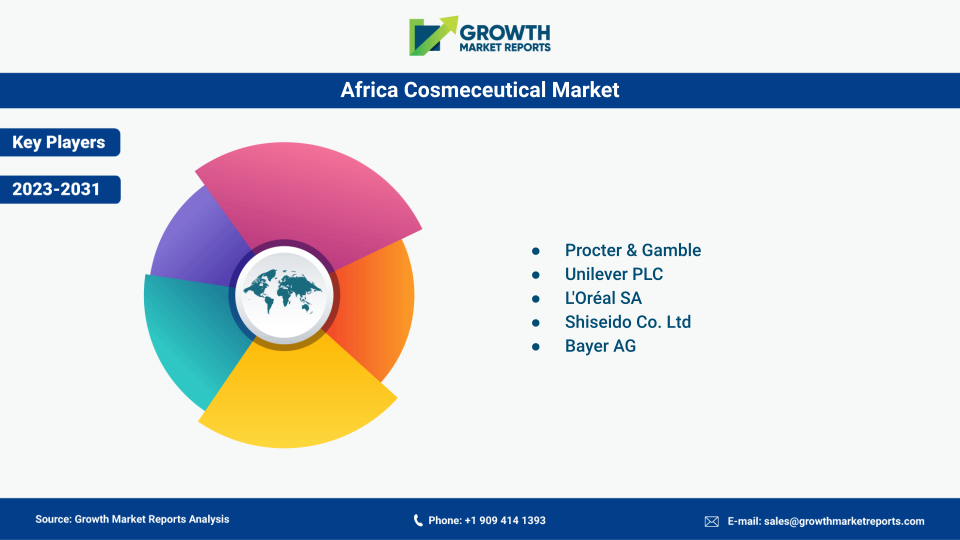
Key players competing in the Africa cosmeceutical market are Procter & Gamble; Unilever PLC; L'Oréal SA; Shiseido Co. Ltd; and Bayer AG.
Companies are engaging in partnerships with various distribution partners to expand their market share.
Major challenges include regulatory complexity, risk of product claims litigation, the need for transparency and third-party validation, and intense competition from both established and emerging brands.
Key companies include L’Oréal Group, Estée Lauder Companies, Procter & Gamble, Shiseido, Unilever, Johnson & Johnson, Beiersdorf AG, Allergan (AbbVie), Amorepacific, Galderma, and others.
Trends include personalized and AI-driven skincare, clean and sustainable ingredients, digital health integration, e-commerce growth, and the rise of gender-neutral and unisex products.
Cosmeceuticals are distributed through pharmacy and drug stores, supermarkets/hypermarkets, online stores, specialty stores, and emerging channels like spas, wellness centers, and medical clinics.
North America and Europe currently dominate the market, but Asia Pacific is the fastest-growing region due to urbanization, rising incomes, and a growing middle class.
The most widely used active ingredients are antioxidants (like vitamin C and E), peptides, retinoids, botanicals, hyaluronic acid, ceramides, growth factors, and probiotics.
Skin care products, such as anti-aging creams, serums, sunscreens, and moisturizers, hold the largest market share, followed by hair care, oral care, and niche categories like body and eye care.
Key growth drivers include rising consumer awareness about skin health, increased disposable incomes, demand for anti-aging and preventive skincare, technological advancements in active ingredients, and the expansion of online retail channels.
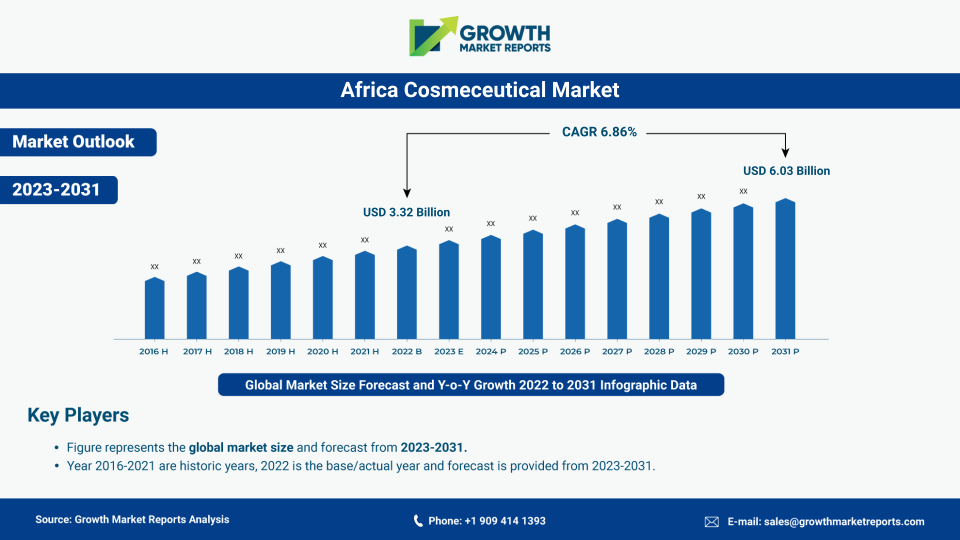
The cosmeceutical market is expected to grow at a CAGR of 8.2% from 2025 to 2033, reaching an estimated value of USD 143.5 billion by 2033.
As of 2024, the global cosmeceutical market size reached USD 74.5 billion, with strong demand for advanced personal care solutions.