Segments - by Pass Graft Devices Market Product Type (On-Pump CABG Devices, Off-Pump CABG Devices, Endoscopic Vessel Harvesting Systems, Anastomosis Assist Devices, Others), by Procedure (Single Vessel, Double Vessel, Triple Vessel, Quadruple Vessel), by End User (Hospitals, Cardiac Centers, Ambulatory Surgical Centers, Others)
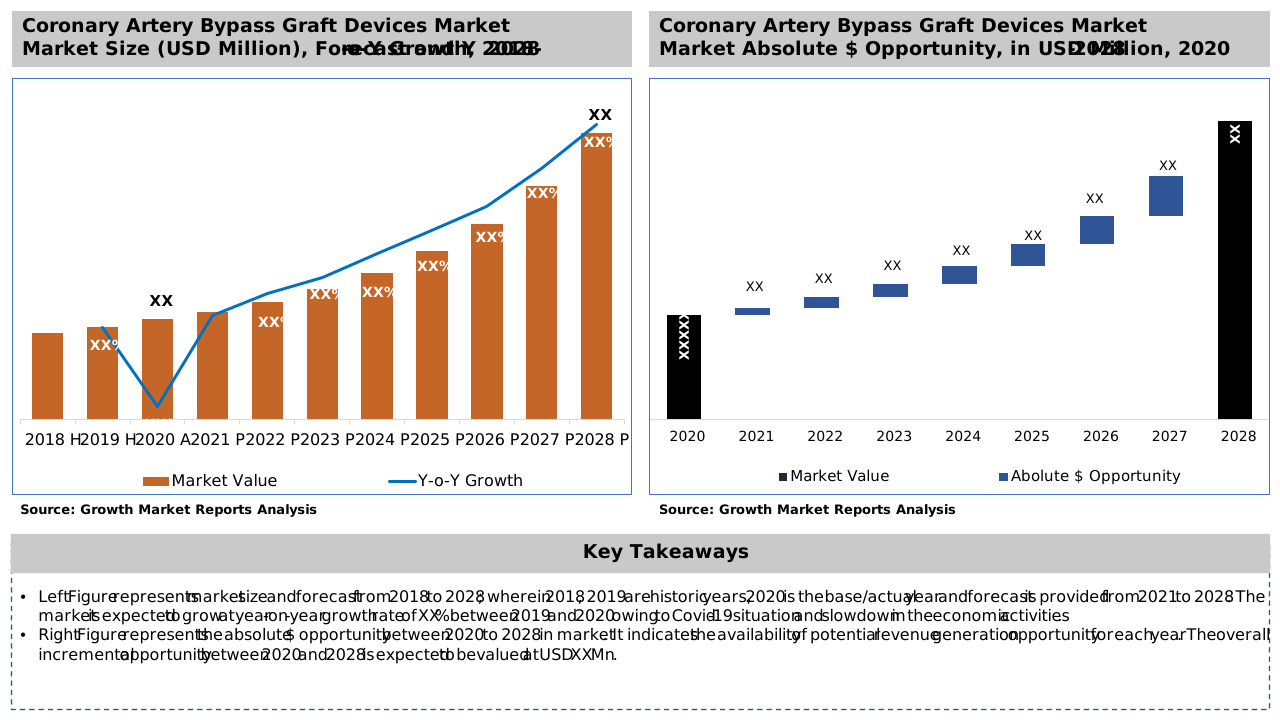
According to our latest research, the global coronary artery bypass graft (CABG) devices market size reached USD 2.71 billion in 2024, registering a robust growth trajectory. The market is expected to expand at a CAGR of 6.1% from 2025 to 2033, reaching a forecasted value of USD 4.61 billion by 2033. This significant growth is primarily attributed to the increasing prevalence of coronary artery disease (CAD), advancements in surgical techniques, and a rising geriatric population susceptible to cardiovascular ailments worldwide. The market’s upward trend is further supported by technological innovations and the growing adoption of minimally invasive procedures, as per our latest research findings.
The primary growth driver for the coronary artery bypass graft devices market is the escalating incidence of cardiovascular diseases, particularly coronary artery disease, which remains one of the leading causes of mortality globally. The prevalence of risk factors such as hypertension, diabetes, obesity, sedentary lifestyles, and tobacco use has increased, contributing to a higher demand for coronary revascularization procedures. Furthermore, the aging population, which is more susceptible to heart-related conditions, is expanding rapidly in both developed and emerging economies. This demographic shift, coupled with increased awareness and early diagnosis of CAD, is fueling the demand for advanced CABG devices and related surgical interventions.
Technological advancements in CABG devices have significantly enhanced surgical outcomes, safety, and patient recovery times, thereby boosting market growth. Innovations such as minimally invasive and robotic-assisted CABG techniques, improved anastomosis assist devices, and advanced vessel harvesting systems have reduced perioperative complications and improved graft patency rates. These technological improvements have also led to shorter hospital stays and faster patient rehabilitation, making CABG procedures more appealing to both patients and healthcare providers. In addition, the integration of artificial intelligence and machine learning in preoperative planning and intraoperative guidance is expected to further elevate the standard of care in coronary artery bypass surgeries.
Another key growth factor is the increasing adoption of off-pump and endoscopic techniques, which minimize the need for cardiopulmonary bypass and reduce the risk of postoperative complications. This shift toward less invasive procedures is driven by patient preference for reduced trauma, lower infection rates, and quicker recovery. Additionally, favorable reimbursement policies and the expansion of healthcare infrastructure in emerging economies are facilitating greater access to CABG procedures. The growing number of specialized cardiac centers and skilled surgeons is also contributing to the market’s expansion, as more patients are able to undergo timely and effective coronary revascularization.
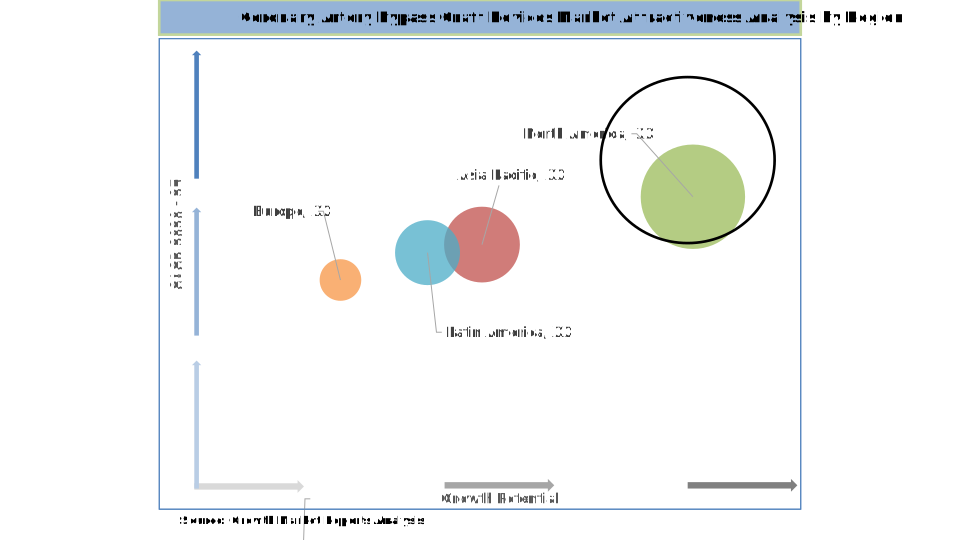
From a regional perspective, North America currently dominates the coronary artery bypass graft devices market, accounting for the largest share due to its advanced healthcare infrastructure, high prevalence of cardiovascular diseases, and significant investments in research and development. Europe follows closely, supported by well-established cardiac care systems and increasing healthcare expenditures. However, the Asia Pacific region is anticipated to witness the highest growth rate during the forecast period, driven by rapid urbanization, increasing healthcare awareness, and rising disposable incomes. Emerging markets in Latin America and the Middle East & Africa are also exhibiting promising growth potential, owing to improving healthcare systems and government initiatives to combat cardiovascular diseases.
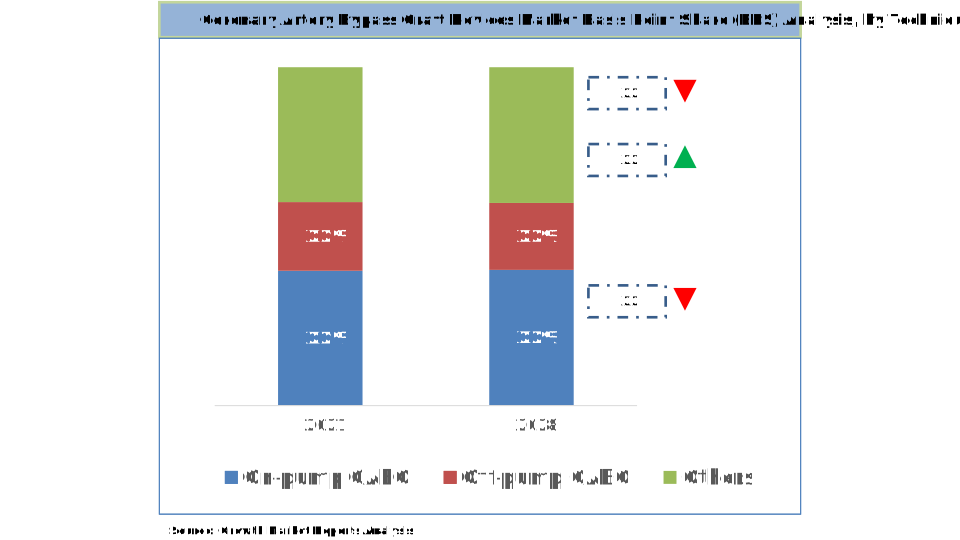
The coronary artery bypass graft devices market by product type is segmented into on-pump CABG devices, off-pump CABG devices, endoscopic vessel harvesting systems, anastomosis assist devices, and others. On-pump CABG devices have traditionally held a significant market share due to their widespread adoption in conventional bypass surgeries. These devices enable surgeons to perform complex grafting procedures with the heart temporarily stopped, ensuring a stable and bloodless field. Despite the emergence of alternative techniques, on-pump CABG remains the gold standard for patients with multiple or complex coronary lesions, contributing to its sustained demand in the market.
The off-pump CABG devices segment is gaining momentum, driven by the growing preference for minimally invasive approaches that avoid the use of a heart-lung machine. Off-pump procedures reduce the risk of complications associated with cardiopulmonary bypass, such as stroke, inflammation, and neurocognitive deficits. This segment is expected to witness robust growth as more surgeons gain expertise in off-pump techniques and as clinical evidence continues to demonstrate favorable outcomes, particularly in high-risk patient populations. The rising adoption of off-pump CABG is also supported by advancements in stabilizers and positioners that facilitate precise graft placement on the beating heart.
Endoscopic vessel harvesting systems have revolutionized the graft harvesting process by enabling minimally invasive extraction of blood vessels, such as the saphenous vein or radial artery, for use in bypass grafting. These systems offer several advantages over traditional open harvesting methods, including reduced wound complications, less postoperative pain, and faster patient recovery. The increasing demand for endoscopic vessel harvesting is driven by the dual benefits of improved clinical outcomes and enhanced patient satisfaction. As healthcare providers strive to minimize surgical trauma and optimize recovery, the adoption of endoscopic systems is expected to rise steadily in both developed and emerging markets.
Anastomosis assist devices represent another critical segment, designed to facilitate precise and efficient connection of graft vessels to the coronary arteries. These devices help standardize the anastomosis process, reduce operative time, and improve graft patency rates. Innovations in this segment, such as automated and sutureless anastomosis systems, are gaining traction among cardiac surgeons seeking to enhance procedural consistency and safety. The “others” category includes ancillary devices and instruments that support CABG procedures, such as retractors, clamps, and cannulas, which continue to play a vital role in ensuring successful surgical outcomes.
Overall, the product type landscape in the coronary artery bypass graft devices market is evolving rapidly, driven by ongoing research and development, technological innovation, and a growing emphasis on minimally invasive and patient-centric surgical solutions. As the market matures, competition among device manufacturers is intensifying, leading to continuous product enhancements and expanded portfolios tailored to the diverse needs of cardiac surgeons and patients worldwide.
| Attributes | Details |
| Report Title | Coronary Artery Bypass Graft Devices Market Research Report 2033 |
| By Pass Graft Devices Market Product Type | On-Pump CABG Devices, Off-Pump CABG Devices, Endoscopic Vessel Harvesting Systems, Anastomosis Assist Devices, Others |
| By Procedure | Single Vessel, Double Vessel, Triple Vessel, Quadruple Vessel |
| By End User | Hospitals, Cardiac Centers, Ambulatory Surgical Centers, Others |
| Regions Covered | North America, Europe, APAC, Latin America, MEA |
| Base Year | 2024 |
| Historic Data | 2018-2023 |
| Forecast Period | 2025-2033 |
| Number of Pages | 259 |
| Number of Tables & Figures | 266 |
| Customization Available | Yes, the report can be customized as per your need. |
The coronary artery bypass graft devices market is further segmented by procedure, including single vessel, double vessel, triple vessel, and quadruple vessel CABG. Single vessel CABG procedures are typically performed in patients with isolated coronary artery blockages, often involving the left anterior descending artery. While less complex than multi-vessel procedures, single vessel CABG remains a common intervention, particularly among younger patients or those with early-stage coronary artery disease. The demand for single vessel CABG devices is supported by increased screening and early diagnosis, enabling timely intervention before disease progression.
Double vessel CABG procedures address blockages in two major coronary arteries and are associated with a moderate degree of surgical complexity. The growing prevalence of multi-vessel coronary artery disease, coupled with advancements in imaging and diagnostic technologies, has led to an increase in double vessel CABG interventions. These procedures require precise device selection and surgical planning to ensure optimal revascularization and long-term patient outcomes. As clinical guidelines increasingly recommend surgical intervention for patients with significant double vessel disease, the demand for specialized CABG devices in this segment is expected to rise.
Triple vessel CABG is indicated for patients with extensive coronary artery disease affecting three major vessels. This procedure is more complex and often necessitates the use of advanced devices and technologies to ensure successful graft placement and patency. The triple vessel CABG segment represents a significant share of the overall market, as it is frequently performed in patients with diabetes, left ventricular dysfunction, or diffuse atherosclerosis. The adoption of innovative devices, such as automated anastomosis systems and endoscopic harvesting tools, is particularly prominent in this segment, as surgeons seek to minimize operative risk and enhance long-term graft survival.
Quadruple vessel CABG is reserved for patients with severe and diffuse coronary artery disease involving four or more vessels. This highly complex procedure requires meticulous surgical technique and the use of multiple grafts, often harvested from different anatomical sites. The quadruple vessel CABG segment, while smaller in volume compared to other procedures, represents a critical area of clinical need, particularly among high-risk and elderly patients. The demand for advanced CABG devices in this segment is driven by the need for reliable and efficient tools that can facilitate complex grafting procedures and reduce perioperative morbidity and mortality.
In summary, the procedure-based segmentation of the coronary artery bypass graft devices market reflects the diverse clinical scenarios encountered in cardiac surgery. Device manufacturers are increasingly focusing on developing tailored solutions that address the unique challenges of each procedure type, from single vessel to quadruple vessel CABG. As surgical techniques continue to evolve and patient populations become more complex, the demand for innovative and specialized CABG devices is expected to grow across all procedural segments.
The end user segmentation of the coronary artery bypass graft devices market includes hospitals, cardiac centers, ambulatory surgical centers, and others. Hospitals remain the largest end user segment, accounting for a substantial share of the market. This dominance is attributed to the presence of advanced surgical infrastructure, multidisciplinary cardiac care teams, and the capacity to manage complex and high-risk cases. Hospitals are often the primary sites for CABG procedures, particularly in regions with well-established healthcare systems and high patient volumes. The ongoing investment in hospital-based cardiac surgery programs and the adoption of cutting-edge CABG technologies further reinforce the central role of hospitals in this market.
Cardiac centers, which are specialized facilities focused exclusively on cardiovascular care, are emerging as key end users of CABG devices. These centers offer dedicated resources, highly skilled surgical teams, and state-of-the-art equipment for the diagnosis and treatment of coronary artery disease. The growing trend toward specialization and the establishment of cardiac centers in both urban and rural areas are driving the demand for advanced CABG devices tailored to the unique needs of these facilities. Cardiac centers are particularly well-positioned to adopt minimally invasive and robotic-assisted CABG techniques, given their focus on innovation and excellence in cardiac care.
Ambulatory surgical centers (ASCs) are gaining traction as alternative sites for select CABG procedures, particularly minimally invasive and off-pump interventions. ASCs offer several advantages, including lower costs, shorter wait times, and a more patient-friendly environment compared to traditional hospital settings. The increasing adoption of minimally invasive CABG techniques, coupled with advancements in anesthesia and perioperative care, is enabling a growing number of procedures to be safely performed in ambulatory settings. This trend is expected to continue, particularly in regions with high demand for cost-effective and accessible cardiac care.
The “others” category encompasses a range of healthcare facilities, including clinics, research institutions, and academic medical centers, that utilize CABG devices for clinical practice, research, and training. These institutions play a vital role in advancing the field of coronary artery bypass surgery through clinical trials, technology assessment, and the dissemination of best practices. The demand for CABG devices in these settings is driven by ongoing research and development activities, as well as the need for hands-on training and education for the next generation of cardiac surgeons.
Overall, the end user landscape in the coronary artery bypass graft devices market is characterized by a diverse array of healthcare providers, each with unique requirements and priorities. Device manufacturers are increasingly tailoring their product offerings and support services to meet the specific needs of hospitals, cardiac centers, ASCs, and other end users. As the market continues to evolve, collaboration between device companies and healthcare providers will be essential to drive innovation, improve patient outcomes, and expand access to life-saving CABG procedures worldwide.
The coronary artery bypass graft devices market presents a myriad of opportunities for growth and innovation. One of the most significant opportunities lies in the development and commercialization of next-generation minimally invasive and robotic-assisted CABG devices. As patient and provider demand for less invasive surgical options continues to rise, manufacturers that can deliver reliable, user-friendly, and cost-effective solutions are poised to capture substantial market share. Additionally, the ongoing expansion of healthcare infrastructure in emerging economies presents a lucrative opportunity for device companies to penetrate new markets and address the growing burden of coronary artery disease in these regions. Strategic partnerships with local healthcare providers, government agencies, and distributors can facilitate market entry and drive adoption of advanced CABG technologies.
Another key opportunity is the integration of digital health technologies, such as artificial intelligence, telemedicine, and remote monitoring, into the CABG care continuum. These innovations have the potential to enhance preoperative planning, intraoperative guidance, and postoperative follow-up, leading to improved surgical outcomes and patient satisfaction. Furthermore, the increasing focus on personalized medicine and risk stratification is driving demand for devices and tools that can be tailored to individual patient profiles. Companies that invest in research and development, clinical validation, and regulatory compliance are well positioned to capitalize on these emerging trends and establish themselves as leaders in the coronary artery bypass graft devices market.
Despite the numerous opportunities for growth, the market also faces several restraining factors that could impede its expansion. One of the primary challenges is the high cost of CABG procedures and devices, which can limit access for patients in low- and middle-income countries. Reimbursement policies and budget constraints in public healthcare systems may also restrict the adoption of advanced CABG technologies, particularly in resource-limited settings. Additionally, the complexity of regulatory approval processes and the need for robust clinical evidence can delay the introduction of new devices to the market. Addressing these challenges will require concerted efforts from industry stakeholders, policymakers, and healthcare providers to ensure that innovative CABG solutions are accessible, affordable, and safe for patients worldwide.
From a regional perspective, North America leads the coronary artery bypass graft devices market, with a market size of approximately USD 1.05 billion in 2024. The region’s dominance is driven by a high prevalence of coronary artery disease, advanced healthcare infrastructure, and a strong focus on research and development. The United States, in particular, accounts for the largest share of the North American market, supported by a large patient population, well-established cardiac surgery programs, and favorable reimbursement policies. Canada also contributes significantly to regional growth, with ongoing investments in cardiac care and technology adoption.
Europe is the second-largest market, with a value of around USD 740 million in 2024. The region benefits from a robust network of cardiac centers, high healthcare expenditure, and a strong emphasis on quality and patient outcomes. Countries such as Germany, the United Kingdom, France, and Italy are at the forefront of CABG device adoption, driven by a combination of clinical expertise, technological innovation, and supportive regulatory frameworks. The European market is projected to grow at a CAGR of 5.8% through 2033, reflecting continued investment in advanced cardiac care and rising demand for minimally invasive procedures.
The Asia Pacific region is poised for the fastest growth, with a market size of USD 620 million in 2024 and a projected CAGR of 7.8% over the forecast period. Rapid urbanization, increasing healthcare awareness, and rising disposable incomes are driving demand for CABG procedures and devices in countries such as China, India, Japan, and South Korea. Government initiatives to expand healthcare access and combat the growing burden of cardiovascular disease are further supporting market growth. Latin America and the Middle East & Africa, with market sizes of USD 210 million and USD 90 million respectively in 2024, are also exhibiting steady growth, fueled by improving healthcare infrastructure and increasing investments in cardiac care.
The competitive landscape of the coronary artery bypass graft devices market is characterized by the presence of several leading global and regional players, each striving to enhance their market position through innovation, strategic partnerships, and geographic expansion. Companies are investing heavily in research and development to introduce next-generation CABG devices that offer improved safety, efficacy, and ease of use. The market is witnessing a trend toward consolidation, with larger players acquiring smaller companies to broaden their product portfolios and gain access to new technologies and markets. Intense competition is driving continuous product enhancements, with a focus on minimally invasive and robotic-assisted solutions that address the evolving needs of cardiac surgeons and patients.
In addition to product innovation, companies are also prioritizing regulatory compliance and clinical validation to ensure the safety and effectiveness of their CABG devices. Securing approvals from major regulatory agencies such as the U.S. Food and Drug Administration (FDA) and the European Medicines Agency (EMA) is critical for market entry and expansion. Manufacturers are also investing in post-market surveillance and real-world evidence generation to demonstrate the long-term benefits of their devices and support reimbursement decisions. Collaboration with key opinion leaders, academic institutions, and healthcare providers is playing a pivotal role in driving adoption and establishing clinical best practices.
The competitive dynamics of the market are further influenced by the growing emphasis on customer support, training, and education. Device companies are increasingly offering comprehensive training programs, technical assistance, and educational resources to help surgeons and healthcare teams optimize the use of their products. These initiatives are essential for building brand loyalty, enhancing user satisfaction, and ensuring the successful adoption of advanced CABG technologies. Strategic alliances with hospitals, cardiac centers, and research organizations are also facilitating the development and dissemination of innovative solutions tailored to specific clinical needs.
Some of the major companies operating in the coronary artery bypass graft devices market include Medtronic plc, Boston Scientific Corporation, Getinge AB, Terumo Corporation, Edwards Lifesciences Corporation, LivaNova PLC, Maquet Holding B.V. & Co. KG, Sorin Group, Cardiovascular Systems Inc., and Genesee Biomedical Inc.. Medtronic is renowned for its comprehensive portfolio of cardiac surgery products, including innovative CABG devices and minimally invasive solutions. Boston Scientific has a strong presence in interventional cardiology and surgical devices, with a focus on advancing patient outcomes through technology and clinical research.
Getinge AB and Terumo Corporation are recognized for their leadership in cardiovascular surgery and perfusion technologies, offering a wide range of CABG devices and support systems. Edwards Lifesciences and LivaNova are at the forefront of innovation in heart valve and cardiac surgery devices, with a growing emphasis on minimally invasive and robotic-assisted solutions. Maquet, a subsidiary of Getinge, is a key player in the development of advanced surgical instruments and systems for CABG procedures. Sorin Group and Cardiovascular Systems have established themselves as innovators in the field of vascular and cardiac surgery, while Genesee Biomedical is known for its specialized anastomosis assist devices and surgical instruments.
These companies are actively engaged in expanding their global footprint through strategic acquisitions, partnerships, and product launches. They are also investing in clinical trials, regulatory approvals, and market access initiatives to strengthen their competitive position and address the evolving needs of healthcare providers and patients. As the coronary artery bypass graft devices market continues to grow and evolve, the ability to deliver innovative, high-quality, and cost-effective solutions will be the key differentiator for success in this dynamic and competitive landscape.
The Coronary Artery Bypass Graft Devices market has been segmented on the basis of
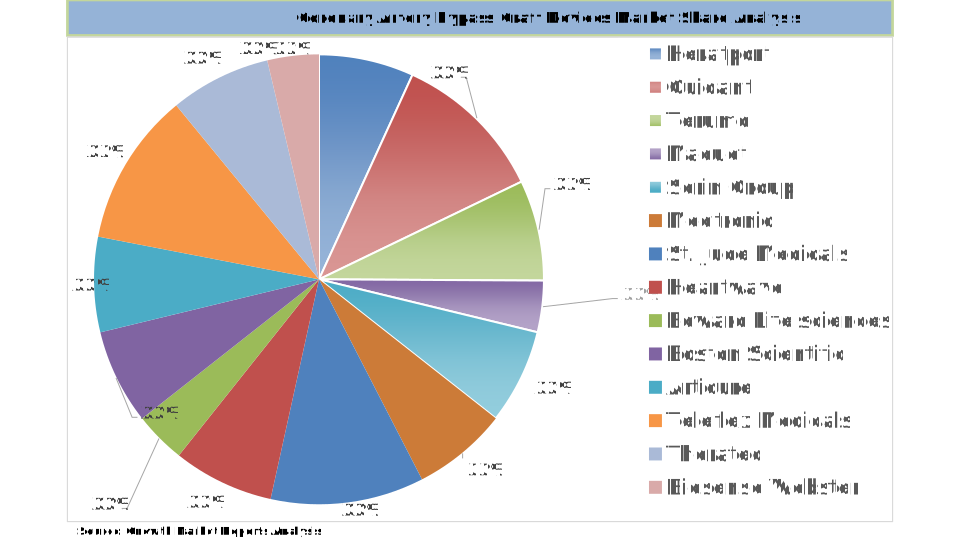
The key market players in the global coronary artery bypass graft devices market are Heratport; Guidant; Terumo; Maquet; Sorin Group; Medtronic; St. Jude Medicals; Heartwave; Edward Life sciences; Boston Scientific; Articure; Teleflex Medicals; Thoratec; and Biosense Webster.
Opportunities include the development of next-generation minimally invasive and robotic-assisted devices, integration of digital health technologies like AI and telemedicine, and expansion into emerging markets with growing healthcare infrastructure.
Leading companies include Medtronic plc, Boston Scientific Corporation, Terumo Corporation, Edwards Lifesciences Corporation, LivaNova PLC, Getinge AB, Maquet Cardiopulmonary GmbH, and others.
Key challenges include the high cost of CABG procedures and devices, reimbursement limitations in some regions, and complex regulatory approval processes.
Major end users include hospitals, cardiac centers, ambulatory surgical centers, and other healthcare facilities such as clinics and research institutions.
Minimally invasive and robotic-assisted CABG techniques are reducing perioperative complications, shortening hospital stays, and improving patient recovery, which is boosting the adoption of advanced CABG devices.
The market is segmented into on-pump CABG devices, off-pump CABG devices, endoscopic vessel harvesting systems, anastomosis assist devices, and other ancillary devices.
North America currently dominates the CABG devices market, followed by Europe. The Asia Pacific region is expected to witness the highest growth rate during the forecast period.
Key growth drivers include the increasing prevalence of coronary artery disease (CAD), advancements in surgical techniques, a rising geriatric population, and technological innovations such as minimally invasive and robotic-assisted procedures.
The CABG devices market is expected to grow at a CAGR of 6.1% from 2025 to 2033, reaching USD 4.61 billion by 2033.
As of 2024, the global coronary artery bypass graft (CABG) devices market size reached USD 2.71 billion.