Segments - by Product Type (Bare Copper Stranded Wire, Tinned Copper Stranded Wire, Silver-Plated Copper Stranded Wire, Others), by Application (Power Distribution, Electronics & Electricals, Automotive, Construction, Telecommunications, Others), by End-User (Residential, Commercial, Industrial, Utilities), by Distribution Channel (Direct Sales, Distributors/Wholesalers, Online Retail)
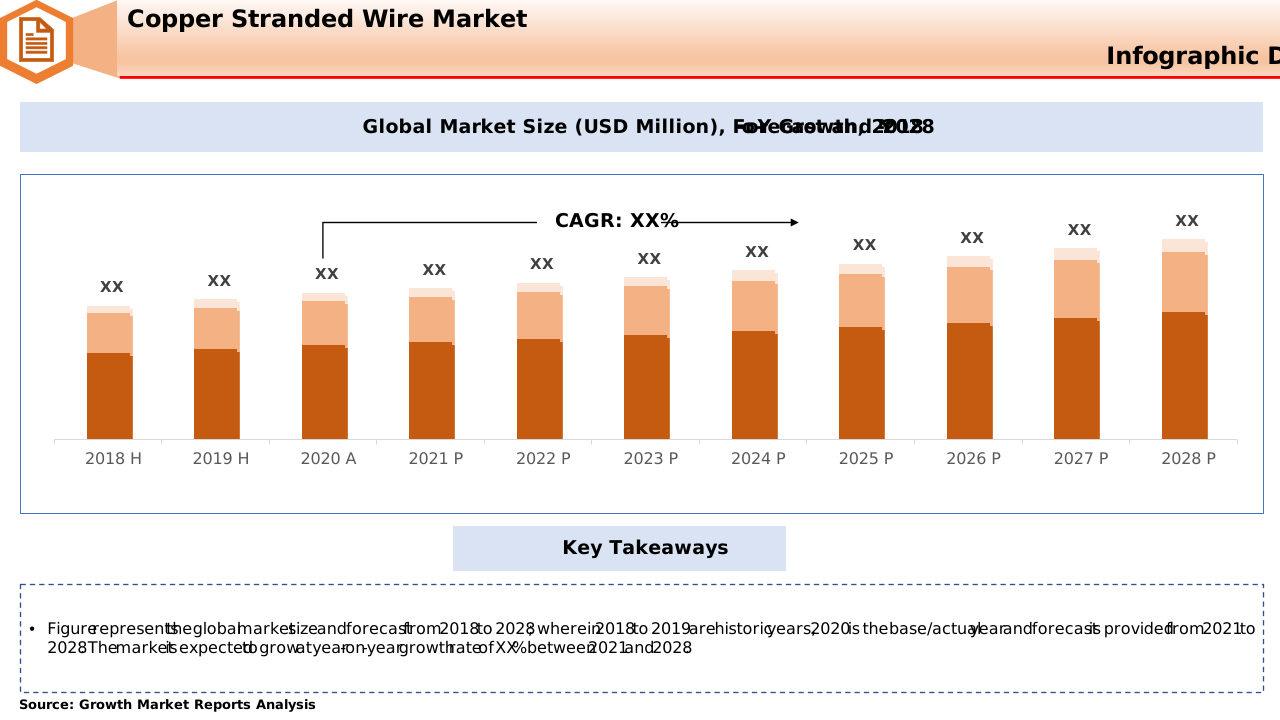
As per our latest research, the global copper stranded wire market size stood at USD 22.4 billion in 2024. The market is projected to expand at a CAGR of 5.1% during the forecast period, reaching an estimated USD 34.7 billion by 2033. This growth is primarily driven by the increasing demand for efficient electrical transmission and distribution systems, rapid industrialization, and the ongoing expansion in construction and infrastructure projects worldwide. The robust performance of the copper stranded wire market is further underpinned by technological advancements in wire manufacturing and the rising adoption of renewable energy solutions.
One of the key growth factors propelling the copper stranded wire market is the surge in global infrastructure development. Governments and private entities are investing heavily in upgrading and expanding power grids, transportation networks, and telecommunications infrastructure. Copper stranded wires are preferred in these applications due to their superior conductivity, flexibility, and mechanical strength compared to solid wires. The increasing shift towards smart cities and the proliferation of IoT devices also necessitate reliable and high-performance wiring solutions, further boosting market demand. Additionally, the electrification of transportation and the growth in electric vehicle (EV) production are creating new opportunities for copper stranded wire manufacturers, as these vehicles require advanced wiring systems for efficient power transmission and safety.
Another significant driver is the rapid expansion of the electronics and electricals sector. With technological advancements and the miniaturization of electronic devices, there is a growing need for wires that can handle higher currents without significant energy loss. Copper stranded wires, known for their flexibility and ability to carry larger currents, are extensively used in consumer electronics, industrial machinery, and home appliances. The ongoing digital transformation across industries, coupled with the increasing adoption of automation and smart technologies, is amplifying the demand for reliable wiring solutions, thus supporting the sustained growth of the copper stranded wire market.
Environmental considerations and the push towards sustainability are also influencing market growth. Copper is a highly recyclable material, and the recycling of copper stranded wires contributes to resource conservation and reduced environmental impact. Many manufacturers are focusing on developing eco-friendly products and processes, aligning with global sustainability goals. Furthermore, the integration of renewable energy sources such as solar and wind into power grids requires advanced wiring solutions capable of handling variable loads and harsh environmental conditions. Copper stranded wires, with their durability and superior performance, are increasingly being utilized in these renewable energy projects, providing a further boost to market expansion.
From a regional perspective, Asia Pacific continues to dominate the copper stranded wire market, accounting for the largest share in 2024. This dominance is attributed to the rapid pace of urbanization, industrialization, and infrastructure development in countries like China, India, and Southeast Asian nations. North America and Europe also represent significant markets, driven by the modernization of existing infrastructure and the growing focus on renewable energy integration. The Middle East & Africa and Latin America are emerging as high-potential regions, supported by investments in energy, construction, and telecommunications sectors. The overall regional outlook for the copper stranded wire market remains optimistic, with all major regions expected to witness steady growth throughout the forecast period.
The copper stranded wire market is segmented by product type into bare copper stranded wire, tinned copper stranded wire, silver-plated copper stranded wire, and others. Bare copper stranded wire holds the largest market share due to its widespread use in power transmission, grounding, and various industrial applications. Its high conductivity, flexibility, and cost-effectiveness make it a preferred choice for electrical contractors and utility companies. The demand for bare copper stranded wire is particularly robust in regions with ongoing infrastructure development and electrification projects, as it ensures reliable performance in diverse environmental conditions.
Tinned copper stranded wire is gaining traction, especially in applications where corrosion resistance is critical. The tin coating provides an additional layer of protection against oxidation, making these wires suitable for marine, automotive, and electronics industries. The increasing adoption of tinned copper stranded wire in harsh and humid environments is driving its market growth. Furthermore, advancements in tin-coating technologies have improved the durability and longevity of these wires, making them a preferred solution for long-term installations and mission-critical applications.
Silver-plated copper stranded wire represents a niche yet rapidly growing segment. These wires are primarily used in high-performance applications that demand exceptional conductivity and resistance to high temperatures, such as aerospace, defense, and advanced electronics. The superior electrical properties of silver, combined with the mechanical strength of copper, make these wires ideal for specialized applications where performance is paramount. Although the cost of silver-plated copper stranded wire is higher, the benefits in terms of reliability and efficiency justify the investment in critical industries.
The others category includes specialty copper stranded wires such as nickel-plated and alloyed variants, which cater to specific industrial requirements. These specialty wires are engineered to withstand extreme conditions, including high temperatures, corrosive environments, and heavy mechanical loads. The growing demand for customized wiring solutions in sectors like oil and gas, mining, and renewable energy is driving innovation in this segment. Manufacturers are increasingly focusing on developing advanced product offerings to meet the evolving needs of end-users, further expanding the scope of the copper stranded wire market by product type.
Overall, the product type segment is characterized by ongoing innovation and the development of application-specific solutions. As industries continue to evolve and new technologies emerge, the demand for specialized copper stranded wires is expected to rise. The ability of manufacturers to offer a diverse range of products tailored to specific needs will be a key differentiator in capturing market share and sustaining long-term growth.
| Attributes | Details |
| Report Title | Copper Stranded Wire Market Research Report 2033 |
| By Product Type | Bare Copper Stranded Wire, Tinned Copper Stranded Wire, Silver-Plated Copper Stranded Wire, Others |
| By Application | Power Distribution, Electronics & Electricals, Automotive, Construction, Telecommunications, Others |
| By End-User | Residential, Commercial, Industrial, Utilities |
| By Distribution Channel | Direct Sales, Distributors/Wholesalers, Online Retail |
| Regions Covered | North America, Europe, APAC, Latin America, MEA |
| Base Year | 2024 |
| Historic Data | 2018-2023 |
| Forecast Period | 2025-2033 |
| Number of Pages | 254 |
| Number of Tables & Figures | 392 |
| Customization Available | Yes, the report can be customized as per your need. |
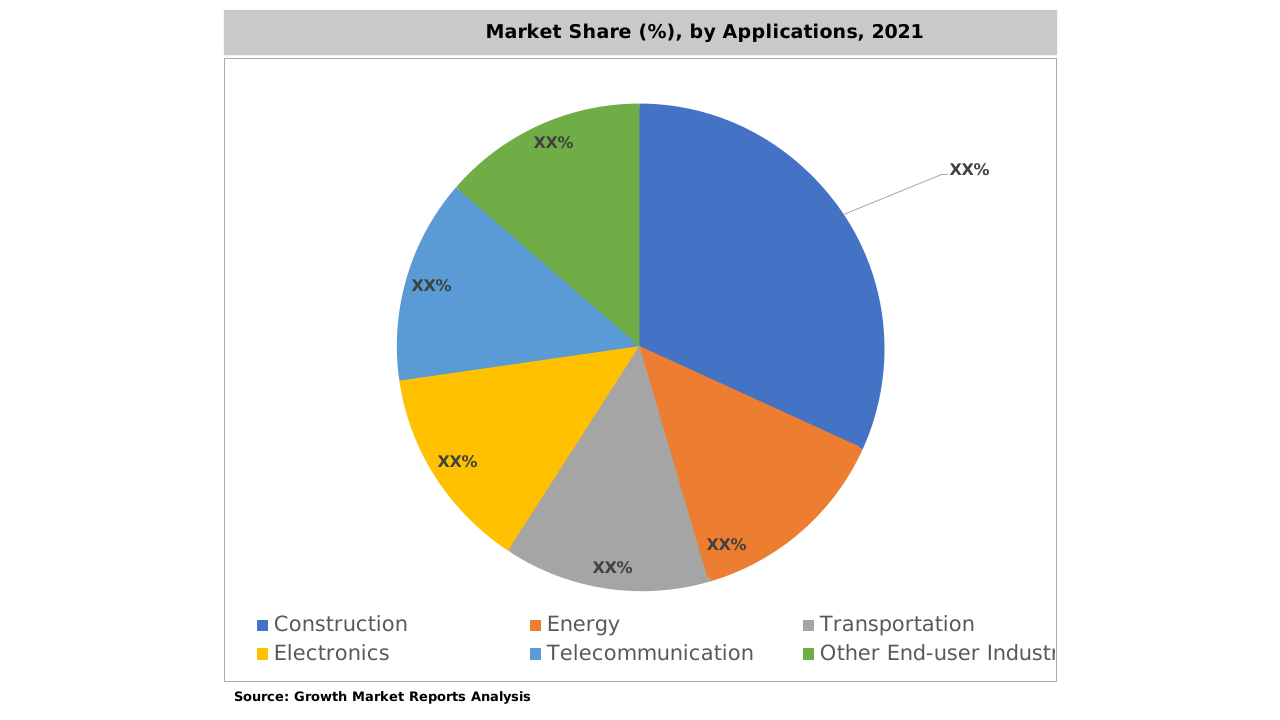
The application segment of the copper stranded wire market encompasses power distribution, electronics & electricals, automotive, construction, telecommunications, and others. Power distribution remains the dominant application, accounting for the largest share of the market in 2024. The increasing demand for reliable and efficient power transmission infrastructure, coupled with the expansion of renewable energy projects, is fueling the adoption of copper stranded wires in this segment. Utilities and grid operators prefer copper stranded wires for their superior conductivity, mechanical strength, and ability to withstand varying environmental conditions.
The electronics & electricals segment is witnessing robust growth, driven by the proliferation of electronic devices, smart appliances, and industrial automation systems. Copper stranded wires are integral to the manufacturing of circuit boards, connectors, and internal wiring systems, ensuring optimal electrical performance and safety. The miniaturization of electronic components and the growing complexity of electrical systems are further boosting demand for high-quality, flexible wiring solutions. Manufacturers are responding by developing thinner, more flexible copper stranded wires that meet the stringent requirements of modern electronics.
In the automotive sector, the shift towards electric vehicles and advanced driver-assistance systems (ADAS) is creating significant opportunities for copper stranded wire manufacturers. Modern vehicles require sophisticated wiring harnesses to support a wide range of electrical and electronic functions, from power distribution to infotainment systems. Copper stranded wires offer the flexibility, conductivity, and durability needed to meet the demands of next-generation automotive applications. The ongoing trend towards vehicle electrification and connectivity is expected to drive sustained growth in this segment over the forecast period.
The construction and telecommunications sectors also represent key application areas for copper stranded wires. In construction, these wires are used for building wiring, lighting, and grounding applications, ensuring safety and reliability in residential, commercial, and industrial buildings. The rapid expansion of telecommunications networks, including the rollout of 5G infrastructure, is driving demand for high-performance copper stranded wires capable of supporting high-speed data transmission and reliable connectivity. The others segment includes applications in renewable energy, transportation, and industrial machinery, reflecting the versatility and adaptability of copper stranded wires across diverse end-use industries.
The application landscape for copper stranded wires is evolving rapidly, with emerging technologies and changing consumer preferences shaping market dynamics. The ability to deliver customized, high-performance solutions tailored to specific industry requirements will be critical for manufacturers seeking to capitalize on new growth opportunities and maintain a competitive edge in the global market.
The copper stranded wire market is segmented by end-user into residential, commercial, industrial, and utilities. The industrial segment accounted for the largest share in 2024, driven by the extensive use of copper stranded wires in manufacturing plants, mining operations, oil and gas facilities, and heavy machinery. Industrial environments demand robust and reliable wiring solutions capable of withstanding harsh operating conditions, high currents, and continuous usage. The ongoing trend towards automation and digitalization in industrial sectors is further increasing the need for high-quality copper stranded wires to ensure efficient power distribution and control.
The utilities segment is another major contributor to market growth, particularly in the context of power generation, transmission, and distribution. Utilities rely on copper stranded wires for their superior conductivity, corrosion resistance, and ability to handle variable loads. The integration of renewable energy sources, such as solar and wind, into utility grids is creating new opportunities for copper stranded wire manufacturers. These applications require advanced wiring solutions that can accommodate fluctuating power outputs and maintain grid stability, further driving demand in the utilities segment.
In the commercial sector, the expansion of office spaces, retail outlets, hospitality establishments, and data centers is fueling demand for copper stranded wires. Commercial buildings require extensive wiring for lighting, HVAC systems, security, and communications infrastructure. The growing emphasis on energy efficiency and smart building solutions is prompting the adoption of advanced copper stranded wires that support intelligent energy management and automation systems. The trend towards green buildings and sustainable construction practices is also influencing product selection in the commercial segment.
The residential sector, while smaller in comparison to industrial and utilities, remains an important end-user segment. The ongoing urbanization, rising disposable incomes, and increasing focus on home automation are driving demand for high-quality wiring solutions in residential buildings. Copper stranded wires are preferred for their safety, reliability, and ease of installation, making them a popular choice for home wiring, lighting, and security systems. The growing adoption of smart home technologies and energy-efficient appliances is expected to further boost demand in the residential segment.
Overall, the end-user segment analysis highlights the diverse and evolving nature of demand for copper stranded wires across different sectors. Manufacturers must remain agile and responsive to changing industry needs, offering tailored solutions that address the specific requirements of each end-user group to sustain growth and maintain market leadership.
The distribution channel segment of the copper stranded wire market includes direct sales, distributors/wholesalers, and online retail. Direct sales remain the dominant channel, particularly for large-scale industrial, utilities, and infrastructure projects. Major manufacturers often establish direct relationships with end-users, offering customized solutions, technical support, and after-sales services. This approach enables manufacturers to build long-term partnerships, ensure product quality, and respond quickly to customer requirements. The direct sales channel is especially prevalent in regions with well-established industrial bases and large-scale infrastructure development.
Distributors and wholesalers play a crucial role in the copper stranded wire market, particularly in reaching small and medium-sized enterprises (SMEs), commercial establishments, and contractors. Distributors maintain extensive inventories and provide a wide range of products from multiple manufacturers, offering convenience and flexibility to customers. The presence of a robust distribution network ensures timely product availability and efficient logistics, supporting market penetration in both urban and rural areas. Distributors also offer value-added services such as technical advice, training, and financing options, enhancing their appeal to a diverse customer base.
The online retail channel is emerging as a significant growth driver, particularly in the wake of digital transformation and changing consumer preferences. Online platforms offer a convenient and cost-effective way for customers to compare products, access technical information, and make purchases from anywhere. The growth of e-commerce in the electrical and electronics sector is facilitating the entry of new players and increasing competition in the market. Online retail channels are particularly attractive to small businesses, DIY enthusiasts, and individual consumers seeking quick and easy access to a wide range of copper stranded wires.
Manufacturers are increasingly leveraging a multi-channel distribution strategy to maximize market reach and cater to the diverse needs of customers. The integration of digital technologies, such as customer relationship management (CRM) systems and e-commerce platforms, is enhancing the efficiency and effectiveness of distribution channels. The ability to offer seamless purchasing experiences, timely delivery, and responsive customer support will be critical for manufacturers and distributors seeking to capture new growth opportunities and strengthen their market position.
The distribution channel landscape is expected to continue evolving, with increasing emphasis on digitalization, customer engagement, and value-added services. Companies that can successfully adapt to changing market dynamics and deliver superior customer experiences across multiple channels will be well-positioned for sustained success in the copper stranded wire market.
The copper stranded wire market presents a range of lucrative opportunities for industry participants. One of the most promising areas is the integration of renewable energy solutions. As governments and businesses worldwide intensify their efforts to reduce carbon emissions and transition to sustainable energy sources, the demand for advanced wiring solutions capable of handling the unique challenges of solar, wind, and hybrid power systems is expected to surge. Copper stranded wires, with their superior conductivity and durability, are ideally suited for these applications, offering manufacturers the chance to develop specialized products that cater to the evolving needs of the renewable energy sector. Additionally, the proliferation of electric vehicles and the expansion of EV charging infrastructure present significant growth prospects, as these applications require high-performance wiring systems to ensure efficient and safe energy transfer.
Technological advancements and innovation in wire manufacturing also offer substantial opportunities for market growth. The development of new alloys, coatings, and insulation materials is enabling the production of copper stranded wires with enhanced performance characteristics, such as greater resistance to corrosion, higher temperature tolerance, and improved flexibility. These innovations are opening up new application areas in industries such as aerospace, defense, and advanced electronics, where reliability and performance are paramount. Furthermore, the increasing adoption of smart technologies, automation, and digitalization across industries is driving demand for intelligent wiring solutions that support data transmission, remote monitoring, and predictive maintenance, creating additional avenues for market expansion.
Despite the positive outlook, the copper stranded wire market faces certain restraints that could impact growth. One of the primary challenges is the volatility in copper prices, which can significantly affect the cost structure and profitability of manufacturers. Fluctuations in raw material prices are influenced by factors such as global supply-demand dynamics, geopolitical tensions, and changes in mining regulations. The reliance on copper as the primary raw material exposes the market to risks associated with supply chain disruptions and price instability. Manufacturers must adopt effective risk management strategies, such as long-term supply agreements, inventory management, and price hedging, to mitigate the impact of copper price volatility and maintain competitiveness in the market.
The Asia Pacific region dominates the global copper stranded wire market, accounting for over 48% of the total market share in 2024, with a market size of approximately USD 10.8 billion. This leadership is primarily driven by rapid urbanization, industrial expansion, and significant investments in infrastructure development across countries such as China, India, Japan, and South Korea. The ongoing electrification of rural areas, coupled with the proliferation of renewable energy projects, is further boosting demand for copper stranded wires in the region. The presence of a large manufacturing base, combined with favorable government policies supporting industrial growth, positions Asia Pacific as the most dynamic and high-growth region for the copper stranded wire market, with a projected CAGR of 5.8% through 2033.
North America represents the second-largest market, with a market size of USD 5.2 billion in 2024. The region is characterized by the modernization of aging infrastructure, the integration of smart grid technologies, and the increasing adoption of electric vehicles. The United States and Canada are leading the way in upgrading power transmission and distribution networks, which is driving demand for high-quality copper stranded wires. Additionally, the growth of the construction and telecommunications sectors, supported by strong economic fundamentals and technological innovation, is contributing to market expansion. The North American market is expected to maintain steady growth, with a focus on sustainability and the adoption of advanced materials and manufacturing processes.
Europe follows closely, with a market size of USD 4.3 billion in 2024. The region benefits from a well-established industrial base, stringent regulatory standards, and a strong emphasis on energy efficiency and sustainability. Countries such as Germany, France, the United Kingdom, and Italy are investing heavily in renewable energy integration, smart city initiatives, and the modernization of transportation infrastructure. The European copper stranded wire market is expected to witness moderate growth, driven by ongoing investments in green technologies and the transition towards a low-carbon economy. Latin America and the Middle East & Africa, with market sizes of USD 1.2 billion and USD 0.9 billion respectively, are emerging as high-potential regions, supported by infrastructure development, urbanization, and the expansion of telecommunications and energy sectors.
The competitive landscape of the copper stranded wire market is characterized by the presence of several global and regional players, each striving to enhance their market position through innovation, strategic partnerships, and capacity expansions. Leading companies are focusing on the development of advanced products with improved performance characteristics, such as enhanced conductivity, flexibility, and corrosion resistance, to meet the evolving needs of end-users across diverse industries. The ability to offer customized solutions tailored to specific applications is emerging as a key differentiator, enabling market leaders to capture new growth opportunities and strengthen customer loyalty.
Mergers and acquisitions, joint ventures, and collaborations are common strategies employed by major players to expand their product portfolios, enter new markets, and leverage synergies for operational efficiency. Companies are also investing in research and development to stay ahead of technological trends and regulatory requirements, particularly in the areas of sustainability, energy efficiency, and digitalization. The adoption of digital technologies, such as automation, data analytics, and IoT-enabled manufacturing, is enhancing production efficiency, reducing costs, and improving product quality, further intensifying competition in the market.
The market is also witnessing increasing participation from regional and local players, particularly in emerging markets where demand for copper stranded wires is growing rapidly. These companies are leveraging their understanding of local market dynamics, customer preferences, and regulatory environments to offer competitive pricing and tailored solutions. The presence of a large number of players has resulted in a highly fragmented market, with intense competition on the basis of price, quality, and service. To maintain competitiveness, companies must focus on continuous innovation, operational excellence, and effective customer engagement.
Some of the major companies operating in the global copper stranded wire market include Prysmian Group, Nexans S.A., Southwire Company LLC, General Cable Corporation, Sumitomo Electric Industries Ltd., Furukawa Electric Co. Ltd., LS Cable & System Ltd., Polycab India Ltd., KEI Industries Ltd., and Leoni AG. Prysmian Group, a global leader in energy and telecom cable systems, is known for its extensive product portfolio and strong focus on R&D. Nexans S.A. is recognized for its innovative solutions and commitment to sustainability, while Southwire Company LLC is a key player in the North American market with a broad range of products catering to diverse industries. General Cable Corporation, now part of Prysmian Group, brings a legacy of expertise and global reach to the market.
Sumitomo Electric Industries Ltd. and Furukawa Electric Co. Ltd. are prominent players in the Asia Pacific region, leveraging their technological expertise and strong manufacturing capabilities to serve global markets. LS Cable & System Ltd. and Polycab India Ltd. are expanding their international presence through strategic investments and partnerships. KEI Industries Ltd. and Leoni AG are known for their focus on quality, innovation, and customer service. Collectively, these companies are shaping the future of the copper stranded wire market through their commitment to excellence, innovation, and sustainable growth.
The Copper Stranded Wire market has been segmented on the basis of
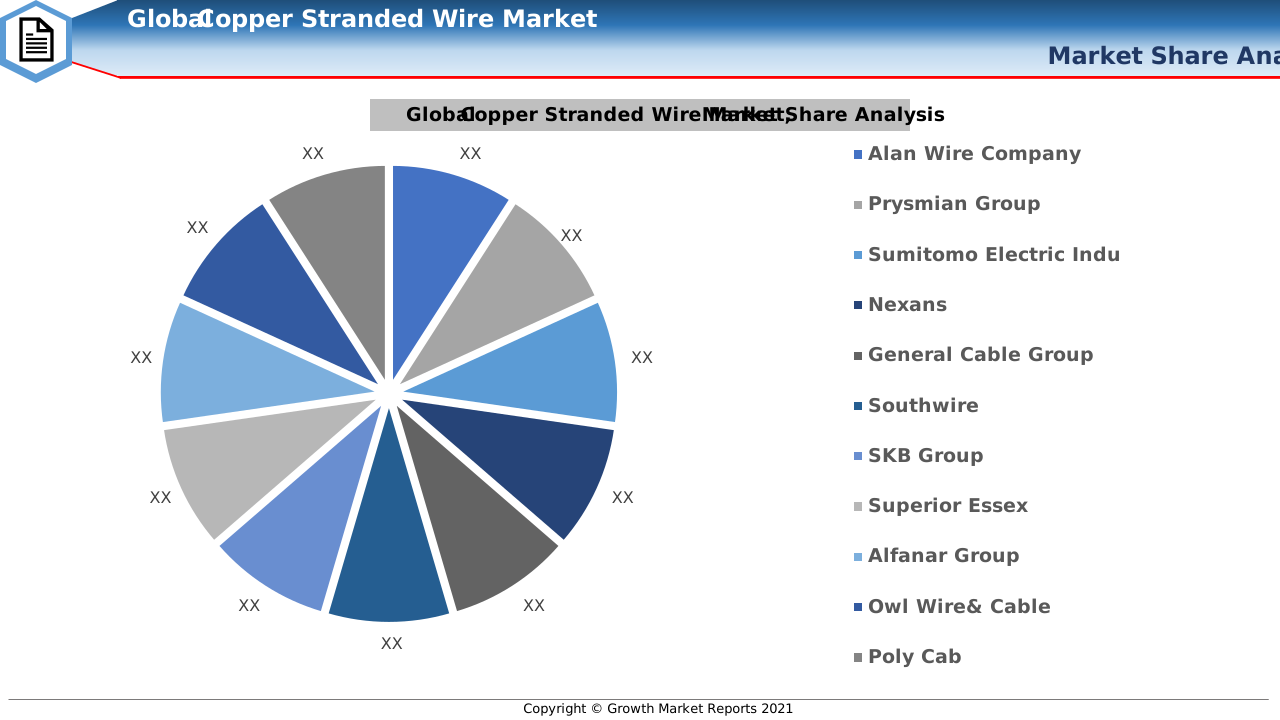
Key players competing in the copper stranded wire market include Alan Wire Company, Prysmian Group, Sumitomo Electric Industries, Nexans, General Cable Group, Southwire, SKB Group, Superior Essex, Alfanar Group, Owl Wire& Cable, Poly Cab.
Key companies include Prysmian Group, Nexans S.A., Southwire Company LLC, General Cable Corporation, Sumitomo Electric Industries Ltd., Furukawa Electric Co. Ltd., LS Cable & System Ltd., Polycab India Ltd., KEI Industries Ltd., and Leoni AG.
Major challenges include volatility in copper prices, supply chain disruptions, and intense competition among global and regional players.
Sustainability trends are driving demand for recyclable and eco-friendly copper stranded wires, especially for renewable energy projects and green building applications.
Copper stranded wires are distributed through direct sales, distributors/wholesalers, and online retail channels. Direct sales dominate large-scale projects, while online retail is growing due to digital transformation.
Major end-users include industrial facilities, utilities, commercial buildings, and residential sectors, with the industrial segment holding the largest market share.
Copper stranded wires are widely used in power distribution, electronics & electricals, automotive, construction, telecommunications, and renewable energy sectors.
The market is segmented into bare copper stranded wire, tinned copper stranded wire, silver-plated copper stranded wire, and specialty wires such as nickel-plated and alloyed variants.
Asia Pacific leads the copper stranded wire market, accounting for over 48% of the global share in 2024, followed by North America and Europe. Latin America and the Middle East & Africa are emerging as high-potential regions.
Key growth drivers include increasing demand for efficient electrical transmission and distribution, rapid industrialization, infrastructure expansion, technological advancements in wire manufacturing, and the adoption of renewable energy solutions.
The global copper stranded wire market was valued at USD 22.4 billion in 2024 and is projected to reach USD 34.7 billion by 2033, growing at a CAGR of 5.1% during the forecast period.