Segments - by Product Type (Contraceptive Drugs, Contraceptive Devices), by Gender (Male, Female), by Age Group (15–24 Years, 25–34 Years, 35–44 Years, Above 44 Years), by Distribution Channel (Hospitals & Clinics, Retail Pharmacies, Online Pharmacies, Others)
According to our latest research, the global contraceptive drugs and devices market size reached USD 29.4 billion in 2024, reflecting a robust demand for birth control solutions worldwide. The market is anticipated to expand at a CAGR of 6.2% from 2025 to 2033, with forecasts suggesting it will attain a value of USD 50.2 billion by 2033. This growth trajectory is primarily driven by rising awareness regarding family planning, increasing government initiatives for population control, and technological advancements in contraceptive products.
One of the most significant growth factors for the contraceptive drugs and devices market is the increasing emphasis on reproductive health and rights. Governments and non-governmental organizations across the globe have been actively promoting awareness campaigns and educational programs to highlight the importance of family planning and birth control. These initiatives have led to a substantial rise in the adoption of contraceptive methods, particularly in developing regions where population growth rates are high. Additionally, the integration of reproductive health services into primary healthcare systems has further improved access to contraceptives, thereby fueling market expansion.
Technological advancements and innovation in contraceptive products have also played a pivotal role in market growth. The development of long-acting reversible contraceptives (LARCs), such as intrauterine devices (IUDs) and implantable rods, has provided consumers with more effective and convenient options. Moreover, pharmaceutical companies are investing heavily in research and development to introduce next-generation contraceptive drugs with fewer side effects and enhanced efficacy. The growing preference for non-invasive and user-friendly contraceptive devices is further propelling demand, especially among younger populations and working women seeking hassle-free solutions.
Another key driver is the ongoing shift in societal attitudes towards family planning and sexual health. With greater acceptance of contraceptive use and reduced stigma associated with discussing reproductive choices, more individuals are seeking out reliable birth control methods. This cultural shift is particularly evident in urban areas, where access to healthcare services and contraceptive products is more readily available. Furthermore, the rising incidence of unintended pregnancies and sexually transmitted infections has underscored the need for effective contraception, prompting both men and women to adopt preventive measures.
Contraceptive Pills remain one of the most widely used methods of birth control due to their convenience and effectiveness. These oral contraceptives work primarily by preventing ovulation and thickening cervical mucus to block sperm entry. With continuous advancements in pharmaceutical formulations, modern contraceptive pills are designed to minimize side effects and enhance user compliance. They offer a reliable option for women seeking control over their reproductive health, allowing for both short-term and long-term family planning. The accessibility of contraceptive pills through various distribution channels, including retail and online pharmacies, further contributes to their widespread adoption. As healthcare providers continue to emphasize the importance of informed contraceptive choices, the role of contraceptive pills in the market remains significant.
From a regional perspective, North America and Europe continue to dominate the contraceptive drugs and devices market, owing to well-established healthcare infrastructure, high awareness levels, and favorable reimbursement policies. However, the Asia Pacific region is emerging as a lucrative market, driven by rapid population growth, increasing government investments in public health, and rising disposable incomes. Latin America and the Middle East & Africa are also witnessing steady growth, supported by international aid programs and efforts to improve access to reproductive health services. The varying pace of adoption across regions highlights the importance of tailored strategies to address unique demographic and cultural factors.
The contraceptive drugs and devices market is segmented by product type into contraceptive drugs and contraceptive devices, each contributing significantly to overall market revenue. Contraceptive drugs, which include oral pills, injectables, and patches, have long been a popular choice due to their ease of use and widespread availability. Oral contraceptives dominate this sub-segment, with continuous innovation leading to formulations that minimize side effects and improve compliance. The demand for emergency contraception has also surged, reflecting changing sexual behaviors and the need for post-coital preventive measures. Pharmaceutical companies are increasingly focusing on developing hormone-free alternatives and extended-cycle pills to cater to evolving consumer preferences.
Contraceptive devices, on the other hand, encompass a broad range of products such as intrauterine devices (IUDs), condoms, diaphragms, cervical caps, and implantable rods. IUDs, both hormonal and non-hormonal, have gained significant traction due to their long-term efficacy and minimal maintenance requirements. The rising popularity of male and female condoms is attributed to their dual role in preventing both pregnancies and sexually transmitted infections. Implantable devices are witnessing increased adoption, particularly among women seeking long-acting reversible contraception. The growing emphasis on user-friendly and discreet devices is prompting manufacturers to invest in ergonomic designs and advanced materials.
Subdermal Contraceptive Implants have emerged as a popular choice among women seeking long-term birth control solutions. These implants, typically inserted under the skin of the upper arm, release hormones steadily to prevent pregnancy for an extended period, often up to three years. Their discreet nature and low maintenance requirements make them an attractive option for those looking for a 'set it and forget it' method. As healthcare systems increasingly integrate these implants into family planning services, their adoption is expected to rise, particularly in regions with limited access to healthcare facilities. The growing awareness of subdermal contraceptive implants' benefits, including their reversibility and high efficacy, is driving demand and encouraging further innovation in this segment.
The competitive landscape within the product type segment is characterized by continuous innovation and product launches. Leading companies are leveraging advanced drug delivery systems, such as transdermal patches and vaginal rings, to enhance user convenience and compliance. The integration of digital health solutions, such as mobile apps for pill reminders and usage tracking, is further improving adherence rates. Additionally, the availability of over-the-counter contraceptive products, especially condoms, has expanded market reach and accessibility, particularly in regions with limited healthcare infrastructure.
Regulatory approvals and product safety remain critical factors influencing market dynamics within the product type segment. Stringent quality standards and rigorous clinical trials are essential for gaining consumer trust and ensuring the efficacy of new contraceptive drugs and devices. Companies are also focusing on addressing unmet needs, such as male contraceptive pills and non-hormonal alternatives, to diversify their product portfolios and tap into emerging opportunities. The interplay between innovation, regulation, and consumer demand will continue to shape the future landscape of the contraceptive drugs and devices market.
| Attributes | Details |
| Report Title | Contraceptive Drugs and Devices Market Research Report 2033 |
| By Product Type | Contraceptive Drugs, Contraceptive Devices |
| By Gender | Male, Female |
| By Age Group | 15–24 Years, 25–34 Years, 35–44 Years, Above 44 Years |
| By Distribution Channel | Hospitals & Clinics, Retail Pharmacies, Online Pharmacies, Others |
| Regions Covered | North America, Europe, APAC, Latin America, MEA |
| Base Year | 2024 |
| Historic Data | 2018-2023 |
| Forecast Period | 2025-2033 |
| Number of Pages | 290 |
| Number of Tables & Figures | 300 |
| Customization Available | Yes, the report can be customized as per your need. |
The gender segment of the contraceptive drugs and devices market is bifurcated into male and female categories, each exhibiting distinct trends and adoption patterns. Historically, female contraceptive methods have dominated the market, with a wide array of options ranging from oral pills and IUDs to injectables and implants. The extensive availability of female-focused products is attributed to the high efficacy rates and the ability to offer both short-term and long-term solutions. WomenÂ’s growing participation in the workforce and increasing autonomy over reproductive decisions have further fueled demand for reliable and convenient contraceptive methods.
Long-Acting Reversible Contraceptives (LARCs) are gaining traction as a preferred choice for individuals seeking reliable and low-maintenance birth control options. These methods, which include intrauterine devices (IUDs) and subdermal implants, offer extended protection against pregnancy, often lasting several years. The appeal of LARCs lies in their high efficacy rates and the convenience they provide, eliminating the need for daily or monthly attention. As more healthcare providers advocate for LARCs due to their cost-effectiveness and user satisfaction, their popularity is expected to grow, particularly among younger populations and those with busy lifestyles. The increasing focus on LARCs in public health initiatives underscores their importance in comprehensive family planning strategies.
Male contraceptive options, primarily limited to condoms and vasectomy, are gaining renewed attention as societal attitudes towards shared responsibility in family planning evolve. The demand for male contraceptives is rising, driven by increased awareness, education, and advocacy for gender equality in reproductive health. Research and development efforts are underway to introduce novel male contraceptive methods, including hormonal and non-hormonal pills, gels, and reversible devices. The successful commercialization of such products could significantly expand the male segment and contribute to overall market growth.
The gender segment also reflects disparities in access and utilization of contraceptive products across different regions. In many developing countries, cultural norms and limited healthcare resources constrain womenÂ’s ability to access and use contraceptives independently. Efforts to promote gender-sensitive family planning services and empower women through education and economic opportunities are essential for bridging these gaps. Conversely, in developed regions, the focus is shifting towards personalized contraceptive solutions that cater to individual preferences and lifestyles, further diversifying the product landscape.
The interplay between gender and contraception is also influenced by policy frameworks and advocacy efforts. Governments and international organizations are working to ensure equitable access to contraceptive products for both men and women, recognizing the importance of shared responsibility in achieving reproductive health goals. The introduction of comprehensive sex education programs and the removal of barriers to contraceptive access are critical steps towards fostering a more inclusive and sustainable market environment. As gender dynamics continue to evolve, the contraceptive drugs and devices market is poised to witness significant transformation in product offerings and adoption patterns.
The contraceptive drugs and devices market is segmented by age group into 15–24 years, 25–34 years, 35–44 years, and above 44 years, each representing unique needs and preferences. The 15–24 years segment is characterized by increasing awareness and education about sexual health, driven by targeted campaigns in schools and communities. Young adults in this age group often prefer user-friendly and discreet contraceptive methods, such as condoms and oral pills, which offer flexibility and ease of access. The rising prevalence of early sexual activity and the need to prevent unintended pregnancies and sexually transmitted infections are key factors driving demand in this segment.
The 25–34 years age group represents the largest share of the contraceptive market, as individuals in this demographic are typically more sexually active and may be planning to delay or space pregnancies. This segment shows a strong preference for long-acting reversible contraceptives, such as IUDs and implants, which offer high efficacy and minimal maintenance. The growing trend of dual-income households and delayed parenthood is further boosting demand for reliable and convenient birth control solutions. Healthcare providers play a crucial role in counseling and guiding individuals in this age group towards suitable contraceptive options.
Women and men in the 35–44 years age group often seek contraceptive methods that align with their changing reproductive goals and health considerations. Permanent solutions, such as sterilization and vasectomy, become more popular as individuals complete their families. However, there is also a growing interest in non-hormonal and non-invasive options, particularly among those concerned about potential side effects of long-term contraceptive use. The availability of a wide range of products allows individuals in this age group to make informed choices based on their unique needs and preferences.
The above 44 years age group, while representing a smaller share of the market, continues to exhibit demand for contraceptive products, particularly for managing health conditions and preventing unintended pregnancies during perimenopause. Hormone replacement therapies and non-hormonal devices are increasingly favored in this demographic, as they offer additional health benefits beyond contraception. The aging population and increasing life expectancy are expected to sustain demand in this segment, highlighting the need for tailored solutions that address the specific health concerns of older adults.
Distribution channels play a pivotal role in shaping the accessibility and adoption of contraceptive drugs and devices. Hospitals and clinics remain the primary distribution channel, especially for prescription-based products and long-acting reversible contraceptives. These healthcare facilities offer comprehensive counseling, medical supervision, and follow-up services, ensuring safe and effective use of contraceptive methods. The presence of trained healthcare professionals is particularly important for procedures such as IUD insertion, sterilization, and implant placement, which require specialized expertise.
Retail pharmacies are a key distribution channel for over-the-counter contraceptive products, such as condoms, emergency pills, and certain oral contraceptives. The widespread network of retail pharmacies ensures convenient access for consumers, particularly in urban and semi-urban areas. Pharmacists play an important role in educating customers about product usage, potential side effects, and alternative options. The increasing trend of self-medication and the demand for privacy in purchasing contraceptives are driving growth in this channel.
Online pharmacies have emerged as a rapidly growing distribution channel, fueled by the proliferation of e-commerce platforms and digital health services. The convenience of home delivery, discreet packaging, and access to a wide range of products are key advantages attracting tech-savvy consumers, particularly younger demographics. Online platforms also offer value-added services, such as virtual consultations and automated reminders, enhancing the overall user experience. The COVID-19 pandemic accelerated the adoption of online pharmacies, as consumers sought safe and contactless ways to procure contraceptive products.
Other distribution channels, including non-governmental organizations (NGOs), community health centers, and mobile health clinics, play a crucial role in reaching underserved populations and remote areas. These channels are instrumental in implementing public health programs, distributing free or subsidized contraceptives, and providing education and counseling services. The collaboration between public and private sector entities is essential for improving access and ensuring equitable distribution of contraceptive products across diverse regions and communities.
The contraceptive drugs and devices market presents significant opportunities for growth and innovation, driven by evolving consumer preferences and unmet needs. One of the most promising areas is the development of novel contraceptive methods for men, which could address the current imbalance in product offerings and promote shared responsibility in family planning. Advances in biotechnology and pharmaceutical research are paving the way for non-hormonal, reversible male contraceptives with minimal side effects. The successful commercialization of such products could unlock new revenue streams and expand the overall market.
Another major opportunity lies in leveraging digital health technologies to enhance access, adherence, and user engagement. Mobile apps, telemedicine platforms, and wearable devices can facilitate personalized counseling, usage tracking, and timely reminders, improving compliance and outcomes. The integration of artificial intelligence and data analytics can further enable targeted interventions and predictive modeling, optimizing resource allocation and program effectiveness. Companies that invest in digital transformation and patient-centric solutions are well-positioned to capture market share and drive long-term growth.
However, the market also faces significant restrainers and threats, particularly in the form of cultural and religious barriers, misinformation, and regulatory challenges. In many regions, social stigma and taboos surrounding contraception hinder open discussions and limit adoption, especially among adolescents and unmarried individuals. Misinformation about side effects and safety concerns can deter potential users and undermine public health efforts. Stringent regulatory requirements and lengthy approval processes for new products can delay market entry and increase development costs. Addressing these challenges requires concerted efforts from stakeholders, including policymakers, healthcare providers, and advocacy groups, to promote education, dispel myths, and create an enabling environment for contraceptive use.
North America accounted for the largest share of the global contraceptive drugs and devices market in 2024, with a market value of approximately USD 9.8 billion. The regionÂ’s dominance is attributed to high awareness levels, favorable reimbursement policies, and widespread availability of advanced contraceptive products. The United States, in particular, has a well-established family planning infrastructure, supported by government programs such as Title X and Medicaid. The presence of leading pharmaceutical and medical device companies further strengthens the regionÂ’s position as a key innovation hub.
Europe is the second-largest market, with a value of USD 7.6 billion in 2024, driven by comprehensive public health policies, high contraceptive prevalence rates, and strong emphasis on sexual and reproductive health. Countries such as Germany, France, and the United Kingdom have robust healthcare systems and well-developed distribution networks, ensuring broad access to contraceptive products. The region is also witnessing a growing trend towards personalized and non-hormonal contraceptive options, reflecting evolving consumer preferences and regulatory support for innovation.
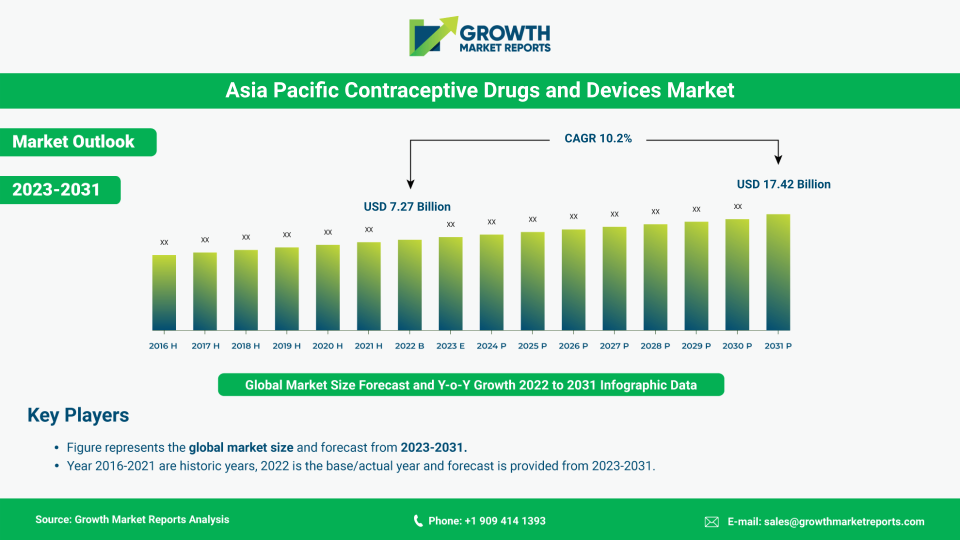
The Asia Pacific region is emerging as the fastest-growing market, projected to register a CAGR of 8.1% between 2025 and 2033. The market size in Asia Pacific reached USD 6.2 billion in 2024, fueled by rapid population growth, increasing government investments in public health, and rising disposable incomes. Countries such as China, India, and Indonesia are implementing large-scale family planning programs and expanding access to reproductive health services. The presence of a large youth population and improving healthcare infrastructure present significant opportunities for market expansion. Latin America and the Middle East & Africa collectively accounted for USD 5.8 billion in 2024, with steady growth supported by international aid programs and efforts to address unmet needs in underserved communities.
The contraceptive drugs and devices market is characterized by intense competition, with a diverse mix of multinational corporations, regional players, and emerging startups vying for market share. Leading companies are focusing on product innovation, strategic partnerships, and geographic expansion to strengthen their competitive positions. Research and development investments are directed towards developing next-generation contraceptive products that offer improved efficacy, safety, and user convenience. The competitive landscape is also shaped by mergers and acquisitions, as companies seek to enhance their product portfolios and gain access to new markets.
Intellectual property and regulatory approvals play a critical role in determining the success of market players. Companies with strong patent portfolios and a track record of successful product launches are better positioned to capture market opportunities and defend against competitive threats. The ability to navigate complex regulatory environments and secure timely approvals is essential for maintaining a competitive edge. Additionally, effective marketing and distribution strategies are crucial for reaching diverse consumer segments and expanding market presence.
The rise of digital health solutions and direct-to-consumer models is reshaping the competitive landscape, enabling companies to engage with consumers more effectively and build brand loyalty. Digital platforms offer opportunities for personalized marketing, education, and support, enhancing the overall user experience. Companies that leverage data analytics and artificial intelligence to gain insights into consumer behavior and preferences are better equipped to anticipate market trends and respond proactively to emerging needs.
Major companies operating in the contraceptive drugs and devices market include Bayer AG, Pfizer Inc., Merck & Co., Inc., Teva Pharmaceutical Industries Ltd., Allergan plc, CooperSurgical, Inc., Mayer Laboratories, Inc., Church & Dwight Co., Inc., Reckitt Benckiser Group plc, and Mylan N.V. Bayer AG is a global leader in contraceptive products, with a strong portfolio of oral contraceptives and intrauterine devices. Pfizer Inc. is renowned for its innovative pharmaceutical solutions and extensive research capabilities. Merck & Co., Inc. and Teva Pharmaceutical Industries Ltd. are prominent players in both branded and generic contraceptive drugs, while CooperSurgical, Inc. specializes in medical devices and womenÂ’s health solutions.
These companies are actively engaged in strategic collaborations, product launches, and market expansion initiatives to maintain their leadership positions. For instance, Bayer AG has invested in expanding its production capacities and developing new hormonal IUDs, while Pfizer Inc. is focusing on digital health partnerships to enhance patient engagement. CooperSurgical, Inc. continues to diversify its product offerings through acquisitions and alliances with technology providers. The competitive landscape is expected to remain dynamic, with ongoing innovation and strategic maneuvers shaping the future of the contraceptive drugs and devices market.
The Contraceptive Drugs and Devices market has been segmented on the basis of
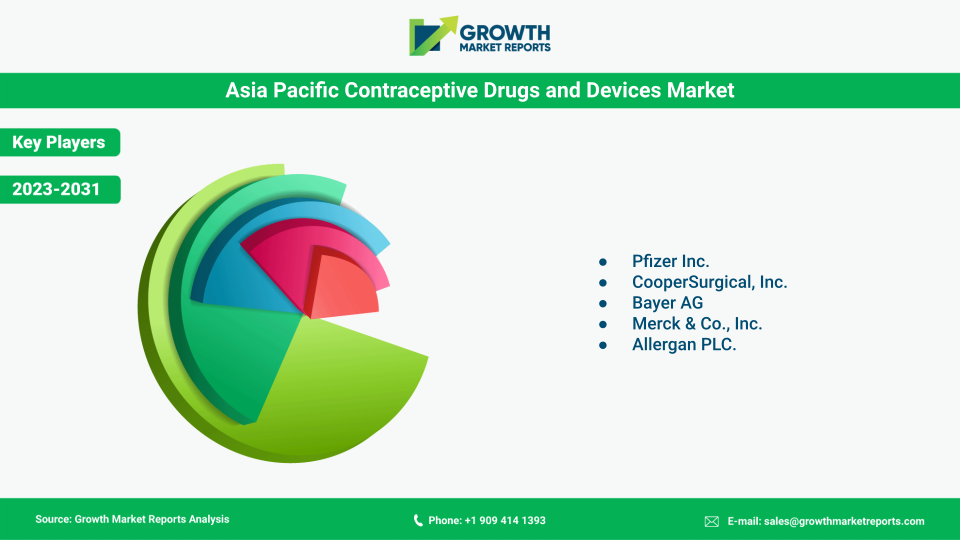
The key players competing in the Asia Pacific contraceptive drugs and devices market are Pfizer Inc.; CooperSurgical, Inc.; Bayer AG; Merck & Co., Inc.; and Allergan PLC.
Opportunities include developing novel male contraceptives and leveraging digital health technologies. Challenges include cultural and religious barriers, misinformation, and regulatory hurdles.
Major companies include Bayer AG, Pfizer Inc., Merck & Co., Inc., Teva Pharmaceutical Industries Ltd., Mylan N.V., Allergan plc, CooperSurgical, Inc., Church & Dwight Co., Inc., Reckitt Benckiser Group plc, and Mayer Laboratories, Inc.
Key distribution channels include hospitals & clinics, retail pharmacies, online pharmacies, and other channels such as NGOs and community health centers.
The market is segmented by gender (male, female) and age group (15–24, 25–34, 35–44, above 44 years), with female methods traditionally dominating but increasing focus on male contraceptives and tailored solutions for different age groups.
Innovations include long-acting reversible contraceptives (LARCs) like IUDs and implants, hormone-free alternatives, extended-cycle pills, digital health integration (apps for reminders), and user-friendly device designs.
The market includes contraceptive drugs (oral pills, injectables, patches) and contraceptive devices (IUDs, condoms, diaphragms, cervical caps, implantable rods).
North America and Europe currently dominate the market due to advanced healthcare infrastructure, high awareness, and favorable reimbursement policies. However, the Asia Pacific region is emerging as the fastest-growing market.
Growth is driven by rising awareness of family planning, government initiatives for population control, technological advancements in contraceptive products, and shifting societal attitudes towards reproductive health.
The market is expected to grow at a CAGR of 6.2% from 2025 to 2033, reaching a value of USD 50.2 billion by 2033.
As of 2024, the global contraceptive drugs and devices market reached USD 29.4 billion, reflecting strong demand for birth control solutions worldwide.