Segments - by Product Type (Diagnosis Devices, Treatment Devices, Medications, Others), by End User (Hospitals, Clinics, Sports Organizations, Research Institutes, Others), by Age Group (Pediatric, Adult, Geriatric)
As per our latest research, the global concussion market size in 2024 stands at USD 8.4 billion, reflecting robust growth fueled by increasing awareness, advancements in diagnostic and treatment modalities, and a rising incidence of sports- and accident-related head injuries. The market is forecasted to reach USD 14.7 billion by 2033, growing at a CAGR of 6.2% during the forecast period from 2025 to 2033. The primary growth factor for the concussion market is the escalating demand for early and accurate diagnosis, driven by a surge in traumatic brain injuries across all age groups and heightened focus on athlete health and safety.
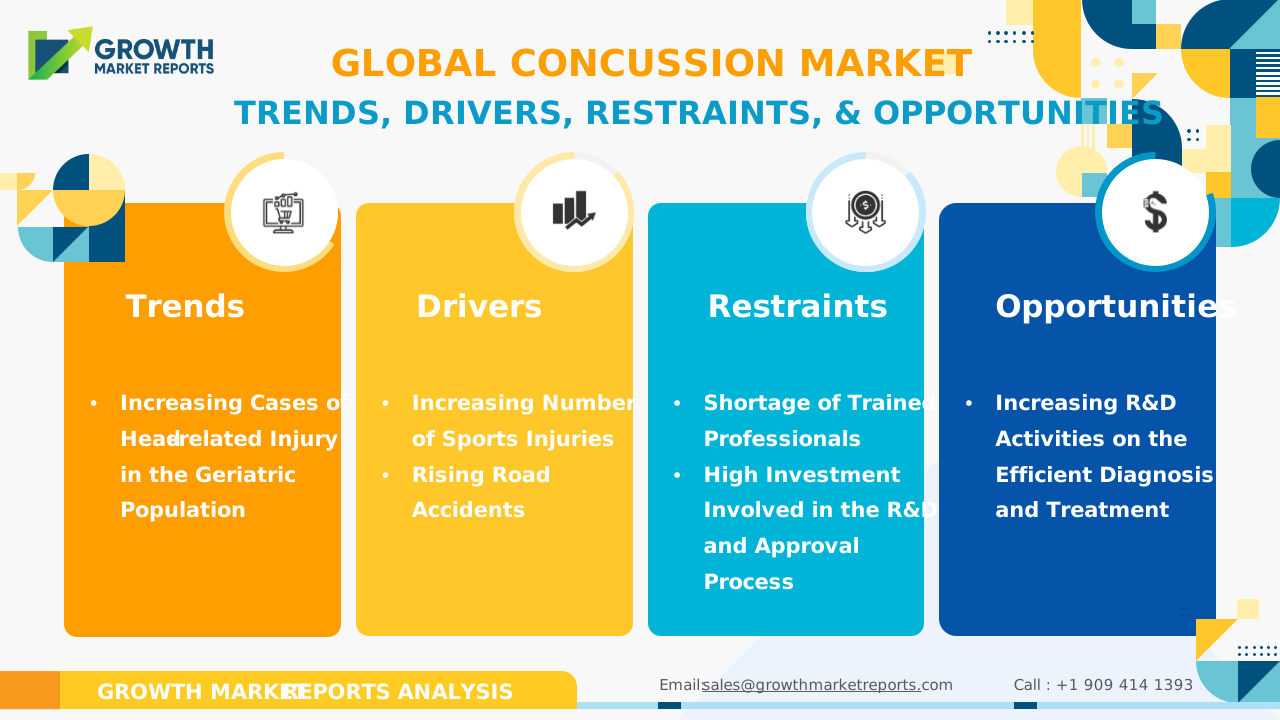
One of the most significant drivers for the concussion market is the increasing prevalence of sports-related injuries and road accidents worldwide. With the global population becoming more engaged in contact sports and recreational activities, the risk of concussions has risen substantially. Governments and sports organizations are now implementing stricter safety protocols and mandatory concussion management programs, which, in turn, are boosting the demand for advanced diagnostic devices and treatment solutions. Furthermore, the growing recognition of the long-term consequences of untreated concussions, such as chronic traumatic encephalopathy (CTE) and cognitive impairments, has led to increased investments in research and development, further propelling market growth.
Technological advancements in diagnostic imaging and treatment devices have also played a pivotal role in the expansion of the concussion market. Innovations such as portable imaging systems, neurocognitive assessment tools, and digital monitoring platforms have enabled healthcare providers to detect and manage concussions more effectively and efficiently. These advancements are not only improving patient outcomes but are also reducing the time and costs associated with diagnosis and treatment. Additionally, the integration of artificial intelligence and machine learning in concussion management is expected to revolutionize the market by enabling more precise and personalized care.
Another crucial growth factor is the increasing awareness and education initiatives targeting both the general public and healthcare professionals. Organizations such as the Centers for Disease Control and Prevention (CDC) and the World Health Organization (WHO) are actively promoting concussion awareness campaigns, leading to earlier identification and intervention. This heightened awareness is particularly evident in schools, sports academies, and community centers, where preventive measures and immediate response protocols are being implemented. As a result, the demand for concussion-related products and services is witnessing sustained growth across diverse end-user segments.
Concussion Baseline Testing has emerged as a critical component in the proactive management of sports-related head injuries. This testing involves assessing an athlete's cognitive and physical functions before the sports season begins, providing a reference point in the event of a concussion. By establishing a baseline, healthcare providers can more accurately diagnose the severity of a concussion and tailor recovery plans to the individual's needs. This approach not only enhances the precision of concussion management but also supports safer return-to-play decisions, ultimately reducing the risk of long-term complications. The growing emphasis on athlete safety and the implementation of baseline testing protocols across various sports organizations are driving the demand for innovative testing solutions and contributing to market growth.
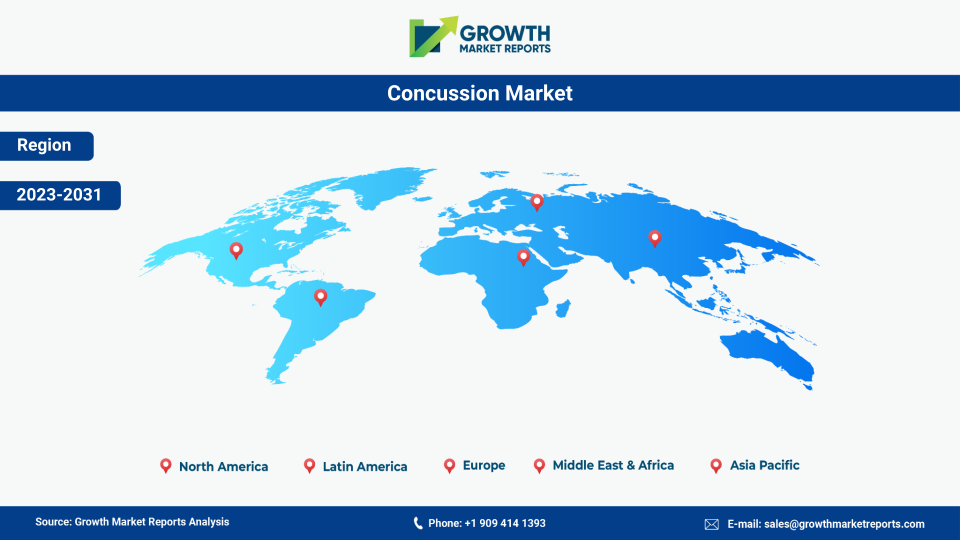
From a regional perspective, North America currently dominates the concussion market, accounting for the largest share due to the presence of advanced healthcare infrastructure, high incidence of sports injuries, and proactive government initiatives. Europe follows closely, benefiting from strong regulatory support and widespread adoption of innovative diagnostic technologies. The Asia Pacific region is anticipated to experience the fastest growth over the forecast period, driven by increasing healthcare investments, rising awareness, and a growing population engaging in sports and outdoor activities. Latin America and the Middle East & Africa are also expected to contribute to market growth, albeit at a comparatively moderate pace, as healthcare systems in these regions continue to evolve and expand their capabilities.
The concussion market by product type is segmented into diagnosis devices, treatment devices, medications, and others. Diagnosis devices represent a significant share of the market, as early and accurate detection of concussions is critical for effective management and prevention of long-term complications. The demand for advanced neuroimaging tools, such as CT scans, MRI, and portable EEG devices, has surged in recent years. These devices provide clinicians with detailed insights into brain structure and function, enabling prompt and precise diagnosis. Additionally, the advent of digital cognitive assessment tools and mobile applications has further enhanced the diagnostic landscape, making it easier for healthcare providers to assess and monitor patients both in clinical settings and remotely.
Treatment devices form another vital segment, encompassing products such as neurostimulation devices, wearable sensors, and rehabilitation equipment. These devices are increasingly being adopted to support the recovery process by monitoring neurological functions and facilitating targeted therapy. The integration of biofeedback mechanisms and telemedicine capabilities has expanded the reach of treatment devices, allowing for continuous patient monitoring and personalized rehabilitation plans. As research continues to uncover the complexities of concussion pathophysiology, the development of innovative treatment devices tailored to individual patient needs is expected to drive segment growth.
Medications remain an essential component of concussion management, particularly for addressing symptoms such as headaches, nausea, and sleep disturbances. While there is currently no specific pharmacological cure for concussions, the use of pain relievers, anti-inflammatory drugs, and neuroprotective agents is common practice. Ongoing clinical trials are exploring the efficacy of novel compounds aimed at reducing neuroinflammation and promoting brain recovery. The medications segment is poised for growth as new therapeutic targets are identified and approved, potentially transforming the standard of care for concussion patients.
The "others" category within the product type segment includes a diverse range of products and services, such as educational materials, patient management software, and support tools for caregivers. These supplementary offerings play a crucial role in comprehensive concussion care by facilitating communication, tracking patient progress, and promoting adherence to treatment protocols. As the market continues to evolve, the integration of multidisciplinary approaches and holistic care models is expected to enhance the value proposition of this segment, contributing to overall market expansion.
The advent of Concussion Management Software has revolutionized the way healthcare providers and sports organizations handle concussion cases. This software offers a comprehensive platform for tracking symptoms, managing treatment plans, and facilitating communication between medical professionals, coaches, and athletes. By integrating data from baseline tests, diagnostic tools, and patient-reported outcomes, concussion management software enables a more coordinated and efficient approach to care. It also supports compliance with regulatory guidelines and enhances the ability to monitor recovery progress over time. As digital health solutions continue to advance, the adoption of concussion management software is expected to accelerate, providing significant opportunities for market expansion and improved patient outcomes.
| Attributes | Details |
| Report Title | Concussion Market Research Report 2033 |
| By Product Type | Diagnosis Devices, Treatment Devices, Medications, Others |
| By End User | Hospitals, Clinics, Sports Organizations, Research Institutes, Others |
| By Age Group | Pediatric, Adult, Geriatric |
| Regions Covered | North America, Europe, APAC, Latin America, MEA |
| Base Year | 2024 |
| Historic Data | 2018-2023 |
| Forecast Period | 2025-2033 |
| Number of Pages | 294 |
| Number of Tables & Figures | 389 |
| Customization Available | Yes, the report can be customized as per your need. |
The concussion market is segmented by end user into hospitals, clinics, sports organizations, research institutes, and others. Hospitals constitute the largest end-user segment, owing to their advanced diagnostic capabilities, access to multidisciplinary medical teams, and ability to manage complex cases. Hospitals are often the first point of contact for patients with suspected concussions, providing comprehensive evaluation, imaging, and acute care services. The growing emphasis on integrated care pathways and early intervention protocols has further strengthened the role of hospitals in concussion management.
Clinics, including specialized neurology and sports medicine centers, represent a rapidly growing segment within the concussion market. These facilities offer focused expertise in concussion assessment and rehabilitation, catering to patients who require ongoing monitoring and individualized treatment plans. The proliferation of outpatient clinics and urgent care centers has made concussion care more accessible, particularly in urban and suburban areas. Clinics are also leveraging telemedicine platforms to extend their reach to remote and underserved populations, thereby broadening the marketÂ’s footprint.
Sports organizations, ranging from professional leagues to community sports clubs, play a pivotal role in the concussion market. These organizations are increasingly investing in preventive measures, baseline testing, and sideline assessment tools to safeguard athlete health. The implementation of concussion protocols, return-to-play guidelines, and mandatory education programs has heightened the demand for diagnostic and monitoring solutions. Sports organizations are also collaborating with healthcare providers and technology companies to develop customized concussion management programs, further driving market growth in this segment.
Research institutes are at the forefront of advancing concussion science, conducting studies on injury mechanisms, long-term effects, and novel therapeutic interventions. These institutions contribute to market growth by fostering innovation, validating new technologies, and shaping clinical practice guidelines. The increasing availability of research funding and public-private partnerships has accelerated the pace of discovery, leading to the development of next-generation diagnostic and treatment solutions. The "others" category encompasses a range of stakeholders, including schools, military organizations, and rehabilitation centers, all of which are becoming increasingly involved in concussion prevention and care.
Segmentation by age group in the concussion market includes pediatric, adult, and geriatric populations. The pediatric segment is of particular concern, as children and adolescents are more susceptible to concussions due to their developing brains and higher participation rates in contact sports. Early detection and appropriate management are critical in this demographic to prevent long-term cognitive and behavioral issues. Pediatric concussion protocols are being widely adopted in schools and sports organizations, driving demand for age-appropriate diagnostic tools and educational resources.
The adult segment represents a substantial portion of the concussion market, encompassing individuals exposed to workplace injuries, sports-related trauma, and road accidents. Adults often present with a wide range of symptoms and recovery trajectories, necessitating personalized care plans and multidisciplinary interventions. The growing awareness of the impact of concussions on workplace productivity and quality of life has prompted employers and insurers to invest in comprehensive concussion management programs. This trend is expected to sustain growth in the adult segment throughout the forecast period.
The geriatric population is emerging as a key focus area within the concussion market, driven by the rising incidence of falls and age-related vulnerability to head injuries. Older adults often experience more severe outcomes following a concussion, including prolonged recovery times and increased risk of complications such as cognitive decline and dementia. Healthcare providers are increasingly prioritizing fall prevention strategies, routine screening, and tailored rehabilitation programs for geriatric patients. The development of user-friendly diagnostic and monitoring devices designed for elderly populations is expected to drive innovation and market growth in this segment.
Each age group presents unique challenges and opportunities for market participants, necessitating the development of targeted products, services, and educational initiatives. As the global population continues to age and participation in sports and recreational activities remains high across all age groups, the demand for specialized concussion care is expected to rise, further fueling market expansion.
The concussion market presents a wealth of opportunities for innovation and growth, particularly in the areas of digital health and personalized medicine. The rapid adoption of mobile health applications, wearable sensors, and artificial intelligence-driven diagnostic tools is transforming the way concussions are detected, monitored, and managed. These technologies enable real-time data collection, remote patient monitoring, and objective assessment of neurological function, enhancing the accuracy and efficiency of concussion care. Market players that invest in the development and integration of these advanced solutions are well-positioned to capture a significant share of the expanding market.
Another major opportunity lies in the expansion of concussion education and awareness programs. As public understanding of concussion risks and consequences grows, there is a rising demand for accessible information, training resources, and preventive strategies. Organizations that collaborate with schools, sports leagues, and community groups to deliver evidence-based education and training are likely to benefit from increased product adoption and brand recognition. Furthermore, the globalization of sports and the growing popularity of contact activities in emerging markets present untapped opportunities for market expansion, particularly in regions with rising disposable incomes and evolving healthcare systems.
Despite the promising outlook, the concussion market faces several restraining factors, the most notable being the lack of standardized diagnostic criteria and treatment protocols. Variability in clinical practice, limited access to specialized care, and underreporting of concussions remain significant challenges. Additionally, the high cost of advanced diagnostic and treatment devices may limit adoption in resource-constrained settings. Addressing these barriers will require concerted efforts from industry stakeholders, policymakers, and healthcare providers to establish uniform guidelines, improve access to care, and promote equitable distribution of resources.
North America leads the global concussion market, accounting for approximately 38% of the total market size in 2024, or roughly USD 3.2 billion. This dominance is attributed to the region's advanced healthcare infrastructure, high rates of sports participation, and proactive government initiatives aimed at concussion prevention and management. The United States, in particular, has implemented comprehensive concussion protocols across schools, sports organizations, and healthcare facilities, driving demand for innovative diagnostic and treatment solutions. Canada also contributes significantly to regional growth through its focus on research, education, and public awareness campaigns.
Europe holds the second-largest share of the concussion market, with a market size of approximately USD 2.4 billion in 2024. The region benefits from strong regulatory frameworks, widespread adoption of advanced medical technologies, and increasing investments in sports safety programs. Countries such as the United Kingdom, Germany, and France are leading the way in implementing concussion guidelines and supporting research initiatives. The European market is expected to grow at a steady pace, supported by rising awareness, expanding healthcare access, and ongoing innovation in diagnostic and treatment modalities.
The Asia Pacific region is poised for the fastest growth, with a projected CAGR of 7.8% from 2025 to 2033. The market size for Asia Pacific reached USD 1.6 billion in 2024, and is anticipated to witness significant expansion as healthcare infrastructure improves and awareness of concussion-related risks increases. Rapid urbanization, growing participation in sports, and rising healthcare expenditures are key drivers in this region. Latin America and the Middle East & Africa collectively accounted for USD 1.2 billion in 2024, with growth expected to accelerate as governments and private sector stakeholders invest in healthcare modernization and injury prevention initiatives.
The competitive landscape of the concussion market is characterized by a mix of established medical device manufacturers, pharmaceutical companies, and innovative startups. Market leaders are focusing on product innovation, strategic partnerships, and acquisitions to strengthen their market position and expand their product portfolios. The increasing emphasis on digital health and personalized medicine has prompted companies to invest in the development of advanced diagnostic tools, wearable technologies, and integrated care platforms. Collaboration with sports organizations, research institutes, and healthcare providers is a common strategy employed to drive product adoption and enhance brand visibility.
Innovation remains a key differentiator in the concussion market, with companies racing to develop next-generation solutions that offer improved accuracy, efficiency, and patient outcomes. The integration of artificial intelligence and machine learning algorithms into diagnostic devices and software platforms is enabling more precise assessment of concussion severity and recovery progress. Additionally, the development of portable and user-friendly devices is expanding access to concussion care in remote and underserved areas, further intensifying competition among market players.
Regulatory compliance and product approvals are critical factors influencing the competitive dynamics of the concussion market. Companies are investing heavily in clinical trials, regulatory submissions, and post-market surveillance to ensure the safety and efficacy of their products. The ability to navigate complex regulatory environments and secure timely approvals is a key determinant of success in this highly regulated market. Furthermore, the growing focus on patient-centric care and value-based healthcare is prompting companies to develop solutions that not only address clinical needs but also improve patient experience and outcomes.
Major companies operating in the concussion market include Medtronic plc, GE Healthcare, Philips Healthcare, Nihon Kohden Corporation, Siemens Healthineers, BrainScope Company, Inc., BioDirection, Inc., and Integra LifeSciences Holdings Corporation. Medtronic plc is renowned for its neurostimulation devices and rehabilitation solutions, while GE Healthcare and Philips Healthcare are leaders in advanced imaging technologies. Nihon Kohden Corporation specializes in EEG and neurodiagnostic systems, and Siemens Healthineers offers a comprehensive portfolio of diagnostic imaging solutions. BrainScope Company, Inc. and BioDirection, Inc. are at the forefront of developing portable concussion assessment devices, leveraging cutting-edge technology to enhance diagnostic accuracy and accessibility. Integra LifeSciences Holdings Corporation is recognized for its innovative neurosurgical products and commitment to advancing concussion care.
These companies are actively engaged in research and development, product launches, and strategic collaborations to maintain their competitive edge and address the evolving needs of the concussion market. Their efforts are complemented by a growing ecosystem of startups and academic institutions focused on advancing concussion science and translating research findings into practical solutions. As the market continues to evolve, the competitive landscape is expected to become increasingly dynamic, with new entrants and disruptive technologies reshaping the future of concussion care.
The Concussion market has been segmented on the basis of
The competitive landscape of the global concussion market report provides key insights into the growth strategies and development initiatives implemented by the key players in the market.
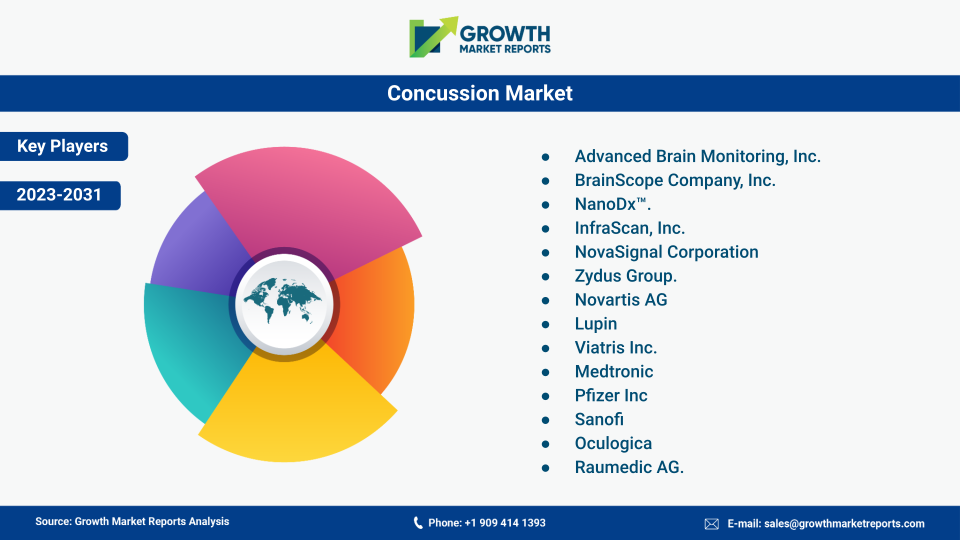
Key players in the market include Advanced Brain Monitoring, Inc.; BrainScope Company, Inc.; NanoDx™.; InfraScan, Inc.; NovaSignal Corporation; Zydus Group.; Novartis AG; Lupin; Viatris Inc.; Medtronic; Pfizer Inc; Sanofi; Oculogica; and Raumedic AG. These companies are considered major players in the global concussion market based on their revenue, product offerings, and supply chain management system.
The prominent market players are adopting key strategies such as acquisition, collaborations, and geographical expansion to make use of potential opportunities in the global concussion market.
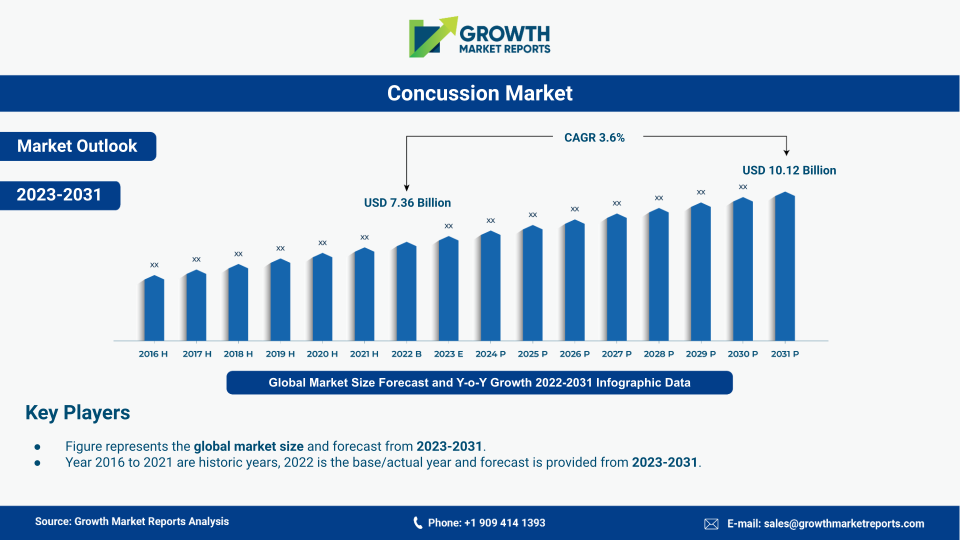
The global concussion market size was USD 7.1 Bn in 2021 and is likely to reach USD 9.8 Bn by 2030.
Development of drug and vaccine and government support is anticipated to drive the concussion market during the forecast period. Additionally, the growing geriatric population is another major factor expected to fuel market growth in the coming years.
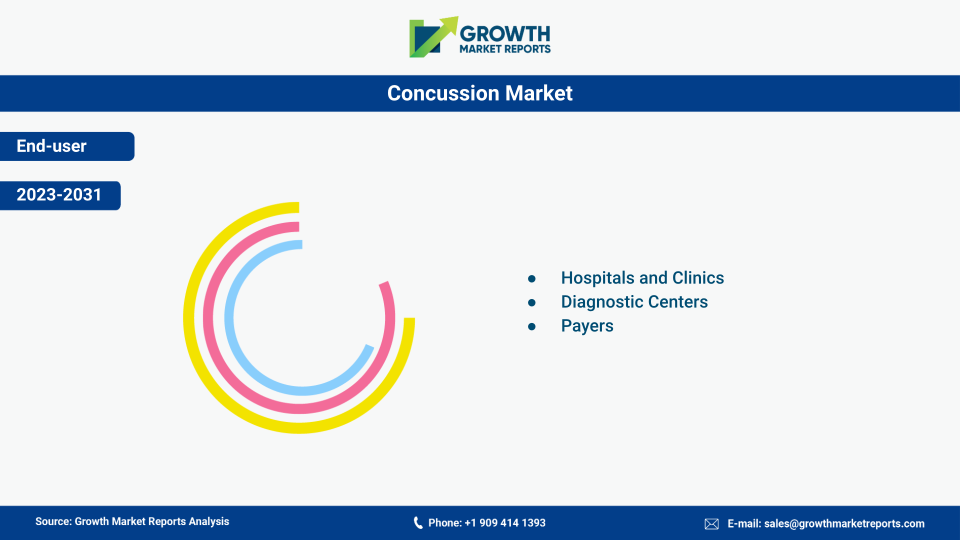
The global concussion market is estimated to register a compound annual growth rate of around 3.6% during the forecast period.
For regional analysis, North America dominates the global market during the projection period of 2022 to 2030.
Some of the key concussion market players are Advanced Brain Monitoring, Inc.; BrainScope Company, Inc.; NanoDx™.; InfraScan, Inc.; NovaSignal Corporation; Zydus Group.; Novartis AG; and Lupin.