Segments - by Disease Type (Acute Cholangitis, Chronic Cholangitis), by Treatment (Antibiotics, Surgery, Endoscopic Therapy, Others), by Diagnosis (Imaging, Laboratory Tests, Others), by End-User (Hospitals, Specialty Clinics, Ambulatory Surgical Centers, Others)
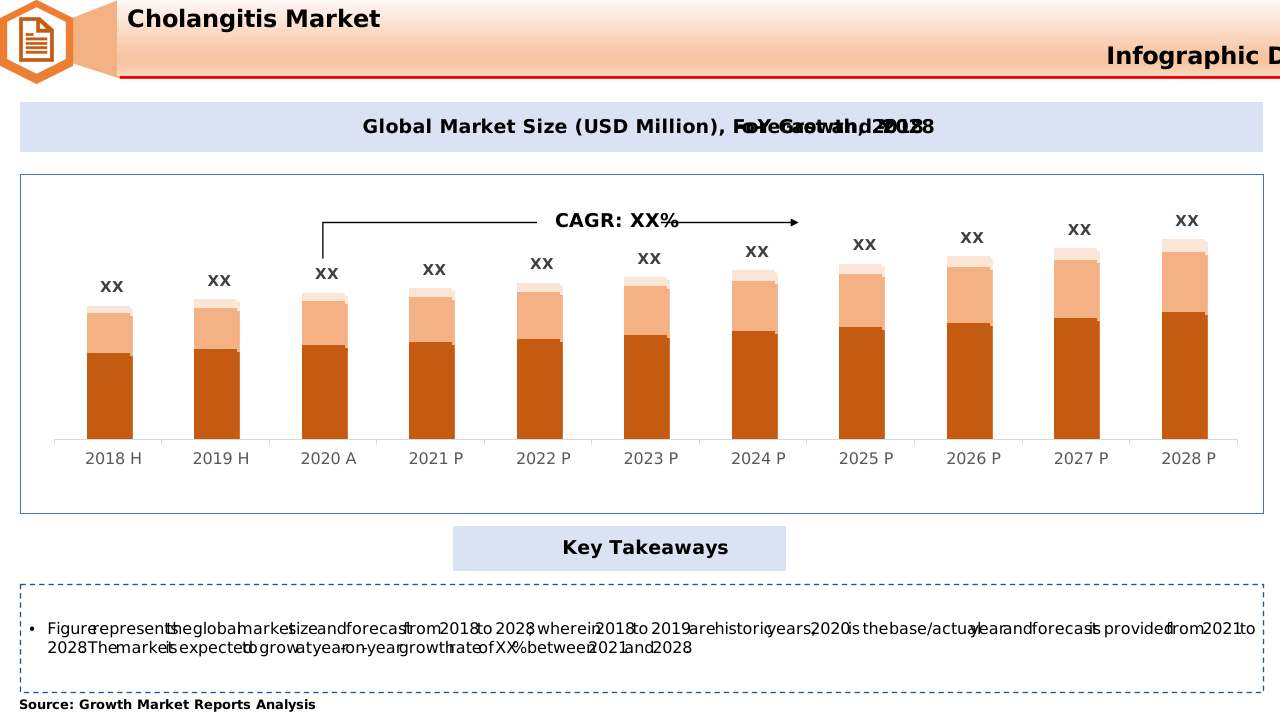
As per our latest research, the global cholangitis market size was valued at USD 1.42 billion in 2024, reflecting the growing awareness and improved diagnostic and treatment modalities for this serious hepatobiliary condition. The market is expected to expand at a CAGR of 6.1% from 2025 to 2033, reaching a projected value of USD 2.41 billion by 2033. This robust growth is primarily driven by the rising incidence of biliary tract diseases, advancements in endoscopic and minimally invasive surgical techniques, and the increasing prevalence of risk factors such as gallstones and biliary strictures worldwide.
The growth of the cholangitis market is underpinned by several key factors. Firstly, the increasing prevalence of risk factors such as gallstones, biliary strictures, and malignancies significantly contributes to the rising incidence of cholangitis. The aging global population, particularly in developed economies, is more susceptible to these underlying conditions, thereby fueling market demand. Additionally, the growing burden of lifestyle-related diseases such as obesity and metabolic syndrome further exacerbates the risk, creating a larger patient pool requiring diagnosis and treatment for cholangitis. Heightened awareness among healthcare professionals and improved screening protocols are also facilitating earlier detection, which is crucial for effective intervention and improved patient outcomes.
Technological advancements in diagnostic imaging and interventional endoscopy have been pivotal in driving the cholangitis market forward. The advent of high-resolution imaging modalities such as MRI, CT, and advanced ultrasound, coupled with innovations in endoscopic retrograde cholangiopancreatography (ERCP), has revolutionized the diagnosis and management of cholangitis. These technologies enable rapid, accurate identification of biliary obstructions and infections, allowing for timely therapeutic interventions. Moreover, the increasing adoption of minimally invasive surgical techniques has reduced patient morbidity and shortened hospital stays, further enhancing the attractiveness of modern cholangitis management strategies.
Another significant growth driver is the expanding access to healthcare services in emerging economies. Countries in the Asia Pacific and Latin America regions are witnessing substantial investments in healthcare infrastructure, resulting in improved availability of diagnostic and therapeutic services for biliary tract diseases. Government initiatives to promote early diagnosis, coupled with rising healthcare expenditure and favorable reimbursement policies, are facilitating greater patient access to advanced cholangitis treatments. This, in turn, is expected to contribute to sustained market growth over the forecast period.
In the realm of hepatobiliary disorders, Biliary Atresia Therapeutics is gaining attention as a critical area of research and development. This condition, primarily affecting infants, is characterized by the blockage or absence of bile ducts, leading to severe liver damage. The therapeutic landscape for biliary atresia is evolving with advancements in surgical techniques, such as the Kasai procedure, and the exploration of pharmacological interventions aimed at delaying the progression of liver damage. As awareness of biliary atresia grows, there is an increasing emphasis on early diagnosis and intervention, which are crucial for improving long-term outcomes and quality of life for affected individuals.
From a regional perspective, North America currently dominates the cholangitis market, owing to its well-established healthcare infrastructure, high disease awareness, and significant investments in research and development. However, the Asia Pacific region is poised for the fastest growth, driven by a large and aging population, rising prevalence of biliary tract diseases, and increasing adoption of advanced diagnostic and therapeutic technologies. Europe also holds a considerable share, benefiting from robust healthcare systems and a proactive approach to managing hepatobiliary disorders. Meanwhile, Latin America and the Middle East & Africa are expected to witness steady growth, supported by improving healthcare access and rising awareness initiatives.
The cholangitis market, when segmented by disease type, primarily includes acute cholangitis and chronic cholangitis. Acute cholangitis, often referred to as ascending cholangitis, is a life-threatening infection of the biliary tract that requires immediate medical attention. The rising incidence of acute cholangitis is largely attributed to the increasing prevalence of gallstone disease, which remains the leading cause of biliary obstruction and subsequent infection. Early recognition and prompt treatment are critical for reducing morbidity and mortality, which has led to heightened focus on rapid diagnostic protocols and effective therapeutic interventions in this segment.
Chronic cholangitis, on the other hand, is typically associated with underlying conditions such as primary sclerosing cholangitis (PSC) and autoimmune disorders. This segment is characterized by a more gradual progression of biliary inflammation and fibrosis, often resulting in long-term complications such as cirrhosis and cholangiocarcinoma. The management of chronic cholangitis is complex and often requires a multidisciplinary approach involving hepatologists, gastroenterologists, and transplant specialists. Advances in immunosuppressive therapies and liver transplantation techniques have significantly improved prognosis in this patient population, driving growth in the chronic cholangitis segment.
The acute cholangitis segment currently holds the largest share of the overall cholangitis market, primarily due to the high incidence and urgent nature of the condition. The increasing adoption of evidence-based management protocols, including early antibiotic administration and timely biliary drainage, has been instrumental in improving patient outcomes. Furthermore, the integration of advanced imaging and endoscopic techniques has enhanced the accuracy of diagnosis and the efficacy of therapeutic interventions in acute cases.
Meanwhile, the chronic cholangitis segment is expected to witness steady growth over the forecast period, supported by ongoing research into novel therapies and the development of targeted biologics. The rising prevalence of autoimmune and idiopathic biliary diseases, coupled with increasing awareness among healthcare providers and patients, is likely to drive demand for long-term management solutions. As a result, both acute and chronic cholangitis segments are poised to contribute significantly to the overall expansion of the cholangitis market in the coming years.
| Attributes | Details |
| Report Title | Cholangitis Market Research Report 2033 |
| By Disease Type | Acute Cholangitis, Chronic Cholangitis |
| By Treatment | Antibiotics, Surgery, Endoscopic Therapy, Others |
| By Diagnosis | Imaging, Laboratory Tests, Others |
| By End-User | Hospitals, Specialty Clinics, Ambulatory Surgical Centers, Others |
| Regions Covered | North America, Europe, APAC, Latin America, MEA |
| Base Year | 2024 |
| Historic Data | 2018-2023 |
| Forecast Period | 2025-2033 |
| Number of Pages | 288 |
| Number of Tables & Figures | 350 |
| Customization Available | Yes, the report can be customized as per your need. |
The cholangitis market is segmented by treatment into antibiotics, surgery, endoscopic therapy, and others. Antibiotics remain the cornerstone of initial management, especially in cases of acute cholangitis, where prompt administration is critical to control infection and prevent systemic sepsis. The growing prevalence of multidrug-resistant organisms has spurred ongoing research into new antimicrobial agents and combination regimens, further expanding the therapeutic arsenal available to clinicians. The increasing emphasis on antimicrobial stewardship programs is also shaping prescribing practices and optimizing patient outcomes.
Endoscopic therapy, particularly endoscopic retrograde cholangiopancreatography (ERCP), has emerged as a preferred modality for both diagnosis and treatment of cholangitis. ERCP enables direct visualization and intervention within the biliary tract, allowing for the removal of obstructions, placement of stents, and drainage of infected bile. The widespread adoption of minimally invasive endoscopic techniques has significantly reduced the need for open surgical procedures, resulting in shorter hospital stays and lower complication rates. Technological advancements such as digital cholangioscopy and single-operator systems are further enhancing the safety and efficacy of endoscopic interventions.
Surgical management continues to play a vital role in the treatment of complicated or refractory cases of cholangitis, particularly when endoscopic approaches are unsuccessful or contraindicated. Laparoscopic and robotic-assisted surgical techniques have gained traction in recent years, offering improved precision and faster recovery times. The integration of advanced imaging modalities and intraoperative navigation systems is also facilitating more accurate and targeted interventions, thereby improving surgical outcomes and expanding the indications for operative management in cholangitis.
Other treatment modalities, including percutaneous transhepatic biliary drainage (PTBD) and novel pharmacological therapies, are increasingly being utilized in specific clinical scenarios. PTBD is particularly valuable in patients who are poor candidates for endoscopic or surgical interventions, providing effective biliary decompression and infection control. Ongoing research into targeted therapies and immunomodulatory agents holds promise for the future management of chronic and autoimmune forms of cholangitis, potentially transforming the therapeutic landscape over the next decade.
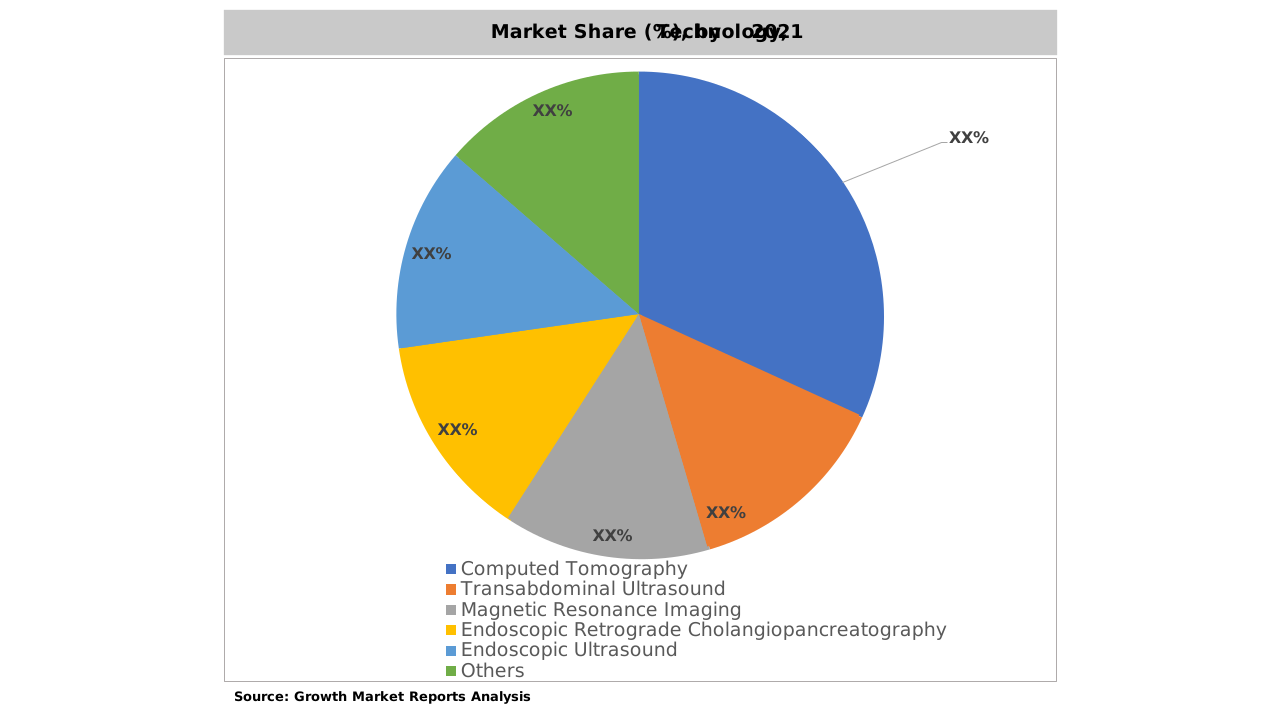
Accurate and timely diagnosis is critical for effective management of cholangitis, and the market is segmented into imaging, laboratory tests, and others. Imaging modalities such as ultrasound, computed tomography (CT), and magnetic resonance imaging (MRI) are routinely employed to visualize the biliary tree, identify obstructions, and assess the extent of infection or inflammation. The advent of high-resolution and contrast-enhanced imaging techniques has significantly improved diagnostic accuracy, enabling earlier intervention and reducing the risk of complications.
Laboratory tests play a pivotal role in the initial evaluation and ongoing monitoring of cholangitis patients. Key investigations include liver function tests, inflammatory markers (such as C-reactive protein and white blood cell count), and blood cultures to identify causative pathogens. The increasing availability of rapid molecular diagnostic assays is facilitating quicker identification of infectious agents and antimicrobial resistance patterns, thereby guiding targeted therapy and improving clinical outcomes.
Other diagnostic modalities, such as endoscopic ultrasound (EUS) and cholangiography, are increasingly being integrated into routine clinical practice for the assessment of complex or atypical cases. EUS provides high-resolution images of the biliary and pancreatic ducts, allowing for detailed evaluation of strictures, stones, and tumors. Direct cholangiography, performed via ERCP or percutaneous approaches, offers both diagnostic and therapeutic capabilities, enabling real-time visualization and intervention within the biliary tract.
The growing emphasis on early and accurate diagnosis has led to increased investment in diagnostic technologies and the development of integrated care pathways for cholangitis. Collaborative efforts between radiologists, gastroenterologists, and infectious disease specialists are streamlining the diagnostic process, reducing time to treatment, and enhancing overall patient care. As diagnostic capabilities continue to evolve, the market is expected to witness further growth in this segment, driven by the ongoing need for rapid and reliable diagnostic solutions.
The cholangitis market is segmented by end-user into hospitals, specialty clinics, ambulatory surgical centers, and others. Hospitals represent the largest end-user segment, accounting for the majority of cholangitis diagnoses and treatments worldwide. The availability of advanced diagnostic imaging, interventional radiology, and surgical facilities in hospital settings enables comprehensive management of both acute and chronic cholangitis cases. Multidisciplinary care teams, including hepatologists, gastroenterologists, surgeons, and infectious disease specialists, further enhance the quality of care provided to patients in these institutions.
Specialty clinics, particularly those focused on gastroenterology and hepatobiliary medicine, are playing an increasingly important role in the management of cholangitis. These clinics offer specialized expertise and access to advanced diagnostic and therapeutic modalities, making them a preferred choice for patients with complex or recurrent biliary tract diseases. The growing trend towards outpatient care and the increasing availability of minimally invasive procedures are driving demand for specialty clinic services, particularly in urban and metropolitan areas.
Ambulatory surgical centers (ASCs) are also emerging as significant end-users in the cholangitis market, reflecting the shift towards same-day procedures and reduced hospital stays. ASCs offer a cost-effective and efficient alternative for endoscopic and minimally invasive interventions, catering to patients with uncomplicated or elective cases of cholangitis. The expansion of ASC networks, coupled with favorable reimbursement policies and patient preferences for convenience, is expected to drive growth in this segment over the forecast period.
Other end-users, including academic medical centers and research institutions, are contributing to the advancement of cholangitis management through clinical trials, translational research, and the development of novel diagnostic and therapeutic approaches. These institutions play a critical role in shaping clinical practice guidelines, training healthcare professionals, and disseminating best practices across the broader healthcare ecosystem. As the demand for high-quality, patient-centered care continues to rise, all end-user segments are expected to play a vital role in the ongoing evolution of the cholangitis market.
The cholangitis market presents numerous opportunities for growth and innovation, particularly in the areas of advanced diagnostics, targeted therapies, and minimally invasive interventions. The increasing adoption of artificial intelligence and machine learning algorithms in diagnostic imaging is enabling earlier and more accurate detection of biliary tract diseases, thereby improving patient outcomes and reducing healthcare costs. Ongoing research into novel antimicrobial agents and immunomodulatory therapies holds significant promise for addressing the challenges posed by multidrug-resistant organisms and refractory cases of chronic cholangitis. Additionally, the expansion of telemedicine and remote monitoring solutions is facilitating timely access to specialist care, particularly in underserved and rural areas, further broadening the market's reach.
Another key opportunity lies in the growing emphasis on personalized medicine and precision therapeutics for cholangitis. Advances in genomics, proteomics, and biomarker discovery are paving the way for individualized treatment strategies tailored to the unique genetic and molecular profiles of patients. This approach has the potential to enhance therapeutic efficacy, minimize adverse effects, and improve long-term outcomes, particularly in patients with complex or atypical presentations. The integration of big data analytics and real-world evidence into clinical decision-making is also driving the development of evidence-based care pathways and optimizing resource utilization across healthcare systems.
Despite these opportunities, the cholangitis market faces several challenges that could hinder its growth. Chief among these is the rising prevalence of antimicrobial resistance, which complicates the management of acute infections and increases the risk of treatment failure. The limited availability of advanced diagnostic and therapeutic technologies in low- and middle-income countries also poses a significant barrier to timely and effective care. In addition, the high cost of novel therapies and interventions may limit access for certain patient populations, particularly in regions with constrained healthcare budgets. Addressing these challenges will require sustained investment in research, healthcare infrastructure, and policy initiatives aimed at improving access, affordability, and quality of care for cholangitis patients worldwide.
North America remains the largest regional market for cholangitis, accounting for approximately 38% of the global market in 2024, with a market size of around USD 540 million. The region's dominance is attributed to its advanced healthcare infrastructure, high disease awareness, and significant investments in research and development. The United States, in particular, benefits from a large pool of skilled healthcare professionals, widespread availability of cutting-edge diagnostic and therapeutic technologies, and robust reimbursement frameworks that support access to high-quality care. Canada also contributes significantly to regional growth, driven by its universal healthcare system and proactive approach to managing biliary tract diseases.
Europe holds the second-largest share of the global cholangitis market, with a market size of approximately USD 410 million in 2024. The region benefits from well-established healthcare systems, a strong focus on preventive care, and a collaborative approach to managing complex hepatobiliary disorders. Countries such as Germany, the United Kingdom, and France are at the forefront of research and innovation in cholangitis management, leveraging advanced diagnostic imaging, minimally invasive surgical techniques, and multidisciplinary care models to improve patient outcomes. The European market is expected to grow at a steady CAGR of 5.8% over the forecast period, supported by ongoing investments in healthcare infrastructure and rising awareness initiatives.
The Asia Pacific region is poised for the fastest growth, with a projected CAGR of 7.3% between 2025 and 2033. The market size for Asia Pacific was estimated at USD 340 million in 2024, driven by a large and aging population, increasing prevalence of biliary tract diseases, and rapid adoption of advanced diagnostic and therapeutic technologies. Countries such as China, India, and Japan are witnessing substantial investments in healthcare infrastructure, resulting in improved access to high-quality care for cholangitis patients. Government initiatives to promote early diagnosis, coupled with rising healthcare expenditure and favorable reimbursement policies, are expected to further accelerate market growth in the region. Latin America and the Middle East & Africa, with market sizes of USD 120 million and USD 50 million respectively in 2024, are also expected to witness steady growth, supported by improving healthcare access and rising awareness initiatives.
The global cholangitis market is characterized by intense competition among a diverse array of players, ranging from multinational pharmaceutical and medical device companies to specialized biotechnology firms and regional healthcare providers. The competitive landscape is shaped by ongoing innovations in diagnostic imaging, endoscopic technologies, and pharmacological therapies, as well as strategic collaborations and partnerships aimed at expanding product portfolios and geographic reach. Companies are increasingly investing in research and development to bring novel therapies and minimally invasive interventions to market, with a focus on improving patient outcomes and reducing healthcare costs.
Strategic mergers and acquisitions have emerged as a key trend in the cholangitis market, enabling companies to enhance their capabilities, diversify their offerings, and gain access to new markets. Leading players are also leveraging digital health solutions, such as telemedicine platforms and remote monitoring tools, to improve patient engagement and streamline care delivery. The growing emphasis on personalized medicine and precision therapeutics is driving the development of targeted biologics and immunomodulatory agents, further intensifying competition and fostering innovation across the industry.
In addition to established multinational corporations, a number of emerging biotechnology firms and medical device manufacturers are making significant inroads into the cholangitis market. These companies are focused on developing next-generation diagnostic and therapeutic solutions, including advanced imaging systems, minimally invasive endoscopic devices, and novel antimicrobial agents. The increasing availability of venture capital funding and government support for healthcare innovation is facilitating the entry of new players and accelerating the pace of technological advancement in the market.
Key companies operating in the cholangitis market include Johnson & Johnson, Boston Scientific Corporation, Olympus Corporation, Cook Medical, Medtronic plc, Abbott Laboratories, Siemens Healthineers, GE Healthcare, Fujifilm Holdings Corporation, and Pentax Medical. Johnson & Johnson and Boston Scientific are leading providers of endoscopic devices and accessories, offering a comprehensive range of solutions for the diagnosis and treatment of biliary tract diseases. Olympus Corporation and Cook Medical are renowned for their innovative endoscopic technologies, while Medtronic and Abbott Laboratories are major players in the field of advanced imaging and interventional radiology. Siemens Healthineers, GE Healthcare, and Fujifilm Holdings are at the forefront of diagnostic imaging, providing state-of-the-art systems that enable rapid and accurate assessment of cholangitis cases. Pentax Medical is recognized for its expertise in endoscopic visualization and intervention, contributing to improved patient outcomes and procedural efficiency.
These companies are actively engaged in strategic initiatives such as product launches, clinical trials, and collaborations with academic and research institutions to strengthen their market position and drive innovation. Ongoing investment in research and development, coupled with a commitment to quality and patient safety, is expected to remain a key differentiator in the highly competitive cholangitis market. As the demand for advanced diagnostic and therapeutic solutions continues to rise, leading players are well-positioned to capitalize on emerging opportunities and shape the future of cholangitis management worldwide.
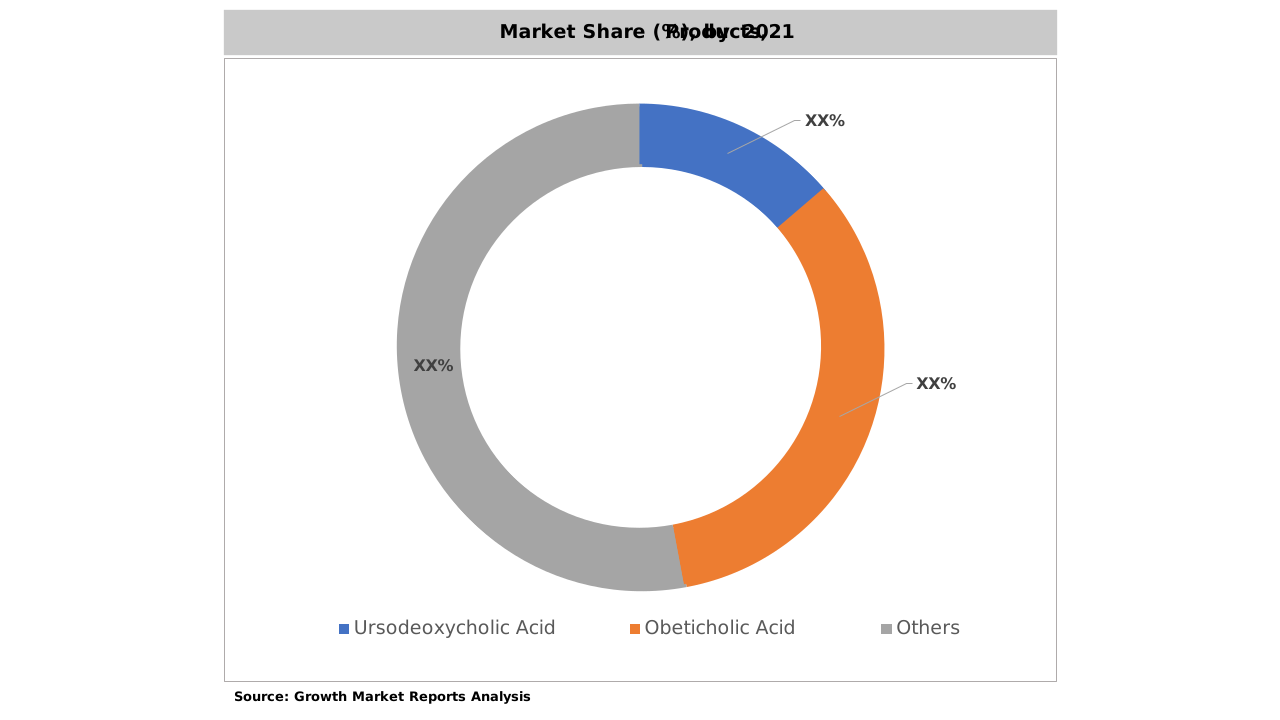
The Cholangitis market has been segmented on the basis of
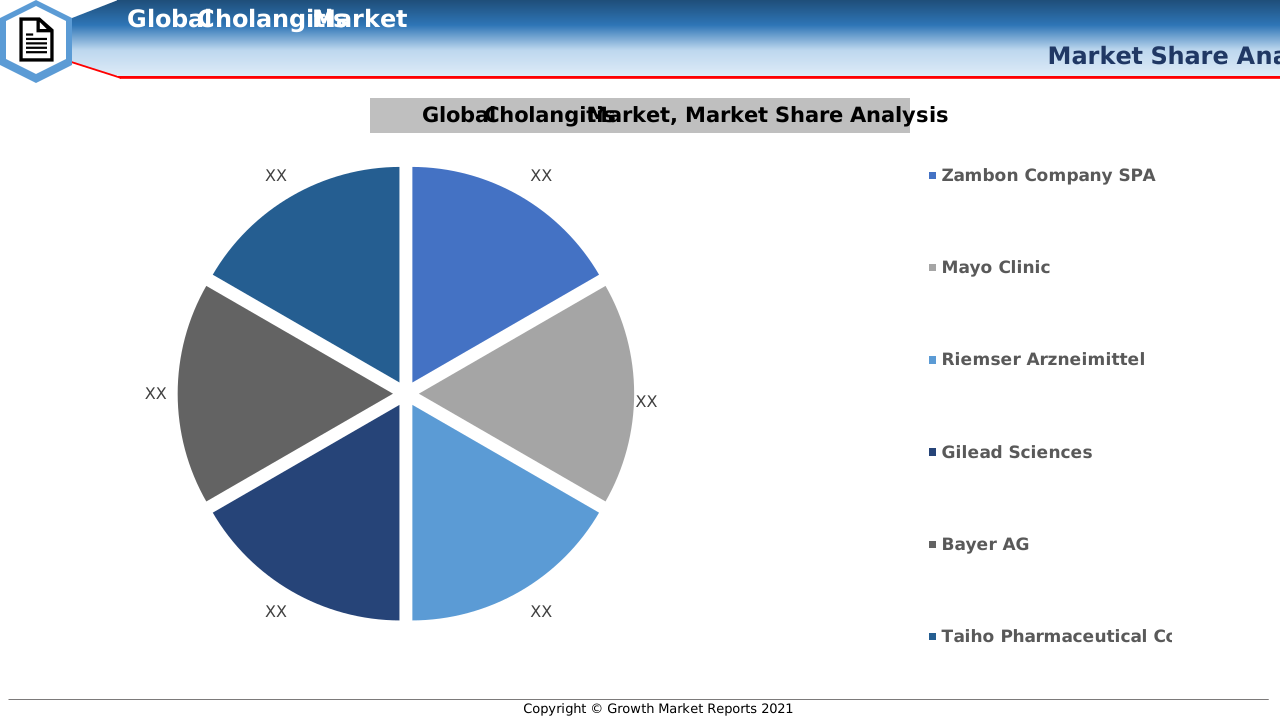
Key players competing in the global cholangitis market are Zambon Company SPA; Mayo Clinic; Riemser Arzneimittel; Gilead Sciences; Bayer AG; and Taiho Pharmaceutical Co. Ltd. Many of these players have adopted business strategies such as development of novel drugs, launch of new products, advancement of technologies, partnerships, mergers, and production capacity expansion in order to increase their expansion, their consumer base, and market position globally.
Future trends include the adoption of AI and machine learning in diagnostics, development of targeted and personalized therapies, expansion of telemedicine, and increased research into novel antimicrobial and immunomodulatory agents.
Major companies include Johnson & Johnson, Boston Scientific Corporation, Olympus Corporation, Cook Medical, Medtronic plc, Abbott Laboratories, Siemens Healthineers, GE Healthcare, Fujifilm Holdings Corporation, and Pentax Medical.
Challenges include rising antimicrobial resistance, limited access to advanced technologies in low- and middle-income countries, and high costs of novel therapies.
Hospitals are the largest end-users, followed by specialty clinics, ambulatory surgical centers, and academic/research institutions.
Diagnosis involves imaging techniques (ultrasound, CT, MRI), laboratory tests (liver function tests, inflammatory markers, blood cultures), and advanced modalities like endoscopic ultrasound (EUS) and cholangiography.
Treatment options include antibiotics, endoscopic therapy (such as ERCP), surgery (including laparoscopic and robotic-assisted procedures), and other modalities like percutaneous transhepatic biliary drainage (PTBD) and novel pharmacological therapies.
The market is segmented into acute cholangitis (often caused by gallstones and requiring urgent care) and chronic cholangitis (associated with conditions like primary sclerosing cholangitis and autoimmune disorders).
North America currently dominates the cholangitis market, followed by Europe. The Asia Pacific region is expected to experience the fastest growth due to its large and aging population and rapid adoption of advanced healthcare technologies.
Key growth drivers include rising incidence of biliary tract diseases, advancements in diagnostic imaging and endoscopic techniques, increasing prevalence of risk factors like gallstones and obesity, and improved healthcare access in emerging economies.
As of 2024, the global cholangitis market is valued at USD 1.42 billion, with expectations to reach USD 2.41 billion by 2033.