Segments - by Product Type (Pharmaceutical Grade, Industrial Grade, Others), by Application (Pharmaceuticals, Research, Others), by End-User (Hospitals, Research Institutes, Pharmaceutical Companies, Others), by Distribution Channel (Direct Sales, Distributors, Online Sales)
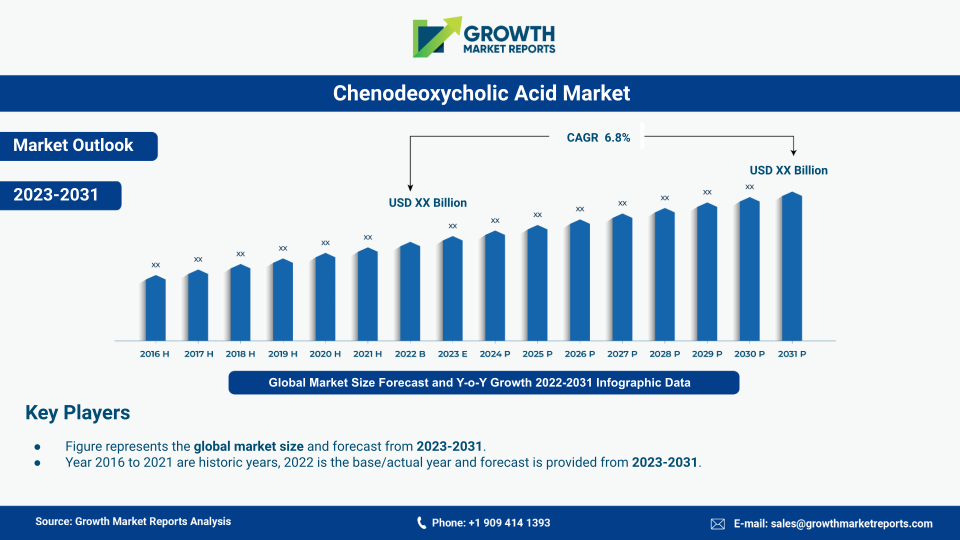
According to our latest research, the global chenodeoxycholic acid market size reached USD 148.7 million in 2024, reflecting robust demand across pharmaceutical and research sectors. The market is expected to expand at a CAGR of 7.2% from 2025 to 2033, reaching a forecasted value of USD 278.1 million by 2033. This growth is primarily propelled by increasing prevalence of liver and gallbladder disorders, rising investments in pharmaceutical research, and the expanding application scope of chenodeoxycholic acid in both established and emerging regions.
A key growth factor for the chenodeoxycholic acid market is the rising incidence of hepatobiliary diseases globally. As liver and gallbladder disorders become more prevalent due to changing lifestyles, aging populations, and increased awareness, the demand for effective therapeutic agents such as chenodeoxycholic acid has surged. Pharmaceutical companies are focusing on the development of advanced formulations and therapies that incorporate chenodeoxycholic acid, particularly for the treatment of gallstones and rare metabolic disorders like cerebrotendinous xanthomatosis. The increasing number of clinical trials and approvals for new indications further boosts the adoption of chenodeoxycholic acid in the pharmaceutical sector, driving market growth.
Another significant driver is the strong emphasis on research and development activities within the healthcare and life sciences sectors. Chenodeoxycholic acid is widely used in research for its role in bile acid metabolism, cholesterol homeostasis, and as a reference standard in analytical studies. The growing investment by academic institutions, research laboratories, and pharmaceutical companies in studying the physiological and pharmacological effects of bile acids is fostering demand for high-purity chenodeoxycholic acid. Additionally, the trend towards customized medicine and targeted therapies has led to expanded applications and increased procurement of chenodeoxycholic acid for both preclinical and clinical research purposes.
The market is also benefiting from advancements in production technologies and improved supply chain mechanisms. Innovations in extraction and synthesis methods have enhanced the quality and availability of chenodeoxycholic acid, making it more accessible to a broader range of end-users. Furthermore, the expansion of distribution networks, including online sales and direct procurement channels, has facilitated easier access for hospitals, research institutes, and pharmaceutical companies worldwide. These developments, coupled with favorable regulatory frameworks in key regions, are contributing to the consistent growth of the chenodeoxycholic acid market.
Regionally, Asia Pacific has emerged as a prominent growth engine for the chenodeoxycholic acid market, driven by rapid industrialization, increasing healthcare expenditure, and a burgeoning pharmaceutical manufacturing sector. Countries such as China and India are witnessing heightened demand due to rising patient populations and government initiatives supporting healthcare infrastructure development. Meanwhile, North America and Europe continue to maintain strong market positions owing to advanced healthcare systems, high research activity, and the presence of leading pharmaceutical players. The Middle East & Africa and Latin America are also showing steady growth, supported by improving healthcare access and rising investments in life sciences research.
The chenodeoxycholic acid market is segmented by product type into pharmaceutical grade, industrial grade, and others, with pharmaceutical grade dominating the market due to its critical role in therapeutic applications. Pharmaceutical grade chenodeoxycholic acid is characterized by high purity and stringent quality standards, making it suitable for direct use in drug formulations and clinical research. The demand for pharmaceutical grade products is particularly robust in regions with advanced healthcare systems, where regulatory compliance and patient safety are paramount. This segment is expected to maintain its leadership position throughout the forecast period, driven by continuous innovation in drug development and increasing approvals for new indications.
Industrial grade chenodeoxycholic acid, while representing a smaller share of the market, plays a vital role in various non-pharmaceutical applications, including chemical synthesis, analytical studies, and as intermediates in the manufacture of other chemicals. The growth of this segment is closely linked to the expansion of the chemical and biotechnology industries, where chenodeoxycholic acid is utilized for its unique biochemical properties. However, the market for industrial grade products is constrained by the need for lower purity and less stringent regulatory oversight compared to pharmaceutical grade, resulting in slower growth rates.
The "others" category encompasses specialty grades and derivatives of chenodeoxycholic acid that cater to niche applications, such as nutraceuticals, cosmetics, and veterinary medicines. Although this segment currently accounts for a minor portion of the overall market, it is expected to witness gradual growth as new applications are discovered and consumer awareness increases. The development of novel formulations and the exploration of chenodeoxycholic acid's potential in emerging fields such as microbiome research and metabolic health are likely to create new opportunities for this segment in the coming years.
Overall, the segmentation by product type highlights the diverse applications and quality requirements within the chenodeoxycholic acid market. Pharmaceutical grade products remain the cornerstone of market growth, supported by ongoing research, stringent regulations, and the rising burden of liver and gallbladder diseases. Meanwhile, industrial and specialty grades offer additional avenues for market expansion, particularly as new uses and technological advancements emerge across various industries.
| Attributes | Details |
| Report Title | Chenodeoxycholic Acid Market Research Report 2033 |
| By Product Type | Pharmaceutical Grade, Industrial Grade, Others |
| By Application | Pharmaceuticals, Research, Others |
| By End-User | Hospitals, Research Institutes, Pharmaceutical Companies, Others |
| By Distribution Channel | Direct Sales, Distributors, Online Sales |
| Regions Covered | North America, Europe, APAC, Latin America, MEA |
| Base Year | 2024 |
| Historic Data | 2018-2023 |
| Forecast Period | 2025-2033 |
| Number of Pages | 261 |
| Number of Tables & Figures | 330 |
| Customization Available | Yes, the report can be customized as per your need. |
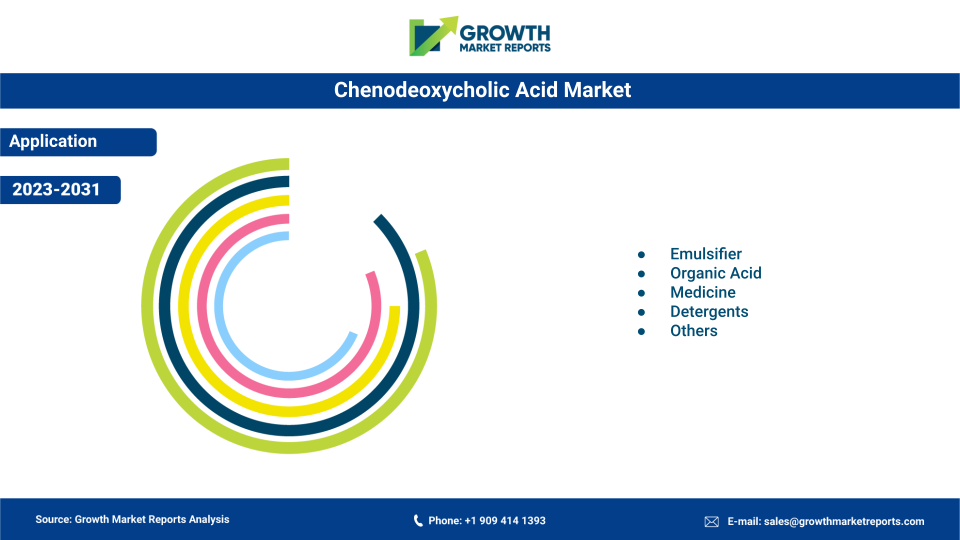
The application landscape of the chenodeoxycholic acid market is primarily divided into pharmaceuticals, research, and others, with pharmaceuticals accounting for the largest share. In the pharmaceutical sector, chenodeoxycholic acid is extensively utilized in the treatment of gallstones, rare metabolic disorders, and as an adjunct in liver therapies. The increasing prevalence of these conditions, coupled with the development of advanced drug formulations, has significantly boosted demand from pharmaceutical manufacturers. Regulatory approvals for new therapeutic indications and the growing adoption of chenodeoxycholic acid in combination therapies further reinforce its position as a critical active pharmaceutical ingredient.
Research applications constitute the second-largest segment, driven by the compound's pivotal role in studying bile acid metabolism, cholesterol regulation, and its use as a reference standard in analytical chemistry. Academic institutions, contract research organizations, and pharmaceutical companies are investing heavily in research projects that require high-purity chenodeoxycholic acid for both in vitro and in vivo studies. The emergence of personalized medicine and the exploration of bile acids as biomarkers and therapeutic targets are expanding the scope of research applications, creating sustained demand for quality chenodeoxycholic acid products.
The "others" application segment includes uses in nutraceuticals, cosmetics, and animal health, where chenodeoxycholic acid is valued for its biochemical properties and potential health benefits. Although this segment currently represents a smaller share of the market, it is poised for growth as consumer awareness of the health benefits of bile acids increases and as regulatory frameworks evolve to accommodate new product categories. The integration of chenodeoxycholic acid into functional foods, dietary supplements, and veterinary products is expected to open new avenues for market expansion in the medium to long term.
The application analysis underscores the versatility of chenodeoxycholic acid and its growing importance across multiple domains. While pharmaceuticals remain the primary driver of market growth, research and emerging applications are gaining traction, supported by ongoing scientific advancements and evolving consumer preferences. The ability of market players to innovate and diversify their product offerings will be crucial in capturing new opportunities and sustaining long-term growth in the highly competitive chenodeoxycholic acid market.
The end-user segment of the chenodeoxycholic acid market encompasses hospitals, research institutes, pharmaceutical companies, and others. Hospitals represent a major end-user group due to their direct involvement in the diagnosis, treatment, and management of liver and gallbladder disorders. The increasing number of patients requiring medical intervention for these conditions, coupled with advancements in hospital infrastructure and the availability of specialized treatments, has led to a steady rise in demand for chenodeoxycholic acid. Hospitals also play a critical role in clinical trials and the adoption of new therapeutic protocols, further strengthening their position as key market contributors.
Research institutes form another significant end-user segment, driven by their focus on basic and applied research in the fields of biochemistry, pharmacology, and metabolic diseases. These institutions require high-purity chenodeoxycholic acid for experimental studies, assay development, and biomarker discovery. The growing emphasis on translational research and the increasing number of collaborative projects between academia and industry are fueling demand from research institutes, particularly in regions with strong research infrastructure and government support.
Pharmaceutical companies are among the largest consumers of chenodeoxycholic acid, utilizing it as an active ingredient in drug formulations, as well as in quality control and product development processes. The expansion of the pharmaceutical manufacturing sector, especially in emerging markets, has contributed to increased procurement of chenodeoxycholic acid. Pharmaceutical companies are also at the forefront of innovation, investing in the development of new therapeutic applications and exploring the potential of chenodeoxycholic acid in combination therapies and novel drug delivery systems.
The "others" end-user category includes contract research organizations, diagnostic laboratories, and veterinary clinics, which utilize chenodeoxycholic acid for specialized applications. Although this segment currently accounts for a smaller share of the market, it is expected to grow as the adoption of chenodeoxycholic acid expands into new fields and as the benefits of bile acid-based therapies become more widely recognized. The diversification of end-user profiles highlights the broad applicability and market potential of chenodeoxycholic acid across the healthcare and life sciences spectrum.
The chenodeoxycholic acid market is segmented by distribution channel into direct sales, distributors, and online sales, reflecting the evolving dynamics of product procurement and supply chain management. Direct sales remain the preferred channel for large pharmaceutical companies and research institutions that require bulk quantities and tailored product specifications. This channel offers greater control over product quality, pricing, and delivery timelines, making it ideal for clients with stringent regulatory and operational requirements. The direct sales model also enables manufacturers to establish long-term relationships with key customers, ensuring consistent demand and repeat business.
Distributors play a crucial role in bridging the gap between manufacturers and end-users, particularly in regions with fragmented healthcare systems or limited direct access to suppliers. Distributors offer value-added services such as inventory management, logistics support, and regulatory compliance assistance, making them an essential component of the chenodeoxycholic acid supply chain. The presence of established distributor networks in major markets has facilitated the widespread availability of chenodeoxycholic acid, enabling smaller hospitals, research institutes, and pharmaceutical companies to access high-quality products.
Online sales have emerged as a rapidly growing distribution channel, driven by the digital transformation of the healthcare and life sciences sectors. Online platforms offer a convenient and efficient procurement process, allowing end-users to compare products, access technical information, and place orders with minimal administrative burden. The growth of e-commerce in the pharmaceutical and research supply markets has expanded the reach of chenodeoxycholic acid manufacturers, enabling them to tap into new customer segments and geographic regions. Online sales are particularly attractive to small and medium-sized enterprises seeking cost-effective and flexible sourcing options.
The distribution channel analysis highlights the importance of a diversified and responsive supply chain in the chenodeoxycholic acid market. Manufacturers and suppliers must adapt to changing customer preferences and leverage multiple channels to maximize market penetration and ensure timely delivery of products. The integration of digital technologies and the expansion of global distributor networks are expected to further enhance the efficiency and accessibility of chenodeoxycholic acid distribution, supporting sustained market growth in the years ahead.
One of the most significant opportunities in the chenodeoxycholic acid market lies in the development of novel therapeutic applications and the expansion into emerging markets. As research into bile acids and their physiological functions continues to advance, new indications for chenodeoxycholic acid are being explored, including its potential role in metabolic disorders, neurodegenerative diseases, and microbiome modulation. The growing prevalence of these conditions, combined with rising healthcare expenditure in emerging economies, presents a substantial growth opportunity for market players. Strategic collaborations between pharmaceutical companies, research institutions, and healthcare providers can accelerate the development and commercialization of innovative chenodeoxycholic acid-based therapies, unlocking new revenue streams and market segments.
Another key opportunity is the increasing adoption of digital technologies and data analytics in the manufacturing, distribution, and research of chenodeoxycholic acid. The integration of artificial intelligence, machine learning, and automation in production processes can enhance product quality, reduce costs, and improve supply chain efficiency. Digital platforms and online sales channels offer new avenues for market expansion, enabling manufacturers to reach a broader customer base and respond more effectively to changing market demands. The use of advanced analytics in research and development can also accelerate the discovery of new applications and optimize product formulations, further strengthening the competitive position of market leaders.
Despite these opportunities, the chenodeoxycholic acid market faces several restraining factors, the most notable being regulatory and quality compliance challenges. The production and use of chenodeoxycholic acid, particularly in pharmaceutical and research applications, are subject to stringent regulatory requirements and quality standards. Compliance with these regulations can be costly and time-consuming, particularly for small and medium-sized manufacturers. Additionally, the risk of supply chain disruptions, fluctuations in raw material availability, and the potential for counterfeit or substandard products pose ongoing threats to market stability. Addressing these challenges requires continuous investment in quality assurance, regulatory affairs, and supply chain management to ensure the safety, efficacy, and reliability of chenodeoxycholic acid products.
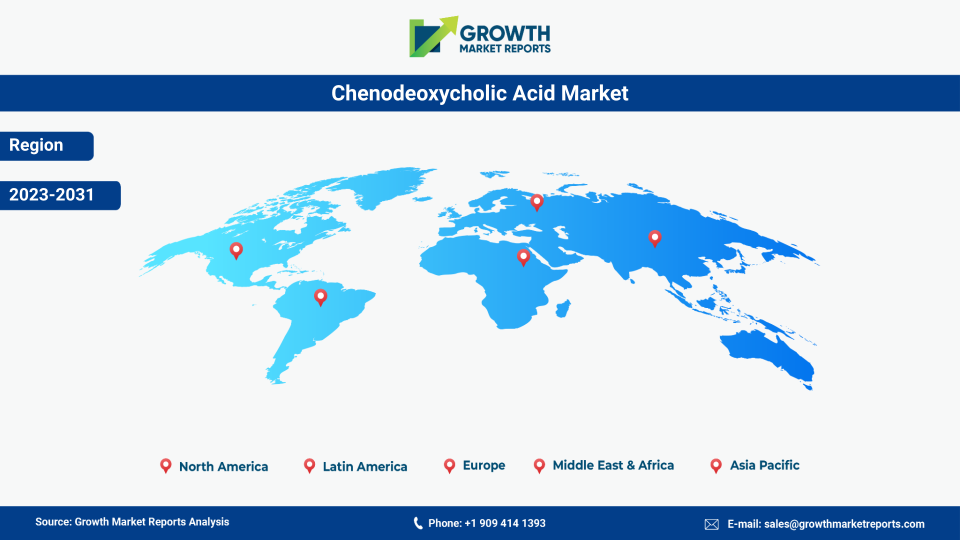
The regional distribution of the chenodeoxycholic acid market is characterized by significant variation in market size, growth rates, and application trends. Asia Pacific leads the market with a value of USD 54.2 million in 2024, accounting for over one-third of global demand. The region is expected to maintain a strong growth trajectory, with a projected CAGR of 8.1% through 2033, driven by rapid industrialization, increasing healthcare expenditure, and the expansion of pharmaceutical manufacturing in countries such as China, India, and South Korea. Government initiatives to improve healthcare infrastructure and promote research and development are further supporting market growth in the region.
North America remains a key market, valued at USD 42.8 million in 2024, supported by advanced healthcare systems, high research activity, and the presence of leading pharmaceutical companies. The region benefits from strong regulatory frameworks, well-established distribution networks, and a high level of investment in drug development and clinical research. The United States, in particular, is a major contributor to market growth, driven by ongoing innovation in therapeutic applications and a robust pipeline of new drug approvals. Canada and Mexico are also witnessing steady growth, supported by increasing healthcare access and rising demand for bile acid-based therapies.
Europe holds a significant share of the chenodeoxycholic acid market, with a market size of USD 32.5 million in 2024. The region is characterized by a strong focus on research and development, extensive collaboration between academia and industry, and a high level of regulatory compliance. Countries such as Germany, the United Kingdom, and France are leading contributors, supported by advanced healthcare infrastructure and a growing emphasis on personalized medicine. The market in Latin America and the Middle East & Africa is smaller but expanding, with a combined value of USD 19.2 million in 2024, driven by improving healthcare access, rising investments in life sciences, and increasing awareness of the therapeutic benefits of chenodeoxycholic acid.
The chenodeoxycholic acid market is characterized by a competitive landscape featuring a mix of established multinational corporations, regional players, and specialized manufacturers. The market is moderately consolidated, with a few key players holding significant market shares due to their robust product portfolios, extensive distribution networks, and strong brand recognition. These companies leverage their expertise in pharmaceutical manufacturing, research and development, and regulatory compliance to maintain a competitive edge. The entry of new players, particularly from emerging markets, is intensifying competition and driving innovation in product quality, pricing strategies, and customer service.
Strategic partnerships, mergers and acquisitions, and collaborations with research institutions are common strategies employed by leading companies to expand their market presence and enhance their technological capabilities. These initiatives enable market players to access new markets, diversify their product offerings, and accelerate the development of novel applications for chenodeoxycholic acid. Investment in research and development is a key differentiator, with companies focusing on the discovery of new therapeutic indications, improved formulations, and advanced manufacturing processes to meet the evolving needs of end-users.
The competitive landscape is also shaped by the ability of companies to navigate regulatory challenges and ensure consistent product quality. Compliance with international quality standards, such as Good Manufacturing Practices (GMP) and ISO certifications, is essential for maintaining customer trust and securing long-term contracts with pharmaceutical companies, hospitals, and research institutes. Companies that invest in quality assurance, supply chain management, and customer support are better positioned to capitalize on growth opportunities and mitigate the risks associated with market volatility and regulatory changes.
Major companies operating in the chenodeoxycholic acid market include Daewoong Bio, ICE s.p.A., PharmaZell GmbH, Shandong Xinhua Pharmaceutical Co., Ltd., and Zhuhai Rundu Pharmaceutical Co., Ltd.. Daewoong Bio is recognized for its strong focus on pharmaceutical grade chenodeoxycholic acid and a global distribution network. ICE s.p.A. and PharmaZell GmbH are known for their advanced manufacturing capabilities and commitment to research-driven innovation. Shandong Xinhua Pharmaceutical and Zhuhai Rundu Pharmaceutical are leading players in the Asia Pacific region, leveraging cost-effective production and expanding market reach. These companies are actively investing in new product development, regulatory compliance, and strategic partnerships to strengthen their market positions and drive long-term growth in the highly competitive chenodeoxycholic acid market.
The Chenodeoxycholic Acid market has been segmented on the basis of
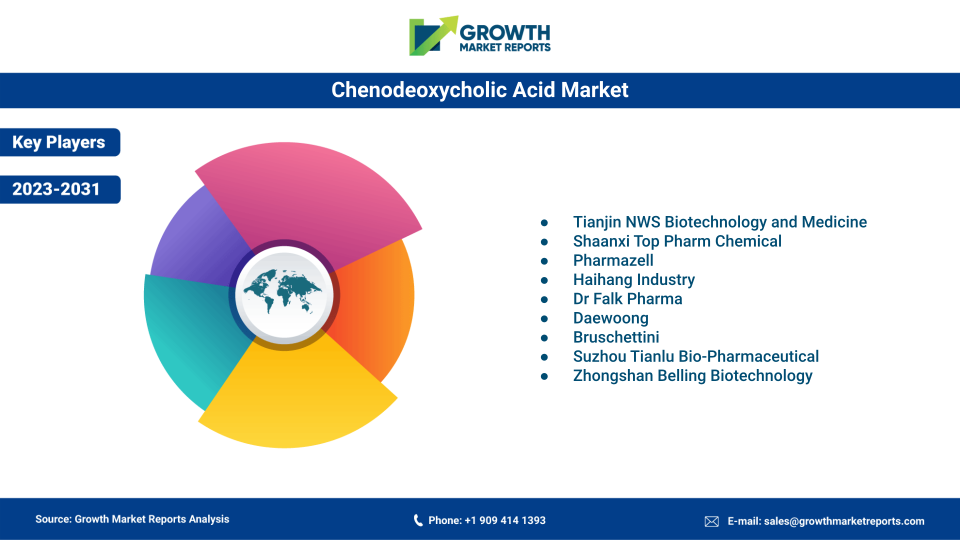
Key players competing in the chenodeoxycholic acid market are Tianjin NWS Biotechnology and Medicine; Shaanxi Top Pharm Chemical; Pharmazell; Haihang Industry; Dr Falk Pharma; Daewoong; Bruschettini; Suzhou Tianlu Bio-Pharmaceutical; and Zhongshan Belling Biotechnology
The market is extremely fragmented due to the existence of a significant number of global and local competitors. Furthermore, international businesses' consolidation actions are expected to boost rivalry among emerging and local market competitors. The market's top companies are always striving to expand their market share.
Key players include Daewoong Bio, ICE s.p.A., PharmaZell GmbH, Shandong Xinhua Pharmaceutical Co., Ltd., Zhuhai Rundu Pharmaceutical Co., Ltd., Zhejiang Medicine Co., Ltd., and several others.
Major challenges include stringent regulatory and quality compliance requirements, supply chain disruptions, raw material fluctuations, and the risk of counterfeit or substandard products.
Opportunities include the development of new therapeutic applications, expansion into emerging markets, adoption of digital technologies, and strategic collaborations for innovative product development.
The main distribution channels are direct sales, distributors, and online sales. Direct sales are preferred by large buyers, while online sales are rapidly growing due to digital transformation.
Asia Pacific leads the market, followed by North America and Europe. Asia Pacific's growth is driven by industrialization, healthcare expenditure, and pharmaceutical manufacturing, especially in China and India.
Major end-users include hospitals, research institutes, pharmaceutical companies, and others such as contract research organizations, diagnostic labs, and veterinary clinics.
Chenodeoxycholic acid is mainly used in pharmaceuticals (for gallstones, metabolic disorders, and liver therapies), research (bile acid metabolism, cholesterol regulation), and in niche areas like nutraceuticals, cosmetics, and veterinary medicine.
Pharmaceutical grade chenodeoxycholic acid dominates the market due to its high purity and critical role in drug formulations and clinical research.
Key growth drivers include the rising prevalence of liver and gallbladder disorders, increased pharmaceutical research investments, expanding therapeutic applications, and advancements in production technologies.
The global chenodeoxycholic acid market reached USD 148.7 million in 2024 and is expected to grow at a CAGR of 7.2% from 2025 to 2033, reaching USD 278.1 million by 2033.