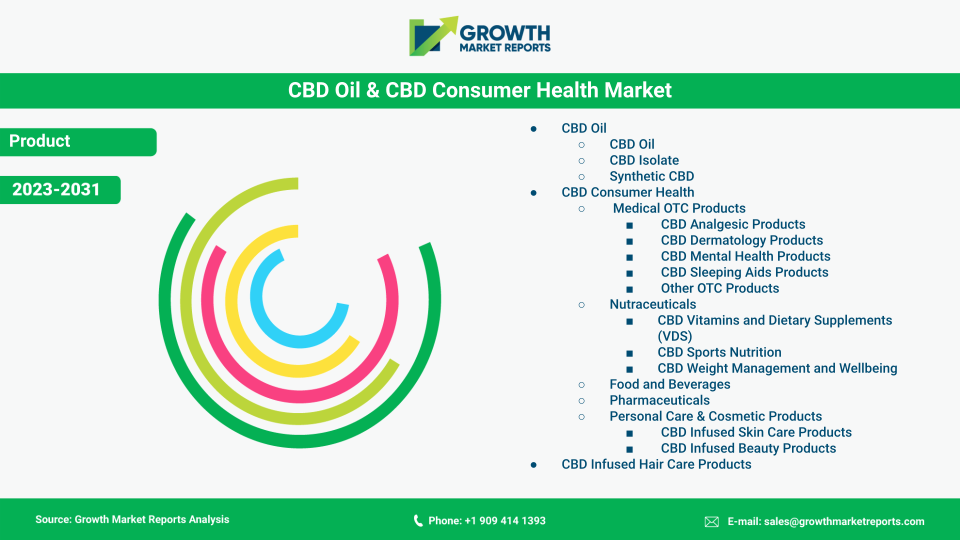
Segments - by Product Type (CBD Oil, CBD Capsules, CBD Topicals, CBD Edibles, Others), by Application (Pain Management, Anxiety & Stress Relief, Sleep Disorders, Neurological Disorders, Others), by Distribution Channel (Online Stores, Pharmacies, Retail Stores, Others), by Source (Hemp-derived, Marijuana-derived)
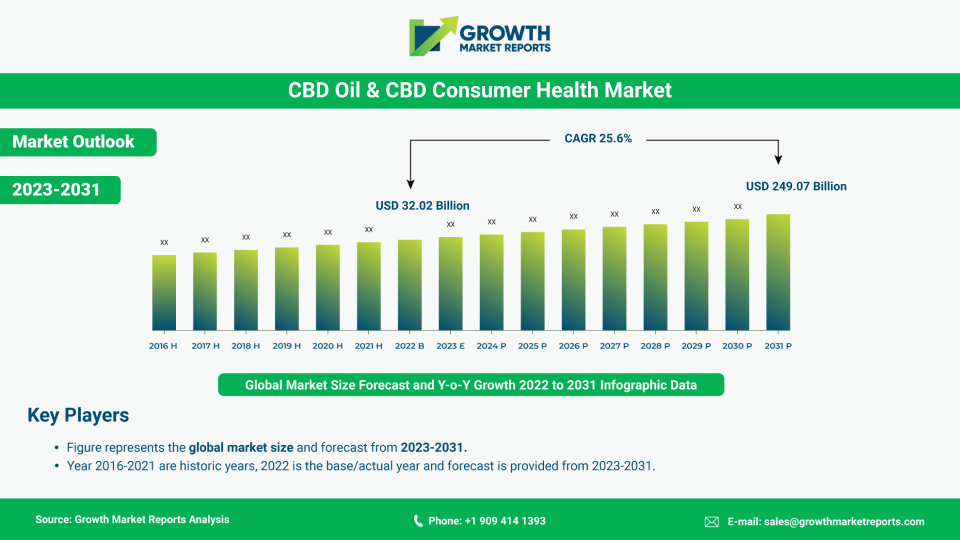
According to our latest research, the global CBD Oil & CBD Consumer Health market size reached USD 16.2 billion in 2024, demonstrating robust expansion driven by increasing consumer awareness and evolving regulatory landscapes. The market is expected to grow at a CAGR of 18.9% from 2025 to 2033, resulting in a projected market value of USD 87.3 billion by 2033. This surge is primarily attributed to the growing acceptance of CBD products for therapeutic and wellness purposes, coupled with a wider range of product innovations and distribution channels.
One of the most significant growth factors fueling the CBD Oil & CBD Consumer Health market is the increasing body of clinical evidence supporting the efficacy of cannabidiol in managing various health conditions. As consumers become more health-conscious and seek alternative remedies, CBD products are increasingly being integrated into daily wellness routines. The shift from traditional pharmaceuticals to plant-based therapies has provided a strong tailwind for market growth. Furthermore, extensive research and ongoing trials are helping to dispel misconceptions about CBD, enhancing its credibility among both consumers and healthcare professionals. This trend is expected to strengthen as more data emerges, broadening the scope of CBD applications in mainstream healthcare and wellness sectors.
Another crucial driver for market expansion is the dynamic product innovation across multiple CBD categories. Brands are investing heavily in research and development to create differentiated offerings such as CBD-infused edibles, topicals, capsules, and beverages, catering to diverse consumer preferences. The evolution of delivery formats has increased accessibility and convenience, appealing to a broader demographic. Additionally, technological advancements in extraction and formulation have improved product quality and consistency, further boosting consumer confidence. The proliferation of these innovative products across both developed and emerging markets is anticipated to accelerate market penetration and adoption rates, especially as regulatory frameworks become more favorable.
The regulatory environment plays a pivotal role in shaping the growth trajectory of the CBD Oil & CBD Consumer Health market. Progressive legalization and decriminalization of cannabis-derived products in key regions such as North America and Europe have opened new avenues for manufacturers and distributors. These regulatory shifts are fostering a competitive landscape where both established pharmaceutical companies and new entrants are vying for market share. Moreover, the harmonization of standards and clearer labeling requirements are enabling safer, higher-quality products to reach consumers. As more countries reevaluate their policies and move towards legalization, the global market is poised for further expansion, with increased cross-border trade and investment.
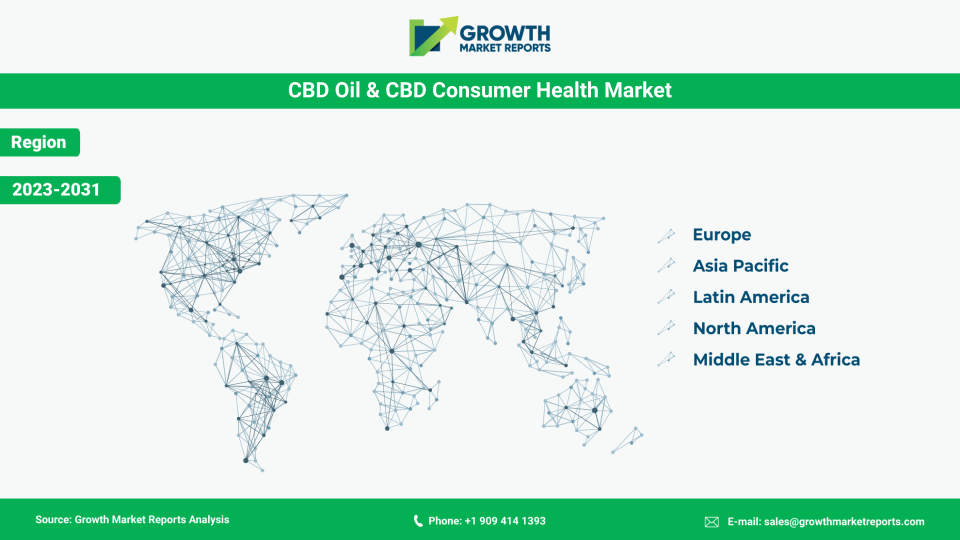
From a regional perspective, North America continues to dominate the CBD Oil & CBD Consumer Health market, accounting for the largest share in 2024 due to early legalization efforts, high consumer awareness, and a well-established retail infrastructure. However, Europe is rapidly catching up, propelled by regulatory reforms and rising demand for natural health products. The Asia Pacific region is emerging as a high-growth market, supported by changing perceptions and increasing investments in the hemp industry. While Latin America and the Middle East & Africa are still in the nascent stages, they present significant untapped potential as regulatory barriers gradually diminish and consumer education initiatives expand.
The product type segment within the CBD Oil & CBD Consumer Health market encompasses a diverse range of offerings, including CBD Oil, CBD Capsules, CBD Topicals, CBD Edibles, and Others. Among these, CBD oil remains the cornerstone product, accounting for the largest market share in 2024. Its versatility and ease of use have made it the preferred choice for both new and experienced users. The sublingual administration of CBD oil allows for rapid absorption and flexible dosing, which appeals to consumers seeking immediate relief from symptoms such as pain, anxiety, or insomnia. Additionally, ongoing advancements in extraction technologies have led to the production of high-purity, full-spectrum, and broad-spectrum oils, further enhancing their appeal and efficacy.
CBD capsules have gained considerable traction, especially among consumers seeking precise dosing and convenience. The encapsulated format eliminates the taste and odor associated with CBD oil, making it an attractive option for individuals who prefer a discreet and easy-to-administer supplement. The popularity of CBD capsules is particularly pronounced in the wellness and nutraceutical segments, where standardized dosing is a critical factor for compliance and efficacy. Manufacturers are also exploring novel formulations, such as slow-release and combination capsules, to address specific health concerns and broaden the market base.
CBD topicals, including creams, balms, and lotions, represent a rapidly expanding category driven by the growing demand for localized pain relief and skincare solutions. These products are designed for direct application to the skin, targeting specific areas affected by inflammation, muscle soreness, or dermatological conditions. The cosmetic and personal care industries have embraced CBD topicals, incorporating them into anti-aging, moisturizing, and soothing formulations. The non-psychoactive nature of CBD, combined with its anti-inflammatory and antioxidant properties, has positioned topicals as a popular choice among consumers seeking natural alternatives to conventional skincare products.
CBD edibles have witnessed exponential growth, driven by the increasing preference for enjoyable and convenient consumption methods. Gummies, chocolates, beverages, and baked goods infused with CBD are widely available in retail and online channels. Edibles offer a flavorful and socially acceptable way to incorporate CBD into daily routines, appealing to a younger demographic and first-time users. Product innovation in this segment is intense, with manufacturers experimenting with new flavors, functional ingredients, and precise dosing to differentiate their offerings. As regulatory clarity improves and consumer confidence grows, the edible segment is expected to contribute significantly to overall market growth.
The "Others" category includes emerging product types such as CBD patches, sprays, and pet products. These niche offerings are gaining popularity as consumers seek alternative delivery methods and applications for both human and animal health. The expansion of this segment underscores the versatility of CBD and its potential to address a wide range of health and wellness needs. As research continues and consumer demand evolves, the product type landscape is likely to witness further diversification and innovation, enhancing the overall value proposition of the CBD Oil & CBD Consumer Health market.
| Attributes | Details |
| Report Title | CBD Oil & CBD Consumer Health Market Research Report 2033 |
| By Product Type | CBD Oil, CBD Capsules, CBD Topicals, CBD Edibles, Others |
| By Application | Pain Management, Anxiety & Stress Relief, Sleep Disorders, Neurological Disorders, Others |
| By Distribution Channel | Online Stores, Pharmacies, Retail Stores, Others |
| By Source | Hemp-derived, Marijuana-derived |
| Regions Covered | North America, Europe, APAC, Latin America, MEA |
| Base Year | 2024 |
| Historic Data | 2018-2023 |
| Forecast Period | 2025-2033 |
| Number of Pages | 295 |
| Number of Tables & Figures | 311 |
| Customization Available | Yes, the report can be customized as per your need. |
The application segment of the CBD Oil & CBD Consumer Health market is broad, reflecting the diverse therapeutic and wellness uses of CBD products. Pain management remains the dominant application, accounting for the largest share in 2024. The analgesic and anti-inflammatory properties of CBD have been extensively documented, making it a popular choice for individuals suffering from chronic pain, arthritis, and sports injuries. The non-addictive nature of CBD, compared to traditional painkillers, has further fueled its adoption among health-conscious consumers and those seeking alternatives to opioids. The growing body of clinical evidence supporting the efficacy of CBD in pain relief is expected to drive sustained demand in this segment.
Anxiety and stress relief constitute another major application area, as modern lifestyles contribute to rising levels of psychological distress. CBD’s anxiolytic properties have attracted significant attention from consumers seeking natural solutions for managing anxiety, depression, and daily stressors. The increasing prevalence of mental health issues, coupled with the stigma associated with pharmaceutical interventions, has created a fertile ground for CBD-based products. Brands are responding by developing targeted formulations and delivery methods, such as tinctures and edibles, specifically designed for mood enhancement and relaxation. This trend is likely to gain further momentum as mental wellness becomes a central focus of consumer health.
Sleep disorders represent a rapidly growing application segment, driven by the widespread incidence of insomnia and other sleep-related issues. CBD’s ability to modulate the sleep-wake cycle and promote relaxation has made it a sought-after remedy for individuals struggling with poor sleep quality. The demand for non-habit-forming sleep aids is on the rise, as consumers become wary of the side effects associated with conventional medications. CBD-infused sleep products, including oils, capsules, and edibles, are being positioned as safe and effective alternatives, supported by positive user testimonials and emerging scientific research.
Neurological disorders, such as epilepsy, multiple sclerosis, and Parkinson’s disease, represent a specialized but highly impactful application for CBD. The approval of CBD-based pharmaceuticals, such as Epidiolex, for the treatment of rare forms of epilepsy has validated the therapeutic potential of cannabidiol in neurology. Ongoing research is exploring the broader neuroprotective and anti-seizure properties of CBD, paving the way for future indications and expanded usage. While regulatory and clinical challenges remain, the neurological segment holds significant promise for market growth, particularly as more evidence emerges and healthcare providers become more receptive to CBD therapies.
The "Others" category includes a wide array of emerging applications, such as cardiovascular health, gastrointestinal disorders, and immune system modulation. The versatility of CBD and its potential to address multiple health concerns are driving continuous innovation and product development. As scientific understanding deepens and regulatory barriers diminish, the application landscape is expected to become even more diverse, contributing to the overall expansion of the CBD Oil & CBD Consumer Health market.
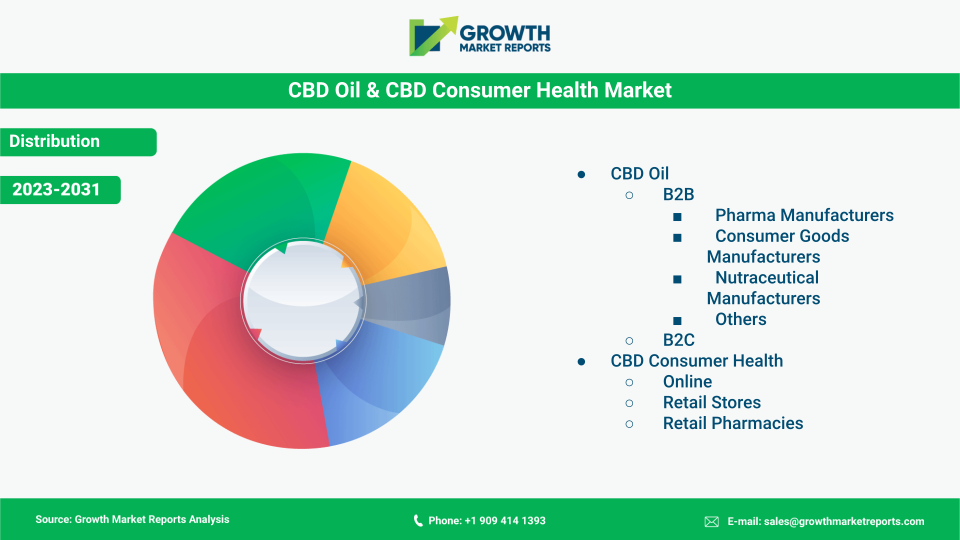
The distribution channel segment plays a critical role in shaping the accessibility and adoption of CBD products. Online stores have emerged as the leading distribution channel in 2024, capturing a substantial market share due to their convenience, product variety, and discreet purchasing experience. The digitalization of retail has enabled brands to reach a global audience, bypassing traditional barriers and regulatory complexities associated with brick-and-mortar stores. Online platforms offer comprehensive product information, user reviews, and educational resources, empowering consumers to make informed decisions. The COVID-19 pandemic further accelerated the shift towards e-commerce, a trend that is expected to persist in the coming years.
Pharmacies represent a trusted and regulated channel for the distribution of CBD products, particularly those positioned as therapeutic or wellness supplements. The integration of CBD products into pharmacy chains has enhanced their legitimacy and facilitated broader consumer acceptance. Pharmacists play a pivotal role in educating consumers about safe usage, potential interactions, and appropriate dosing, contributing to responsible consumption. The pharmacy channel is particularly important for prescription-based CBD products and those targeting specific medical conditions, as it ensures compliance with regulatory standards and quality assurance protocols.
Retail stores, including health food outlets, specialty stores, and supermarkets, continue to be a significant distribution channel, especially for impulse purchases and new product trials. The in-store experience allows consumers to physically inspect products, seek advice from knowledgeable staff, and participate in promotional activities. Retailers are increasingly dedicating shelf space to CBD products, reflecting growing consumer demand and confidence. Strategic partnerships between manufacturers and retail chains are facilitating wider distribution and brand visibility, particularly in regions with favorable regulatory environments.
The "Others" category encompasses emerging distribution channels such as wellness centers, gyms, spas, and veterinary clinics. These niche outlets cater to specific consumer segments seeking targeted applications of CBD, such as sports recovery, beauty treatments, or pet health. The diversification of distribution channels is indicative of the expanding reach and acceptance of CBD products across various lifestyle and wellness domains. As consumer preferences evolve and new channels emerge, the distribution landscape is expected to become increasingly fragmented and competitive, offering multiple touchpoints for market engagement.
The source segment of the CBD Oil & CBD Consumer Health market is primarily divided into hemp-derived and marijuana-derived products. Hemp-derived CBD dominates the market, accounting for the majority of sales in 2024. The legal distinction between hemp and marijuana, based on THC content, has facilitated the widespread adoption of hemp-derived CBD, particularly in regions where marijuana remains restricted. Hemp-derived CBD is favored for its non-psychoactive properties, making it suitable for a wide range of health and wellness applications without the risk of intoxication. The global movement towards sustainable and environmentally friendly agriculture has further boosted the appeal of hemp as a source of CBD, with many brands emphasizing organic and non-GMO certifications.
Marijuana-derived CBD occupies a smaller but growing segment of the market, particularly in regions where recreational and medical cannabis use is legal. Marijuana-derived CBD products typically contain higher concentrations of THC, offering a different therapeutic profile and appeal to consumers seeking the entourage effect. This segment is characterized by a higher degree of regulatory scrutiny and product differentiation, with manufacturers focusing on premium formulations and targeted medical applications. The evolving legal landscape in North America and parts of Europe is expected to create new opportunities for marijuana-derived CBD, particularly as consumer preferences shift towards full-spectrum and high-potency products.
The distinction between hemp-derived and marijuana-derived CBD has significant implications for product development, marketing, and regulatory compliance. Brands operating in the hemp-derived segment benefit from broader market access and fewer legal restrictions, enabling them to scale operations and reach a diverse consumer base. Conversely, marijuana-derived CBD brands often target niche markets, such as medical cannabis patients or recreational users, with specialized products and higher price points. The interplay between these two sources is shaping the competitive dynamics of the market, with each offering unique value propositions and growth opportunities.
Advancements in extraction and purification technologies are enabling manufacturers to produce high-quality CBD from both hemp and marijuana sources, ensuring consistency, potency, and safety. The trend towards transparency and traceability is driving demand for source-specific labeling and third-party testing, empowering consumers to make informed choices. As regulatory frameworks evolve and consumer preferences mature, the source segment is expected to witness further differentiation, with brands leveraging source attributes to build trust and loyalty.
The CBD Oil & CBD Consumer Health market is replete with opportunities, as the convergence of scientific research, consumer demand, and regulatory liberalization creates a fertile environment for innovation and growth. One of the most promising opportunities lies in the development of targeted therapeutics and personalized wellness solutions. Advances in genomics, biomarker analysis, and digital health are enabling brands to create customized CBD formulations tailored to individual needs and health profiles. This trend towards personalization is expected to enhance efficacy, compliance, and consumer satisfaction, driving higher adoption rates and market expansion. Additionally, the integration of CBD into mainstream pharmaceuticals, cosmetics, and functional foods is opening new revenue streams and cross-industry collaborations, further broadening the market’s scope.
Another significant opportunity is the expansion into emerging markets, particularly in Asia Pacific, Latin America, and the Middle East & Africa. As regulatory barriers diminish and consumer awareness grows, these regions present vast untapped potential for CBD brands. Strategic partnerships with local distributors, investment in consumer education, and adaptation to cultural preferences are key success factors for market entry and growth. Furthermore, innovations in sustainable agriculture and green extraction technologies are enabling brands to differentiate themselves on the basis of environmental stewardship and social responsibility, resonating with eco-conscious consumers and investors.
Despite the favorable outlook, the market faces several restraining factors, most notably the complex and evolving regulatory landscape. Inconsistent regulations across countries and regions create uncertainty for manufacturers, distributors, and consumers, hindering market development and cross-border trade. The lack of standardized quality control measures and labeling requirements poses risks related to product safety, efficacy, and consumer trust. Additionally, the persistence of social stigma and misinformation about CBD, particularly in conservative markets, continues to impede mass adoption. Addressing these challenges requires coordinated efforts among industry stakeholders, regulators, and advocacy groups to establish clear standards, promote consumer education, and ensure responsible marketing practices.
North America remains the dominant region in the CBD Oil & CBD Consumer Health market, accounting for approximately USD 7.8 billion in 2024. The United States leads the region, driven by early legalization, high consumer awareness, and a mature retail infrastructure. Canada also contributes significantly, benefiting from federal legalization and a vibrant cannabis industry. The North American market is characterized by intense competition, rapid product innovation, and a supportive regulatory environment, making it a key growth engine for the global market. The region is expected to maintain its leadership position, with a projected CAGR of 16.5% through 2033.
Europe is emerging as a high-growth region, capturing a market value of USD 4.2 billion in 2024. Regulatory reforms, increasing acceptance of cannabis-derived products, and rising demand for natural health solutions are fueling market expansion. The United Kingdom, Germany, and Switzerland are at the forefront, with progressive policies and a growing ecosystem of manufacturers and distributors. The European market is characterized by a strong emphasis on quality, safety, and transparency, with consumers demanding rigorous testing and certification. As more countries align their regulations and embrace CBD, Europe is poised for accelerated growth and increased market share.
The Asia Pacific region, valued at USD 2.1 billion in 2024, is witnessing rapid growth, supported by changing perceptions, rising disposable incomes, and expanding hemp cultivation. Key markets such as China, Japan, and Australia are leading the way, with increasing investments in research, product development, and distribution. The region presents unique challenges related to regulatory complexity and cultural attitudes, but also significant opportunities for brands willing to invest in consumer education and localization. Asia Pacific is expected to register the highest CAGR among all regions, driven by untapped potential and favorable demographic trends.
The CBD Oil & CBD Consumer Health market is characterized by a highly competitive and fragmented landscape, with a mix of established pharmaceutical companies, wellness brands, and emerging startups vying for market share. The market’s rapid growth and low barriers to entry have attracted a diverse array of players, each leveraging unique strengths in product innovation, branding, and distribution. Intense competition has spurred continuous advancements in product quality, formulation, and delivery methods, benefiting consumers with a wide range of choices and price points. Strategic partnerships, mergers, and acquisitions are common as companies seek to expand their portfolios, enter new markets, and achieve economies of scale.
Brand differentiation is a key competitive strategy, with leading companies investing heavily in research and development, clinical trials, and consumer education. The emphasis on transparency, third-party testing, and sustainable sourcing has become a critical factor in building trust and loyalty among consumers. Companies are also leveraging digital marketing, influencer partnerships, and social media campaigns to enhance brand visibility and engage with target audiences. The ability to adapt to evolving regulatory requirements and consumer preferences is crucial for long-term success, as the market continues to mature and consolidate.
The competitive landscape is further shaped by the entry of large multinational corporations, particularly from the pharmaceutical, food and beverage, and cosmetics industries. These players bring significant resources, distribution networks, and regulatory expertise, enabling them to scale operations and capture market share rapidly. However, niche players and startups continue to thrive by focusing on specialized segments, such as organic, vegan, or pet-friendly CBD products, and by cultivating strong community engagement and advocacy. The interplay between large incumbents and agile innovators is driving a dynamic and rapidly evolving market environment.
Some of the major companies operating in the CBD Oil & CBD Consumer Health market include Charlotte’s Web Holdings, Inc., CW Hemp, CV Sciences, Inc., Elixinol Global Limited, Medterra, cbdMD, Inc., Canopy Growth Corporation, Aurora Cannabis Inc., Green Roads, and Endoca. Charlotte’s Web Holdings, Inc. is renowned for its high-quality hemp-derived CBD products and strong brand presence in North America. CV Sciences, Inc. is a pioneer in the development of dietary supplements and functional foods infused with CBD, with a focus on scientific research and product efficacy. Elixinol Global Limited is a global leader in the production and distribution of hemp-derived CBD products, with a diverse portfolio spanning oils, capsules, and skincare.
Medterra and cbdMD, Inc. have established themselves as leading brands through a combination of product innovation, rigorous testing, and strategic partnerships. Canopy Growth Corporation and Aurora Cannabis Inc. are major players in the cannabis industry, leveraging their expertise in cultivation, extraction, and distribution to expand their presence in the CBD market. Green Roads is known for its pharmacist-formulated products and commitment to transparency, while Endoca emphasizes organic farming and sustainability. These companies are at the forefront of industry trends, continuously adapting to regulatory changes and consumer demands to maintain their competitive edge.
In conclusion, the CBD Oil & CBD Consumer Health market is poised for sustained growth and innovation, driven by a confluence of scientific, regulatory, and consumer trends. Companies that prioritize quality, transparency, and customer-centricity are well-positioned to capitalize on the expanding opportunities and navigate the evolving challenges of this dynamic market landscape.
The CBD Oil & CBD Consumer Health market has been segmented on the basis of
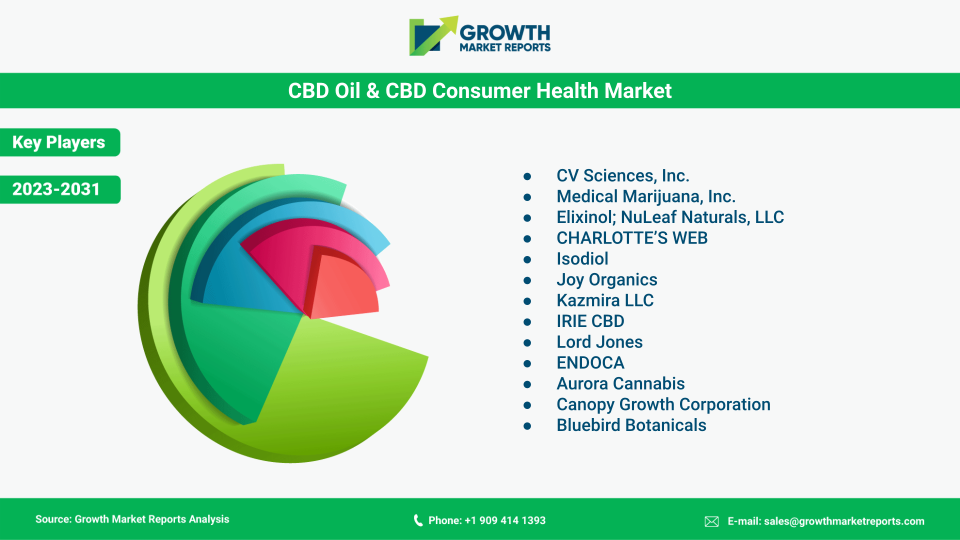
Key players competing in the CBD oil & CBD consumer health market are CV Sciences, Inc.; Medical Marijuana, Inc.; Elixinol; NuLeaf Naturals, LLC; CHARLOTTE’S WEB; Isodiol; Joy Organics; Kazmira LLC; IRIE CBD; Lord Jones; ENDOCA; Aurora Cannabis; Canopy Growth Corporation; Bluebird Botanicals; Global Cannabinoids; CBD American Shaman; BioVectra; Noramco, Inc.; CURE Pharmaceutical; GW Pharmaceutical; CBDepot; CIBDOL; THC Pharm GmbH.
Competition among existing players is fierce because of the increased demand for CBD oil, as well as increased awareness of its effectiveness and purity. Furthermore, market competition is fierce as companies strive to expand into new markets, expand their product offerings, and attract new customers.
Trends include product personalization, integration into mainstream pharmaceuticals and cosmetics, expansion into emerging markets, sustainable sourcing, and innovations in extraction and formulation technologies.
Major challenges include inconsistent and evolving regulations, lack of standardized quality control, social stigma, misinformation, and barriers to cross-border trade.
Key companies include Charlotte’s Web Holdings, Inc., CV Sciences, Inc., Elixinol Global Limited, Canopy Growth Corporation, Aurora Cannabis Inc., Medterra, cbdMD, Inc., Green Roads, Endoca, and others.
North America is the dominant region, followed by Europe and Asia Pacific. North America benefits from early legalization and high awareness, while Europe and APAC are experiencing rapid growth due to regulatory reforms and rising demand.
Hemp-derived CBD contains low THC and is non-psychoactive, making it widely legal and suitable for general wellness. Marijuana-derived CBD may contain higher THC, is subject to stricter regulations, and is often used for specific medical or recreational purposes.
Online stores are the leading distribution channel, followed by pharmacies, retail stores, and niche outlets like wellness centers and veterinary clinics.
The main applications include pain management, anxiety and stress relief, sleep disorders, neurological disorders, and emerging uses such as cardiovascular and gastrointestinal health.
CBD Oil remains the leading product type, followed by CBD Capsules, CBD Topicals, CBD Edibles, and emerging products like patches, sprays, and pet products.
Key growth drivers include increasing consumer awareness, evolving regulatory landscapes, expanding clinical evidence for CBD’s efficacy, product innovation, and the shift towards plant-based wellness solutions.
The global CBD Oil & CBD Consumer Health market reached USD 16.2 billion in 2024 and is expected to grow at a CAGR of 18.9% from 2025 to 2033, reaching a projected value of USD 87.3 billion by 2033.