CBD Consumer Health Market Research Report 2033

CBD Consumer Health Market Research Report 2033

Segments - by Product Type (Oils, Capsules, Topicals, Edibles, Others), by Application (Pain Management, Anxiety & Stress, Sleep Disorders, Neurological Conditions, Others), by Distribution Channel (Online Stores, Pharmacies, Retail Stores, Others), by End-User (Adults, Geriatric, Pediatric)

https://growthmarketreports.com/Anuradha
Author : Anuradha B. More
https://growthmarketreports.com/Vaibhav
Fact-checked by : Vaibhav Chandola
https://growthmarketreports.com/Shruti
Editor : Shruti Bhat

Upcoming | Report ID :FB-1994 | 4.4 Rating | 39 Reviews | 274 Pages | Format : Docx PDF

Report Description


CBD Consumer Health Market Outlook

According to our latest research, the CBD Consumer Health market size reached USD 18.7 billion globally in 2024, demonstrating robust expansion driven by rising consumer awareness and evolving regulatory frameworks. The market is projected to maintain a strong momentum, recording a CAGR of 17.2% from 2025 to 2033. By 2033, the CBD Consumer Health market is forecasted to reach approximately USD 61.5 billion worldwide. The key growth factor propelling this market is the increasing acceptance of CBD-infused health products for wellness, pain management, and mental health, supported by a growing body of scientific evidence and progressive legalization in major economies.

The primary growth driver for the CBD Consumer Health market is the shifting perception of cannabidiol (CBD) as a legitimate and effective component for health and wellness solutions. Consumers are increasingly seeking natural alternatives to traditional pharmaceuticals, especially for chronic pain, anxiety, and sleep disorders. The proliferation of scientific studies showcasing the therapeutic benefits of CBD has significantly enhanced consumer confidence, leading to a surge in demand for CBD-based products. Additionally, the expansion of product portfolios by leading manufacturers, including oils, capsules, topicals, and edibles, has further diversified consumer choices and contributed to the market’s rapid growth.

Another critical factor fueling the growth of the CBD Consumer Health market is the evolving regulatory landscape, particularly in North America and Europe. Governments and regulatory agencies are gradually adopting more favorable policies towards the cultivation, processing, and sale of hemp-derived CBD products. This regulatory clarity has encouraged investment from established pharmaceutical and consumer health companies, resulting in increased research and development activities and improved product quality standards. Furthermore, the growing acceptance of CBD in mainstream retail channels, such as pharmacies and health stores, has significantly expanded market accessibility, making it easier for consumers to incorporate CBD into their daily health regimens.

Technological advancements and innovation in product delivery methods are also contributing significantly to market growth. Companies are investing in advanced extraction techniques to ensure higher purity and potency of CBD, thereby enhancing product efficacy and consumer safety. Nanotechnology and encapsulation methods are being employed to improve the bioavailability of CBD in various formulations, such as gummies, capsules, and topical creams. These innovations not only improve the therapeutic outcomes for end-users but also foster brand differentiation in an increasingly competitive marketplace. The surge in online retailing and direct-to-consumer sales channels further amplifies market reach, allowing brands to educate consumers and build loyalty through digital platforms.

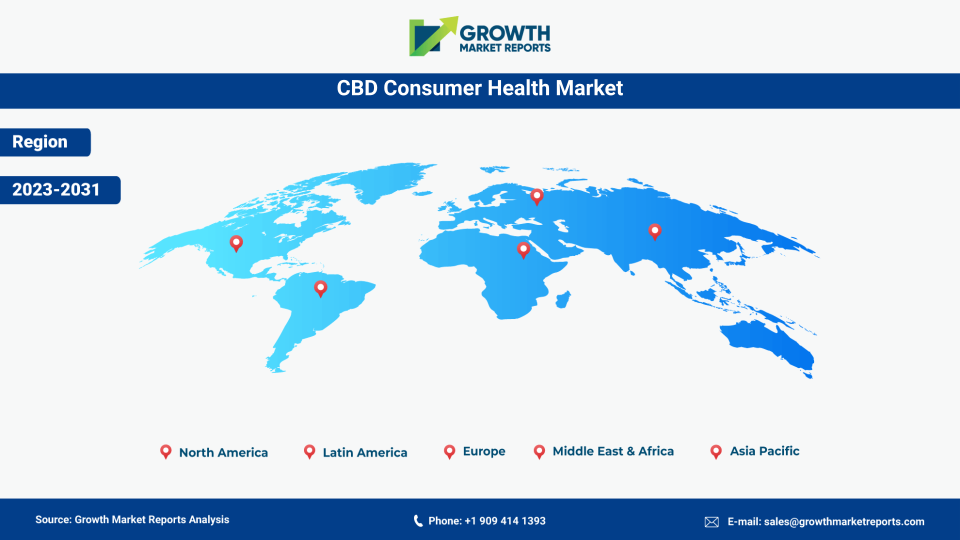
Regionally, North America continues to dominate the CBD Consumer Health market, accounting for the largest share due to early legalization, high consumer awareness, and the presence of leading market players. Europe follows closely, benefiting from progressive regulatory changes and a growing emphasis on holistic wellness. The Asia Pacific region is emerging as a high-potential market, driven by increasing urbanization, rising disposable incomes, and a gradual shift in regulatory stances regarding CBD. Latin America and the Middle East & Africa are witnessing steady growth, albeit at a slower pace, as regulatory frameworks and consumer education continue to evolve.

Global CBD Consumer Health Industry Outlook

Product Type Analysis

The product type segment of the CBD Consumer Health market is characterized by a diverse array of offerings, including oils, capsules, topicals, edibles, and others. Among these, CBD oils have traditionally held a dominant position due to their versatility, ease of administration, and rapid onset of action. Consumers favor oils for their ability to be consumed sublingually, mixed with food or beverages, or even applied topically in some cases. The high bioavailability and customizable dosing options provided by oils make them a preferred choice for individuals seeking relief from chronic pain, anxiety, or sleep disorders. Market leaders continue to invest in product innovation, introducing flavored oils, higher concentration formulations, and organic variants to cater to evolving consumer preferences.

CBD capsules have witnessed significant growth in recent years, appealing to consumers who prioritize convenience, precise dosing, and discreet consumption. Capsules are especially popular among individuals integrating CBD into their daily supplement routines, as they offer a familiar format and are easy to transport. The pharmaceutical-grade manufacturing processes employed for capsules ensure consistent quality and potency, which is particularly important for consumers using CBD for therapeutic purposes. This segment is expected to experience steady growth as more clinical evidence supporting the efficacy of CBD in capsule form becomes available, and as regulatory bodies provide clearer guidelines for supplement-grade products.

Topical products, including creams, balms, and lotions, are gaining traction within the CBD Consumer Health market due to their targeted application and perceived safety profile. These products are widely used for localized pain relief, inflammation, and skincare, appealing to both the sports and beauty segments. The rise of wellness and self-care trends has further boosted demand for CBD-infused topicals, with manufacturers introducing formulations enriched with additional botanicals and vitamins. Innovations in transdermal delivery systems are enhancing the absorption and efficacy of topical products, making them an attractive option for consumers seeking non-ingestible CBD solutions.

Edibles, such as gummies, chocolates, and beverages, represent a rapidly expanding segment within the CBD Consumer Health market. The appeal of edibles lies in their palatability, convenience, and variety of flavors, which make them especially popular among first-time users and younger demographics. Brands are focusing on developing low-sugar, vegan, and organic options to cater to health-conscious consumers. The regulatory landscape for edibles is evolving, with increased scrutiny on labeling accuracy, dosage, and ingredient transparency. As consumer trust in edible products grows, this segment is expected to witness robust growth, particularly through online and specialty retail channels.

Other product types, including patches, sprays, and inhalers, are emerging as innovative solutions within the market. While these formats currently hold a smaller share, they offer unique advantages such as rapid onset (inhalers and sprays) and extended release (patches). Companies are exploring these novel delivery mechanisms to address specific consumer needs and medical conditions, further expanding the overall product landscape. As research into alternative CBD delivery systems advances, these niche segments are likely to gain traction, contributing to the continued diversification and growth of the CBD Consumer Health market.

Report Scope

Attributes Details
Report Title CBD Consumer Health Market Research Report 2033
By Product Type Oils, Capsules, Topicals, Edibles, Others
By Application Pain Management, Anxiety & Stress, Sleep Disorders, Neurological Conditions, Others
By Distribution Channel Online Stores, Pharmacies, Retail Stores, Others
By End-User Adults, Geriatric, Pediatric
Regions Covered North America, Europe, APAC, Latin America, MEA
Base Year 2024
Historic Data 2018-2023
Forecast Period 2025-2033
Number of Pages 274
Number of Tables & Figures 282
Customization Available Yes, the report can be customized as per your need.

Application Analysis

The application landscape of the CBD Consumer Health market is broad, with pain management emerging as the largest and most established segment. Chronic pain conditions, such as arthritis, neuropathy, and musculoskeletal disorders, affect millions globally, prompting consumers to seek natural and non-addictive alternatives to opioids and traditional painkillers. CBD’s anti-inflammatory and analgesic properties, supported by a growing body of clinical evidence, have positioned it as a preferred option for pain relief. Market participants are capitalizing on this trend by developing targeted formulations and conducting clinical trials to further validate efficacy, thereby driving adoption among both healthcare professionals and end-users.

Anxiety and stress relief constitute another significant application area within the CBD Consumer Health market. The rising prevalence of mental health issues, exacerbated by modern lifestyles and global events, has led to increased interest in natural remedies such as CBD. Scientific studies indicate that CBD interacts with the endocannabinoid system to modulate mood, reduce anxiety, and promote relaxation without the psychoactive effects associated with THC. As a result, a wide range of products, including tinctures, capsules, and edibles, are being marketed specifically for stress and anxiety management. Educational campaigns and endorsements by wellness influencers have further accelerated consumer acceptance in this segment.

Sleep disorders represent a rapidly growing application segment, with consumers seeking alternatives to prescription sleep aids that often carry risks of dependency and side effects. CBD has gained popularity as a natural solution for improving sleep quality, reducing insomnia, and addressing sleep-related anxiety. Formulations designed for nighttime use, such as melatonin-infused gummies and calming tinctures, are increasingly available in the market. The growing focus on holistic wellness and the importance of restorative sleep in overall health have made this segment a key driver of market growth. Ongoing research into the mechanisms by which CBD influences sleep patterns is expected to further bolster this application area.

Neurological conditions, including epilepsy, multiple sclerosis, and Parkinson’s disease, represent a specialized but highly impactful application within the CBD Consumer Health market. The approval of CBD-based pharmaceuticals for certain forms of epilepsy, such as Epidiolex, has set a precedent for the use of CBD in managing neurological disorders. While this segment is subject to stringent regulatory oversight, ongoing clinical trials and research initiatives are exploring the potential of CBD in alleviating symptoms and improving quality of life for patients with neurological conditions. As scientific understanding deepens and regulatory pathways become clearer, this segment is expected to contribute significantly to market expansion.

Other applications, such as cardiovascular health, digestive wellness, and immune support, are emerging as areas of interest within the CBD Consumer Health market. Companies are investing in research and product development to explore the full spectrum of CBD’s therapeutic potential. As consumer awareness grows and regulatory frameworks evolve, these additional application areas are likely to gain prominence, further diversifying the market and creating new opportunities for innovation and growth.

Distribution Channel Analysis

The distribution channel segment of the CBD Consumer Health market is witnessing dynamic changes, with online stores emerging as a dominant force. The convenience, privacy, and wide product selection offered by online platforms have made them the preferred choice for many consumers, especially in regions where physical retail access is limited. E-commerce platforms enable brands to reach a broader audience, provide detailed product information, and facilitate direct consumer engagement through reviews and educational content. The rise of digital marketing and social media influencers has further amplified the visibility and credibility of CBD brands, driving online sales growth at an accelerated pace.

Pharmacies play a critical role in the distribution of CBD health products, particularly in markets with well-defined regulatory frameworks. The presence of CBD products in pharmacies lends an element of trust and legitimacy, appealing to consumers seeking medically endorsed solutions. Pharmacists are increasingly being trained to provide guidance on CBD usage, dosing, and potential drug interactions, thereby enhancing the overall consumer experience. As regulations continue to evolve, the inclusion of CBD products in mainstream pharmacy chains is expected to increase, further integrating CBD into conventional healthcare pathways and expanding market reach.

Retail stores, including health food outlets, specialty wellness shops, and supermarkets, constitute another significant distribution channel within the CBD Consumer Health market. These stores offer consumers the opportunity to physically examine products, seek advice from knowledgeable staff, and make immediate purchases. The in-store experience is particularly important for first-time users who may have questions or concerns about CBD. Retailers are responding to growing demand by expanding their CBD product assortments, offering in-store promotions, and hosting educational events. As consumer familiarity with CBD increases, brick-and-mortar retail is expected to remain a vital component of the overall distribution strategy.

Other distribution channels, such as clinics, wellness centers, and direct sales, are emerging as alternative avenues for CBD product dissemination. Clinics and wellness centers often offer personalized consultations and therapeutic services, integrating CBD into broader health and wellness programs. Direct sales models, including multi-level marketing and subscription services, provide recurring revenue streams and foster brand loyalty. These channels are particularly effective in reaching niche consumer segments and building long-term relationships. As the market matures, the integration of omnichannel strategies—combining online, offline, and direct engagement—will be essential for brands seeking to maximize market penetration and consumer engagement.

End-User Analysis

The end-user segment of the CBD Consumer Health market is predominantly composed of adults, who account for the largest share due to their higher prevalence of chronic pain, anxiety, and sleep disorders. Adults are increasingly turning to CBD as a natural alternative to traditional pharmaceuticals, motivated by a desire for holistic wellness and fewer side effects. This demographic is highly receptive to educational initiatives and product innovations, driving demand for a wide range of formulations, including oils, capsules, and topicals. Brands targeting adult consumers are focusing on transparency, quality assurance, and personalized solutions to build trust and loyalty in this key segment.

The geriatric population represents a rapidly expanding end-user group within the CBD Consumer Health market. As the global population ages, there is a growing incidence of age-related health issues, such as arthritis, neuropathy, and sleep disturbances, which are commonly managed with CBD products. Seniors are particularly drawn to CBD for its potential to provide pain relief and improve mobility without the adverse effects associated with conventional medications. Educational outreach and physician endorsements are critical for this demographic, as older adults often require guidance on dosing, interactions, and product selection. The development of senior-friendly formulations, such as easy-to-swallow capsules and topical creams, is further driving adoption in this segment.

Pediatric use of CBD is a specialized and highly regulated segment, primarily focused on specific medical conditions such as epilepsy and rare neurological disorders. The approval of CBD-based pharmaceuticals for pediatric epilepsy has paved the way for further research and clinical applications in this demographic. However, safety concerns, dosing challenges, and stringent regulatory requirements limit the widespread use of CBD among children. Parental education, physician supervision, and rigorous clinical trials are essential to ensure the safe and effective use of CBD in pediatric populations. As research advances and regulatory pathways become clearer, this segment may see gradual growth, particularly in the context of medically supervised treatments.

The segmentation by end-user highlights the importance of tailored product development and marketing strategies to address the unique needs and preferences of each demographic group. By understanding the specific health challenges, consumption patterns, and regulatory considerations associated with adults, geriatric, and pediatric users, companies can optimize their product offerings and communication strategies to maximize market impact. As consumer awareness and acceptance of CBD continue to grow, the end-user landscape is expected to become increasingly diverse, presenting new opportunities for innovation and differentiation within the CBD Consumer Health market.

Opportunities & Threats

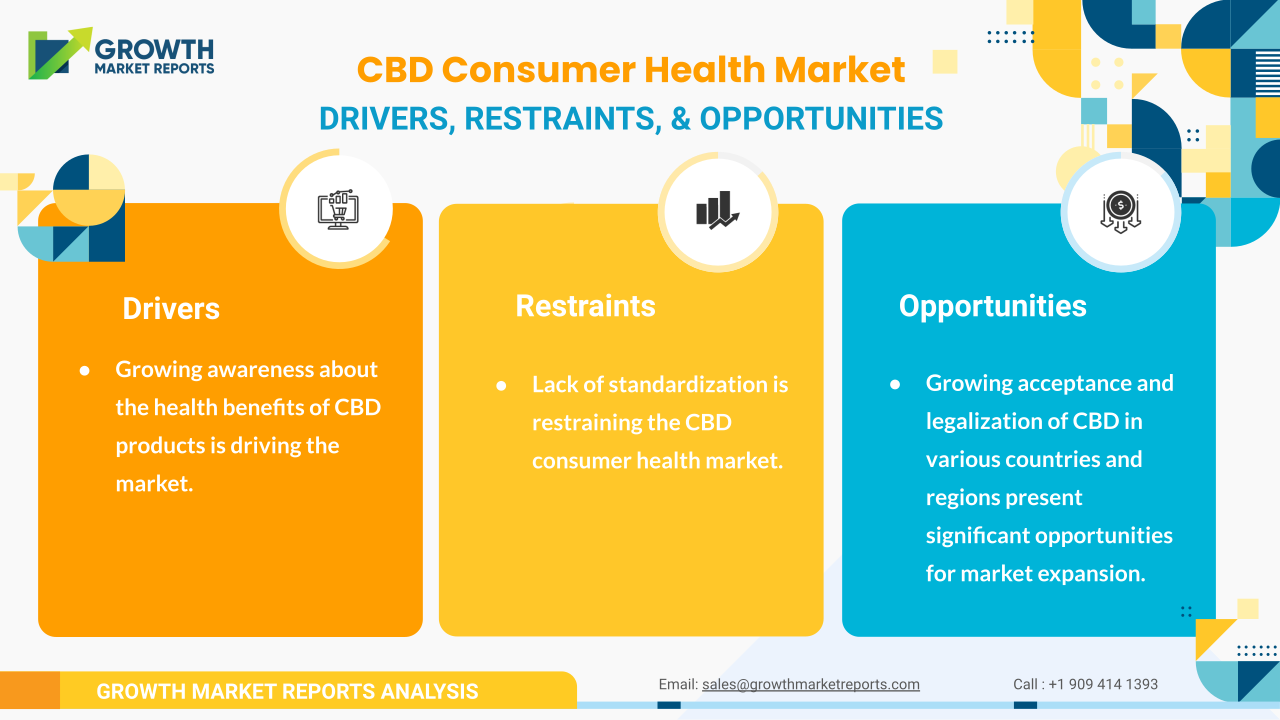
The CBD Consumer Health market presents a multitude of opportunities for growth and innovation, particularly as scientific research continues to uncover new therapeutic applications for CBD. The expansion of legal frameworks across key markets, such as North America, Europe, and parts of Asia Pacific, is creating a favorable environment for investment, product development, and market entry. Companies have the opportunity to capitalize on consumer trends towards natural health solutions, personalized wellness, and preventive care by developing targeted formulations and leveraging advanced delivery technologies. The integration of CBD into mainstream health and wellness categories, such as functional foods, nutraceuticals, and skincare, offers additional avenues for market expansion and brand differentiation.

Another significant opportunity lies in the development of clinical-grade CBD products for specific medical conditions, such as chronic pain, anxiety disorders, and neurological diseases. As regulatory agencies provide clearer pathways for the approval of CBD-based pharmaceuticals and medical devices, companies can invest in rigorous clinical trials and evidence-based product development. Collaborations with healthcare providers, research institutions, and patient advocacy groups can further enhance credibility and facilitate market adoption. Additionally, the rise of digital health platforms and telemedicine offers new channels for patient education, remote consultations, and personalized product recommendations, enabling brands to engage directly with consumers and healthcare professionals.

Despite the promising outlook, the CBD Consumer Health market faces several restraining factors that could hinder growth. Regulatory uncertainty remains a significant challenge, particularly in markets where CBD’s legal status is ambiguous or subject to frequent changes. Inconsistent quality standards, labeling inaccuracies, and the presence of unregulated products in the market can erode consumer trust and deter adoption. Furthermore, the lack of long-term safety data and standardized dosing guidelines poses challenges for healthcare professionals and consumers alike. Addressing these restraining factors requires ongoing collaboration between industry stakeholders, regulatory authorities, and scientific researchers to establish clear standards, ensure product safety, and foster consumer confidence.

Regional Outlook

North America remains the undisputed leader in the CBD Consumer Health market, accounting for approximately USD 8.2 billion in 2024. The region’s dominance is attributed to early legalization efforts, high consumer awareness, and the presence of established market players. The United States, in particular, has witnessed significant growth following the passage of the 2018 Farm Bill, which legalized hemp-derived CBD at the federal level. Canada’s mature regulatory framework and robust retail infrastructure further contribute to regional market expansion. North America is expected to maintain a strong CAGR of 15.8% through 2033, driven by ongoing product innovation, expanding distribution channels, and increasing integration of CBD into mainstream health and wellness categories.

Europe represents the second-largest regional market, with a market size of approximately USD 5.7 billion in 2024. The region’s growth is fueled by progressive regulatory changes, rising consumer interest in natural health solutions, and a strong tradition of herbal medicine. Key markets such as the United Kingdom, Germany, and Switzerland are at the forefront of CBD adoption, supported by clear guidelines for product quality, safety, and labeling. The European market is characterized by a diverse array of product offerings, including oils, capsules, edibles, and topicals, catering to a wide range of consumer preferences. As regulatory harmonization progresses across the European Union, the region is poised for sustained growth and increased market penetration.

The Asia Pacific region is emerging as a high-potential market, with a market size of USD 2.1 billion in 2024 and a projected CAGR of 19.4% through 2033. Factors driving growth include increasing urbanization, rising disposable incomes, and a gradual shift in regulatory stances regarding CBD. Countries such as Australia, Japan, and South Korea are leading the way in adopting CBD health products, supported by growing consumer awareness and government initiatives to promote alternative medicine. While regulatory barriers remain in some countries, ongoing efforts to educate consumers and healthcare professionals are expected to accelerate market development. Latin America and the Middle East & Africa, with market sizes of USD 1.5 billion and USD 1.2 billion respectively in 2024, are witnessing steady growth as regulatory frameworks evolve and consumer education initiatives gain traction.

CBD Consumer Health Market Statistics

Competitor Outlook

The CBD Consumer Health market is characterized by a highly competitive and rapidly evolving landscape, with a mix of established pharmaceutical companies, emerging startups, and diversified consumer health brands vying for market share. The influx of new entrants, driven by the low barriers to entry and high growth potential, has intensified competition and spurred innovation across product categories and delivery formats. Companies are investing heavily in research and development, quality assurance, and brand building to differentiate themselves in an increasingly crowded marketplace. Strategic partnerships, mergers and acquisitions, and collaborations with research institutions are common strategies employed to expand product portfolios, enhance technological capabilities, and accelerate market entry.

Brand reputation, product quality, and regulatory compliance are key factors influencing competitive dynamics in the CBD Consumer Health market. Leading companies are prioritizing transparency, third-party testing, and adherence to Good Manufacturing Practices (GMP) to build consumer trust and ensure product safety. The ability to navigate complex regulatory environments, secure certifications, and obtain medical endorsements is a significant competitive advantage, particularly in markets with stringent oversight. Companies that can demonstrate clinical efficacy, provide clear dosing guidelines, and offer personalized solutions are well-positioned to capture a larger share of the growing consumer base.

Innovation in product development and marketing strategies is another critical driver of competitive success. Companies are leveraging advanced extraction technologies, novel delivery systems, and unique ingredient combinations to create differentiated products that address specific consumer needs. Digital marketing, influencer partnerships, and educational campaigns are being utilized to raise awareness, drive consumer engagement, and foster brand loyalty. The integration of omnichannel distribution strategies—combining online, offline, and direct-to-consumer sales—enables brands to reach a broader audience and adapt to changing consumer preferences.

Major players in the CBD Consumer Health market include Charlotte’s Web Holdings, CV Sciences, Inc., Elixinol Global Limited, GW Pharmaceuticals (now part of Jazz Pharmaceuticals), and Canopy Growth Corporation. Charlotte’s Web Holdings is renowned for its high-quality CBD oils and extensive research initiatives, while CV Sciences focuses on innovative formulations and clinical validation. Elixinol Global is recognized for its broad product portfolio and international market presence. GW Pharmaceuticals, now under Jazz Pharmaceuticals, has set industry benchmarks with its FDA-approved CBD-based drug, Epidiolex, for epilepsy treatment. Canopy Growth Corporation leverages its strong research and development capabilities and global distribution network to expand its CBD health product offerings. These companies, along with numerous emerging brands, are shaping the future of the CBD Consumer Health market through ongoing innovation, strategic expansion, and a relentless focus on quality and consumer trust.

Key Players

  • Charlotte's Web Holdings Inc.
  • CV Sciences Inc.
  • Canopy Growth Corporation
  • Aurora Cannabis Inc.
  • Tilray Brands, Inc.
  • Elixinol Global Limited
  • Medterra CBD
  • Green Roads
  • Endoca
  • cbdMD, Inc.
  • Joy Organics
  • Lord Jones
  • HempFusion Wellness Inc.
  • Bluebird Botanicals
  • Sunday Scaries
  • Veritas Farms, Inc.
  • Koi CBD
  • PureKana
  • NuLeaf Naturals
  • Green Thumb Industries (GTI)
CBD Consumer Health Market Overview

Segments

The CBD Consumer Health market has been segmented on the basis of

Product Type

  • Oils
  • Capsules
  • Topicals
  • Edibles
  • Others

Application

  • Pain Management
  • Anxiety & Stress
  • Sleep Disorders
  • Neurological Conditions
  • Others

Distribution Channel

  • Online Stores
  • Pharmacies
  • Retail Stores
  • Others

End-User

  • Adults
  • Geriatric
  • Pediatric

Competitive Landscape

Key players competing in the CBD consumer health market include Charlotte's Web; CV Sciences Inc.; Elixinol Global Limited; ENDOCA; Isodiol International Inc.; Joy Organics; Kazmira; Lord Jones; Medical Marijuana Inc.; and NuLeaf Naturals LLC. 

Key firms are concentrating on expanding their geographic footprint and acquiring small competitors in order to leverage their position in the industry. For instance,

  • On May 11, 2023, 1606 Corp., an acquisition-based CBD holding company, ordered USD 150,000 worth of new inventory to meet the demand for its Brio Nutrition line of CBD products.
  • In October 2022Bloomios, Inc., Infusionz, a subsidiary of Upexi, further strengthened its position as a key manufacturer and wholesaler of hemp-derived nutraceuticals, cosmetics, and pet products.
  • In January 2019, Aphria bought CC Pharma GmbH, a Germany-based pharmaceutical wholesaler. More than 13,000 pharmacies in Germany and other EU member states are served by this company. Aphria's global presence in Germany and other Europe-based countries is expected to strengthen, due to its acquisition move.
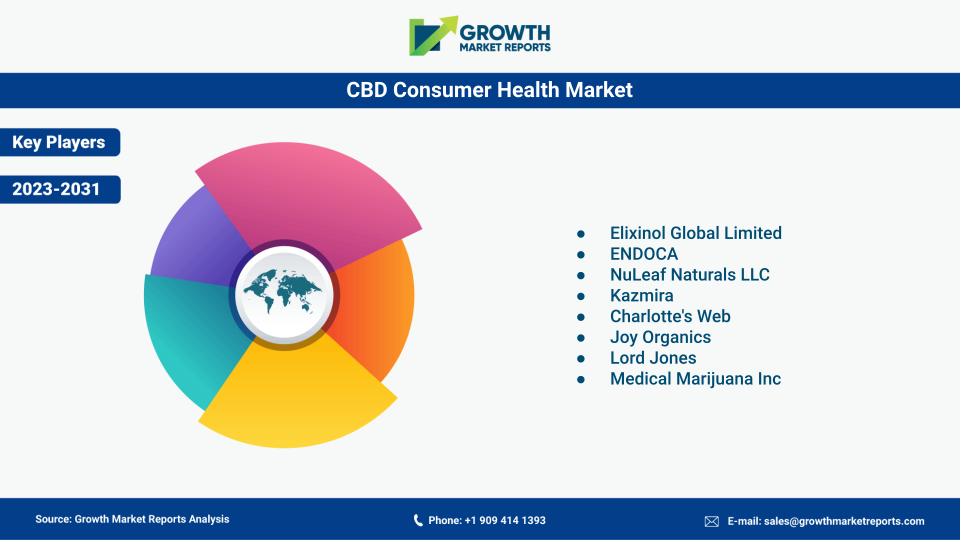

CBD Consumer Health Market Key Players

Frequently Asked Questions

North America region holds the major share of the market.

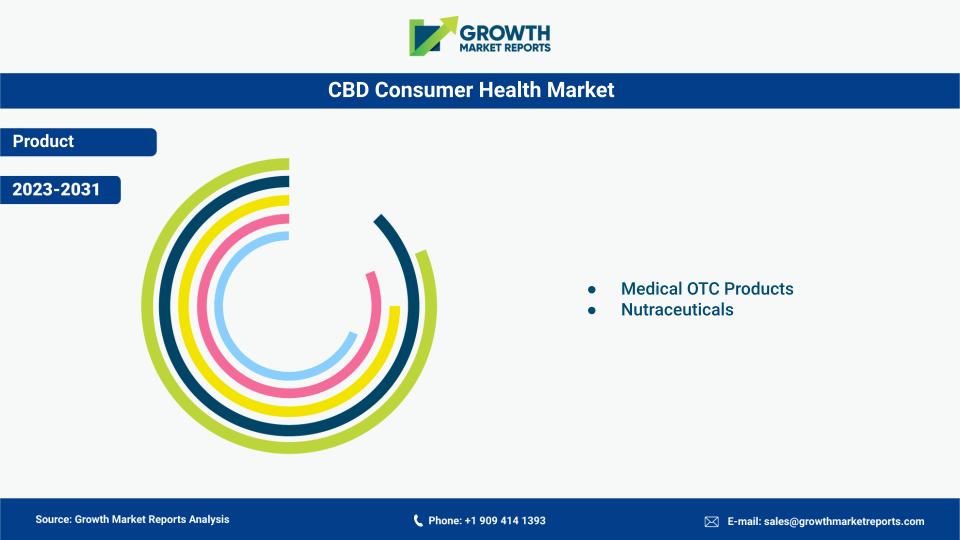
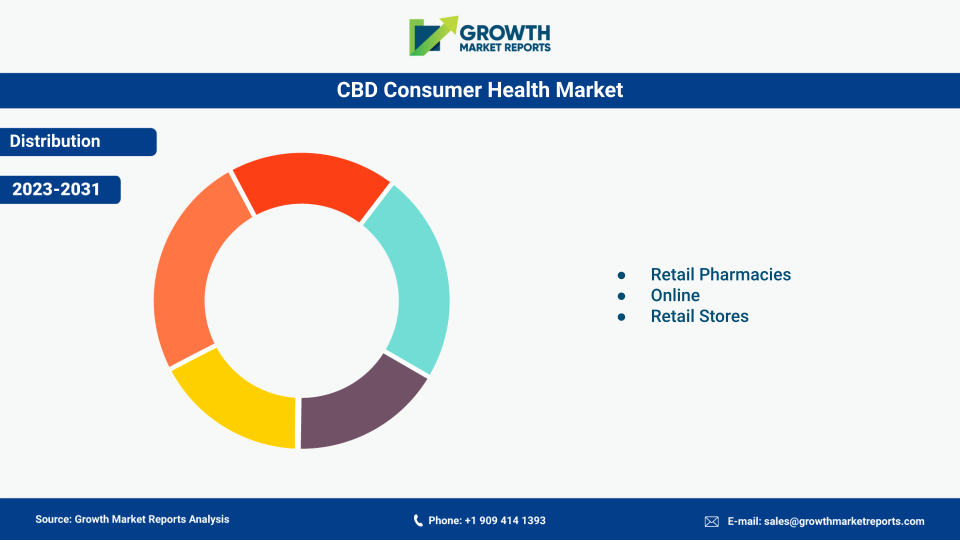
Segments covered in the CBD consumer health market are, Products (Medical OTC Products [CBD Analgesic Products, CBD Dermatology Products, CBD Mental Health Products, CBD Sleeping Aids Products, and Other OTC Products], Nutraceuticals [CBD Vitamins and Dietary Supplements (VDS), CBD Sports Nutrition, and CBD Weight Management and Wellbeing]), Distribution Channel (Retail Pharmacies, Online, and Retail Stores).

The growth of the market is attributed to the beneficial government reforms for cannabidiol (CBD) legalization in various regions.

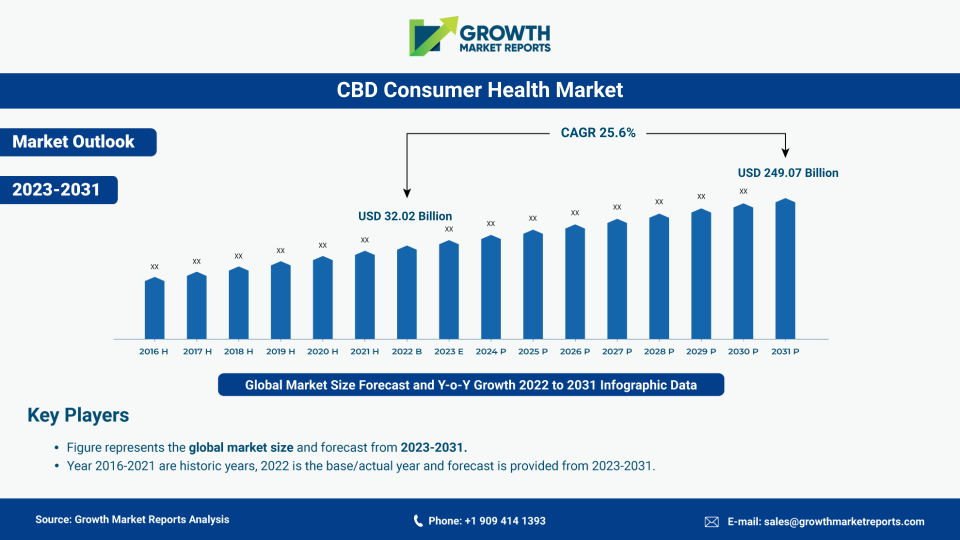
The global CBD consumer health market size was valued at USD 32.02 Billion in 2022 and is projected to reach USD 249.07 Billion by 2031.

Table Of Content

Chapter 1 Executive Summary
Chapter 2 Assumptions and Acronyms Used
Chapter 3 Research Methodology
Chapter 4 CBD Consumer Health Market Overview
   4.1 Introduction
      4.1.1 Market Taxonomy
      4.1.2 Market Definition
      4.1.3 Macro-Economic Factors Impacting the Market Growth
   4.2 CBD Consumer Health Market Dynamics
      4.2.1 Market Drivers
      4.2.2 Market Restraints
      4.2.3 Market Opportunity
   4.3 CBD Consumer Health Market - Supply Chain Analysis
      4.3.1 List of Key Suppliers
      4.3.2 List of Key Distributors
      4.3.3 List of Key Consumers
   4.4 Key Forces Shaping the CBD Consumer Health Market
      4.4.1 Bargaining Power of Suppliers
      4.4.2 Bargaining Power of Buyers
      4.4.3 Threat of Substitution
      4.4.4 Threat of New Entrants
      4.4.5 Competitive Rivalry
   4.5 Global CBD Consumer Health Market Size & Forecast, 2023-2032
      4.5.1 CBD Consumer Health Market Size and Y-o-Y Growth
      4.5.2 CBD Consumer Health Market Absolute $ Opportunity

Chapter 5 Global CBD Consumer Health Market Analysis and Forecast By Product Type
   5.1 Introduction
      5.1.1 Key Market Trends & Growth Opportunities By Product Type
      5.1.2 Basis Point Share (BPS) Analysis By Product Type
      5.1.3 Absolute $ Opportunity Assessment By Product Type
   5.2 CBD Consumer Health Market Size Forecast By Product Type
      5.2.1 Oils
      5.2.2 Capsules
      5.2.3 Topicals
      5.2.4 Edibles
      5.2.5 Others
   5.3 Market Attractiveness Analysis By Product Type

Chapter 6 Global CBD Consumer Health Market Analysis and Forecast By Application
   6.1 Introduction
      6.1.1 Key Market Trends & Growth Opportunities By Application
      6.1.2 Basis Point Share (BPS) Analysis By Application
      6.1.3 Absolute $ Opportunity Assessment By Application
   6.2 CBD Consumer Health Market Size Forecast By Application
      6.2.1 Pain Management
      6.2.2 Anxiety & Stress
      6.2.3 Sleep Disorders
      6.2.4 Neurological Conditions
      6.2.5 Others
   6.3 Market Attractiveness Analysis By Application

Chapter 7 Global CBD Consumer Health Market Analysis and Forecast By Distribution Channel
   7.1 Introduction
      7.1.1 Key Market Trends & Growth Opportunities By Distribution Channel
      7.1.2 Basis Point Share (BPS) Analysis By Distribution Channel
      7.1.3 Absolute $ Opportunity Assessment By Distribution Channel
   7.2 CBD Consumer Health Market Size Forecast By Distribution Channel
      7.2.1 Online Stores
      7.2.2 Pharmacies
      7.2.3 Retail Stores
      7.2.4 Others
   7.3 Market Attractiveness Analysis By Distribution Channel

Chapter 8 Global CBD Consumer Health Market Analysis and Forecast By End-User
   8.1 Introduction
      8.1.1 Key Market Trends & Growth Opportunities By End-User
      8.1.2 Basis Point Share (BPS) Analysis By End-User
      8.1.3 Absolute $ Opportunity Assessment By End-User
   8.2 CBD Consumer Health Market Size Forecast By End-User
      8.2.1 Adults
      8.2.2 Geriatric
      8.2.3 Pediatric
   8.3 Market Attractiveness Analysis By End-User

Chapter 9 Global CBD Consumer Health Market Analysis and Forecast by Region
   9.1 Introduction
      9.1.1 Key Market Trends & Growth Opportunities By Region
      9.1.2 Basis Point Share (BPS) Analysis By Region
      9.1.3 Absolute $ Opportunity Assessment By Region
   9.2 CBD Consumer Health Market Size Forecast By Region
      9.2.1 North America
      9.2.2 Europe
      9.2.3 Asia Pacific
      9.2.4 Latin America
      9.2.5 Middle East & Africa (MEA)
   9.3 Market Attractiveness Analysis By Region

Chapter 10 Coronavirus Disease (COVID-19) Impact 
   10.1 Introduction 
   10.2 Current & Future Impact Analysis 
   10.3 Economic Impact Analysis 
   10.4 Government Policies 
   10.5 Investment Scenario

Chapter 11 North America CBD Consumer Health Analysis and Forecast
   11.1 Introduction
   11.2 North America CBD Consumer Health Market Size Forecast by Country
      11.2.1 U.S.
      11.2.2 Canada
   11.3 Basis Point Share (BPS) Analysis by Country
   11.4 Absolute $ Opportunity Assessment by Country
   11.5 Market Attractiveness Analysis by Country
   11.6 North America CBD Consumer Health Market Size Forecast By Product Type
      11.6.1 Oils
      11.6.2 Capsules
      11.6.3 Topicals
      11.6.4 Edibles
      11.6.5 Others
   11.7 Basis Point Share (BPS) Analysis By Product Type 
   11.8 Absolute $ Opportunity Assessment By Product Type 
   11.9 Market Attractiveness Analysis By Product Type
   11.10 North America CBD Consumer Health Market Size Forecast By Application
      11.10.1 Pain Management
      11.10.2 Anxiety & Stress
      11.10.3 Sleep Disorders
      11.10.4 Neurological Conditions
      11.10.5 Others
   11.11 Basis Point Share (BPS) Analysis By Application 
   11.12 Absolute $ Opportunity Assessment By Application 
   11.13 Market Attractiveness Analysis By Application
   11.14 North America CBD Consumer Health Market Size Forecast By Distribution Channel
      11.14.1 Online Stores
      11.14.2 Pharmacies
      11.14.3 Retail Stores
      11.14.4 Others
   11.15 Basis Point Share (BPS) Analysis By Distribution Channel 
   11.16 Absolute $ Opportunity Assessment By Distribution Channel 
   11.17 Market Attractiveness Analysis By Distribution Channel
   11.18 North America CBD Consumer Health Market Size Forecast By End-User
      11.18.1 Adults
      11.18.2 Geriatric
      11.18.3 Pediatric
   11.19 Basis Point Share (BPS) Analysis By End-User 
   11.20 Absolute $ Opportunity Assessment By End-User 
   11.21 Market Attractiveness Analysis By End-User

Chapter 12 Europe CBD Consumer Health Analysis and Forecast
   12.1 Introduction
   12.2 Europe CBD Consumer Health Market Size Forecast by Country
      12.2.1 Germany
      12.2.2 France
      12.2.3 Italy
      12.2.4 U.K.
      12.2.5 Spain
      12.2.6 Russia
      12.2.7 Rest of Europe
   12.3 Basis Point Share (BPS) Analysis by Country
   12.4 Absolute $ Opportunity Assessment by Country
   12.5 Market Attractiveness Analysis by Country
   12.6 Europe CBD Consumer Health Market Size Forecast By Product Type
      12.6.1 Oils
      12.6.2 Capsules
      12.6.3 Topicals
      12.6.4 Edibles
      12.6.5 Others
   12.7 Basis Point Share (BPS) Analysis By Product Type 
   12.8 Absolute $ Opportunity Assessment By Product Type 
   12.9 Market Attractiveness Analysis By Product Type
   12.10 Europe CBD Consumer Health Market Size Forecast By Application
      12.10.1 Pain Management
      12.10.2 Anxiety & Stress
      12.10.3 Sleep Disorders
      12.10.4 Neurological Conditions
      12.10.5 Others
   12.11 Basis Point Share (BPS) Analysis By Application 
   12.12 Absolute $ Opportunity Assessment By Application 
   12.13 Market Attractiveness Analysis By Application
   12.14 Europe CBD Consumer Health Market Size Forecast By Distribution Channel
      12.14.1 Online Stores
      12.14.2 Pharmacies
      12.14.3 Retail Stores
      12.14.4 Others
   12.15 Basis Point Share (BPS) Analysis By Distribution Channel 
   12.16 Absolute $ Opportunity Assessment By Distribution Channel 
   12.17 Market Attractiveness Analysis By Distribution Channel
   12.18 Europe CBD Consumer Health Market Size Forecast By End-User
      12.18.1 Adults
      12.18.2 Geriatric
      12.18.3 Pediatric
   12.19 Basis Point Share (BPS) Analysis By End-User 
   12.20 Absolute $ Opportunity Assessment By End-User 
   12.21 Market Attractiveness Analysis By End-User

Chapter 13 Asia Pacific CBD Consumer Health Analysis and Forecast
   13.1 Introduction
   13.2 Asia Pacific CBD Consumer Health Market Size Forecast by Country
      13.2.1 China
      13.2.2 Japan
      13.2.3 South Korea
      13.2.4 India
      13.2.5 Australia
      13.2.6 South East Asia (SEA)
      13.2.7 Rest of Asia Pacific (APAC)
   13.3 Basis Point Share (BPS) Analysis by Country
   13.4 Absolute $ Opportunity Assessment by Country
   13.5 Market Attractiveness Analysis by Country
   13.6 Asia Pacific CBD Consumer Health Market Size Forecast By Product Type
      13.6.1 Oils
      13.6.2 Capsules
      13.6.3 Topicals
      13.6.4 Edibles
      13.6.5 Others
   13.7 Basis Point Share (BPS) Analysis By Product Type 
   13.8 Absolute $ Opportunity Assessment By Product Type 
   13.9 Market Attractiveness Analysis By Product Type
   13.10 Asia Pacific CBD Consumer Health Market Size Forecast By Application
      13.10.1 Pain Management
      13.10.2 Anxiety & Stress
      13.10.3 Sleep Disorders
      13.10.4 Neurological Conditions
      13.10.5 Others
   13.11 Basis Point Share (BPS) Analysis By Application 
   13.12 Absolute $ Opportunity Assessment By Application 
   13.13 Market Attractiveness Analysis By Application
   13.14 Asia Pacific CBD Consumer Health Market Size Forecast By Distribution Channel
      13.14.1 Online Stores
      13.14.2 Pharmacies
      13.14.3 Retail Stores
      13.14.4 Others
   13.15 Basis Point Share (BPS) Analysis By Distribution Channel 
   13.16 Absolute $ Opportunity Assessment By Distribution Channel 
   13.17 Market Attractiveness Analysis By Distribution Channel
   13.18 Asia Pacific CBD Consumer Health Market Size Forecast By End-User
      13.18.1 Adults
      13.18.2 Geriatric
      13.18.3 Pediatric
   13.19 Basis Point Share (BPS) Analysis By End-User 
   13.20 Absolute $ Opportunity Assessment By End-User 
   13.21 Market Attractiveness Analysis By End-User

Chapter 14 Latin America CBD Consumer Health Analysis and Forecast
   14.1 Introduction
   14.2 Latin America CBD Consumer Health Market Size Forecast by Country
      14.2.1 Brazil
      14.2.2 Mexico
      14.2.3 Rest of Latin America (LATAM)
   14.3 Basis Point Share (BPS) Analysis by Country
   14.4 Absolute $ Opportunity Assessment by Country
   14.5 Market Attractiveness Analysis by Country
   14.6 Latin America CBD Consumer Health Market Size Forecast By Product Type
      14.6.1 Oils
      14.6.2 Capsules
      14.6.3 Topicals
      14.6.4 Edibles
      14.6.5 Others
   14.7 Basis Point Share (BPS) Analysis By Product Type 
   14.8 Absolute $ Opportunity Assessment By Product Type 
   14.9 Market Attractiveness Analysis By Product Type
   14.10 Latin America CBD Consumer Health Market Size Forecast By Application
      14.10.1 Pain Management
      14.10.2 Anxiety & Stress
      14.10.3 Sleep Disorders
      14.10.4 Neurological Conditions
      14.10.5 Others
   14.11 Basis Point Share (BPS) Analysis By Application 
   14.12 Absolute $ Opportunity Assessment By Application 
   14.13 Market Attractiveness Analysis By Application
   14.14 Latin America CBD Consumer Health Market Size Forecast By Distribution Channel
      14.14.1 Online Stores
      14.14.2 Pharmacies
      14.14.3 Retail Stores
      14.14.4 Others
   14.15 Basis Point Share (BPS) Analysis By Distribution Channel 
   14.16 Absolute $ Opportunity Assessment By Distribution Channel 
   14.17 Market Attractiveness Analysis By Distribution Channel
   14.18 Latin America CBD Consumer Health Market Size Forecast By End-User
      14.18.1 Adults
      14.18.2 Geriatric
      14.18.3 Pediatric
   14.19 Basis Point Share (BPS) Analysis By End-User 
   14.20 Absolute $ Opportunity Assessment By End-User 
   14.21 Market Attractiveness Analysis By End-User

Chapter 15 Middle East & Africa (MEA) CBD Consumer Health Analysis and Forecast
   15.1 Introduction
   15.2 Middle East & Africa (MEA) CBD Consumer Health Market Size Forecast by Country
      15.2.1 Saudi Arabia
      15.2.2 South Africa
      15.2.3 UAE
      15.2.4 Rest of Middle East & Africa (MEA)
   15.3 Basis Point Share (BPS) Analysis by Country
   15.4 Absolute $ Opportunity Assessment by Country
   15.5 Market Attractiveness Analysis by Country
   15.6 Middle East & Africa (MEA) CBD Consumer Health Market Size Forecast By Product Type
      15.6.1 Oils
      15.6.2 Capsules
      15.6.3 Topicals
      15.6.4 Edibles
      15.6.5 Others
   15.7 Basis Point Share (BPS) Analysis By Product Type 
   15.8 Absolute $ Opportunity Assessment By Product Type 
   15.9 Market Attractiveness Analysis By Product Type
   15.10 Middle East & Africa (MEA) CBD Consumer Health Market Size Forecast By Application
      15.10.1 Pain Management
      15.10.2 Anxiety & Stress
      15.10.3 Sleep Disorders
      15.10.4 Neurological Conditions
      15.10.5 Others
   15.11 Basis Point Share (BPS) Analysis By Application 
   15.12 Absolute $ Opportunity Assessment By Application 
   15.13 Market Attractiveness Analysis By Application
   15.14 Middle East & Africa (MEA) CBD Consumer Health Market Size Forecast By Distribution Channel
      15.14.1 Online Stores
      15.14.2 Pharmacies
      15.14.3 Retail Stores
      15.14.4 Others
   15.15 Basis Point Share (BPS) Analysis By Distribution Channel 
   15.16 Absolute $ Opportunity Assessment By Distribution Channel 
   15.17 Market Attractiveness Analysis By Distribution Channel
   15.18 Middle East & Africa (MEA) CBD Consumer Health Market Size Forecast By End-User
      15.18.1 Adults
      15.18.2 Geriatric
      15.18.3 Pediatric
   15.19 Basis Point Share (BPS) Analysis By End-User 
   15.20 Absolute $ Opportunity Assessment By End-User 
   15.21 Market Attractiveness Analysis By End-User

Chapter 16 Competition Landscape 
   16.1 CBD Consumer Health Market: Competitive Dashboard
   16.2 Global CBD Consumer Health Market: Market Share Analysis, 2023
   16.3 Company Profiles (Details – Overview, Financials, Developments, Strategy) 
      16.3.1 Charlotte's Web Holdings Inc.
CV Sciences Inc.
Canopy Growth Corporation
Aurora Cannabis Inc.
Tilray Brands, Inc.
Elixinol Global Limited
Medterra CBD
Green Roads
Endoca
cbdMD, Inc.
Joy Organics
Lord Jones
HempFusion Wellness Inc.
Bluebird Botanicals
Sunday Scaries
Veritas Farms, Inc.
Koi CBD
PureKana
NuLeaf Naturals
Green Thumb Industries (GTI)

Methodology

Our Clients

Honda Motor Co. Ltd.
Microsoft
sinopec
Pfizer
Dassault Aviation
The John Holland Group
FedEx Logistics
General Mills