Segments - by Product Type (Hard Cases, Soft Cases, Hybrid Cases), by Material (Plastic, Metal, Fabric, Leather, Others), by Application (Electronics, Medical Equipment, Musical Instruments, Tools & Equipment, Sports & Leisure, Others), by Distribution Channel (Online Stores, Specialty Stores, Supermarkets/Hypermarkets, Others), by End-User (Consumer, Commercial, Industrial, Military & Defense, Others)
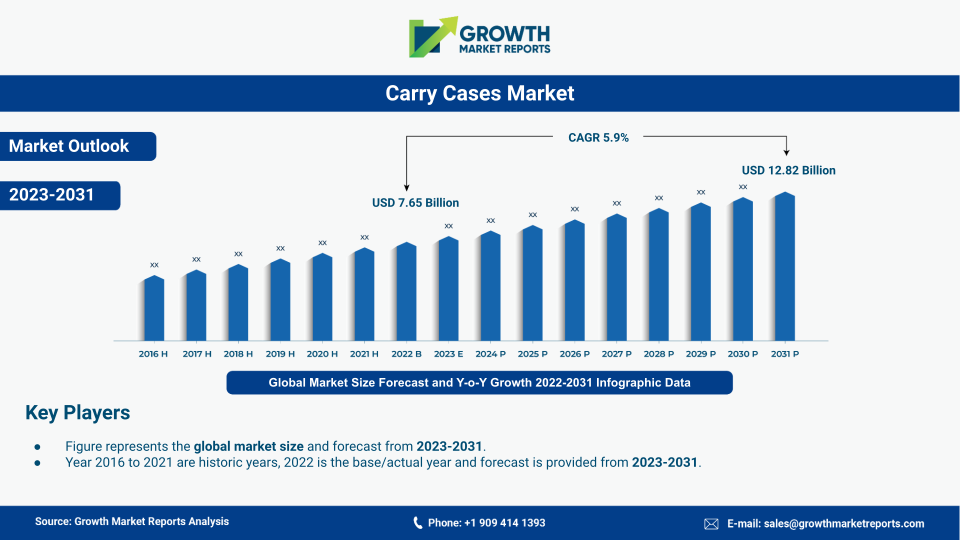
According to our latest research, the global carry cases market size reached USD 8.2 billion in 2024, reflecting robust demand across diverse end-use sectors. The market is expected to witness a steady growth trajectory, registering a CAGR of 5.1% from 2025 to 2033. By the end of 2033, the carry cases market is forecasted to attain a value of USD 12.9 billion. This growth is primarily driven by increasing consumer electronics adoption, heightened demand for customized and protective storage solutions, and expanding applications in commercial and industrial sectors.
One of the principal growth drivers for the carry cases market is the surging proliferation of personal electronic devices such as smartphones, tablets, laptops, and cameras. As consumers increasingly invest in high-value electronics, the need for reliable and protective carry cases has become paramount. Manufacturers are responding with innovative designs that offer enhanced durability, water resistance, and shock absorption, which are particularly appealing to tech-savvy users. Additionally, the trend towards remote work and mobile lifestyles has further amplified the requirement for practical and stylish carry solutions, thereby fueling market expansion.
Another significant factor contributing to market growth is the rising demand from specialized sectors such as medical equipment, musical instruments, and professional tools. Medical professionals require robust cases to ensure the safe transport of sensitive diagnostic devices, while musicians and technicians seek custom-fit cases that safeguard expensive instruments and equipment. The industrial and military sectors also represent substantial demand, with a focus on ruggedized, impact-resistant solutions that can withstand harsh environments. This diversification of application areas is encouraging manufacturers to invest in advanced materials and ergonomic designs, thus broadening the marketÂ’s appeal.
In the realm of medical equipment, the need for specialized carry cases is increasingly evident. Medical Equipment Bags And Cases are crucial for the safe transport and storage of sensitive diagnostic tools and devices. These cases must meet stringent hygiene and sterilization standards to ensure patient safety and equipment efficacy. The demand for such specialized cases has been further amplified by the global health crisis, which highlighted the importance of portable medical solutions. Manufacturers are innovating with antimicrobial linings and secure closures to meet these needs, ensuring that medical professionals can rely on their equipment in any setting.
The evolution of distribution channels has also played a pivotal role in the carry cases marketÂ’s development. The rapid expansion of e-commerce platforms and online specialty stores has made it easier for consumers and businesses to access a wide variety of carry cases tailored to specific needs. This omnichannel presence, coupled with the availability of customizable options and direct-to-consumer sales models, has significantly enhanced market penetration. Furthermore, collaborations between manufacturers and retail giants have increased product visibility and accessibility, fostering higher sales volumes and expanding the marketÂ’s global footprint.
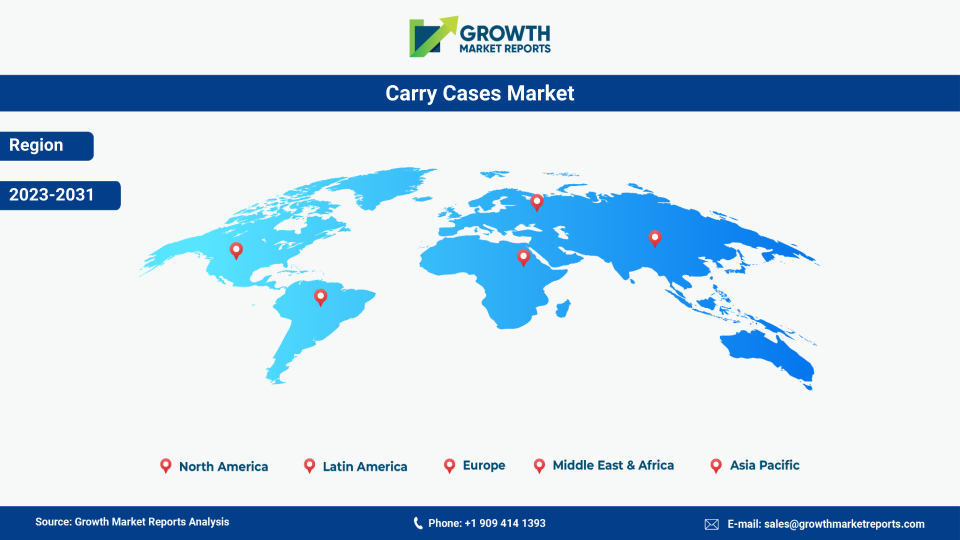
From a regional perspective, Asia Pacific continues to dominate the carry cases market, underpinned by robust manufacturing capabilities, burgeoning middle-class populations, and rapid urbanization. North America and Europe also represent substantial market shares, driven by high disposable incomes and a strong culture of consumer electronics adoption. The Middle East & Africa and Latin America are emerging as promising markets, benefiting from increasing industrialization and the growing presence of multinational brands. Each region exhibits distinct preferences in materials, design, and application, shaping the competitive landscape and influencing product innovation strategies.
The carry cases market is segmented by product type into hard cases, soft cases, and hybrid cases, each catering to unique consumer needs and industry requirements. Hard cases are renowned for their superior protection, making them the preferred choice for transporting delicate electronics, medical instruments, and professional tools. These cases are typically constructed from robust materials such as polycarbonate or aluminum, offering resistance to impact, water, and dust. The demand for hard cases is particularly strong in commercial, industrial, and military applications, where equipment safety is paramount. Manufacturers are continuously innovating with lightweight designs and customizable interiors to enhance functionality and user convenience.
Soft cases, on the other hand, are favored for their lightweight, flexible, and often more affordable nature. Made from materials such as nylon, polyester, or leather, soft cases are widely used for everyday consumer electronics, sports gear, and travel accessories. Their adaptability and ease of storage make them popular among urban consumers and frequent travelers. The market for soft cases is witnessing steady growth, especially with the increasing trend towards fashionable and multifunctional designs that blend aesthetics with practicality. Enhanced padding, ergonomic straps, and smart compartments are some of the key features driving consumer interest in this segment.
Hybrid cases combine the best attributes of hard and soft cases, offering a balance between protection and portability. These cases often feature a rigid frame with soft external materials, providing impact resistance without compromising on weight or flexibility. Hybrid cases are gaining traction across various applications, including electronics, musical instruments, and sports equipment, as they cater to users seeking both durability and comfort. The segment is benefiting from advancements in material science, enabling the development of cases that are not only protective but also environmentally friendly and stylish.
The rise of remote work and mobile business operations has also spurred demand for protective solutions like the Label Printer Carry Case. These cases are designed to safeguard label printers and other office equipment during transport, ensuring they remain functional and damage-free. As businesses increasingly rely on portable technology for on-the-go operations, the need for durable and efficient carry solutions becomes paramount. The Label Printer Carry Case offers a perfect blend of protection and convenience, catering to the needs of professionals who require reliable equipment in various work environments. This trend is indicative of the broader shift towards mobile and flexible business practices.
The competitive dynamics within the product type segment are shaped by evolving consumer preferences, technological advancements, and regulatory standards. Companies are investing in research and development to introduce cases with enhanced features such as anti-theft locks, GPS tracking, and modular compartments. The ability to offer customized solutions tailored to specific devices or user requirements is becoming a key differentiator in the market. As sustainability becomes a central concern, manufacturers are also exploring eco-friendly materials and production processes to appeal to environmentally conscious consumers.
| Attributes | Details |
| Report Title | carry cases Market Research Report 2033 |
| By Product Type | Hard Cases, Soft Cases, Hybrid Cases |
| By Material | Plastic, Metal, Fabric, Leather, Others |
| By Application | Electronics, Medical Equipment, Musical Instruments, Tools & Equipment, Sports & Leisure, Others |
| By Distribution Channel | Online Stores, Specialty Stores, Supermarkets/Hypermarkets, Others |
| By End-User | Consumer, Commercial, Industrial, Military & Defense, Others |
| Regions Covered | North America, Europe, APAC, Latin America, MEA |
| Base Year | 2024 |
| Historic Data | 2018-2023 |
| Forecast Period | 2025-2033 |
| Number of Pages | 289 |
| Number of Tables & Figures | 372 |
| Customization Available | Yes, the report can be customized as per your need. |
Material selection is a critical factor in the carry cases market, influencing product durability, weight, aesthetics, and cost. Plastic-based carry cases dominate the market due to their versatility, lightweight nature, and cost-effectiveness. High-impact plastics such as ABS and polycarbonate are widely used in hard case manufacturing, providing excellent protection against drops and environmental hazards. The recyclability of plastics is also becoming a selling point, with many manufacturers promoting eco-friendly initiatives to reduce their carbon footprint and appeal to green-minded consumers.
Metal carry cases, primarily constructed from aluminum or steel, are highly valued for their strength, security, and premium appearance. These cases are often utilized for high-value items, sensitive equipment, and military applications where maximum protection is essential. While metal cases tend to be heavier and more expensive, their durability and resistance to tampering make them a preferred choice in professional and industrial settings. The segment is witnessing innovation in lightweight alloys and corrosion-resistant coatings, aimed at enhancing usability and extending product lifespan.
Fabric and leather carry cases cater to consumers seeking style, comfort, and flexibility. Fabric cases, typically made from nylon, polyester, or canvas, are popular for everyday use, travel, and sports, offering an appealing combination of affordability and functionality. Leather cases, on the other hand, target the premium segment, providing a sophisticated look and feel for business professionals and luxury consumers. Both materials are being enhanced with features such as water resistance, anti-microbial coatings, and RFID protection, reflecting the marketÂ’s focus on safety and hygiene.
The “others” material segment encompasses emerging solutions such as biodegradable plastics, composite materials, and advanced polymers. These innovations are driven by growing environmental awareness and regulatory pressures to reduce single-use plastics and carbon emissions. Companies investing in sustainable material technologies are gaining a competitive edge, particularly in regions with stringent environmental regulations. The material segment as a whole is expected to evolve rapidly, with ongoing research focused on balancing performance, sustainability, and cost-effectiveness to meet diverse market demands.
The application segment of the carry cases market is extensive, reflecting the productÂ’s versatility across various industries. Electronics represent the largest application area, accounting for a significant share of market revenue. With the global proliferation of smartphones, laptops, cameras, and wearable devices, demand for protective and functional carry cases continues to surge. Consumers are increasingly seeking cases that offer not only protection but also convenience features such as charging ports, organization compartments, and anti-theft mechanisms. The trend towards miniaturization and mobility in electronics further underscores the importance of tailored carry solutions.
In the medical equipment segment, carry cases play a crucial role in ensuring the safe transportation and storage of sensitive instruments, diagnostic devices, and pharmaceuticals. Medical professionals require cases that are not only durable but also compliant with hygiene and sterilization standards. The COVID-19 pandemic has amplified the need for portable medical solutions, driving demand for specialized cases with antimicrobial linings and secure closures. The segment is also benefiting from technological advancements, with smart cases equipped with temperature monitoring and tracking capabilities gaining popularity.
Musical instruments and tools & equipment are other key application areas where carry cases are indispensable. Musicians, technicians, and professionals rely on custom-fit cases to safeguard their valuable assets during transport and storage. These cases are often designed with reinforced padding, moisture barriers, and modular compartments to accommodate a variety of instruments and tools. The growing popularity of live performances, fieldwork, and do-it-yourself (DIY) culture is contributing to increased demand in these segments.
The sports & leisure segment is witnessing robust growth, driven by rising participation in outdoor activities, fitness, and recreational travel. Carry cases for sports gear, camping equipment, and leisure accessories are designed to offer durability, weather resistance, and ergonomic carrying solutions. As consumers prioritize health and wellness, the demand for high-quality, multifunctional cases that support active lifestyles is expected to rise. The “others” application segment, which includes niche markets such as photography, drone equipment, and hobbyist gear, further illustrates the broad applicability and growth potential of carry cases.
Distribution channels play a pivotal role in shaping the accessibility and reach of carry cases to end-users worldwide. Online stores have emerged as a dominant channel, offering consumers unparalleled convenience, product variety, and competitive pricing. The proliferation of e-commerce platforms and direct-to-consumer brands has democratized access to carry cases, enabling manufacturers to reach global audiences and gather valuable customer insights. Online channels are particularly effective for customizable and niche products, allowing users to personalize their cases and benefit from detailed product information and reviews.
Specialty stores continue to hold significant market share, especially for high-end, technical, or customized carry cases. These stores offer expert advice, hands-on product demonstrations, and after-sales support, which are highly valued by professionals and discerning consumers. The ability to physically inspect and test cases before purchase is a key advantage, particularly for applications requiring precise fit and performance. Specialty retailers are increasingly integrating digital tools and loyalty programs to enhance the customer experience and foster long-term relationships.
Supermarkets and hypermarkets serve as important distribution points for mass-market and budget-friendly carry cases. Their widespread presence and broad customer base make them ideal for impulse purchases and seasonal promotions. These retail formats typically stock a wide range of cases for electronics, travel, and everyday use, catering to diverse consumer preferences. The segment is characterized by high sales volumes and quick inventory turnover, with manufacturers focusing on attractive packaging and competitive pricing to capture market share.
The “others” distribution channel includes department stores, convenience stores, and direct sales, which collectively contribute to the market’s reach and accessibility. Manufacturers are adopting omnichannel strategies, blending online and offline touchpoints to provide seamless shopping experiences. Partnerships with logistics and delivery service providers are enhancing last-mile connectivity, ensuring timely and secure product delivery. The evolving distribution landscape is fostering healthy competition and encouraging innovation in marketing, packaging, and customer engagement.
The carry cases market serves a diverse array of end-users, each with distinct requirements and purchasing behaviors. Consumer end-users constitute the largest segment, driven by the widespread use of personal electronic devices, travel accessories, and sports gear. Consumers prioritize factors such as design, portability, and affordability, with a growing emphasis on customization and personalization. The rise of lifestyle-oriented marketing and influencer endorsements is further shaping consumer preferences and driving demand for trendy, functional cases.
The commercial segment encompasses businesses and organizations that require carry cases for professional equipment, promotional materials, and employee devices. Commercial end-users value durability, brand alignment, and bulk purchasing options. Custom-branded cases are increasingly popular for corporate gifting, events, and marketing campaigns. The segment is also benefiting from the growing adoption of mobile workstations and remote collaboration tools, which necessitate secure and portable storage solutions.
Industrial end-users rely on carry cases to transport and protect tools, instruments, and machinery components in challenging environments. These cases are engineered for toughness, weather resistance, and compliance with safety standards. Industrial applications span sectors such as construction, energy, and logistics, where equipment reliability and worker safety are critical. Manufacturers are focusing on ergonomic designs and modular interiors to enhance usability and reduce handling risks.
The military & defense segment represents a specialized market for carry cases, with stringent requirements for strength, security, and environmental resilience. Military-grade cases are designed to withstand extreme temperatures, moisture, impact, and tampering, ensuring the safe transport of weapons, communication devices, and sensitive equipment. The segment is characterized by long-term contracts, rigorous testing protocols, and a focus on innovation in materials and locking mechanisms. The “others” end-user segment includes educational institutions, government agencies, and hobbyists, further diversifying the market and driving demand for specialized solutions.
The carry cases market is rife with opportunities for innovation and growth, particularly in the realm of smart and connected cases. The integration of IoT technology, such as GPS tracking, biometric locks, and wireless charging, is transforming traditional carry cases into intelligent solutions that enhance security and user convenience. This trend is especially pronounced in the electronics and travel segments, where consumers demand advanced features and seamless connectivity. Manufacturers investing in R&D and partnerships with technology providers are well-positioned to capitalize on this shift and capture premium market segments.
Sustainability presents another significant opportunity for market players, as environmental concerns and regulatory pressures drive demand for eco-friendly materials and production processes. Companies that prioritize recyclability, biodegradable components, and reduced carbon footprints are gaining favor among environmentally conscious consumers and institutional buyers. Certification and compliance with green standards are becoming key differentiators, opening doors to new markets and customer segments. The ongoing evolution of distribution channels, particularly the growth of e-commerce and direct-to-consumer models, offers additional avenues for expansion and customer engagement.
Despite these opportunities, the carry cases market faces several restraining factors, chief among them being intense price competition and commoditization. The proliferation of low-cost, generic products, particularly in online marketplaces, is putting pressure on established brands to differentiate through quality, innovation, and branding. Fluctuations in raw material prices, especially for plastics and metals, can also impact profit margins and supply chain stability. Additionally, the market is susceptible to shifts in consumer preferences and technological obsolescence, requiring manufacturers to remain agile and responsive to changing trends and customer needs.
Asia Pacific remains the largest and fastest-growing region in the global carry cases market, accounting for approximately USD 3.4 billion in 2024. The region is expected to register a CAGR of 6.2% through 2033, driven by rapid urbanization, expanding middle-class populations, and a thriving consumer electronics industry. China, Japan, South Korea, and India are key contributors, with robust manufacturing ecosystems and increasing domestic consumption. The shift towards premium products, coupled with government initiatives to promote local manufacturing and exports, is further catalyzing market growth in the region.
North America holds a substantial share of the carry cases market, valued at USD 2.1 billion in 2024. The region benefits from high disposable incomes, a strong culture of gadget adoption, and a well-established retail infrastructure. The United States leads in demand for high-end and specialized cases, particularly in the electronics, medical, and military segments. Innovation in smart and connected cases is a key trend, with consumers and businesses seeking advanced features and enhanced security. Canada and Mexico also contribute to regional growth, supported by rising industrialization and cross-border trade.
EuropeÂ’s carry cases market reached USD 1.8 billion in 2024, with steady growth anticipated across Western and Central European countries. The region is characterized by a strong emphasis on quality, sustainability, and design, with leading brands focusing on eco-friendly materials and compliance with stringent environmental regulations. Germany, France, and the United Kingdom are major markets, driven by high consumer awareness and demand for innovative solutions. The Middle East & Africa and Latin America are emerging as promising markets, collectively accounting for USD 0.9 billion in 2024. These regions are benefiting from increasing urbanization, rising disposable incomes, and the growing presence of international brands, though growth rates may vary due to economic and political factors.
The global carry cases market is highly competitive and fragmented, with a mix of established multinational corporations and a multitude of regional and local players. The competitive landscape is shaped by factors such as product innovation, brand reputation, distribution reach, and pricing strategies. Leading companies are investing heavily in research and development to introduce cutting-edge features, sustainable materials, and customizable designs that cater to evolving consumer and industry needs. Strategic partnerships, mergers, and acquisitions are common as firms seek to expand their product portfolios, enter new markets, and strengthen their competitive positions.
Brand differentiation is a key focus area, with major players leveraging marketing campaigns, celebrity endorsements, and influencer partnerships to enhance visibility and customer loyalty. Companies are also embracing digital transformation, utilizing e-commerce platforms, social media, and data analytics to better understand consumer preferences and optimize their offerings. The ability to provide tailored solutions for specific applications, such as military-grade protection or medical compliance, is increasingly important in securing long-term contracts and repeat business.
Sustainability and corporate social responsibility are emerging as important competitive differentiators, particularly in mature markets such as North America and Europe. Companies that prioritize eco-friendly materials, ethical sourcing, and transparent supply chains are gaining favor among consumers and institutional buyers. Innovation in packaging, logistics, and after-sales service is also contributing to enhanced customer experiences and brand loyalty. The marketÂ’s dynamic nature requires continuous adaptation, with successful firms demonstrating agility in responding to technological advancements and shifting market trends.
Some of the major companies operating in the carry cases market include Pelican Products, Inc., Samsonite International S.A., Vanguard World LLC, SKB Cases, Zero Halliburton, Lowepro, Targus Corporation, Gator Cases, and Nanuk (Plasticase Inc.). These companies are recognized for their extensive product portfolios, strong distribution networks, and commitment to quality and innovation. For instance, Pelican Products is renowned for its rugged, waterproof cases designed for military and industrial use, while Samsonite is a global leader in travel and lifestyle carry solutions. Lowepro specializes in cases for photography and electronics, leveraging advanced materials and ergonomic designs. Targus focuses on business and consumer electronics cases, offering a wide range of products for laptops, tablets, and accessories. Each of these companies continues to invest in research, sustainability, and customer engagement to maintain their leadership positions and drive future growth in the carry cases market.
The carry cases market has been segmented on the basis of
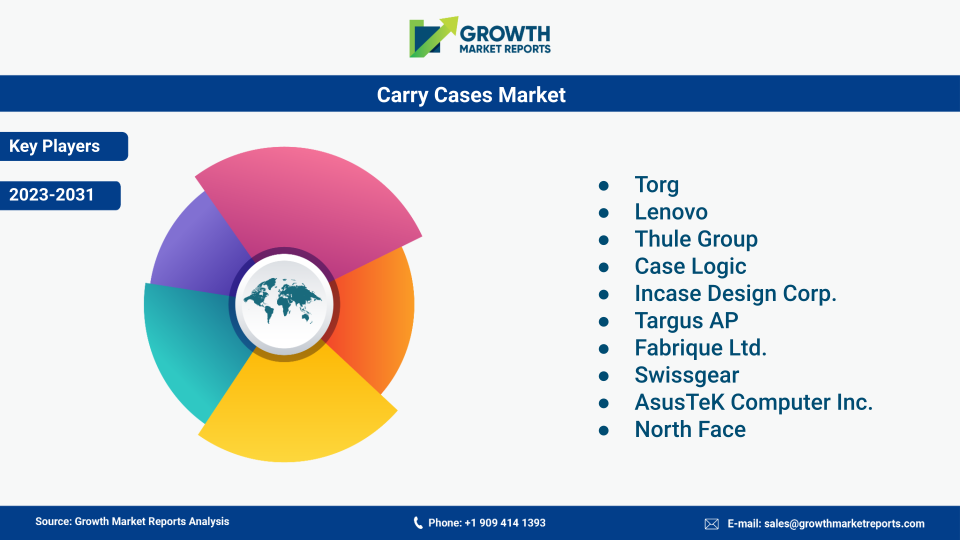
Key players competing in the global carry cases market are Torg; Lenovo; Thule Group; Case Logic; Incase Design Corp.; Targus AP; Fabrique Ltd.; Swissgear; AsusTeK Computer Inc.; and North Face
Companies are focusing on development of light-weight, long-lasting, enhanced protection, and smart carry cases for the market. Furthermore, companies are widely engaging in strategic partnership, merger & acquisition, new product launch, and collaborations to boost their market share and acquiring new buyers.
Major players include Pelican Products, Samsonite International, Vanguard World, SKB Cases, Zero Halliburton, Lowepro, Targus Corporation, Gator Cases, Nanuk (Plasticase Inc.), and others.
Trends include smart and connected cases (with GPS, biometric locks, wireless charging), sustainability (eco-friendly materials), and customization. E-commerce and direct-to-consumer models are also creating new opportunities.
Asia Pacific leads the market, followed by North America and Europe. The Middle East & Africa and Latin America are emerging markets with growing demand.
End-users include consumers (personal electronics, travel, sports), commercial businesses, industrial sectors, military & defense, and others like educational institutions and government agencies.
Carry cases are sold through online stores, specialty stores, supermarkets/hypermarkets, and other channels such as department stores and direct sales. E-commerce is rapidly expanding market reach.
Major applications include electronics, medical equipment, musical instruments, tools and equipment, sports and leisure, and niche uses like photography and drone equipment.
Common materials include plastic (lightweight and versatile), metal (durable and secure), fabric (affordable and flexible), and leather (premium and stylish). Eco-friendly and biodegradable materials are also gaining popularity.
The market is segmented into hard cases, soft cases, and hybrid cases. Hard cases offer superior protection, soft cases are lightweight and flexible, and hybrid cases combine protection with portability.
Key growth drivers include rising adoption of consumer electronics, demand for customized and protective storage solutions, expanding applications in commercial and industrial sectors, and the popularity of remote work and mobile lifestyles.
The global carry cases market reached USD 8.2 billion in 2024 and is expected to grow at a CAGR of 5.1% from 2025 to 2033, reaching USD 12.9 billion by 2033.