Segments - by Product Type (Capsules, Oils, Tinctures, Topicals, Others), by Application (Pain Management, Neurology, Oncology, Mental Health, Others), by Route Of Administration (Oral, Inhalation, Topical, Others), by Distribution Channel (Hospital Pharmacies, Retail Pharmacies, Online Pharmacies, Others)
This report is updated with the latest market data and insights as of June 2026. Base year: 2025 | Forecast period: 2026-2034
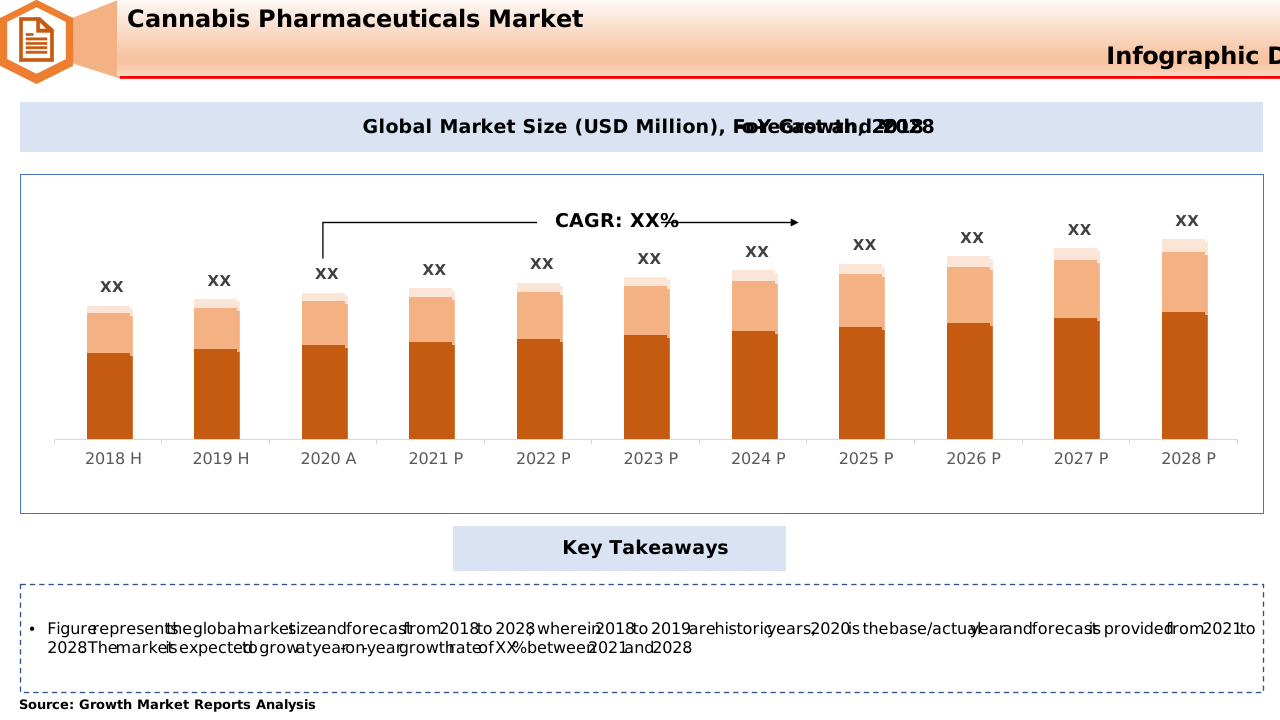
According to our latest research, the global cannabis pharmaceuticals market size reached USD 2.16 billion in 2025, reflecting strong momentum driven by rising medical acceptance, expanded legalization, and rapid advancements in cannabinoid science. The market is expected to expand at a robust CAGR of 16.7% from 2026 to 2034, with projections indicating the market will reach USD 7.89 billion by the end of the forecast period. This remarkable growth is primarily fueled by increasing clinical evidence supporting the therapeutic efficacy of cannabis-derived products, a favorable shift in global regulatory frameworks, and a growing demand for alternative therapies in chronic and refractory disease management.
The cannabis pharmaceuticals market is experiencing rapid expansion due to a confluence of scientific, regulatory, and societal factors. The surge in clinical trials and published research on the efficacy of cannabinoids, particularly cannabidiol (CBD) and tetrahydrocannabinol (THC), has firmly validated their use in treating conditions such as chronic pain, epilepsy, and multiple sclerosis. This scientific validation is prompting healthcare providers to consider cannabinoid-based medicines as viable alternatives or adjuncts to conventional therapies, especially for patients who do not respond adequately to traditional medications. The growing body of evidence supporting safety profiles of pharmaceutical-grade formulations is reinforcing prescriber confidence and accelerating adoption across diverse patient populations.
A pivotal growth factor is the global shift in regulatory frameworks. Countries across North America, Europe, and parts of Asia Pacific are progressively legalizing medical cannabis, streamlining approval processes for cannabis-derived drugs, and integrating these products into national healthcare systems. This regulatory evolution is lowering barriers for pharmaceutical companies, encouraging investment, and fostering innovation in product development. The introduction of standardized dosing, quality control measures, and prescription-based distribution channels is enhancing patient trust and acceptance. The increasing collaboration between large pharmaceutical companies and specialist cannabis producers is also yielding novel formulations and expanded indications. Stakeholders seeking deeper regional context on specific medical cannabis adoption trends in Germany and the Netherlands will find the European regulatory evolution particularly instructive.
Another significant driver is the rising prevalence of chronic diseases and mental health disorders globally. As populations age and the incidence of conditions such as cancer, neuropathic pain, anxiety disorders, and neurodegenerative diseases increases, there is mounting demand for safe, effective, and non-addictive therapeutic options. Cannabis pharmaceuticals offer a compelling solution, with products tailored for specific indications and patient populations. The market is also benefiting from advancements in drug delivery technologies that enable more precise dosing and improved bioavailability, enhancing therapeutic outcomes. The ongoing reduction in stigma around medical cannabis, supported by patient advocacy and healthcare professional endorsement, is expected to further bolster market growth through 2034. Companies focused on developing pharmaceutical-grade CBD products are particularly well-positioned to capture this expanding demand.
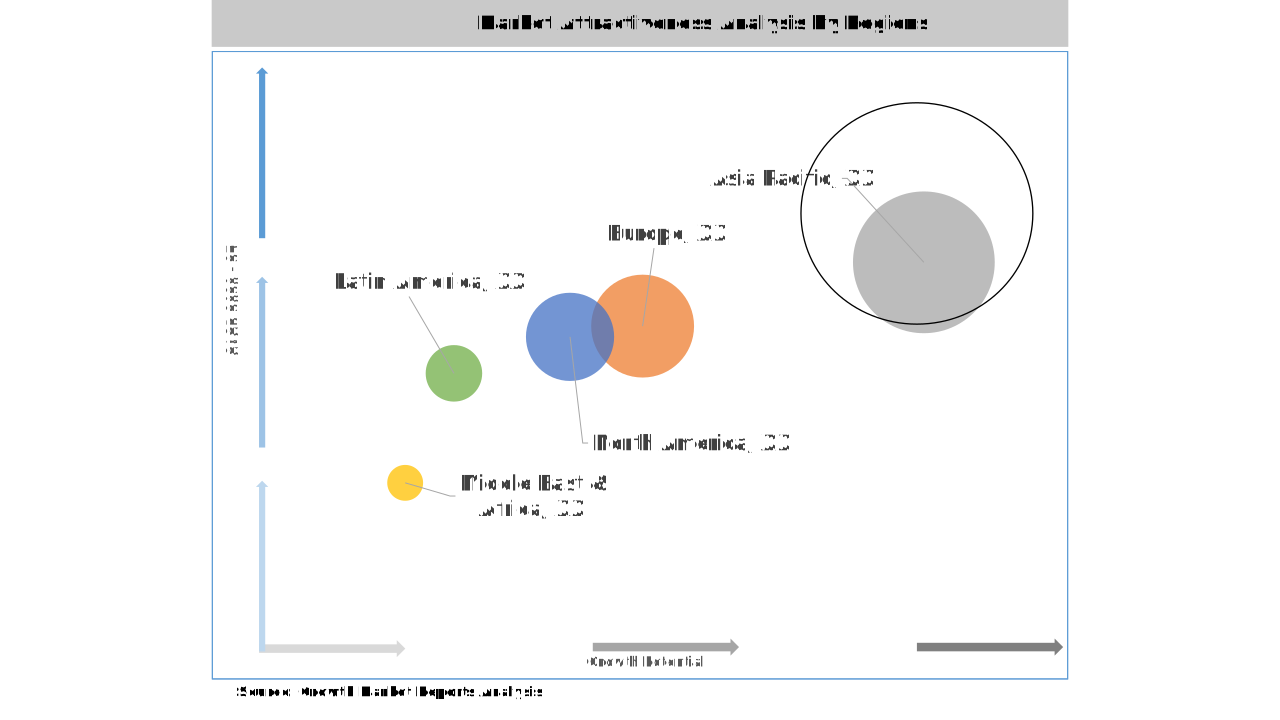
Regionally, North America dominates the cannabis pharmaceuticals market, accounting for approximately 60.5% of global revenues in 2025. Europe is rapidly emerging as a key growth region driven by increasing legalization, expanding reimbursement policies, and a growing number of clinical trials. Asia Pacific, while currently at a nascent stage, is poised for significant growth over the forecast period, propelled by evolving regulatory landscapes and rising investment in medical cannabis research. Latin America and the Middle East & Africa are also showing increasing interest, though their market shares remain comparatively smaller due to regulatory and infrastructural constraints.
The product type segment of the cannabis pharmaceuticals market encompasses capsules, oils, tinctures, topicals, and other formulations, each catering to distinct patient needs and therapeutic goals. Capsules represent the largest sub-segment, holding approximately 31.2% of the market in 2025, driven by their precise dosing, ease of administration, and high patient compliance. They are particularly favored in clinical settings for chronic disease management, where consistent and controlled dosing is critical. The pharmaceutical industry's focus on developing standardized, GMP-compliant capsule formulations ensures safety, efficacy, and reproducibility, which are essential for regulatory approval and broad physician acceptance. The growing preference for capsules among healthcare providers and patients is expected to sustain segment leadership throughout the forecast period.
Oils represent another significant segment at approximately 27.8% market share, especially in markets where sublingual and oral administration are prevalent. Cannabis oils offer versatile dosing options and relatively rapid onset of action, making them suitable for a variety of indications, including pain management, epilepsy, and anxiety disorders. The flexibility of oils allows easy dose titration, catering to individual patient needs and minimizing adverse effects. Pharmaceutical companies are increasingly investing in high-purity, pharmaceutical-grade oils with standardized cannabinoid content, ensuring consistent therapeutic outcomes. The growing acceptance of oils in both prescription and consumer wellness markets is expected to sustain strong segment growth through 2034.
Tinctures (approximately 17.4% share) and topicals (approximately 13.6% share) are gaining momentum as alternative delivery forms, offering unique advantages for specific patient populations. Tinctures, typically administered sublingually, provide rapid absorption and are ideal for patients requiring fast relief from symptoms such as neuropathic pain or anxiety. Their discreet use and ease of administration make them popular among elderly patients and those with swallowing difficulties. Topicals, including creams, balms, and transdermal patches, are increasingly used for localized pain and inflammation, offering targeted relief without systemic side effects. The expanding application of topicals in dermatology and musculoskeletal conditions is driving innovation in this segment. Quality assurance across all formulations increasingly relies on specialized cannabis testing services to verify cannabinoid profiles, contaminants, and potency standards.
Other product types, such as sprays, suppositories, and specialty edibles, account for the remaining 10.0% of the market and are emerging as viable pharmaceutical options. These formulations address specific therapeutic needs and patient preferences, further diversifying the market landscape. Ongoing research and development efforts aimed at improving bioavailability, stability, and patient adherence are expected to yield novel products that expand the therapeutic potential of cannabis pharmaceuticals. As regulatory frameworks continue to mature, the introduction of new product types will likely accelerate, contributing to the overall dynamism of the market through 2034.
| Attributes | Details |
| Report Title | Cannabis Pharmaceuticals Market Research Report 2034 |
| By Product Type | Capsules, Oils, Tinctures, Topicals, Others |
| By Application | Pain Management, Neurology, Oncology, Mental Health, Others |
| By Route Of Administration | Oral, Inhalation, Topical, Others |
| By Distribution Channel | Hospital Pharmacies, Retail Pharmacies, Online Pharmacies, Others |
| Regions Covered | North America, Europe, APAC, Latin America, MEA |
| Base Year | 2025 |
| Historic Data | 2019-2024 |
| Forecast Period | 2026-2034 |
| Number of Pages | 274 |
| Number of Tables & Figures | 362 |
| Customization Available | Yes, the report can be customized as per your need. |
The application segment of the cannabis pharmaceuticals market is broadly categorized into pain management, neurology, oncology, mental health, and others, reflecting the diverse therapeutic potential of cannabis-derived compounds. Pain management remains the largest application area, driven by the high global prevalence of chronic pain conditions and the well-documented limitations and risks of traditional opioid therapies. Cannabis pharmaceuticals offer a safer, lower-dependency alternative for patients suffering from neuropathic pain, arthritis, and cancer-related pain. The growing body of clinical evidence supporting cannabinoid efficacy in pain modulation is encouraging healthcare providers to incorporate these therapies into standard pain management protocols, sustaining strong segment growth through 2034.
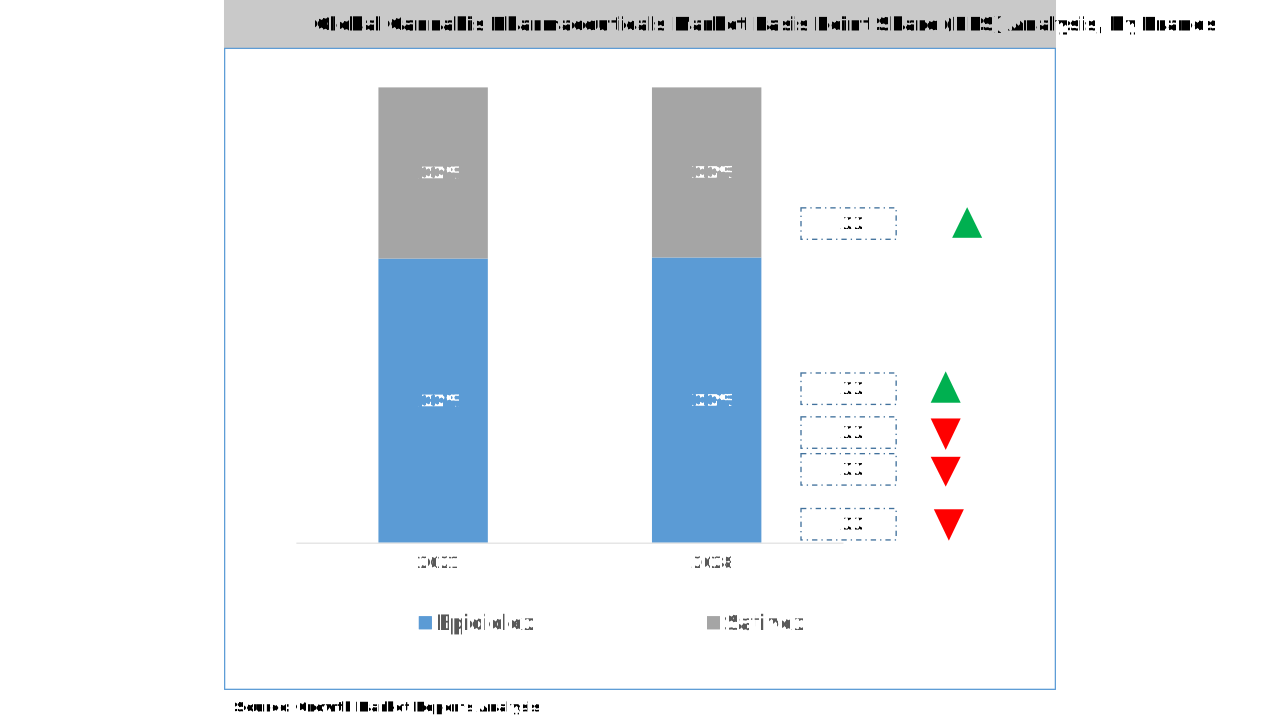
Neurology is another key application area, with significant advancements in the use of cannabis pharmaceuticals for conditions such as epilepsy, multiple sclerosis, and Parkinson's disease. Epidiolex, the FDA-approved CBD-based drug developed by GW Pharmaceuticals (now part of Jazz Pharmaceuticals), has set a critical precedent for regulatory acceptance of cannabis-derived pharmaceuticals in treating rare and refractory epilepsy. The neuroprotective and anti-inflammatory properties of cannabinoids are being extensively studied in ongoing clinical trials, with promising results across a range of neurological disorders. The increasing global prevalence of neurological conditions, coupled with the substantial unmet need for effective therapies, is expected to drive sustained growth in this application segment through the forecast period.
Oncology represents a rapidly growing application segment, as cannabis pharmaceuticals are increasingly used to manage cancer-related symptoms such as pain, nausea, vomiting, and appetite loss. The antiemetic and analgesic properties of cannabinoids are particularly beneficial for patients undergoing chemotherapy, improving quality of life and treatment adherence. Ongoing research into the potential direct anti-tumor effects of specific cannabinoids is generating considerable scientific interest, with multiple clinical trials exploring their role as adjuncts to conventional cancer therapies. Mental health applications, including treatment of anxiety, depression, and post-traumatic stress disorder (PTSD), are gaining prominence as stigma diminishes and clinical evidence accumulates. The broader exploration of cannabidiol and minor cannabinoid therapy in psychiatric conditions represents a frontier opportunity for market participants across this segment.
The route of administration segment in the cannabis pharmaceuticals market includes oral, inhalation, topical, and other methods, each offering unique benefits and addressing specific patient needs. Oral administration, encompassing capsules, oils, and edibles, is the most widely adopted route due to its convenience, precise dosing, and sustained release of active compounds. Oral formulations are particularly favored in chronic disease management, where consistent plasma concentrations and ease of use are paramount. The pharmaceutical industry's focus on developing stable, bioavailable oral formulations is driving innovation and expanding the range of oral cannabis pharmaceuticals available globally.
Inhalation, through vaporization or pharmaceutical-grade inhalers, provides rapid onset of action, making it ideal for acute symptom relief in conditions such as breakthrough pain or severe nausea. This route bypasses first-pass metabolism, allowing for higher bioavailability and faster therapeutic effects. Inhalation remains especially popular among patients requiring immediate relief or those who have difficulty tolerating oral medications. However, concerns regarding pulmonary safety and the requirement for specialized delivery devices have led to increased regulatory scrutiny, prompting ongoing research to optimize inhalation-based cannabis pharmaceuticals for clinical use.
Topical administration, including creams, gels, and transdermal patches, is gaining traction for localized treatment of pain, inflammation, and dermatological conditions. Topical formulations offer targeted delivery, minimizing systemic exposure and reducing the risk of adverse effects, making this route particularly beneficial for elderly patients and those with comorbidities. The development of advanced delivery systems such as nanoemulsions and liposomal formulations is enhancing the efficacy and patient acceptance of topical cannabis pharmaceuticals. Other routes of administration, including sublingual, rectal, and ocular delivery, are being actively explored to address specific therapeutic needs, with sublingual formulations gaining particular traction for fast-acting applications in pain and anxiety management.
The distribution channel segment of the cannabis pharmaceuticals market is segmented into hospital pharmacies, retail pharmacies, online pharmacies, and others. Hospital pharmacies play a pivotal role in dispensing cannabis pharmaceuticals, particularly for patients with complex medical conditions requiring specialized care. The integration of cannabis-derived drugs into hospital formularies and the involvement of clinical pharmacists in patient education and monitoring ensure safe and effective use, particularly in clinical trial and post-approval settings.
Retail pharmacies are increasingly becoming a key distribution channel, driven by expanding legalization and growing consumer demand. The accessibility and convenience offered by retail pharmacies make them a preferred choice for patients managing chronic conditions. Retail pharmacists play a critical role in patient counseling, adherence monitoring, and adverse event reporting. The expansion of retail pharmacy networks in North America and Europe is expected to drive significant growth in this channel through 2034. Online pharmacies have emerged as a disruptive force, offering unparalleled convenience, privacy, and access to a wide range of products. Regulatory advancements and the implementation of secure e-prescription systems are facilitating the safe and legal distribution of cannabis pharmaceuticals through digital channels, with telemedicine integration further accelerating adoption.
Other distribution channels, such as specialty clinics and compounding pharmacies, cater to specific patient populations and therapeutic needs. Specialty clinics focused on pain management, neurology, or oncology provide tailored care and access to specialized cannabis pharmaceutical products. Compounding pharmacies offer customized formulations for patients with unique dosing requirements or specific excipient sensitivities. The diversification of distribution channels is broadening patient access and contributing to overall market growth, particularly in regions with evolving regulatory environments. Growing interest in the broader landscape of medical cannabis in emerging markets underscores the expanding geographic footprint of formal distribution infrastructure.
The cannabis pharmaceuticals market presents substantial opportunities for growth and innovation, driven by expanding legalization and mainstream healthcare acceptance of medical cannabis worldwide. Pharmaceutical companies have significant opportunity to capitalize on growing demand for safe, standardized, and clinically validated cannabis-derived medications by investing in research and development, clinical trials, and novel drug delivery systems. The increasing recognition of cannabinoids' therapeutic potential across a wide range of conditions, from chronic pain to neurological and psychiatric disorders, opens avenues for new indications and next-generation formulations. Strategic collaborations between pharmaceutical companies, cannabis cultivators, biotechnology firms, and academic institutions are expected to accelerate innovation and facilitate the introduction of breakthrough products.
Another significant opportunity lies in the integration of cannabis pharmaceuticals into mainstream healthcare systems. As regulatory frameworks mature and reimbursement policies expand across key markets including Germany, the United Kingdom, Australia, and parts of Latin America, there is growing potential for cannabis-derived drugs to become standard components of therapeutic regimens for chronic and refractory conditions. The adoption of digital health technologies, such as telemedicine and remote patient monitoring, offers additional opportunities to enhance patient access, adherence, and outcomes. Companies that invest in robust clinical evidence generation, quality assurance, and patient-centric solutions are well-positioned to capture a significant share of this expanding market through 2034.
Despite these opportunities, the cannabis pharmaceuticals market faces several restraining factors. Regulatory complexity and variability across regions pose significant challenges for market entry, product approval, and commercialization. The lack of harmonized international standards for quality, safety, and efficacy creates uncertainty for manufacturers and healthcare providers alike. Limited insurance coverage, concerns about potential side effects, and residual stigma may impede physician prescribing and patient acceptance in certain markets. Intellectual property challenges, agricultural supply chain constraints, and competition from unregulated or illicit markets further complicate the operating environment. Addressing these restraints will require coordinated efforts from industry stakeholders, regulators, and advocacy groups to establish clear guidelines, foster education, and ensure consistent patient safety standards globally.
North America is the dominant regional market for cannabis pharmaceuticals, accounting for approximately USD 1.31 billion of the global market in 2025, representing roughly 60.5% of the total. The United States leads the region, driven by a favorable regulatory environment, advanced healthcare infrastructure, extensive clinical research activity, and a high prevalence of chronic diseases. The presence of major pharmaceutical companies, strong patient advocacy networks, and continued pipeline expansion have contributed to rapid adoption of cannabis-derived medications. Canada, with its well-established national medical cannabis framework, continues to play a significant role in shaping the regional market. The North American market is expected to maintain its leadership position, supported by ongoing regulatory advancements and expanding approved indications for cannabis pharmaceuticals.
Europe represents the second-largest market, with a 2025 market size of approximately USD 482 million, accounting for around 22.3% of global revenues. The region is characterized by increasingly progressive regulatory frameworks, with Germany, the United Kingdom, Italy, and France leading the way in medical cannabis adoption. Germany's 2024 partial legalization measures have provided significant momentum, and the increasing number of clinical trials, expanding reimbursement policies, and growing healthcare provider acceptance are collectively driving market growth. Europe is projected to exhibit a strong CAGR of 17.5% over the forecast period, outpacing some other regions due to the rapid pace of policy reform and integration of cannabis pharmaceuticals into public health systems.
The Asia Pacific region, currently representing approximately USD 212 million in 2025 (9.8% global share), is poised for significant growth over the next decade. Australia, Thailand, South Korea, and New Zealand are among the leaders in regulatory reform and clinical research, paving the way for broader adoption of cannabis pharmaceuticals across the region. The rising prevalence of chronic diseases, increasing healthcare expenditure, and growing awareness of alternative therapeutics are expected to drive demand. Latin America, with a market size of approximately USD 99 million in 2025 (4.6% share), is gradually opening up to medical cannabis led by Colombia, Brazil, and Uruguay. The Middle East & Africa, at approximately USD 60 million (2.8% share), represents the smallest but fastest-evolving region, with Israel and South Africa leading nascent regulatory developments. Both regions offer significant untapped potential as legal and healthcare frameworks continue to mature through 2034.
The competitive landscape of the cannabis pharmaceuticals market in 2025 is characterized by a dynamic mix of established pharmaceutical companies, vertically integrated cannabis firms, and emerging biotechnology startups. Companies are vying for leadership through proprietary formulation development, strategic partnerships, and robust clinical research pipelines. Intellectual property portfolios, regulatory expertise, and scalable production capabilities are critical differentiators. The entry of traditional pharmaceutical giants into the cannabis space continues to intensify competition and drive consolidation, as these players leverage existing resources, regulatory relationships, and commercial infrastructure to accelerate product development and market access.
Strategic collaborations and targeted acquisitions are actively reshaping competitive dynamics. Companies are partnering with cannabis cultivators, extraction technology providers, and clinical research organizations to secure high-quality inputs, advanced processing capabilities, and accelerated trial timelines. These partnerships are enabling the development of innovative products and facilitating market entry in regions with complex or evolving regulatory environments. Patient education initiatives, physician outreach programs, and payer engagement strategies are also becoming central to competitive positioning, as companies work to build trust and drive broader adoption of cannabis pharmaceuticals across therapeutic areas.
The market continues to witness a steady flow of product launches and regulatory approvals, with companies competing to expand their approved indication portfolios. The benchmark success of products such as Epidiolex and Sativex has inspired a new generation of cannabis-derived drug candidates targeting broader neurological, oncological, and psychiatric indications. Companies are also exploring minor cannabinoids, terpene-enhanced formulations, and novel drug-device combinations to enhance therapeutic outcomes and differentiate their competitive offerings. Pharmacovigilance, real-world evidence generation, and transparent clinical data disclosure are increasingly important elements of successful market strategy.
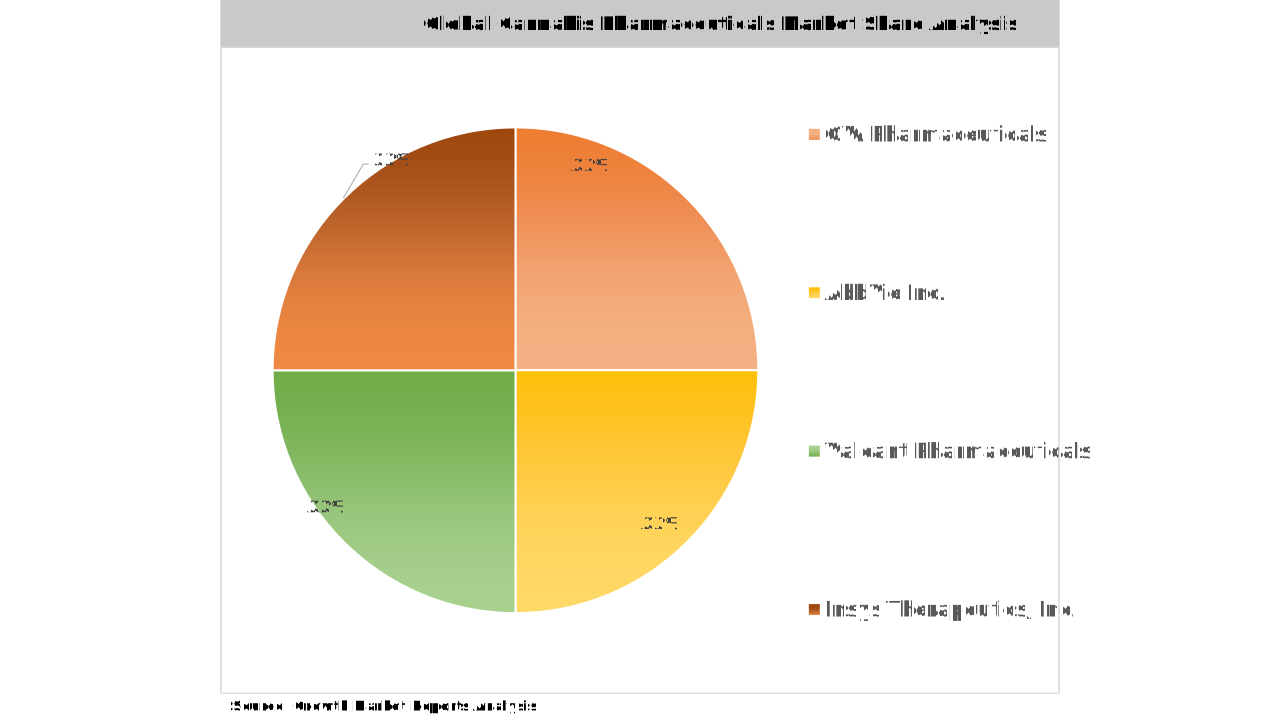
Major players in the cannabis pharmaceuticals market include Jazz Pharmaceuticals, which carries forward the pioneering Epidiolex and Sativex legacy from its GW Pharmaceuticals acquisition, setting enduring industry standards for clinical rigor and regulatory acceptance. Tilray Brands and Canopy Growth Corporation are leading vertically integrated global cannabis companies with diversified pharmaceutical portfolios and expanding international distribution capabilities. Aurora Cannabis is recognized for its medical cannabis innovation and quality focus. Zynerba Pharmaceuticals and Corbus Pharmaceuticals are advancing novel synthetic cannabinoid clinical programs targeting dermatological and neurological indications respectively. Tetra Bio-Pharma is advancing inhaled cannabis pharmaceutical formulations, while MGC Pharmaceuticals and Zelira Therapeutics are expanding their clinical-stage pipelines across Europe, Australia, and North America. Together, these companies are driving the continued scientific, commercial, and regulatory advancement of the global cannabis pharmaceuticals market through 2034.
The Cannabis Pharmaceuticals market has been segmented on the basis of
Key challenges include regulatory fragmentation across regions, limited insurance reimbursement, residual social stigma, supply chain complexity, and competition from unregulated markets. Opportunities include pipeline expansion into new therapeutic indications, integration into mainstream healthcare systems, digital health partnerships, growing acceptance of minor cannabinoids, and untapped markets in Asia Pacific, Latin America, and Middle East & Africa.
Leading companies in the market include Jazz Pharmaceuticals, Tilray Brands, Aurora Cannabis, Canopy Growth Corporation, Zynerba Pharmaceuticals, Cronos Group, MGC Pharmaceuticals, Corbus Pharmaceuticals, Tetra Bio-Pharma, Cure Pharmaceutical Holding Corp., Echo Pharmaceuticals, and Zelira Therapeutics, among others.
Key growth drivers include progressive global legalization of medical cannabis, increasing clinical evidence supporting cannabinoid efficacy, rising prevalence of chronic diseases and mental health disorders, advancements in pharmaceutical-grade drug delivery, growing physician and patient acceptance, and expanding reimbursement frameworks in major markets.
Cannabis pharmaceuticals are distributed through hospital pharmacies, retail pharmacies, online pharmacies, and other specialty channels such as specialty clinics and compounding pharmacies. Online pharmacies have seen accelerated adoption since 2020, benefiting from telemedicine integration and home-delivery preferences.
The primary routes of administration are oral (capsules, oils, edibles), inhalation (vaporization, inhalers), topical (creams, gels, transdermal patches), and others including sublingual, rectal, and ocular delivery. Oral administration is the most widely used due to its convenience and consistent dosing profile.
Key applications include pain management (the largest segment), neurology (including epilepsy and multiple sclerosis), oncology (symptom management in cancer patients), mental health (anxiety, depression, PTSD), and others such as gastrointestinal disorders, autoimmune diseases, and sleep disorders.
The primary product types are capsules (31.2%), oils (27.8%), tinctures (17.4%), topicals (13.6%), and others including sprays, suppositories, and edibles (10.0%). Capsules are the leading segment due to their precise dosing, regulatory acceptance, and high patient compliance in clinical settings.
North America leads the global market with approximately 60.5% share in 2025, driven by the United States and Canada. Europe holds the second-largest share at around 22.3%, with Germany, the United Kingdom, and France at the forefront. Asia Pacific, Latin America, and Middle East & Africa represent smaller but rapidly growing shares.
The cannabis pharmaceuticals market is projected to grow at a compound annual growth rate (CAGR) of 16.7% from 2026 to 2034, reaching an estimated USD 7.89 billion by the end of the forecast period, supported by regulatory advancements, pipeline expansions, and increasing mainstream healthcare adoption.
As of 2025, the global cannabis pharmaceuticals market is valued at approximately USD 2.16 billion, reflecting strong year-over-year momentum driven by expanding legalization, growing clinical validation, and rising demand for alternative therapeutics across chronic disease categories.