Segments - by Type (Ground Calcium Carbonate, Precipitated Calcium Carbonate), by Application (Paper, Plastics, Paints & Coatings, Adhesives & Sealants, Building & Construction, Pharmaceuticals, Food & Beverages, Others), by End-User (Industrial, Commercial, Residential, Others)
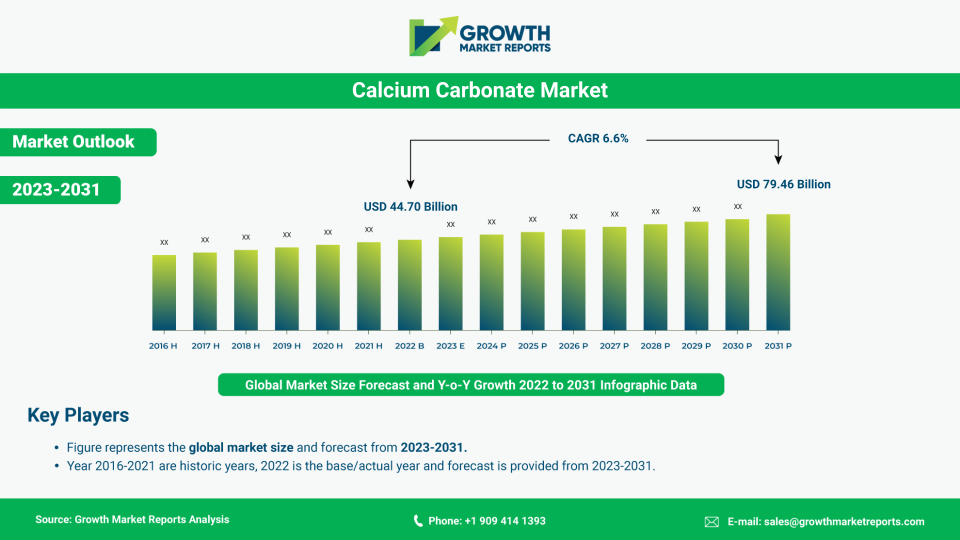
According to our latest research, the global calcium carbonate market size reached USD 28.7 billion in 2024, reflecting robust demand across multiple industries. The market is expected to grow at a CAGR of 5.2% during the forecast period from 2025 to 2033, reaching a projected value of USD 45.3 billion by 2033. This expansion is primarily driven by increased consumption in paper, plastics, and construction sectors, as well as the rising adoption of calcium carbonate in environmental and pharmaceutical applications. The marketÂ’s growth trajectory is underpinned by ongoing industrialization, infrastructure development, and the expanding use of eco-friendly materials worldwide.
One of the primary growth factors for the calcium carbonate market is the burgeoning demand from the paper industry. Calcium carbonate serves as a critical filler and coating pigment in paper production, enhancing brightness, opacity, and printability. The shift towards lightweight and high-quality paper, especially in emerging economies, has elevated the consumption of both ground and precipitated calcium carbonate. Additionally, the growing trend of sustainable and recycled paper products further amplifies demand, as manufacturers seek cost-effective and environmentally friendly additives. This trend is particularly evident in Asia Pacific, where rapid urbanization and educational growth are driving paper consumption at an unprecedented rate.
The plastics industry also significantly contributes to the expansion of the calcium carbonate market. Calcium carbonate is widely used as a filler material in plastic manufacturing, improving mechanical properties, surface finish, and processability. Its ability to reduce production costs and enhance product performance makes it indispensable in the production of pipes, cables, films, and packaging materials. As the global demand for lightweight and durable plastic products continues to climb, particularly in automotive, electrical, and consumer goods sectors, the necessity for high-quality calcium carbonate is expected to remain strong. Moreover, innovations in polymer composites and the push towards biodegradable plastics are creating new avenues for market growth.
Another driving force behind the marketÂ’s growth is the construction sectorÂ’s increasing reliance on calcium carbonate in building materials such as cement, paints, coatings, adhesives, and sealants. The materialÂ’s excellent binding, whitening, and weather-resistant properties make it a preferred choice for architects and builders aiming for both aesthetic appeal and structural integrity. The surge in infrastructure projects, urban housing, and commercial developments across developing regions is further bolstering demand. Additionally, the pharmaceutical and food industries are leveraging calcium carbonate for its nutritional and medicinal benefits, adding another layer of growth potential to the market.
The role of Calcium Cation in the formation of calcium carbonate is fundamental, as it combines with carbonate ions to form this widely used compound. Calcium cations are positively charged ions that play a crucial role in various chemical reactions and biological processes. In the context of the calcium carbonate market, the availability and reactivity of calcium cations directly influence the quality and efficiency of calcium carbonate production. This is particularly important in industries such as paper and plastics, where the purity and consistency of calcium carbonate can significantly impact product performance. Understanding the behavior of calcium cations in different environments is essential for optimizing production processes and developing innovative applications for calcium carbonate.
From a regional perspective, Asia Pacific dominates the global calcium carbonate market, accounting for the largest share in both production and consumption. This supremacy is attributed to the presence of major end-user industries, a strong manufacturing base, and abundant raw material availability. North America and Europe continue to be significant markets, driven by technological advancements and stringent quality standards in end-use applications. Meanwhile, Latin America and the Middle East & Africa are witnessing steady growth, fueled by industrialization and infrastructure investments. The dynamic interplay of these regional markets is shaping the overall trajectory of the global calcium carbonate industry.
The calcium carbonate market is segmented by type into Ground Calcium Carbonate (GCC) and Precipitated Calcium Carbonate (PCC), each playing a distinct role in various industrial applications. Ground calcium carbonate is derived directly from natural limestone through mechanical processes, resulting in a product with high purity and consistent particle size. GCC is favored for its cost-effectiveness and is extensively used in the paper, plastics, and construction industries. Its widespread availability and versatile properties make it the backbone of the calcium carbonate market, especially in regions with abundant limestone reserves. The simplicity of production and lower processing costs further enhance the appeal of GCC, ensuring a stable demand trajectory over the forecast period.
On the other hand, Precipitated Calcium Carbonate (PCC) is manufactured through a controlled chemical process, resulting in a product with unique physical and chemical characteristics. PCC offers superior brightness, fine particle size, and enhanced dispersion, making it highly desirable for premium applications such as high-quality paper, pharmaceuticals, and specialty plastics. The ability to tailor PCC properties to specific end-use requirements provides manufacturers with a competitive edge, especially in industries where product performance is paramount. As the demand for advanced materials and high-performance products grows, the share of PCC in the overall market is expected to rise steadily.
The ongoing innovation in production technologies is also influencing the type segment within the calcium carbonate market. Advancements in grinding, milling, and precipitation techniques are enabling manufacturers to achieve finer particle sizes, improved purity, and better dispersion characteristics. These technological improvements are not only enhancing product quality but also expanding the range of potential applications for both GCC and PCC. As industries continue to seek materials that offer an optimal balance of performance and cost, the interplay between GCC and PCC will remain a key determinant of market dynamics.
Microbial-Induced Calcite Precipitation Material is an emerging technology that leverages the natural processes of microorganisms to precipitate calcium carbonate. This innovative approach is gaining traction in the construction industry, where it offers a sustainable alternative for soil stabilization and concrete repair. By harnessing the metabolic activities of specific bacteria, this method induces the formation of calcite crystals, which enhance the structural integrity and durability of construction materials. The use of microbial-induced calcite precipitation not only reduces the carbon footprint of traditional construction processes but also opens up new possibilities for eco-friendly building solutions. As the demand for sustainable materials grows, this technology is poised to play a significant role in the future of the calcium carbonate market.
Environmental considerations are increasingly shaping the type segment of the calcium carbonate market. The push towards sustainable manufacturing practices and reduced carbon footprints is prompting companies to optimize their production processes and explore alternative raw materials. The adoption of eco-friendly technologies and the development of recycled calcium carbonate from industrial by-products are gaining traction, particularly in regions with stringent environmental regulations. This shift is expected to influence the market share of GCC and PCC, as companies strive to align their operations with evolving sustainability standards.
| Attributes | Details |
| Report Title | Calcium Carbonate Market Research Report 2033 |
| By Type | Ground Calcium Carbonate, Precipitated Calcium Carbonate |
| By Application | Paper, Plastics, Paints & Coatings, Adhesives & Sealants, Building & Construction, Pharmaceuticals, Food & Beverages, Others |
| By End-User | Industrial, Commercial, Residential, Others |
| Regions Covered | North America, Europe, APAC, Latin America, MEA |
| Base Year | 2024 |
| Historic Data | 2018-2023 |
| Forecast Period | 2025-2033 |
| Number of Pages | 262 |
| Number of Tables & Figures | 373 |
| Customization Available | Yes, the report can be customized as per your need. |
The calcium carbonate market finds its most significant application in the paper industry, where it is used as a filler and coating pigment. Calcium carbonate enhances paper brightness, smoothness, and printability, while also reducing production costs by replacing more expensive pulp. The trend towards lightweight and high-quality paper products, coupled with the increasing use of recycled paper, is driving sustained demand for calcium carbonate. In emerging markets, the rapid expansion of the education sector, packaging industry, and print media is further amplifying consumption. As paper manufacturers continue to innovate and optimize their production processes, the reliance on high-performance calcium carbonate is expected to grow.
In the plastics industry, calcium carbonate serves as a key additive that improves the mechanical properties, processability, and cost-efficiency of plastic products. It is commonly used in the production of pipes, cables, films, and packaging materials, where it enhances stiffness, impact resistance, and surface finish. The shift towards lightweight and durable plastic components in automotive, construction, and consumer goods sectors is fueling demand for calcium carbonate. Moreover, the emergence of biodegradable plastics and the push for sustainable materials are creating new opportunities for calcium carbonate suppliers to cater to evolving industry needs.
The paints and coatings segment is another major application area for calcium carbonate, where it is valued for its opacity, brightness, and weather resistance. Calcium carbonate acts as an extender and pigment, improving paint coverage, durability, and cost-effectiveness. The growing construction and renovation activities worldwide, coupled with the trend towards decorative and protective coatings, are driving demand in this segment. Additionally, advancements in paint formulations and the development of eco-friendly products are expanding the scope of calcium carbonate usage in architectural, industrial, and automotive coatings.
The integration of Calcium Carbonate Bioplastic Filler is transforming the landscape of the plastics industry by offering a sustainable alternative to conventional fillers. This innovative material enhances the mechanical properties and biodegradability of bioplastics, making them more competitive with traditional plastics. The use of calcium carbonate as a bioplastic filler not only improves the strength and durability of the final product but also reduces production costs and environmental impact. As the world shifts towards greener alternatives, the demand for bioplastics with calcium carbonate fillers is expected to rise, driven by consumer preference for eco-friendly products and regulatory pressures to minimize plastic waste. This trend underscores the growing importance of calcium carbonate in advancing sustainable materials technology.
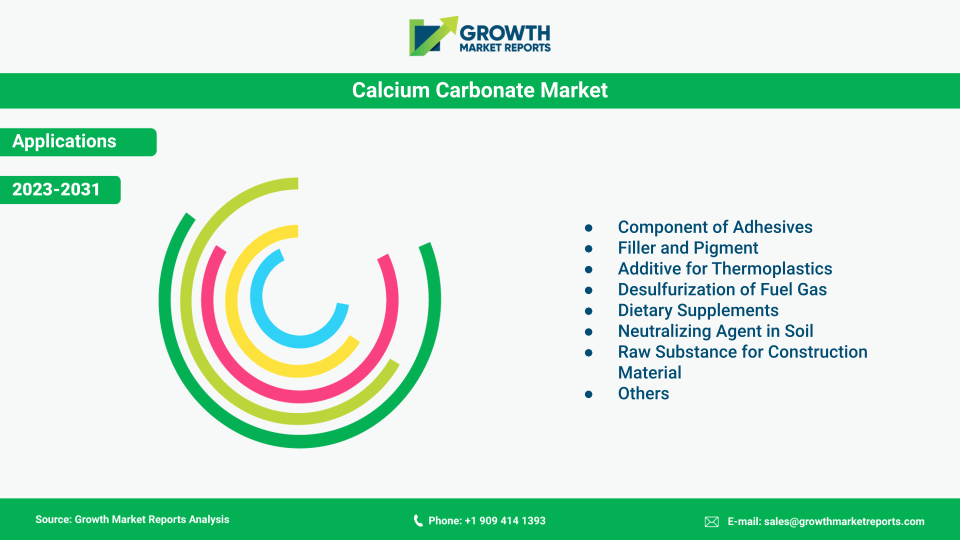
Beyond these primary applications, calcium carbonate plays a vital role in adhesives and sealants, building and construction, pharmaceuticals, and food & beverages. In construction, it is used in cement, concrete, and mortar for its binding and strengthening properties. In pharmaceuticals, calcium carbonate serves as an active ingredient in antacids and calcium supplements, while in food and beverages, it is used as a dietary calcium source and food additive. The versatility of calcium carbonate across such a diverse range of applications underscores its importance as a fundamental industrial material, with each segment contributing to the overall growth and resilience of the market.
The industrial sector represents the largest end-user segment within the calcium carbonate market, driven by its extensive use in manufacturing processes across paper, plastics, paints, adhesives, and construction materials. Industrial users value calcium carbonate for its functional benefits, including cost reduction, improved product quality, and enhanced process efficiency. The ongoing expansion of manufacturing capacities in emerging economies, coupled with the modernization of industrial infrastructure in developed regions, is sustaining robust demand from this segment. As industries continue to innovate and adopt advanced materials, the role of calcium carbonate as a critical input is expected to remain strong.
In the commercial sector, calcium carbonate finds application in a wide range of products and services, including commercial construction, interior design, and facility maintenance. The materialÂ’s aesthetic appeal, durability, and cost-effectiveness make it a popular choice for flooring, wall panels, ceiling tiles, and decorative finishes. The growth of the commercial real estate market, coupled with increasing investments in office spaces, retail outlets, and hospitality projects, is driving demand for high-quality building materials that incorporate calcium carbonate. Additionally, the trend towards green buildings and sustainable construction practices is further enhancing the appeal of calcium carbonate in the commercial sector.
The residential segment also contributes to the growth of the calcium carbonate market, particularly through its use in home construction, renovation, and interior design. Calcium carbonate is a key ingredient in paints, coatings, adhesives, and sealants used in residential buildings, providing both functional and aesthetic benefits. The rising demand for affordable and energy-efficient housing, especially in urbanizing regions, is fueling the consumption of calcium carbonate-based materials. Moreover, the increasing awareness of indoor air quality and the preference for low-VOC products are prompting homeowners and builders to choose calcium carbonate-enhanced solutions.
Other end-user segments, such as healthcare, food processing, and environmental management, are also emerging as important contributors to the calcium carbonate market. In healthcare, calcium carbonate is used in pharmaceuticals, medical devices, and dental products, while in food processing, it serves as a mineral supplement and food additive. Environmental applications, such as water treatment and flue gas desulfurization, are gaining prominence as industries seek sustainable solutions to regulatory challenges. The diverse end-user landscape highlights the adaptability of calcium carbonate and its ability to meet the evolving needs of various sectors.
The calcium carbonate market is poised for significant opportunities, especially with the growing emphasis on sustainability and eco-friendly materials. The increasing adoption of recycled and biodegradable products in the paper, plastics, and construction industries is creating new avenues for calcium carbonate suppliers. Technological advancements in production processes, such as nano-calcium carbonate and surface modification techniques, are enabling manufacturers to develop high-performance products tailored to specific end-use requirements. Additionally, the expanding applications of calcium carbonate in environmental management, pharmaceuticals, and food fortification present lucrative growth prospects. As industries continue to prioritize quality, efficiency, and regulatory compliance, the demand for innovative calcium carbonate solutions is expected to rise.
Another key opportunity lies in the untapped potential of emerging markets, particularly in Asia Pacific, Latin America, and the Middle East & Africa. Rapid industrialization, urbanization, and infrastructure development in these regions are driving demand for calcium carbonate across multiple sectors. Investments in new manufacturing facilities, coupled with government initiatives to promote sustainable construction and industrial practices, are creating a favorable environment for market expansion. Furthermore, the rising awareness of health and wellness is boosting the use of calcium carbonate in pharmaceuticals and food products, opening up new revenue streams for market players.
Despite these opportunities, the calcium carbonate market faces certain restrainers, including fluctuating raw material prices and environmental concerns related to mining and processing activities. The extraction of limestone, the primary raw material for calcium carbonate, can have significant ecological impacts, including habitat destruction, groundwater depletion, and air pollution. Regulatory pressures and the need for sustainable resource management are compelling manufacturers to invest in cleaner technologies and alternative raw materials. Additionally, the market is subject to price volatility due to supply-demand imbalances and transportation constraints, which can impact profitability and long-term planning for industry stakeholders.
Asia Pacific continues to be the dominant region in the global calcium carbonate market, accounting for approximately 42% of the total market value in 2024, translating to roughly USD 12.1 billion. The regionÂ’s leadership is driven by rapid industrialization, robust infrastructure development, and the presence of major end-user industries such as paper, plastics, and construction. China and India are the primary contributors, supported by abundant limestone reserves, large-scale manufacturing capacities, and favorable government policies. The region is expected to maintain a strong growth trajectory, with a projected CAGR of 5.8% from 2025 to 2033, fueled by ongoing investments in industrial and urban projects.
North America holds the second-largest share in the calcium carbonate market, with an estimated market size of USD 6.3 billion in 2024. The regionÂ’s growth is driven by technological advancements, stringent regulatory standards, and the increasing demand for high-performance materials in the paper, plastics, and construction sectors. The United States remains the key market, supported by a well-established industrial base and a focus on sustainable manufacturing practices. The adoption of advanced production technologies and the development of specialty calcium carbonate products are expected to further enhance the regionÂ’s market position over the forecast period.
Europe is another significant market for calcium carbonate, with a market size of approximately USD 5.8 billion in 2024. The region is characterized by mature end-user industries, high environmental standards, and a strong emphasis on product quality and sustainability. Germany, France, and the United Kingdom are the leading contributors, supported by a robust manufacturing sector and ongoing investments in green technologies. The market in Latin America and the Middle East & Africa is also witnessing steady growth, driven by industrialization, urbanization, and infrastructure development. Collectively, these regions account for the remaining USD 4.5 billion of the global market, with significant potential for future expansion as economic conditions improve and industrial activities accelerate.
The calcium carbonate market is highly competitive, with a mix of global and regional players vying for market share through product innovation, capacity expansions, and strategic partnerships. The market is characterized by the presence of well-established companies with extensive distribution networks and a strong focus on research and development. These companies are continuously investing in advanced production technologies, quality control systems, and sustainable practices to differentiate themselves in a crowded marketplace. The competitive landscape is also shaped by mergers, acquisitions, and collaborations aimed at expanding product portfolios and entering new geographic markets.
Innovation remains a key differentiator in the calcium carbonate market, with leading players focusing on the development of specialty products such as nano-calcium carbonate, surface-modified calcium carbonate, and high-purity grades for pharmaceutical and food applications. The ability to offer customized solutions that meet the specific needs of end-user industries is a critical success factor. Additionally, companies are investing in digitalization and automation to enhance operational efficiency, reduce costs, and improve customer service. The adoption of sustainable manufacturing practices and the use of recycled materials are also gaining prominence, as companies seek to align with evolving regulatory requirements and consumer preferences.
Regional players are leveraging their proximity to raw material sources and local market knowledge to compete effectively with global giants. These companies often focus on cost leadership, flexible production capabilities, and strong relationships with local customers. However, they face challenges in scaling up operations, accessing advanced technologies, and meeting international quality standards. As the market continues to evolve, the ability to adapt to changing customer demands, regulatory landscapes, and technological advancements will be crucial for sustained competitive advantage.
Major companies operating in the calcium carbonate market include Omya AG, Imerys S.A., Mineral Technologies Inc., Huber Engineered Materials, and Mississippi Lime Company. Omya AG is a global leader with a comprehensive product portfolio and a strong presence in both GCC and PCC segments. The company is known for its focus on innovation, sustainability, and customer-centric solutions. Imerys S.A. is another key player, offering a wide range of calcium carbonate products for diverse applications, backed by a robust global supply chain and advanced R&D capabilities. Mineral Technologies Inc. specializes in high-performance minerals and has a significant footprint in the North American market. Huber Engineered Materials and Mississippi Lime Company are renowned for their high-quality products and commitment to sustainable manufacturing practices. These companies, along with several others, are shaping the future of the calcium carbonate market through continuous investment in technology, quality, and customer relationships.
The Calcium Carbonate market has been segmented on the basis of
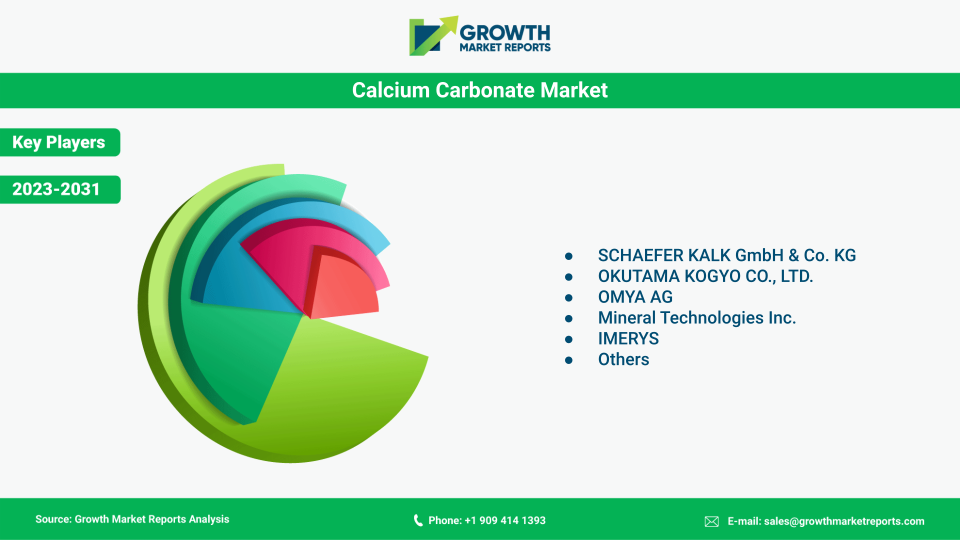
The market is very competitive in nature owing to the presence of many major players. Some of the major players competing in the global calcium carbonate market are SCHAEFER KALK GmbH & Co. KG; OKUTAMA KOGYO CO., LTD.; OMYA AG; Mineral Technologies Inc.; IMERYS, and others.
Yes, the calcium carbonate market research report offers customization options to address specific client requirements.
Environmental concerns include the ecological impact of limestone mining, such as habitat destruction and groundwater depletion, prompting manufacturers to adopt cleaner technologies and sustainable practices.
Key companies include Omya AG, Imerys S.A., Mineral Technologies Inc., Huber Engineered Materials, Mississippi Lime Company, Lhoist Group, Carmeuse, and others.
Major trends include the adoption of sustainable and recycled materials, technological advancements like nano-calcium carbonate, and expanding applications in environmental management, pharmaceuticals, and food fortification.
In the paper industry, it serves as a filler and coating pigment to improve brightness and printability. In plastics, it acts as a filler to enhance mechanical properties, reduce costs, and improve processability.
Asia Pacific is the largest market, accounting for about 42% of global value in 2024, followed by North America and Europe. Latin America and the Middle East & Africa are also experiencing steady growth.
GCC is derived from natural limestone through mechanical processes and is cost-effective, while PCC is produced via a controlled chemical process, offering superior brightness, fine particle size, and enhanced dispersion for high-performance applications.
Key drivers include increased consumption in the paper, plastics, and construction sectors, rising adoption in environmental and pharmaceutical applications, ongoing industrialization, and the shift toward eco-friendly materials.
Calcium carbonate is widely used in the paper, plastics, paints & coatings, adhesives & sealants, building & construction, pharmaceuticals, and food & beverages industries.
The global calcium carbonate market reached USD 28.7 billion in 2024 and is expected to grow at a CAGR of 5.2% from 2025 to 2033, reaching approximately USD 45.3 billion by 2033.