Segments - by Product Type (Immunoturbidimetric Assays, ELISA, Chemiluminescence Immunoassays, Others), by Application (Cardiovascular Diseases, Infections, Rheumatoid Arthritis, Cancer, Others), by Sample Type (Blood, Serum, Plasma, Others), by End-User (Hospitals and Clinics, Diagnostic Laboratories, Research Institutes, Others)
This report is updated with the latest market data and insights as of June 2026. Base year: 2025 | Forecast period: 2026-2034
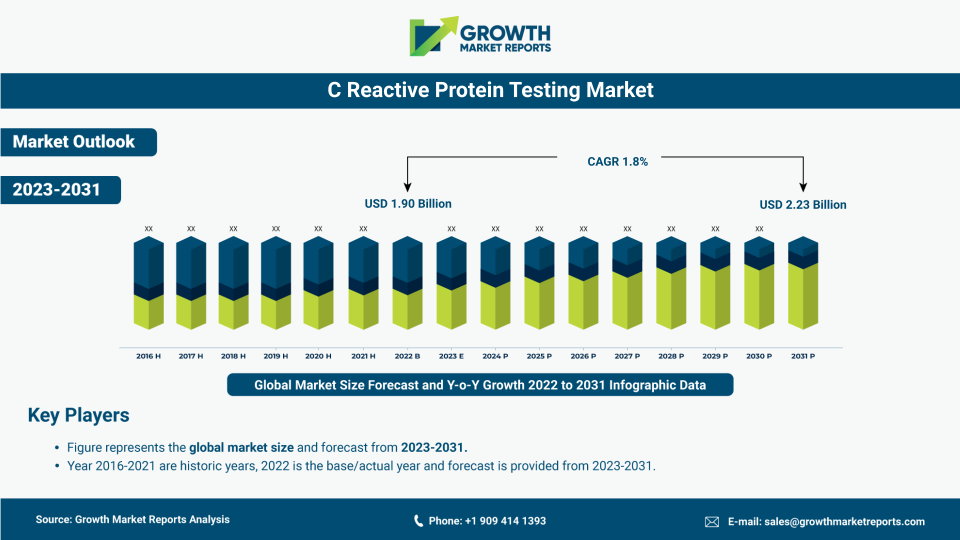
According to our latest research, the global C-Reactive Protein (CRP) Testing market size stood at USD 2.65 billion in 2025, reflecting robust and sustained demand across diverse healthcare settings worldwide. The market is advancing on a strong growth trajectory, with a projected CAGR of 7.3% over the 2026-2034 forecast period. By 2034, the C-Reactive Protein Testing market is expected to reach USD 5.02 billion. This impressive expansion is primarily driven by escalating chronic disease prevalence, heightened awareness of early disease detection, continuous assay innovation, and growing adoption of automated and point-of-care CRP diagnostics across both developed and emerging markets.
The expanding global burden of chronic and infectious diseases remains the foremost growth driver for the C-Reactive Protein Testing market. As cardiovascular diseases, bacterial and viral infections, rheumatoid arthritis, and cancer continue to rise in prevalence, the need for rapid, accurate, and clinically actionable diagnostic tools has become increasingly critical. CRP testing is universally recognized for its role in detecting systemic inflammation and monitoring disease progression, establishing it as an indispensable component of both acute and chronic care pathways. The integration of CRP testing into routine preventive health screenings and its expanding use in emergency departments for infection risk stratification are fueling sustained market expansion. The growing geriatric population globally, which carries disproportionately high susceptibility to inflammatory and infectious conditions, is expected to be a significant long-term demand catalyst through 2034.
Technological advancements in assay methodologies have substantially elevated the diagnostic utility of CRP testing since 2019. The refinement of high-sensitivity CRP assay platforms enables clinicians to detect subclinical inflammation with unprecedented precision, improving the management of cardiovascular diseases and chronic inflammatory conditions. The accelerating shift toward automated laboratory systems and portable point-of-care testing devices is reducing turnaround times and expanding access to CRP testing in community and primary care settings. Furthermore, the integration of digital health tools, cloud-based result management, and artificial intelligence-driven analytics into diagnostic workflows is transforming how CRP data is collected, interpreted, and acted upon in clinical practice.
Investment in healthcare infrastructure by both public and private sectors continues to act as a powerful structural growth driver. Governments and international health organizations are prioritizing early disease detection, which has directly elevated the adoption of CRP testing in hospitals, clinics, and diagnostic laboratories worldwide. This trend is particularly pronounced in emerging economies across Asia Pacific, Latin America, and the Middle East, where healthcare access is improving markedly and awareness of advanced diagnostics is increasing. Strategic collaborations between leading diagnostic companies and regional healthcare providers are accelerating the development and commercialization of affordable, context-appropriate CRP testing solutions for diverse patient populations. Parallel to this, the veterinary diagnostics sector is seeing parallel growth, with demand for canine CRP testing expanding as companion animal healthcare becomes more sophisticated.
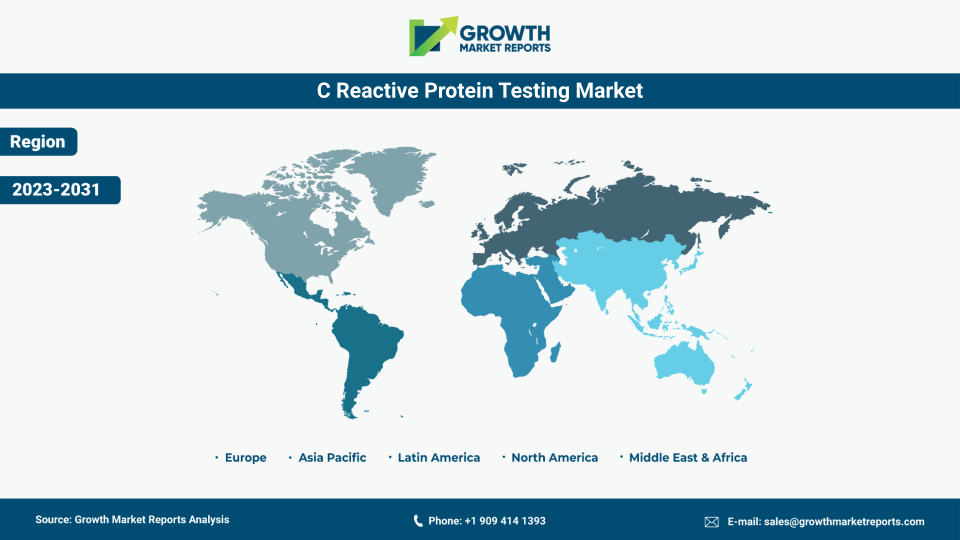
Regionally, North America continues to dominate the C-Reactive Protein Testing market, driven by high per-capita healthcare spending, a mature diagnostic infrastructure, and an entrenched culture of preventive medicine. Europe maintains a strong second position, underpinned by government-led chronic disease programs and a rapidly aging demographic. Asia Pacific represents the most dynamic growth frontier, with rising disease prevalence, substantial healthcare investment, and rapid adoption of modern diagnostic technologies across China, India, Japan, and Southeast Asia. Latin America and the Middle East and Africa, while relatively smaller markets, are registering consistent growth supported by infrastructure improvements and growing diagnostic awareness. The interplay of these regional dynamics will be a central factor shaping the CRP testing market landscape through 2034.
Within the C-Reactive Protein Testing market, the product type segment encompasses Immunoturbidimetric Assays, ELISA, Chemiluminescence Immunoassays, and other emerging assay technologies. Immunoturbidimetric assays hold the largest market share, accounting for approximately 42.5% of the 2025 market, owing to their widespread adoption in clinical and reference laboratories for routine CRP measurement. These assays are favored for their high analytical throughput, ease of integration with automated analyzers, standardized protocols, and strong cost-effectiveness, making them the practical choice for large-scale testing in hospitals and diagnostic laboratories. Their proven track record for delivering reproducible, clinically reliable results ensures continued dominance throughout the 2026-2034 forecast period.
ELISA (Enzyme-Linked Immunosorbent Assay) represents approximately 24.0% of the 2025 market, valued for its high sensitivity and specificity in detecting and quantifying CRP across a broad concentration range. ELISA-based CRP tests are predominantly used in research institutions and specialized clinical laboratories, where precise biomarker quantification is essential for scientific rigor. The multiplexing capability of modern ELISA platforms, enabling simultaneous measurement of CRP alongside other inflammatory markers, is increasing their relevance in comprehensive disease profiling studies. Ongoing development of next-generation ELISA kits with enhanced sensitivity and reduced assay time continues to support this segment's contribution to the market. Researchers also exploring the overlap between CRP and other autoimmune biomarkers are increasingly cross-referencing findings with anti-CCP testing methodologies, further contextualizing the inflammatory marker landscape.
Chemiluminescence Immunoassays (CLIA) account for roughly 22.5% of the 2025 market and are the fastest-growing product segment within the CRP testing space. CLIA platforms deliver superior analytical sensitivity, wide dynamic detection ranges, and rapid result turnaround, making them highly compatible with modern high-throughput laboratory analyzers. Their integration into fully automated immunoassay platforms used in large hospital systems and reference laboratories is accelerating adoption, particularly in North America and Europe. The expanding application of CLIA in cardiovascular risk stratification programs, where precise low-level CRP detection is clinically critical, is a key revenue driver for this segment through 2034.
Other emerging assay technologies, representing approximately 11.0% of the 2025 market, include lateral flow immunoassays, biosensor-based platforms, and microfluidic point-of-care systems. These technologies are progressively expanding access to CRP testing in decentralized settings, rural clinics, and resource-limited environments where centralized laboratory infrastructure is unavailable. The development of smartphone-compatible CRP testing devices and at-home monitoring solutions is a particularly exciting innovation frontier. Consumer interest in convenient self-monitoring is also spurring growth in the at-home CRP test sensor segment, which represents a nascent but rapidly evolving portion of the broader product landscape. As demand for rapid, user-friendly, and affordable diagnostic tools intensifies, this segment is expected to witness the highest relative growth rate among all product types through 2034.
| Attributes | Details |
| Report Title | C-Reactive Protein Testing Market Research Report 2034 |
| By Product Type | Immunoturbidimetric Assays, ELISA, Chemiluminescence Immunoassays, Others |
| By Application | Cardiovascular Diseases, Infections, Rheumatoid Arthritis, Cancer, Others |
| By Sample Type | Blood, Serum, Plasma, Others |
| By End-User | Hospitals and Clinics, Diagnostic Laboratories, Research Institutes, Others |
| Regions Covered | North America, Europe, APAC, Latin America, MEA |
| Base Year | 2025 |
| Historic Data | 2019-2024 |
| Forecast Period | 2026-2034 |
| Number of Pages | 275 |
| Number of Tables and Figures | 328 |
| Customization Available | Yes, the report can be customized as per your need. |
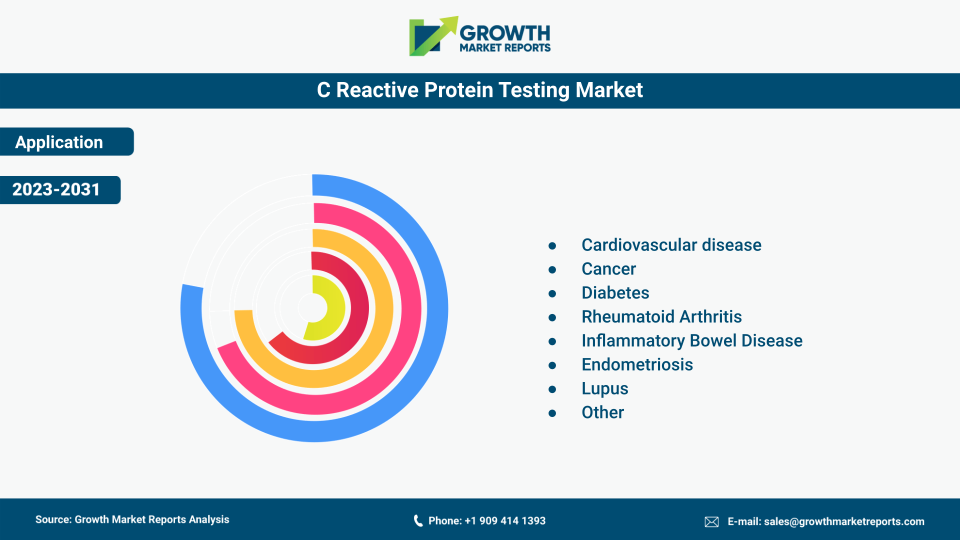
The application segment of the C-Reactive Protein Testing market is broadly categorized into Cardiovascular Diseases, Infections, Rheumatoid Arthritis, Cancer, and other medical conditions. Cardiovascular diseases represent the largest application area, as CRP is a well-validated biomarker for systemic inflammation and an independent predictor of cardiovascular events. High-sensitivity CRP testing is routinely embedded into cardiovascular risk stratification protocols, enabling clinicians to identify high-risk patients who may benefit from early preventive interventions. The rising global burden of coronary artery disease, heart failure, and stroke, combined with growing emphasis on population-level preventive screening, continues to propel demand in this segment. Clinical guidelines issued by major cardiology bodies in North America and Europe continue to endorse hs-CRP testing as a complementary risk assessment tool alongside traditional lipid panels and other cardiac biomarkers such as those evaluated in troponin testing programs.
Infections constitute a major and growing application segment, underpinned by CRP's well-established role as an acute-phase reactant that rises rapidly in response to bacterial and, to a lesser extent, viral infections. Emergency departments and primary care clinics worldwide rely on CRP testing to rapidly assess infection severity, differentiate bacterial from viral etiology, and guide antibiotic prescribing decisions. The global commitment to antibiotic stewardship, particularly following heightened awareness of antimicrobial resistance during and after the COVID-19 pandemic, has reinforced the clinical value of CRP in guiding rational antibiotic use. The ongoing threat of emerging infectious diseases and healthcare-associated infections continues to sustain strong demand in this application area through the 2026-2034 forecast period.
Rheumatoid arthritis and other autoimmune disorders represent a stable and growing application segment, as CRP monitoring is integral to assessing disease activity, evaluating biologic and disease-modifying therapy responses, and guiding treatment escalation or de-escalation decisions. The increasing prevalence of autoimmune diseases globally, particularly among aging populations, supports consistent demand growth in this segment. Clinicians managing rheumatoid arthritis frequently use CRP in conjunction with other inflammatory markers, and the complementary role of rheumatoid factor testing alongside CRP provides a more comprehensive picture of disease burden and treatment response. Advances in assay sensitivity are enabling more granular monitoring of disease fluctuations, improving personalized care strategies.
Cancer is an emerging and scientifically compelling application area for CRP testing, supported by growing evidence linking elevated systemic inflammation with tumor initiation, progression, and poor survival outcomes across multiple cancer types including colorectal, lung, and hepatocellular carcinoma. CRP is increasingly being evaluated as a prognostic marker and treatment response indicator in oncology clinical trials. While routine use in oncology practice remains at an earlier adoption stage compared to cardiology and infectious disease, expanding research activity and mounting clinical evidence are expected to broaden its application scope materially over the 2026-2034 period. Other applications encompass inflammatory bowel disease, systemic lupus erythematosus, post-surgical recovery monitoring, and neonatal sepsis, collectively reinforcing the broad clinical versatility of CRP testing.
The sample type segment in the C-Reactive Protein Testing market includes Blood, Serum, Plasma, and other biological fluids. Blood-based CRP testing remains the most widely adopted approach, valued for its simplicity, minimal processing requirements, and compatibility with both point-of-care devices and high-throughput laboratory analyzers. Whole blood testing is particularly dominant in point-of-care and near-patient settings, where speed of result delivery is paramount for acute clinical decision-making. The broad availability of standardized blood collection protocols and compatible analyzers across diverse healthcare settings reinforces blood as the primary sample type in CRP testing through the forecast period.
Serum-based CRP testing maintains a significant presence, especially in reference and hospital laboratories conducting high-volume routine analysis. Serum offers the analytical advantage of minimized cellular interference, producing highly reproducible and accurate measurements that are critical for longitudinal patient monitoring. The use of serum is particularly common in research applications and clinical studies where assay precision and sensitivity are paramount. Advances in serum separation technologies and the development of ultra-high-sensitivity serum-based CRP assays have further strengthened this sample type's clinical relevance, particularly in cardiovascular risk profiling programs.
Plasma-based CRP testing is gaining consistent adoption, driven by the increasing use of anticoagulated blood tubes in modern laboratory workflows that allow the same sample to be used for multiple concurrent tests, improving efficiency and reducing patient phlebotomy burden. Plasma samples are especially preferred in critical care, intensive care, and emergency settings where time-sensitive decision-making demands streamlined sample processing. The growing adoption of automated pre-analytical systems that handle plasma separation efficiently is further supporting this segment's growth. As integrated diagnostic workflows become standard in modern hospitals, plasma-based CRP testing is expected to expand its market share steadily through 2034.
Other sample types, including cerebrospinal fluid, synovial fluid, and urine, are employed in specific and clinically defined scenarios such as suspected central nervous system infection, septic arthritis evaluation, and monitoring of renal inflammatory conditions. While these applications represent a modest share of total CRP testing volume, they underscore the adaptability of CRP as a biomarker across diverse biological matrices. Ongoing research into non-invasive and minimally invasive sampling approaches, including saliva and interstitial fluid-based CRP detection, holds promise for further expanding the sample type landscape and enhancing patient convenience in future diagnostic workflows.
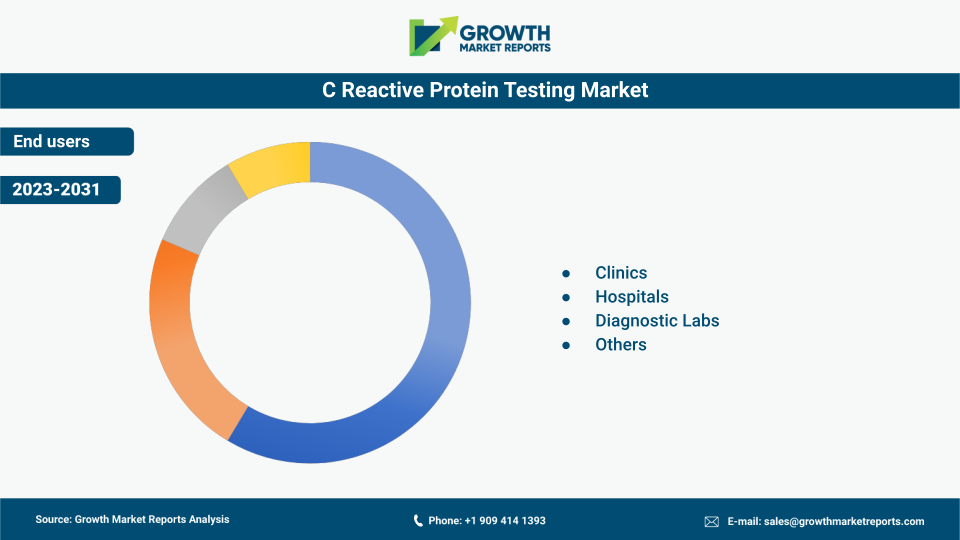
The end-user segment of the C-Reactive Protein Testing market comprises Hospitals and Clinics, Diagnostic Laboratories, Research Institutes, and other healthcare facilities. Hospitals and clinics represent the largest end-user segment in 2025, driven by the pervasive integration of CRP testing into emergency medicine, intensive care, cardiology, rheumatology, and general medicine workflows. The criticality of CRP data for real-time clinical decision-making in inpatient and outpatient settings ensures that hospitals and clinics will continue to account for the dominant share of total CRP testing volume throughout the 2026-2034 forecast period. The ongoing expansion and modernization of hospital infrastructure globally, particularly in Asia Pacific and Latin America, is adding further impetus to this segment's growth.
Diagnostic laboratories play a pivotal and expanding role in the C-Reactive Protein Testing market, providing centralized, high-throughput testing services to healthcare providers across all specialties. These laboratories operate advanced automated immunoassay platforms capable of processing thousands of CRP samples daily with high analytical precision and minimal manual intervention. The ongoing consolidation of the diagnostic laboratory industry, with large laboratory networks absorbing smaller independent labs, is concentrating testing volume and driving investment in the latest CRP testing technologies. Diagnostic laboratories also serve as important partners in post-market surveillance, quality assurance programs, and reagent validation studies that sustain the overall reliability of CRP testing across the healthcare system.
Research institutes represent a specialized and innovation-critical end-user segment, functioning as the primary incubators for next-generation CRP assay development and novel clinical application discovery. Academic medical centers and independent research organizations are conducting prospective cohort studies, clinical trials, and translational research programs that continue to expand the evidence base supporting CRP's clinical utility in cardiovascular medicine, oncology, infectious disease, and autoimmunity. The productive collaboration between research institutes, in vitro diagnostics companies, and regulatory bodies is accelerating the translation of scientific discoveries into commercially available and clinically validated CRP testing products.
Other end-users, including community health centers, outpatient specialty clinics, urgent care facilities, and home healthcare service providers, represent a growing and commercially important segment of the CRP testing market. The global shift toward decentralized healthcare delivery, accelerated by the COVID-19 pandemic experience and amplified by digital health adoption, is driving CRP testing into settings beyond traditional hospital and laboratory environments. The availability of compact, user-friendly, and cost-effective point-of-care CRP testing devices is enabling primary care physicians, nurses, and even trained patients to conduct CRP measurements at the point of need, improving care access and reducing diagnostic delays in underserved communities worldwide.
The C-Reactive Protein Testing market presents substantial and multifaceted growth opportunities across the 2026-2034 forecast horizon. Technological innovation remains the foremost opportunity driver, with continued advancements in high-sensitivity assay design, miniaturized point-of-care platforms, multiplex biomarker panels, and digital connectivity creating significant new value for clinicians and patients alike. The integration of CRP data with electronic health records and predictive analytics platforms is opening new opportunities for population health management and precision medicine applications. The expanding role of CRP in emerging clinical areas such as oncology prognosis, long COVID assessment, and metabolic syndrome monitoring is materially broadening the addressable market beyond its established cardiovascular and infectious disease core.
Emerging markets across Asia Pacific, Latin America, and the Middle East and Africa represent the most compelling geographic growth opportunities for market participants through 2034. Rapidly improving healthcare infrastructure, increasing government healthcare expenditure, growing insurance coverage, and rising chronic disease prevalence are collectively generating strong demand for reliable, scalable CRP testing solutions in these regions. Strategic partnerships between multinational diagnostics companies and local distributors or healthcare networks are enabling tailored market entry approaches. The development of affordable reagent kits and robust, low-maintenance analyzers designed specifically for resource-limited settings is creating additional pathways for market penetration in countries where cost sensitivity is a primary procurement consideration.
Despite favorable growth dynamics, the C-Reactive Protein Testing market faces meaningful challenges that participants must navigate proactively. The relatively high capital and operational costs associated with advanced automated immunoassay platforms present adoption barriers in smaller healthcare facilities and low-income markets. The availability of alternative inflammatory biomarkers, including procalcitonin, interleukin-6, and serum amyloid A, which offer complementary or in some applications superior diagnostic specificity, creates competitive pressure on CRP test volumes in certain clinical pathways. Reimbursement complexity and variability across national healthcare systems, particularly in Europe and Asia Pacific, can constrain market access and pricing power. Additionally, regulatory approval timelines for novel CRP testing platforms can delay commercialization, particularly in highly regulated markets such as the United States and the European Union. Addressing these challenges through innovation, health economics evidence generation, and proactive regulatory engagement will be essential for sustained market growth.
North America remains the largest regional market for C-Reactive Protein Testing, accounting for approximately USD 967 million in 2025 and representing about 36.5% of total global market value. The region's dominance is sustained by exceptionally high healthcare expenditure per capita, a mature and technologically sophisticated diagnostic infrastructure, and deep clinical integration of high-sensitivity CRP testing into cardiovascular disease prevention and infection management protocols. The United States leads regional demand, with widespread guideline-endorsed use of hs-CRP in cardiovascular risk stratification and robust adoption of automated immunoassay platforms across hospital systems, reference laboratories, and specialty clinics. Canada contributes meaningfully to regional growth through government-supported disease surveillance programs and expanding investment in preventive diagnostics. With a projected CAGR of approximately 6.9% through 2034, North America is expected to maintain its leading position while progressively adopting next-generation testing technologies.
Europe holds the second-largest share of the C-Reactive Protein Testing market, valued at approximately USD 729 million in 2025 and accounting for roughly 27.5% of the global total. The region benefits from universal or near-universal healthcare coverage in most member states, strong government investment in chronic disease management programs, and a rapidly aging population that drives increasing demand for inflammatory disease monitoring. Germany, the United Kingdom, France, and the Nordic countries lead European market activity, supported by high clinical awareness, well-equipped diagnostic laboratory networks, and active adoption of point-of-care CRP devices in primary care and general practice settings. The European market is also characterized by a strong regulatory environment that sets high quality and safety standards for diagnostic products, which supports long-term market integrity. Europe is projected to grow at a CAGR of approximately 7.0% through 2034.
The Asia Pacific region is the fastest-growing market for C-Reactive Protein Testing, with a 2025 market value of approximately USD 557 million, representing 21.0% of global revenues and a projected CAGR of 8.1% through 2034. China and India are the primary growth engines, driven by massive and growing patient populations, escalating chronic disease burdens, rapidly expanding private and public hospital infrastructure, and increasing government investment in diagnostic capacity. Japan and South Korea contribute through advanced healthcare systems and strong technology adoption cultures. Southeast Asian markets, including Indonesia, Vietnam, and Thailand, represent high-potential growth frontiers where healthcare access improvements are generating new demand for affordable CRP testing solutions. Latin America, holding approximately 8.5% of the 2025 global market, and the Middle East and Africa, at approximately 6.5%, are both recording steady growth supported by healthcare infrastructure development, increasing diagnostic awareness, and the gradual rollout of universal health coverage programs. Collectively, these regions are expected to account for a progressively larger share of global CRP testing revenues as the forecast period advances.
The C-Reactive Protein Testing market in 2025 is characterized by a highly competitive and innovation-intensive landscape, with a mix of large multinational diagnostics corporations and specialized regional players competing across product quality, assay performance, geographic reach, and pricing. The market's competitive dynamics are shaped by continuous investment in research and development, with leading companies consistently introducing new or improved CRP assay formats, automated platform integrations, and digital connectivity features. Strategic mergers, acquisitions, and licensing agreements remain common tools for accelerating growth, expanding product portfolios, and entering new geographic markets. Competition is also intensifying at the point-of-care segment, where a growing number of companies are launching compact, rapid CRP testing devices targeting primary care, urgent care, and remote diagnostic settings.
Technological differentiation is the primary competitive battleground in the CRP testing market. Companies invest heavily in assay sensitivity optimization, platform miniaturization, multiplex capability development, and the integration of AI-powered result interpretation tools into their analyzers. The ability to offer comprehensive, end-to-end diagnostic solutions, encompassing instruments, reagents, calibrators, controls, and digital data management systems, is a key competitive advantage that reinforces customer loyalty among hospital systems and large diagnostic laboratory networks. Companies with strong global distribution networks and established relationships with major healthcare procurement agencies maintain significant commercial advantages, particularly in tightly price-sensitive emerging markets.
Regulatory compliance, quality certification, and post-market surveillance capabilities are critical competitive factors that distinguish market leaders from smaller or newer entrants. Leading companies invest significantly in obtaining CE marking, FDA clearance, and equivalent national regulatory approvals for their CRP testing products across all major markets. The ability to provide comprehensive application support, clinician training programs, and technical service infrastructure further differentiates established players from challengers. As value-based healthcare models expand globally, companies that can demonstrate the clinical and economic value of their CRP testing solutions through rigorous health economics research and real-world evidence studies are gaining preferential positioning in formulary decisions and procurement tenders.
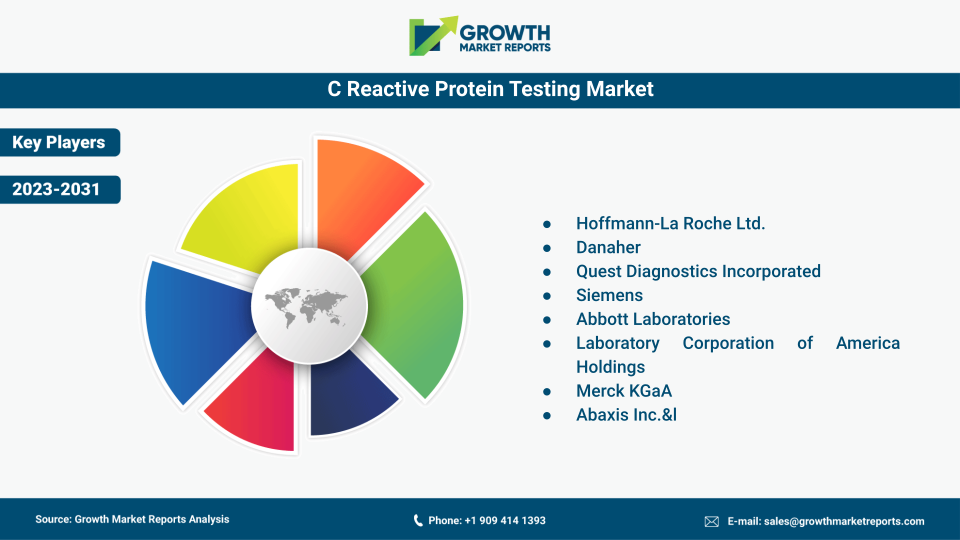
Major companies operating in the C-Reactive Protein Testing market include Abbott Laboratories, F. Hoffmann-La Roche Ltd, Siemens Healthineers AG, Danaher Corporation, Thermo Fisher Scientific Inc., Bio-Rad Laboratories, Becton Dickinson and Company, Randox Laboratories, Merck KGaA, and Ortho Clinical Diagnostics. Roche Diagnostics maintains an expansive portfolio of automated CRP testing solutions with deep penetration across hospital and reference laboratory markets worldwide. Abbott Laboratories is a recognized leader in point-of-care CRP testing, with innovative rapid assay platforms serving emergency and primary care markets globally. Siemens Healthineers and Thermo Fisher Scientific are known for their high-performance laboratory analyzers and sustained commitment to assay development. Danaher Corporation, through its diagnostics subsidiaries, provides a broad and integrated range of immunoassay solutions. Boditech Med Inc., Getein Biotech, HORIBA Ltd., and Sekisui Diagnostics contribute important regional and niche product perspectives that collectively enrich the competitive diversity of the global CRP testing market. Together, these companies are shaping the evolution of CRP diagnostics through innovation, strategic investment, and an unwavering commitment to improving clinical outcomes for patients worldwide.
The C-Reactive Protein Testing market has been segmented on the basis of
Key challenges include the high acquisition and maintenance costs of advanced automated platforms, limited skilled laboratory personnel in resource-constrained settings, reimbursement variability across markets, and competition from alternative inflammatory biomarkers such as procalcitonin and interleukin-6. Regulatory compliance requirements can delay product launches in certain jurisdictions. Opportunities are substantial, particularly in emerging economies where healthcare infrastructure is improving rapidly. The growth of at-home and decentralized testing, advances in high-sensitivity and multiplex assay formats, and the expanding role of CRP in oncology and precision medicine represent significant future growth avenues.
Leading companies include Abbott Laboratories, F. Hoffmann-La Roche Ltd, Siemens Healthineers AG, Danaher Corporation, and Thermo Fisher Scientific Inc., all of which offer broad portfolios of CRP testing instruments and reagents. Bio-Rad Laboratories, Becton Dickinson and Company, Randox Laboratories, Merck KGaA, Ortho Clinical Diagnostics, and Boditech Med Inc. are also prominent participants. Regional players such as Getein Biotech, HORIBA Ltd., and Sekisui Diagnostics contribute to competitive diversity. These companies compete through continuous R&D investment, strategic partnerships, and geographic expansion.
High-sensitivity CRP assay development remains a pivotal advancement, enabling detection of subclinical inflammation for cardiovascular and chronic disease management. The integration of artificial intelligence and machine learning into laboratory analyzers is improving result interpretation and workflow efficiency. Miniaturized, user-friendly point-of-care devices are expanding CRP testing into decentralized settings. Multiplex immunoassay platforms that simultaneously measure CRP alongside other biomarkers are adding clinical value. Digital health connectivity, including cloud-based result reporting and remote patient monitoring integration, is also reshaping the testing landscape.
Hospitals and clinics are the dominant end-users, accounting for the largest share of CRP test volumes through emergency departments, intensive care units, and outpatient settings. Diagnostic laboratories follow closely, providing centralized high-throughput testing services to a broad range of healthcare clients. Research institutes contribute to market growth by driving innovation in assay development and clinical validation studies. Other end-users, including community health centers, point-of-care facilities, and home healthcare providers, are growing segments as decentralized diagnostics expand.
Blood-based testing remains the most widely used sample type due to ease of collection and compatibility with both point-of-care and laboratory platforms. Serum samples are prevalent in high-throughput laboratory settings, offering reduced cellular interference and reproducible results. Plasma-based testing is gaining adoption for its flexibility in automated workflows and rapid turnaround in critical care environments. Other sample types, including cerebrospinal fluid and synovial fluid, are used in specific clinical scenarios such as central nervous system infections and joint inflammation assessment.
Cardiovascular disease risk assessment is the leading application, as high-sensitivity CRP testing is integral to patient stratification and preventive cardiology protocols. Infection diagnosis and severity assessment constitute the second-largest application, supporting antibiotic stewardship efforts. Rheumatoid arthritis and other autoimmune conditions represent a significant application segment for disease monitoring and therapy evaluation. Cancer prognosis is an emerging application, with growing evidence linking elevated CRP to tumor progression and survival outcomes. Other applications include inflammatory bowel disease, systemic lupus erythematosus, and post-surgical monitoring.
The primary product types are Immunoturbidimetric Assays, ELISA, Chemiluminescence Immunoassays, and other emerging platforms. Immunoturbidimetric assays lead the market with approximately 42.5% share in 2025, favored for automation compatibility and cost-efficiency. Chemiluminescence immunoassays hold around 22.5% share and are gaining ground for their superior sensitivity. ELISA accounts for about 24.0%, predominantly in research and specialized clinical applications. Other technologies, including lateral flow and biosensor platforms, represent the remaining 11.0%.
North America holds the largest regional share at approximately 36.5% of the 2025 market, underpinned by high healthcare expenditure, advanced diagnostic infrastructure, and widespread use of high-sensitivity CRP assays for cardiovascular risk management. Europe accounts for around 27.5%, supported by aging populations and robust public health systems. Asia Pacific, at roughly 21.0%, is the fastest-growing region due to rising disease prevalence, expanding healthcare access, and increasing government investments in diagnostics across China, India, and Southeast Asia.
Key growth drivers include the increasing global burden of cardiovascular diseases, infections, and autoimmune conditions, all of which rely on CRP as a primary inflammation biomarker. The proliferation of high-sensitivity CRP testing, greater integration of CRP panels into routine health screenings, expanding geriatric populations, and significant investment in healthcare infrastructure across emerging economies are also central drivers. Technological progress in automated laboratory platforms and point-of-care devices continues to accelerate adoption.
The global C-Reactive Protein Testing market was valued at USD 2.65 billion in 2025, the base year for this study. With a CAGR of 7.3% over the 2026-2034 forecast period, the market is projected to reach approximately USD 5.02 billion by 2034. This growth reflects rising chronic disease prevalence, expanding point-of-care diagnostics adoption, and continuous assay innovation globally.