Segments - by Product Type (Still Water, Sparkling Water, Flavored Water, Functional Water), by Packaging Type (PET Bottles, Glass Bottles, Cans, Others), by Distribution Channel (Supermarkets/Hypermarkets, Convenience Stores, Online Retail, HoReCa, Others), by End-User (Residential, Commercial, Industrial)
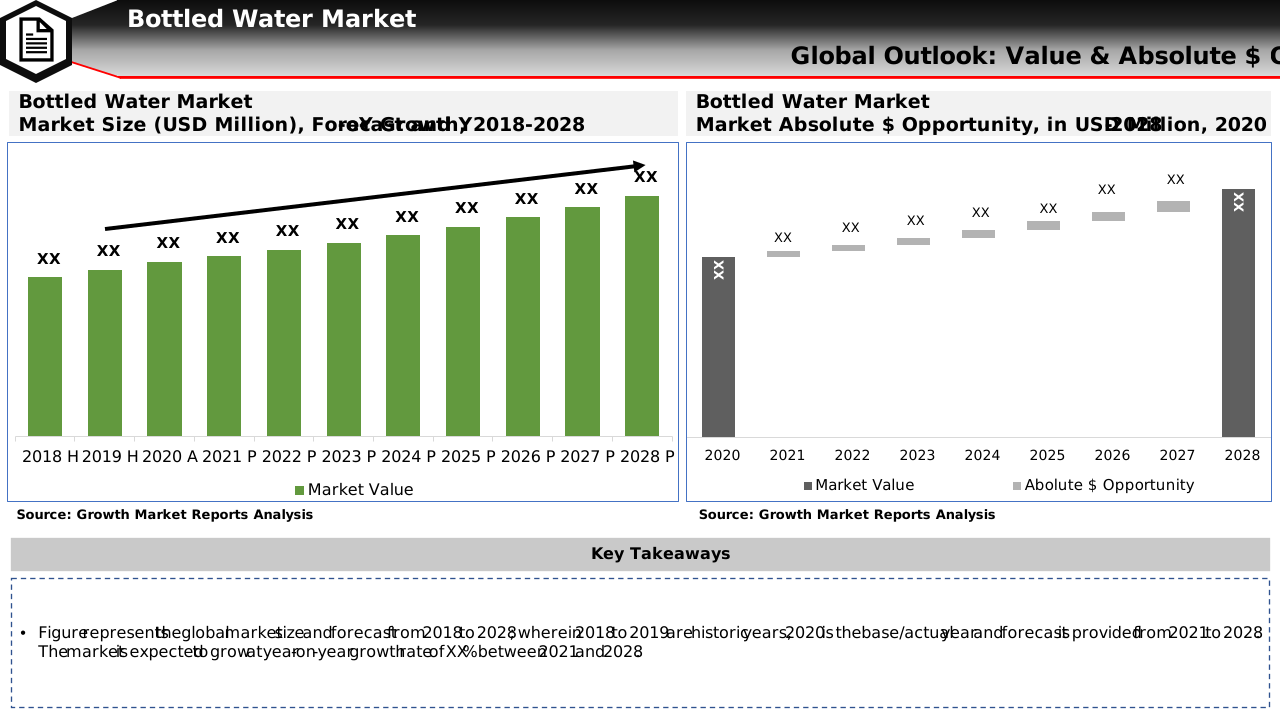
According to our latest research, the global bottled water market size reached USD 319.8 billion in 2024, demonstrating robust expansion driven by evolving consumer preferences and heightened health consciousness. The market is projected to grow at a CAGR of 6.5% from 2025 to 2033, reaching an estimated value of USD 562.1 billion by 2033. This growth trajectory is underpinned by increasing demand for safe and convenient hydration options, rapid urbanization, and a surge in lifestyle-related health awareness across key regions. The bottled water market continues to benefit from strong investments in product innovation and distribution, further propelling its upward momentum.
A primary growth factor for the bottled water market is the rising global emphasis on health and wellness. Consumers are increasingly shifting away from sugary beverages and carbonated soft drinks, opting instead for healthier alternatives such as bottled water. This trend is particularly prominent in urban areas, where the prevalence of lifestyle diseases like obesity, diabetes, and cardiovascular conditions has created a strong demand for calorie-free and sugar-free hydration options. Bottled water brands have responded by introducing an array of products, including functional and flavored waters, that cater to specific health needs and preferences. The marketing of bottled water as a pure, safe, and convenient beverage has resonated with consumers, fueling market expansion and encouraging further innovation in the sector.
Another significant driver is the growing concern over water quality and safety, especially in emerging economies and regions with inadequate municipal water infrastructure. Incidents of water contamination and the spread of waterborne diseases have heightened public awareness about the importance of consuming safe and clean drinking water. In response, consumers are increasingly turning to bottled water as a reliable alternative to tap water. This trend is further amplified by the rise in travel, tourism, and outdoor activities, where access to safe drinking water may be limited. As a result, both still and functional bottled water products are experiencing heightened demand, prompting manufacturers to scale up production and expand distribution networks to reach a wider consumer base.
Sustainability and eco-friendly packaging have also emerged as pivotal growth factors within the bottled water market. With rising environmental consciousness, consumers and regulatory bodies are pressuring manufacturers to adopt sustainable practices, such as the use of recyclable materials and the reduction of plastic waste. Leading brands are investing in the development of biodegradable packaging, reusable bottles, and large-format dispensers to address environmental concerns and enhance their brand image. These initiatives are not only helping companies meet regulatory requirements but also attracting environmentally conscious consumers, thereby boosting overall market growth. The integration of sustainability into product innovation is expected to remain a key differentiator in the increasingly competitive bottled water landscape.
Bottled Water Packaging plays a crucial role in the market's growth by influencing consumer perceptions and purchasing decisions. As environmental concerns rise, the industry is witnessing a shift towards sustainable packaging solutions. Companies are exploring innovative materials such as biodegradable plastics and plant-based bottles to reduce their environmental footprint. This shift not only meets regulatory requirements but also aligns with consumer demand for eco-friendly products. The evolution of packaging is not just about sustainability; it's also about enhancing user convenience and product appeal. As a result, packaging innovations are becoming a key differentiator in the competitive bottled water market.
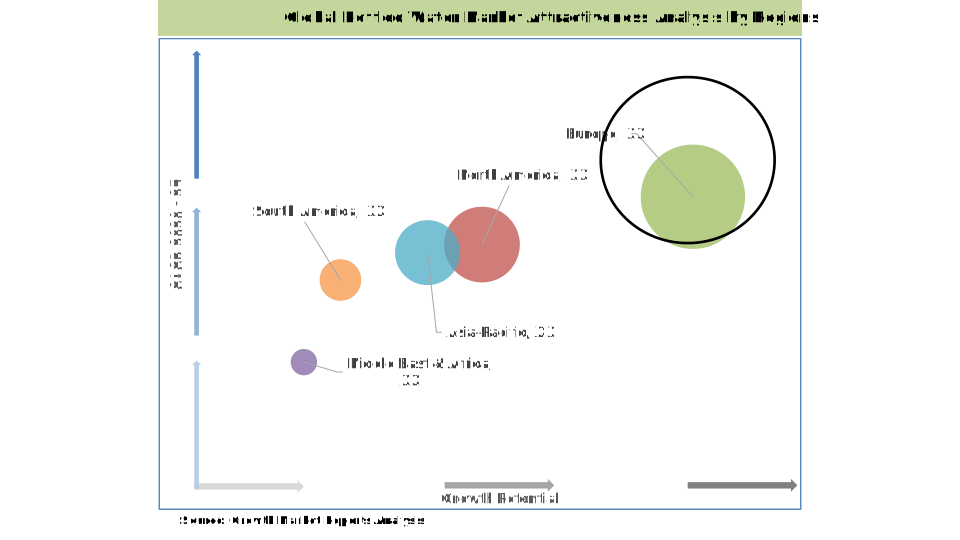
From a regional perspective, Asia Pacific continues to dominate the global bottled water market, driven by rapid urbanization, population growth, and rising disposable incomes. Countries such as China, India, and Indonesia are witnessing a surge in demand for bottled water due to concerns over water quality and the growing popularity of convenient, on-the-go beverages. North America and Europe also represent significant markets, with consumers prioritizing premium, flavored, and functional bottled water products. Meanwhile, the Middle East & Africa region is experiencing steady growth, supported by increasing health awareness and expanding retail infrastructure. Overall, regional dynamics are shaping the competitive landscape and offering new opportunities for market players to expand their footprint.
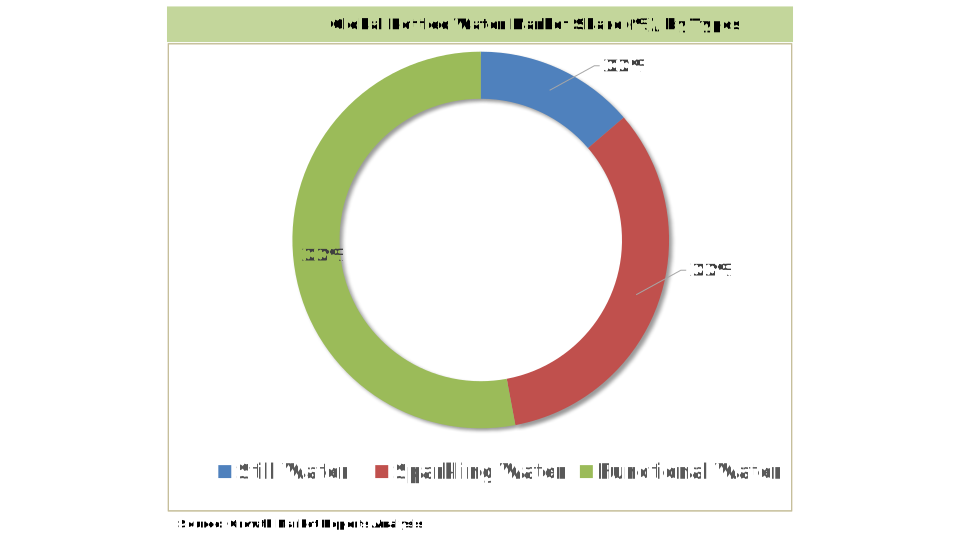
The bottled water market is segmented by product type into still water, sparkling water, flavored water, and functional water. Still water remains the dominant product category, accounting for the largest share of the market due to its widespread availability, affordability, and perception as a pure and natural beverage. Consumers across both developed and emerging markets continue to favor still water for its simplicity, safety, and suitability for daily hydration needs. The demand for still water is particularly strong in regions with unreliable tap water infrastructure, where consumers prioritize safety and convenience. Manufacturers in this segment are focusing on expanding their product lines with various packaging sizes and eco-friendly options to cater to diverse consumer preferences.
Sparkling water has gained significant traction in recent years, especially among health-conscious consumers seeking an alternative to sugary carbonated beverages. The effervescence and refreshing taste of sparkling water make it an appealing choice for social occasions and as a mixer in alcoholic drinks. Leading brands are innovating with new flavors and packaging formats to appeal to younger demographics and urban consumers. The premium positioning of sparkling water, coupled with aggressive marketing campaigns, has contributed to its rising popularity in North America and Europe. As consumers continue to seek healthier beverage choices, the segment is expected to witness steady growth throughout the forecast period.
Flavored water is another fast-growing segment, driven by the increasing demand for variety and enhanced taste experiences. Flavored water products, often infused with natural fruit extracts, vitamins, and minerals, cater to consumers looking for a refreshing yet healthy alternative to traditional soft drinks. The segment has seen substantial innovation, with manufacturers introducing sugar-free and low-calorie options to align with evolving health trends. Flavored water is particularly popular among younger consumers and those seeking functional benefits, such as added electrolytes or antioxidants. The segmentÂ’s growth is further supported by effective marketing strategies and the expansion of distribution channels, making these products more accessible to a broader audience.
Functional water represents a niche but rapidly expanding segment within the bottled water market. These products are fortified with additional ingredients such as vitamins, minerals, amino acids, and herbal extracts, targeting specific health and wellness needs. Functional water appeals to health-conscious consumers who seek added value from their beverages, such as enhanced hydration, improved immunity, or increased energy. The segment is characterized by continuous product innovation, with brands experimenting with new formulations and functional claims. As awareness of health and wellness continues to grow, the functional water segment is expected to achieve robust growth, particularly in developed markets where consumers are willing to pay a premium for added benefits.
| Attributes | Details |
| Report Title | Bottled Water Market Research Report 2033 |
| By Product Type | Still Water, Sparkling Water, Flavored Water, Functional Water |
| By Packaging Type | PET Bottles, Glass Bottles, Cans, Others |
| By Distribution Channel | Supermarkets/Hypermarkets, Convenience Stores, Online Retail, HoReCa, Others |
| By End-User | Residential, Commercial, Industrial |
| Regions Covered | North America, Europe, APAC, Latin America, MEA |
| Base Year | 2024 |
| Historic Data | 2018-2023 |
| Forecast Period | 2025-2033 |
| Number of Pages | 291 |
| Number of Tables & Figures | 383 |
| Customization Available | Yes, the report can be customized as per your need. |
Packaging plays a critical role in the bottled water market, influencing consumer purchasing decisions and shaping brand perception. PET bottles are the most widely used packaging type, accounting for the majority of bottled water sales globally. The popularity of PET bottles can be attributed to their lightweight, durability, and cost-effectiveness, making them suitable for both single-serve and multi-serve formats. Manufacturers have continuously improved PET bottle designs to enhance portability, convenience, and shelf appeal. However, the environmental impact of single-use plastics has prompted industry players to invest in recycling initiatives and the development of biodegradable PET alternatives, aligning with growing consumer demand for sustainable packaging solutions.
Bottled Water Delivery services are becoming increasingly popular as consumers seek convenience and reliability in their hydration options. With the rise of e-commerce and subscription models, bottled water delivery offers a hassle-free solution for households and businesses alike. This service ensures a consistent supply of fresh, safe drinking water, catering to the needs of busy urban dwellers and remote locations. Companies are leveraging technology to enhance delivery efficiency, offering features such as real-time tracking and customizable delivery schedules. As the demand for home and office delivery grows, this channel is set to play a significant role in the future of the bottled water market.
Glass bottles occupy a premium niche within the bottled water market, often associated with high-end, luxury, and specialty water brands. Glass packaging is favored for its inert nature, which preserves the taste and purity of the water, and its upscale aesthetic appeal. Glass bottles are commonly used in the hospitality sector, fine dining establishments, and for premium product lines targeting health-conscious and environmentally aware consumers. While glass bottles are less prevalent in mass-market retail channels due to their higher cost and fragility, they continue to play a significant role in brand differentiation and premiumization strategies within the industry.
Cans are emerging as a viable alternative to traditional plastic and glass packaging, particularly in response to environmental concerns and shifting consumer preferences. Aluminum cans are fully recyclable, lightweight, and offer excellent protection against light and air, preserving the quality of the water. The adoption of cans is gaining momentum, especially among younger, eco-conscious consumers and in markets with strong recycling infrastructure. Brands are leveraging innovative can designs and vibrant graphics to capture consumer attention and convey environmental credentials. While the market share of canned water remains relatively small, it is expected to grow as sustainability becomes an increasingly important purchasing criterion.
The "others" category includes alternative packaging formats such as cartons, pouches, and large-format dispensers. Cartons and pouches are gaining traction due to their lower environmental footprint and convenience for on-the-go consumption. Large-format dispensers are popular in commercial and industrial settings, providing a cost-effective and sustainable solution for bulk water consumption. The diversification of packaging options reflects the industryÂ’s commitment to meeting evolving consumer needs and regulatory requirements. As sustainability and convenience remain top priorities, the adoption of innovative packaging solutions is expected to accelerate, driving further growth in the bottled water market.
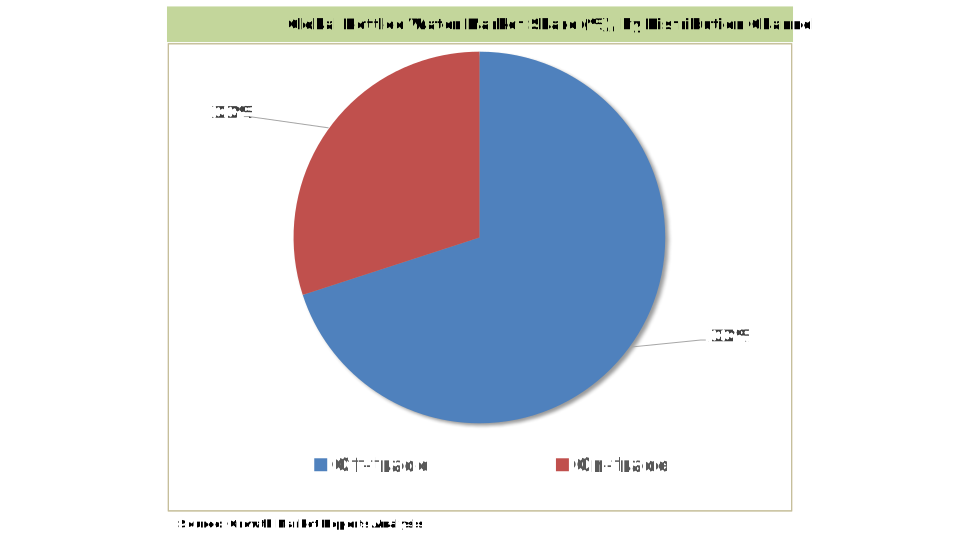
Distribution channels are pivotal in determining the accessibility and visibility of bottled water products. Supermarkets and hypermarkets represent the largest distribution channel, offering a wide range of bottled water brands and formats under one roof. These retail outlets provide consumers with the convenience of one-stop shopping, competitive pricing, and regular promotional offers. The extensive shelf space and strategic placement of bottled water products in supermarkets and hypermarkets contribute to high sales volumes, particularly in urban areas. Retailers are increasingly collaborating with manufacturers to introduce private label bottled water products, further intensifying competition within this channel.
Convenience stores play a crucial role in catering to on-the-go consumers seeking quick and easy access to bottled water. The proliferation of convenience stores in urban and suburban areas has made bottled water more accessible to a broader demographic, including commuters, students, and office workers. Convenience stores often feature single-serve and small-format bottled water products, appealing to impulse buyers and those with busy lifestyles. The growth of this channel is supported by strategic partnerships between bottled water brands and retail chains, as well as targeted marketing campaigns aimed at driving foot traffic and increasing brand visibility.
Online retail is rapidly emerging as a significant distribution channel for bottled water, driven by the increasing adoption of e-commerce platforms and changing consumer shopping habits. The convenience of home delivery, subscription services, and the ability to compare prices and product features online have made e-commerce an attractive option for consumers. Online retailers are leveraging data analytics and personalized marketing to enhance the customer experience and drive repeat purchases. The COVID-19 pandemic further accelerated the shift towards online retail, with consumers prioritizing contactless shopping and bulk purchases. As digitalization continues to reshape the retail landscape, online sales of bottled water are expected to witness robust growth.
The HoReCa (Hotels, Restaurants, and Cafés) sector is a key distribution channel for premium and specialty bottled water products. The hospitality industry values bottled water for its quality, safety, and ability to enhance the guest experience. HoReCa establishments often feature premium glass-bottled water brands, positioning them as a mark of quality and sophistication. This channel is characterized by long-term supply agreements, brand exclusivity, and tailored packaging solutions. As tourism and hospitality sectors recover and expand, the demand for bottled water in the HoReCa channel is expected to rise, creating new opportunities for manufacturers and distributors.
Other distribution channels include vending machines, direct sales, and institutional supply to offices, schools, and healthcare facilities. These channels cater to specific consumer segments and usage occasions, contributing to the overall diversity and resilience of the bottled water market. The expansion of distribution networks and the integration of technology, such as smart vending machines and digital payment solutions, are enhancing the reach and efficiency of bottled water distribution. As consumer preferences evolve, manufacturers and retailers are expected to adopt omnichannel strategies to maximize market penetration and drive sales growth.
The bottled water market serves a diverse range of end-users, with residential consumers accounting for the largest share. Households purchase bottled water for daily hydration, cooking, and as a safe alternative to tap water. The demand from residential end-users is driven by concerns over water quality, convenience, and health benefits. Manufacturers are targeting this segment with a variety of packaging sizes, from single-serve bottles to large multi-gallon containers, to cater to different consumption patterns. The increasing emphasis on healthy lifestyles and the rising incidence of waterborne diseases are expected to sustain strong demand from residential consumers throughout the forecast period.
The commercial sector constitutes a significant end-user segment, encompassing offices, retail outlets, educational institutions, and healthcare facilities. Bottled water is valued in commercial settings for its convenience, hygiene, and ability to provide a consistent supply of safe drinking water. Large-format dispensers and bulk packaging are commonly used in offices and institutions to meet the hydration needs of employees, students, and patients. The commercial segment is characterized by long-term supply contracts, competitive pricing, and value-added services such as regular maintenance and delivery. As businesses and institutions prioritize employee and customer well-being, the demand for bottled water in the commercial sector is expected to grow steadily.
The industrial sector represents a niche but important end-user segment, particularly in manufacturing facilities, construction sites, and remote work locations where access to safe drinking water may be limited. Bottled water provides a reliable and portable hydration solution for workers in challenging environments. Industrial end-users often require large quantities of bottled water, delivered in bulk packaging or dispensers, to ensure the health and productivity of their workforce. This segment is influenced by occupational health and safety regulations, as well as corporate sustainability initiatives aimed at reducing plastic waste and promoting responsible water consumption.
The diversity of end-users in the bottled water market underscores the importance of tailored product offerings and distribution strategies. Manufacturers are increasingly segmenting their product lines and marketing efforts to address the unique needs and preferences of residential, commercial, and industrial customers. Customization, value-added services, and sustainability initiatives are key differentiators in attracting and retaining end-user loyalty. As the market continues to evolve, a deep understanding of end-user requirements will be essential for sustaining long-term growth and competitiveness.
The bottled water market presents numerous opportunities for growth and innovation, particularly in the areas of product diversification and premiumization. Consumers are increasingly seeking bottled water products that offer added value, such as functional benefits, unique flavors, or sustainable packaging. This trend is driving manufacturers to invest in research and development, exploring new ingredients, formulations, and packaging technologies. The rise of health and wellness trends, coupled with growing environmental awareness, is creating a fertile environment for the introduction of organic, mineral-rich, and plant-based bottled water products. Brands that can effectively differentiate themselves through innovation and sustainability are well-positioned to capture market share and drive long-term growth.
Digital transformation and the expansion of e-commerce platforms offer significant opportunities for market players to enhance their reach and customer engagement. The increasing adoption of online retail channels allows manufacturers to bypass traditional intermediaries, reduce distribution costs, and offer personalized shopping experiences. Subscription-based models, direct-to-consumer sales, and digital marketing campaigns are enabling brands to build stronger relationships with consumers and gather valuable insights into purchasing behavior. The integration of smart technologies, such as QR codes and mobile apps, is also enhancing product traceability, transparency, and consumer trust. As digitalization continues to reshape the retail landscape, companies that embrace technology and data-driven strategies will be better equipped to capitalize on emerging opportunities.
Despite the positive outlook, the bottled water market faces several restraining factors, chief among them being environmental concerns related to plastic waste and resource usage. The proliferation of single-use plastic bottles has led to increased scrutiny from regulators, environmental organizations, and consumers. Governments around the world are implementing stricter regulations on plastic usage, recycling, and waste management, which may increase compliance costs for manufacturers. The industry is under pressure to adopt sustainable practices, such as the use of recycled materials, biodegradable packaging, and efficient water sourcing. Failure to address environmental concerns could result in reputational damage, regulatory penalties, and a loss of consumer trust, posing a significant threat to market growth.
The Asia Pacific region dominates the global bottled water market, accounting for approximately 38% of the total market value in 2024, or around USD 121.5 billion. Rapid urbanization, population growth, and rising disposable incomes are key drivers of demand in countries such as China, India, and Indonesia. The region is characterized by a high prevalence of water quality issues, prompting consumers to seek safe and reliable bottled water options. The expansion of modern retail infrastructure and the increasing adoption of premium and functional water products are further boosting market growth. With a projected CAGR of 7.2% from 2025 to 2033, Asia Pacific is expected to maintain its leadership position and offer significant opportunities for market players.
North America is another major market, with a market size of approximately USD 79.8 billion in 2024, driven by strong consumer demand for premium, flavored, and functional bottled water products. The region is characterized by high health consciousness, a well-established distribution network, and a strong focus on product innovation. The United States leads the market, supported by a large base of health-aware consumers and extensive marketing campaigns. Sustainability is a key focus area, with brands investing in recycled packaging and water stewardship initiatives to address environmental concerns. North America is expected to experience steady growth, with a CAGR of 5.8% over the forecast period.
Europe holds a significant share of the global bottled water market, valued at approximately USD 67.2 billion in 2024. The region is known for its preference for premium and sparkling water products, as well as a strong emphasis on sustainability and environmental responsibility. Countries such as Germany, France, and Italy are leading consumers of bottled water, driven by health trends and a growing demand for natural mineral and spring water. The European market is highly regulated, with strict quality standards and packaging requirements. The focus on reducing plastic waste and promoting circular economy initiatives is shaping the competitive landscape and encouraging innovation in sustainable packaging solutions.
The competitive landscape of the bottled water market is characterized by the presence of several global giants, regional players, and a growing number of niche brands. Market leaders are focusing on expanding their product portfolios, investing in sustainable packaging, and enhancing distribution networks to maintain their competitive edge. Strategic mergers and acquisitions are common, enabling companies to broaden their geographic reach and access new customer segments. Intense competition has led to aggressive marketing campaigns, product innovation, and the introduction of premium and functional bottled water products to cater to evolving consumer preferences.
Sustainability has emerged as a key battleground for competitive differentiation, with leading brands committing to ambitious environmental targets, such as reducing plastic usage, increasing the use of recycled materials, and supporting water stewardship initiatives. Companies are also leveraging digital technologies to enhance consumer engagement, improve supply chain efficiency, and drive sales through online channels. The ability to adapt to changing regulatory requirements and consumer expectations regarding sustainability is increasingly determining market success.
Regional players and private label brands are gaining traction by offering competitively priced products and targeting specific consumer segments. These companies often focus on local sourcing, unique packaging formats, and tailored marketing strategies to build brand loyalty and capture market share. The rise of e-commerce and direct-to-consumer sales channels is enabling smaller brands to compete more effectively with established players, fostering innovation and diversity within the market.
Some of the major companies operating in the global bottled water market include Nestlé Waters, The Coca-Cola Company, PepsiCo Inc., Danone S.A., and Suntory Beverage & Food Ltd. Nestlé Waters is renowned for its extensive portfolio of international and regional brands, as well as its leadership in sustainability initiatives. The Coca-Cola Company and PepsiCo Inc. are leveraging their global distribution networks and marketing expertise to drive growth in premium, flavored, and functional bottled water segments. Danone S.A. is recognized for its focus on natural mineral and spring water products, as well as its commitment to environmental stewardship. Suntory Beverage & Food Ltd. is expanding its presence in Asia and other key markets through product innovation and strategic partnerships.
Other notable players include Bisleri International, Fiji Water, Voss Water, and Nongfu Spring, each of which has carved out a niche through distinctive branding, premium positioning, and innovative packaging. These companies are continuously investing in research and development, marketing, and sustainability initiatives to strengthen their market position. The competitive dynamics of the bottled water market are expected to intensify as new entrants and existing players vie for market share through product differentiation, geographic expansion, and enhanced customer engagement.
The Bottled Water market has been segmented on the basis of
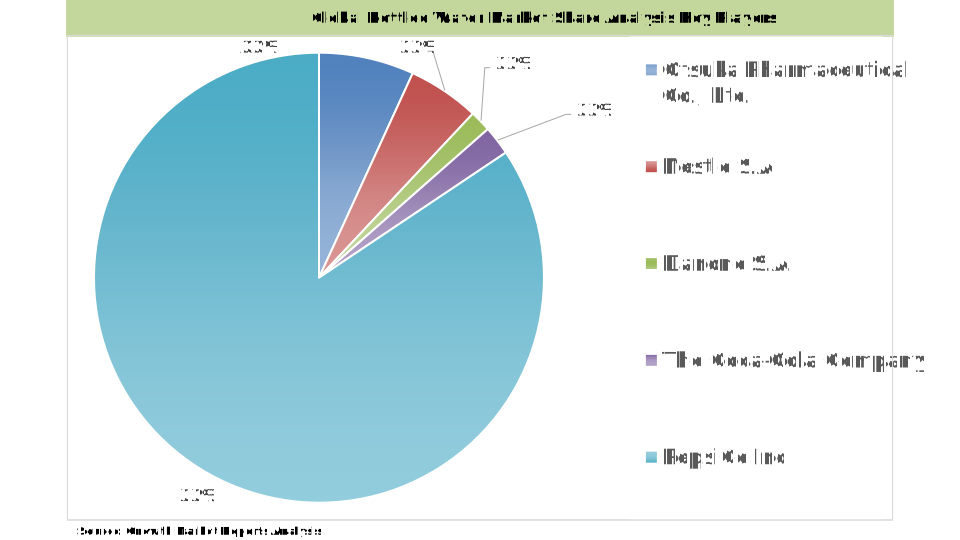
Key players competing in the bottled water market include Otsuka Pharmaceutical Co., Ltd., Nestle S.A, Danone S.A., The Coca-Cola Company, and PepsiCo Inc.
Some of these players are using several market strategies such as acquisitions, merger, collaborations, partnerships, capacity expansion, and product launches to enhance their market shares and to generate revenue and raise their production line of the business in the coming years.
The industry faces challenges such as environmental concerns over plastic waste, stricter regulations, and the need for sustainable packaging and responsible water sourcing.
Key growth drivers include increasing health and wellness awareness, concerns over water quality and safety, product innovation, rapid urbanization, and the demand for convenient hydration options.
Major companies include Nestlé Waters, The Coca-Cola Company, PepsiCo Inc., Danone S.A., Suntory Beverage & Food Ltd., Bisleri International, Fiji Water, Voss Water, and Nongfu Spring.
Supermarkets/hypermarkets, convenience stores, online retail, HoReCa (Hotels, Restaurants, and Cafés), and vending machines are key distribution channels for bottled water.
Sustainability is a major trend, with manufacturers investing in recyclable and biodegradable packaging, reusable bottles, and large-format dispensers to reduce plastic waste and appeal to environmentally conscious consumers.
Common packaging types include PET bottles, glass bottles, cans, cartons, pouches, and large-format dispensers. PET bottles are the most widely used due to their affordability and convenience.
The main product types in the bottled water market are still water, sparkling water, flavored water, and functional water, each catering to different consumer needs and preferences.
Asia Pacific dominates the global bottled water market, followed by North America and Europe. Key countries include China, India, Indonesia, the United States, Germany, France, and Italy.
The bottled water market is expected to grow at a CAGR of 6.5% from 2025 to 2033, reaching an estimated value of USD 562.1 billion by 2033.
As of 2024, the global bottled water market size reached USD 319.8 billion, with strong growth driven by health consciousness and changing consumer preferences.