Segments - by Product Type (Implantable Pressure Sensors, Disposable Pressure Sensors, Wireless Pressure Sensors, Others), by Application (Cardiology, Respiratory, Urology, Neurology, Others), by End-User (Hospitals, Clinics, Ambulatory Surgical Centers, Homecare Settings, Others), by Technology (Piezoresistive, Capacitive, Fiber Optic, Others)
This report is updated with the latest market data and insights as of June 2026. Base year: 2025 | Forecast period: 2026-2034
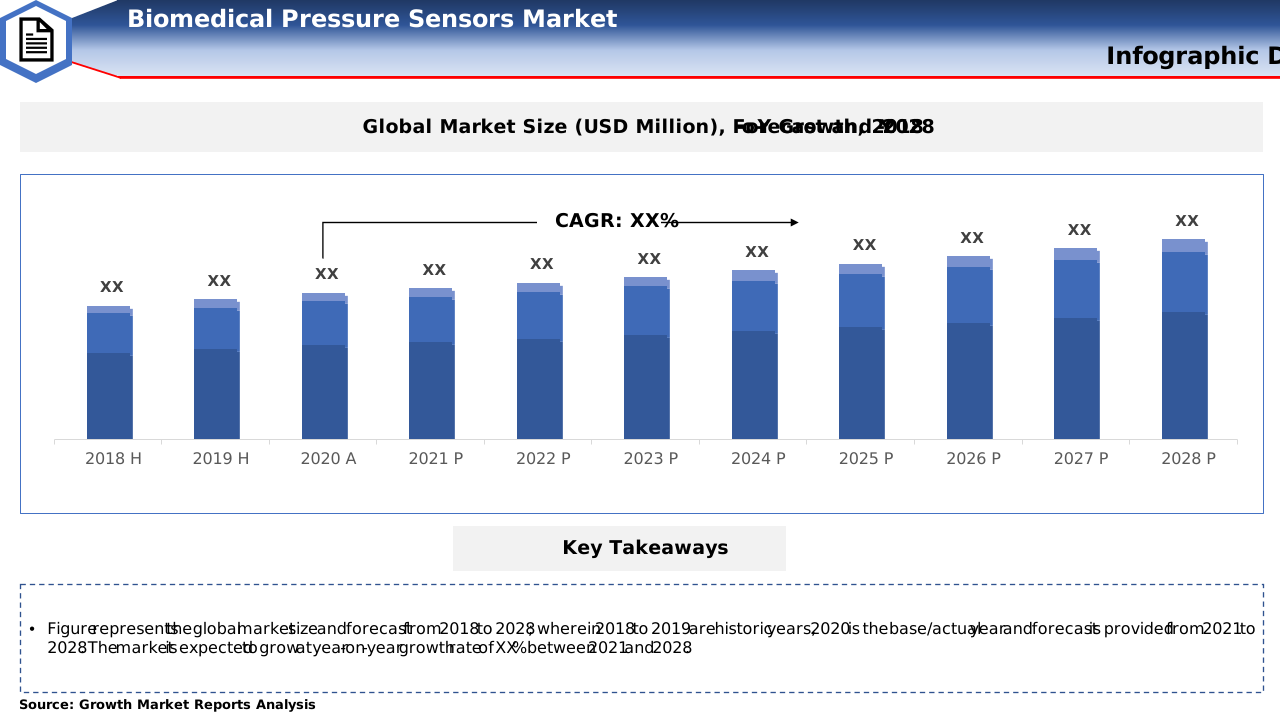
According to our latest research, the global biomedical pressure sensors market size reached USD 1.93 billion in 2025, reflecting robust expansion across all major healthcare segments. The market is projected to grow at a CAGR of 8.1% from 2026 to 2034, reaching an estimated USD 3.88 billion by 2034. This growth is primarily driven by advancements in sensor technologies, rising prevalence of chronic conditions, and the increasing adoption of minimally invasive diagnostic and monitoring solutions worldwide. As per our latest research, the biomedical pressure sensors market is experiencing dynamic transformation, with innovation and integration into diverse medical devices accelerating its trajectory across both established and emerging healthcare markets.
The primary growth factor propelling the biomedical pressure sensors market is the escalating demand for continuous and real-time patient monitoring. With the global burden of cardiovascular, respiratory, and neurological disorders on the rise, healthcare providers are increasingly relying on sophisticated pressure sensors to enhance diagnostic accuracy and patient safety. These sensors are integral to critical care applications such as blood pressure monitoring, intracranial pressure measurement, and respiratory management, enabling timely interventions and improved clinical outcomes. Furthermore, the trend toward personalized medicine and remote patient monitoring has created a fertile environment for the adoption of advanced sensor technologies, as they facilitate seamless data acquisition and integration with digital health platforms. The proliferation of BioMEMS-based sensing platforms is further reinforcing this dynamic by enabling unprecedented miniaturization and multifunctionality.
Another significant driver is the rapid technological innovation within the biomedical pressure sensors market, particularly in sensor miniaturization, wireless connectivity, and biocompatibility. Leading manufacturers are investing heavily in research and development to create sensors that are not only highly accurate but also compatible with implantable and wearable medical devices. The emergence of wireless and disposable pressure sensors has expanded the scope of applications, catering to both acute care settings and long-term homecare environments. These innovations have also addressed concerns related to infection control and patient comfort, further boosting the adoption of biomedical pressure sensors in modern healthcare systems. Complementary advances in biomedical temperature sensing are increasingly being integrated alongside pressure measurement to deliver multiparameter physiological monitoring solutions.
The development of the Cardiovascular Pressure Sensor Chip is revolutionizing the way cardiovascular conditions are monitored and managed. These chips are designed to provide precise measurements of blood pressure within the cardiovascular system, offering real-time data that is crucial for the management of heart diseases. By integrating these chips into cardiovascular devices, healthcare providers can achieve a higher level of diagnostic accuracy and patient safety. The miniaturization of these chips allows for their incorporation into implantable devices, providing continuous monitoring without the need for frequent invasive procedures. This advancement not only enhances patient comfort but also supports the trend toward personalized medicine, where treatments can be tailored based on real-time physiological data.
Additionally, favorable regulatory frameworks and increased healthcare expenditure across developed and emerging economies are contributing to market growth. Governments and health organizations are prioritizing the adoption of advanced diagnostic tools to address the growing incidence of non-communicable diseases and to improve healthcare infrastructure. The integration of pressure sensors with electronic health records (EHRs) and telemedicine platforms has enhanced the value proposition for hospitals and clinics, driving procurement and deployment at scale. Furthermore, the growing awareness among patients regarding early disease detection and preventive healthcare is fostering demand for biomedical pressure sensors in both clinical and homecare settings, establishing a broad and durable growth foundation through 2034.
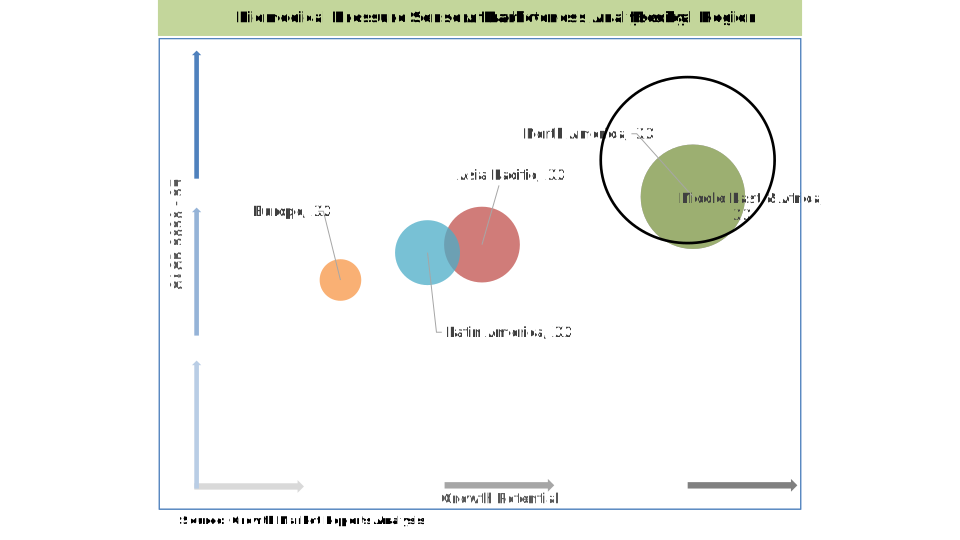
From a regional perspective, North America continues to dominate the biomedical pressure sensors market, owing to its advanced healthcare infrastructure, high adoption rate of innovative technologies, and strong presence of leading market players. Europe follows closely, driven by increasing investments in healthcare digitization and an aging population that necessitates advanced monitoring solutions. The Asia Pacific region is emerging as a high-growth market, supported by expanding healthcare access, rising medical device manufacturing, and significant government initiatives to modernize healthcare delivery. Latin America and the Middle East and Africa are also witnessing gradual growth, propelled by improving healthcare systems and growing awareness of the benefits of pressure sensor-enabled monitoring.
The product type segment of the biomedical pressure sensors market is broadly categorized into implantable pressure sensors, disposable pressure sensors, wireless pressure sensors, and others. Implantable pressure sensors are witnessing significant demand, particularly in applications such as intracranial, intraocular, and cardiovascular pressure monitoring. Their ability to provide continuous, real-time data without the need for repeated invasive procedures has positioned them as a preferred choice for chronic disease management and postoperative care. Advancements in biocompatible materials and miniaturization have further enhanced the safety and efficacy of implantable sensors, driving their adoption in both developed and emerging markets. This sub-segment held approximately 31.5% of total market revenue in 2025.
Disposable pressure sensors are gaining traction due to their role in infection control and cost-effectiveness, capturing approximately 34.2% of the market in 2025. These single-use sensors are increasingly used in critical care and surgical settings, where sterility is paramount. The sustained post-pandemic emphasis on single-use medical devices has accelerated their adoption in respiratory and cardiovascular monitoring globally. Manufacturers are focusing on developing high-performance single-use medical sensor solutions that deliver accurate readings while minimizing environmental impact through sustainable materials and manufacturing processes.
Wireless pressure sensors represent a transformative innovation in the biomedical pressure sensors market, accounting for around 24.8% of revenue in 2025 and expected to be the fastest-growing sub-segment through 2034. These sensors enable remote and continuous monitoring without the constraints of wired connections, which is particularly valuable in homecare settings and for ambulatory patients, as they facilitate mobility and enhance patient comfort. Integration with mobile health applications and cloud-based platforms allows for real-time data transmission and analysis, supporting proactive healthcare management and timely interventions. The development of continuous non-invasive blood pressure monitoring technologies is a critical sub-area propelling wireless sensor adoption. As the Internet of Medical Things (IoMT) ecosystem expands, wireless pressure sensors are expected to play an increasingly central role in connected healthcare.
Other product types, including hybrid and specialty sensors, address niche applications and complex monitoring requirements, collectively accounting for roughly 9.5% of the market in 2025. These sensors often combine multiple sensing modalities or integrate with other medical devices to provide comprehensive physiological data. Continuous innovation in sensor design, materials, and data analytics is expected to further diversify the product landscape, catering to evolving clinical needs and expanding the addressable market for biomedical pressure sensors. The convergence of pressure sensing with biochemical and electrical measurement within single platforms is an emerging frontier that could redefine this sub-segment through the forecast period.
| Attributes | Details |
| Report Title | Biomedical Pressure Sensors Market Research Report 2034 |
| By Product Type | Implantable Pressure Sensors, Disposable Pressure Sensors, Wireless Pressure Sensors, Others |
| By Application | Cardiology, Respiratory, Urology, Neurology, Others |
| By End-User | Hospitals, Clinics, Ambulatory Surgical Centers, Homecare Settings, Others |
| By Technology | Piezoresistive, Capacitive, Fiber Optic, Others |
| Regions Covered | North America, Europe, APAC, Latin America, MEA |
| Base Year | 2025 |
| Historic Data | 2019-2024 |
| Forecast Period | 2026-2034 |
| Number of Pages | 276 |
| Number of Tables & Figures | 281 |
| Customization Available | Yes, the report can be customized as per your need. |
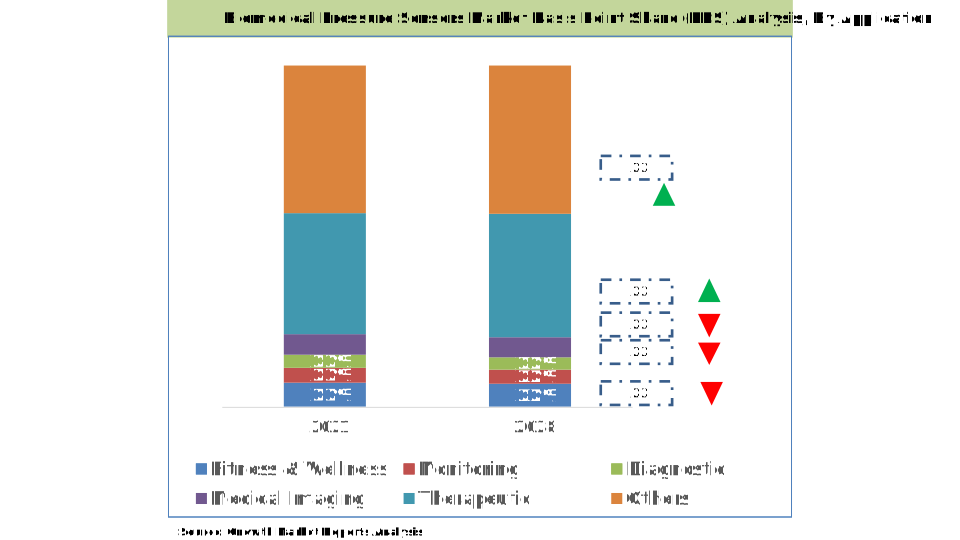
The application segment of the biomedical pressure sensors market encompasses cardiology, respiratory, urology, neurology, and others. Cardiology remains the largest application area, driven by the high prevalence of cardiovascular diseases and the critical need for accurate blood pressure and intra-arterial pressure monitoring. Pressure sensors are integral to a wide range of cardiovascular devices, including catheters, stents, and implantable monitors, enabling early detection of complications and optimization of therapeutic interventions. The growing adoption of minimally invasive procedures and telecardiology solutions is further fueling demand for advanced pressure sensors in this segment through 2034.
Respiratory applications are experiencing robust growth, driven by the sustained rise in chronic respiratory conditions such as asthma and chronic obstructive pulmonary disease (COPD), as well as the lasting operational changes in respiratory care infrastructure established during and after the COVID-19 pandemic. Biomedical pressure sensors are essential components of ventilators, CPAP machines, and spirometers, providing precise measurements of airway and lung pressures. The shift toward home-based respiratory care and the increasing integration of sensors into wearable devices are expanding the scope of applications and driving market growth significantly in this segment through 2034.
In urology, pressure sensors are used for monitoring bladder pressure, urinary flow, and other critical parameters in both acute and chronic conditions. These sensors enable accurate diagnosis and management of urological disorders, improving patient outcomes and reducing the need for invasive procedures. The development of miniaturized and wireless sensors has facilitated their use in ambulatory and homecare settings, supporting the trend toward patient-centric care and contributing steady incremental revenue to the overall market.
Neurology applications are gaining prominence as pressure sensors are increasingly utilized for intracranial pressure monitoring in patients with traumatic brain injury, hydrocephalus, and other neurological conditions. Accurate and continuous monitoring is essential for timely intervention and prevention of secondary complications. The evolution of implantable and wireless pressure sensors has enhanced the safety and convenience of neurological monitoring, contributing to improved clinical outcomes and driving notable investment from both established players and startups focused on neural interface technologies.
Other applications, including gastroenterology, ophthalmology, and orthopedics, are also benefiting from advances in pressure sensor technology. The versatility and adaptability of biomedical pressure sensors are enabling their integration into a wide range of medical devices and diagnostic tools, supporting the expansion of the market across multiple clinical domains. Collectively, these secondary application areas are expected to exhibit above-average growth rates through 2034 as sensor form factors become smaller, more affordable, and easier to integrate into specialty medical equipment.
The end-user segment of the biomedical pressure sensors market includes hospitals, clinics, ambulatory surgical centers, homecare settings, and others. Hospitals represent the largest end-user segment, accounting for a significant share of market revenue in 2025. The high patient volume, complexity of cases, and need for advanced diagnostic and monitoring solutions make hospitals major adopters of biomedical pressure sensors. These sensors are deployed across intensive care units, operating rooms, and emergency departments, where real-time pressure monitoring is critical for patient management and safety.
Clinics are increasingly adopting biomedical pressure sensors to enhance diagnostic accuracy and streamline patient care. The growing emphasis on preventive healthcare and early disease detection is driving the integration of pressure sensors into routine examinations and specialized diagnostic procedures. Clinics benefit from the versatility and ease of use of modern pressure sensors, which support a wide range of applications and enable efficient patient management in outpatient settings, a trend accelerating as health systems globally push care delivery toward lower-cost ambulatory environments.
Ambulatory surgical centers (ASCs) are emerging as significant end-users, driven by the shift toward minimally invasive procedures and outpatient care. ASCs require compact, reliable, and easy-to-use pressure sensors for perioperative monitoring and postoperative care. The adoption of advanced sensor technologies in ASCs supports improved patient outcomes, reduced hospital stays, and enhanced operational efficiency, contributing to steady market growth in this segment through 2034.
Homecare settings are witnessing rapid adoption of biomedical pressure sensors, fueled by the rise of remote patient monitoring and the growing preference for home-based healthcare. Wireless and wearable pressure sensors enable continuous monitoring of chronic conditions, empowering patients to manage their health proactively and reducing the burden on healthcare facilities. The integration of pressure sensors with telehealth platforms and mobile applications is transforming homecare delivery, making it more accessible, efficient, and patient-centric. This segment is forecast to post the highest CAGR among all end-user categories through 2034.
Other end-users, including research institutions and rehabilitation centers, are utilizing biomedical pressure sensors for clinical research, device development, and specialized patient care. The expanding applications and user base of biomedical pressure sensors underscore their critical role in modern healthcare ecosystems, driving sustained market growth across diverse end-user segments and geographic markets alike.
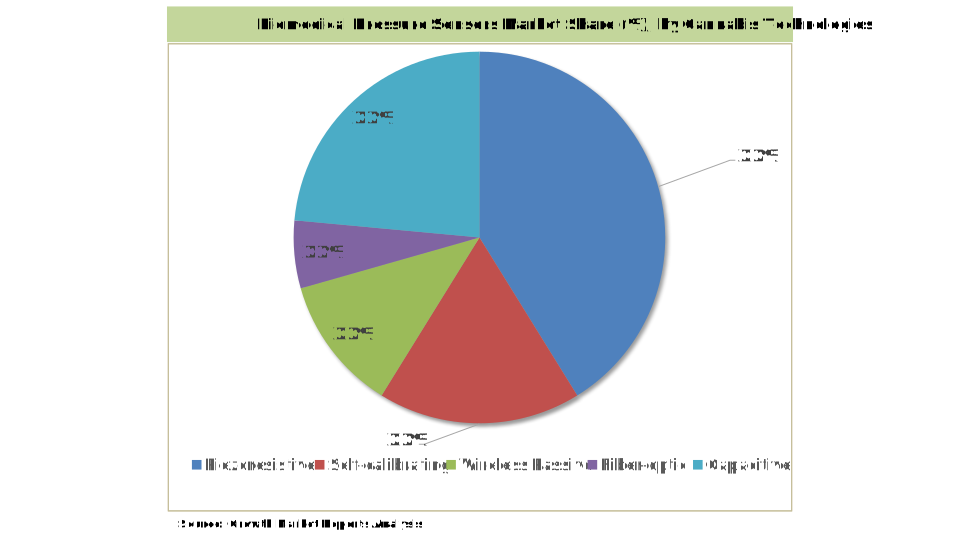
The technology segment of the biomedical pressure sensors market comprises piezoresistive, capacitive, fiber optic, and other technologies. Piezoresistive pressure sensors dominate the market due to their high sensitivity, reliability, and compatibility with a wide range of medical applications. These sensors operate by measuring changes in electrical resistance in response to applied pressure, providing accurate and real-time data for critical care monitoring. Their robust performance and cost-effectiveness make them the technology of choice for both invasive and non-invasive medical devices, and their lead position is expected to persist through the 2026-2034 forecast period. Innovations in piezoelectric biosensor materials are further enhancing sensitivity and enabling new biomedical applications.
Capacitive pressure sensors are gaining popularity for their ability to deliver precise and stable measurements over extended periods. These sensors function by detecting changes in capacitance caused by pressure variations, offering high accuracy and low power consumption. Capacitive sensors are particularly well-suited for implantable and wearable devices, where long-term monitoring and patient comfort are paramount. Ongoing advancements in materials science and microfabrication are enhancing the performance and miniaturization of capacitive sensors, expanding their application scope in biomedical settings considerably.
Fiber optic pressure sensors represent a cutting-edge technology with unique advantages in terms of immunity to electromagnetic interference, biocompatibility, and multiplexing capabilities. These sensors utilize optical fibers to transmit pressure-induced changes in light properties, enabling highly sensitive and precise measurements in challenging environments. Fiber optic sensors are increasingly used in specialized applications such as intracranial and intraocular pressure monitoring, where conventional electronic sensors may be less effective. The growing adoption of fiber optic technology in biomedical applications is expected to drive significant market growth in the coming years, particularly as manufacturing costs decline and clinical familiarity with the technology increases.
Other technologies, including MEMS-based sensors and hybrid systems, are addressing specific clinical needs and expanding the technological landscape of the biomedical pressure sensors market. MEMS (Micro-Electro-Mechanical Systems) sensors offer advantages in terms of miniaturization, integration, and cost-effectiveness, making them ideal for next-generation medical devices. Hybrid sensors that combine multiple sensing principles are being developed to provide comprehensive physiological monitoring and enhance diagnostic capabilities. The continuous evolution of sensor technologies is driving innovation and differentiation in the biomedical pressure sensors market, supporting its sustained growth and diversification through 2034.
The biomedical pressure sensors market presents significant opportunities for growth, particularly through the integration of sensors with advanced digital health platforms and artificial intelligence (AI) analytics. The proliferation of wearable and connected medical devices is creating new avenues for real-time, remote patient monitoring, enabling healthcare providers to deliver proactive and personalized care. The increasing adoption of telemedicine and homecare solutions is accelerating demand for wireless and disposable pressure sensors. Furthermore, the expansion of healthcare infrastructure in emerging markets and the rising focus on preventive healthcare are expected to unlock substantial growth opportunities for manufacturers and technology providers through 2034.
Another key opportunity lies in the development of next-generation pressure sensors with enhanced biocompatibility, miniaturization, and multifunctionality. Advances in materials science, such as the use of flexible and stretchable substrates, are enabling the creation of sensors that can conform to complex anatomical structures and provide long-term monitoring with minimal patient discomfort. The integration of pressure sensors with data analytics and machine learning algorithms is also opening up possibilities for predictive diagnostics and early intervention, transforming the way healthcare is delivered and managed. Strategic collaborations between sensor manufacturers, medical device companies, and healthcare providers are expected to drive innovation and accelerate market expansion throughout the forecast period.
However, the biomedical pressure sensors market faces certain restraints, including stringent regulatory requirements and the high cost of advanced sensor technologies. The need for rigorous validation and compliance with international standards can prolong the product development cycle and increase time-to-market. Additionally, concerns related to data security and patient privacy in connected healthcare environments may hinder the widespread adoption of wireless and cloud-based pressure sensors. Manufacturers must navigate these challenges by investing in robust quality assurance processes, cybersecurity measures, and regulatory expertise to ensure the safe and effective deployment of biomedical pressure sensors in clinical practice.
North America continues to lead the biomedical pressure sensors market, with a market value of approximately USD 705 million in 2025, representing around 36.5% of global revenue. The region's dominance can be attributed to its advanced healthcare infrastructure, high adoption rate of innovative medical technologies, and strong presence of leading market players. The United States, in particular, accounts for a substantial share of regional revenue, driven by significant investments in healthcare digitization, research and development, and the growing prevalence of chronic diseases. Canada is also witnessing steady growth, supported by government initiatives to enhance healthcare delivery and promote the adoption of advanced medical devices. North America is projected to maintain its leadership position, growing at a CAGR of approximately 7.8% from 2026 to 2034.
Europe is the second-largest regional market, valued at around USD 537 million in 2025, accounting for approximately 27.8% of global revenue, and is expected to grow at a CAGR of 7.9% through 2034. The region benefits from a well-established healthcare system, strong regulatory frameworks, and increasing investments in medical technology innovation. Countries such as Germany, the United Kingdom, and France are at the forefront of adopting biomedical pressure sensors, driven by an aging population, rising incidence of chronic conditions, and government support for healthcare modernization. The European Union's emphasis on digital health and interoperability is further propelling the integration of pressure sensors into clinical workflows and remote monitoring platforms throughout the forecast period.
The Asia Pacific region is emerging as the fastest-growing market, with a value of approximately USD 451 million in 2025, representing roughly 23.4% of global revenue, and is forecast to grow at the highest regional CAGR through 2034. Rapid urbanization, expanding healthcare access, and increasing healthcare expenditure are driving demand for advanced medical devices, including biomedical pressure sensors. China, Japan, and India are key contributors to regional growth, supported by government initiatives to upgrade healthcare infrastructure and promote domestic medical device manufacturing. Latin America and the Middle East and Africa collectively account for around 12.3% of global revenue in 2025, with gradual but consistent growth supported by improving healthcare systems, rising medical tourism, and increasing awareness of advanced monitoring solutions. Both regions present meaningful long-term opportunities as healthcare access broadens and per-capita medical expenditure rises through 2034.
The biomedical pressure sensors market is characterized by intense competition and a dynamic landscape, with both established players and emerging entrants striving to capture market share through innovation and strategic partnerships. Leading companies are investing heavily in research and development to introduce next-generation sensors that offer enhanced accuracy, reliability, and integration capabilities. The competitive environment is further shaped by mergers and acquisitions, collaborations with healthcare providers, and the expansion of product portfolios to address a broader range of clinical applications. Companies are also focusing on regulatory compliance and quality assurance to meet stringent international standards and build trust among healthcare stakeholders across all major regions.
Product differentiation and technological innovation are key strategies employed by major players to maintain a competitive edge in the biomedical pressure sensors market. The development of wireless, disposable, and miniaturized sensors has opened up new market segments and expanded the addressable customer base considerably since 2019. Companies are leveraging advances in materials science, microfabrication, and data analytics to create sensors that deliver superior performance and user experience. The integration of pressure sensors with digital health platforms and artificial intelligence tools is enabling real-time data analysis and predictive diagnostics, further enhancing the value proposition for healthcare providers and patients through 2034.
The market also features a growing presence of regional and niche players, particularly in the Asia Pacific and European markets. These companies are focusing on cost-effective manufacturing, customization, and local market expertise to compete with global giants. Strategic alliances with medical device manufacturers, research institutions, and healthcare organizations are enabling smaller players to access new markets and accelerate product development. The competitive landscape is expected to remain dynamic, with continuous innovation and strategic partnerships driving market evolution across all regions and product segments.
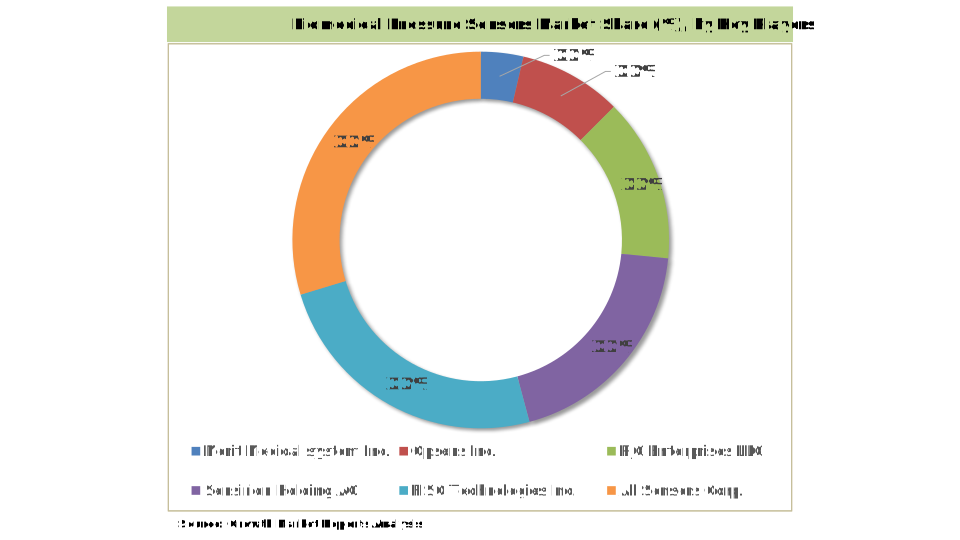
Some of the major companies operating in the biomedical pressure sensors market include Honeywell International Inc., TE Connectivity Ltd., Medtronic plc, Sensata Technologies, Edwards Lifesciences Corporation, Amphenol Advanced Sensors, ICU Medical Inc., Integra LifeSciences Holdings Corporation, and Sensirion AG. Honeywell is renowned for its broad portfolio of high-performance pressure sensors, catering to a wide range of medical applications. TE Connectivity has strengthened its market position by offering advanced sensor solutions for critical care and implantable devices. Medtronic plc is a global leader in medical technology, with a strong focus on developing innovative pressure monitoring systems for cardiology, neurology, and respiratory care. Edwards Lifesciences has established a strong foothold in hemodynamic monitoring, while ICU Medical and Integra LifeSciences bring specialized expertise in critical care and neurology pressure monitoring, respectively. Sensirion AG is recognized for its specialization in miniaturized and high-precision sensors, supporting the growing demand for wearable and portable medical devices. These companies are continuously investing in R&D, expanding their product offerings, and forming strategic alliances to maintain their competitive advantage in the rapidly evolving biomedical pressure sensors market through 2034.
The Biomedical Pressure Sensors market has been segmented on the basis of
Wireless pressure sensors are transforming care delivery by enabling real-time, continuous monitoring for ambulatory patients, reducing hospital readmissions, and expanding the reach of specialist-level monitoring to homecare and remote settings. Their integration with cloud platforms and mobile health applications supports proactive disease management and personalized therapy. Disposable pressure sensors have become indispensable in infection-sensitive environments, offering single-use sterility without the logistical burden of reprocessing. Together, these two sub-segments accounted for approximately 59% of total market revenue in 2025 and are expected to maintain combined leadership through 2034 as healthcare systems prioritize both patient safety and operational efficiency.
Major opportunities include the integration of AI-driven analytics with pressure sensor data for predictive diagnostics, the development of flexible and stretchable sensor substrates for next-generation wearables, rapid healthcare infrastructure expansion in Asia Pacific and Latin America, and the growing adoption of value-based care models that reward continuous monitoring. Key challenges include stringent and often lengthy regulatory approval processes across major markets, the elevated cost of advanced sensor platforms relative to conventional devices, data privacy and cybersecurity risks in connected healthcare environments, and the technical complexity of ensuring long-term biocompatibility for implantable sensor systems.
The market features a mix of global diversified technology leaders and specialized medical device companies. Prominent players include Honeywell International Inc., TE Connectivity Ltd., Medtronic plc, Sensata Technologies, NXP Semiconductors, STMicroelectronics, GE Healthcare, Siemens Healthineers, Omron Corporation, Analog Devices Inc., Edwards Lifesciences Corporation, BD (Becton Dickinson and Company), Bosch Sensortec GmbH, Sensirion AG, Amphenol Advanced Sensors, ICU Medical Inc., Integra LifeSciences Holdings Corporation, Merit Medical Systems Inc., Texas Instruments Incorporated, and Measurement Specialties Inc.
Piezoresistive technology dominates the market due to its high sensitivity, broad compatibility with invasive and non-invasive applications, and cost-effectiveness for high-volume production. Capacitive sensors hold a significant share and are favored in implantable and wearable devices because of their low power consumption and long-term measurement stability. Fiber optic pressure sensors are a rapidly advancing technology prized for electromagnetic interference immunity and biocompatibility, making them well-suited to intracranial and intraocular applications. MEMS-based and hybrid systems form the remainder of the technology landscape, offering unique miniaturization and multifunctional sensing advantages.
Hospitals remain the largest end-user segment, deploying pressure sensors extensively across intensive care units, operating rooms, and emergency departments. Homecare settings are the fastest-growing category, fueled by the surge in remote patient monitoring, the proliferation of wearable sensor devices, and the growing preference for home-based chronic disease management. Ambulatory surgical centers are gaining importance as outpatient procedures increase, while clinics and specialty centers are expanding their use of pressure sensors for preventive diagnostics. Research institutions and rehabilitation facilities represent a smaller but consistent demand base.
Cardiology is the dominant application area, encompassing blood pressure monitoring, intra-arterial measurement, and pressure-sensing cardiovascular implants. Respiratory applications form the second-largest segment, covering ventilators, CPAP and BiPAP devices, and spirometers, with demand reinforced by the sustained global rise in COPD and sleep apnea cases. Neurology applications, particularly intracranial pressure monitoring for traumatic brain injury and hydrocephalus, are gaining significant traction. Urology represents a growing niche for bladder and urinary pressure diagnostics, while other domains including gastroenterology, ophthalmology, and orthopedics contribute to a broadly diversified application base.
The market is segmented into implantable pressure sensors, disposable pressure sensors, wireless pressure sensors, and other specialty types. Disposable pressure sensors command the largest sub-segment share at approximately 34.2% in 2025, owing to their critical role in infection control across surgical and critical care environments. Implantable sensors follow at about 31.5%, driven by their utility in chronic disease management and post-operative monitoring. Wireless pressure sensors account for around 24.8% and represent the fastest-growing sub-segment, propelled by the expansion of the Internet of Medical Things and remote patient care.
North America holds the largest regional share, accounting for approximately 36.5% of global market revenue in 2025, supported by advanced healthcare infrastructure, high technology adoption rates, and a dense presence of leading manufacturers. Europe follows with roughly 27.8% share, driven by an aging population, strong regulatory frameworks, and ongoing healthcare digitization investments. Asia Pacific represents the fastest-growing region, holding around 23.4% in 2025 and expected to accelerate significantly through 2034, underpinned by expanding healthcare access in China, India, and Japan, rising medical device manufacturing, and substantial government modernization initiatives.
Key growth drivers include the escalating global burden of cardiovascular, respiratory, and neurological diseases, all of which require precise and continuous pressure monitoring. Additional drivers encompass rapid innovations in wireless connectivity and sensor miniaturization, the widespread shift toward minimally invasive procedures, expanding telehealth and remote patient monitoring adoption, increasing healthcare expenditure in both developed and emerging economies, and favorable regulatory support for advanced diagnostic technologies. The integration of pressure sensors with artificial intelligence analytics and electronic health records is also accelerating market momentum through 2034.
The global biomedical pressure sensors market reached USD 1.93 billion in 2025, the base year for this study. The market is forecast to expand at a CAGR of 8.1% from 2026 to 2034, reaching an estimated USD 3.88 billion by 2034. This growth reflects rising chronic disease prevalence, rapid technological advancement in sensor miniaturization, and the broadening adoption of remote and continuous patient monitoring solutions worldwide.