Segments - by Product Type (Solution, Powder, Granular), by Application (Disinfectants, Preservatives, Surfactants, Pharmaceuticals, Cosmetics, Others), by End-Use Industry (Healthcare, Food & Beverage, Agriculture, Water Treatment, Personal Care, Others)
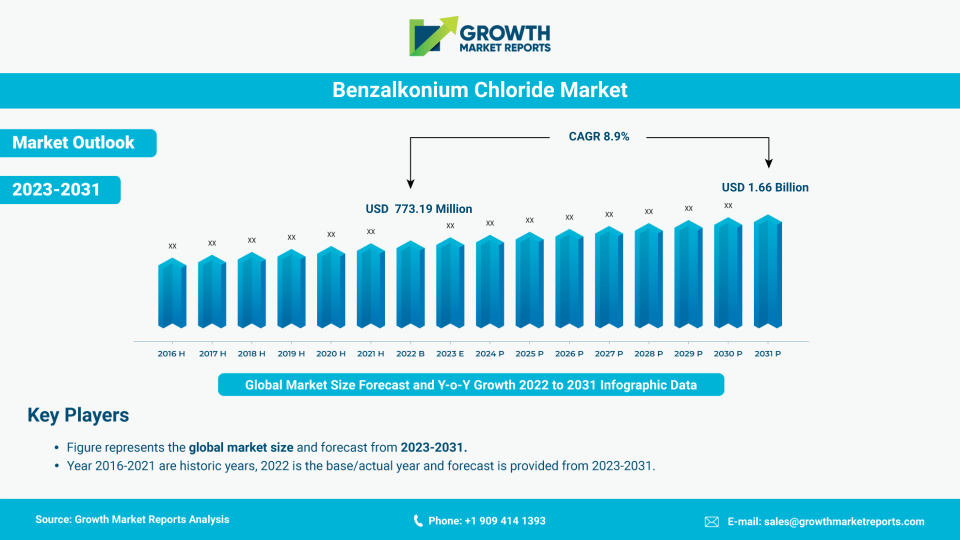
According to our latest research, the global benzalkonium chloride market size reached USD 1.32 billion in 2024, driven by robust demand in healthcare, water treatment, and personal care sectors. The market is growing at a steady CAGR of 6.1% and is projected to attain a value of USD 2.23 billion by 2033. The primary growth factor for this market is the increasing global emphasis on hygiene and sanitation, particularly in the aftermath of the COVID-19 pandemic, which has led to a significant surge in the consumption of disinfectants and antiseptics containing benzalkonium chloride as an active ingredient.
One of the most significant growth drivers for the benzalkonium chloride market is the rising demand for disinfectants and sanitizers across various industries. Healthcare facilities, pharmaceuticals, and food processing plants have heightened their hygiene protocols, fueling the adoption of benzalkonium chloride-based products. The compound’s effectiveness as a broad-spectrum biocide, which targets bacteria, fungi, and viruses, has positioned it as a preferred choice for surface and hand sanitization. Additionally, regulatory recommendations and approvals for benzalkonium chloride in disinfection and antiseptic applications have further solidified its market presence. The continued threat of infectious diseases and the growing public awareness regarding the importance of cleanliness are expected to sustain this upward trend in demand.
Another key factor contributing to market expansion is the increasing utilization of benzalkonium chloride in the personal care and cosmetics industry. As an effective preservative and surfactant, benzalkonium chloride is widely used in formulations for creams, lotions, shampoos, and other personal hygiene products. The personal care industry is experiencing rapid growth, especially in emerging economies where rising disposable incomes and changing lifestyles are driving demand for premium hygiene and beauty products. The ability of benzalkonium chloride to inhibit microbial growth and enhance product shelf life is a critical attribute that appeals to manufacturers seeking to deliver high-quality, safe, and long-lasting products to consumers.
In addition to healthcare and personal care, the food and beverage industry is emerging as a major end user of benzalkonium chloride. The compound is extensively used as a sanitizer and preservative in food processing and packaging environments. Stringent food safety regulations and the need for effective microbial control in production facilities have compelled manufacturers to adopt benzalkonium chloride-based cleaning agents. Moreover, the agricultural sector is leveraging the antimicrobial properties of benzalkonium chloride for crop protection and post-harvest treatments, further expanding its application scope. The versatility of benzalkonium chloride across diverse industries is a pivotal factor fueling its sustained market growth.
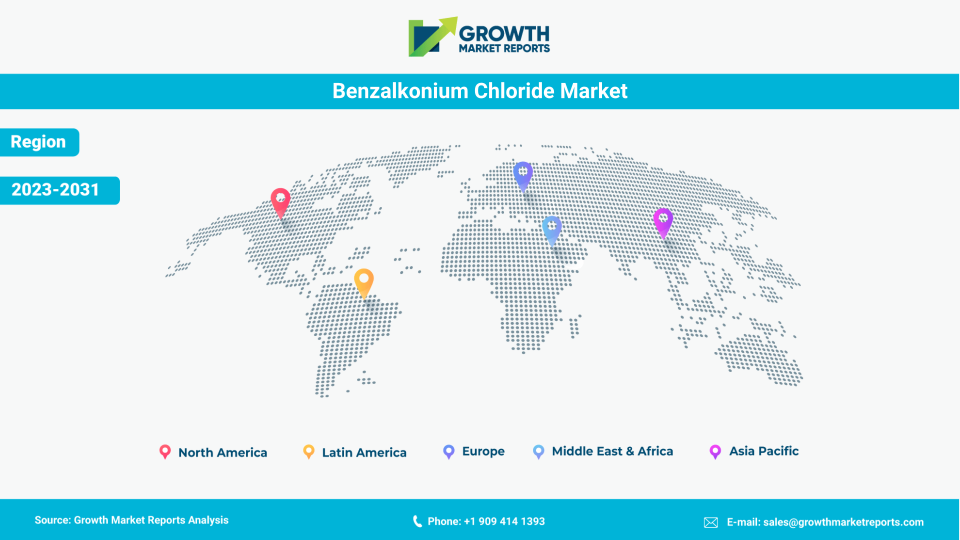
From a regional perspective, Asia Pacific continues to dominate the benzalkonium chloride market due to its large population base, rapid industrialization, and expanding healthcare infrastructure. The region’s robust manufacturing sector, coupled with increasing investments in water treatment and sanitation projects, is driving demand for benzalkonium chloride-based products. North America and Europe also represent significant markets, supported by advanced healthcare systems, stringent regulatory standards, and a mature personal care industry. In contrast, Latin America and the Middle East & Africa are witnessing steady growth, propelled by rising awareness about hygiene and the adoption of modern agricultural practices. Overall, the global market is characterized by dynamic regional trends, with Asia Pacific leading in both volume and value.
The benzalkonium chloride market is segmented by product type into solution, powder, and granular forms. The solution segment holds the largest market share, primarily due to its widespread use in the formulation of disinfectants, antiseptics, and personal care products. Solutions offer ease of application, rapid solubility, and consistent efficacy, making them the preferred choice for both industrial and household applications. Manufacturers are focusing on developing stable and concentrated benzalkonium chloride solutions to meet the growing demand for high-performance disinfectant products, particularly in healthcare settings where infection control is paramount.
Powdered benzalkonium chloride is gaining traction in specific industrial applications where precise dosing and long-term storage stability are required. The powder form is highly concentrated, allowing for flexible formulation and transportation, which is particularly advantageous in regions with limited access to liquid chemicals. This segment is witnessing increased adoption in the agricultural and water treatment industries, where bulk usage and cost efficiency are critical factors. The ability to blend powder with other active ingredients also enhances its utility in customized cleaning and sanitation solutions.
Granular benzalkonium chloride, while representing a smaller share of the market, is valued for its controlled-release properties and ease of handling. This form is commonly used in water treatment and certain agricultural applications, where slow and sustained release of the active ingredient is desired. Granular products are designed to provide long-lasting antimicrobial protection, reducing the frequency of application and ensuring consistent performance over time. As water scarcity and contamination issues intensify globally, the demand for granular benzalkonium chloride in water purification and treatment processes is expected to rise steadily.
Innovation in product formulation is a key trend shaping the product type landscape. Manufacturers are investing in research and development to enhance the stability, solubility, and safety profile of benzalkonium chloride across all forms. The introduction of eco-friendly and low-toxicity variants is also gaining momentum, driven by regulatory pressures and consumer demand for sustainable chemical solutions. The evolving needs of end-use industries are prompting suppliers to offer tailored products that address specific application requirements, further diversifying the product type portfolio.
Overall, the product type segment of the benzalkonium chloride market is characterized by a strong focus on innovation, quality, and application-specific customization. The dominance of solutions is expected to persist, while the powder and granular segments are poised for steady growth as industries seek versatile and efficient antimicrobial agents for a wide range of uses.
| Attributes | Details |
| Report Title | Benzalkonium Chloride Market Research Report 2033 |
| By Product Type | Solution, Powder, Granular |
| By Application | Disinfectants, Preservatives, Surfactants, Pharmaceuticals, Cosmetics, Others |
| By End-Use Industry | Healthcare, Food & Beverage, Agriculture, Water Treatment, Personal Care, Others |
| Regions Covered | North America, Europe, APAC, Latin America, MEA |
| Base Year | 2024 |
| Historic Data | 2018-2023 |
| Forecast Period | 2025-2033 |
| Number of Pages | 278 |
| Number of Tables & Figures | 298 |
| Customization Available | Yes, the report can be customized as per your need. |
The benzalkonium chloride market is broadly segmented by application into disinfectants, preservatives, surfactants, pharmaceuticals, cosmetics, and others. Disinfectants constitute the largest application segment, accounting for a significant portion of global demand. The unparalleled efficacy of benzalkonium chloride against a spectrum of pathogens makes it a staple in surface and hand sanitizers, hospital-grade cleaning agents, and household disinfectants. The COVID-19 pandemic has permanently altered hygiene practices, creating sustained demand for disinfectant products in both residential and commercial settings. Regulatory bodies such as the US Environmental Protection Agency (EPA) and the European Chemicals Agency (ECHA) have approved benzalkonium chloride for use in various disinfectant formulations, further bolstering its market position.
Preservatives represent another major application area, particularly in the personal care and cosmetics industry. Benzalkonium chloride’s ability to prevent microbial contamination and extend product shelf life is highly valued by manufacturers of creams, lotions, shampoos, and other cosmetic products. The shift towards preservative-free or natural alternatives poses a challenge; however, the unmatched efficacy and broad-spectrum activity of benzalkonium chloride ensure its continued relevance in formulations where product safety and longevity are paramount. The pharmaceutical industry also employs benzalkonium chloride as a preservative and excipient in ophthalmic, nasal, and topical medications, highlighting its versatility and regulatory acceptance.
As a surfactant, benzalkonium chloride is utilized in a variety of cleaning and industrial applications. Its dual role as a cationic surfactant and antimicrobial agent enables efficient removal of dirt, grease, and microbes from surfaces. Industrial cleaning products, laundry detergents, and institutional cleaning agents often incorporate benzalkonium chloride to enhance cleaning efficacy and provide residual antimicrobial protection. The growing emphasis on workplace hygiene and industrial safety standards is driving demand for surfactant-based products, further expanding the application scope of benzalkonium chloride.
The pharmaceutical application segment is witnessing steady growth, driven by the increasing prevalence of infectious diseases and the rising demand for antiseptic and antimicrobial formulations. Benzalkonium chloride is a key ingredient in ophthalmic solutions, nasal sprays, wound care products, and topical antiseptics. Its established safety profile and effectiveness against a range of pathogens have led to widespread adoption in hospital and clinical environments. Ongoing research into novel drug delivery systems and combination therapies is expected to create new opportunities for benzalkonium chloride in pharmaceutical applications.
Other applications, including agriculture, water treatment, and veterinary medicine, also contribute to the overall growth of the benzalkonium chloride market. In agriculture, benzalkonium chloride is used for crop protection, post-harvest preservation, and equipment sanitation. The water treatment industry leverages its antimicrobial properties to control biofilm formation and microbial contamination in water systems. As global concerns about food safety, water quality, and sustainable agriculture intensify, the demand for benzalkonium chloride in these niche applications is projected to increase, supporting the long-term growth of the market.
The benzalkonium chloride market is segmented by end-use industry into healthcare, food and beverage, agriculture, water treatment, personal care, and others. The healthcare sector is the dominant end user, accounting for the largest share of global consumption. Hospitals, clinics, and pharmaceutical manufacturers rely extensively on benzalkonium chloride for infection control, surface disinfection, and formulation of antiseptic products. The ongoing focus on patient safety, stringent hygiene standards, and the need to combat healthcare-associated infections have cemented the role of benzalkonium chloride in the healthcare industry. The rising incidence of chronic diseases, coupled with an aging global population, is expected to sustain demand for benzalkonium chloride-based healthcare products.
The food and beverage industry represents a rapidly growing end-use segment, driven by increasing regulatory scrutiny and consumer demand for safe, high-quality food products. Benzalkonium chloride is used as a sanitizer for food processing equipment, packaging materials, and food contact surfaces to prevent microbial contamination and ensure compliance with food safety regulations. The globalization of the food supply chain and the rise of ready-to-eat and packaged food products have heightened the need for effective sanitation solutions, boosting the adoption of benzalkonium chloride in this sector.
Agriculture is another important end-use industry, where benzalkonium chloride is employed for crop protection, post-harvest treatments, and equipment sanitation. The compound’s ability to control fungal and bacterial diseases in crops, as well as its use in disinfecting storage facilities and irrigation systems, has made it a valuable tool for modern agriculture. The increasing adoption of integrated pest management (IPM) practices and the need to minimize post-harvest losses are driving demand for benzalkonium chloride-based agricultural solutions, particularly in emerging markets with expanding agricultural sectors.
Water treatment is a critical end-use segment, given the growing global focus on water quality and sustainability. Benzalkonium chloride is used in municipal and industrial water treatment plants to control microbial contamination, biofilm formation, and algae growth. Its effectiveness in both potable and non-potable water treatment applications has led to widespread adoption, especially in regions facing water scarcity and contamination challenges. The increasing investment in water infrastructure and the implementation of stringent water quality standards are expected to drive steady growth in this segment.
The personal care industry is leveraging benzalkonium chloride as a preservative and antimicrobial agent in a wide range of products, including hand sanitizers, wipes, creams, and shampoos. The rising demand for premium personal care products, coupled with growing consumer awareness about hygiene and safety, is fueling the adoption of benzalkonium chloride in this sector. Other end-use industries, such as veterinary medicine and industrial cleaning, also contribute to the overall market growth, reflecting the compound’s versatility and broad-spectrum utility.
The benzalkonium chloride market presents significant opportunities for growth, particularly in emerging economies where rapid urbanization, expanding healthcare infrastructure, and rising disposable incomes are driving demand for hygiene and sanitation products. The increasing focus on infection control in healthcare and public spaces, coupled with the adoption of stringent hygiene standards in food processing and water treatment, offers lucrative opportunities for manufacturers and suppliers. Technological advancements in product formulation, such as the development of eco-friendly and low-toxicity variants, are also expected to open new avenues for market expansion. The growing emphasis on sustainability and environmental stewardship is prompting manufacturers to invest in research and development, creating innovative solutions that meet evolving regulatory and consumer requirements.
Another major opportunity lies in the diversification of applications and the expansion of product portfolios to cater to niche markets. The integration of benzalkonium chloride into advanced drug delivery systems, combination therapies, and novel personal care formulations holds significant potential for growth. The increasing adoption of benzalkonium chloride in agriculture, water treatment, and veterinary medicine, driven by global concerns about food safety and water quality, is expected to create new revenue streams for market participants. Strategic partnerships, mergers and acquisitions, and investments in capacity expansion are key strategies being pursued by leading players to capitalize on these opportunities and strengthen their market position.
Despite the positive outlook, the benzalkonium chloride market faces certain restraining factors that could impact growth. Regulatory challenges, particularly concerning the potential toxicity and environmental impact of benzalkonium chloride, pose a significant threat to market expansion. Several regulatory agencies have imposed restrictions on the use of benzalkonium chloride in certain applications, citing concerns about its persistence in the environment and potential health risks associated with prolonged exposure. The shift towards natural and biodegradable alternatives in the personal care and food industries could also limit the adoption of benzalkonium chloride-based products. Manufacturers must navigate these regulatory complexities and invest in sustainable product development to mitigate potential risks and ensure long-term market viability.
Asia Pacific remains the largest and fastest-growing regional market for benzalkonium chloride, accounting for approximately 43% of global market revenue in 2024. The region’s dominance is attributed to its large population base, rapid industrialization, and expanding healthcare and personal care sectors. China and India are the primary contributors, driven by robust manufacturing activity, increasing investments in healthcare infrastructure, and rising demand for hygiene and sanitation products. The agriculture and water treatment industries in Asia Pacific are also experiencing significant growth, further boosting the demand for benzalkonium chloride-based solutions. The region is expected to maintain a strong growth trajectory, with a projected CAGR of 7.2% through 2033, outpacing other regions.
North America is another prominent market, supported by advanced healthcare systems, stringent regulatory standards, and a mature personal care industry. The region accounted for 28% of global market revenue in 2024, with the United States leading in terms of consumption and innovation. The emphasis on infection control and workplace hygiene, particularly in the wake of the COVID-19 pandemic, has driven sustained demand for benzalkonium chloride-based disinfectants and cleaning agents. The water treatment and food processing industries in North America are also significant end users, benefiting from the compound’s proven efficacy and regulatory approvals. The market in this region is expected to grow steadily, supported by ongoing investments in research and development and the introduction of advanced product formulations.
Europe holds a substantial share of the global benzalkonium chloride market, accounting for 18% of market revenue in 2024. The region is characterized by stringent environmental and safety regulations, which have influenced the adoption of benzalkonium chloride in various applications. The healthcare, personal care, and food processing industries in Europe are major consumers, driven by high standards of hygiene and product quality. The market is also witnessing increased demand from the water treatment and agricultural sectors, reflecting the region’s focus on sustainability and environmental protection. Latin America and the Middle East & Africa represent emerging markets, with growing awareness about hygiene and the adoption of modern agricultural and water treatment practices driving demand for benzalkonium chloride-based products. These regions collectively accounted for 11% of global market revenue in 2024, with significant growth potential in the coming years.
The benzalkonium chloride market is highly competitive, with a mix of global and regional players vying for market share through innovation, capacity expansion, and strategic partnerships. The competitive landscape is characterized by the presence of established chemical manufacturers, as well as specialized suppliers focusing on high-purity and customized formulations. Companies are investing heavily in research and development to enhance product efficacy, safety, and environmental compatibility, in response to evolving regulatory requirements and consumer preferences. The pursuit of sustainable and eco-friendly solutions is a key differentiator, as market participants seek to address concerns about toxicity and environmental impact while maintaining high performance standards.
Mergers and acquisitions, joint ventures, and collaborations are common strategies employed by leading players to strengthen their market position and expand their geographic footprint. The integration of advanced manufacturing technologies and the development of innovative product delivery systems are also shaping the competitive dynamics of the market. Companies are increasingly focusing on value-added services, such as technical support, application development, and regulatory compliance assistance, to differentiate themselves and build long-term customer relationships. The ability to offer a comprehensive product portfolio that caters to diverse end-use industries is a critical success factor in this highly fragmented market.
Brand reputation, product quality, and regulatory compliance are key factors influencing competitive positioning in the benzalkonium chloride market. Leading players are leveraging their global supply chains, technical expertise, and strong distribution networks to capture new opportunities and respond swiftly to market demands. The market is also witnessing the entry of new players, particularly in emerging regions, where local manufacturers are capitalizing on rising demand and favorable regulatory environments. However, the need for continuous innovation and compliance with stringent safety and environmental standards presents ongoing challenges for both established and emerging players.
Some of the major companies operating in the global benzalkonium chloride market include Merck KGaA, Novo Nordisk Pharmatech A/S, Manav Aktteva Biopharma LLP, Dishman Group, Jiangsu Subin Biotechnology Co., Ltd., and Merck Millipore. Merck KGaA is a leading player with a strong focus on high-purity benzalkonium chloride for pharmaceutical and personal care applications. Novo Nordisk Pharmatech A/S specializes in pharmaceutical-grade benzalkonium chloride, catering to the stringent requirements of the healthcare industry. Manav Aktteva Biopharma LLP and Dishman Group are prominent suppliers in the Asia Pacific region, leveraging their manufacturing capabilities and distribution networks to serve diverse end-use industries. Jiangsu Subin Biotechnology Co., Ltd. is a key player in China, focusing on bulk production and customized solutions for agriculture and water treatment applications.
These companies are continuously investing in capacity expansion, product innovation, and sustainability initiatives to maintain their competitive edge. Strategic collaborations with research institutions, regulatory bodies, and industry associations are enabling them to stay ahead of emerging trends and regulatory changes. The ability to adapt to shifting market dynamics, anticipate customer needs, and deliver high-quality, compliant products will be critical for success in the evolving benzalkonium chloride market landscape.
The Benzalkonium Chloride market has been segmented on the basis of
Key players competing in the benzalkonium chloride market include Delta Chemsol; Boke Water treatment; Aarti Industries Ltd; Stepan; Novo Nordisk pharmatech; Quat-chem; Kao; Iwaki Seiyaku Co., Ltd; MP Biomedicals; SAJMIL CHEMICALS; Bramchem Ltd; Haihang Group; and Shanghai Bichain Industrial Chemical Co., Ltd.
Some of these players are using several market strategies such as acquisitions, mergers, collaborations, partnerships, capacity expansion, and product launches to enhance their market shares, generate revenue, and raise their production line of the business in the coming years.
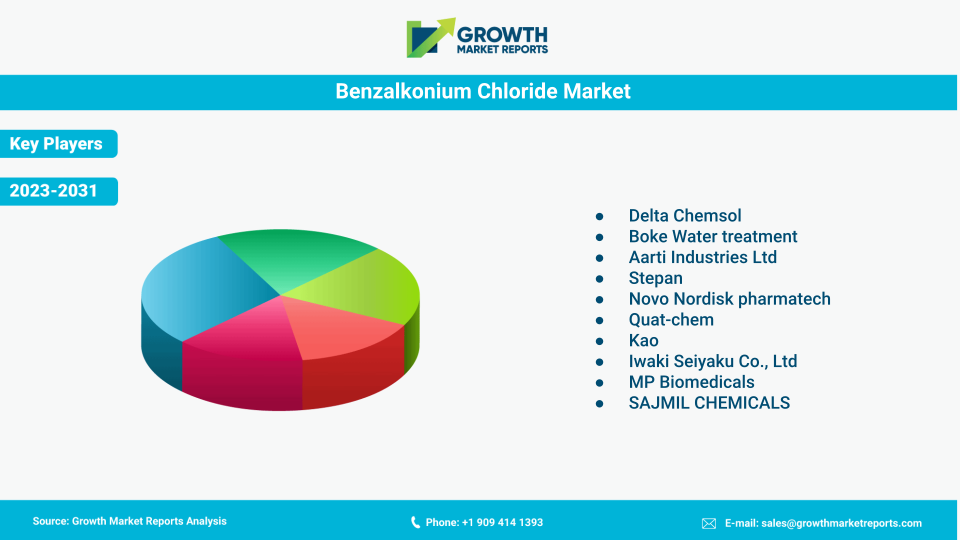
Novo Nordisk pharmatech; Quat-chem; Kao; Iwaki Seiyaku Co., Ltd; and MP Biomedicals are some of the top players in the benzalkonium chloride market.
North America is projected to dominate the market during the forecast period
The cosmetics segment is projected to expand at a rapid pace during the forecast period.
The benzalkonium chloride market size was valued at USD 710 million in 2021.
The benzalkonium chloride market is projected to expand at a CAGR of 8.9% during the forecast period, 2022 – 2030.