Segments - by Product Type (Collagen Drinks, Antioxidant Drinks, Vitamin and Mineral Drinks, Others), by Ingredient (Collagen, Vitamins and Minerals, Antioxidants, Coenzyme Q10, Others), by Application (Skin Care, Hair Care, Anti-Aging, Others), by Distribution Channel (Supermarkets/Hypermarkets, Online Stores, Specialty Stores, Others)
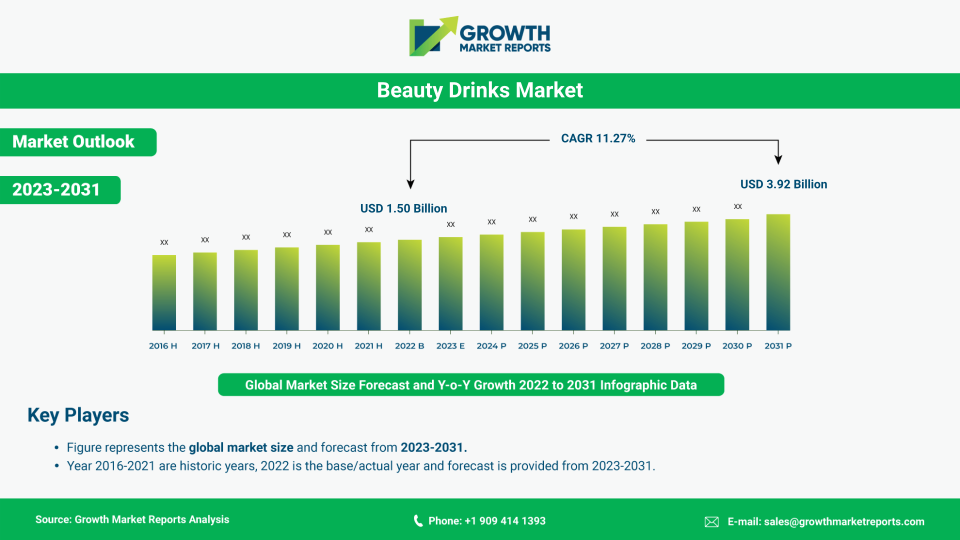
According to our latest research, the global beauty drinks market size in 2024 is valued at USD 1.87 billion, reflecting robust consumer interest in ingestible beauty solutions. The market is experiencing a strong growth trajectory, with a projected CAGR of 8.2% from 2025 to 2033. By the end of 2033, the beauty drinks market is expected to reach a value of approximately USD 3.68 billion. This expansion is largely driven by increasing consumer awareness regarding holistic beauty, the rising popularity of functional beverages, and the growing demand for products that promote skin health, anti-aging, and overall wellness.
The primary growth driver for the beauty drinks market is the escalating consumer focus on health and wellness, particularly among millennials and Gen Z demographics. These consumers are increasingly seeking convenient, non-invasive solutions that offer both aesthetic and health benefits. Beauty drinks, formulated with ingredients such as collagen, vitamins, minerals, and antioxidants, are positioned as an easy way to achieve radiant skin, improved hair health, and anti-aging effects from within. The rising prevalence of social media and influencer marketing has further amplified awareness and demand, as consumers are more exposed to the benefits and testimonials associated with beauty drinks. Additionally, the shift towards preventive skincare and the desire for natural beauty solutions are propelling the adoption of these functional beverages.
Another significant factor fueling the growth of the beauty drinks market is the ongoing innovation in product formulation and ingredient sourcing. Manufacturers are investing heavily in research and development to create products with enhanced bioavailability, better taste, and scientifically proven efficacy. The incorporation of trending ingredients such as marine collagen, plant-based antioxidants, and adaptogens is attracting a wider consumer base, including those with specific dietary preferences like veganism. Furthermore, the increasing focus on clean label products, transparency in ingredient sourcing, and sustainability initiatives are resonating with environmentally conscious consumers, thereby expanding the marketÂ’s appeal. Strategic collaborations between beverage companies and cosmetic brands are also leading to the introduction of novel products that cater to diverse consumer needs.
The expansion of distribution channels, particularly online retail, is another critical growth catalyst for the beauty drinks market. E-commerce platforms have made it easier for consumers to access a wide variety of beauty drinks, compare product benefits, and read user reviews before making a purchase. The convenience of home delivery, coupled with attractive promotional offers and subscription models, is driving higher sales volumes through online channels. In addition, the growing presence of beauty drinks in supermarkets, hypermarkets, and specialty stores is enhancing product visibility and accessibility. This omnichannel approach is ensuring that beauty drinks reach both urban and semi-urban consumers, further contributing to market expansion.
In recent years, the introduction of Oral Beauty Collagen Shots has revolutionized the beauty drinks market, offering a convenient and effective way to boost collagen intake. These shots are designed to deliver a concentrated dose of collagen, which is essential for maintaining skin elasticity and reducing the appearance of wrinkles. As consumers become more aware of the benefits of collagen supplementation, Oral Beauty Collagen Shots have gained popularity among those seeking quick and visible results. The portability and ease of consumption make them an attractive option for busy individuals looking to incorporate beauty-enhancing nutrients into their daily routines. With endorsements from beauty experts and positive consumer feedback, these shots are becoming a staple in the beauty regimen of many, further driving the growth of the beauty drinks market.
From a regional perspective, Asia Pacific continues to dominate the beauty drinks market, accounting for the largest share in 2024. This leadership is attributed to the strong cultural emphasis on beauty and wellness in countries such as Japan, South Korea, and China, where consumers have long embraced the concept of beauty from within. North America and Europe are also witnessing significant growth, driven by rising disposable incomes, increasing health consciousness, and a growing trend towards preventive skincare. Meanwhile, emerging markets in Latin America and the Middle East & Africa are showing promising potential, supported by urbanization, changing lifestyles, and a burgeoning middle-class population. The global market dynamics underscore the universal appeal of beauty drinks, albeit with regional nuances in consumer preferences and purchasing behaviors.
The beauty drinks market is segmented by product type into collagen drinks, antioxidant drinks, vitamin and mineral drinks, and others. Among these, collagen drinks hold the largest market share due to their well-established benefits in promoting skin elasticity, reducing wrinkles, and supporting joint health. Collagen drinks are particularly popular among aging populations and individuals seeking to maintain youthful skin. The science-backed efficacy of collagen peptides, coupled with endorsements from dermatologists and beauty influencers, has driven widespread adoption. Furthermore, innovations in flavor profiles and the introduction of sugar-free and plant-based collagen options are broadening the consumer base for this segment.
Antioxidant drinks are emerging as a fast-growing sub-segment within the beauty drinks market. These beverages are formulated with ingredients like green tea extract, acai berry, pomegranate, and other superfoods known for their high antioxidant content. The primary appeal of antioxidant drinks lies in their ability to combat oxidative stress, support skin radiance, and delay signs of aging. With consumers becoming more informed about the damaging effects of free radicals, there is a heightened demand for products that offer both beauty and health benefits. Brands are leveraging this trend by launching antioxidant-rich drinks that cater to both beauty-conscious and health-focused individuals.
Vitamin and mineral drinks constitute another significant segment, targeting consumers who seek to address specific nutritional deficiencies that impact skin, hair, and nail health. These drinks often contain a blend of vitamins such as vitamin C, E, B-complex, and minerals like zinc and selenium, which are essential for maintaining overall beauty and wellness. The growing awareness of the link between nutrition and external appearance is driving demand for these fortified beverages. In addition, the convenience of consuming vitamins and minerals in drink form, as opposed to pills or capsules, is appealing to busy urban consumers.
The "others" category within the product type segment includes drinks formulated with unique ingredients such as hyaluronic acid, biotin, and herbal extracts. These niche products are gaining traction among consumers looking for targeted solutions for specific beauty concerns, such as hydration, hair growth, or skin brightening. The increasing willingness of consumers to experiment with new and exotic ingredients is encouraging manufacturers to diversify their product portfolios. As a result, the product type segment in the beauty drinks market is characterized by constant innovation and the introduction of differentiated offerings to meet evolving consumer needs.
The emergence of Collagen + Hyaluronic Acid Drinks is another exciting development in the beauty drinks market, combining two powerful ingredients known for their synergistic effects on skin health. Collagen supports skin structure and elasticity, while hyaluronic acid is renowned for its ability to retain moisture and promote hydration from within. Together, they offer a comprehensive approach to skin rejuvenation, appealing to consumers who seek multi-functional beauty solutions. These drinks cater to the growing demand for products that address multiple beauty concerns simultaneously, providing an all-in-one solution for those looking to enhance their skin's appearance and texture. As the market for ingestible beauty products continues to expand, Collagen + Hyaluronic Acid Drinks are poised to become a key player, attracting a diverse consumer base interested in achieving radiant, youthful skin.
| Attributes | Details |
| Report Title | Beauty Drinks Market Research Report 2033 |
| By Product Type | Collagen Drinks, Antioxidant Drinks, Vitamin and Mineral Drinks, Others |
| By Ingredient | Collagen, Vitamins and Minerals, Antioxidants, Coenzyme Q10, Others |
| By Application | Skin Care, Hair Care, Anti-Aging, Others |
| By Distribution Channel | Supermarkets/Hypermarkets, Online Stores, Specialty Stores, Others |
| Regions Covered | North America, Europe, APAC, Latin America, MEA |
| Base Year | 2024 |
| Historic Data | 2018-2023 |
| Forecast Period | 2025-2033 |
| Number of Pages | 250 |
| Number of Tables & Figures | 369 |
| Customization Available | Yes, the report can be customized as per your need. |
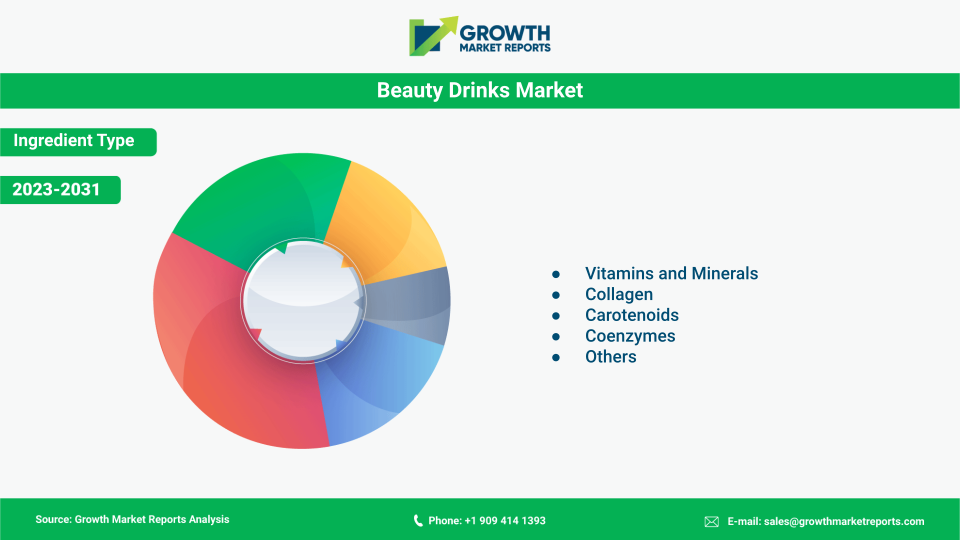
The ingredient landscape in the beauty drinks market is highly dynamic, with collagen, vitamins and minerals, antioxidants, coenzyme Q10, and others serving as the primary categories. Collagen remains the most dominant ingredient, owing to its proven benefits in skin health, elasticity, and anti-aging. The popularity of marine-sourced collagen, which is considered more bioavailable, is on the rise, especially among consumers seeking premium and sustainable options. Additionally, plant-based collagen alternatives are gaining momentum as veganism and plant-based diets become more mainstream. The focus on high-quality, traceable collagen sources is shaping purchasing decisions and brand loyalty in this segment.
Vitamins and minerals are integral to the formulation of beauty drinks, offering essential nutrients that support skin clarity, hair strength, and nail growth. The inclusion of vitamins A, C, E, and B-complex, along with minerals like zinc, magnesium, and selenium, is driven by their well-documented roles in cellular regeneration and protection against environmental stressors. Consumers are increasingly seeking beauty drinks with comprehensive nutrient profiles, leading manufacturers to develop multi-ingredient blends that address a wide range of beauty concerns. The trend towards fortification and functional nutrition is expected to further propel the demand for vitamin and mineral-based beauty drinks.
Antioxidants are another critical ingredient group in the beauty drinks market, valued for their ability to neutralize free radicals and prevent premature aging. Ingredients such as polyphenols, flavonoids, and carotenoids derived from fruits, vegetables, and herbal sources are being incorporated into beauty drinks to enhance their protective and rejuvenating properties. The growing consumer preference for natural and plant-based antioxidants is driving innovation in this segment, with brands focusing on clean label formulations and transparency in ingredient sourcing. The rising incidence of pollution and lifestyle-related skin issues is also contributing to the increased demand for antioxidant-rich beauty drinks.
Coenzyme Q10 and other specialty ingredients, such as hyaluronic acid, biotin, and adaptogens, are gaining prominence as consumers seek targeted solutions for specific beauty needs. Coenzyme Q10 is recognized for its role in cellular energy production and skin repair, making it a popular choice in anti-aging beauty drinks. Meanwhile, ingredients like hyaluronic acid are prized for their hydrating effects, and biotin is sought after for hair and nail health. The willingness of consumers to pay a premium for drinks containing these advanced ingredients is encouraging manufacturers to invest in research and development, leading to the creation of highly specialized and efficacious beauty drinks.
The beauty drinks market is segmented by application into skin care, hair care, anti-aging, and others. Skin care remains the largest application area, as consumers increasingly prioritize products that promote a healthy, radiant complexion from within. Beauty drinks targeting skin hydration, elasticity, and brightness are in high demand, particularly among urban populations exposed to pollution and stressful lifestyles. The trend towards holistic skin care routines, which combine topical products with ingestible solutions, is driving growth in this segment. Brands are responding by developing beauty drinks that complement existing skin care regimens, offering a synergistic approach to achieving visible results.
Hair care is another rapidly growing application for beauty drinks, fueled by rising concerns about hair thinning, breakage, and loss due to environmental factors and lifestyle stress. Beauty drinks formulated with ingredients like biotin, collagen, and silica are marketed to strengthen hair follicles, promote growth, and enhance shine. The increasing awareness of the link between nutrition and hair health is leading consumers to incorporate beauty drinks into their daily routines. Furthermore, the popularity of hair care supplements among both men and women is expanding the target audience for beauty drinks in this category.
Anti-aging is a key application that spans both skin care and hair care, reflecting the universal desire to delay the visible signs of aging. Beauty drinks positioned as anti-aging solutions typically contain a combination of collagen, antioxidants, coenzyme Q10, and other bioactive ingredients that support cellular repair and regeneration. The demand for anti-aging beauty drinks is particularly strong among middle-aged and older consumers, as well as younger individuals seeking preventive solutions. The efficacy of these drinks in reducing wrinkles, improving skin firmness, and enhancing overall vitality is a major selling point, supported by clinical studies and consumer testimonials.
The "others" application segment includes beauty drinks designed for niche concerns such as nail health, hydration, detoxification, and overall wellness. These products cater to consumers with specific beauty goals or those seeking comprehensive beauty benefits. The growing trend towards personalized nutrition and beauty solutions is encouraging the development of customizable beauty drinks that address individual needs. As consumers become more educated about the interplay between diet and appearance, the demand for multi-functional beauty drinks that offer holistic benefits is expected to rise, further diversifying the application landscape in the beauty drinks market.
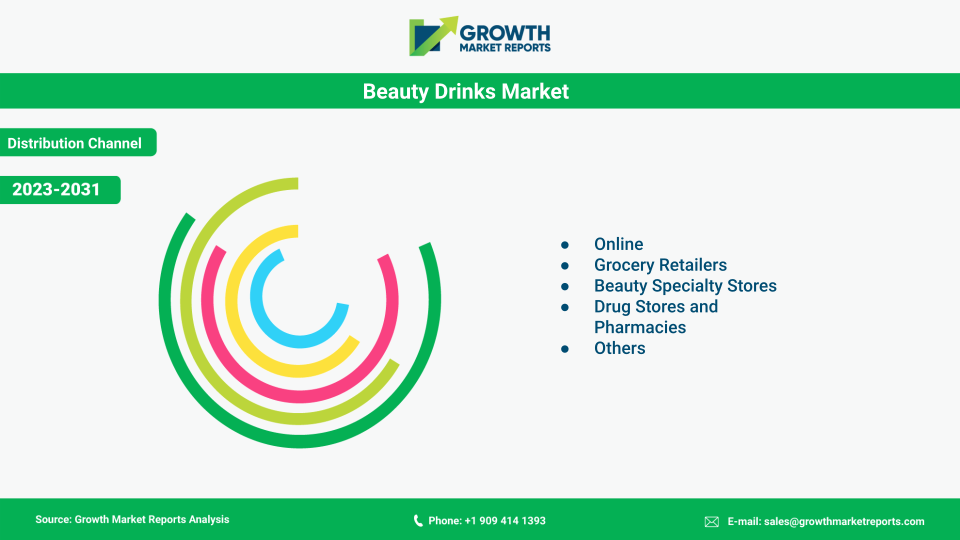
The distribution landscape for beauty drinks is evolving rapidly, with supermarkets/hypermarkets, online stores, specialty stores, and others serving as the primary channels. Supermarkets and hypermarkets remain the dominant distribution channel, accounting for the largest share of sales in 2024. These retail formats offer consumers the advantage of physical product inspection, immediate purchase, and access to a wide variety of brands. The strategic placement of beauty drinks in health and wellness aisles, along with in-store promotions and sampling campaigns, is driving impulse purchases and fostering brand loyalty among shoppers.
Online stores are the fastest-growing distribution channel in the beauty drinks market, fueled by the increasing penetration of e-commerce and changing consumer shopping habits. The convenience of browsing, comparing, and purchasing beauty drinks from the comfort of home is a major draw for tech-savvy consumers. Online platforms also offer access to a broader range of products, including international brands and niche formulations that may not be available in physical stores. The ability to read reviews, access detailed product information, and benefit from subscription models is further enhancing the appeal of online shopping for beauty drinks.
Specialty stores, such as health food stores, beauty boutiques, and wellness centers, play a crucial role in the distribution of premium and niche beauty drinks. These outlets cater to discerning consumers seeking expert advice, personalized recommendations, and exclusive products. The emphasis on quality, authenticity, and customer experience in specialty stores is driving higher average transaction values and repeat purchases. As the demand for functional and clean label beauty drinks grows, specialty stores are likely to expand their product offerings and strengthen their position in the market.
Other distribution channels, including pharmacies, direct sales, and spas, contribute to the overall accessibility and reach of beauty drinks. Pharmacies are particularly important for consumers seeking scientifically validated products with proven health benefits. Direct sales models, such as network marketing, are gaining traction in emerging markets, where personal recommendations and community-based selling are highly effective. The integration of beauty drinks into spa and wellness center menus is also creating new opportunities for experiential marketing and brand engagement. The multi-channel approach adopted by leading brands ensures that beauty drinks are available to a diverse and geographically dispersed consumer base.
The beauty drinks market presents significant opportunities for growth, particularly through innovation in product development and the expansion of distribution networks. As consumers become more educated about the link between nutrition and beauty, there is a growing demand for science-backed, functional beverages that deliver visible results. Companies that invest in research and development to create new formulations, improve ingredient bioavailability, and enhance taste profiles are well-positioned to capture market share. The trend towards personalization and customization is another major opportunity, as consumers seek beauty drinks tailored to their unique needs and preferences. Brands that leverage data analytics, consumer insights, and digital platforms to offer personalized recommendations and subscription services can drive higher engagement and loyalty.
Another key opportunity lies in the growing popularity of clean label, plant-based, and sustainable beauty drinks. As environmental consciousness rises, consumers are increasingly seeking products that are not only effective but also ethically sourced and environmentally friendly. Companies that prioritize transparency, sustainability, and responsible sourcing can differentiate themselves in a crowded market and appeal to a broader audience. The integration of advanced technologies, such as blockchain for ingredient traceability and AI for personalized nutrition, can further enhance consumer trust and brand reputation. Additionally, the expansion into emerging markets, where rising incomes and urbanization are driving demand for wellness products, offers significant growth potential for both established and new entrants in the beauty drinks market.
Despite these opportunities, the beauty drinks market faces certain restrainers and threats. One of the primary challenges is the lack of standardized regulations and clear guidelines regarding the safety, efficacy, and marketing claims of beauty drinks. This regulatory ambiguity can lead to consumer skepticism and hinder market growth, especially in regions with strict food and beverage laws. Furthermore, the high price point of premium beauty drinks may limit accessibility for price-sensitive consumers, particularly in developing markets. The presence of counterfeit products and misleading claims can also erode consumer trust and damage brand reputation. Companies must navigate these challenges by investing in quality assurance, transparent labeling, and consumer education to ensure sustainable growth in the beauty drinks market.
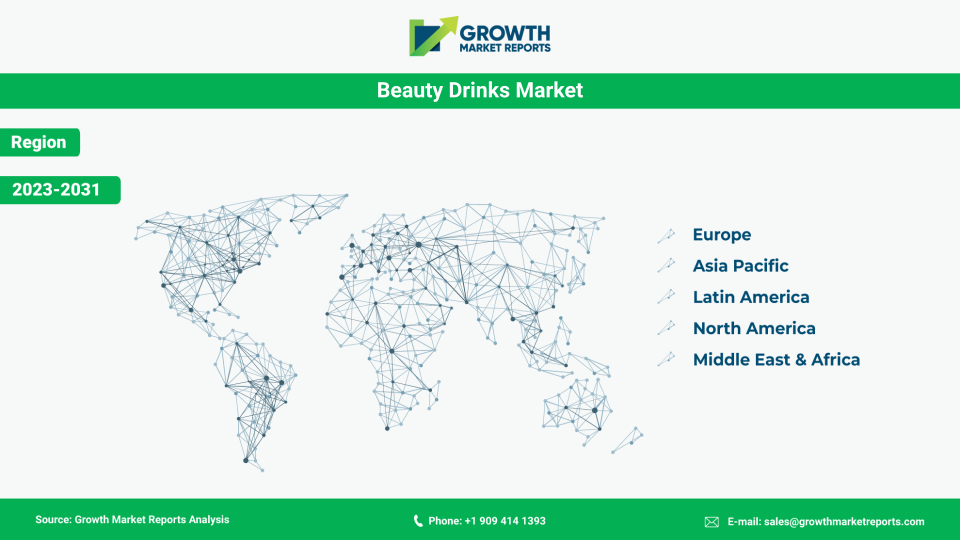
Asia Pacific dominates the global beauty drinks market, accounting for approximately 43% of the total market size in 2024, which translates to around USD 804 million. The regionÂ’s leadership is driven by strong cultural preferences for beauty and wellness, particularly in countries like Japan, South Korea, and China, where the concept of ingestible beauty has deep roots. The popularity of collagen drinks and other functional beverages in these countries is supported by a well-established tradition of using food and drink as a means to enhance appearance and health. The rapid urbanization, rising disposable incomes, and increasing influence of K-beauty and J-beauty trends are further propelling market growth in Asia Pacific. With a projected CAGR of 9.1% from 2025 to 2033, the region is expected to maintain its dominant position throughout the forecast period.
North America represents the second-largest market for beauty drinks, with a market size of approximately USD 520 million in 2024. The regionÂ’s growth is driven by rising health consciousness, a strong focus on preventive wellness, and the increasing popularity of functional foods and beverages. The United States accounts for the majority of the North American market, supported by high consumer spending power, a well-developed retail infrastructure, and a growing interest in clean label and plant-based products. The presence of leading beauty and wellness brands, coupled with a vibrant influencer and celebrity endorsement culture, is accelerating the adoption of beauty drinks in the region. The market is expected to grow at a CAGR of 7.6% through 2033.
Europe holds a significant share of the global beauty drinks market, valued at around USD 400 million in 2024. The region is characterized by a discerning consumer base that values quality, efficacy, and sustainability. Key markets such as Germany, France, and the United Kingdom are witnessing increased demand for beauty drinks, particularly those with natural and organic ingredients. The emphasis on holistic wellness, coupled with a strong tradition of herbal and botanical remedies, is shaping product preferences in Europe. Meanwhile, Latin America and the Middle East & Africa are emerging as promising markets, with a combined market size of approximately USD 146 million in 2024. These regions are benefiting from rising urbanization, changing lifestyles, and a growing middle class, although market penetration remains lower compared to more mature regions.
The competitive landscape of the beauty drinks market is characterized by intense rivalry among global and regional players, each vying for a larger share of the rapidly expanding market. Leading companies are focusing on innovation, product differentiation, and strategic partnerships to strengthen their positions. The market is witnessing a flurry of activity in terms of new product launches, collaborations with beauty and wellness influencers, and investments in research and development. Companies are leveraging advanced technologies to enhance ingredient bioavailability, improve taste profiles, and ensure product safety and efficacy. The emphasis on clean label, natural, and sustainable formulations is also shaping competitive strategies, as brands seek to align with evolving consumer preferences.
Brand loyalty and consumer trust play a crucial role in the beauty drinks market, given the intimate nature of ingestible beauty products. Companies are investing heavily in marketing and educational campaigns to communicate the benefits of their products and differentiate themselves from competitors. The use of celebrity endorsements, social media influencers, and user-generated content is particularly effective in building brand awareness and credibility. In addition, companies are expanding their distribution networks to reach a broader audience, with a focus on e-commerce and direct-to-consumer channels. The ability to offer personalized and customizable beauty drinks is emerging as a key differentiator, as consumers increasingly seek products tailored to their individual needs.
The beauty drinks market is also witnessing the entry of new players, including startups and niche brands, who are capitalizing on emerging trends such as plant-based ingredients, adaptogens, and functional botanicals. These companies are often more agile and innovative, quickly responding to changing consumer demands and introducing unique product offerings. However, established players continue to dominate the market through their extensive resources, strong distribution networks, and brand recognition. The competitive landscape is expected to remain dynamic, with ongoing consolidation, strategic alliances, and the entry of non-traditional players from the food, beverage, and beauty sectors.
Some of the major companies operating in the global beauty drinks market include Amino Collagen (Meiji Holdings Co. Ltd.), Shiseido Company Limited, Skinade (Bottled Science Ltd.), Hangzhou Nutrition Biotechnology Co., Ltd., Vital Proteins LLC, THE BERRICA Co., FINE JAPAN Co., Ltd., and Groupe L'Oréal. These companies offer a wide range of beauty drinks targeting different consumer segments and preferences. For instance, Meiji and Shiseido are pioneers in the Japanese beauty drinks market, offering collagen-based beverages that are highly popular among local consumers. Skinade, a UK-based brand, is renowned for its clinically proven skin care drinks, while Vital Proteins has gained a strong following in North America for its collagen peptides and beauty blends.
Groupe L'Oréal, a global leader in the beauty industry, has expanded its portfolio to include ingestible beauty products, leveraging its extensive research capabilities and brand equity. FINE JAPAN and Hangzhou Nutrition Biotechnology are prominent players in the Asia Pacific region, known for their innovative formulations and focus on high-quality, natural ingredients. THE BERRICA Co. specializes in antioxidant-rich beauty drinks, catering to health-conscious consumers seeking plant-based solutions. These leading companies are continuously investing in product development, marketing, and global expansion to maintain their competitive edge in the dynamic beauty drinks market.
The Beauty Drinks market has been segmented on the basis of
Key players competing in the beauty drinks market include SIPA spa, THE COCA-COLA COMPANY, Sappe Public Company Limited, Big Quark LLC, DyDo DRIN CO, INC. and Nestlé S.A.
Some of these players are using several market strategies such as mergers, acquisitions, partnerships, collaborations, capacity expansion, and product launches to enhance their market shares.
Challenges include lack of standardized regulations, high price points for premium products, presence of counterfeit goods, and consumer skepticism regarding efficacy and safety.
Trends include innovation in product formulation, clean label and sustainable ingredients, personalized nutrition, expansion into emerging markets, and the use of advanced technologies like AI and blockchain.
Key companies include Nestlé S.A., Shiseido Company, The Coca-Cola Company, Kinohimitsu, Suntory Holdings, Vital Proteins LLC, Skinade, FINE JAPAN, and Groupe L'Oréal, among others.
Beauty drinks are primarily used for skin care, hair care, anti-aging, and other purposes such as nail health, hydration, and detoxification.
Beauty drinks are distributed through supermarkets/hypermarkets, online stores, specialty stores, pharmacies, direct sales, and spas, with online channels experiencing the fastest growth.
Asia Pacific dominates the market, accounting for about 43% of the global share in 2024, followed by North America and Europe.
The most popular ingredients are collagen (including marine and plant-based), vitamins and minerals (such as A, C, E, B-complex, zinc, and selenium), antioxidants, coenzyme Q10, hyaluronic acid, and biotin.
Collagen drinks hold the largest market share due to their proven benefits for skin elasticity, wrinkle reduction, and joint health.
Key growth drivers include rising consumer awareness about holistic beauty, increasing demand for functional beverages, social media influence, and the popularity of ingredients like collagen, vitamins, and antioxidants.
As of 2024, the global beauty drinks market is valued at USD 1.87 billion, with strong growth expected in the coming years.