Segments - by Product Type (Ayurveda, Yoga & Naturopathy, Unani, Siddha, Homeopathy, Others), by Application (Wellness, Disease Prevention, Chronic Disease Management, Others), by Distribution Channel (Hospitals & Clinics, Wellness Centers, Online Platforms, Pharmacies, Others), by End-User (Adults, Children, Elderly)
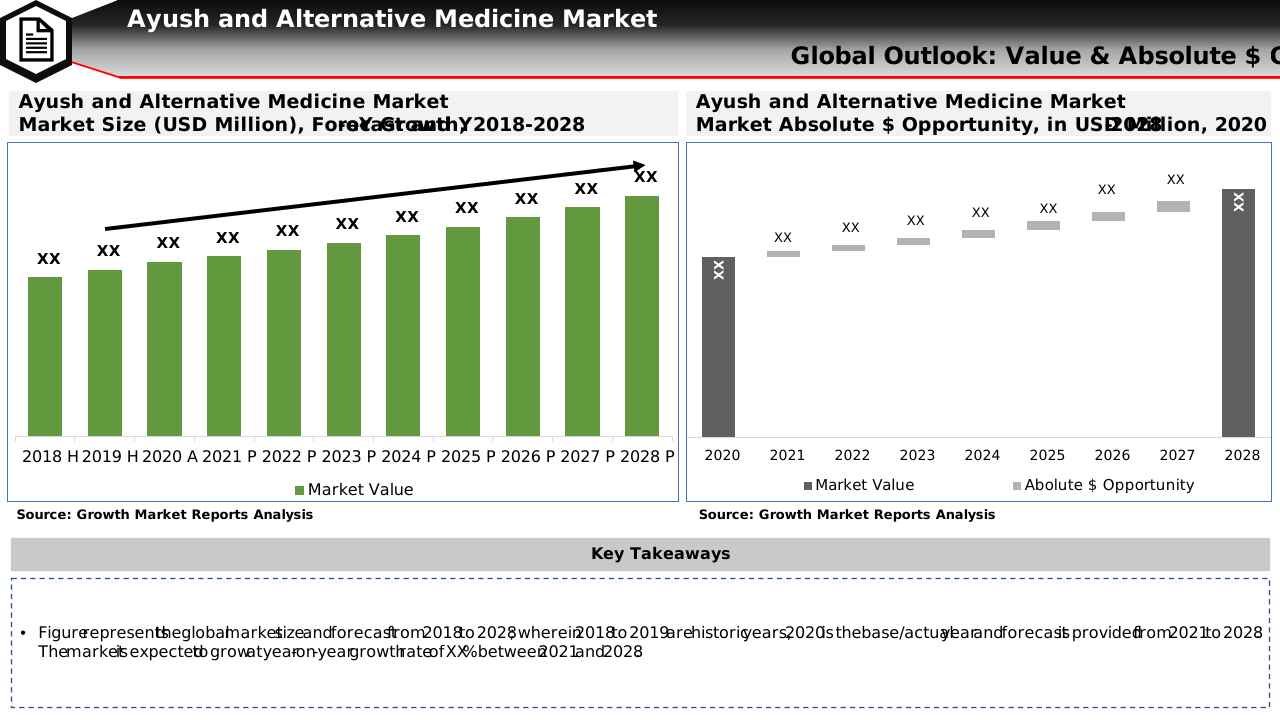
According to our latest research, the global Ayush and Alternative Medicine market size reached USD 106.7 billion in 2024, reflecting the sector’s robust expansion in response to rising consumer interest in holistic health solutions. The market is projected to grow at a CAGR of 15.2% from 2025 to 2033, with the market size expected to reach USD 315.4 billion by 2033. This remarkable growth trajectory is primarily driven by increasing awareness of preventive healthcare, a surge in lifestyle-related diseases, and widespread government initiatives supporting traditional medicine systems.
One of the primary growth factors fueling the Ayush and Alternative Medicine market is the growing global acceptance of holistic and preventive healthcare practices. Consumers are increasingly seeking natural and traditional remedies as alternatives or complements to conventional medicine, particularly for chronic conditions and overall wellness. The rising prevalence of lifestyle diseases such as diabetes, hypertension, and stress-related disorders has prompted individuals to turn towards Ayurveda, Yoga, Naturopathy, and Homeopathy for sustainable, long-term solutions. This shift is further supported by the proliferation of wellness tourism and the integration of alternative therapies into mainstream healthcare systems, which together are significantly expanding the market’s reach and impact.
Another crucial driver is the proactive role of governments and regulatory bodies in promoting Ayush and Alternative Medicine systems. Countries like India, China, and several in Europe and North America have established dedicated ministries, research councils, and regulatory frameworks to standardize and promote traditional medicine. The Indian government’s National Ayush Mission and similar initiatives in other regions are providing funding for research, infrastructure development, and awareness campaigns, thereby enhancing the credibility and accessibility of alternative therapies. Additionally, the World Health Organization’s endorsement of traditional medicine as a vital component of universal health coverage is catalyzing global adoption, encouraging cross-border collaborations and knowledge exchange.
Technological advancements and digital transformation are also acting as significant growth catalysts for the Ayush and Alternative Medicine market. The proliferation of telemedicine platforms, mobile health applications, and online wellness portals has democratized access to alternative therapies, making it easier for consumers to consult practitioners, purchase products, and participate in virtual wellness programs. The integration of artificial intelligence, data analytics, and wearable devices is enabling personalized treatment plans and real-time monitoring, thereby enhancing the efficacy and appeal of alternative medicine. As a result, the sector is witnessing a surge in investment from both public and private stakeholders, further accelerating innovation and market expansion.
Regionally, Asia Pacific remains the dominant force in the Ayush and Alternative Medicine market, accounting for the largest share due to its deep-rooted cultural traditions and government support. However, North America and Europe are emerging as high-growth regions, driven by increasing consumer awareness, regulatory recognition, and the integration of alternative therapies into conventional healthcare settings. Latin America and the Middle East & Africa are also witnessing steady growth, fueled by rising healthcare expenditures and a growing emphasis on preventive wellness. This global diffusion is fostering a dynamic and competitive market landscape, characterized by diverse product offerings, innovative business models, and a strong focus on research and quality assurance.
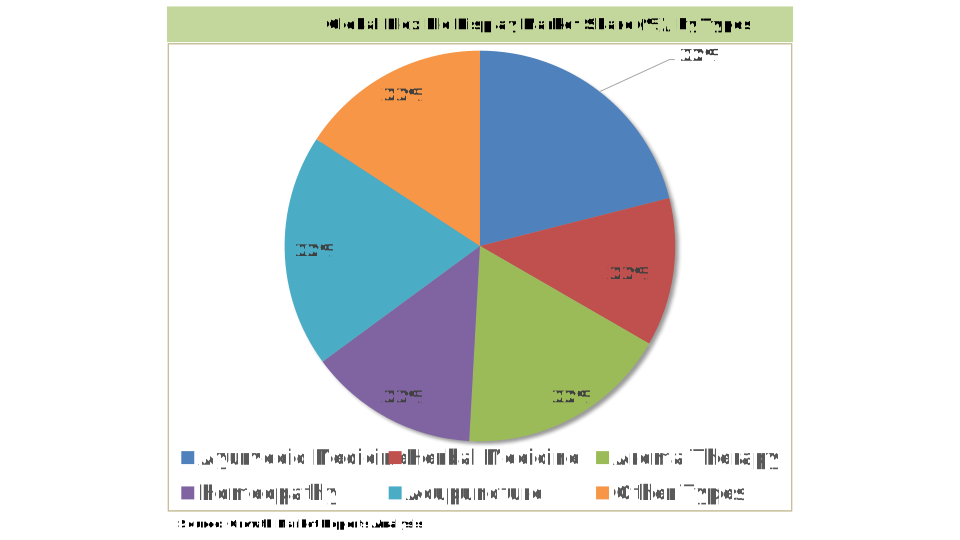
The Ayush and Alternative Medicine market is segmented by product type into Ayurveda, Yoga & Naturopathy, Unani, Siddha, Homeopathy, and Others. Among these, Ayurveda holds a prominent position, owing to its comprehensive approach to holistic health and its extensive pharmacopeia of herbal formulations. The global popularity of Ayurvedic supplements, oils, and therapies is being fueled by increasing consumer trust in plant-based remedies, as well as the growing body of scientific research validating their efficacy. Yoga & Naturopathy are also witnessing significant growth, particularly as stress management and mental wellness become central to health and lifestyle trends. Yoga’s integration into corporate wellness programs and educational curricula is expanding its user base, while Naturopathy’s emphasis on non-invasive, natural healing resonates with a broad spectrum of health-conscious individuals.
Homeopathy remains a widely adopted modality, especially in Europe and India, where regulatory frameworks and practitioner networks are well established. The segment is characterized by its use of highly diluted remedies, which appeal to consumers seeking gentle, side-effect-free treatments for chronic and acute conditions. Unani and Siddha, though more regionally concentrated, are gaining traction through government support, research initiatives, and cross-cultural collaborations. These systems are being increasingly recognized for their unique diagnostic and therapeutic approaches, contributing to the diversification of the global alternative medicine market. The “Others” category, which includes traditional Chinese medicine, acupuncture, and indigenous healing practices, is also expanding, reflecting the market’s dynamic and inclusive nature.
Product innovation and standardization are key trends shaping the product type segment. Manufacturers and practitioners are investing in research and development to create novel formulations, improve bioavailability, and ensure quality control. The adoption of Good Manufacturing Practices (GMP) and international certification standards is enhancing consumer confidence and facilitating global trade. Furthermore, collaborations between traditional medicine experts and modern scientists are leading to the development of evidence-based products, which are gaining acceptance among healthcare professionals and regulatory authorities. This convergence of tradition and innovation is positioning the Ayush and Alternative Medicine market for sustained growth and diversification.
Consumer education and awareness campaigns are playing a pivotal role in driving demand across product types. Public health initiatives, wellness festivals, and digital content are disseminating information about the benefits, safety, and proper use of alternative therapies. This is not only increasing consumer engagement but also encouraging self-care and preventive health behaviors. As a result, the market is witnessing a shift from reactive, symptom-based treatments to proactive, lifestyle-oriented health management. This paradigm shift is expected to further accelerate the adoption of Ayush and Alternative Medicine products across diverse demographic and geographic segments.
| Attributes | Details |
| Report Title | Ayush and Alternative Medicine Market Research Report 2033 |
| By Product Type | Ayurveda, Yoga & Naturopathy, Unani, Siddha, Homeopathy, Others |
| By Application | Wellness, Disease Prevention, Chronic Disease Management, Others |
| By Distribution Channel | Hospitals & Clinics, Wellness Centers, Online Platforms, Pharmacies, Others |
| By End-User | Adults, Children, Elderly |
| Regions Covered | North America, Europe, APAC, Latin America, MEA |
| Base Year | 2024 |
| Historic Data | 2018-2023 |
| Forecast Period | 2025-2033 |
| Number of Pages | 261 |
| Number of Tables & Figures | 390 |
| Customization Available | Yes, the report can be customized as per your need. |
The application segment of the Ayush and Alternative Medicine market encompasses Wellness, Disease Prevention, Chronic Disease Management, and Others. Wellness has emerged as the dominant application, reflecting the global trend towards holistic health and preventive care. Consumers are increasingly investing in wellness products and services, such as detox therapies, stress management programs, and immune-boosting supplements, to enhance their quality of life and resilience against illness. This trend is being amplified by the proliferation of wellness centers, spas, and retreats that offer integrated alternative medicine therapies, as well as by the growing popularity of wellness tourism.
Disease Prevention is another key application area, driven by the rising burden of non-communicable diseases and the limitations of conventional medicine in addressing underlying risk factors. Ayush and Alternative Medicine systems emphasize lifestyle modification, dietary regulation, and natural supplementation to prevent the onset of diseases and maintain optimal health. Public health campaigns and workplace wellness initiatives are promoting the adoption of preventive practices, resulting in increased demand for herbal supplements, yoga classes, and naturopathic consultations. This preventive approach is gaining traction among both individuals and organizations, as it offers a cost-effective and sustainable solution to the global health crisis.
Chronic Disease Management represents a significant growth opportunity for the Ayush and Alternative Medicine market. Chronic conditions such as arthritis, diabetes, asthma, and cardiovascular diseases often require long-term, multidisciplinary care, which aligns with the holistic and patient-centered philosophy of alternative medicine. Integrative treatment protocols that combine conventional and alternative therapies are being increasingly adopted in hospitals, clinics, and home care settings. This is supported by a growing body of clinical evidence demonstrating the efficacy of Ayush modalities in improving patient outcomes, reducing side effects, and enhancing quality of life. As a result, chronic disease management is becoming a core focus for practitioners, healthcare providers, and policymakers.
The “Others” application segment includes areas such as palliative care, rehabilitation, and mental health support, which are gaining importance as the global population ages and mental health issues become more prevalent. Alternative medicine therapies are being integrated into multidisciplinary care teams to provide comprehensive, patient-centered support. This is particularly evident in the management of pain, anxiety, depression, and mobility issues, where non-pharmacological interventions are proving to be effective and well-tolerated. The expanding scope of applications is positioning the Ayush and Alternative Medicine market as a vital component of the global healthcare ecosystem.
The distribution channel segment of the Ayush and Alternative Medicine market includes Hospitals & Clinics, Wellness Centers, Online Platforms, Pharmacies, and Others. Hospitals & Clinics remain a critical channel, particularly as alternative medicine is increasingly integrated into mainstream healthcare systems. Many hospitals now offer Ayush and alternative therapies alongside conventional treatments, providing patients with holistic, multidisciplinary care. This integration is supported by regulatory frameworks, insurance coverage, and growing acceptance among healthcare professionals, which together are driving patient referrals and expanding access to alternative therapies.
Wellness Centers are experiencing rapid growth, fueled by consumer demand for personalized, immersive wellness experiences. These centers offer a wide range of services, including yoga classes, naturopathic consultations, detox programs, and spa treatments, all under one roof. The rise of wellness tourism and corporate wellness programs is further boosting the popularity of wellness centers, which are becoming hubs for preventive health and lifestyle management. Many centers are leveraging digital marketing, loyalty programs, and partnerships with hotels and resorts to attract a diverse clientele and enhance customer retention.
Online Platforms have emerged as a transformative force in the distribution of Ayush and Alternative Medicine products and services. E-commerce websites, telemedicine portals, and mobile health apps are making it easier for consumers to access information, consult practitioners, and purchase products from the comfort of their homes. The COVID-19 pandemic accelerated the adoption of digital health solutions, and this trend is expected to persist as consumers increasingly prioritize convenience, privacy, and safety. Online platforms are also enabling practitioners to reach a global audience, offer virtual consultations, and deliver personalized treatment plans, thereby expanding the market’s reach and accessibility.
Pharmacies, both physical and online, continue to play a vital role in the distribution of alternative medicine products, particularly over-the-counter herbal supplements, homeopathic remedies, and wellness products. Pharmacies are increasingly stocking certified and branded products, supported by point-of-sale education and promotional campaigns. The “Others” category includes specialty stores, health food outlets, and direct sales channels, which cater to niche markets and offer curated product selections. Together, these diverse distribution channels are ensuring that Ayush and Alternative Medicine products are widely available, accessible, and trusted by consumers worldwide.
The end-user segment of the Ayush and Alternative Medicine market is categorized into Adults, Children, and Elderly. Adults constitute the largest end-user group, driven by rising health consciousness, stress-related disorders, and lifestyle diseases prevalent in this demographic. Adults are increasingly seeking alternative therapies for preventive health, chronic disease management, and mental wellness, leading to a surge in demand for products and services tailored to their specific needs. Workplace wellness programs, fitness initiatives, and digital health platforms are further engaging adult consumers, making them a key target segment for market players.
Children represent a growing end-user segment, as parents become more cautious about the side effects of conventional medicine and seek gentler, natural alternatives for common ailments such as colds, allergies, digestive issues, and skin conditions. Pediatric formulations and therapies based on Ayurveda, Homeopathy, and Naturopathy are gaining acceptance, supported by clinical research and practitioner endorsements. Schools and community organizations are also incorporating yoga and mindfulness programs into their curricula, promoting holistic health from an early age. This trend is expected to drive sustained growth in the children’s segment, as awareness and acceptance continue to increase.
The Elderly population is another critical end-user group, given the rising incidence of chronic diseases, mobility issues, and age-related health concerns. Alternative medicine offers non-invasive, personalized, and holistic solutions that address the unique needs of older adults, including pain management, cognitive health, and rehabilitation. Senior living communities, geriatric clinics, and home care providers are increasingly integrating Ayush therapies into their service offerings, recognizing their potential to enhance quality of life and reduce healthcare costs. The growing focus on healthy aging and preventive care is expected to further boost demand in this segment.
Market players are developing targeted products, services, and communication strategies to address the distinct needs and preferences of each end-user group. Personalized treatment plans, age-appropriate formulations, and educational initiatives are being deployed to enhance engagement and adherence. This segmentation is enabling companies to capture a broader customer base, optimize resource allocation, and drive innovation in product development and service delivery. As a result, the end-user segment is becoming increasingly dynamic and competitive, with significant opportunities for growth and differentiation.
The Ayush and Alternative Medicine market is brimming with opportunities, particularly as global health trends shift towards prevention, personalization, and holistic well-being. One of the most significant opportunities lies in the integration of alternative medicine with conventional healthcare systems. Hospitals, clinics, and insurers are recognizing the value of complementary therapies in enhancing patient outcomes, reducing side effects, and lowering healthcare costs. This is paving the way for collaborative care models, interdisciplinary research, and the development of standardized treatment protocols. Additionally, the rise of digital health technologies is enabling practitioners to reach new markets, deliver personalized care, and collect real-world evidence on treatment efficacy, further legitimizing alternative medicine in the eyes of regulators and consumers.
Another major opportunity is the expansion of the market into underserved and emerging regions. As healthcare infrastructure improves and disposable incomes rise in Asia Pacific, Latin America, and Africa, demand for affordable, accessible, and culturally relevant healthcare solutions is expected to surge. Government support, international collaborations, and public-private partnerships are facilitating the development of Ayush and alternative medicine infrastructure, research, and training programs. Furthermore, the growing popularity of wellness tourism and the increasing acceptance of alternative therapies among younger generations are creating new revenue streams and market niches for innovative products and services.
Despite its many opportunities, the Ayush and Alternative Medicine market faces several restraining factors, chief among them being the lack of standardized regulations and quality control. The diversity of traditional medicine systems, coupled with varying regulatory frameworks across countries, poses challenges in ensuring product safety, efficacy, and consistency. Counterfeit and substandard products, inadequate practitioner training, and limited clinical evidence for certain therapies are undermining consumer confidence and hindering market growth. Addressing these challenges will require concerted efforts from governments, industry stakeholders, and professional associations to establish robust standards, promote research, and enhance public education.
Asia Pacific dominates the global Ayush and Alternative Medicine market, accounting for approximately USD 55.2 billion in 2024, or over half of the global market share. This leadership is attributed to the region’s rich heritage of traditional medicine, strong government support, and a large, health-conscious population. India, in particular, is a key growth engine, with its extensive network of Ayush practitioners, educational institutions, and research centers. China, Japan, and Southeast Asian countries are also contributing to regional growth through the promotion of traditional Chinese medicine, acupuncture, and indigenous healing practices. The Asia Pacific market is projected to grow at a CAGR of 16.1% through 2033, outpacing other regions and solidifying its position as the global hub for alternative medicine.
North America is emerging as a high-growth region, with a market size of USD 21.3 billion in 2024. The region’s growth is driven by increasing consumer awareness, regulatory recognition, and the integration of complementary therapies into mainstream healthcare settings. The United States and Canada are witnessing a surge in demand for yoga, naturopathy, and homeopathy, supported by a robust network of wellness centers, online platforms, and practitioner associations. The growing prevalence of chronic diseases, coupled with rising healthcare costs, is prompting individuals and organizations to explore cost-effective, preventive health solutions. North America is expected to maintain a strong growth trajectory, with a projected CAGR of 14.7% through 2033.
Europe holds a significant share of the global Ayush and Alternative Medicine market, valued at USD 18.9 billion in 2024. The region is characterized by a well-established regulatory framework, high levels of consumer trust, and a strong tradition of homeopathy, herbal medicine, and wellness tourism. Countries such as Germany, France, and the United Kingdom are at the forefront of research, innovation, and policy development in alternative medicine. The European market is also benefiting from cross-border collaborations, public health initiatives, and the integration of alternative therapies into national healthcare systems. Latin America and the Middle East & Africa, with combined market values of USD 11.3 billion, are experiencing steady growth, driven by rising healthcare expenditures, government support, and increasing consumer interest in holistic health solutions.
The Ayush and Alternative Medicine market is characterized by a highly fragmented and competitive landscape, with a diverse array of players ranging from traditional practitioners and small-scale manufacturers to multinational corporations and digital health startups. The market’s dynamic nature is driven by continuous innovation, evolving consumer preferences, and the convergence of traditional wisdom with modern science. Companies are investing heavily in research and development, quality assurance, and brand building to differentiate themselves in a crowded marketplace. Strategic partnerships, mergers and acquisitions, and international expansion are common strategies employed to gain a competitive edge and capture new growth opportunities.
Product innovation and portfolio diversification are key competitive strategies in the Ayush and Alternative Medicine market. Leading companies are developing novel formulations, delivery systems, and personalized treatment plans to address the unique needs of different demographic segments. The adoption of digital technologies, such as telemedicine, mobile apps, and wearable devices, is enabling companies to enhance customer engagement, monitor treatment outcomes, and deliver value-added services. Additionally, companies are leveraging data analytics and artificial intelligence to gain insights into consumer behavior, optimize supply chains, and improve operational efficiency.
Quality assurance and regulatory compliance are critical differentiators in the market, as consumers and regulators increasingly demand evidence-based, safe, and standardized products. Leading players are investing in Good Manufacturing Practices (GMP), international certifications, and clinical research to build trust and credibility. Collaborations with academic institutions, research organizations, and healthcare providers are facilitating the development of robust clinical evidence and the integration of alternative therapies into mainstream healthcare systems. Marketing and educational initiatives, such as public health campaigns, wellness festivals, and practitioner training programs, are also being deployed to raise awareness and drive adoption.
Major companies operating in the Ayush and Alternative Medicine market include Dabur India Ltd., Himalaya Wellness Company, Patanjali Ayurved Limited, Baidyanath Group, Emami Limited, SBL Private Limited, Schwabe India, Dr. Willmar Schwabe GmbH & Co. KG, and Nature’s Sunshine Products, Inc. These companies are recognized for their extensive product portfolios, strong distribution networks, and commitment to quality and innovation. Dabur India Ltd. and Himalaya Wellness Company are leading players in the Ayurveda segment, offering a wide range of herbal supplements, personal care products, and wellness solutions. Patanjali Ayurved Limited has gained significant market share through aggressive marketing, product diversification, and a focus on affordability and accessibility.
Baidyanath Group and Emami Limited are renowned for their traditional formulations and research-driven approach, while SBL Private Limited and Schwabe India are leaders in the homeopathy segment, offering a comprehensive range of remedies and healthcare solutions. Dr. Willmar Schwabe GmbH & Co. KG is a global leader in phytopharmaceuticals and homeopathic products, with a strong presence in Europe and emerging markets. Nature’s Sunshine Products, Inc. is a prominent player in the global wellness and herbal supplements market, known for its commitment to quality, sustainability, and scientific research. These companies, along with numerous regional and niche players, are shaping the future of the Ayush and Alternative Medicine market through innovation, collaboration, and a steadfast focus on holistic health and well-being.
The Ayush and Alternative Medicine market has been segmented on the basis of
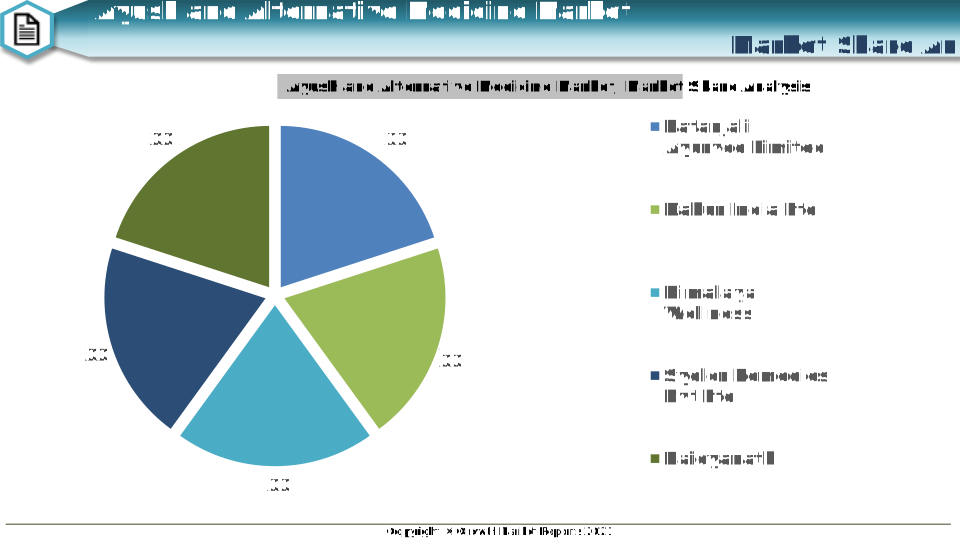
Key players competing in the ayush and alternative medicine market in India include Patanjali Ayurved Limited, Dabur India Ltd, Himalaya Wellness, Sydler Remedies Pvt Ltd, and Baidyanath.
Some of these players are using several market strategies such as mergers, acquisitions, partnerships, collaborations, capacity expansion, and product launches to increase their market shares.
Major challenges include lack of standardized regulations, quality control issues, counterfeit products, inadequate practitioner training, and limited clinical evidence for certain therapies.
Key players include Patanjali Ayurved Ltd., Dabur India Ltd., Himalaya Wellness Company, Baidyanath Group, Emami Ltd., Schwabe Pharmaceuticals, Nature’s Sunshine Products, Inc., and others.
The primary end-users are Adults, Children, and the Elderly, with adults constituting the largest group due to rising health consciousness and prevalence of lifestyle diseases.
Major distribution channels include Hospitals & Clinics, Wellness Centers, Online Platforms, Pharmacies, and specialty stores, with online platforms and wellness centers experiencing rapid growth.
Ayush and Alternative Medicine systems emphasize lifestyle modification, dietary regulation, and natural supplementation for disease prevention, and offer holistic, patient-centered care for chronic disease management, often integrating with conventional treatments.
Key growth drivers include rising awareness of preventive healthcare, increasing prevalence of lifestyle diseases, government initiatives supporting traditional medicine, and technological advancements such as telemedicine and digital health platforms.
The market is segmented by product type into Ayurveda, Yoga & Naturopathy, Unani, Siddha, Homeopathy, and Others, with Ayurveda holding a prominent position globally.
Asia Pacific dominates the market due to strong cultural traditions and government support, while North America and Europe are emerging as high-growth regions driven by increasing consumer awareness and regulatory recognition.
The Ayush and Alternative Medicine market is expected to grow at a CAGR of 15.2% from 2025 to 2033, reaching an estimated USD 315.4 billion by 2033.
As of 2024, the global Ayush and Alternative Medicine market size reached USD 106.7 billion, reflecting significant growth driven by rising consumer interest in holistic health solutions.