Segments - by Product Type (Extra Virgin Avocado Oil, Refined Avocado Oil, Blended Avocado Oil, Others), by Application (Food and Beverages, Cosmetics and Personal Care, Pharmaceuticals, Others), by Distribution Channel (Supermarkets/Hypermarkets, Online Stores, Specialty Stores, Others), by End-User (Household, Commercial, Industrial)
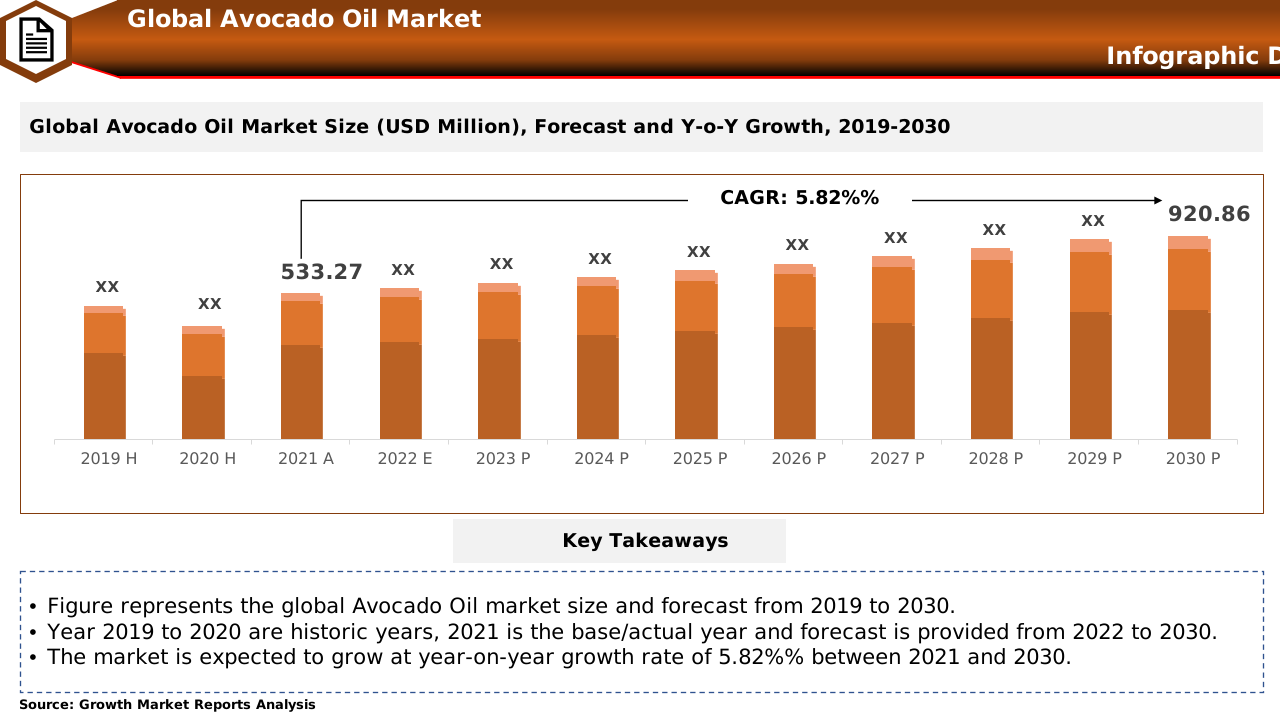
According to our latest research, the global avocado oil market size reached USD 657 million in 2024, demonstrating robust expansion driven by increasing consumer awareness regarding health and wellness. The market is expected to grow at a CAGR of 6.8% from 2025 to 2033, reaching a projected value of USD 1,253 million by 2033. This growth trajectory is primarily attributed to rising demand for healthy edible oils, expanding applications in cosmetics and pharmaceuticals, and a shift toward natural and organic products. As per our latest research, the avocado oil market is poised for significant transformation over the coming years, fueled by evolving consumer preferences and industry innovation.
One of the primary growth factors propelling the avocado oil market is the increasing consumer inclination towards healthier dietary fats. Avocado oil, known for its high content of monounsaturated fatty acids and antioxidants such as vitamin E, is widely recognized for its cardiovascular and anti-inflammatory benefits. This nutritional profile aligns perfectly with global trends favoring functional and nutrient-rich foods, especially among health-conscious individuals and aging populations. Additionally, the surge in vegan and plant-based diets has further elevated the demand for avocado oil as a preferred alternative to traditional cooking oils. The growing body of scientific evidence supporting the health benefits of avocado oil continues to bolster its adoption in both household and commercial food preparations.
Another significant driver for the avocado oil market is its expanding application scope beyond the food and beverage sector. The cosmetics and personal care industry, in particular, has emerged as a key end-user, leveraging avocado oilÂ’s emollient, moisturizing, and regenerative properties. Avocado oil is increasingly incorporated into products such as lotions, creams, shampoos, and conditioners, capitalizing on consumer demand for natural and organic ingredients in personal care formulations. Simultaneously, the pharmaceutical sector is exploring avocado oil for its potential in topical and oral formulations aimed at skin health and anti-inflammatory treatments. This diversification of applications not only broadens the market base but also enhances the value proposition of avocado oil across multiple industries.
Technological advancements in extraction and processing techniques have also played a pivotal role in the marketÂ’s expansion. Modern cold-press and centrifugation methods ensure higher yields of premium-quality extra virgin avocado oil, preserving its nutritional integrity and sensory attributes. These innovations have enabled producers to cater to a more discerning consumer base, particularly in developed regions where product quality and traceability are paramount. Furthermore, sustainable sourcing practices and certifications such as organic and non-GMO labels have become critical differentiators, appealing to environmentally conscious consumers and strengthening brand loyalty. Collectively, these technological and sustainability initiatives are reshaping the competitive landscape and setting new benchmarks for quality in the avocado oil market.
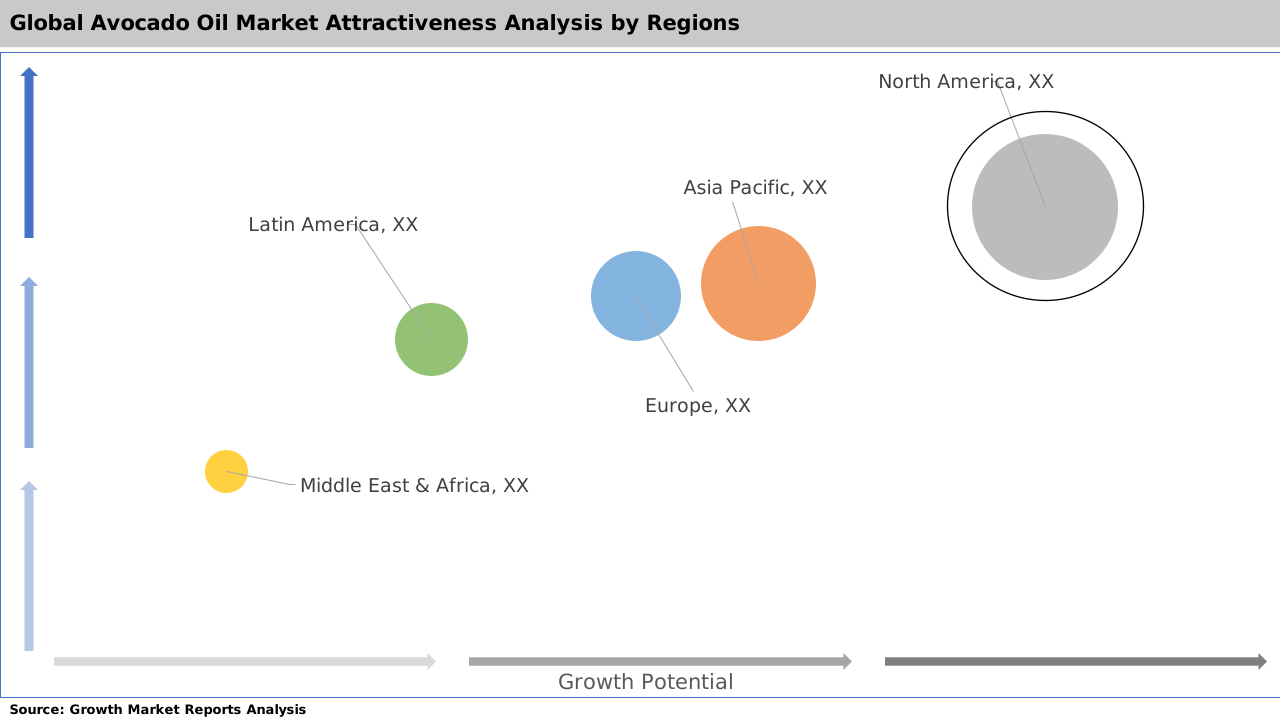
From a regional perspective, North America remains the dominant market for avocado oil, driven by high consumer awareness, established distribution networks, and the presence of leading market players. However, Latin America, particularly Mexico, is not only a major producer but also a rapidly growing consumer market, benefiting from proximity to raw material sources and increasing health awareness. Europe is witnessing steady growth, fueled by rising demand for organic and specialty oils, while the Asia Pacific region is emerging as a lucrative market due to changing dietary patterns and increasing disposable incomes. The Middle East and Africa, though currently at a nascent stage, present untapped potential, especially with growing interest in health and wellness products. This regional diversification underscores the global appeal and growth potential of the avocado oil market.
In addition to its culinary applications, avocado oil is making waves in the condiment industry, particularly with the introduction of Avocado Oil Mayonnaise. This innovative product caters to the growing demand for healthier alternatives to traditional mayonnaise, offering a rich, creamy texture with the added benefits of monounsaturated fats and antioxidants. As consumers become more health-conscious, they are increasingly seeking out products that align with their dietary preferences, such as keto and paleo diets, where avocado oil mayonnaise fits perfectly. This shift is not only reshaping consumer habits but also encouraging manufacturers to explore new product lines that capitalize on the health benefits of avocado oil. The versatility and health appeal of avocado oil mayonnaise make it a promising addition to the expanding range of avocado oil-based products.
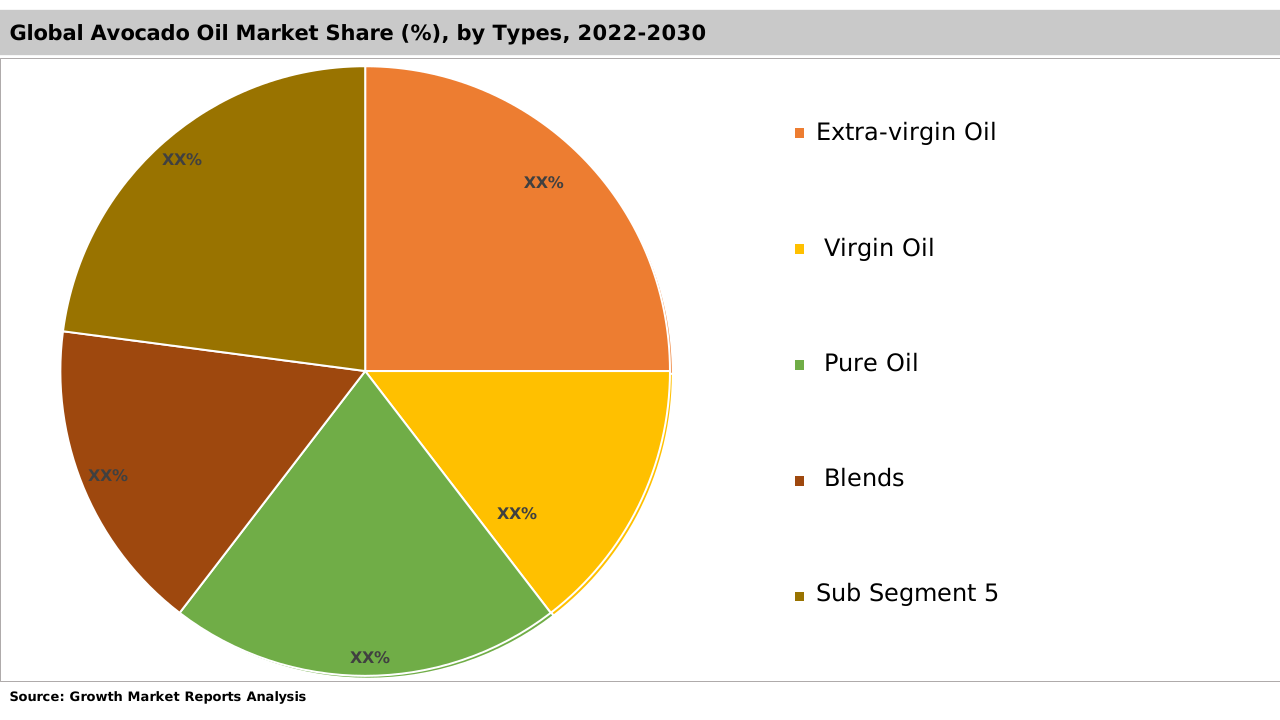
The avocado oil market is segmented by product type into extra virgin avocado oil, refined avocado oil, blended avocado oil, and others. Extra virgin avocado oil represents the premium segment, extracted through cold-press methods that preserve the oilÂ’s natural flavor, aroma, and nutrient content. This segment is experiencing robust growth, particularly among health-conscious consumers and gourmet food enthusiasts who value authenticity and superior nutritional profiles. The premium positioning of extra virgin avocado oil is reinforced by certifications such as organic and non-GMO, which further enhance its appeal in developed markets. As consumers continue to seek out high-quality, minimally processed products, the demand for extra virgin avocado oil is expected to remain strong throughout the forecast period.
The refined avocado oil segment caters to a broader audience, offering a more neutral flavor and higher smoke point, making it suitable for high-heat cooking applications. This versatility has made refined avocado oil a popular choice in both household and commercial kitchens, particularly in regions where deep-frying and sautéing are prevalent cooking methods. The refining process also extends the shelf life of the oil, addressing concerns related to storage and stability, especially in markets with varying climatic conditions. As foodservice operators and manufacturers seek healthier alternatives to traditional cooking oils, refined avocado oil is gaining traction as a cost-effective and functional option.
The blended avocado oil segment comprises products that combine avocado oil with other vegetable oils such as olive, sunflower, or canola oil. These blends are designed to offer a balance of taste, nutritional benefits, and affordability, targeting price-sensitive consumers and mass-market applications. Blended oils are increasingly featured in processed foods, salad dressings, and ready-to-eat meals, reflecting the growing demand for convenient and versatile cooking solutions. Manufacturers are leveraging innovative formulations and marketing strategies to highlight the unique benefits of blended avocado oils, further expanding their reach across diverse consumer segments.
Other product types in the avocado oil market include specialty and flavored oils, which cater to niche segments such as gourmet cooking and artisanal food products. These variants are often infused with herbs, spices, or citrus extracts to enhance their culinary appeal and differentiate them in a crowded marketplace. The rising popularity of home cooking and experimentation with global cuisines has fueled demand for these specialty oils, particularly among urban and affluent consumers. As the market continues to evolve, product innovation and diversification are expected to play a key role in sustaining growth and meeting the diverse needs of consumers worldwide.
| Attributes | Details |
| Report Title | Avocado Oil Market Research Report 2033 |
| By Product Type | Extra Virgin Avocado Oil, Refined Avocado Oil, Blended Avocado Oil, Others |
| By Application | Food and Beverages, Cosmetics and Personal Care, Pharmaceuticals, Others |
| By Distribution Channel | Supermarkets/Hypermarkets, Online Stores, Specialty Stores, Others |
| By End-User | Household, Commercial, Industrial |
| Regions Covered | North America, Europe, APAC, Latin America, MEA |
| Base Year | 2024 |
| Historic Data | 2018-2023 |
| Forecast Period | 2025-2033 |
| Number of Pages | 268 |
| Number of Tables & Figures | 332 |
| Customization Available | Yes, the report can be customized as per your need. |
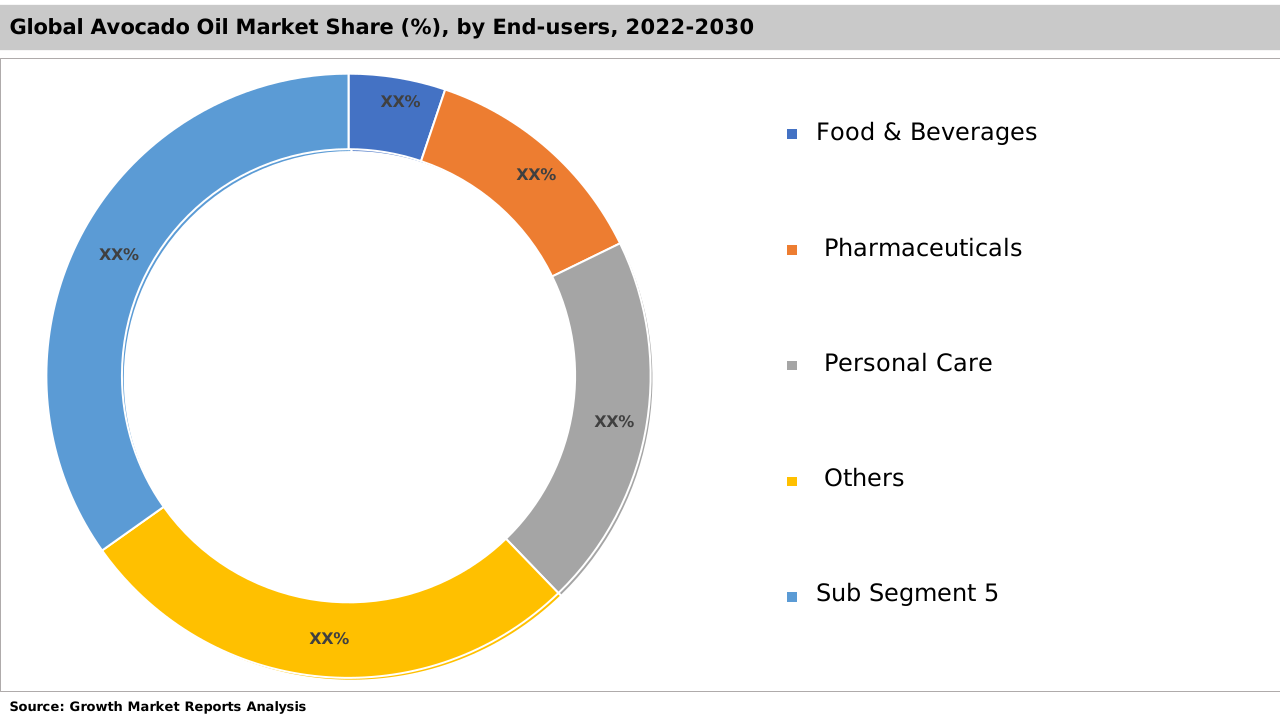
The avocado oil market is segmented by application into food and beverages, cosmetics and personal care, pharmaceuticals, and others. The food and beverages segment dominates the market, accounting for the largest share due to the widespread use of avocado oil as a cooking medium, salad dressing, and ingredient in processed foods. The oilÂ’s mild flavor, high smoke point, and nutritional benefits make it an attractive choice for health-conscious consumers and culinary professionals alike. The growing popularity of Mediterranean and plant-based diets has further boosted the adoption of avocado oil in home cooking and foodservice establishments, driving steady demand across both developed and emerging markets.
The cosmetics and personal care segment represents a significant growth opportunity for the avocado oil market, driven by rising consumer demand for natural and organic ingredients in skincare and haircare products. Avocado oilÂ’s emollient, moisturizing, and regenerative properties make it a sought-after ingredient in lotions, creams, serums, shampoos, and conditioners. Leading cosmetic brands are increasingly incorporating avocado oil into their formulations, leveraging its reputation for promoting skin elasticity, reducing inflammation, and supporting overall skin health. The trend towards clean beauty and sustainable sourcing further amplifies the appeal of avocado oil in this segment, positioning it as a key ingredient in premium and eco-friendly personal care products.
In the pharmaceutical sector, avocado oil is gaining recognition for its therapeutic potential in topical and oral formulations. Its anti-inflammatory, antioxidant, and wound-healing properties are being explored in products aimed at treating skin conditions, joint pain, and cardiovascular health. Pharmaceutical companies are investing in research and development to unlock new applications for avocado oil, ranging from dietary supplements to medicinal creams and ointments. While this segment is currently smaller compared to food and cosmetics, it is expected to witness steady growth as clinical evidence supporting the health benefits of avocado oil continues to mount.
Other applications of avocado oil include its use in industrial and specialty products such as lubricants, bio-based plastics, and animal feed. These niche applications, though limited in scale, contribute to market diversification and provide additional revenue streams for producers. As sustainability and circular economy principles gain traction, the utilization of avocado oil in non-food applications is likely to increase, further enhancing the marketÂ’s resilience and long-term growth prospects.
The avocado oil market is segmented by distribution channel into supermarkets/hypermarkets, online stores, specialty stores, and others. Supermarkets and hypermarkets remain the leading distribution channels, offering consumers convenient access to a wide range of avocado oil products under one roof. These retail outlets leverage extensive supply chains, attractive product displays, and promotional campaigns to drive sales and enhance brand visibility. The increasing penetration of organized retail formats in emerging markets is further boosting the availability and accessibility of avocado oil, catering to a diverse and growing consumer base.
The online stores segment has witnessed exponential growth in recent years, fueled by the rise of e-commerce platforms and changing consumer shopping habits. Online channels offer unparalleled convenience, product variety, and competitive pricing, making them an attractive option for tech-savvy and time-constrained consumers. The COVID-19 pandemic accelerated the shift towards online grocery shopping, prompting brands to invest in robust digital marketing strategies and direct-to-consumer models. As consumers increasingly seek information, reviews, and personalized recommendations online, the digital channel is expected to play a pivotal role in shaping the future of avocado oil distribution.
< b>Specialty stores, including health food stores, organic markets, and gourmet retailers, cater to niche segments seeking premium, organic, and specialty avocado oil products. These outlets differentiate themselves through curated product assortments, knowledgeable staff, and a focus on quality and authenticity. Specialty stores are particularly popular among health-conscious and affluent consumers who prioritize product provenance, certifications, and unique flavor profiles. The growth of the specialty retail segment reflects broader trends towards premiumization and consumer willingness to pay a premium for high-quality, ethically sourced products.
Other distribution channels, such as direct sales, foodservice distributors, and wholesalers, play a supporting role in the avocado oil market. These channels facilitate bulk purchases, institutional sales, and business-to-business transactions, catering to commercial kitchens, restaurants, hotels, and manufacturing units. As the avocado oil market continues to evolve, a multi-channel distribution strategy will be essential for brands seeking to maximize reach, adapt to changing consumer preferences, and capture emerging growth opportunities across both traditional and digital platforms.
The avocado oil market is segmented by end-user into household, commercial, and industrial categories. Household consumers represent the largest end-user segment, driven by increasing awareness of the health benefits of avocado oil and its versatility in home cooking. The shift towards healthier eating habits, coupled with the growing popularity of plant-based and Mediterranean diets, has fueled demand for avocado oil as a staple in home kitchens. Retailers and brands are responding by offering a wide range of product formats, packaging sizes, and value-added features to cater to diverse household needs and preferences.
The commercial end-user segment encompasses foodservice operators, restaurants, hotels, and catering services that utilize avocado oil in meal preparation and menu offerings. The foodservice industryÂ’s emphasis on quality, flavor, and health-conscious menus has driven the adoption of avocado oil as a preferred cooking medium, particularly in premium and health-oriented establishments. Commercial users benefit from bulk purchasing options, consistent supply, and tailored product specifications that meet the unique requirements of professional kitchens. As the hospitality and foodservice sectors recover from pandemic-related disruptions, demand from commercial end-users is expected to rebound and contribute to overall market growth.
The industrial end-user segment includes manufacturers of processed foods, cosmetics, pharmaceuticals, and specialty products that incorporate avocado oil as an ingredient or raw material. Industrial users prioritize product consistency, quality assurance, and supply chain reliability, often entering into long-term contracts with suppliers to secure a steady source of high-quality avocado oil. The expansion of downstream industries, particularly in cosmetics and pharmaceuticals, is driving incremental demand from industrial end-users, supporting market diversification and value addition across the supply chain.
Each end-user segment presents unique challenges and opportunities for market participants. Household consumers value convenience, affordability, and product transparency, while commercial and industrial users prioritize quality, scalability, and supply chain efficiency. Understanding the distinct needs of each segment and tailoring product offerings, marketing strategies, and distribution models accordingly will be critical for companies seeking to capture market share and sustain long-term growth in the competitive avocado oil market.
The avocado oil market is brimming with opportunities for growth and innovation, particularly as consumers become more health-conscious and seek alternatives to traditional cooking oils. One of the most promising opportunities lies in product innovation and diversification, with companies exploring new formulations, flavors, and packaging formats to cater to evolving consumer preferences. The rise of clean-label, organic, and non-GMO trends has created a fertile ground for premium and specialty avocado oil products, enabling brands to command higher price points and differentiate themselves in a crowded marketplace. Additionally, expanding applications in cosmetics, personal care, and pharmaceuticals present lucrative avenues for growth, as industries increasingly recognize the functional and therapeutic benefits of avocado oil.
Another significant opportunity stems from the untapped potential in emerging markets, particularly in Asia Pacific, Latin America, and the Middle East & Africa. Rising disposable incomes, urbanization, and shifting dietary patterns are driving demand for healthy and natural food products, including avocado oil. Strategic investments in distribution infrastructure, local partnerships, and consumer education initiatives can help companies penetrate these high-growth regions and capture market share. Furthermore, advancements in sustainable sourcing, traceability, and certification programs offer opportunities to strengthen brand reputation, build consumer trust, and appeal to environmentally conscious consumers. As the global avocado oil market continues to evolve, companies that embrace innovation, sustainability, and market expansion will be well-positioned to capitalize on emerging trends and drive long-term growth.
Despite the numerous opportunities, the avocado oil market faces several restraining factors that could impede its growth trajectory. One of the primary challenges is the volatility of raw material supply and pricing, largely influenced by climatic conditions, pests, and diseases affecting avocado crops. Fluctuations in avocado prices can impact production costs, profit margins, and ultimately, consumer affordability. Additionally, concerns related to deforestation, water usage, and environmental sustainability in avocado cultivation have attracted scrutiny from regulators, NGOs, and consumers alike. Addressing these challenges will require concerted efforts from industry stakeholders to promote sustainable farming practices, invest in supply chain resilience, and foster transparent communication with consumers regarding sourcing and production methods.
North America remains the largest regional market for avocado oil, accounting for approximately 38% of the global market value in 2024, or around USD 250 million. The regionÂ’s dominance is underpinned by high consumer awareness of health and wellness, a strong presence of leading brands, and well-established retail and distribution networks. The United States, in particular, is a major consumer and importer of avocado oil, with demand driven by both the food and beverage sector and the rapidly growing cosmetics industry. The region is expected to maintain steady growth over the forecast period, supported by ongoing product innovation, expanding applications, and rising adoption of plant-based diets.
Latin America, led by Mexico, is both a key production hub and an emerging consumer market for avocado oil, representing around 27% of the global market, or approximately USD 177 million in 2024. The region benefits from favorable agro-climatic conditions, abundant avocado cultivation, and proximity to major export markets such as the United States and Europe. Latin American producers are increasingly focusing on value addition, quality certifications, and sustainable sourcing to enhance their competitive positioning in the global market. As health awareness rises and disposable incomes increase, local consumption of avocado oil is also on the rise, further supporting regional market growth.
The Asia Pacific region is emerging as a high-potential market for avocado oil, with a projected CAGR of 8.2% from 2025 to 2033. The region currently accounts for about 18% of the global market, or roughly USD 118 million in 2024, with demand driven by changing dietary habits, increasing health consciousness, and growing interest in premium and natural food products. Countries such as China, Japan, South Korea, and Australia are witnessing rapid growth in avocado oil consumption, supported by expanding retail infrastructure and rising popularity of Western cuisines. As consumer preferences continue to evolve and awareness of avocado oilÂ’s health benefits spreads, the Asia Pacific region is expected to be a key driver of future market expansion.
The global avocado oil market is characterized by a dynamic and competitive landscape, with a mix of multinational corporations, regional players, and niche producers vying for market share. The market is moderately consolidated, with a few leading companies accounting for a significant portion of global sales, particularly in the extra virgin and premium segments. These companies leverage their extensive distribution networks, strong brand equity, and investment in research and development to maintain a competitive edge. However, the market also features a vibrant ecosystem of small and medium-sized enterprises (SMEs) and artisanal producers, particularly in Latin America, who cater to local and regional demand with unique product offerings and sustainable sourcing practices.
Innovation and product differentiation are key strategies employed by leading market players to capture consumer attention and drive brand loyalty. Companies are investing in advanced extraction technologies, new product development, and value-added features such as organic certification, cold-pressed processing, and eco-friendly packaging. Strategic partnerships, mergers and acquisitions, and expansion into emerging markets are also common tactics aimed at strengthening market presence and diversifying revenue streams. The rise of e-commerce and direct-to-consumer sales channels has further intensified competition, enabling new entrants and niche brands to reach a global audience with minimal barriers to entry.
Sustainability and ethical sourcing have emerged as critical differentiators in the avocado oil market, with consumers increasingly scrutinizing the environmental and social impact of their purchasing decisions. Leading companies are responding by implementing transparent supply chains, supporting smallholder farmers, and obtaining third-party certifications such as Fair Trade, Rainforest Alliance, and USDA Organic. These initiatives not only enhance brand reputation but also mitigate risks associated with supply chain disruptions, regulatory compliance, and reputational damage. As sustainability becomes a mainstream concern, companies that prioritize ethical practices and stakeholder engagement are likely to gain a competitive advantage in the market.
Major companies operating in the avocado oil market include Olivado Ltd., Grupo Industrial Batellero S.A. de C.V., La Tourangelle, Inc., Spectrum Organics Products, LLC, and Bella Vado, Inc. Olivado Ltd. is renowned for its premium cold-pressed extra virgin avocado oils, with a strong presence in both retail and foodservice channels across North America, Europe, and Australasia. Grupo Industrial Batellero S.A. de C.V., based in Mexico, is a leading producer and exporter of refined and extra virgin avocado oils, leveraging its integrated supply chain and proximity to raw material sources. La Tourangelle, Inc. specializes in artisanal and specialty oils, including flavored and blended avocado oils, targeting gourmet and health-conscious consumers. Spectrum Organics Products, LLC, a subsidiary of Hain Celestial Group, offers a wide range of organic and non-GMO avocado oils, focusing on the natural and health food segments. Bella Vado, Inc. is distinguished by its commitment to sustainable farming, small-batch production, and direct-to-consumer sales, catering to niche markets and environmentally conscious consumers.
These companies, along with a host of regional and emerging players, are continuously innovating to capture new market opportunities, enhance product quality, and respond to shifting consumer preferences. The competitive landscape is expected to remain dynamic and evolving, with ongoing consolidation, technological advancements, and a growing emphasis on sustainability shaping the future trajectory of the global avocado oil market.
The Avocado Oil market has been segmented on the basis of
Key players in the global avocado oil market are Spectrum Organics Products, La Tourangelle Inc., Olivado USA, and Grove Avocado Oil. These players offer a variety of products with avocado oil as a key ingredient to consumers. The players are engaged in market research, continuous improvement in quality of the product, and attractive packaging. These players always go for strategic partnerships with certain stakeholders to improve their market position and sustain their geographical presence.
Product innovation includes the development of new formulations, flavors, organic and non-GMO certifications, eco-friendly packaging, and specialty oils, helping brands differentiate and cater to evolving consumer preferences.
Major companies include Olivado Ltd., Grupo Industrial Batellero S.A. de C.V., La Tourangelle, Inc., Spectrum Organics Products, LLC, Bella Vado, Inc., Chosen Foods LLC, and several others with regional and global presence.
Challenges include raw material price volatility due to climatic factors, environmental concerns like deforestation and water usage, and the need for sustainable sourcing and transparent supply chains.
In cosmetics, avocado oil is used in lotions, creams, shampoos, and conditioners for its emollient and skin health benefits. In pharmaceuticals, it is explored for topical and oral formulations targeting skin conditions, joint pain, and cardiovascular health.
North America is the largest market, followed by Latin America (especially Mexico), Europe, Asia Pacific, and the Middle East & Africa. Latin America is a key producer, while Asia Pacific is emerging as a high-growth consumer market.
Avocado oil is distributed through supermarkets/hypermarkets, online stores, specialty stores (such as health food and organic markets), and other channels like direct sales and foodservice distributors.
Apart from food and beverages, avocado oil is widely used in cosmetics and personal care products for its moisturizing and regenerative properties, and in pharmaceuticals for its anti-inflammatory and antioxidant benefits.
The market is segmented into extra virgin avocado oil, refined avocado oil, blended avocado oil, and specialty/flavored oils. Extra virgin avocado oil is the premium segment, while refined and blended oils cater to broader and price-sensitive audiences.
Key growth drivers include increasing consumer awareness of health and wellness, rising demand for healthy edible oils, expanding applications in cosmetics and pharmaceuticals, and a shift toward natural and organic products.
The global avocado oil market reached USD 657 million in 2024 and is expected to grow at a CAGR of 6.8% from 2025 to 2033, reaching approximately USD 1,253 million by 2033.