Segments - by Seat Type (Bucket Seats, Bench Seats, Split Seats, Folding Seats, Others), by Material (Fabric, Genuine Leather, Synthetic Leather, Others), by Technology (Standard Seats, Powered Seats, Heated/Ventilated Seats, Massage Seats, Others), by Vehicle Type (Passenger Cars, Light Commercial Vehicles, Heavy Commercial Vehicles, Electric Vehicles), by Sales Channel (OEM, Aftermarket)
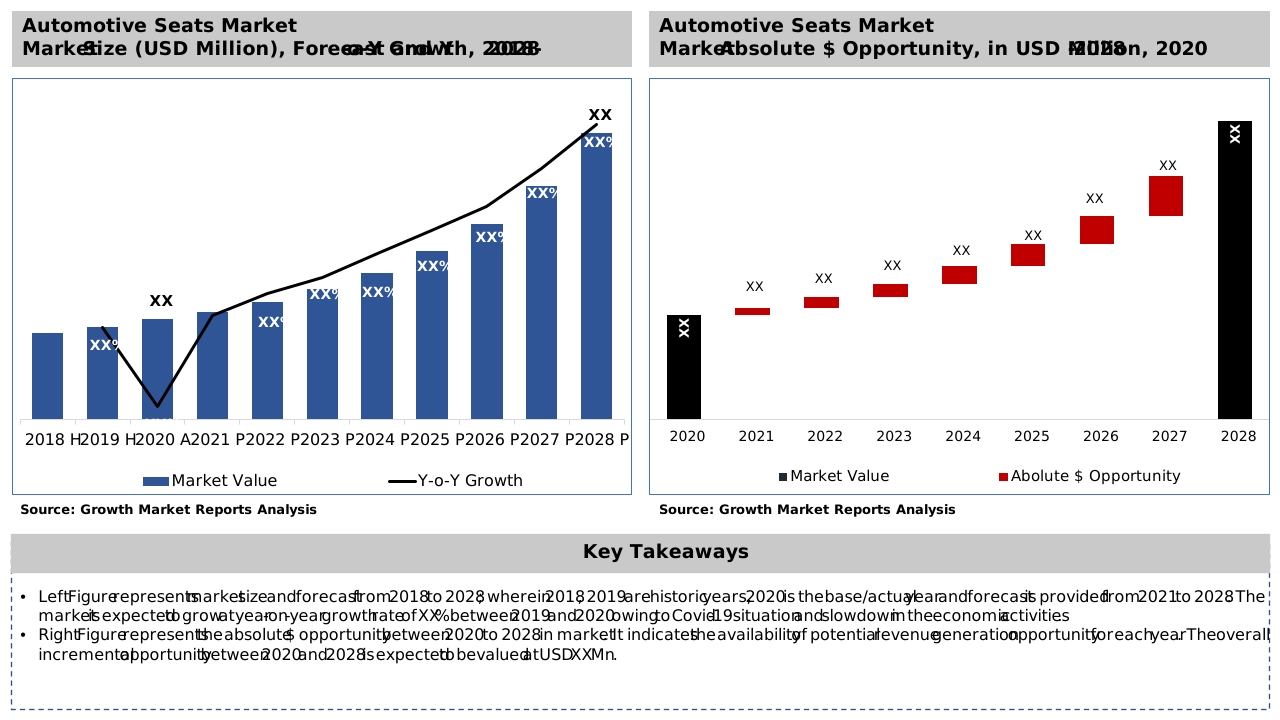
According to our latest research, the global automotive seats market size reached USD 72.5 billion in 2024, driven by evolving customer preferences and technological advancements in the automotive sector. The market is projected to grow at a robust CAGR of 5.3% from 2025 to 2033, reaching an estimated USD 115.1 billion by 2033. This steady growth is underpinned by the increasing demand for comfort, safety, and customization in vehicles, as well as the rapid adoption of electric vehicles and advanced seating technologies.
One of the primary growth factors for the automotive seats market is the intensifying focus on passenger comfort and ergonomic design. Automakers are increasingly prioritizing the integration of advanced seating features such as lumbar support, massage functions, and climate control, catering to consumer demands for luxurious and comfortable driving experiences. The surge in long-distance commuting and ride-sharing services has further accentuated the need for enhanced comfort, prompting manufacturers to innovate and differentiate their seat offerings. Furthermore, the rising awareness regarding musculoskeletal health has led to greater adoption of seats with improved support and adjustability, which is positively influencing market growth.
Another significant driver is the rapid technological transformation taking place within the automotive industry. The proliferation of electric vehicles (EVs) and autonomous vehicles has created new opportunities for seat manufacturers to develop lightweight, modular, and smart seating solutions. The integration of smart sensors, memory foam, and connectivity features not only enhances user experience but also aligns with the broader trend of vehicle electrification and digitalization. Additionally, the shift towards sustainable and eco-friendly materials, such as recycled fabrics and vegan leather, is gaining traction, as automakers and consumers alike seek to reduce their environmental footprint. These innovations are expected to further accelerate the adoption of advanced automotive seats in the coming years.
The automotive seats market is also benefiting from expanding vehicle production and sales across emerging economies. Rapid urbanization, rising disposable incomes, and supportive government policies are fueling vehicle demand, particularly in Asia Pacific and Latin America. As consumers in these regions increasingly opt for vehicles equipped with premium features, the demand for high-quality, technologically advanced automotive seats is expected to surge. Moreover, the growing popularity of SUVs, crossovers, and luxury vehicles globally is contributing to the market’s upward trajectory, as these vehicle segments typically require sophisticated seating solutions with enhanced comfort and safety features.
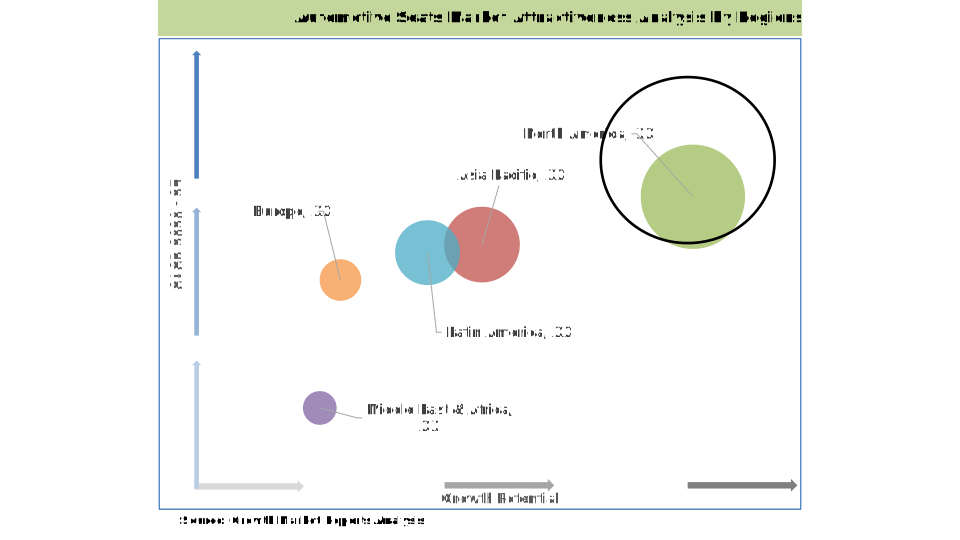
Regionally, Asia Pacific dominates the automotive seats market, accounting for the largest share in 2024, followed by Europe and North America. The region’s dominance is attributed to the presence of major automotive manufacturing hubs, robust supply chains, and a rapidly expanding middle class. Europe is witnessing strong growth due to stringent safety regulations and the rising adoption of electric vehicles, while North America benefits from a high demand for luxury vehicles and innovative seating technologies. Latin America and the Middle East & Africa, though smaller in market size, are expected to witness steady growth driven by increasing vehicle ownership and infrastructure development.
The seat type segment of the automotive seats market encompasses a diverse range of products, including bucket seats, bench seats, split seats, folding seats, and others. Bucket seats, known for their sporty design and superior support, have gained significant traction, particularly in passenger cars and sports vehicles. These seats offer individual adjustment and enhanced comfort, making them highly desirable among consumers seeking a premium driving experience. Bench seats, though traditionally popular in older vehicle models and commercial vehicles, are witnessing a gradual decline in demand due to shifting preferences towards individual seating and improved safety features. However, they remain relevant in certain markets and vehicle categories, especially in light commercial vehicles and pickup trucks.
Split seats and folding seats are increasingly being adopted in SUVs, minivans, and crossovers, where flexibility and versatility are key selling points. These seat types allow for easy reconfiguration of the vehicle’s interior, enabling users to maximize cargo space or accommodate varying passenger needs. As urban lifestyles evolve and consumers demand more adaptable vehicles, manufacturers are investing in innovative seat designs that offer both comfort and functionality. The integration of folding mechanisms and split configurations is becoming a standard feature in many new vehicle models, further driving growth in this segment.
The “others” category in the seat type segment includes specialized seats such as jump seats, captain seats, and luxury lounge seats, which are typically found in high-end vehicles, commercial vans, or luxury buses. These seats cater to niche markets but are gaining attention due to the rising demand for luxury and customization in the automotive sector. OEMs and aftermarket players are increasingly offering bespoke seating solutions, allowing consumers to tailor their vehicles to their specific needs and preferences. This trend is particularly pronounced in the luxury vehicle segment, where differentiation and exclusivity are key value propositions.
Overall, the seat type segment is witnessing continuous innovation, driven by changing consumer preferences, advancements in materials and technology, and the growing emphasis on safety and comfort. Manufacturers are focusing on developing seats that not only enhance the aesthetic appeal of vehicles but also contribute to overall occupant well-being and satisfaction. As the automotive industry continues to evolve, the demand for diverse and advanced seat types is expected to remain robust, supporting the long-term growth of the automotive seats market.
| Attributes | Details |
| Report Title | Automotive Seats Market Research Report 2033 |
| By Seat Type | Bucket Seats, Bench Seats, Split Seats, Folding Seats, Others |
| By Material | Fabric, Genuine Leather, Synthetic Leather, Others |
| By Technology | Standard Seats, Powered Seats, Heated/Ventilated Seats, Massage Seats, Others |
| By Vehicle Type | Passenger Cars, Light Commercial Vehicles, Heavy Commercial Vehicles, Electric Vehicles |
| By Sales Channel | OEM, Aftermarket |
| Regions Covered | North America, Europe, APAC, Latin America, MEA |
| Base Year | 2024 |
| Historic Data | 2018-2023 |
| Forecast Period | 2025-2033 |
| Number of Pages | 284 |
| Number of Tables & Figures | 330 |
| Customization Available | Yes, the report can be customized as per your need. |
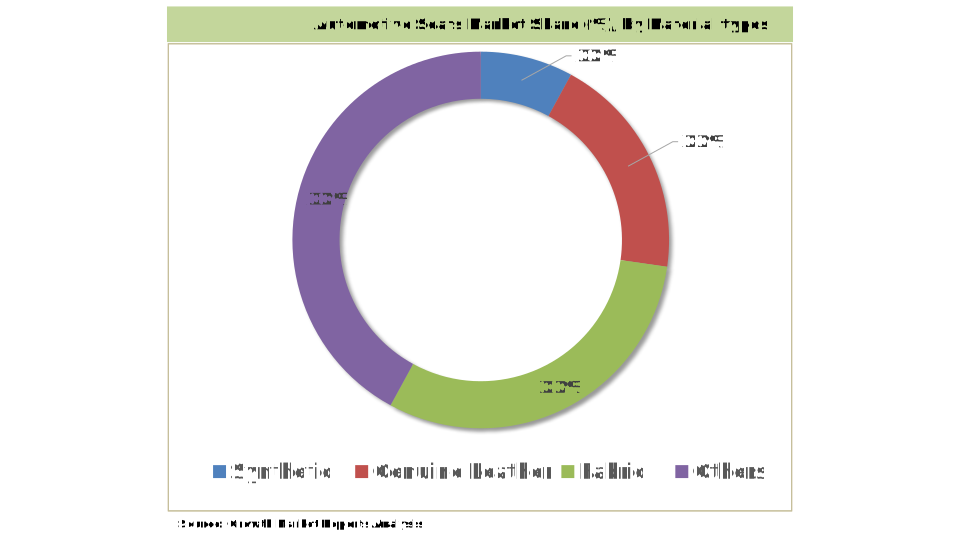
The material segment of the automotive seats market is a critical determinant of seat quality, comfort, durability, and cost. Fabric seats, traditionally the most common material, continue to hold a significant share due to their affordability, breathability, and wide availability. However, the market is witnessing a notable shift towards premium materials such as genuine leather and synthetic leather, driven by rising consumer expectations for luxury and aesthetics. Genuine leather seats are highly sought after in luxury and high-end vehicles, offering unmatched comfort, elegance, and durability. These seats also enhance the perceived value of vehicles, making them a popular choice among discerning buyers.
Synthetic leather, also known as faux leather or leatherette, has emerged as a compelling alternative to genuine leather, offering similar visual appeal and comfort at a lower cost. This material is particularly popular among mid-range vehicles, as it provides a balance between luxury and affordability. Furthermore, synthetic leather is easier to clean and maintain, making it an attractive option for families and commercial vehicle operators. The growing awareness of animal welfare and environmental sustainability is also driving the adoption of synthetic and vegan leather options, as automakers respond to changing consumer values and regulatory pressures.
In addition to fabric and leather, the “others” category in the material segment includes advanced textiles, eco-friendly materials, and innovative composites. Automakers are increasingly experimenting with recycled fibers, plant-based materials, and smart textiles that offer enhanced comfort, temperature regulation, and durability. These innovations are aligned with the broader industry trend towards sustainability and circular economy principles, as manufacturers seek to minimize their environmental impact and meet evolving regulatory requirements. The integration of antimicrobial coatings and moisture-wicking technologies is also gaining traction, particularly in the wake of heightened health and hygiene awareness post-pandemic.
The material segment is highly dynamic, with ongoing research and development aimed at improving comfort, safety, and sustainability. OEMs and suppliers are collaborating to develop materials that not only meet performance and aesthetic standards but also contribute to overall vehicle efficiency through weight reduction and recyclability. As consumer preferences continue to evolve and regulatory standards become more stringent, the demand for innovative and sustainable seating materials is expected to drive significant growth in the automotive seats market over the forecast period.
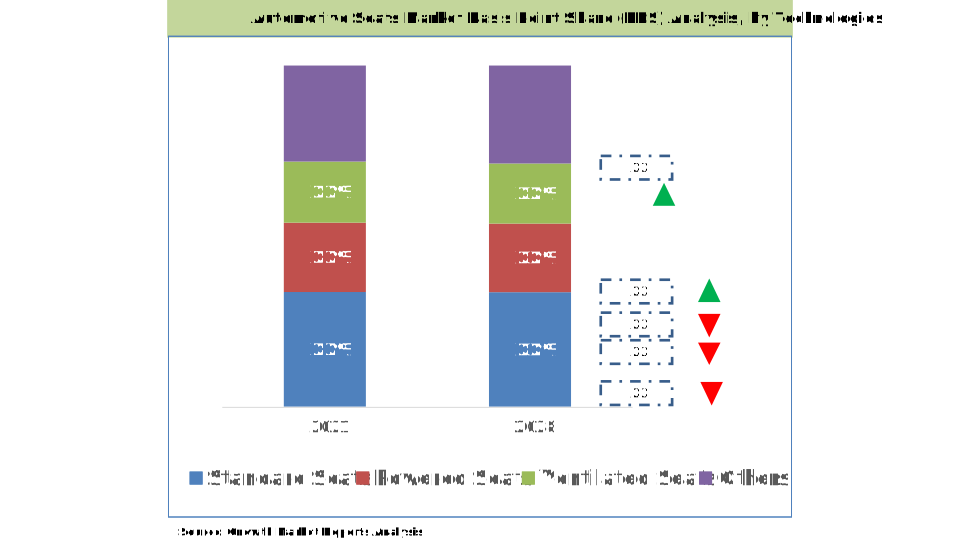
The technology segment of the automotive seats market is experiencing rapid evolution, with a growing emphasis on integrating advanced features that enhance comfort, safety, and convenience. Standard seats, which offer basic functionality and manual adjustment, continue to account for a substantial share, particularly in entry-level and budget vehicles. However, there is a clear trend towards powered seats, which allow for electronic adjustment of seat position, lumbar support, and other parameters. Powered seats are increasingly being adopted in mid-range and premium vehicles, as consumers seek greater customization and ease of use.
Heated and ventilated seats have gained considerable popularity, especially in regions with extreme weather conditions. These seats offer climate control features that enhance passenger comfort by providing warmth in cold climates and ventilation during hot weather. The integration of seat heating and cooling systems is becoming a standard feature in many new vehicle models, particularly in the luxury and SUV segments. Furthermore, the growing focus on occupant well-being has led to the development of massage seats, which use advanced mechanisms to relieve fatigue and improve circulation during long journeys. Massage seats, once limited to high-end vehicles, are gradually making their way into mainstream models as technology becomes more affordable.
The “others” category in the technology segment includes innovative features such as memory seats, smart sensors, and connectivity-enabled seats. Memory seats allow users to save and recall preferred seating positions, while smart sensors can monitor occupant posture, detect drowsiness, and trigger safety mechanisms in case of emergencies. Connectivity-enabled seats are equipped with interfaces that allow integration with vehicle infotainment systems, mobile devices, and smart home networks, enhancing the overall user experience. The rise of autonomous and electric vehicles is expected to further accelerate the adoption of smart seating technologies, as manufacturers explore new ways to differentiate their offerings and provide added value to customers.
Overall, the technology segment is characterized by continuous innovation and increasing consumer expectations for comfort, convenience, and safety. OEMs and suppliers are investing heavily in research and development to bring cutting-edge features to market, while also addressing challenges related to cost, reliability, and integration. As the automotive industry transitions towards electrification and autonomy, the demand for advanced seating technologies is expected to remain a key driver of growth in the automotive seats market.
The vehicle type segment of the automotive seats market is broadly categorized into passenger cars, light commercial vehicles (LCVs), heavy commercial vehicles (HCVs), and electric vehicles (EVs). Passenger cars represent the largest segment, accounting for a significant share of global seat demand due to high production volumes and consumer preference for comfort and customization. The increasing adoption of SUVs, crossovers, and premium sedans has further boosted demand for advanced seating solutions, as these vehicles often feature sophisticated seat designs and technology integrations.
Light commercial vehicles, including vans, pickup trucks, and small buses, constitute another important segment, driven by the growth of e-commerce, logistics, and urban transportation services. LCVs require robust and durable seating solutions that can withstand frequent use and varying load conditions. Manufacturers are focusing on developing seats that offer a balance between comfort, durability, and cost-effectiveness, catering to the unique needs of commercial fleet operators and service providers. The trend towards urbanization and last-mile delivery is expected to sustain demand for LCV seats in the coming years.
Heavy commercial vehicles, such as trucks and large buses, have distinct requirements in terms of seat design, safety, and ergonomics. Drivers of HCVs often spend extended periods on the road, necessitating seats with superior support, adjustability, and fatigue-reducing features. The integration of air suspension systems, lumbar support, and advanced cushioning materials is becoming increasingly common in this segment. Additionally, regulatory mandates regarding driver safety and comfort are prompting manufacturers to invest in innovative seating solutions for HCVs, further driving market growth.
Electric vehicles represent a rapidly growing segment within the automotive seats market, fueled by the global shift towards cleaner and more sustainable mobility solutions. EVs often feature unique interior layouts and design philosophies, providing opportunities for seat manufacturers to develop lightweight, modular, and technologically advanced seating systems. The emphasis on maximizing battery range and optimizing interior space has led to the adoption of slim-profile seats, multi-functional configurations, and smart materials. As EV adoption accelerates worldwide, the demand for innovative and sustainable seating solutions is expected to become a major growth driver for the automotive seats market.
The sales channel segment of the automotive seats market is divided into OEM (original equipment manufacturer) and aftermarket channels. OEMs represent the dominant sales channel, accounting for the majority of seat installations in new vehicles. Automakers collaborate closely with seat manufacturers to design and integrate seats that meet specific vehicle requirements, regulatory standards, and consumer expectations. The OEM channel is characterized by long-term partnerships, stringent quality control, and a focus on innovation, as manufacturers strive to differentiate their vehicles through advanced seating features and materials.
The aftermarket segment, though smaller in comparison, plays a crucial role in the automotive seats market by catering to vehicle owners seeking to upgrade, replace, or customize their seats post-purchase. Aftermarket seats are available in a wide range of designs, materials, and technologies, allowing consumers to personalize their vehicles according to their preferences and needs. The growth of the aftermarket segment is driven by factors such as increasing vehicle age, rising demand for customization, and the growing popularity of motorsports and off-road activities. Additionally, the proliferation of e-commerce platforms has made it easier for consumers to access a diverse array of aftermarket seat options, further fueling market growth.
OEMs are increasingly focusing on offering modular and upgradable seating solutions, blurring the lines between OEM and aftermarket channels. This trend is particularly evident in electric and autonomous vehicles, where interior customization and flexibility are key selling points. Seat manufacturers are responding by developing products that can be easily retrofitted, upgraded, or reconfigured, providing added value to both automakers and end-users. The growing emphasis on sustainability and circular economy principles is also influencing the aftermarket segment, with manufacturers offering refurbished, recycled, and eco-friendly seating options.
Overall, the sales channel segment is characterized by a dynamic interplay between OEM and aftermarket players, with both channels contributing to the growth and diversification of the automotive seats market. As consumer preferences continue to evolve and the automotive industry undergoes transformation, the demand for innovative, customizable, and sustainable seating solutions is expected to remain robust across both OEM and aftermarket channels.
The automotive seats market presents a multitude of opportunities for growth and innovation, particularly in the areas of technology integration, sustainability, and customization. The increasing adoption of electric and autonomous vehicles is creating new avenues for seat manufacturers to develop lightweight, modular, and smart seating solutions that enhance occupant comfort and safety. The integration of advanced features such as climate control, massage functions, and connectivity is not only improving the user experience but also providing automakers with new ways to differentiate their products in a competitive market. Furthermore, the shift towards sustainable materials and circular economy principles is opening up opportunities for manufacturers to develop eco-friendly seating solutions that align with evolving consumer values and regulatory requirements.
Another significant opportunity lies in the growing demand for vehicle customization and personalization. As consumers seek to express their individuality and tailor their vehicles to their specific needs, the demand for bespoke seating solutions is on the rise. This trend is particularly pronounced in the luxury and premium vehicle segments, where differentiation and exclusivity are key value propositions. Seat manufacturers that can offer a wide range of materials, designs, and features are well-positioned to capitalize on this trend and capture a larger share of the market. Additionally, the expansion of the aftermarket segment, driven by increasing vehicle age and the popularity of motorsports and off-road activities, presents further growth opportunities for seat manufacturers and suppliers.
Despite the numerous opportunities, the automotive seats market faces certain restraints and challenges that could impede growth. One of the primary challenges is the high cost associated with advanced seating technologies and premium materials, which can limit adoption, particularly in price-sensitive markets. The complexity of integrating new features while maintaining safety, reliability, and cost-effectiveness poses significant technical and operational challenges for manufacturers. Additionally, the ongoing volatility in raw material prices, supply chain disruptions, and stringent regulatory requirements related to safety and emissions can impact profitability and market growth. Seat manufacturers must navigate these challenges by investing in research and development, optimizing production processes, and building resilient supply chains to ensure long-term success.
The Asia Pacific region is the largest and fastest-growing market for automotive seats, accounting for approximately 38% of the global market value in 2024. The region’s dominance is driven by the presence of major automotive manufacturing hubs in China, Japan, South Korea, and India, as well as a rapidly expanding middle class and rising vehicle ownership rates. The demand for advanced seating solutions is being fueled by increasing consumer expectations for comfort, safety, and technology integration. The Asia Pacific market is projected to grow at a CAGR of 6.2% from 2025 to 2033, outpacing other regions due to robust vehicle production, supportive government policies, and ongoing investments in automotive innovation.
Europe is the second-largest market for automotive seats, with a market size of approximately USD 19.6 billion in 2024. The region is characterized by stringent safety regulations, high demand for luxury and premium vehicles, and a strong focus on sustainability and environmental performance. European automakers are at the forefront of integrating advanced seating technologies, such as climate control, massage functions, and smart sensors, to enhance occupant comfort and safety. The growing adoption of electric vehicles and the shift towards circular economy principles are further driving demand for innovative and sustainable seating solutions in the region. Europe is expected to maintain steady growth over the forecast period, supported by ongoing investments in research and development and a strong emphasis on quality and innovation.
North America represents a mature and technologically advanced market for automotive seats, with a market size of USD 16.8 billion in 2024. The region is characterized by high demand for SUVs, pickup trucks, and luxury vehicles, all of which require sophisticated seating solutions with enhanced comfort and safety features. North American consumers place a premium on customization, technology integration, and durability, driving manufacturers to develop a wide range of seat options to cater to diverse preferences. The aftermarket segment is particularly strong in North America, supported by a large vehicle parc and a culture of vehicle customization. While growth is expected to be moderate compared to Asia Pacific, the region will continue to be a key market for advanced and premium seating solutions.
The automotive seats market is highly competitive and characterized by the presence of several global and regional players vying for market share through innovation, quality, and strategic partnerships. Leading companies are investing heavily in research and development to introduce advanced seating technologies, such as power adjustment, climate control, massage functions, and smart sensors, to meet evolving consumer demands. The competitive landscape is further shaped by collaborations between automakers and seat manufacturers, aimed at developing bespoke solutions that enhance vehicle comfort, safety, and aesthetics. Mergers and acquisitions, joint ventures, and strategic alliances are common strategies employed by key players to expand their product portfolios, enter new markets, and strengthen their competitive positions.
Innovation and differentiation are at the core of competition in the automotive seats market. Companies are focusing on developing lightweight, modular, and sustainable seating solutions that align with the broader trends of vehicle electrification, autonomy, and environmental responsibility. The integration of eco-friendly materials, recycled fibers, and smart textiles is becoming increasingly important, as automakers and consumers alike seek to reduce their environmental footprint. Additionally, the growing demand for customization and personalization is prompting manufacturers to offer a wide range of options in terms of materials, colors, designs, and features, allowing consumers to tailor their vehicles to their specific preferences.
The market is also witnessing the entry of new players, particularly in the aftermarket segment, where barriers to entry are relatively lower. These companies are leveraging digital platforms and e-commerce channels to reach a broader customer base and offer innovative, customizable seating solutions. However, established players continue to dominate the market through their extensive distribution networks, strong relationships with OEMs, and proven track records of quality and reliability. The ability to adapt to changing market dynamics, invest in cutting-edge technologies, and deliver superior value to customers will be critical for success in this highly competitive landscape.
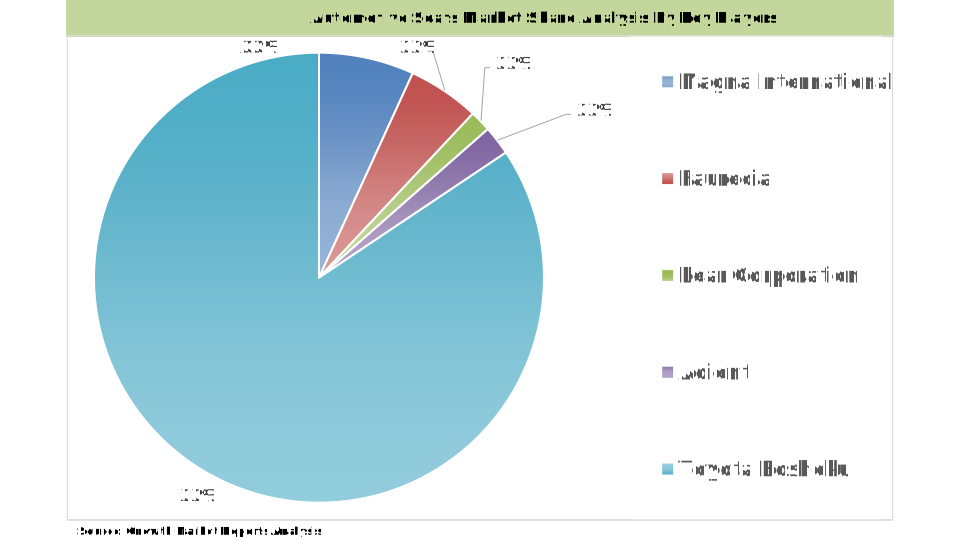
Some of the major companies operating in the global automotive seats market include Adient plc, Lear Corporation, Faurecia SE, Toyota Boshoku Corporation, Magna International Inc., TS TECH Co., Ltd., NHK Spring Co., Ltd., TACHI-S Co., Ltd., and Gentherm Incorporated. Adient plc is a global leader in automotive seating, known for its innovative designs, advanced manufacturing capabilities, and strong partnerships with leading automakers. Lear Corporation is renowned for its focus on technology integration, sustainability, and premium seating solutions, while Faurecia SE is a pioneer in smart and connected seating systems. Toyota Boshoku Corporation and Magna International Inc. are recognized for their extensive product portfolios and global reach, catering to a diverse range of vehicle segments and customer requirements.
TS TECH Co., Ltd. and NHK Spring Co., Ltd. are prominent players in the Asia Pacific region, offering high-quality seating solutions for passenger cars, commercial vehicles, and electric vehicles. TACHI-S Co., Ltd. is known for its expertise in ergonomic design and lightweight materials, while Gentherm Incorporated specializes in thermal management technologies for automotive seats. These companies are continuously investing in research and development, expanding their product offerings, and strengthening their global presence to stay ahead in the competitive automotive seats market. As the industry continues to evolve, collaboration, innovation, and customer-centricity will remain the key drivers of success for market participants.
The Automotive Seats market has been segmented on the basis of
Key players competing in the automotive seats market include Magna International, Faurecia, Lear Corporation, Adient, and Toyota Boshoku. Leading firms are joining together to study and create unique and original automobile seating solutions as the automotive seat industry becomes more focused on innovation. For instance.
Lear Corporation has established a research and development agreement with Gentherm Inc. for thermal seating solutions. For Lear's Intu seating systems, the businesses is estimated to work on building a modular and integrated heating and cooling system.
With an investment of over USD 14 million, Faurecia has announced the creation of a research and development center dedicated to automobile seats. The unit is anticipated to focus on the manufacturing of sophisticated electromechanical parts for seating systems such as backrest adjusters and electric backrests.
Key trends include the integration of advanced comfort and safety features, use of sustainable materials, rising demand for vehicle customization, and growth in the aftermarket segment. Opportunities exist in developing eco-friendly, smart, and modular seating solutions.
Major players include Adient plc, Lear Corporation, Faurecia SE, Toyota Boshoku Corporation, Magna International Inc., TS TECH Co., Ltd., NHK Spring Co., Ltd., TACHI-S Co., Ltd., and Gentherm Incorporated.
OEM (original equipment manufacturer) channels supply seats directly to automakers for new vehicles, focusing on integration and innovation. The aftermarket channel caters to vehicle owners seeking upgrades, replacements, or customization after purchase.
The growth of electric vehicles is driving demand for lightweight, modular, and technologically advanced seating systems, with a focus on maximizing interior space, comfort, and energy efficiency.
Modern automotive seats feature technologies such as powered adjustment, heated and ventilated seats, massage functions, memory settings, smart sensors, and connectivity with vehicle infotainment systems.
Automotive seats are commonly made from fabric, genuine leather, synthetic leather (leatherette), and advanced eco-friendly materials such as recycled fibers, plant-based textiles, and smart textiles.
The main seat types include bucket seats, bench seats, split seats, folding seats, and specialized seats such as jump seats, captain seats, and luxury lounge seats.
Asia Pacific dominates the automotive seats market, accounting for the largest share in 2024, followed by Europe and North America. Asia Pacific’s dominance is due to robust vehicle production, expanding middle class, and major automotive manufacturing hubs.
Key growth drivers include rising demand for comfort, safety, and customization in vehicles, technological advancements such as smart and modular seating, the rapid adoption of electric vehicles, and a shift towards sustainable and eco-friendly materials.
The global automotive seats market reached USD 72.5 billion in 2024 and is projected to grow at a CAGR of 5.3% from 2025 to 2033, reaching approximately USD 115.1 billion by 2033.