Segments - by Product Type (Single-Acting Actuators, Double-Acting Actuators, Rotary Actuators, Linear Actuators, Others), by Vehicle Type (Passenger Cars, Light Commercial Vehicles, Heavy Commercial Vehicles, Others), by Application (Engine Control, Brake Systems, HVAC Systems, Door and Trunk Operations, Others), by Sales Channel (OEM, Aftermarket)
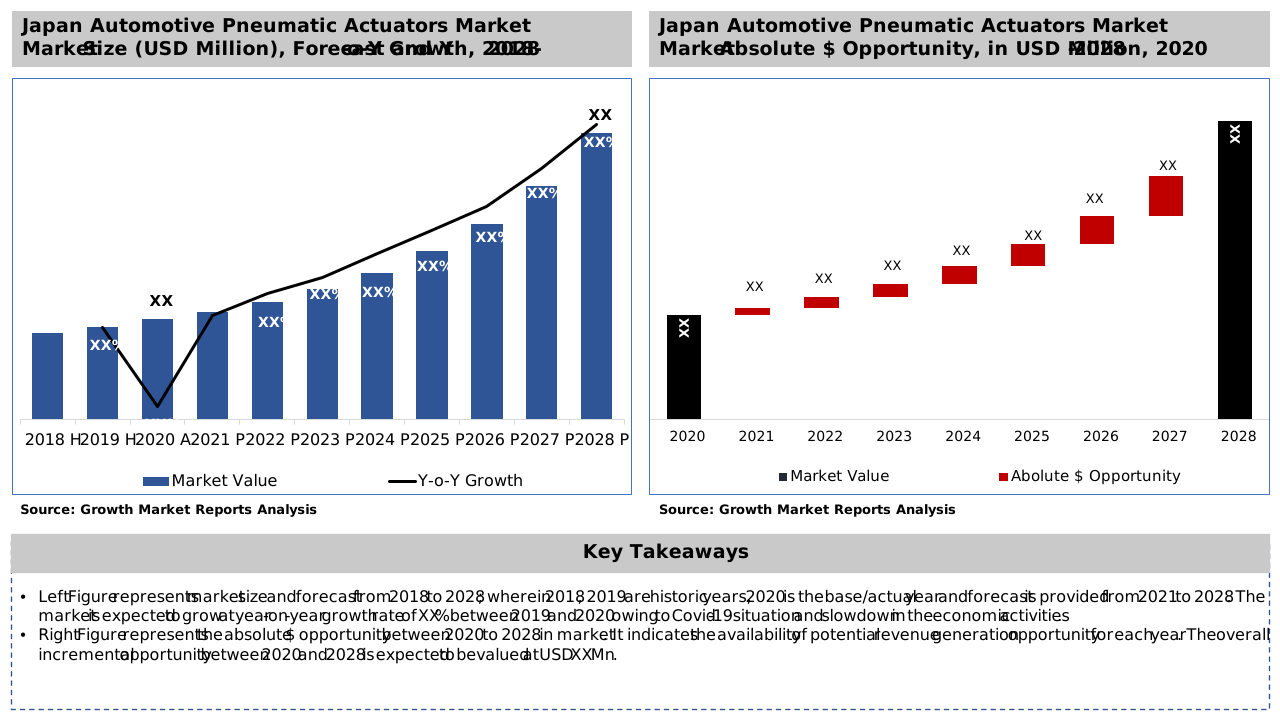
According to our latest research, the global automotive pneumatic actuators market size reached $6.2 billion in 2024, reflecting a robust ecosystem fueled by the rising demand for automation and efficiency in automotive systems. The market is expected to register a strong CAGR of 6.4% between 2025 and 2033, with projections indicating that the market size will reach approximately $10.8 billion by 2033. This growth trajectory is primarily driven by the increasing integration of advanced actuator technologies in modern vehicles, stringent emission regulations, and the ongoing shift towards electrification and smart vehicle architectures.
The growth of the automotive pneumatic actuators market is significantly influenced by the rapid evolution of automotive technologies and the increasing adoption of automation across vehicle subsystems. Pneumatic actuators are pivotal in enabling precise motion control, which is essential for various applications such as engine management, brake systems, and HVAC operations. The trend towards lightweight vehicles and fuel efficiency is also propelling the adoption of pneumatic actuators, as they offer a favorable balance between performance, reliability, and energy consumption. Furthermore, the proliferation of electric and hybrid vehicles is opening new avenues for actuator deployment, as these vehicles require sophisticated control systems for optimal operation.
Another key growth driver for the market is the rising focus on vehicle safety and comfort. With consumers demanding enhanced safety features and luxury experiences, automakers are increasingly incorporating advanced pneumatic actuators into systems like adaptive braking, automated door and trunk operations, and intelligent climate control. These actuators enable smooth and responsive operation, contributing to both the functional and aesthetic aspects of modern vehicles. Additionally, the aftermarket segment is witnessing substantial growth, as vehicle owners seek to upgrade or maintain their vehicles with high-performance actuator solutions, further bolstering the overall market expansion.
Technological advancements and regulatory mandates are also playing a crucial role in shaping the automotive pneumatic actuators market. Stringent emission standards in regions such as Europe and North America are compelling manufacturers to adopt actuators that enhance engine efficiency and reduce emissions. Innovations in material science and actuator design are leading to the development of compact, durable, and energy-efficient pneumatic actuators, which are increasingly being preferred over traditional mechanical or hydraulic counterparts. The integration of smart sensors and IoT connectivity is further enhancing the capabilities of pneumatic actuators, enabling predictive maintenance and real-time performance monitoring.
Regionally, Asia Pacific is emerging as the dominant market, driven by the presence of major automotive manufacturing hubs, rising vehicle production, and increasing investments in electric mobility. North America and Europe continue to be lucrative markets, supported by high consumer demand for advanced vehicle technologies and stringent regulatory frameworks. Meanwhile, Latin America and the Middle East & Africa are witnessing gradual growth, fueled by infrastructural development and the expansion of the automotive sector. Overall, the regional dynamics are expected to remain favorable, with Asia Pacific leading the charge in terms of both market size and growth rate.
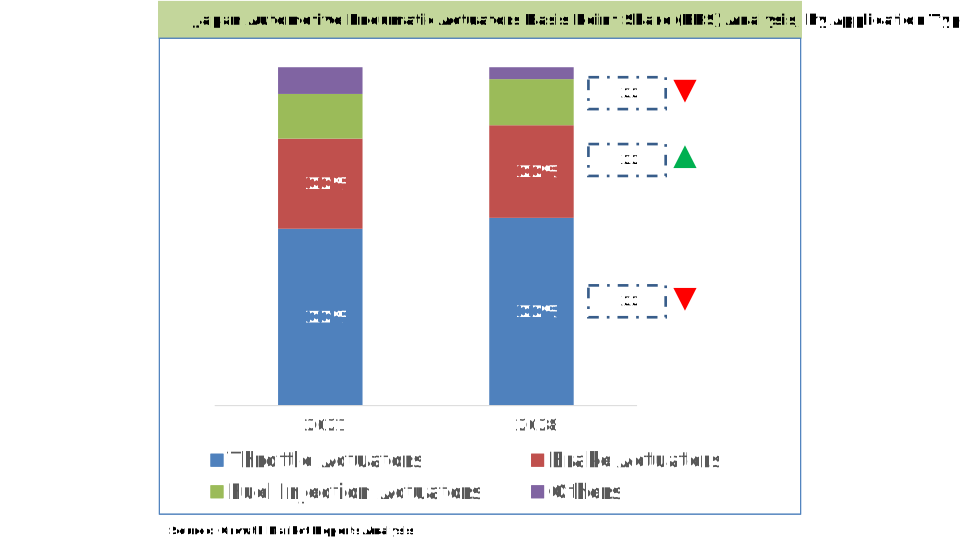
The product type segment of the automotive pneumatic actuators market is characterized by a diverse range of actuator designs, each catering to specific automotive applications. Single-acting actuators are widely used in scenarios where a simple, one-directional movement is required, such as in basic door and trunk operations. These actuators are favored for their simplicity, cost-effectiveness, and ease of maintenance, making them a popular choice among OEMs and aftermarket suppliers. However, their limited functionality compared to other actuator types restricts their application scope, particularly in advanced vehicle systems that demand greater precision and control.
Double-acting actuators offer enhanced versatility by enabling bidirectional movement, making them suitable for more complex automotive functions such as engine control and adaptive braking systems. The growing adoption of advanced safety and performance features in modern vehicles is driving the demand for double-acting actuators, as they provide superior control and responsiveness. These actuators are increasingly being integrated into both passenger cars and commercial vehicles, reflecting their critical role in supporting next-generation automotive technologies.
Rotary actuators and linear actuators represent two of the most technologically advanced product categories in the market. Rotary actuators are essential for applications requiring rotational motion, such as throttle control and HVAC systems. Their compact design and high torque output make them ideal for space-constrained automotive environments. On the other hand, linear actuators are widely used in applications that necessitate precise linear movement, including seat adjustment, window operation, and automated tailgates. The increasing demand for comfort and convenience features in vehicles is fueling the growth of both rotary and linear actuators, with manufacturers focusing on enhancing their efficiency, durability, and integration capabilities.
The "Others" category within the product type segment encompasses specialized actuators designed for niche applications or emerging automotive technologies. These may include custom actuators for electric vehicle platforms, autonomous driving systems, or specialized commercial vehicles. As the automotive industry continues to evolve, the demand for innovative and application-specific actuator solutions is expected to rise, driving further diversification within the product type segment. Overall, the product type landscape is poised for dynamic growth, underpinned by ongoing technological advancements and the expanding scope of automotive automation.
| Attributes | Details |
| Report Title | Automotive Pneumatic Actuators Market Research Report 2033 |
| By Product Type | Single-Acting Actuators, Double-Acting Actuators, Rotary Actuators, Linear Actuators, Others |
| By Vehicle Type | Passenger Cars, Light Commercial Vehicles, Heavy Commercial Vehicles, Others |
| By Application | Engine Control, Brake Systems, HVAC Systems, Door and Trunk Operations, Others |
| By Sales Channel | OEM, Aftermarket |
| Regions Covered | North America, Europe, APAC, Latin America, MEA |
| Base Year | 2024 |
| Historic Data | 2018-2023 |
| Forecast Period | 2025-2033 |
| Number of Pages | 295 |
| Number of Tables & Figures | 292 |
| Customization Available | Yes, the report can be customized as per your need. |
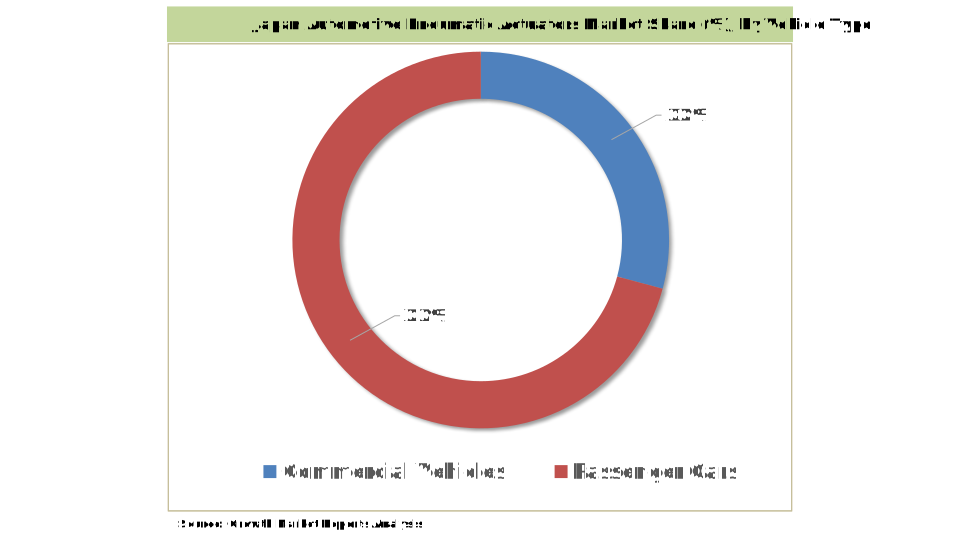
The vehicle type segment of the automotive pneumatic actuators market is broadly categorized into Passenger Cars, Light Commercial Vehicles (LCVs), Heavy Commercial Vehicles (HCVs), and Others. Passenger cars constitute the largest share of the market, driven by high production volumes, rising consumer demand for advanced comfort and safety features, and the increasing adoption of electric and hybrid vehicles. Pneumatic actuators are integral to various passenger car systems, including engine management, braking, HVAC, and automated door operations. The trend towards vehicle electrification and the integration of smart technologies are further accelerating the deployment of advanced actuators in this segment.
Light commercial vehicles represent a significant growth area within the market, owing to the expanding logistics and e-commerce sectors worldwide. LCVs require robust and reliable actuator solutions to ensure efficient operation of critical systems such as brakes, climate control, and cargo management. The increasing emphasis on vehicle efficiency, safety, and driver comfort in the commercial segment is driving OEMs to incorporate high-performance pneumatic actuators into their product offerings. Additionally, the aftermarket demand for actuator upgrades and replacements in LCVs is contributing to the overall market growth.
Heavy commercial vehicles, including trucks and buses, also account for a substantial share of the market, particularly in regions with large-scale industrial and infrastructural activities. Pneumatic actuators play a crucial role in the operation of heavy-duty braking systems, suspension controls, and engine management in HCVs. The need for reliable and durable actuator solutions in demanding operating environments is prompting manufacturers to invest in advanced materials and design innovations. As regulatory standards for emissions and safety become more stringent, the adoption of next-generation pneumatic actuators in the heavy commercial vehicle segment is expected to rise steadily.
The "Others" category within the vehicle type segment includes specialty vehicles such as agricultural machinery, construction equipment, and off-road vehicles. These vehicles often operate in harsh conditions and require customized actuator solutions for specific applications. The growing demand for automation and efficiency in specialty vehicles is creating new opportunities for pneumatic actuator manufacturers. As the automotive industry continues to diversify, the vehicle type segment is expected to witness sustained growth, driven by the increasing complexity and functionality of modern vehicles across all categories.
The application segment of the automotive pneumatic actuators market encompasses a wide range of vehicle systems and functions, each with distinct requirements and performance criteria. Engine control applications represent a major area of actuator deployment, as precise motion control is essential for optimizing engine performance, fuel efficiency, and emissions. Pneumatic actuators are commonly used in turbocharger control, variable valve timing, and exhaust gas recirculation systems. The push for cleaner and more efficient engines, coupled with stringent emission regulations, is driving the adoption of advanced actuators in engine management systems.
Brake systems constitute another critical application area, where pneumatic actuators are employed to ensure responsive and reliable braking performance. The increasing focus on vehicle safety and the proliferation of advanced braking technologies, such as anti-lock braking systems (ABS) and electronic stability control (ESC), are fueling the demand for high-performance actuators. Pneumatic actuators offer rapid response times and consistent force output, making them ideal for integration into modern brake systems across passenger cars and commercial vehicles.
In HVAC systems, pneumatic actuators are used to regulate airflow, temperature, and humidity within the vehicle cabin. The growing emphasis on passenger comfort and the integration of smart climate control technologies are driving the demand for efficient and reliable actuator solutions. Automakers are increasingly leveraging pneumatic actuators to enhance the responsiveness and energy efficiency of HVAC systems, contributing to a superior in-cabin experience for occupants.
Door and trunk operations represent a rapidly growing application segment, as consumers seek enhanced convenience and automation in vehicle access and cargo management. Pneumatic actuators enable smooth and automated opening and closing of doors, tailgates, and trunks, reducing manual effort and improving overall vehicle functionality. The trend towards hands-free and remote-controlled vehicle access is expected to further boost the adoption of pneumatic actuators in this application area.
The "Others" category within the application segment includes specialized uses such as seat adjustment, window operation, and sunroof control. As vehicles become increasingly equipped with advanced features and personalized options, the demand for versatile and high-performance actuator solutions is on the rise. The application landscape is expected to continue evolving, with new opportunities emerging in areas such as autonomous driving, electric mobility, and vehicle connectivity.
The sales channel segment of the automotive pneumatic actuators market is divided into OEM (Original Equipment Manufacturer) and Aftermarket. OEMs represent the largest share of the market, as most pneumatic actuators are integrated into vehicles during the manufacturing process. Automakers prioritize high-quality, reliable, and technologically advanced actuator solutions to ensure optimal vehicle performance and compliance with regulatory standards. The close collaboration between OEMs and actuator manufacturers is fostering innovation and driving the adoption of next-generation actuator technologies in new vehicle models.
The aftermarket segment is experiencing significant growth, driven by the increasing need for maintenance, repair, and replacement of actuators in existing vehicles. As vehicles age and undergo regular servicing, the demand for high-quality actuator replacements is rising. The growing popularity of vehicle customization and performance upgrades is also contributing to aftermarket sales, as consumers seek to enhance the functionality and comfort of their vehicles. Aftermarket suppliers are focusing on offering a wide range of actuator products to cater to diverse vehicle types, applications, and customer preferences.
The dynamics between OEM and aftermarket sales channels are influenced by factors such as vehicle lifecycle, technological advancements, and consumer preferences. OEMs typically have long-term partnerships with actuator manufacturers, ensuring a steady demand for high-volume, standardized products. In contrast, the aftermarket segment is characterized by a more fragmented landscape, with a multitude of suppliers catering to different vehicle models and customer needs. The increasing complexity of modern vehicles is driving demand for specialized actuator solutions in both OEM and aftermarket channels.
Digitalization and e-commerce are also reshaping the sales channel landscape, particularly in the aftermarket segment. Online platforms and digital marketplaces are making it easier for consumers and repair shops to access a wide range of actuator products, compare prices, and make informed purchasing decisions. This trend is expected to accelerate in the coming years, further boosting aftermarket sales and creating new growth opportunities for actuator manufacturers and distributors.
The automotive pneumatic actuators market is poised for substantial growth, driven by a multitude of opportunities arising from technological advancements, regulatory mandates, and evolving consumer preferences. One of the most significant opportunities lies in the increasing adoption of electric and hybrid vehicles, which require advanced actuator solutions for efficient powertrain management, regenerative braking, and automated vehicle functions. The integration of smart sensors and IoT connectivity into pneumatic actuators is enabling predictive maintenance, real-time performance monitoring, and enhanced system integration, opening new avenues for innovation and differentiation in the market.
Another major opportunity is the growing demand for autonomous and connected vehicles, which rely heavily on sophisticated actuator systems for motion control, safety, and comfort. As automakers invest in the development of self-driving technologies and smart vehicle platforms, the need for reliable, high-performance pneumatic actuators is expected to rise significantly. The expansion of the aftermarket segment, fueled by increasing vehicle parc and consumer interest in customization and upgrades, presents additional growth prospects for actuator manufacturers and suppliers. Furthermore, the ongoing shift towards lightweight and energy-efficient vehicle architectures is driving the adoption of compact and durable pneumatic actuators, creating new opportunities for market players to innovate and expand their product portfolios.
Despite the promising growth outlook, the market faces certain restraining factors that could impact its trajectory. One of the primary challenges is the increasing competition from alternative actuator technologies, such as electric and hydraulic actuators, which offer distinct advantages in specific applications. The higher initial cost and complexity of advanced pneumatic actuator systems may also pose a barrier to adoption, particularly in price-sensitive markets. Additionally, the market is subject to fluctuations in raw material prices and supply chain disruptions, which can affect production costs and profitability. Regulatory uncertainties and evolving emission standards may further complicate the operating environment for market players, necessitating continuous investment in research and development to stay ahead of compliance requirements and technological trends.
The regional analysis of the automotive pneumatic actuators market reveals a dynamic landscape shaped by varying levels of automotive production, technological adoption, and regulatory frameworks across different geographies. Asia Pacific stands out as the largest and fastest-growing market, accounting for approximately $2.7 billion of the global market size in 2024. The region’s dominance is attributed to its position as a major automotive manufacturing hub, with countries like China, Japan, South Korea, and India leading the charge in vehicle production and innovation. The rapid expansion of electric mobility, rising consumer demand for advanced vehicle features, and increasing investments in automotive R&D are driving the adoption of pneumatic actuators across the region. Asia Pacific is projected to maintain its leading position, with a CAGR of 7.1% through 2033.
North America and Europe are also significant contributors to the global automotive pneumatic actuators market, with market sizes of approximately $1.5 billion and $1.3 billion respectively in 2024. Both regions are characterized by high levels of automotive technology adoption, stringent emission and safety regulations, and strong consumer demand for advanced vehicle systems. In North America, the presence of major automakers, robust aftermarket demand, and ongoing investments in autonomous and electric vehicle technologies are fueling market growth. Europe, on the other hand, is benefiting from progressive regulatory frameworks, a strong focus on sustainability, and the proliferation of luxury and high-performance vehicles equipped with advanced actuator systems.
Latin America and the Middle East & Africa are experiencing gradual but steady growth, with market sizes of $0.4 billion and $0.3 billion respectively in 2024. The expansion of the automotive sector, infrastructural development, and rising consumer awareness of vehicle safety and comfort are driving the adoption of pneumatic actuators in these regions. While the market size remains relatively small compared to Asia Pacific, North America, and Europe, the long-term growth potential is significant, particularly as vehicle ownership rates and automotive manufacturing activities continue to rise. Overall, the regional outlook for the automotive pneumatic actuators market remains positive, with Asia Pacific expected to retain its leadership position and other regions contributing to a balanced and diversified global market landscape.
The competitive landscape of the automotive pneumatic actuators market is characterized by the presence of a mix of global industry leaders, regional players, and emerging innovators. The market is highly competitive, with companies vying for market share through product innovation, strategic partnerships, and expansion into new geographic markets. Leading players are investing heavily in research and development to enhance the performance, durability, and integration capabilities of their actuator solutions. The focus is on developing compact, lightweight, and energy-efficient actuators that can meet the evolving demands of modern vehicles, including electric and autonomous platforms.
Strategic collaborations and joint ventures between actuator manufacturers and automotive OEMs are becoming increasingly common, as companies seek to leverage each other’s expertise and resources to accelerate product development and market entry. Mergers and acquisitions are also shaping the competitive landscape, enabling companies to expand their product portfolios, strengthen their market positions, and access new customer segments. The rising demand for customized and application-specific actuator solutions is prompting manufacturers to adopt flexible manufacturing processes and invest in advanced production technologies.
Innovation remains a key differentiator in the market, with companies focusing on integrating smart sensors, IoT connectivity, and predictive maintenance capabilities into their actuator products. The ability to offer end-to-end solutions that address the specific needs of OEMs and aftermarket customers is becoming increasingly important. Companies are also emphasizing sustainability and environmental responsibility, developing actuators that contribute to vehicle efficiency, reduced emissions, and compliance with global regulatory standards.
Some of the major companies operating in the automotive pneumatic actuators market include Continental AG, Robert Bosch GmbH, Denso Corporation, Emerson Electric Co., SMC Corporation, Parker Hannifin Corporation, Rotork plc, and Festo AG & Co. KG. Continental AG and Bosch are renowned for their extensive product portfolios and strong relationships with global automakers, enabling them to maintain a leading position in the market. Denso Corporation is recognized for its focus on innovation and quality, particularly in the area of engine management and HVAC actuators. Emerson Electric and SMC Corporation are prominent players in the industrial and automotive actuator segments, known for their expertise in pneumatic technologies and system integration.
Parker Hannifin and Rotork are distinguished by their emphasis on advanced actuator design and customization, catering to both OEM and aftermarket customers across various vehicle types and applications. Festo AG & Co. KG is noted for its commitment to technological innovation and sustainability, offering a wide range of pneumatic actuator solutions for automotive and industrial applications. These companies, along with a host of regional and niche players, are driving the ongoing evolution of the automotive pneumatic actuators market through continuous investment in research, development, and customer-centric innovation.
The Automotive Pneumatic Actuators market has been segmented on the basis of
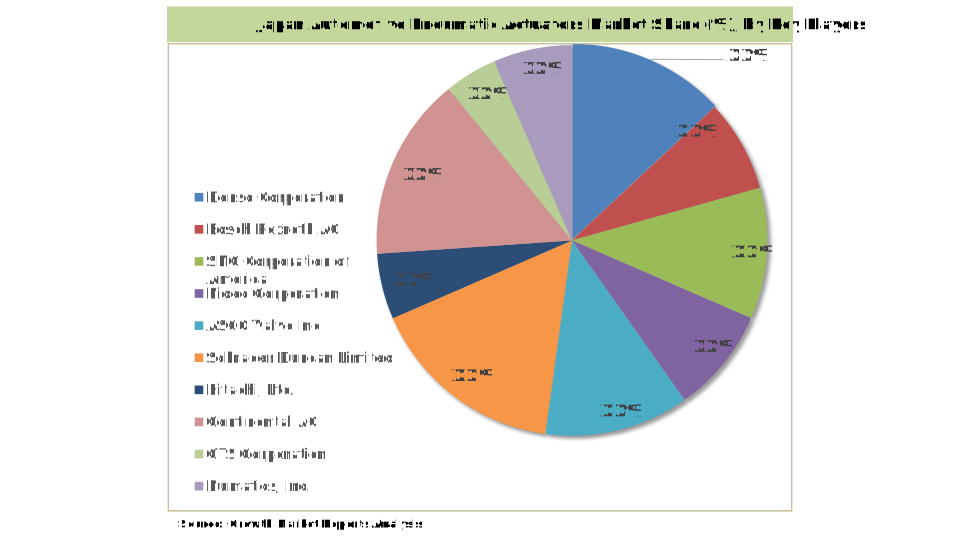
Key players competing in the Japan automotive pneumatic actuators market are Denso Corporation; Bosch Rexroth AG; SMC Corporation of America; Nidec Corporation; ASCO Valve Inc; Schrader Duncan Limited; Hitachi, Ltd.; Continental AG; CTS Corporation; and Numatics, Inc. Some of these players are adopting several market strategies including acquisitions, mergers, collaborations, partnerships, capacity expansion, and product launches to increase their market shares.
Challenges include competition from electric and hydraulic actuators, higher initial costs, raw material price fluctuations, supply chain disruptions, and evolving regulatory standards.
Trends include the adoption of smart sensors and IoT connectivity, increasing demand for electric and autonomous vehicles, and the shift towards lightweight, energy-efficient actuator designs. Opportunities exist in aftermarket growth, vehicle electrification, and autonomous driving technologies.
Major companies include Continental AG, Robert Bosch GmbH, Denso Corporation, Emerson Electric Co., SMC Corporation, Parker Hannifin Corporation, Rotork plc, and Festo AG & Co. KG.
Sales channels are divided into OEM (Original Equipment Manufacturer) and Aftermarket. OEMs dominate due to integration during vehicle manufacturing, while the aftermarket is growing due to maintenance and upgrades.
Pneumatic actuators are used in engine control, brake systems, HVAC systems, door and trunk operations, and other functions like seat adjustment and window operation.
Passenger cars account for the largest market share, followed by light commercial vehicles (LCVs), heavy commercial vehicles (HCVs), and specialty vehicles such as agricultural and construction equipment.
The main product types are single-acting actuators, double-acting actuators, rotary actuators, linear actuators, and specialized actuators for niche or emerging applications.
Asia Pacific is the largest and fastest-growing region, driven by major automotive manufacturing hubs and electric mobility investments. North America and Europe are also significant markets due to advanced vehicle technologies and strict regulations.
Key growth drivers include rising demand for automotive automation, stringent emission regulations, increased adoption of electric and hybrid vehicles, and the integration of advanced actuator technologies for safety and comfort.
The global automotive pneumatic actuators market reached $6.2 billion in 2024 and is projected to grow at a CAGR of 6.4% from 2025 to 2033, reaching approximately $10.8 billion by 2033.