Segments - by Product Type (Inline Fuel Pump, In-Tank Fuel Pump, Rotary Vane Pump, Gerotor Pump, Others), by Vehicle Type (Passenger Cars, Light Commercial Vehicles, Heavy Commercial Vehicles, Others), by Sales Channel (OEM, Aftermarket), by Application (Gasoline, Diesel, Electric, Others)
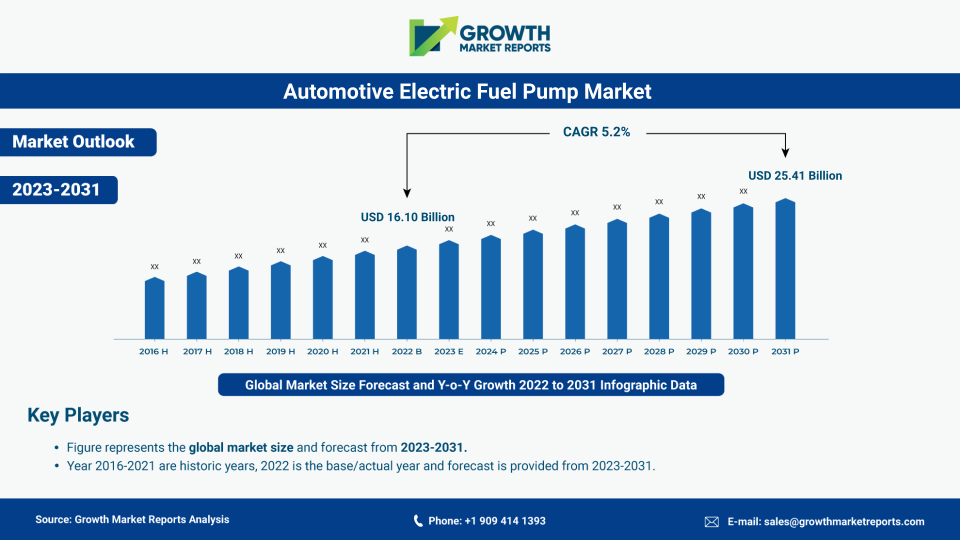
According to our latest research, the global automotive electric fuel pump market size in 2024 stands at USD 19.2 billion, reflecting strong growth driven by the increasing adoption of advanced fuel injection systems and stringent emission regulations worldwide. The market is projected to expand at a CAGR of 5.8% from 2025 to 2033, reaching an estimated value of USD 32.2 billion by the end of the forecast period. The primary growth factor fueling this expansion is the rising demand for fuel-efficient and low-emission vehicles, which necessitates the integration of high-performance electric fuel pumps across all vehicle categories.
A significant growth driver for the automotive electric fuel pump market is the global shift towards stricter emission norms and fuel economy standards, particularly in developed regions such as North America and Europe. Governments are implementing robust regulatory frameworks to curb vehicular emissions, compelling automakers to integrate advanced fuel delivery systems that enhance combustion efficiency and reduce carbon footprints. Electric fuel pumps, with their precision and reliability, are increasingly being adopted in both gasoline and diesel vehicles to meet these regulatory requirements. This trend is further amplified by the growing consumer awareness regarding environmental sustainability and the economic benefits of improved fuel efficiency, which together create a favorable environment for market expansion.
Another crucial factor propelling the market is the technological advancements in electric fuel pump design and manufacturing. Innovations such as brushless motor technology, integration with electronic control units (ECUs), and the development of lightweight, high-performance materials have significantly improved the efficiency, durability, and reliability of electric fuel pumps. These advancements not only enable automakers to meet evolving performance standards but also facilitate the adoption of electric fuel pumps in hybrid and electric vehicles. As automotive manufacturers increasingly prioritize modular and scalable solutions, the demand for next-generation electric fuel pumps is expected to witness steady growth throughout the forecast period.
The expansion of the global automotive industry, particularly in emerging economies across Asia Pacific and Latin America, is also contributing to the upward trajectory of the automotive electric fuel pump market. Rapid urbanization, rising disposable incomes, and increasing vehicle ownership rates are fostering robust demand for passenger cars and commercial vehicles in these regions. Additionally, the proliferation of aftermarket sales channels and the growing trend of vehicle customization are driving the replacement and upgrade of fuel pump systems, further bolstering market growth. The synergy between OEM and aftermarket sales channels is expected to play a pivotal role in shaping the competitive landscape and market structure over the coming years.
The Fuel Transfer Pump plays a crucial role in ensuring the seamless operation of automotive electric fuel pumps. These pumps are responsible for moving fuel from the storage tank to the engine, maintaining the necessary pressure and flow rate required for optimal combustion. As vehicles become more advanced, the demand for efficient fuel transfer systems has increased, driving innovations in pump technology. The integration of sophisticated electronic controls and sensors in fuel transfer pumps enhances their precision and reliability, making them indispensable components in modern fuel delivery systems. This evolution is particularly significant in the context of hybrid and electric vehicles, where efficient fuel management is essential for maximizing performance and range.
From a regional perspective, Asia Pacific continues to dominate the automotive electric fuel pump market, accounting for the largest share in 2024 due to its massive automotive production base and ongoing investments in automotive R&D. Countries such as China, India, and Japan are at the forefront of this growth, supported by favorable government policies, expanding manufacturing capabilities, and a rapidly growing consumer base. North America and Europe also contribute significantly to market revenues, driven by high vehicle penetration rates and early adoption of advanced fuel pump technologies. Meanwhile, the Middle East & Africa and Latin America are emerging as promising markets, with rising demand for commercial vehicles and infrastructure development projects stimulating the need for efficient fuel delivery systems. The interplay of these regional dynamics is expected to shape the future trajectory of the global automotive electric fuel pump market.
The product type segment of the automotive electric fuel pump market encompasses several key categories, including inline fuel pumps, in-tank fuel pumps, rotary vane pumps, gerotor pumps, and others. Among these, in-tank fuel pumps hold the largest market share, attributed to their widespread adoption in modern vehicles for enhanced safety, efficiency, and noise reduction. In-tank pumps are favored by OEMs due to their ability to maintain consistent fuel pressure and minimize the risk of vapor lock, which is critical for optimal engine performance. The integration of advanced sensors and electronic controls in in-tank pumps has further elevated their market appeal, positioning them as the preferred choice for both gasoline and diesel applications.
Inline fuel pumps, while traditionally used in older vehicle models and certain high-performance applications, continue to maintain a steady presence in the market. Their external mounting configuration allows for easy maintenance and replacement, making them popular in the aftermarket segment. However, the shift towards more compact and integrated fuel delivery systems is gradually limiting their adoption in new vehicle models. Despite this, inline fuel pumps remain crucial in specific commercial and industrial vehicle applications where accessibility and serviceability are paramount.
Rotary vane pumps and gerotor pumps represent technologically advanced solutions that cater to specialized automotive requirements. These pumps are known for their high efficiency, durability, and ability to handle varying fuel viscosities, making them suitable for a wide range of vehicle types, including heavy-duty trucks and performance vehicles. The adoption of rotary vane and gerotor pumps is expected to grow steadily, particularly in regions with a strong presence of commercial vehicle manufacturing and stringent performance standards.
Other product types, such as diaphragm pumps and dual-stage pumps, serve niche applications within the automotive electric fuel pump market. These pumps are often employed in hybrid and electric vehicles, as well as in vehicles requiring specialized fuel delivery solutions. As the automotive industry continues to diversify its product offerings and embrace new propulsion technologies, the demand for innovative and customized fuel pump solutions is anticipated to rise, further enriching the product landscape of the market.
| Attributes | Details |
| Report Title | Automotive Electric Fuel Pump Market Research Report 2033 |
| By Product Type | Inline Fuel Pump, In-Tank Fuel Pump, Rotary Vane Pump, Gerotor Pump, Others |
| By Vehicle Type | Passenger Cars, Light Commercial Vehicles, Heavy Commercial Vehicles, Others |
| By Sales Channel | OEM, Aftermarket |
| By Application | Gasoline, Diesel, Electric, Others |
| Regions Covered | North America, Europe, APAC, Latin America, MEA |
| Base Year | 2024 |
| Historic Data | 2018-2023 |
| Forecast Period | 2025-2033 |
| Number of Pages | 299 |
| Number of Tables & Figures | 366 |
| Customization Available | Yes, the report can be customized as per your need. |
The vehicle type segment of the automotive electric fuel pump market is categorized into passenger cars, light commercial vehicles (LCVs), heavy commercial vehicles (HCVs), and others. Passenger cars constitute the largest share of the market, driven by the sheer volume of production and sales worldwide. The increasing preference for fuel-efficient, low-emission vehicles among consumers, coupled with the proliferation of advanced fuel injection systems, has accelerated the adoption of electric fuel pumps in this segment. Automakers are continuously innovating to enhance the performance, reliability, and safety of passenger vehicles, further boosting the demand for high-quality electric fuel pumps.
Light commercial vehicles represent a significant growth area within the market, particularly in regions with expanding logistics, e-commerce, and last-mile delivery networks. The need for reliable and efficient fuel delivery systems in LCVs is paramount, given their extensive use in urban and suburban environments. Electric fuel pumps play a critical role in ensuring consistent engine performance, reducing maintenance costs, and meeting regulatory requirements for emissions and fuel economy. As urbanization and digital commerce continue to reshape transportation dynamics, the LCV segment is expected to witness robust growth in electric fuel pump adoption.
Heavy commercial vehicles, including trucks and buses, are another vital segment contributing to the overall market expansion. The operational demands of HCVs, such as long-haul transportation and heavy payloads, necessitate the use of durable and high-capacity fuel pumps capable of delivering precise fuel flow under varying conditions. The increasing focus on reducing emissions from commercial fleets, coupled with the adoption of alternative fuel technologies, is driving the integration of advanced electric fuel pumps in this segment. Additionally, government incentives and regulatory mandates aimed at modernizing commercial vehicle fleets are expected to further stimulate market growth.
Other vehicle types, such as off-highway vehicles, agricultural machinery, and specialty vehicles, also contribute to the demand for automotive electric fuel pumps. These vehicles often operate in challenging environments and require robust fuel delivery solutions to ensure reliability and longevity. As the scope of automotive applications expands beyond traditional passenger and commercial vehicles, the market for electric fuel pumps is poised to diversify, offering new opportunities for manufacturers and suppliers to cater to a broader range of customer needs.
The sales channel segment of the automotive electric fuel pump market is broadly classified into OEM (Original Equipment Manufacturer) and aftermarket channels. The OEM segment dominates the market, accounting for the majority of sales in 2024, as automakers increasingly integrate electric fuel pumps during vehicle assembly to meet regulatory and performance standards. OEMs prioritize high-quality, reliable components to ensure the longevity and efficiency of their vehicles, driving demand for advanced fuel pump technologies. Long-term supply agreements and strategic partnerships between automakers and fuel pump manufacturers further solidify the OEM segmentÂ’s leading position in the market.
The aftermarket segment, while smaller in comparison to OEM sales, represents a dynamic and rapidly growing component of the market. The aging global vehicle fleet, coupled with the increasing trend of vehicle customization and performance upgrades, is fueling the demand for replacement and upgraded electric fuel pumps. Aftermarket players are capitalizing on this trend by offering a wide range of products tailored to different vehicle models, performance requirements, and price points. The proliferation of e-commerce platforms and online retail channels has further democratized access to aftermarket fuel pumps, enabling consumers to make informed purchasing decisions and facilitating market expansion.
A key differentiator between OEM and aftermarket sales channels lies in the level of product innovation and customization offered. While OEMs prioritize standardized, high-volume production to meet the needs of mass-market vehicles, aftermarket suppliers often focus on niche applications, performance enhancements, and specialty vehicles. This dual-channel approach allows the automotive electric fuel pump market to cater to a diverse customer base, ranging from everyday drivers to automotive enthusiasts and commercial fleet operators.
The interplay between OEM and aftermarket channels is expected to intensify over the forecast period, with both segments investing in research and development to introduce next-generation fuel pump solutions. Collaborative efforts between OEMs, aftermarket suppliers, and technology providers are likely to drive innovation, improve product quality, and enhance customer satisfaction, ultimately contributing to the long-term growth and sustainability of the market.
The application segment of the automotive electric fuel pump market is divided into gasoline, diesel, electric, and others. Gasoline vehicles represent the largest application segment, driven by their widespread prevalence in both developed and emerging markets. Electric fuel pumps are essential for delivering precise fuel flow and maintaining optimal combustion in gasoline engines, particularly as automakers strive to meet stringent emission and fuel efficiency standards. Technological advancements in gasoline fuel injection systems, such as direct injection and turbocharging, have further elevated the importance of high-performance electric fuel pumps in this segment.
Diesel vehicles also constitute a significant share of the market, particularly in regions with a strong presence of commercial vehicles and heavy-duty applications. Electric fuel pumps in diesel engines are designed to handle higher pressures and viscosities, ensuring reliable fuel delivery under demanding operating conditions. The adoption of advanced emission control technologies, such as selective catalytic reduction (SCR) and exhaust gas recirculation (EGR), has increased the complexity and performance requirements of diesel fuel pumps, driving ongoing innovation and market growth.
The electric vehicle (EV) segment, while currently smaller in terms of market share, is poised for rapid expansion as the global automotive industry transitions towards electrification. In electric and hybrid vehicles, electric fuel pumps are utilized for auxiliary functions such as thermal management, battery cooling, and range-extending applications. The growing adoption of plug-in hybrids and battery electric vehicles is expected to create new opportunities for fuel pump manufacturers, particularly as OEMs seek to optimize energy efficiency and vehicle performance.
Other applications, including alternative fuel vehicles (such as those powered by compressed natural gas or hydrogen), off-highway vehicles, and specialty vehicles, contribute to the diversity and resilience of the automotive electric fuel pump market. As the automotive landscape continues to evolve, the ability to develop versatile and adaptable fuel pump solutions will be critical for manufacturers seeking to capture emerging opportunities and address the unique requirements of different vehicle architectures and propulsion systems.
The automotive electric fuel pump market is brimming with opportunities, particularly as the global automotive industry embraces the twin imperatives of sustainability and innovation. The ongoing shift towards electric and hybrid vehicles presents a significant growth avenue for fuel pump manufacturers, as these vehicles require specialized pumps for battery cooling, thermal management, and auxiliary power units. Additionally, the increasing adoption of advanced driver assistance systems (ADAS) and connected vehicle technologies is driving demand for integrated fuel pump solutions that offer enhanced diagnostics, predictive maintenance, and real-time performance monitoring. The rise of shared mobility services, autonomous vehicles, and smart transportation networks is expected to further stimulate market demand, as fleet operators prioritize reliability, efficiency, and total cost of ownership.
Another key opportunity lies in the development and commercialization of next-generation fuel pump technologies, such as brushless DC motors, variable-speed pumps, and smart fuel delivery systems. These innovations promise to deliver superior performance, lower energy consumption, and reduced environmental impact, aligning with the evolving needs of automakers and consumers alike. Strategic collaborations between fuel pump manufacturers, automotive OEMs, and technology providers are expected to accelerate the pace of innovation, enabling the rapid deployment of cutting-edge solutions across global markets. Furthermore, the expansion of aftermarket sales channels, driven by digitalization and e-commerce, offers new pathways for market penetration and customer engagement, particularly in emerging economies with large and aging vehicle fleets.
Despite the promising outlook, the market faces several restraining factors that could impede growth. The increasing complexity and cost of advanced fuel pump systems, coupled with the ongoing transition towards fully electric vehicles, may limit the long-term demand for traditional fuel pumps. Additionally, supply chain disruptions, fluctuating raw material prices, and the need for continuous investment in research and development pose significant challenges for manufacturers. Regulatory uncertainties, particularly with regard to emission standards and vehicle electrification policies, could also impact market dynamics and investment decisions. To overcome these challenges, industry stakeholders must prioritize innovation, operational efficiency, and strategic partnerships to ensure long-term competitiveness and resilience.
Asia Pacific remains the dominant region in the automotive electric fuel pump market, accounting for approximately 43% of the global market share in 2024, with a market value of around USD 8.3 billion. The regionÂ’s leadership is underpinned by its vast automotive production base, rapid urbanization, and growing middle-class population, particularly in China, India, and Japan. Government initiatives aimed at promoting clean and fuel-efficient vehicles, coupled with significant investments in automotive R&D, are further accelerating market growth. The Asia Pacific market is projected to grow at a robust CAGR of 6.2% from 2025 to 2033, outpacing other regions and cementing its status as a global automotive powerhouse.
North America and Europe collectively account for a substantial share of the global automotive electric fuel pump market, with North America holding a market value of USD 4.7 billion and Europe at USD 4.2 billion in 2024. These regions are characterized by high vehicle penetration rates, early adoption of advanced fuel pump technologies, and stringent regulatory frameworks governing emissions and fuel efficiency. The presence of leading automotive OEMs and technology innovators, coupled with a strong focus on sustainability and innovation, is driving ongoing investment and product development in these markets. The North American market, in particular, is witnessing increased demand for electric and hybrid vehicles, creating new growth opportunities for fuel pump manufacturers.
Latin America and the Middle East & Africa, while currently representing smaller shares of the global market, are emerging as promising regions for future growth. The Latin American market, valued at USD 1.2 billion in 2024, is benefiting from rising vehicle ownership rates, infrastructure development, and the expansion of commercial vehicle fleets. Meanwhile, the Middle East & Africa market, with a value of USD 0.8 billion, is being driven by increasing investments in transportation and logistics, as well as government initiatives to modernize vehicle fleets and reduce emissions. As economic conditions improve and automotive markets mature, these regions are expected to play an increasingly important role in the global automotive electric fuel pump market landscape.
The competitive landscape of the automotive electric fuel pump market is characterized by intense rivalry among established players, ongoing technological innovation, and a growing focus on strategic partnerships and mergers. Major players are continuously investing in research and development to introduce advanced fuel pump solutions that cater to evolving customer needs and regulatory requirements. The market is moderately consolidated, with a handful of global players accounting for a significant share of total revenues, while numerous regional and niche players contribute to the diversity and dynamism of the industry. Key competitive factors include product quality, technological innovation, pricing strategies, and the ability to offer customized solutions for different vehicle types and applications.
Technological innovation is at the heart of competitive differentiation in the automotive electric fuel pump market. Leading companies are leveraging advancements in materials science, electronics, and manufacturing processes to develop fuel pumps that offer superior efficiency, durability, and reliability. The integration of smart technologies, such as sensors, electronic controls, and connectivity features, is enabling manufacturers to offer value-added solutions that enhance vehicle performance, reduce maintenance costs, and improve overall customer satisfaction. As the market continues to evolve, the ability to anticipate and respond to changing customer preferences and regulatory requirements will be critical for maintaining a competitive edge.
Strategic alliances, joint ventures, and mergers and acquisitions are becoming increasingly common as companies seek to expand their product portfolios, enter new markets, and leverage complementary capabilities. Collaborations between fuel pump manufacturers, automotive OEMs, and technology providers are facilitating the rapid development and commercialization of next-generation fuel pump solutions, particularly in the context of electric and hybrid vehicles. These partnerships are also enabling companies to share risks, reduce costs, and accelerate time-to-market for innovative products.
Some of the major companies operating in the automotive electric fuel pump market include Robert Bosch GmbH, Denso Corporation, Continental AG, Delphi Technologies (BorgWarner Inc.), Hitachi Automotive Systems, Valeo SA, TI Automotive, Carter Fuel Systems, Airtex Products, and Magna International Inc. These companies are recognized for their strong R&D capabilities, global manufacturing footprints, and extensive distribution networks. Bosch and Denso, for example, are renowned for their cutting-edge fuel pump technologies and strong relationships with leading automotive OEMs. Continental AG and Delphi Technologies have established themselves as key innovators in the integration of electronic controls and smart diagnostics in fuel pump systems. Meanwhile, companies like Valeo, TI Automotive, and Carter Fuel Systems are known for their focus on aftermarket solutions and performance upgrades, catering to a diverse customer base worldwide. As competition intensifies, these industry leaders are expected to continue driving innovation, setting new benchmarks for product quality and performance, and shaping the future trajectory of the global automotive electric fuel pump market.
The Automotive Electric Fuel Pump market has been segmented on the basis of
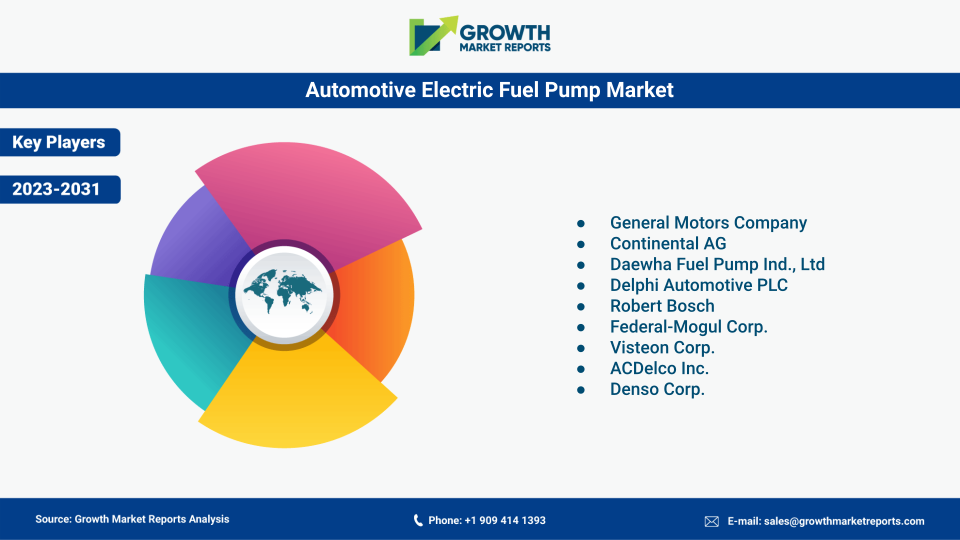
Key players competing in the global automotive electric fuel pump market are General Motors Company; Continental AG; Daewha Fuel Pump Ind., Ltd; Delphi Automotive PLC; Robert Bosch; Federal-Mogul Corp.; Visteon Corp.; ACDelco Inc.; and Denso Corp.
Some of these players are actively engaged in various market development strategies such as capacity expansion, new product launches, acquisition, partnership, collaboration, and mergers to increase their market share.
Challenges include increasing system complexity and cost, the shift towards fully electric vehicles, supply chain disruptions, fluctuating raw material prices, and regulatory uncertainties.
Major companies include Robert Bosch GmbH, Denso Corporation, Continental AG, Delphi Technologies (BorgWarner Inc.), Hitachi Automotive Systems, Valeo SA, TI Automotive, Carter Fuel Systems, Airtex Products, and Magna International Inc.
Innovations include brushless motor technology, integration with electronic control units (ECUs), lightweight materials, variable-speed pumps, and smart fuel delivery systems with enhanced diagnostics.
In electric and hybrid vehicles, electric fuel pumps are used for auxiliary functions such as thermal management, battery cooling, and range-extending applications.
OEM channels dominate due to integration during vehicle assembly, while the aftermarket segment is growing rapidly due to vehicle customization, aging fleets, and the rise of e-commerce platforms.
Passenger cars hold the largest market share, driven by high production volumes and the increasing demand for fuel-efficient, low-emission vehicles.
The main types include in-tank fuel pumps, inline fuel pumps, rotary vane pumps, gerotor pumps, and others such as diaphragm and dual-stage pumps.
Asia Pacific dominates the market with around 43% share in 2024, followed by North America and Europe. Latin America and the Middle East & Africa are emerging as promising growth regions.
Key growth drivers include the increasing adoption of advanced fuel injection systems, stringent emission regulations, rising demand for fuel-efficient vehicles, and ongoing technological advancements in fuel pump design.
As of 2024, the global automotive electric fuel pump market is valued at USD 19.2 billion, with projections to reach USD 32.2 billion by 2033.