Segments - by Material Type (Steel, Aluminum, Carbon Fiber, Composite), by Vehicle Type (Passenger Cars, Light Commercial Vehicles, Heavy Commercial Vehicles), by Sales Channel (OEM, Aftermarket), by Application (Conventional Vehicles, Electric Vehicles)
This report is updated with the latest market data and insights as of June 2026. Base year: 2025 | Forecast period: 2026-2034
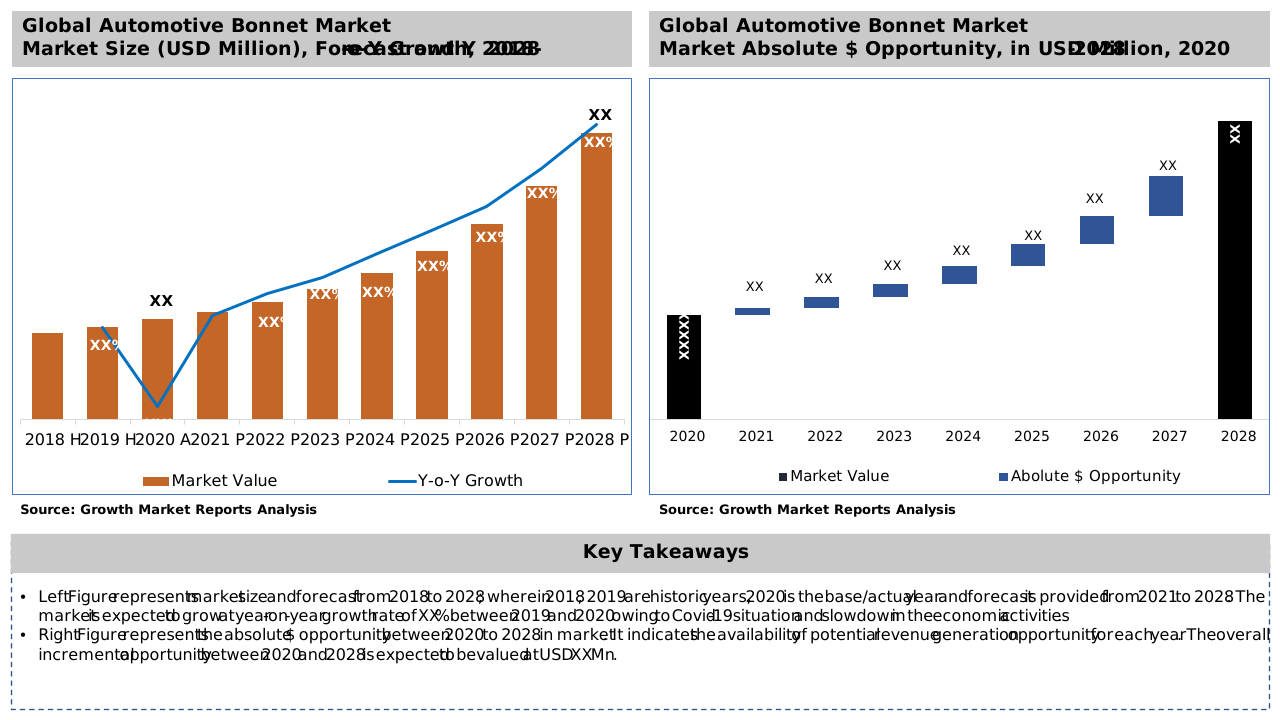
According to our latest research, the global automotive bonnet market size reached USD 6.7 billion in 2025, reflecting the steady expansion of the automotive sector and increasing demand for advanced vehicle components. The market is projected to grow at a CAGR of 4.8% during the forecast period from 2026 to 2034, reaching approximately USD 10.3 billion by 2034. This robust growth is primarily driven by the rising adoption of lightweight materials, stringent safety regulations, and the evolving landscape of electric and hybrid vehicles, which are influencing bonnet design and material selection across all major vehicle categories.
One of the most significant growth factors for the automotive bonnet market is the automotive industry's ongoing shift toward lightweight materials to improve fuel efficiency and reduce emissions. Manufacturers are increasingly focusing on the development of bonnets using aluminum, carbon fiber, and composite materials, which offer superior strength-to-weight ratios compared to traditional steel. This trend is further fueled by stringent regulatory standards on vehicle emissions, particularly in North America and Europe, compelling automakers to adopt innovative solutions that enhance vehicle performance while meeting environmental requirements. As part of this broader transformation, the market for automotive closure systems, which encompasses bonnets alongside doors and tailgates, is also expanding rapidly. Additionally, growing consumer preference for vehicles with improved aesthetics and safety features is driving the adoption of advanced bonnet technologies, including pedestrian protection systems and active bonnet mechanisms.
Another crucial driver is the rapid electrification of the automotive sector. As electric vehicles (EVs) and hybrid vehicles gain traction globally, the demand for specialized bonnets that accommodate unique powertrain configurations and aerodynamic requirements is rising sharply. EV manufacturers are prioritizing aerodynamic designs and lightweight materials to maximize battery efficiency and vehicle range. This shift is prompting both established OEMs and new entrants to invest in research and development for next-generation bonnet solutions. Furthermore, the aftermarket segment is witnessing increased demand for replacement bonnets due to the growing global vehicle parc and heightened consumer awareness regarding vehicle maintenance and customization options.
Technological advancements and the integration of smart features are also propelling the automotive bonnet market forward. Innovations such as active aerodynamics, pedestrian safety mechanisms, and the use of eco-friendly composites are transforming bonnet design and functionality. The integration of sensors and actuators for enhanced safety and performance is becoming increasingly common, especially in premium and electric vehicle segments. These advancements not only contribute to improved vehicle safety but also align with the broader trends of connected and autonomous vehicles, where every component, including the bonnet, plays a critical role in overall vehicle intelligence. The evolution of related components such as the hood latch mechanism is also being influenced by these smart integration trends.
From a regional perspective, Asia Pacific continues to dominate the global automotive bonnet market, accounting for the largest share in 2025. This dominance is attributed to the region's massive automotive production base, particularly in China, India, Japan, and South Korea, coupled with rising consumer demand for both passenger and commercial vehicles. North America and Europe also represent significant markets, driven by high adoption rates of advanced automotive technologies and stringent regulatory frameworks. Meanwhile, emerging markets in Latin America and the Middle East & Africa are experiencing gradual but consistent growth, supported by increasing vehicle ownership rates and expanding automotive manufacturing activities.
The material type segment in the automotive bonnet market is pivotal, as the choice of material directly impacts vehicle performance, cost, safety, and regulatory compliance. Steel remains the most widely used material for automotive bonnets, holding approximately 48.5% of market share in 2025, owing to its cost-effectiveness, durability, and ease of manufacturing. However, its relatively high weight poses challenges for automakers striving to meet stringent fuel efficiency and emission standards. Despite this, steel bonnets continue to dominate in price-sensitive markets and in commercial vehicle segments where cost is a primary consideration. The established supply chain and deep manufacturing expertise for steel also contribute to its sustained demand across entry-level and mid-range vehicle platforms.
Aluminum is gaining significant traction as an alternative to steel, capturing around 30.2% of market share in 2025, particularly in regions with strict emission norms and a strong emphasis on lightweighting. Aluminum bonnets offer a substantial reduction in weight, contributing to improved vehicle dynamics and fuel efficiency. The recyclability of aluminum further enhances its appeal, aligning with the automotive industry's sustainability goals. Premium vehicle manufacturers and electric vehicle makers are increasingly opting for aluminum bonnets to enhance performance and extend driving range. Key material suppliers such as Novelis Inc., Constellium SE, and Alcoa Corporation are investing in advanced aluminum alloy development to meet evolving OEM specifications. The broader conversation around vehicle weight reduction also extends to related assemblies, including components covered in the automotive dashboard market, where lightweight polymers are similarly gaining ground.
The adoption of carbon fiber and composite materials is on the rise, collectively accounting for approximately 21.3% of the market in 2025, particularly in high-performance and luxury vehicles. These materials offer unparalleled strength-to-weight ratios, enabling the creation of lightweight yet robust bonnets. Carbon fiber bonnets are highly sought after in sports cars and performance-oriented electric vehicles, where weight savings translate directly into efficiency and range gains. Composite materials, which may include blends of fiberglass, thermoplastics, and other reinforcements, provide design flexibility and can be engineered to meet specific performance and safety requirements. However, the high cost of raw materials and complex manufacturing processes currently restrict widespread adoption to niche and premium market segments.
The evolution of material technologies is also influenced by regulatory trends and consumer preferences. As governments worldwide implement stricter safety and environmental regulations, automakers are compelled to explore innovative materials that meet these requirements without compromising on performance or aesthetics. The push toward sustainable materials, such as bio-composites and high-recycled-content aluminum alloys, is gradually gaining momentum, with several OEMs investing in pilot programs to commercialize these options. Over the 2026-2034 forecast period, advancements in material science, additive manufacturing, and multi-material joining technologies are expected to further diversify the material mix in the automotive bonnet market.
In summary, the material type segment is characterized by a dynamic interplay between cost, performance, regulatory compliance, and sustainability. While steel continues to hold a dominant position, the growing emphasis on lightweighting and environmental responsibility is accelerating the adoption of aluminum, carbon fiber, and composites. This trend is likely to intensify as automakers seek to differentiate their offerings and align with evolving market and regulatory demands through the end of the forecast period.
| Attributes | Details |
| Report Title | Automotive Bonnet Market Research Report 2034 |
| By Material Type | Steel, Aluminum, Carbon Fiber, Composite |
| By Vehicle Type | Passenger Cars, Light Commercial Vehicles, Heavy Commercial Vehicles |
| By Sales Channel | OEM, Aftermarket |
| By Application | Conventional Vehicles, Electric Vehicles |
| Regions Covered | North America, Europe, APAC, Latin America, MEA |
| Base Year | 2025 |
| Historic Data | 2019-2024 |
| Forecast Period | 2026-2034 |
| Number of Pages | 275 |
| Number of Tables & Figures | 313 |
| Customization Available | Yes, the report can be customized as per your need. |
The vehicle type segment plays a critical role in shaping demand patterns within the automotive bonnet market. Passenger cars represent the largest share of the market, driven by the sheer volume of global production and the diversity of models ranging from compact city cars to luxury sedans and SUVs. The increasing demand for fuel-efficient and aesthetically appealing vehicles is prompting automakers to invest in advanced bonnet designs and materials. In this segment, consumer preferences for pedestrian safety, customization, and lightweighting are major factors influencing bonnet selection and innovation across both conventional and electric vehicle platforms.
Light commercial vehicles (LCVs), including vans and pickup trucks, form another significant segment of the market. The continued growth of e-commerce and last-mile logistics industries has led to sustained demand for LCVs, particularly in urban and suburban areas globally. Bonnet requirements in this segment are distinct, with greater emphasis on durability, ease of maintenance, and cost-effectiveness. While steel remains the material of choice for many LCVs due to its robustness, there is a gradual shift toward aluminum and composites, especially in markets where emission regulations are tightening. Fleet operators are increasingly considering total cost of ownership, which includes factors such as fuel efficiency and repair costs, driving interest in lightweight and modular bonnet solutions.
The heavy commercial vehicles (HCVs) segment, encompassing long-haul trucks and buses, has unique requirements for bonnets, primarily centered on durability, thermal management, and ease of access for maintenance. Given the demanding operating conditions and high utilization rates of HCVs, bonnet materials and designs must withstand significant wear and tear over extended service lives. Steel continues to dominate this segment due to its proven performance and cost advantages. However, as regulatory pressures mount and fleet operators seek to optimize payload capacity and fuel efficiency, there is growing interest in alternative materials and innovative designs that can deliver both structural integrity and meaningful weight savings.
The ongoing electrification of the vehicle fleet is also influencing bonnet design across all vehicle categories. Electric passenger cars, light commercial delivery vans, and even heavy-duty electric trucks are being introduced with unique powertrain layouts, necessitating customized bonnet solutions optimized for aerodynamics and storage functionality rather than engine access. This trend is expected to accelerate significantly as global EV adoption intensifies through the 2026-2034 forecast period, presenting new product development opportunities for bonnet manufacturers with advanced material and design capabilities.
In conclusion, the vehicle type segment of the automotive bonnet market is characterized by diverse requirements and evolving trends. While passenger cars continue to drive the majority of demand, the rising prominence of commercial vehicles and the shift toward electrification are reshaping bonnet design and material selection. Manufacturers that can offer tailored solutions for each vehicle type, balancing performance, cost, and regulatory compliance, are well-positioned to capture growth opportunities in this dynamic market.
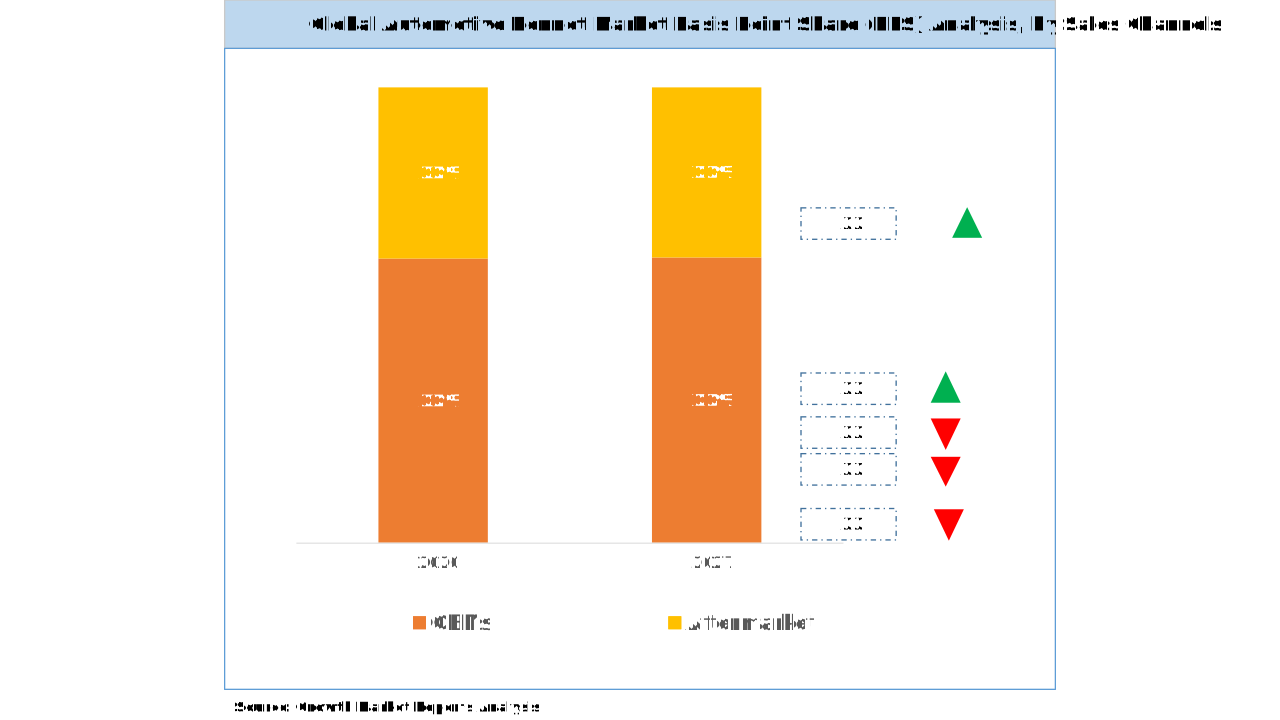
The sales channel landscape in the automotive bonnet market is bifurcated into OEM (Original Equipment Manufacturer) and aftermarket segments, each with distinct dynamics and growth drivers. The OEM segment holds the largest share of the market, as most bonnets are supplied directly to vehicle manufacturers for installation during the assembly process. OEMs prioritize quality, reliability, and compliance with stringent regulatory and safety standards, driving demand for advanced materials, precision manufacturing, and integrated safety features. Long-term supply agreements and close engineering collaboration with automakers are common in this segment, ensuring a steady and predictable revenue base for bonnet manufacturers.
The aftermarket segment, while smaller in comparison to OEM, is experiencing steady growth due to increasing vehicle parc, rising consumer awareness about vehicle maintenance, and the growing trend of vehicle personalization. Aftermarket bonnets cater to replacement needs arising from accidents, wear and tear, and aesthetic upgrades. This segment is characterized by a diverse product range, including both OEM-equivalent and aftermarket-specific designs, offering consumers a choice based on cost, quality, and customization requirements. The proliferation of e-commerce platforms and digital automotive marketplaces is further enhancing the accessibility and visibility of aftermarket bonnet products, driving incremental demand. The aftermarket for bonnet-related components is closely linked to trends in the automotive headlamp replacement market, as front-end collision repairs frequently require simultaneous replacement of both components.
Technological advancements and the increasing complexity of bonnet designs are influencing both OEM and aftermarket channels. OEMs are increasingly integrating advanced features such as pedestrian safety systems, active aerodynamics, and lightweight materials into bonnet designs, raising the bar for aftermarket suppliers. To remain competitive, aftermarket players are investing in quality assurance, product certification, and partnerships with insurance companies and collision repair networks. The emergence of electric vehicles and the growing adoption of advanced driver-assistance systems (ADAS) are also creating new product development requirements for both OEM and aftermarket bonnet suppliers.
Regulatory compliance and safety standards are critical considerations across both sales channels. OEMs are subject to rigorous testing and certification requirements, ensuring that bonnets meet crash safety, pedestrian protection, and environmental standards. Aftermarket suppliers must also adhere to these standards, particularly in regions with strict regulatory oversight such as Europe and North America. The ability to provide certified, high-quality products is becoming a key differentiator in both channels, influencing purchasing decisions and long-term brand reputation.
Overall, the sales channel segment of the automotive bonnet market is evolving in response to changing consumer preferences, technological advancements, and regulatory requirements. While OEMs continue to drive the majority of demand, the aftermarket segment presents significant growth opportunities for suppliers that can deliver quality, innovation, and value-added services. The interplay between these channels is expected to intensify as the market matures, competition increases, and the global vehicle parc continues to expand through 2034.
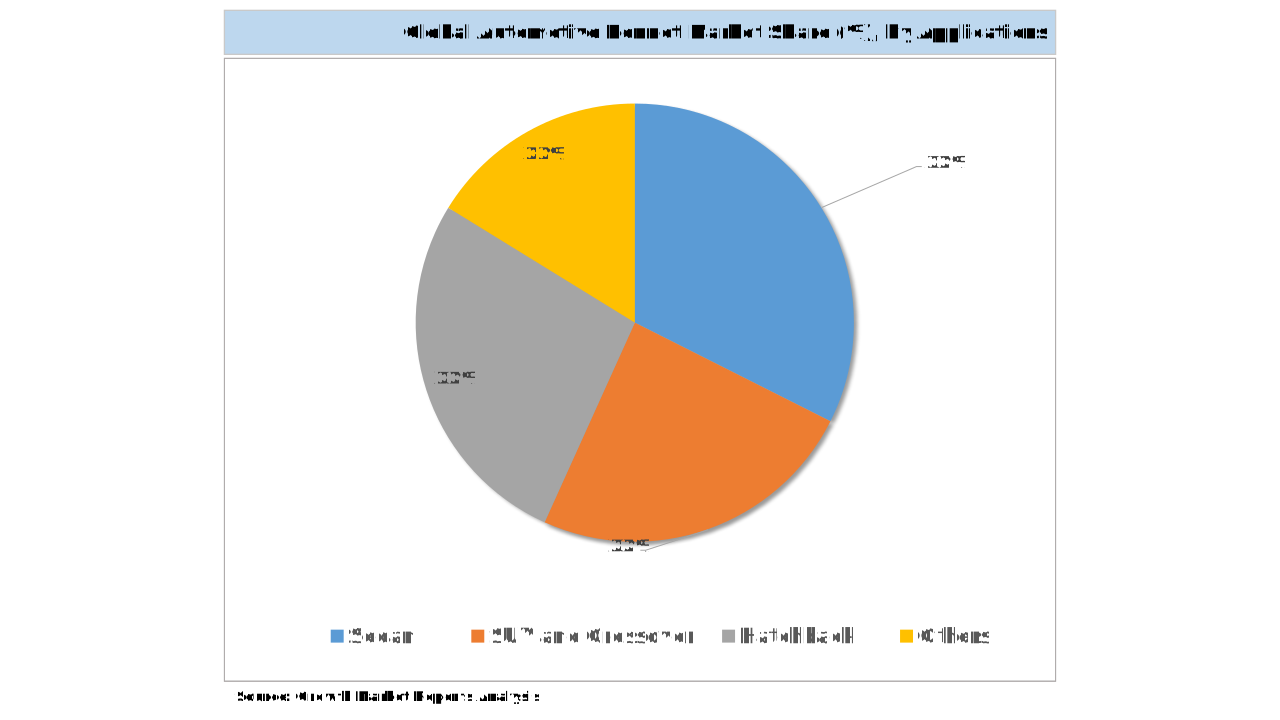
The application segment in the automotive bonnet market is primarily divided into conventional vehicles and electric vehicles, each with unique requirements and growth trajectories. Conventional vehicles, powered by internal combustion engines (ICE), continue to account for the majority of bonnet demand in 2025, given the vast existing vehicle parc and ongoing new ICE vehicle production in developing markets. The design and material selection for bonnets in conventional vehicles are influenced by factors such as engine cooling requirements, crash safety standards, and overall cost considerations. The ongoing tightening of emission standards and fuel efficiency targets is prompting automakers to explore lightweight materials and advanced manufacturing techniques even for conventional vehicle bonnets.
The rapid rise of electric vehicles (EVs) is reshaping the application landscape in the automotive bonnet market. EVs have distinct design requirements, including the need for enhanced aerodynamics, optimized front-end storage (frunk) integration, and seamless accommodation of sensors and electronics for ADAS functionality. The absence of a traditional engine allows for greater design flexibility, enabling manufacturers to experiment with new materials, shapes, and multifunctional features. Lightweight materials such as aluminum, carbon fiber, and composites are increasingly being adopted in EV bonnets to maximize range and performance. Additionally, the integration of active aerodynamics and pedestrian protection systems is becoming standard in premium EV applications, setting new benchmarks for the broader market.
The shift toward electrification is also driving innovation in bonnet manufacturing processes and supply chain management. As automakers scale up EV production through the 2026-2034 forecast period, they are seeking suppliers capable of delivering high-quality, precision-engineered bonnets that meet stringent performance and safety standards. This trend is creating opportunities for both new entrants and established players with expertise in advanced materials and digital manufacturing technologies. The growing adoption of modular and scalable bonnet platforms is further enhancing flexibility and supply chain efficiency for both conventional and electric vehicle applications.
The aftermarket for bonnets in both conventional and electric vehicles is expanding, driven by increasing vehicle parc and consumer demand for replacement and customization options. While conventional vehicles continue to account for the bulk of aftermarket bonnet demand in 2025, the rising penetration of electric vehicles is expected to create new growth avenues for aftermarket suppliers over the forecast period. The ability to offer certified, high-quality replacement bonnets that meet OEM specifications is becoming a key differentiator in this segment.
In summary, the application segment of the automotive bonnet market is undergoing significant transformation, driven by the accelerating shift toward electrification and the evolving requirements of conventional vehicles. Manufacturers that can offer innovative, high-performance bonnet solutions tailored to the specific needs of each application are well-positioned to capitalize on emerging opportunities and sustain long-term growth through 2034.
The automotive bonnet market presents a multitude of opportunities for growth and innovation, particularly in the areas of lightweighting, sustainability, and advanced safety features. The increasing adoption of lightweight materials such as aluminum, carbon fiber, and composites is creating new avenues for manufacturers to differentiate their offerings and deliver enhanced value to customers. The push toward sustainability, driven by regulatory mandates and corporate environmental commitments, is prompting automakers to explore eco-friendly materials and lower-emission manufacturing processes. The integration of smart features such as pedestrian protection systems, active aerodynamics, and ADAS sensor accommodation is also opening up new revenue streams and value-added opportunities. Companies that can leverage these trends to develop high-performance, sustainable, and intelligent bonnet solutions are likely to gain a durable competitive edge in the market.
The rapid electrification of the automotive sector represents another major opportunity area for the automotive bonnet market. As electric vehicles become increasingly mainstream through the 2026-2034 forecast period, the demand for specialized bonnets that accommodate unique front-end storage configurations, aerodynamic profiles, and thermal management requirements is expected to surge. This trend is creating opportunities for both established players and new entrants with expertise in advanced materials, precision design, and scalable manufacturing technologies. The growing focus on vehicle customization and personalization, particularly in the aftermarket segment, is also driving demand for innovative bonnet solutions that cater to diverse consumer preferences and regional market needs.
Despite these opportunities, the automotive bonnet market faces several challenges and threats that could temper growth prospects. One of the primary restraints is the high cost of advanced materials such as carbon fiber and engineered composites, which can limit their adoption in mass-market and entry-level vehicle segments. Volatility in raw material prices, particularly for aluminum and steel, poses ongoing margin pressure for bonnet manufacturers. The market is subject to stringent and evolving regulatory requirements related to pedestrian safety, crash performance, and environmental compliance, which increase operational complexity and compliance costs. Intense price competition, especially in commodity-grade steel bonnet segments, may further constrain the ability of manufacturers to invest sufficiently in research and development. Companies operating in this market must navigate these challenges while continuously innovating and adapting to evolving OEM requirements and consumer expectations.
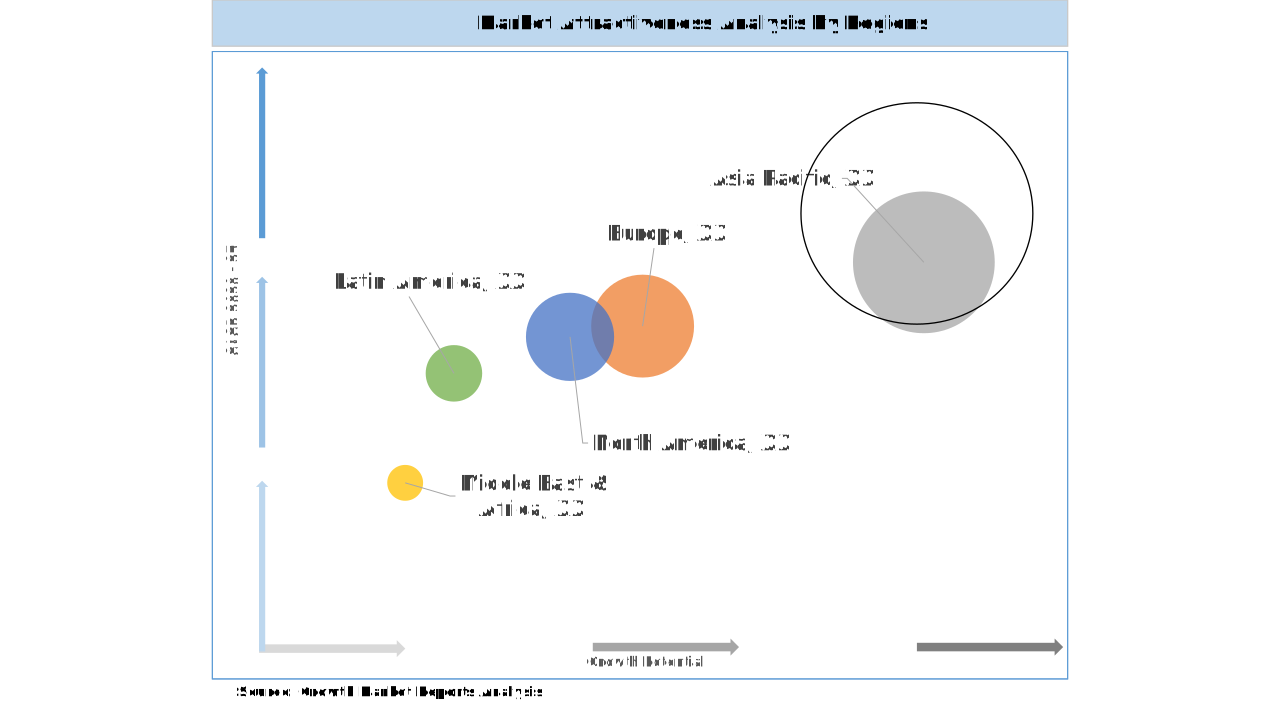
The regional landscape of the automotive bonnet market is shaped by varying levels of automotive production, regulatory frameworks, and consumer preferences. Asia Pacific leads the market with the largest share, accounting for approximately USD 2.8 billion in 2025, representing around 41.5% of the global total. The region's dominance is driven by its massive automotive manufacturing base, particularly in China, India, Japan, and South Korea, where rapid urbanization, rising incomes, and expanding middle-class populations are fueling demand for both passenger and commercial vehicles. The presence of leading OEMs and a robust supply chain ecosystem further supports market growth. The Asia Pacific market is expected to grow at a CAGR of 5.3% during the 2026-2034 forecast period, outpacing other regions due to ongoing investments in EV production and automotive technology infrastructure.
North America and Europe are also significant markets for automotive bonnets, collectively accounting for approximately USD 3.2 billion in 2025. North America, with a market share of approximately 24.2%, benefits from a strong OEM presence, high vehicle ownership rates, and a well-established aftermarket. The region is also witnessing accelerating EV adoption, driven by federal incentives and state-level emission mandates. Europe, accounting for approximately 22.8% of the global market, places particular emphasis on lightweighting, pedestrian safety compliance, and environmental performance. The region is witnessing increased adoption of aluminum and composite bonnets, particularly in premium and electric vehicle segments produced by German, French, and Scandinavian automakers. Both regions are expected to maintain stable growth through 2034, supported by ongoing regulatory evolution and technological innovation.
Emerging markets in Latin America and the Middle East & Africa are experiencing gradual but consistent growth, with a combined market size of approximately USD 766 million in 2025. These regions are benefiting from increasing vehicle ownership rates, expanding automotive assembly operations, and growing consumer awareness about vehicle safety and quality. While growth rates are currently lower than in Asia Pacific, the long-term outlook through 2034 is positive, driven by economic development, infrastructure investment, and gradual tightening of regulatory standards. As these markets mature, there is meaningful potential for increased adoption of advanced bonnet materials and technologies, particularly as local manufacturers align with global OEM quality expectations.
The competitive landscape of the automotive bonnet market is characterized by a mix of global tier-1 suppliers, regional specialists, and material-focused manufacturers, all vying for a share of this dynamic and evolving market. Intense competition is driving continuous innovation in materials, design, and manufacturing processes, with companies investing significantly in research and development to maintain technological leadership. Strategic partnerships, joint ventures, and long-term supply agreements with leading OEMs are common strategies employed by top players to expand their product portfolios, enhance capabilities, and strengthen market presence. The ability to offer high-quality, cost-effective, and technologically advanced bonnet solutions is a key differentiator in this highly competitive environment.
Major companies in the market are focusing on the development of lightweight, durable, and sustainable bonnet solutions to meet the evolving needs of automakers and consumers. Investments in advanced materials such as high-strength aluminum alloys, carbon fiber reinforced polymers, and engineered composites are central to these product development efforts. The integration of smart features, such as pedestrian protection actuators and active aerodynamic panels, is also gaining traction, particularly in premium and electric vehicle segments. Companies are leveraging digital technologies, including finite element simulation, AI-driven design optimization, and additive manufacturing, to accelerate product development cycles and improve manufacturing precision.
The aftermarket segment presents unique challenges and opportunities for competitors, with a growing emphasis on quality assurance, regulatory certification, and responsive customer service. Leading aftermarket suppliers are investing in digital platforms and e-commerce capabilities to enhance product visibility and distribution reach, while also expanding their network of repair shop partnerships and insurance company affiliations. The ability to offer OEM-equivalent or superior replacement products, backed by warranties and technical support, is increasingly important in building brand loyalty and capturing market share in this growing channel.
Some of the major companies operating in the automotive bonnet market include Gestamp Automocion S.A., Magna International Inc., Plastic Omnium SE, Novelis Inc., Constellium SE, Alcoa Corporation, Aisin Corporation, Martinrea International Inc., Multimatic Inc., Tower Automotive, Kirchhoff Automotive, voestalpine AG, Flex-N-Gate Corporation, Seoyon E-Hwa Co. Ltd., and Gordon Auto Body Parts Co. Ltd. These companies are recognized for their technological expertise, global manufacturing footprint, and strong OEM relationships. Gestamp Automocion, for example, is renowned for its leadership in hot-stamped steel and lightweight metal forming, while Magna International brings broad expertise in multi-material body structures and integrated safety systems. Plastic Omnium SE specializes in composite and thermoplastic exterior body components, serving both OEM and aftermarket customers globally.
In summary, the automotive bonnet market is highly competitive and rapidly evolving, with leading players continuously innovating to meet the changing demands of the automotive industry. The ability to deliver high-quality, sustainable, and technologically advanced bonnet solutions will be critical to competitive success, as automakers and consumers increasingly prioritize performance, safety, and environmental responsibility through the end of the 2026-2034 forecast period.
The Automotive Bonnet market has been segmented on the basis of
Sustainability is becoming a central driver in the automotive bonnet market. Automakers and regulators are pushing for reduced lifecycle carbon footprints, prompting the adoption of recycled aluminum, bio-composite materials, and eco-friendly manufacturing processes. Several leading OEMs have committed to carbon-neutral manufacturing targets by the early 2030s, directly influencing their sourcing and material specifications for components including bonnets. The recyclability of aluminum is a significant advantage driving its adoption over steel in sustainability-conscious markets. Additionally, closed-loop recycling programs and the use of bio-based resins in composite bonnets are gaining momentum, positioning sustainability as both a regulatory requirement and a competitive differentiator.
The automotive bonnet market faces several challenges including the high cost of advanced materials such as carbon fiber and specialized composites, which limits their adoption in mass-market vehicle segments. Volatility in raw material prices, particularly for aluminum and steel, poses margin pressure for manufacturers. Complex regulatory environments across different regions create compliance burdens, while intense price competition in commodity segments constrains profitability. The transition to electric vehicles, although an opportunity, also requires significant capital investment in new tooling, design capabilities, and supply chain reconfiguration, presenting near-term challenges for suppliers adapting to rapidly changing OEM requirements.
Leading players in the global automotive bonnet market include Gestamp Automocion S.A., Magna International Inc., Plastic Omnium SE, Novelis Inc., Constellium SE, Alcoa Corporation, Aisin Corporation, Martinrea International Inc., Multimatic Inc., Tower Automotive, Kirchhoff Automotive, voestalpine AG, and Flex-N-Gate Corporation, among others. These companies compete on the basis of material innovation, manufacturing precision, sustainability credentials, and long-term OEM relationships. Strategic investments in lightweight material R&D and smart bonnet technologies are key differentiators in this competitive landscape.
The automotive bonnet market is segmented by application into conventional vehicles (powered by internal combustion engines) and electric vehicles. Conventional vehicles currently account for the larger share of demand, given the existing installed base of ICE vehicles. However, the electric vehicle segment is the fastest-growing application area, as global EV production scales rapidly from 2025 onward. EV bonnets require specialized designs for aerodynamics, thermal management, and sensor integration, creating new product development opportunities for bonnet manufacturers throughout the 2026-2034 forecast period.
The automotive bonnet market is served through two primary sales channels: OEM (Original Equipment Manufacturer) and aftermarket. The OEM channel dominates, accounting for the majority of market revenue, as bonnets are supplied directly to vehicle manufacturers during the assembly process. The aftermarket channel is experiencing steady growth driven by increasing vehicle parc, higher accident repair rates, and growing consumer interest in vehicle customization. Digital marketplaces and e-commerce platforms are enhancing aftermarket accessibility, enabling suppliers to serve a wider customer base with both OEM-equivalent and custom bonnet solutions.
Asia Pacific dominates the global automotive bonnet market, accounting for approximately 41.5% of the total market share in 2025, driven by the massive automotive production bases in China, India, Japan, and South Korea. North America holds the second-largest share at around 24.2%, supported by high vehicle ownership rates and a strong OEM presence. Europe accounts for approximately 22.8%, with particular strength in premium and electric vehicle segments. Latin America and the Middle East & Africa collectively represent smaller but steadily growing markets, benefiting from rising vehicle ownership and expanding manufacturing activities.
The rise of electric vehicles is profoundly reshaping bonnet design and material selection. Since EVs lack traditional internal combustion engines, bonnet designs can be optimized for aerodynamics and storage rather than engine cooling. This freedom is driving the adoption of lighter materials such as aluminum, carbon fiber, and advanced composites to maximize battery range and vehicle efficiency. EV bonnets increasingly integrate sensors, pedestrian safety actuators, and smart aerodynamic features. As global EV penetration accelerates through the 2026-2034 forecast period, the demand for specialized, lightweight, and multifunctional bonnets is expected to grow significantly.
Steel remains the most widely used material, holding approximately 48.5% of the market share in 2025, owing to its cost-effectiveness and well-established manufacturing ecosystem. Aluminum is the fastest-growing segment, capturing around 30.2% of the market, driven by lightweighting mandates and sustainability goals. Carbon fiber and composite materials together account for the remaining share and are gaining traction in premium, performance, and electric vehicle segments. Emerging trends include the use of bio-composites, recycled aluminum alloys, and multi-material bonnet structures that combine the strengths of different materials.
Key growth drivers include the automotive industry's ongoing lightweighting initiatives to meet stringent fuel efficiency and CO2 emission regulations, rapid electrification of vehicle fleets, rising consumer demand for vehicles with enhanced safety and aesthetic features, and continuous innovation in bonnet design and manufacturing. The integration of pedestrian protection systems and active aerodynamics is further propelling demand for technologically advanced bonnet solutions across both OEM and aftermarket channels.
The global automotive bonnet market reached USD 6.7 billion in 2025 and is projected to grow at a CAGR of 4.8% during the forecast period from 2026 to 2034, reaching approximately USD 10.3 billion by 2034. This growth is underpinned by increasing vehicle production, rising adoption of lightweight materials, and the accelerating shift toward electric vehicles across major automotive markets worldwide.