Segments - by Product Type (Ultrasonic Diffusers, Nebulizing Diffusers, Evaporative Diffusers, Heat Diffusers, Others), by Application (Residential, Commercial, Spa & Wellness Centers, Others), by Distribution Channel (Online Stores, Supermarkets/Hypermarkets, Specialty Stores, Others), by Material (Plastic, Glass, Ceramic, Metal, Others)
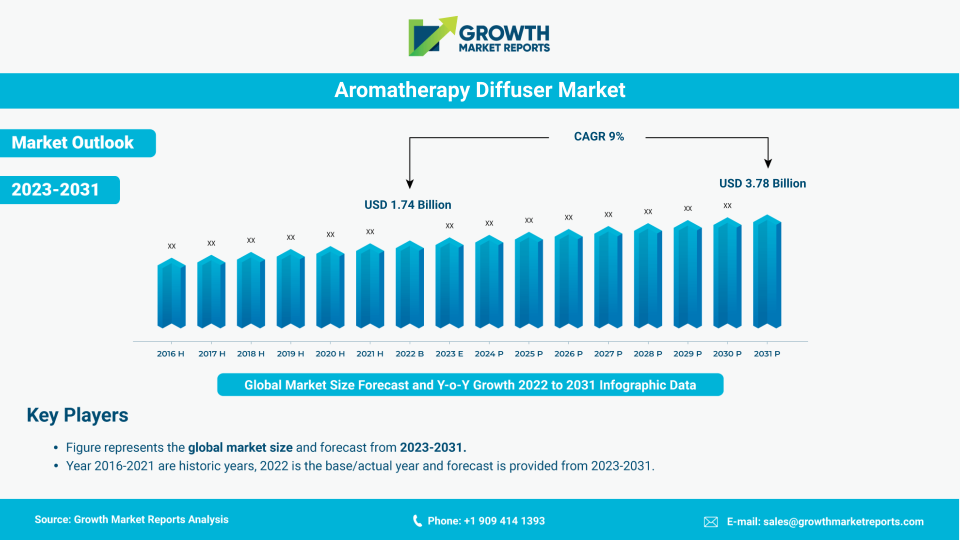
According to our latest research, the global aromatherapy diffuser market size reached USD 2.14 billion in 2024, demonstrating robust momentum with a compound annual growth rate (CAGR) of 8.2% from 2025 to 2033. The market is forecasted to expand significantly, reaching USD 4.32 billion by 2033. This impressive growth trajectory is largely driven by increasing consumer awareness regarding holistic wellness and the therapeutic benefits of essential oils. The rising adoption of aromatherapy diffusers in both residential and commercial environments underscores the expanding role of these devices in modern lifestyles, as consumers seek natural solutions for stress relief, relaxation, and improved air quality.
One of the primary growth factors for the aromatherapy diffuser market is the escalating global focus on health and wellness. Consumers are increasingly inclined towards natural and alternative therapies, with aromatherapy emerging as a popular choice for stress management and mood enhancement. The proliferation of wellness trends, particularly among urban populations, has significantly contributed to the demand for aromatherapy diffusers. Furthermore, the integration of essential oils into daily routines, both for therapeutic and aesthetic purposes, has led to a surge in product innovation. Manufacturers are introducing advanced diffuser technologies, such as ultrasonic and nebulizing diffusers, which offer enhanced efficiency and user-friendly features, thereby appealing to a broader consumer base.
Another key driver is the expansion of the spa and wellness industry, which has witnessed substantial growth in recent years. As spas, wellness centers, and even corporate offices increasingly incorporate aromatherapy into their service offerings, the demand for high-quality diffusers has soared. The commercial segment, particularly in developed economies, is experiencing heightened adoption of aromatherapy solutions to create calming and invigorating environments for clients and employees alike. Additionally, the growing prevalence of respiratory disorders and allergies has prompted consumers to seek air purification solutions that are both effective and natural, further boosting the adoption of aromatherapy diffusers equipped with advanced filtration and misting capabilities.
Technological advancements and product diversification have also played a pivotal role in market expansion. The emergence of smart diffusers with connectivity features, programmable settings, and customizable diffusion intensities has transformed the user experience. These innovations cater to the evolving preferences of tech-savvy consumers who seek convenience and personalized wellness solutions. Moreover, the availability of diffusers in a variety of materials, designs, and price points has democratized access, making aromatherapy more accessible to a diverse demographic. The increasing penetration of e-commerce platforms has further facilitated market growth by enabling consumers to explore and purchase a wide range of aromatherapy diffusers from the comfort of their homes.
Regionally, Asia Pacific has emerged as a key growth engine for the aromatherapy diffuser market, driven by rising disposable incomes, urbanization, and a growing inclination towards holistic healthcare practices. North America and Europe continue to be significant markets due to strong consumer awareness and established wellness industries. Meanwhile, Latin America and the Middle East & Africa are witnessing gradual adoption, supported by increasing awareness campaigns and expanding retail infrastructure. The regional dynamics are characterized by varying levels of market maturity, but the overarching trend remains consistent: a growing preference for natural, non-invasive wellness solutions that enhance quality of life.
Diffusers have become an integral part of modern wellness routines, offering a convenient and effective way to enjoy the benefits of essential oils. As consumers increasingly prioritize self-care and holistic health, the demand for diffusers that can seamlessly integrate into various environments has surged. These devices not only enhance the ambiance of a space but also contribute to improved mental and physical well-being. The versatility of diffusers, from ultrasonic to nebulizing models, allows users to tailor their aromatherapy experience to their specific needs, whether it's for relaxation, focus, or respiratory support. This adaptability has been a key factor in the widespread adoption of diffusers across different demographics and settings.
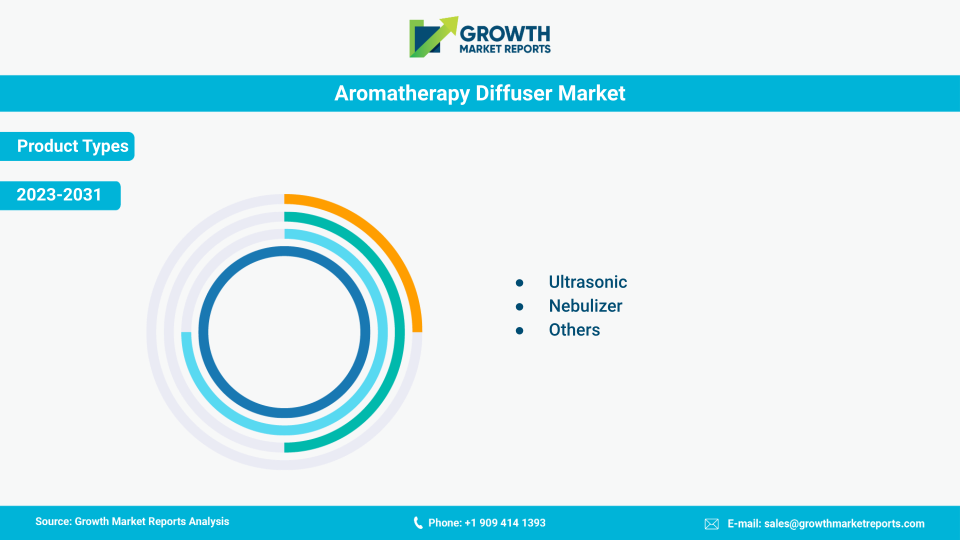
The aromatherapy diffuser market is segmented by product type into ultrasonic diffusers, nebulizing diffusers, evaporative diffusers, heat diffusers, and others. Ultrasonic diffusers currently hold the largest market share, owing to their efficiency, quiet operation, and ability to preserve the therapeutic properties of essential oils. These devices utilize ultrasonic vibrations to disperse a fine mist of water and essential oils into the air, making them highly popular among consumers seeking a gentle and effective diffusion method. The demand for ultrasonic diffusers is further bolstered by their affordability and the availability of a wide range of designs, catering to both aesthetic and functional preferences. As consumers become more discerning, the market has seen a surge in multi-functional ultrasonic diffusers that also serve as humidifiers, night lights, and decorative pieces, enhancing their appeal in residential and commercial settings.
Nebulizing diffusers are gaining traction, particularly among wellness enthusiasts and professional users who prioritize potency and purity in aromatherapy applications. These diffusers work without water or heat, using pressurized air to atomize essential oils directly into the atmosphere. This method ensures maximum therapeutic benefit, making nebulizing diffusers a preferred choice in spa and wellness centers, as well as among individuals with specific health and wellness goals. The higher price point and maintenance requirements of nebulizing diffusers have limited their widespread adoption compared to ultrasonic models, but ongoing product innovations are addressing these challenges, making them more accessible to mainstream consumers.
Evaporative diffusers and heat diffusers represent traditional diffusion methods, each with distinct advantages and limitations. Evaporative diffusers use a fan to facilitate the natural evaporation of essential oils, offering a simple and cost-effective solution for casual users. However, the potential loss of some therapeutic properties during evaporation has limited their appeal among more health-conscious consumers. Heat diffusers, on the other hand, use gentle heat to disperse essential oils, providing a subtle and continuous aroma. While these devices are valued for their simplicity and affordability, concerns regarding the alteration of essential oil composition due to heat exposure have prompted a shift towards more advanced technologies.
The "others" category includes emerging diffuser technologies and hybrid models that combine multiple diffusion methods for enhanced performance. Innovations such as smart diffusers with app connectivity, programmable timers, and customizable scent settings are reshaping consumer expectations. These advanced devices are particularly appealing to tech-savvy consumers and those seeking convenience and automation in their wellness routines. As the market continues to evolve, product differentiation and technological advancements will remain key drivers in the product type segment, catering to the diverse needs and preferences of global consumers.
| Attributes | Details |
| Report Title | Aromatherapy Diffuser Market Research Report 2033 |
| By Product Type | Ultrasonic Diffusers, Nebulizing Diffusers, Evaporative Diffusers, Heat Diffusers, Others |
| By Application | Residential, Commercial, Spa & Wellness Centers, Others |
| By Distribution Channel | Online Stores, Supermarkets/Hypermarkets, Specialty Stores, Others |
| By Material | Plastic, Glass, Ceramic, Metal, Others |
| Regions Covered | North America, Europe, APAC, Latin America, MEA |
| Base Year | 2024 |
| Historic Data | 2018-2023 |
| Forecast Period | 2025-2033 |
| Number of Pages | 265 |
| Number of Tables & Figures | 324 |
| Customization Available | Yes, the report can be customized as per your need. |
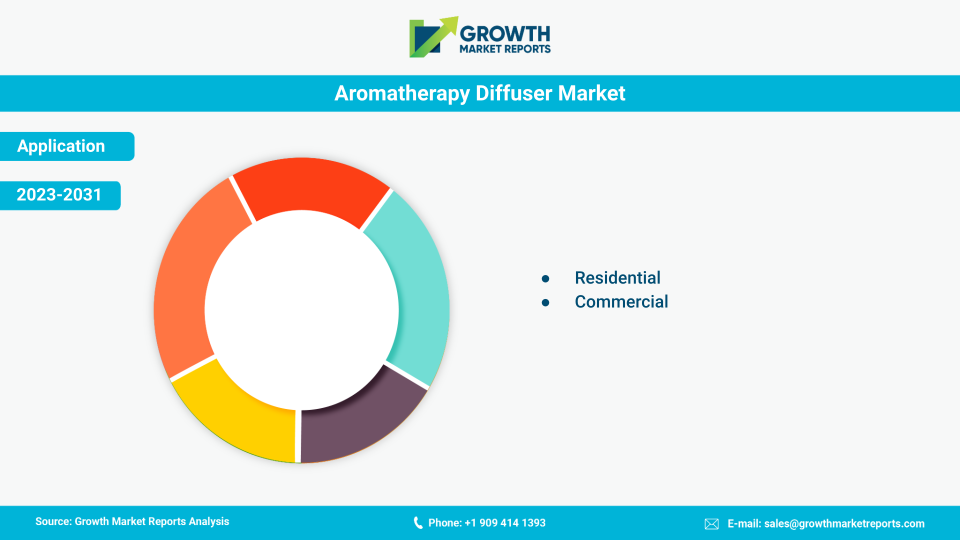
The application segment of the aromatherapy diffuser market encompasses residential, commercial, spa & wellness centers, and others. The residential segment dominates the market, accounting for the largest share in 2024. The increasing adoption of aromatherapy diffusers in homes is attributed to growing consumer awareness about the health benefits of essential oils, including stress relief, improved sleep quality, and enhanced mood. The convenience and affordability of modern diffusers have made them a staple in households worldwide, as consumers seek to create relaxing and invigorating environments. The trend towards home-based wellness practices, accelerated by the global pandemic, has further fueled demand in this segment, with consumers investing in diffusers as part of their self-care routines.
The commercial segment is witnessing rapid growth, driven by the integration of aromatherapy solutions in offices, hotels, retail spaces, and healthcare facilities. Businesses are increasingly recognizing the value of creating pleasant and health-promoting environments for employees, clients, and customers. Aromatherapy diffusers are being used to enhance indoor air quality, reduce stress, and promote a sense of well-being, contributing to improved productivity and customer satisfaction. The hospitality industry, in particular, has embraced diffusers as part of their guest experience strategies, offering signature scents and personalized aromatherapy services to differentiate their offerings.
Spa and wellness centers represent a significant application area for aromatherapy diffusers, as these establishments prioritize holistic health and relaxation. The use of high-quality diffusers and premium essential oils is integral to the services offered in spas, massage centers, and wellness retreats. The demand for advanced diffuser technologies, such as nebulizing and ultrasonic models, is particularly strong in this segment, as professionals seek to deliver maximum therapeutic benefit to clients. The growing popularity of wellness tourism and the expansion of spa chains in emerging markets are expected to further drive demand in this application segment.
The "others" category includes educational institutions, fitness centers, and public spaces where aromatherapy diffusers are used to create positive and healthful environments. As awareness of the benefits of aromatherapy continues to spread, new application areas are emerging, expanding the market's reach. The versatility of modern diffusers, combined with ongoing innovation in essential oil formulations, is enabling their adoption in a wide range of settings, from classrooms to yoga studios. This diversification of applications is expected to sustain market growth and open up new opportunities for manufacturers and distributors.
The distribution channel segment of the aromatherapy diffuser market is divided into online stores, supermarkets/hypermarkets, specialty stores, and others. Online stores have emerged as the leading distribution channel, accounting for a significant share of global sales in 2024. The convenience, variety, and competitive pricing offered by e-commerce platforms have made them the preferred choice for consumers seeking aromatherapy diffusers. Online retailers provide detailed product information, customer reviews, and comparison tools, enabling informed purchasing decisions. The rise of direct-to-consumer brands and the increasing penetration of digital marketing have further accelerated the growth of online sales, particularly among younger, tech-savvy consumers.
Supermarkets and hypermarkets continue to play a vital role in the distribution of aromatherapy diffusers, especially in developed markets. These retail outlets offer consumers the opportunity to physically inspect products, compare features, and benefit from in-store promotions. The widespread presence of supermarkets and hypermarkets, coupled with their ability to stock a diverse range of brands and models, has contributed to steady sales growth in this channel. Retailers are increasingly collaborating with manufacturers to offer exclusive product lines and bundled deals, enhancing the value proposition for shoppers.
Specialty stores, including wellness boutiques, health food stores, and home goods retailers, cater to consumers seeking personalized service and expert advice. These outlets are particularly popular among health-conscious individuals and those new to aromatherapy, as staff can provide guidance on product selection and usage. Specialty stores often stock premium diffusers and exclusive essential oil blends, appealing to discerning customers willing to invest in high-quality wellness products. The experiential nature of specialty retail, combined with the growing popularity of wellness lifestyles, is expected to sustain demand in this channel.
The "others" category encompasses alternative distribution channels such as direct sales, pop-up shops, and wellness events. These channels provide unique opportunities for brands to engage with consumers, showcase new products, and build brand loyalty. Direct sales, in particular, have gained traction in markets with strong network marketing cultures, enabling manufacturers to reach niche customer segments. As the market evolves, a multi-channel distribution strategy will be essential for brands seeking to maximize reach and capitalize on emerging sales opportunities.
Material selection plays a crucial role in the design and performance of aromatherapy diffusers. The market is segmented into plastic, glass, ceramic, metal, and others, each offering distinct benefits and catering to different consumer preferences. Plastic diffusers dominate the market due to their affordability, durability, and versatility. These diffusers are lightweight, easy to manufacture, and available in a wide range of designs and colors, making them accessible to a broad demographic. The use of high-quality, BPA-free plastics has addressed safety concerns, further boosting consumer confidence in plastic diffusers.
Glass diffusers are gaining popularity among consumers who prioritize aesthetics and purity. Glass is non-reactive and does not interact with essential oils, preserving their therapeutic properties and ensuring a clean diffusion process. The elegant and timeless appearance of glass diffusers makes them a preferred choice for upscale residential and commercial settings. However, the higher cost and fragility of glass limit its adoption among budget-conscious consumers and in high-traffic environments.
Ceramic diffusers offer a unique combination of functionality and artistry. These diffusers are valued for their natural, porous properties, which allow for gradual and sustained diffusion of essential oils. Ceramic models are often handcrafted and available in a variety of shapes, textures, and finishes, appealing to consumers seeking decorative and artisanal wellness products. The eco-friendly nature of ceramics and their compatibility with natural essential oils have contributed to their growing popularity, particularly among environmentally conscious consumers.
Metal diffusers, though less common, are favored for their durability, modern aesthetics, and premium feel. Stainless steel and aluminum are the primary materials used, offering resistance to corrosion and easy maintenance. Metal diffusers are often positioned as luxury products, targeting high-end residential and commercial markets. The "others" category includes innovative materials such as bamboo, stone, and biodegradable composites, reflecting the market's ongoing focus on sustainability and design innovation. As consumer preferences evolve, material selection will remain a key differentiator in the aromatherapy diffuser market.
The aromatherapy diffuser market presents significant opportunities for growth and innovation, particularly in the areas of product development and market expansion. The increasing demand for natural wellness solutions has created a fertile ground for the introduction of new diffuser technologies, essential oil blends, and complementary wellness products. Manufacturers have the opportunity to capitalize on the growing popularity of smart home devices by integrating connectivity features, voice control, and automation into their diffusers. Collaborations with wellness influencers, spa chains, and healthcare providers can further enhance brand visibility and credibility, opening up new avenues for market penetration. The expansion of e-commerce and direct-to-consumer sales channels provides additional opportunities to reach untapped customer segments and build long-term relationships through personalized marketing and loyalty programs.
Geographic expansion represents another major opportunity for growth. While North America and Europe currently account for the largest market shares, emerging economies in Asia Pacific, Latin America, and the Middle East & Africa offer substantial growth potential. Rising disposable incomes, urbanization, and increasing awareness of holistic health practices are driving demand for aromatherapy diffusers in these regions. Strategic investments in localized marketing, distribution partnerships, and product customization can help manufacturers capture market share and establish a strong presence in these high-growth markets. Furthermore, the growing trend towards sustainable and eco-friendly products presents opportunities for brands to differentiate themselves through the use of natural materials, recyclable packaging, and environmentally responsible manufacturing practices.
Despite the positive outlook, the aromatherapy diffuser market faces several restraining factors. Regulatory challenges related to the safety and efficacy of essential oils, as well as concerns about product quality and counterfeit goods, pose significant risks to market growth. The lack of standardized regulations and quality control measures can lead to inconsistencies in product performance and consumer dissatisfaction. Additionally, the proliferation of low-cost, substandard diffusers in the market has the potential to undermine consumer trust and damage the reputation of reputable brands. To address these challenges, industry stakeholders must prioritize quality assurance, consumer education, and compliance with international safety standards. Building strong partnerships with reputable suppliers and investing in research and development will be crucial to maintaining market integrity and sustaining long-term growth.
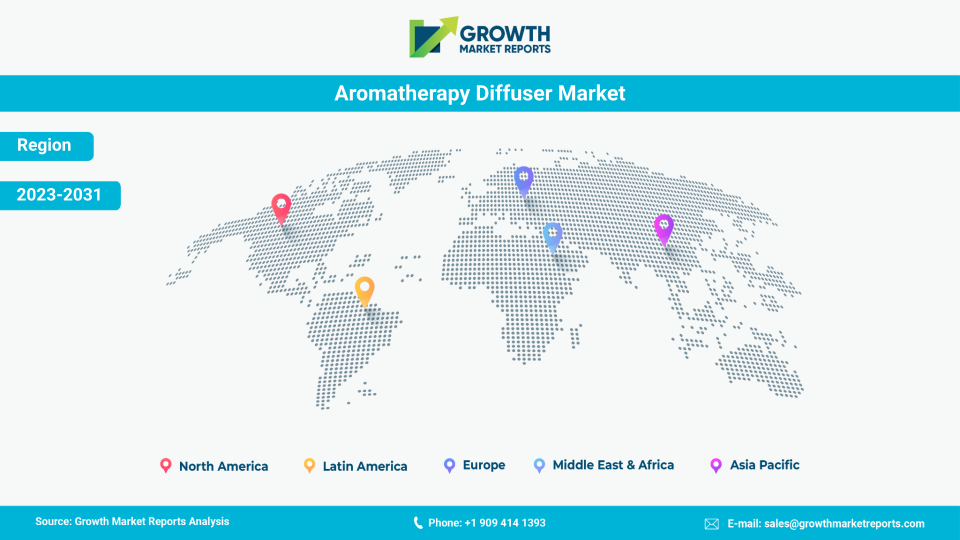
The regional landscape of the aromatherapy diffuser market is characterized by varying degrees of market maturity and growth potential. Asia Pacific has emerged as the fastest-growing region, with a market size of USD 530 million in 2024 and a projected CAGR of 10.4% from 2025 to 2033. The region's growth is driven by rising disposable incomes, increasing urbanization, and a growing awareness of holistic wellness practices. Countries such as China, Japan, South Korea, and India are witnessing a surge in demand for aromatherapy diffusers, supported by expanding retail infrastructure and aggressive marketing campaigns. The popularity of traditional wellness practices, such as Ayurveda and traditional Chinese medicine, has further contributed to the adoption of aromatherapy products in the region.
North America remains the largest market for aromatherapy diffusers, with a market size of USD 820 million in 2024. The region's growth is underpinned by strong consumer awareness, a well-established wellness industry, and a high level of disposable income. The United States accounts for the majority of sales, driven by the popularity of home-based wellness practices, the proliferation of spas and wellness centers, and the widespread availability of advanced diffuser technologies. Canada and Mexico are also experiencing steady growth, supported by increasing awareness campaigns and the expansion of specialty retail channels. The region's mature market environment provides a fertile ground for product innovation and premiumization.
Europe holds a significant share of the global aromatherapy diffuser market, with a market size of USD 540 million in 2024. The region's growth is driven by a strong tradition of aromatherapy and natural wellness, particularly in countries such as France, Germany, and the United Kingdom. The increasing adoption of aromatherapy diffusers in commercial and residential settings, coupled with the growing popularity of wellness tourism, has contributed to market expansion. Latin America and the Middle East & Africa are emerging as promising markets, with combined sales of USD 250 million in 2024 and rising demand for natural wellness solutions. Strategic investments in distribution networks and localized marketing will be essential to unlocking the full potential of these regions.
The competitive landscape of the aromatherapy diffuser market is highly dynamic, characterized by intense competition among established brands and new entrants alike. The market is fragmented, with a large number of players offering a diverse range of products catering to different consumer preferences and price points. Leading companies are focusing on product innovation, quality assurance, and strategic partnerships to differentiate themselves and capture market share. The introduction of smart diffusers, customizable scent options, and eco-friendly materials has set new benchmarks for product performance and sustainability, driving competition and raising consumer expectations.
Brand reputation and customer loyalty play a critical role in the success of market participants. Companies are investing heavily in marketing, influencer collaborations, and customer engagement initiatives to build strong brand identities and foster long-term relationships with consumers. The rise of direct-to-consumer sales channels has enabled brands to bypass traditional retail intermediaries, offering personalized shopping experiences and exclusive product offerings. At the same time, the proliferation of counterfeit and low-quality products poses a significant threat to established brands, necessitating ongoing investment in quality control and intellectual property protection.
Strategic alliances and mergers and acquisitions are becoming increasingly common as companies seek to expand their product portfolios, enter new markets, and achieve economies of scale. Partnerships with essential oil manufacturers, wellness service providers, and technology companies have enabled market leaders to offer integrated wellness solutions and enhance the value proposition for consumers. The ability to anticipate and respond to evolving consumer trends, such as the demand for sustainable and customizable products, will be a key determinant of competitive success in the years ahead.
Some of the major companies operating in the global aromatherapy diffuser market include Young Living Essential Oils, doTERRA International, SpaRoom, NOW Foods, Vitruvi, Scentsy, Muji, and Greenair Inc. Young Living and doTERRA are recognized for their extensive essential oil product lines and strong global distribution networks, enabling them to maintain leadership positions in both the diffuser and essential oil segments. SpaRoom and NOW Foods have established themselves as innovators in diffuser technology, offering a wide range of ultrasonic and nebulizing models designed for both residential and commercial use. Vitruvi and Muji are known for their focus on design and aesthetics, appealing to consumers seeking stylish and functional wellness products. Greenair Inc. specializes in eco-friendly and technologically advanced diffusers, catering to environmentally conscious consumers. These companies are continuously investing in research and development, marketing, and customer service to strengthen their market positions and drive long-term growth.
The Aromatherapy Diffuser market has been segmented on the basis of
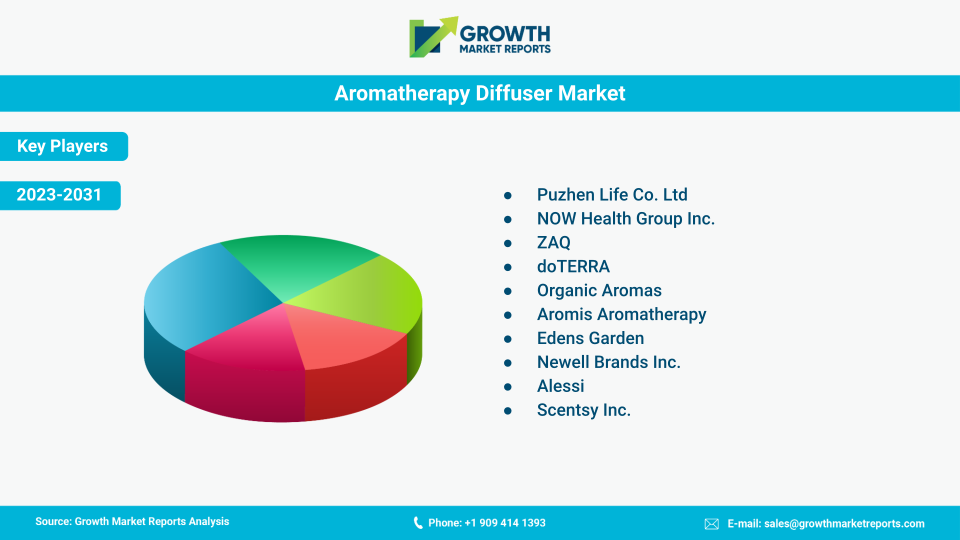
Key players in the global aromatherapy diffuser Market include Puzhen Life Co. Ltd; NOW Health Group Inc.; ZAQ; doTERRA; Organic Aromas; Aromis Aromatherapy; Edens Garden; Newell Brands Inc.; Alessi; and Scentsy Inc. These players engage in mergers & acquisitions, collaborations, agreements, and partnerships to strengthen their geographical presence.
Challenges include regulatory issues regarding essential oil safety, the risk of counterfeit and low-quality products, and the need for standardized quality control. Addressing these concerns is crucial for maintaining consumer trust and market growth.
Recent trends include the development of smart diffusers with app connectivity, programmable timers, customizable scent settings, and integration with smart home devices for enhanced convenience and personalization.
Major companies include Young Living Essential Oils, doTERRA International, NOW Foods, Muji, Vitruvi, Saje Natural Wellness, Scentsy Inc., Greenair Inc., Edens Garden, InnoGear, Urpower, SpaRoom, Pilgrim Collection, Asakuki, ZAQ, ArtNaturals, Anjou, Organic Aromas, Hubmar International, and Ellia (HoMedics).
Asia Pacific is the fastest-growing region, driven by rising incomes and urbanization. North America remains the largest market, while Europe, Latin America, and the Middle East & Africa are also seeing steady growth.
Common materials include plastic, glass, ceramic, and metal. Plastic diffusers are most prevalent due to affordability and durability, while glass and ceramic appeal to those seeking aesthetics and purity. Metal and eco-friendly materials are also gaining popularity.
Online stores are the leading distribution channel, followed by supermarkets/hypermarkets and specialty stores. The convenience and variety offered by e-commerce platforms have made them especially popular among consumers.
Aromatherapy diffusers are widely used in residential settings, commercial spaces, spa and wellness centers, and other environments like educational institutions and fitness centers.
Ultrasonic diffusers currently hold the largest market share due to their efficiency, quiet operation, and ability to preserve essential oil properties. Nebulizing, evaporative, and heat diffusers are also popular, with nebulizing diffusers gaining traction among wellness professionals.
Key growth drivers include increasing consumer awareness of holistic wellness, the therapeutic benefits of essential oils, rising adoption in residential and commercial spaces, and technological advancements in diffuser products.
The global aromatherapy diffuser market reached USD 2.14 billion in 2024 and is expected to grow at a CAGR of 8.2%, reaching USD 4.32 billion by 2033.