Segments - by Product Type (Vaccines, Antibiotics, Parasiticides, Anti-inflammatory, Others), by Species (Fish, Crustaceans, Mollusks, Others), by Route Of Administration (Oral, Injectable, Topical, Others), by Application (Disease Prevention, Disease Treatment, Others), by Distribution Channel (Veterinary Hospitals, Aquaculture Farms, Online Pharmacies, Others)
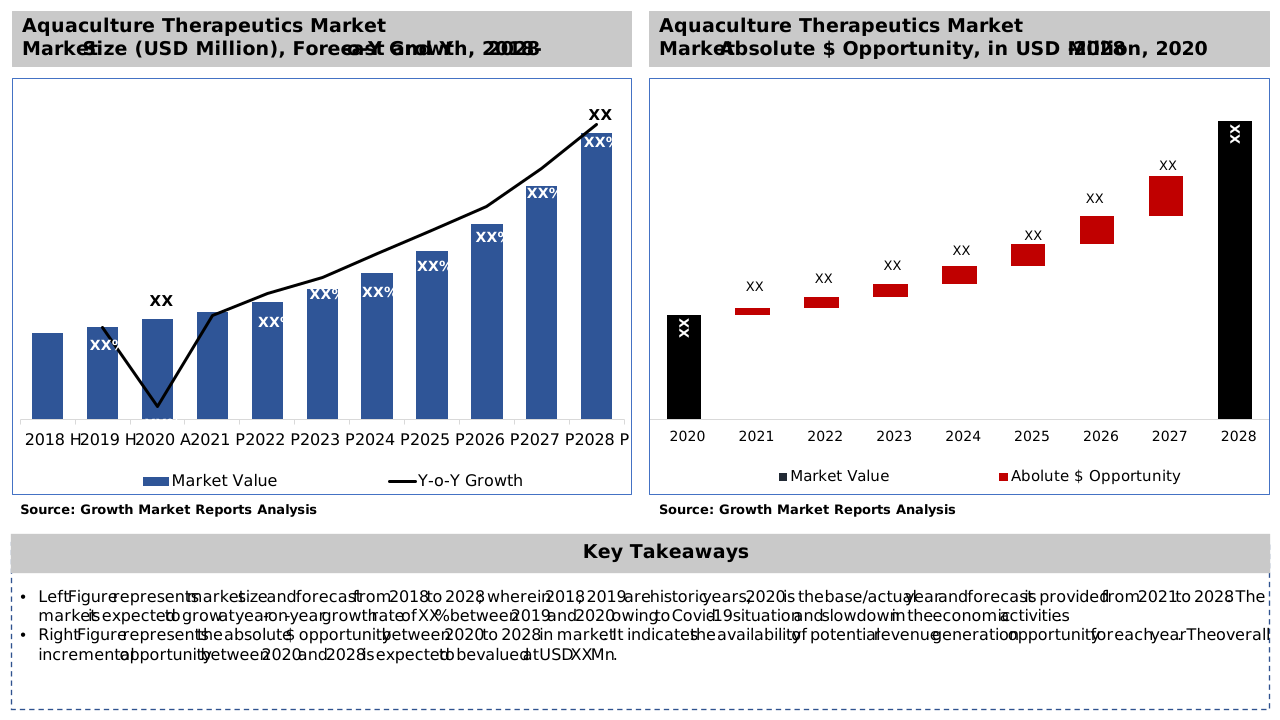
According to our latest research, the global aquaculture therapeutics market size reached USD 1.68 billion in 2024, with a robust compound annual growth rate (CAGR) of 8.2% projected from 2025 to 2033. By the end of 2033, the market is forecasted to attain a value of USD 3.29 billion. The primary growth factor driving this expansion is the increasing prevalence of infectious diseases in farmed aquatic species, which is prompting significant investments in advanced therapeutics and disease management solutions across the aquaculture sector.
The aquaculture therapeutics market is experiencing remarkable growth due to the intensification of aquaculture activities globally. As the demand for seafood continues to rise, intensive farming practices have become more widespread, leading to a higher incidence of disease outbreaks among aquatic species. This has necessitated the adoption of innovative therapeutics, including vaccines, antibiotics, and parasiticides, to ensure optimal health and productivity of fish, crustaceans, and mollusks. Moreover, the growing awareness among aquaculture operators regarding the economic impact of disease-related losses is fostering the implementation of preventive and therapeutic measures, thus driving market growth. The expansion of the aquaculture industry, particularly in emerging economies, further amplifies the need for effective disease management solutions.
Another significant growth driver is the advancement in biotechnology and pharmaceutical research, which has resulted in the development of novel and targeted therapeutics for aquaculture. The introduction of next-generation vaccines and improved drug formulations is enhancing the efficacy of disease prevention and treatment protocols. Regulatory authorities across major aquaculture-producing regions are also encouraging the adoption of safe and sustainable therapeutics, which is fueling innovation and market expansion. The integration of digital technologies, such as precision aquaculture and real-time health monitoring, is further supporting the deployment of effective therapeutic interventions, optimizing both animal welfare and operational efficiency.
Furthermore, the increasing emphasis on sustainable aquaculture practices is shaping the market landscape. With growing concerns over antibiotic resistance and environmental impact, there is a notable shift towards the use of vaccines and alternative therapeutics that minimize the reliance on traditional antibiotics. This transition is being supported by governmental initiatives, industry collaborations, and research funding aimed at promoting responsible aquaculture. As a result, the aquaculture therapeutics market is poised for sustained growth, driven by the dual imperatives of improving aquatic animal health and ensuring the long-term sustainability of global seafood production.
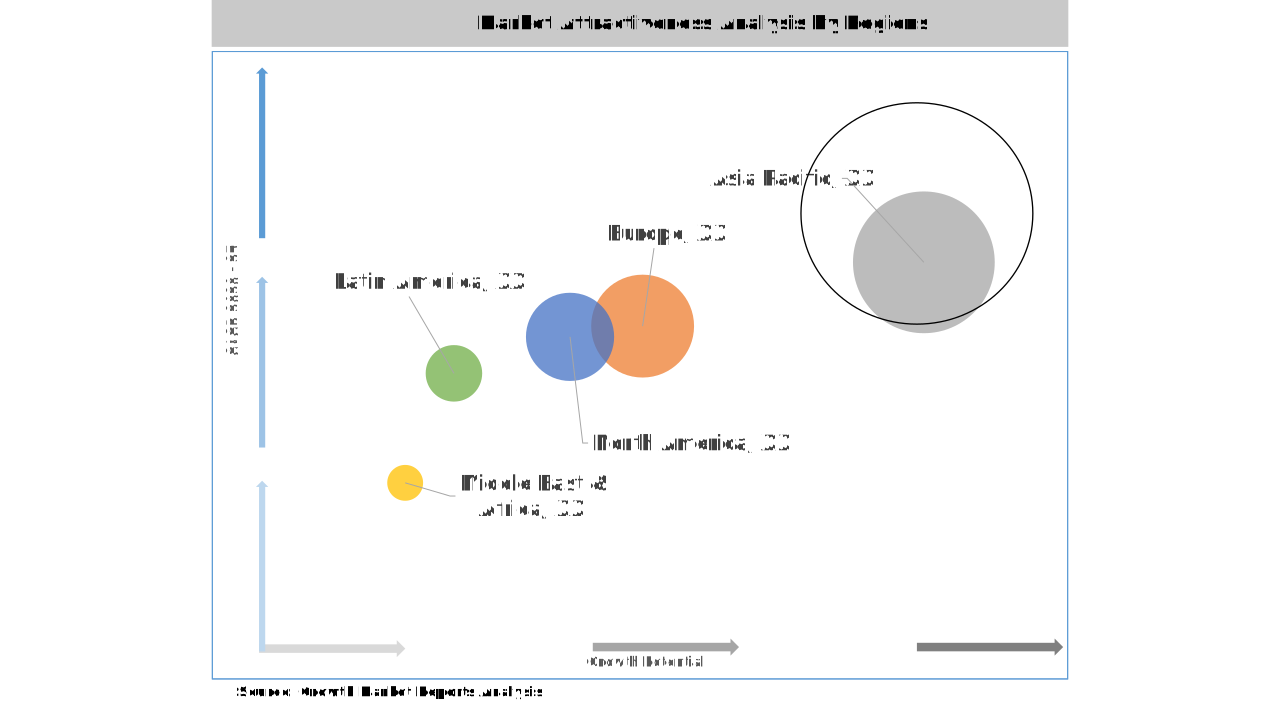
From a regional perspective, Asia Pacific continues to dominate the aquaculture therapeutics market, accounting for the largest share in 2024. The region’s leadership is underpinned by its massive aquaculture output, particularly in countries such as China, India, Vietnam, and Indonesia. North America and Europe are also significant contributors, characterized by advanced regulatory frameworks and high adoption rates of innovative therapeutics. Meanwhile, Latin America and the Middle East & Africa are emerging as promising markets due to increasing investments in aquaculture infrastructure and rising awareness of disease management. The regional dynamics are expected to remain favorable throughout the forecast period, with Asia Pacific maintaining its lead, while other regions register steady growth.
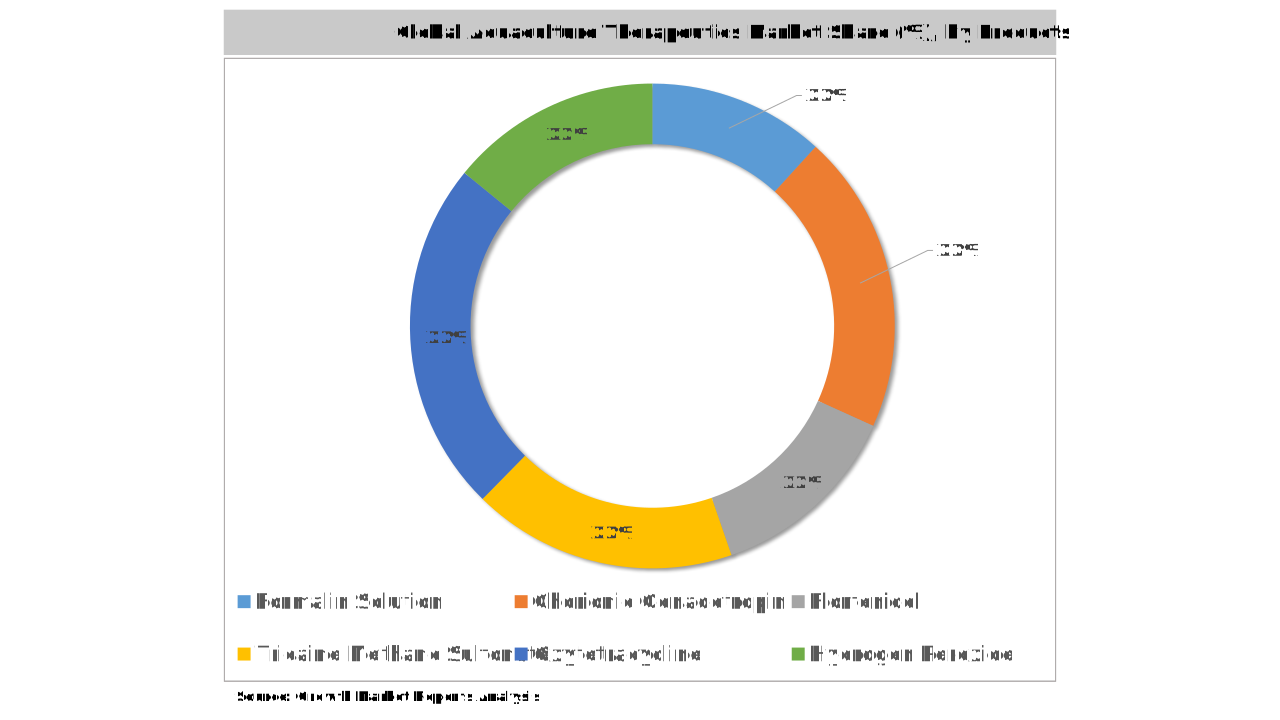
The product type segment of the aquaculture therapeutics market encompasses vaccines, antibiotics, parasiticides, anti-inflammatory agents, and other specialized therapeutics. Among these, vaccines have emerged as the fastest-growing and most preferred solution for disease prevention in aquaculture. The widespread adoption of vaccines is attributed to their ability to provide long-lasting immunity against a range of bacterial and viral pathogens, thereby reducing dependency on antibiotics and mitigating the risk of antimicrobial resistance. The development of polyvalent vaccines, which offer protection against multiple pathogens, is further enhancing the appeal of this therapeutic category. The increasing regulatory support for vaccine use, coupled with industry initiatives to promote vaccination programs, is expected to drive robust growth in this segment.
Antibiotics continue to play a crucial role in the treatment of acute bacterial infections in aquaculture, particularly in regions where disease outbreaks are frequent and vaccination coverage is limited. However, the use of antibiotics is increasingly being scrutinized due to concerns over residue accumulation, environmental contamination, and the emergence of antibiotic-resistant strains. This has prompted regulatory bodies to impose stricter guidelines on antibiotic usage, thereby influencing market dynamics. Despite these challenges, the antibiotics segment remains substantial, especially in developing markets where access to alternative therapeutics is still evolving.
Parasiticides represent another vital product category, addressing the growing incidence of parasitic infestations in farmed aquatic species. The demand for effective parasiticides is particularly pronounced in intensive aquaculture operations, where high stocking densities increase the risk of parasite transmission. Innovations in parasiticide formulations, including environmentally friendly and targeted solutions, are gaining traction among aquaculture operators seeking to minimize ecological impact while ensuring animal health. This segment is expected to witness steady growth, supported by continuous research and development efforts.
The anti-inflammatory segment, though relatively smaller, is gaining importance as the industry recognizes the need for holistic health management of aquatic species. Anti-inflammatory agents are increasingly used as adjunct therapies to reduce stress and improve recovery rates following disease outbreaks or handling procedures. The “others” category, which includes immunostimulants, probiotics, and nutritional supplements, is also witnessing rising demand as part of integrated health management strategies. These products are being adopted to enhance disease resistance, improve growth performance, and support overall aquaculture sustainability.
| Attributes | Details |
| Report Title | Aquaculture Therapeutics Market Research Report 2033 |
| By Product Type | Vaccines, Antibiotics, Parasiticides, Anti-inflammatory, Others |
| By Species | Fish, Crustaceans, Mollusks, Others |
| By Route Of Administration | Oral, Injectable, Topical, Others |
| By Application | Disease Prevention, Disease Treatment, Others |
| By Distribution Channel | Veterinary Hospitals, Aquaculture Farms, Online Pharmacies, Others |
| Regions Covered | North America, Europe, APAC, Latin America, MEA |
| Base Year | 2024 |
| Historic Data | 2018-2023 |
| Forecast Period | 2025-2033 |
| Number of Pages | 282 |
| Number of Tables & Figures | 279 |
| Customization Available | Yes, the report can be customized as per your need. |
The aquaculture therapeutics market is segmented by species into fish, crustaceans, mollusks, and others, each exhibiting distinct therapeutic needs and market dynamics. Fish represent the largest and most significant segment, driven by the sheer scale of global finfish production, including species such as salmon, tilapia, carp, and catfish. Disease management in fish aquaculture is a major focus area, with vaccines and antibiotics being widely used to combat bacterial, viral, and parasitic infections. The development of species-specific therapeutics, coupled with advances in diagnostic technologies, is enhancing the effectiveness of disease control measures in this segment.
Crustaceans, including shrimp, prawns, and crabs, constitute another important segment within the aquaculture therapeutics market. The high economic value of crustacean farming, particularly in Asia Pacific and Latin America, underscores the need for robust disease prevention and treatment strategies. Crustaceans are highly susceptible to viral and bacterial diseases, which can cause significant production losses if not managed effectively. As a result, there is growing investment in the development of targeted vaccines, immunostimulants, and biosecurity measures tailored to the unique physiological characteristics of crustaceans.
Mollusks, such as oysters, mussels, and clams, also contribute to the diversity of the aquaculture therapeutics market. While mollusks are generally more resilient to certain diseases compared to fish and crustaceans, they are vulnerable to specific pathogens and environmental stressors. The use of therapeutics in mollusk farming is primarily focused on disease prevention, water quality management, and enhancing immune responses. Recent research efforts are directed towards developing sustainable and environmentally benign solutions that can be integrated into mollusk aquaculture systems.
The “others” category encompasses a variety of emerging aquaculture species, including sea cucumbers, sea urchins, and ornamental aquatic animals. As the diversification of aquaculture continues, the demand for species-specific therapeutics is expected to rise. This segment presents unique challenges and opportunities, as each species may require tailored disease management approaches. The expansion of this segment is likely to be driven by ongoing research, collaboration between industry stakeholders, and the adoption of innovative health management practices.
The route of administration is a critical consideration in the delivery of aquaculture therapeutics, with oral, injectable, topical, and other methods each offering distinct advantages and limitations. Oral administration is the most widely used route, favored for its convenience, scalability, and minimal handling stress on aquatic animals. Medicated feeds, which incorporate therapeutic agents directly into the diet, are commonly used to administer vaccines, antibiotics, and other health-promoting compounds. This approach is particularly effective in large-scale operations, where mass treatment is required. However, oral administration may be less effective in cases of reduced appetite or severe disease, necessitating alternative delivery methods.
Injectable administration is typically reserved for high-value species or situations where precise dosing and rapid therapeutic action are required. Injectable vaccines and medications offer the advantage of direct delivery into the animal’s system, ensuring optimal bioavailability and efficacy. This method is widely used in salmon farming and other intensive aquaculture systems in developed regions. However, injectable administration is labor-intensive and may cause stress or injury if not performed correctly, limiting its use in certain contexts.
Topical administration, including immersion baths and surface treatments, is employed for the management of external parasites, skin infections, and wounds. This route allows for targeted treatment of affected areas and is often used in conjunction with other therapeutic strategies. Topical treatments are particularly useful in hatcheries and juvenile rearing facilities, where close monitoring and intervention are feasible. Despite its benefits, topical administration may have limitations in terms of treatment uniformity and environmental impact.
The “others” category includes innovative delivery methods such as in-feed microencapsulation, nanoparticle-based formulations, and automated dosing systems. These emerging technologies are designed to enhance the precision, efficiency, and sustainability of therapeutic delivery in aquaculture. As research progresses and new products are commercialized, the range of available administration routes is expected to expand, offering aquaculture operators greater flexibility in managing animal health.
The application segment of the aquaculture therapeutics market is divided into disease prevention, disease treatment, and others, reflecting the multifaceted approach required for effective health management in aquaculture. Disease prevention is the primary focus for most aquaculture operations, as proactive measures are more cost-effective and sustainable compared to reactive treatments. Vaccination programs, biosecurity protocols, and the use of immunostimulants are central to disease prevention strategies. The increasing prevalence of infectious diseases, coupled with the economic impact of disease outbreaks, is driving significant investments in preventive therapeutics and technologies.
Disease treatment remains a critical application area, particularly in regions where disease outbreaks are frequent and can cause substantial production losses. Antibiotics, parasiticides, and anti-inflammatory agents are commonly used to manage acute infections and restore animal health. However, the industry is facing growing pressure to minimize the use of antibiotics and adopt alternative treatment options to address concerns over antimicrobial resistance and environmental sustainability. This shift is prompting the development and adoption of novel therapeutics, such as phage therapy, probiotics, and plant-based compounds.
The “others” category includes applications such as growth promotion, stress reduction, and immune modulation, which are increasingly recognized as integral components of comprehensive health management in aquaculture. Nutritional supplements, probiotics, and functional feeds are being incorporated into aquaculture practices to enhance disease resistance, improve growth rates, and support overall animal welfare. These applications are gaining traction as part of integrated health management programs aimed at optimizing productivity and sustainability.
The evolving regulatory landscape is also influencing application trends, with authorities in major aquaculture-producing regions promoting the adoption of responsible and sustainable therapeutic practices. This includes stricter guidelines on antibiotic usage, mandatory vaccination programs, and incentives for the development of alternative therapeutics. As the industry continues to prioritize animal health and welfare, the application segment is expected to witness ongoing innovation and diversification.
The distribution channel segment of the aquaculture therapeutics market includes veterinary hospitals, aquaculture farms, online pharmacies, and others, each playing a pivotal role in ensuring timely and effective access to therapeutics. Veterinary hospitals serve as key distribution points, particularly in regions with well-established veterinary infrastructure and regulatory oversight. These facilities offer expert guidance, diagnostic services, and tailored therapeutic solutions, supporting the adoption of best practices in disease management. The presence of trained professionals and advanced diagnostic capabilities enhances the credibility and effectiveness of veterinary hospitals as distribution channels.
Aquaculture farms are increasingly becoming direct purchasers of therapeutics, especially as operators seek to streamline supply chains and reduce dependency on intermediaries. Large-scale farms often establish partnerships with pharmaceutical companies and distributors to ensure a consistent supply of vaccines, antibiotics, and other health products. This direct-to-farm distribution model is gaining popularity in regions with high aquaculture production, enabling faster response times and improved disease management outcomes.
Online pharmacies represent a rapidly growing distribution channel, driven by the increasing digitization of the aquaculture sector and the need for convenient, on-demand access to therapeutics. E-commerce platforms offer a wide range of products, competitive pricing, and doorstep delivery, making them an attractive option for small and medium-sized aquaculture operators. The expansion of online pharmacies is particularly notable in developed regions, where internet penetration and digital literacy are high. However, concerns over product authenticity and regulatory compliance remain key challenges for this channel.
The “others” category includes distributors, wholesalers, and specialty retailers that cater to niche segments of the aquaculture therapeutics market. These channels play a crucial role in reaching remote or underserved areas, facilitating access to essential health products. As the market continues to evolve, the distribution landscape is expected to become more diverse and integrated, with a growing emphasis on digital solutions, supply chain transparency, and customer education.
The aquaculture therapeutics market presents significant opportunities for growth and innovation, particularly in the areas of biotechnology, digital health, and sustainable disease management. Advances in genomics, molecular diagnostics, and vaccine development are unlocking new possibilities for targeted and personalized therapeutics. The integration of digital technologies, such as artificial intelligence, data analytics, and remote monitoring, is enabling real-time disease detection and precision dosing, thereby enhancing the effectiveness of therapeutic interventions. These technological advancements are creating new avenues for value creation, differentiation, and competitive advantage within the market.
Another major opportunity lies in the expansion of aquaculture in emerging markets, where rising income levels, changing dietary preferences, and government support are driving increased investment in aquaculture infrastructure. These regions offer untapped potential for the adoption of advanced therapeutics and health management solutions. Strategic collaborations, public-private partnerships, and capacity-building initiatives are expected to accelerate market penetration and foster sustainable growth. Furthermore, the growing emphasis on environmental sustainability and responsible aquaculture practices is driving demand for eco-friendly therapeutics, such as vaccines, probiotics, and plant-based compounds.
Despite the promising outlook, the aquaculture therapeutics market faces certain restraining factors, most notably the regulatory complexities and high costs associated with product development and approval. Stringent regulatory requirements for safety, efficacy, and environmental impact can prolong the time-to-market for new therapeutics, particularly in regions with rigorous oversight. Additionally, the limited availability of species-specific therapeutics and the risk of antimicrobial resistance pose ongoing challenges for industry stakeholders. Addressing these barriers will require concerted efforts from regulators, researchers, and industry players to streamline approval processes, foster innovation, and promote best practices in disease management.
In 2024, the Asia Pacific region dominated the aquaculture therapeutics market, accounting for approximately USD 930 million of the global market size. This leadership is primarily attributed to the region’s unparalleled aquaculture production, with China, India, Vietnam, and Indonesia standing out as the largest contributors. The high prevalence of aquaculture-related diseases and the increasing adoption of advanced therapeutics have further cemented Asia Pacific’s position as the key growth engine of the market. The region is projected to maintain a strong CAGR of 8.8% through 2033, driven by ongoing investments in aquaculture infrastructure, government support, and the proliferation of innovative health management solutions.
North America and Europe are also significant markets, collectively accounting for about USD 470 million in 2024. North America’s market is characterized by advanced regulatory frameworks, high consumer awareness, and a strong focus on sustainable aquaculture practices. The region is witnessing increasing adoption of vaccines and alternative therapeutics, supported by robust research and development activities. Europe, on the other hand, is distinguished by its stringent regulatory standards and emphasis on animal welfare, which are driving the uptake of safe and environmentally friendly therapeutics. Both regions are expected to register steady growth over the forecast period, with a combined CAGR of around 7.5%.
Latin America and the Middle East & Africa represent emerging markets with significant growth potential, contributing approximately USD 280 million to the global market size in 2024. These regions are benefiting from increasing investments in aquaculture infrastructure, rising awareness of disease management, and supportive government policies. The shift towards sustainable and responsible aquaculture practices is further stimulating demand for advanced therapeutics. While the market size in these regions is comparatively smaller, the growth trajectory is promising, with Latin America, in particular, expected to outpace the global average CAGR due to its expanding shrimp and tilapia farming sectors.
The competitive landscape of the aquaculture therapeutics market is characterized by the presence of both global pharmaceutical giants and specialized aquaculture health companies. The market is marked by intense competition, ongoing innovation, and a strong focus on research and development. Leading players are investing heavily in the development of next-generation vaccines, targeted therapeutics, and sustainable health management solutions to address the evolving needs of the aquaculture industry. Strategic collaborations, mergers and acquisitions, and geographic expansion are common strategies employed by market participants to strengthen their market position and enhance their product portfolios.
Product differentiation and technological innovation are key factors shaping the competitive dynamics of the market. Companies are leveraging advances in biotechnology, genomics, and digital health to develop novel therapeutics that offer improved efficacy, safety, and convenience. The ability to deliver species-specific solutions and address emerging disease threats is a critical determinant of success in this market. Furthermore, regulatory compliance, supply chain efficiency, and customer education are emerging as important areas of competitive advantage, particularly in regions with stringent oversight and high consumer expectations.
The market also features a growing number of startups and emerging players, particularly in the areas of digital health, precision aquaculture, and alternative therapeutics. These companies are introducing disruptive technologies and business models that are reshaping the industry landscape. Partnerships with academic institutions, research organizations, and government agencies are enabling both established and new entrants to accelerate innovation and bring cutting-edge solutions to market. The increasing focus on sustainability and responsible aquaculture practices is further driving competition, as companies strive to develop eco-friendly products and demonstrate their commitment to environmental stewardship.
Major companies operating in the aquaculture therapeutics market include Zoetis Inc., Merck Animal Health (MSD Animal Health), Elanco Animal Health, Phibro Animal Health Corporation, Virbac, HIPRA, Benchmark Holdings plc, Neogen Corporation, and Vetoquinol S.A.. These companies are recognized for their extensive product portfolios, global reach, and commitment to innovation. For example, Zoetis Inc. is a leader in the development of aquaculture vaccines and diagnostic solutions, while Merck Animal Health is known for its advanced therapeutics and comprehensive health management programs. Elanco Animal Health and Phibro Animal Health Corporation are also prominent players, offering a wide range of products and services tailored to the needs of the aquaculture industry. Virbac and HIPRA are notable for their focus on sustainable and environmentally friendly solutions, while Benchmark Holdings plc is at the forefront of precision aquaculture and digital health innovation. Neogen Corporation and Vetoquinol S.A. are expanding their presence through strategic acquisitions and partnerships, further intensifying competition in the market.
In summary, the aquaculture therapeutics market is poised for sustained growth, driven by rising demand for seafood, increasing disease prevalence, and ongoing innovation in therapeutics and health management. The competitive landscape is dynamic and evolving, with established players and emerging companies alike striving to deliver value through advanced products, technological innovation, and a commitment to sustainability. As the industry continues to evolve, collaboration, research, and a focus on responsible aquaculture practices will be key to unlocking new opportunities and addressing the challenges of the future.
The Aquaculture Therapeutics market has been segmented on the basis of
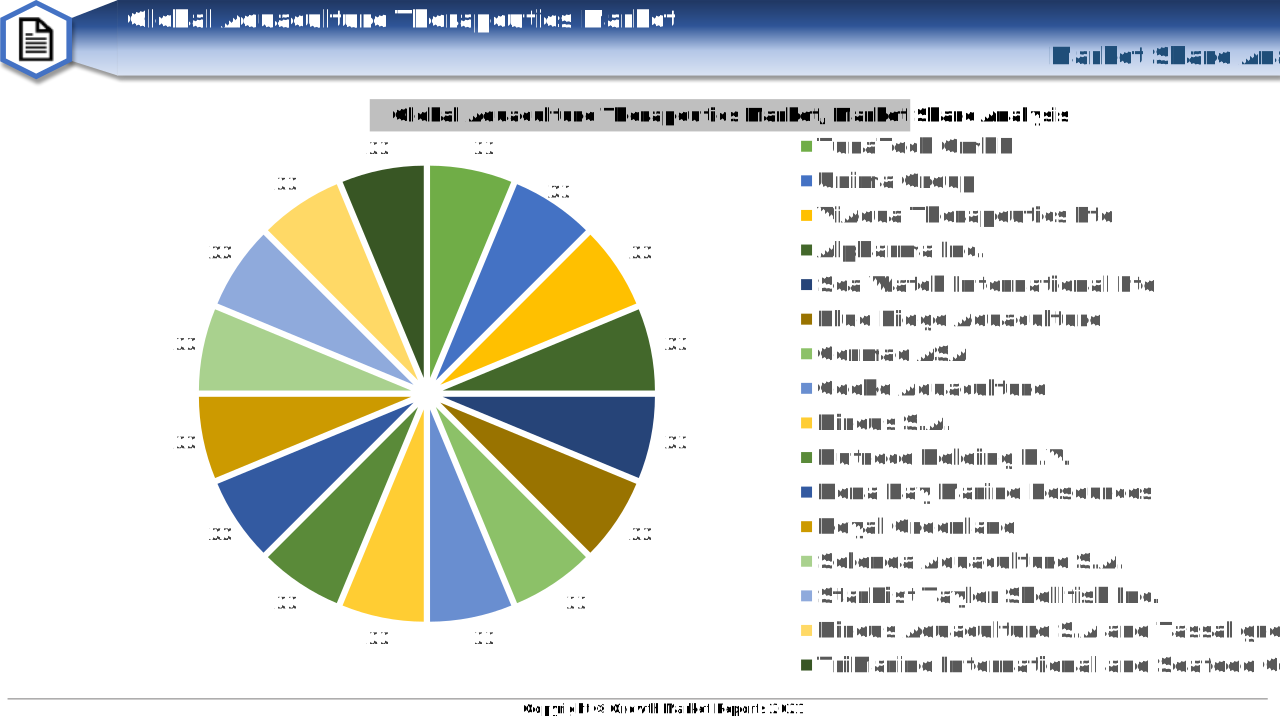
Key players competing in the global aquaculture therapeutics market are TunaTech GmbH; Unima Group; Nutreco Holding N.V.; ViAqua Therapeutics Ltd; Alpharma Inc.; Sea Watch International Ltd.; Blue Ridge Aquaculture; Cooke Aquaculture; Nireus S.A.; Kona Bay Marine Resources; Royal Greenland; Selonda Aquaculture S.A.; StarKist Taylor Shellfish Inc.; Nireus Aquaculture S.A and Tassal group Ltd.; TriMarine International and Seafood Company; and Cermaq ASA.
Major players include Zoetis Inc., Merck Animal Health (MSD Animal Health), Elanco Animal Health, Phibro Animal Health Corporation, Virbac, HIPRA, Benchmark Holdings plc, Neogen Corporation, and Vetoquinol S.A.
Major trends include the shift towards sustainable and eco-friendly therapeutics, integration of digital health technologies, expansion in emerging markets, and the development of species-specific and targeted therapeutics.
Key distribution channels include veterinary hospitals, aquaculture farms, online pharmacies, and specialty distributors or wholesalers.
The market is segmented into disease prevention, disease treatment, and other applications such as growth promotion, stress reduction, and immune modulation.
Therapeutics can be administered orally (via medicated feeds), through injection, topically (such as immersion baths), or using innovative methods like microencapsulation and automated dosing systems.
Aquaculture therapeutics are primarily used for fish, crustaceans (such as shrimp and crabs), mollusks (like oysters and mussels), and other emerging species including sea cucumbers and ornamental aquatic animals.
Asia Pacific dominates the market, led by China, India, Vietnam, and Indonesia. North America and Europe are also significant markets, while Latin America and the Middle East & Africa are emerging as promising regions.
The main product types in aquaculture therapeutics are vaccines, antibiotics, parasiticides, anti-inflammatory agents, and other specialized therapeutics such as immunostimulants and probiotics. Vaccines are the fastest-growing segment due to their effectiveness in disease prevention.
Key growth drivers include the rising prevalence of infectious diseases in farmed aquatic species, increased investments in advanced therapeutics, technological advancements in biotechnology, and a growing emphasis on sustainable aquaculture practices.
The global aquaculture therapeutics market reached USD 1.68 billion in 2024 and is projected to grow at a CAGR of 8.2% from 2025 to 2033, reaching USD 3.29 billion by 2033.