Antacids Market Research Report 2033

Antacids Market Research Report 2033

Segments - by Product Type (Tablets, Liquids, Powders, Chewable, Others), by Active Ingredient (Magnesium Compounds, Aluminum Compounds, Calcium Compounds, Sodium Bicarbonate, Others), by Application (Gastroesophageal Reflux Disease, Indigestion, Heartburn, Peptic Ulcer Disease, Others), by Distribution Channel (Hospital Pharmacies, Retail Pharmacies, Online Pharmacies, Others)

https://growthmarketreports.com/raksha
Author : Raksha Sharma
https://growthmarketreports.com/Vaibhav
Fact-checked by : V. Chandola
https://growthmarketreports.com/Shruti
Editor : Shruti Bhat

Upcoming | Report ID :HC-862 | 4.8 Rating | 84 Reviews | 296 Pages | Format : Docx PDF

Report Description


Antacids Market Outlook

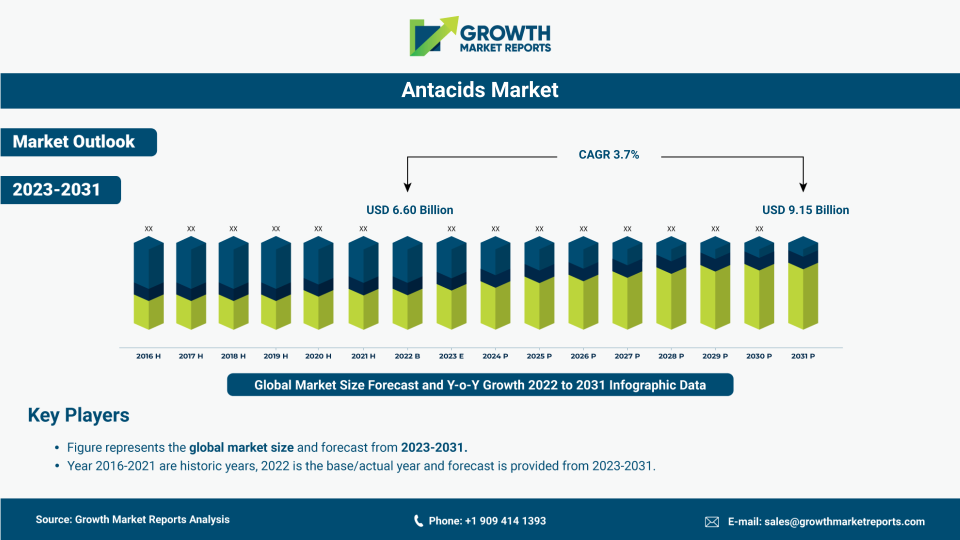
As per our latest research, the global antacids market size reached USD 8.9 billion in 2024, reflecting robust demand driven by rising gastrointestinal disorders worldwide. The market is advancing at a CAGR of 4.7% and is projected to attain USD 13.3 billion by 2033. This steady growth is primarily fueled by increased prevalence of acid reflux, lifestyle-induced digestive issues, and a growing geriatric population, all contributing to the sustained expansion of the antacids industry.

A key driver of the antacids market is the escalating incidence of gastrointestinal diseases such as gastroesophageal reflux disease (GERD), peptic ulcers, and functional dyspepsia. Modern dietary patterns, characterized by high fat intake, processed foods, and irregular meal timings, have led to a surge in digestive disorders globally. Additionally, factors such as stress, sedentary lifestyles, and increased consumption of alcohol and tobacco further exacerbate the prevalence of acid-related ailments. The widespread use of non-steroidal anti-inflammatory drugs (NSAIDs), which can irritate the stomach lining, also contributes to the higher demand for antacids. As a result, both prescription and over-the-counter (OTC) antacid products are witnessing increased adoption across diverse demographic groups, amplifying the market’s growth trajectory.

The growing geriatric population is another significant growth factor for the antacids market. Older adults are more susceptible to gastrointestinal issues due to physiological changes, polypharmacy, and comorbidities that require medications known to induce acid reflux or indigestion. With the world’s population aged 60 and above expected to surpass 2 billion by 2050, the demand for fast-acting and effective antacid formulations is anticipated to rise substantially. This demographic trend, coupled with heightened health awareness and greater access to healthcare, supports the continuous expansion of the antacids market. Furthermore, manufacturers are innovating with new formulations, such as sugar-free and chewable antacids, to cater to the specific preferences of elderly patients, thus enhancing product uptake.

Technological advancements in formulation and delivery mechanisms are significantly shaping the antacids market’s evolution. Companies are investing in research and development to create products that offer rapid symptom relief, longer duration of action, and improved palatability. The emergence of combination antacids that address multiple symptoms, such as heartburn and indigestion, in a single dose, has garnered considerable consumer interest. Additionally, the growing trend of self-medication and the availability of antacids through various distribution channels, including online pharmacies, have made these products more accessible than ever before. Enhanced marketing strategies, coupled with consumer education initiatives, are further driving market penetration, especially in emerging economies.

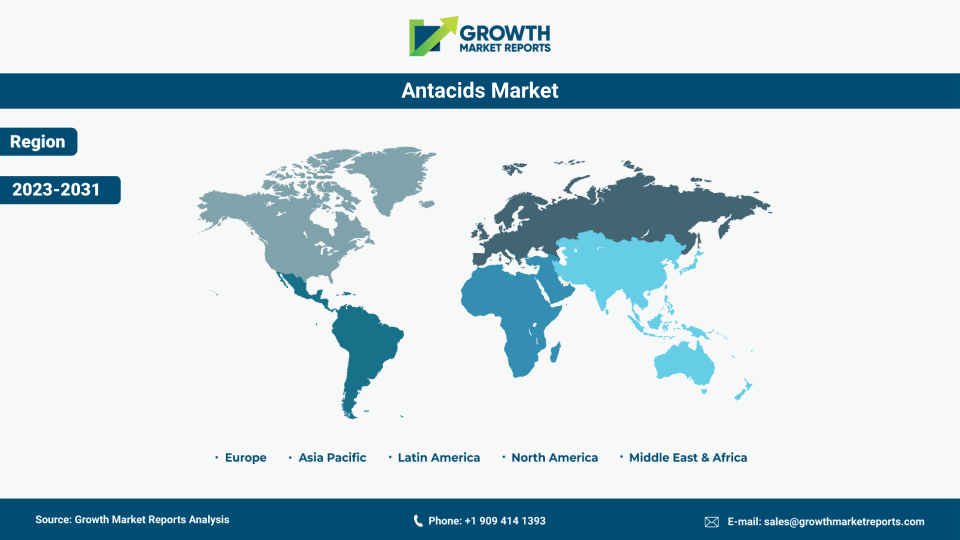
From a regional perspective, North America continues to dominate the antacids market, accounting for the largest share in 2024, followed by Europe and the Asia Pacific region. The high prevalence of gastroesophageal reflux disease and heartburn, advanced healthcare infrastructure, and widespread availability of OTC medications contribute to North America’s leading position. Meanwhile, the Asia Pacific region is witnessing the fastest growth, driven by increasing urbanization, changing dietary habits, and rising healthcare expenditure. Latin America and the Middle East & Africa are also experiencing steady growth, supported by improving access to healthcare and rising awareness regarding gastrointestinal health.

Global Antacids Industry Outlook

Product Type Analysis

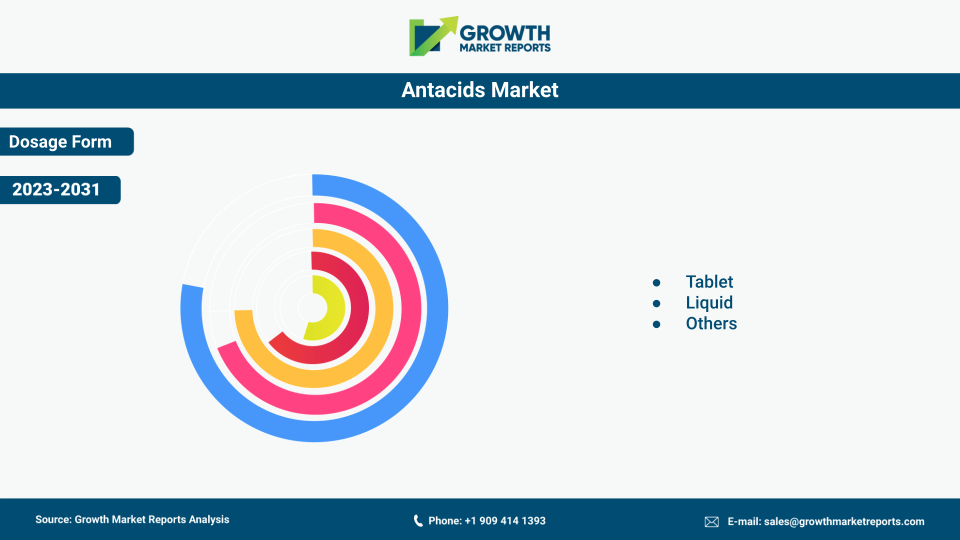
The antacids market is segmented by product type into tablets, liquids, powders, chewable, and others, each catering to specific consumer preferences and clinical requirements. Tablets represent a significant portion of the market due to their convenience, portability, and ease of administration. They are favored for both acute and chronic management of acid-related disorders, often available in various strengths and flavors to enhance patient compliance. The rapid onset of action and long shelf life further bolster the popularity of tablet-based antacids. Manufacturers are continually innovating with effervescent and fast-dissolving tablet formulations to meet the evolving needs of consumers, especially those seeking immediate relief from symptoms.

Liquid antacids hold a substantial market share, particularly among patients who have difficulty swallowing tablets or require rapid symptom relief. Liquids offer the advantage of faster absorption and a soothing effect on the esophageal lining, making them ideal for individuals experiencing severe heartburn or acid reflux. These formulations are often preferred in pediatric and geriatric populations, where ease of administration is crucial. The availability of flavored liquid antacids has further increased their acceptance, especially among children and elderly patients. However, challenges such as shorter shelf life and the need for refrigeration in some cases can limit their widespread adoption compared to tablets.

Powdered antacids, though a smaller segment, are gaining traction due to their flexibility in dosing and ease of transport. Powders can be easily mixed with water or other beverages, making them a convenient option for on-the-go relief. This segment is particularly popular in regions where traditional medicine and herbal remedies are prevalent, as powders can be formulated with natural ingredients. The ability to customize dosage and the potential for faster onset of action are key advantages driving the growth of powdered antacids. However, the need for accurate measurement and the potential for taste-related issues may pose challenges to broader market penetration.

Chewable antacids have witnessed increasing demand, especially among younger consumers and those seeking a palatable alternative to traditional tablets and liquids. These products are often formulated with pleasant flavors and offer the convenience of administration without the need for water. Chewable antacids are particularly popular for managing mild to moderate symptoms of heartburn and indigestion, as they provide quick relief and are easy to carry. The segment’s growth is further supported by marketing campaigns targeting busy professionals, travelers, and parents seeking child-friendly options. Other product types, including novel delivery systems such as orally disintegrating strips and gels, are also emerging, reflecting the industry’s focus on innovation and consumer-centric solutions.

Report Scope

Attributes Details
Report Title Antacids Market Research Report 2033
By Product Type Tablets, Liquids, Powders, Chewable, Others
By Active Ingredient Magnesium Compounds, Aluminum Compounds, Calcium Compounds, Sodium Bicarbonate, Others
By Application Gastroesophageal Reflux Disease, Indigestion, Heartburn, Peptic Ulcer Disease, Others
By Distribution Channel Hospital Pharmacies, Retail Pharmacies, Online Pharmacies, Others
Regions Covered North America, Europe, APAC, Latin America, MEA
Base Year 2024
Historic Data 2018-2023
Forecast Period 2025-2033
Number of Pages 296
Number of Tables & Figures 371
Customization Available Yes, the report can be customized as per your need.

Active Ingredient Analysis

The antacids market is characterized by a diverse range of active ingredients, each offering distinct mechanisms of action and therapeutic benefits. Magnesium compounds, such as magnesium hydroxide and magnesium carbonate, are widely used due to their rapid neutralization of stomach acid and mild laxative effect, which can help counteract constipation caused by other antacid ingredients. These compounds are commonly found in both single and combination formulations, catering to patients seeking fast-acting relief from acid-related symptoms. The growing preference for magnesium-based antacids is also driven by their favorable safety profile and minimal systemic absorption.

Aluminum compounds, including aluminum hydroxide and aluminum phosphate, are another important class of active ingredients in the antacids market. These agents are effective in neutralizing gastric acid and are often combined with magnesium compounds to balance their constipating and laxative effects. Aluminum-based antacids are particularly beneficial for patients with chronic kidney disease, as they do not contribute to hypermagnesemia. However, prolonged use of aluminum-containing antacids can lead to phosphate depletion and other adverse effects, necessitating careful monitoring in certain patient populations. The continued use of aluminum compounds underscores the importance of individualized therapy and the need for healthcare professionals to tailor antacid regimens based on patient-specific factors.

Calcium compounds, such as calcium carbonate, are among the most popular active ingredients in OTC antacids due to their rapid onset of action and dual benefit of providing supplemental calcium. Calcium carbonate is highly effective in neutralizing stomach acid and is well-tolerated by most patients. It is frequently recommended for pregnant women and individuals at risk of osteoporosis, as it contributes to daily calcium intake. However, excessive use can lead to hypercalcemia and milk-alkali syndrome, highlighting the importance of appropriate dosing and patient education. The popularity of calcium-based antacids is further supported by their availability in various formulations, including chewable tablets and flavored options.

Sodium bicarbonate is another widely used active ingredient, valued for its immediate acid-neutralizing properties. It is particularly effective for rapid relief of heartburn and indigestion but is generally recommended for short-term use due to the risk of systemic alkalosis and sodium overload, especially in individuals with hypertension or heart failure. The use of sodium bicarbonate-based antacids is declining in favor of formulations with improved safety profiles, but they remain an important option for acute symptom management. Other active ingredients, such as simethicone and herbal extracts, are being incorporated into antacid formulations to address additional symptoms like bloating and gas, reflecting the market’s shift towards comprehensive gastrointestinal relief.

Application Analysis

The antacids market serves a broad spectrum of clinical applications, with gastroesophageal reflux disease (GERD) representing the largest segment. GERD is a chronic condition characterized by the backflow of stomach acid into the esophagus, leading to symptoms such as heartburn, regurgitation, and chest discomfort. The rising prevalence of GERD, attributed to obesity, poor dietary habits, and increasing stress levels, has significantly boosted the demand for antacid medications. Both prescription and OTC antacids are widely used for the acute management of GERD symptoms, providing rapid relief and improving patient quality of life. The availability of various formulations, including chewable tablets and liquids, ensures that patients can select products that best suit their individual needs.

Indigestion, also known as dyspepsia, is another major application area for antacids, affecting millions of individuals globally. Indigestion can result from overeating, consumption of spicy or fatty foods, and underlying gastrointestinal disorders. Antacids are often the first-line therapy for managing mild to moderate symptoms of indigestion, offering quick and effective relief. The growing trend of self-medication and increased awareness of gastrointestinal health have contributed to the rising adoption of antacids for indigestion. Manufacturers are responding by introducing products with improved taste, faster onset of action, and enhanced safety profiles to cater to the diverse needs of consumers.

Heartburn, a common symptom of acid reflux, is a key driver of antacid sales, particularly in developed markets where dietary and lifestyle factors contribute to its high prevalence. Antacids provide immediate symptom relief by neutralizing excess stomach acid, making them a popular choice for individuals experiencing occasional or recurrent heartburn. The convenience of OTC availability and the wide range of product options have made antacids a staple in household medicine cabinets. Marketing campaigns emphasizing the importance of prompt symptom management and the risks of untreated heartburn have further stimulated demand in this segment.

Peptic ulcer disease, though less common than GERD and indigestion, remains an important application for antacids, particularly in combination with other therapies such as proton pump inhibitors and antibiotics. Antacids help alleviate ulcer-related pain and discomfort by reducing gastric acidity and promoting mucosal healing. The increased use of NSAIDs and the persistence of Helicobacter pylori infection in certain regions have sustained the demand for antacid therapy in peptic ulcer management. Other applications, including the treatment of gastritis, functional dyspepsia, and stress-related mucosal damage, highlight the versatility of antacids in addressing a wide range of gastrointestinal conditions.

Distribution Channel Analysis

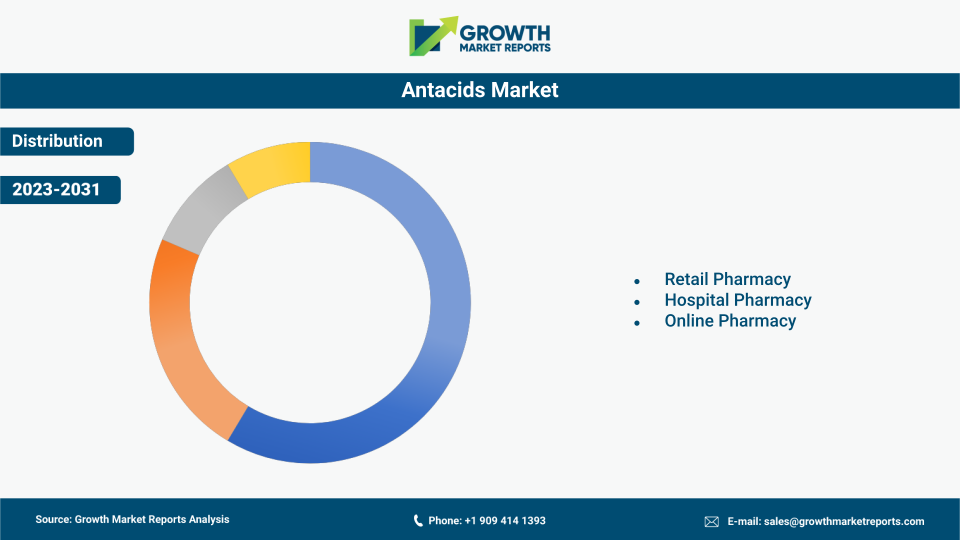
Distribution channels play a pivotal role in the accessibility and market penetration of antacid products. Hospital pharmacies account for a significant share of the antacids market, particularly for prescription-strength formulations and products intended for inpatient use. Hospitals serve as primary points of care for patients with severe or chronic gastrointestinal disorders, ensuring the availability of a wide range of antacid options. The presence of trained healthcare professionals in hospital settings facilitates appropriate product selection and dosing, minimizing the risk of adverse effects and drug interactions. Hospital pharmacies also play a crucial role in patient education and medication counseling, further supporting optimal therapeutic outcomes.

Retail pharmacies represent the largest distribution channel for antacids, driven by the widespread availability of OTC products and the convenience of community-based access. Retail pharmacies cater to a diverse customer base, including individuals seeking immediate relief from heartburn, indigestion, or acid reflux. The presence of knowledgeable pharmacists enables consumers to receive guidance on product selection, dosing, and potential side effects. Retail pharmacies also offer a wide variety of brands, formulations, and price points, allowing consumers to choose products that best meet their preferences and budget. The increasing adoption of point-of-sale promotions and loyalty programs has further boosted antacid sales through this channel.

Online pharmacies are emerging as a rapidly growing distribution channel in the antacids market, driven by the proliferation of e-commerce platforms and the increasing preference for digital health solutions. Online pharmacies offer unparalleled convenience, allowing consumers to purchase antacid products from the comfort of their homes and benefit from home delivery services. The availability of detailed product information, customer reviews, and competitive pricing has made online pharmacies an attractive option for tech-savvy consumers. The COVID-19 pandemic further accelerated the shift towards online purchasing, with many consumers opting for contactless transactions and remote consultations. Regulatory support for online pharmacy operations and the expansion of digital payment infrastructure are expected to sustain the growth of this channel in the coming years.

Other distribution channels, including supermarkets, hypermarkets, and specialty stores, contribute to the overall accessibility of antacid products, particularly in regions with limited pharmacy infrastructure. These outlets offer consumers the convenience of purchasing antacids alongside other household essentials, further driving market penetration. The presence of promotional displays and in-store marketing campaigns enhances product visibility and encourages impulse purchases. The diversification of distribution channels underscores the industry’s commitment to meeting the evolving needs of consumers and ensuring the widespread availability of antacid products across urban and rural markets.

Opportunities & Threats

The antacids market is poised for significant opportunities driven by ongoing research and development activities aimed at creating innovative formulations and delivery mechanisms. The introduction of sugar-free, gluten-free, and allergen-free antacid products caters to the growing demand for personalized and health-conscious solutions. The increasing focus on natural and herbal ingredients presents an opportunity for manufacturers to differentiate their offerings and tap into the expanding market for alternative therapies. Additionally, the integration of digital health tools, such as mobile apps for symptom tracking and medication reminders, can enhance patient adherence and improve therapeutic outcomes. The expansion of healthcare infrastructure in emerging markets, coupled with rising disposable incomes and greater health awareness, further supports the long-term growth prospects of the antacids industry.

Another significant opportunity lies in the expansion of distribution networks, particularly in underserved regions where access to healthcare products remains limited. Strategic partnerships with local distributors, pharmacies, and healthcare providers can help manufacturers penetrate new markets and reach a broader customer base. The growing trend of direct-to-consumer marketing, facilitated by social media and digital platforms, enables companies to engage with consumers more effectively and build brand loyalty. Investments in consumer education and awareness campaigns can also drive demand by highlighting the importance of timely and appropriate management of gastrointestinal symptoms. The increasing adoption of telemedicine and online consultations provides an additional avenue for antacid product promotion and sales, especially in the post-pandemic era.

Despite the promising outlook, the antacids market faces certain restraining factors, including the potential for adverse effects associated with long-term use of antacid medications. Prolonged consumption of certain antacids, particularly those containing aluminum or calcium, can lead to complications such as electrolyte imbalances, kidney stones, and altered mineral metabolism. The emergence of alternative therapies, such as proton pump inhibitors and H2 receptor antagonists, which offer longer-lasting relief, poses a competitive threat to traditional antacid products. Regulatory challenges related to product labeling, safety, and efficacy standards can also hinder market growth, particularly in regions with stringent pharmaceutical regulations. Addressing these challenges requires ongoing investment in research, quality assurance, and patient education to ensure the safe and effective use of antacid medications.

Regional Outlook

In 2024, North America accounted for the largest share of the global antacids market, with total revenues reaching USD 2.9 billion. The region’s dominance is attributed to the high prevalence of acid reflux and indigestion, advanced healthcare infrastructure, and widespread availability of OTC antacid products. The United States, in particular, is a major contributor, driven by increased awareness of gastrointestinal health and proactive consumer behavior regarding symptom management. The presence of leading pharmaceutical companies and ongoing product innovation further strengthen North America’s position in the global market. The region is expected to maintain steady growth, supported by demographic trends and continued investment in healthcare.

Europe represents the second-largest market for antacids, with revenues estimated at USD 2.1 billion in 2024. The region’s growth is driven by rising cases of GERD, indigestion, and peptic ulcer disease, particularly among aging populations. Countries such as Germany, the United Kingdom, and France are key contributors, benefiting from robust healthcare systems and high levels of health literacy. The increasing adoption of OTC and prescription antacid products, coupled with the presence of established distribution networks, supports market expansion. Europe is projected to grow at a CAGR of 4.4% through 2033, reflecting stable demand and ongoing product innovation.

The Asia Pacific region is witnessing the fastest growth in the antacids market, with revenues reaching USD 1.8 billion in 2024. Rapid urbanization, changing dietary habits, and rising healthcare expenditure are key factors driving market growth in countries such as China, India, and Japan. The increasing prevalence of gastrointestinal disorders, coupled with greater access to healthcare services, has fueled the demand for antacid products across diverse population segments. The expansion of retail and online pharmacy networks, along with targeted marketing campaigns, has further enhanced product accessibility. The Asia Pacific market is expected to outpace other regions in terms of growth rate, presenting significant opportunities for both local and multinational manufacturers.

Antacids Market Statistics

Competitor Outlook

The antacids market is characterized by intense competition and a dynamic landscape shaped by the presence of multinational pharmaceutical giants, regional players, and emerging startups. Companies compete on the basis of product efficacy, safety, brand reputation, and distribution reach. Continuous innovation in formulation and delivery mechanisms is a key differentiator, with leading players investing heavily in research and development to create products that offer rapid symptom relief, improved palatability, and enhanced patient compliance. Strategic collaborations, mergers, and acquisitions are common strategies employed to expand product portfolios and strengthen market presence.

Brand loyalty plays a significant role in the antacids market, particularly in the OTC segment where consumers often rely on trusted brands for symptom management. Marketing and promotional activities, including television and digital advertising, in-store displays, and sponsorship of health awareness campaigns, are crucial for building brand recognition and driving sales. Companies also focus on expanding their distribution networks to ensure product availability across various channels, including hospital pharmacies, retail outlets, and online platforms. The ability to offer a diverse range of formulations, flavors, and packaging options further enhances competitive positioning.

Regulatory compliance and quality assurance are critical factors influencing the competitive landscape, especially in regions with stringent pharmaceutical standards. Leading companies invest in robust quality control systems and adhere to international guidelines to ensure the safety and efficacy of their products. The growing emphasis on consumer education and patient support programs reflects the industry’s commitment to promoting responsible use of antacid medications and minimizing the risk of adverse effects. Companies are also leveraging digital technologies to engage with consumers, gather feedback, and tailor product offerings to meet evolving preferences and needs.

Some of the major companies operating in the global antacids market include Bayer AG, Pfizer Inc., GlaxoSmithKline plc, Johnson & Johnson, Sanofi, Procter & Gamble, Reckitt Benckiser Group plc, Takeda Pharmaceutical Company Limited, Dr. Reddy’s Laboratories, and Sun Pharmaceutical Industries Ltd.. These companies are at the forefront of product innovation, offering a wide range of antacid formulations tailored to different consumer segments. Bayer AG and GlaxoSmithKline plc, for example, have established strong brand recognition through their flagship products such as Tums and Gaviscon, respectively. Pfizer Inc. and Johnson & Johnson leverage their extensive distribution networks and marketing expertise to maintain competitive advantage in both developed and emerging markets.

Sanofi and Procter & Gamble are known for their focus on consumer health and wellness, offering antacid products that emphasize convenience, safety, and efficacy. Reckitt Benckiser Group plc has expanded its presence through strategic acquisitions and product diversification, while Takeda Pharmaceutical Company Limited and Dr. Reddy’s Laboratories are leveraging their expertise in gastrointestinal therapeutics to develop advanced antacid formulations. Sun Pharmaceutical Industries Ltd. is recognized for its strong presence in emerging markets and commitment to affordable healthcare solutions. Collectively, these companies are shaping the future of the antacids market through ongoing investment in research, product development, and consumer engagement.

Key Players

  • Pfizer Inc.
  • GlaxoSmithKline plc
  • Bayer AG
  • Sanofi S.A.
  • AstraZeneca plc
  • Johnson & Johnson
  • Takeda Pharmaceutical Company Limited
  • Boehringer Ingelheim International GmbH
  • Reckitt Benckiser Group plc
  • Procter & Gamble Co.
  • Dr. Reddy’s Laboratories Ltd.
  • Sun Pharmaceutical Industries Ltd.
  • Abbott Laboratories
  • Novartis AG
  • Cipla Ltd.
  • Perrigo Company plc
  • Haleon plc
  • Teva Pharmaceutical Industries Ltd.
  • Mylan N.V.
  • Cadila Healthcare Ltd. (Zydus Cadila)
Antacids Market Overview

Segments

The Antacids market has been segmented on the basis of

Product Type

  • Tablets
  • Liquids
  • Powders
  • Chewable
  • Others

Active Ingredient

  • Magnesium Compounds
  • Aluminum Compounds
  • Calcium Compounds
  • Sodium Bicarbonate
  • Others

Application

  • Gastroesophageal Reflux Disease
  • Indigestion
  • Heartburn
  • Peptic Ulcer Disease
  • Others

Distribution Channel

  • Hospital Pharmacies
  • Retail Pharmacies
  • Online Pharmacies
  • Others

Competitive Landscape

Key players competing in the antacids market include GlaxoSmithKline plc.; Bayer AG; Boehringer Ingelheim International GmbH; Dr. Reddy’s Laboratories Ltd.; Sanofi; Reckitt Benckiser Group plc.; Sun Pharmaceuticals Ltd.; Takeda Pharmaceutical Company Limited; Pfizer Inc.; and Procter & Gamble.

Major market players are adopting several business strategies such as mergers, acquisitions, partnerships, collaborations, capacity expansion, and product launches to increase/enhance their market shares. For instance, in 2016, Dexilant (Dexlansoprazole) was launched by Takeda Pharmaceutical Company Limited. It was company’s first approved proton pump inhibitor that uses dual delayed-release technology for GERD patients.
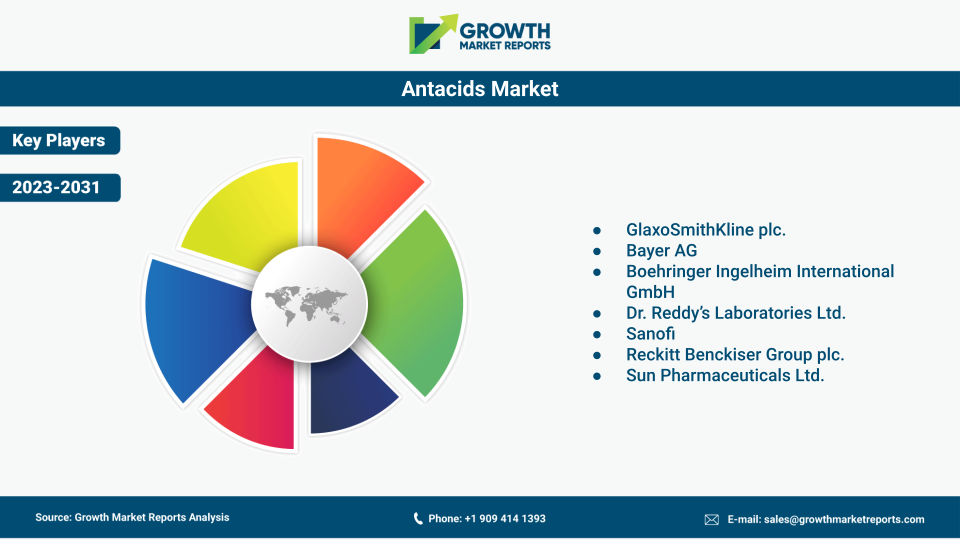

Antacids Market Key Players

Frequently Asked Questions

Long-term use of certain antacids, especially those containing aluminum or calcium, may cause side effects like electrolyte imbalances or kidney stones. Competition from alternative therapies and regulatory challenges also pose market risks.

Major players include Bayer AG, Pfizer Inc., GlaxoSmithKline plc, Johnson & Johnson, Sanofi, Procter & Gamble, Reckitt Benckiser Group plc, Takeda Pharmaceutical Company Limited, Dr. Reddy’s Laboratories, and Sun Pharmaceutical Industries Ltd.

Key trends include the development of sugar-free, chewable, and flavored antacids, combination products for multiple symptoms, and the rise of online pharmacies and digital health tools for symptom tracking.

Antacids are widely available through hospital pharmacies, retail pharmacies, online pharmacies, supermarkets, hypermarkets, and specialty stores.

Antacids are primarily used to manage gastroesophageal reflux disease (GERD), indigestion, heartburn, and peptic ulcer disease. They are also used for other conditions like gastritis and functional dyspepsia.

Common active ingredients include magnesium compounds, aluminum compounds, calcium carbonate, and sodium bicarbonate. Some formulations also include simethicone or herbal extracts.

Antacid products are available in various forms, including tablets, liquids, powders, chewables, and newer delivery systems like orally disintegrating strips and gels.

North America leads the antacids market, followed by Europe and the Asia Pacific region. The Asia Pacific is experiencing the fastest growth due to urbanization and changing dietary habits.

Key drivers include the rising prevalence of gastrointestinal disorders such as GERD and peptic ulcers, lifestyle changes, increased use of NSAIDs, a growing geriatric population, and greater health awareness.

As of 2024, the global antacids market is valued at USD 8.9 billion, with projections to reach USD 13.3 billion by 2033.

Table Of Content

Chapter 1 Executive Summary
Chapter 2 Assumptions and Acronyms Used
Chapter 3 Research Methodology
Chapter 4 Antacids Market Overview
   4.1 Introduction
      4.1.1 Market Taxonomy
      4.1.2 Market Definition
      4.1.3 Macro-Economic Factors Impacting the Market Growth
   4.2 Antacids Market Dynamics
      4.2.1 Market Drivers
      4.2.2 Market Restraints
      4.2.3 Market Opportunity
   4.3 Antacids Market - Supply Chain Analysis
      4.3.1 List of Key Suppliers
      4.3.2 List of Key Distributors
      4.3.3 List of Key Consumers
   4.4 Key Forces Shaping the Antacids Market
      4.4.1 Bargaining Power of Suppliers
      4.4.2 Bargaining Power of Buyers
      4.4.3 Threat of Substitution
      4.4.4 Threat of New Entrants
      4.4.5 Competitive Rivalry
   4.5 Global Antacids Market Size & Forecast, 2023-2032
      4.5.1 Antacids Market Size and Y-o-Y Growth
      4.5.2 Antacids Market Absolute $ Opportunity

Chapter 5 Global Antacids Market Analysis and Forecast By Product Type
   5.1 Introduction
      5.1.1 Key Market Trends & Growth Opportunities By Product Type
      5.1.2 Basis Point Share (BPS) Analysis By Product Type
      5.1.3 Absolute $ Opportunity Assessment By Product Type
   5.2 Antacids Market Size Forecast By Product Type
      5.2.1 Tablets
      5.2.2 Liquids
      5.2.3 Powders
      5.2.4 Chewable
      5.2.5 Others
   5.3 Market Attractiveness Analysis By Product Type

Chapter 6 Global Antacids Market Analysis and Forecast By Active Ingredient
   6.1 Introduction
      6.1.1 Key Market Trends & Growth Opportunities By Active Ingredient
      6.1.2 Basis Point Share (BPS) Analysis By Active Ingredient
      6.1.3 Absolute $ Opportunity Assessment By Active Ingredient
   6.2 Antacids Market Size Forecast By Active Ingredient
      6.2.1 Magnesium Compounds
      6.2.2 Aluminum Compounds
      6.2.3 Calcium Compounds
      6.2.4 Sodium Bicarbonate
      6.2.5 Others
   6.3 Market Attractiveness Analysis By Active Ingredient

Chapter 7 Global Antacids Market Analysis and Forecast By Application
   7.1 Introduction
      7.1.1 Key Market Trends & Growth Opportunities By Application
      7.1.2 Basis Point Share (BPS) Analysis By Application
      7.1.3 Absolute $ Opportunity Assessment By Application
   7.2 Antacids Market Size Forecast By Application
      7.2.1 Gastroesophageal Reflux Disease
      7.2.2 Indigestion
      7.2.3 Heartburn
      7.2.4 Peptic Ulcer Disease
      7.2.5 Others
   7.3 Market Attractiveness Analysis By Application

Chapter 8 Global Antacids Market Analysis and Forecast By Distribution Channel
   8.1 Introduction
      8.1.1 Key Market Trends & Growth Opportunities By Distribution Channel
      8.1.2 Basis Point Share (BPS) Analysis By Distribution Channel
      8.1.3 Absolute $ Opportunity Assessment By Distribution Channel
   8.2 Antacids Market Size Forecast By Distribution Channel
      8.2.1 Hospital Pharmacies
      8.2.2 Retail Pharmacies
      8.2.3 Online Pharmacies
      8.2.4 Others
   8.3 Market Attractiveness Analysis By Distribution Channel

Chapter 9 Global Antacids Market Analysis and Forecast by Region
   9.1 Introduction
      9.1.1 Key Market Trends & Growth Opportunities By Region
      9.1.2 Basis Point Share (BPS) Analysis By Region
      9.1.3 Absolute $ Opportunity Assessment By Region
   9.2 Antacids Market Size Forecast By Region
      9.2.1 North America
      9.2.2 Europe
      9.2.3 Asia Pacific
      9.2.4 Latin America
      9.2.5 Middle East & Africa (MEA)
   9.3 Market Attractiveness Analysis By Region

Chapter 10 Coronavirus Disease (COVID-19) Impact 
   10.1 Introduction 
   10.2 Current & Future Impact Analysis 
   10.3 Economic Impact Analysis 
   10.4 Government Policies 
   10.5 Investment Scenario

Chapter 11 North America Antacids Analysis and Forecast
   11.1 Introduction
   11.2 North America Antacids Market Size Forecast by Country
      11.2.1 U.S.
      11.2.2 Canada
   11.3 Basis Point Share (BPS) Analysis by Country
   11.4 Absolute $ Opportunity Assessment by Country
   11.5 Market Attractiveness Analysis by Country
   11.6 North America Antacids Market Size Forecast By Product Type
      11.6.1 Tablets
      11.6.2 Liquids
      11.6.3 Powders
      11.6.4 Chewable
      11.6.5 Others
   11.7 Basis Point Share (BPS) Analysis By Product Type 
   11.8 Absolute $ Opportunity Assessment By Product Type 
   11.9 Market Attractiveness Analysis By Product Type
   11.10 North America Antacids Market Size Forecast By Active Ingredient
      11.10.1 Magnesium Compounds
      11.10.2 Aluminum Compounds
      11.10.3 Calcium Compounds
      11.10.4 Sodium Bicarbonate
      11.10.5 Others
   11.11 Basis Point Share (BPS) Analysis By Active Ingredient 
   11.12 Absolute $ Opportunity Assessment By Active Ingredient 
   11.13 Market Attractiveness Analysis By Active Ingredient
   11.14 North America Antacids Market Size Forecast By Application
      11.14.1 Gastroesophageal Reflux Disease
      11.14.2 Indigestion
      11.14.3 Heartburn
      11.14.4 Peptic Ulcer Disease
      11.14.5 Others
   11.15 Basis Point Share (BPS) Analysis By Application 
   11.16 Absolute $ Opportunity Assessment By Application 
   11.17 Market Attractiveness Analysis By Application
   11.18 North America Antacids Market Size Forecast By Distribution Channel
      11.18.1 Hospital Pharmacies
      11.18.2 Retail Pharmacies
      11.18.3 Online Pharmacies
      11.18.4 Others
   11.19 Basis Point Share (BPS) Analysis By Distribution Channel 
   11.20 Absolute $ Opportunity Assessment By Distribution Channel 
   11.21 Market Attractiveness Analysis By Distribution Channel

Chapter 12 Europe Antacids Analysis and Forecast
   12.1 Introduction
   12.2 Europe Antacids Market Size Forecast by Country
      12.2.1 Germany
      12.2.2 France
      12.2.3 Italy
      12.2.4 U.K.
      12.2.5 Spain
      12.2.6 Russia
      12.2.7 Rest of Europe
   12.3 Basis Point Share (BPS) Analysis by Country
   12.4 Absolute $ Opportunity Assessment by Country
   12.5 Market Attractiveness Analysis by Country
   12.6 Europe Antacids Market Size Forecast By Product Type
      12.6.1 Tablets
      12.6.2 Liquids
      12.6.3 Powders
      12.6.4 Chewable
      12.6.5 Others
   12.7 Basis Point Share (BPS) Analysis By Product Type 
   12.8 Absolute $ Opportunity Assessment By Product Type 
   12.9 Market Attractiveness Analysis By Product Type
   12.10 Europe Antacids Market Size Forecast By Active Ingredient
      12.10.1 Magnesium Compounds
      12.10.2 Aluminum Compounds
      12.10.3 Calcium Compounds
      12.10.4 Sodium Bicarbonate
      12.10.5 Others
   12.11 Basis Point Share (BPS) Analysis By Active Ingredient 
   12.12 Absolute $ Opportunity Assessment By Active Ingredient 
   12.13 Market Attractiveness Analysis By Active Ingredient
   12.14 Europe Antacids Market Size Forecast By Application
      12.14.1 Gastroesophageal Reflux Disease
      12.14.2 Indigestion
      12.14.3 Heartburn
      12.14.4 Peptic Ulcer Disease
      12.14.5 Others
   12.15 Basis Point Share (BPS) Analysis By Application 
   12.16 Absolute $ Opportunity Assessment By Application 
   12.17 Market Attractiveness Analysis By Application
   12.18 Europe Antacids Market Size Forecast By Distribution Channel
      12.18.1 Hospital Pharmacies
      12.18.2 Retail Pharmacies
      12.18.3 Online Pharmacies
      12.18.4 Others
   12.19 Basis Point Share (BPS) Analysis By Distribution Channel 
   12.20 Absolute $ Opportunity Assessment By Distribution Channel 
   12.21 Market Attractiveness Analysis By Distribution Channel

Chapter 13 Asia Pacific Antacids Analysis and Forecast
   13.1 Introduction
   13.2 Asia Pacific Antacids Market Size Forecast by Country
      13.2.1 China
      13.2.2 Japan
      13.2.3 South Korea
      13.2.4 India
      13.2.5 Australia
      13.2.6 South East Asia (SEA)
      13.2.7 Rest of Asia Pacific (APAC)
   13.3 Basis Point Share (BPS) Analysis by Country
   13.4 Absolute $ Opportunity Assessment by Country
   13.5 Market Attractiveness Analysis by Country
   13.6 Asia Pacific Antacids Market Size Forecast By Product Type
      13.6.1 Tablets
      13.6.2 Liquids
      13.6.3 Powders
      13.6.4 Chewable
      13.6.5 Others
   13.7 Basis Point Share (BPS) Analysis By Product Type 
   13.8 Absolute $ Opportunity Assessment By Product Type 
   13.9 Market Attractiveness Analysis By Product Type
   13.10 Asia Pacific Antacids Market Size Forecast By Active Ingredient
      13.10.1 Magnesium Compounds
      13.10.2 Aluminum Compounds
      13.10.3 Calcium Compounds
      13.10.4 Sodium Bicarbonate
      13.10.5 Others
   13.11 Basis Point Share (BPS) Analysis By Active Ingredient 
   13.12 Absolute $ Opportunity Assessment By Active Ingredient 
   13.13 Market Attractiveness Analysis By Active Ingredient
   13.14 Asia Pacific Antacids Market Size Forecast By Application
      13.14.1 Gastroesophageal Reflux Disease
      13.14.2 Indigestion
      13.14.3 Heartburn
      13.14.4 Peptic Ulcer Disease
      13.14.5 Others
   13.15 Basis Point Share (BPS) Analysis By Application 
   13.16 Absolute $ Opportunity Assessment By Application 
   13.17 Market Attractiveness Analysis By Application
   13.18 Asia Pacific Antacids Market Size Forecast By Distribution Channel
      13.18.1 Hospital Pharmacies
      13.18.2 Retail Pharmacies
      13.18.3 Online Pharmacies
      13.18.4 Others
   13.19 Basis Point Share (BPS) Analysis By Distribution Channel 
   13.20 Absolute $ Opportunity Assessment By Distribution Channel 
   13.21 Market Attractiveness Analysis By Distribution Channel

Chapter 14 Latin America Antacids Analysis and Forecast
   14.1 Introduction
   14.2 Latin America Antacids Market Size Forecast by Country
      14.2.1 Brazil
      14.2.2 Mexico
      14.2.3 Rest of Latin America (LATAM)
   14.3 Basis Point Share (BPS) Analysis by Country
   14.4 Absolute $ Opportunity Assessment by Country
   14.5 Market Attractiveness Analysis by Country
   14.6 Latin America Antacids Market Size Forecast By Product Type
      14.6.1 Tablets
      14.6.2 Liquids
      14.6.3 Powders
      14.6.4 Chewable
      14.6.5 Others
   14.7 Basis Point Share (BPS) Analysis By Product Type 
   14.8 Absolute $ Opportunity Assessment By Product Type 
   14.9 Market Attractiveness Analysis By Product Type
   14.10 Latin America Antacids Market Size Forecast By Active Ingredient
      14.10.1 Magnesium Compounds
      14.10.2 Aluminum Compounds
      14.10.3 Calcium Compounds
      14.10.4 Sodium Bicarbonate
      14.10.5 Others
   14.11 Basis Point Share (BPS) Analysis By Active Ingredient 
   14.12 Absolute $ Opportunity Assessment By Active Ingredient 
   14.13 Market Attractiveness Analysis By Active Ingredient
   14.14 Latin America Antacids Market Size Forecast By Application
      14.14.1 Gastroesophageal Reflux Disease
      14.14.2 Indigestion
      14.14.3 Heartburn
      14.14.4 Peptic Ulcer Disease
      14.14.5 Others
   14.15 Basis Point Share (BPS) Analysis By Application 
   14.16 Absolute $ Opportunity Assessment By Application 
   14.17 Market Attractiveness Analysis By Application
   14.18 Latin America Antacids Market Size Forecast By Distribution Channel
      14.18.1 Hospital Pharmacies
      14.18.2 Retail Pharmacies
      14.18.3 Online Pharmacies
      14.18.4 Others
   14.19 Basis Point Share (BPS) Analysis By Distribution Channel 
   14.20 Absolute $ Opportunity Assessment By Distribution Channel 
   14.21 Market Attractiveness Analysis By Distribution Channel

Chapter 15 Middle East & Africa (MEA) Antacids Analysis and Forecast
   15.1 Introduction
   15.2 Middle East & Africa (MEA) Antacids Market Size Forecast by Country
      15.2.1 Saudi Arabia
      15.2.2 South Africa
      15.2.3 UAE
      15.2.4 Rest of Middle East & Africa (MEA)
   15.3 Basis Point Share (BPS) Analysis by Country
   15.4 Absolute $ Opportunity Assessment by Country
   15.5 Market Attractiveness Analysis by Country
   15.6 Middle East & Africa (MEA) Antacids Market Size Forecast By Product Type
      15.6.1 Tablets
      15.6.2 Liquids
      15.6.3 Powders
      15.6.4 Chewable
      15.6.5 Others
   15.7 Basis Point Share (BPS) Analysis By Product Type 
   15.8 Absolute $ Opportunity Assessment By Product Type 
   15.9 Market Attractiveness Analysis By Product Type
   15.10 Middle East & Africa (MEA) Antacids Market Size Forecast By Active Ingredient
      15.10.1 Magnesium Compounds
      15.10.2 Aluminum Compounds
      15.10.3 Calcium Compounds
      15.10.4 Sodium Bicarbonate
      15.10.5 Others
   15.11 Basis Point Share (BPS) Analysis By Active Ingredient 
   15.12 Absolute $ Opportunity Assessment By Active Ingredient 
   15.13 Market Attractiveness Analysis By Active Ingredient
   15.14 Middle East & Africa (MEA) Antacids Market Size Forecast By Application
      15.14.1 Gastroesophageal Reflux Disease
      15.14.2 Indigestion
      15.14.3 Heartburn
      15.14.4 Peptic Ulcer Disease
      15.14.5 Others
   15.15 Basis Point Share (BPS) Analysis By Application 
   15.16 Absolute $ Opportunity Assessment By Application 
   15.17 Market Attractiveness Analysis By Application
   15.18 Middle East & Africa (MEA) Antacids Market Size Forecast By Distribution Channel
      15.18.1 Hospital Pharmacies
      15.18.2 Retail Pharmacies
      15.18.3 Online Pharmacies
      15.18.4 Others
   15.19 Basis Point Share (BPS) Analysis By Distribution Channel 
   15.20 Absolute $ Opportunity Assessment By Distribution Channel 
   15.21 Market Attractiveness Analysis By Distribution Channel

Chapter 16 Competition Landscape 
   16.1 Antacids Market: Competitive Dashboard
   16.2 Global Antacids Market: Market Share Analysis, 2023
   16.3 Company Profiles (Details – Overview, Financials, Developments, Strategy) 
      16.3.1 Pfizer Inc.
GlaxoSmithKline plc
Bayer AG
Sanofi S.A.
AstraZeneca plc
Johnson & Johnson
Takeda Pharmaceutical Company Limited
Boehringer Ingelheim International GmbH
Reckitt Benckiser Group plc
Procter & Gamble Co.
Dr. Reddy’s Laboratories Ltd.
Sun Pharmaceutical Industries Ltd.
Abbott Laboratories
Novartis AG
Cipla Ltd.
Perrigo Company plc
Haleon plc
Teva Pharmaceutical Industries Ltd.
Mylan N.V.
Cadila Healthcare Ltd. (Zydus Cadila)

Methodology

Our Clients

Honda Motor Co. Ltd.
Pfizer
General Mills
Microsoft
sinopec
Deloitte
General Electric
Nestle SA