
AI Posture Mirror Market Size, Share & Growth Analysis, 2026-2034
AI Posture Mirror Market Size, Share & Growth Analysis, 2026-2034
Segments - by Product Type (Standalone AI Posture Mirrors, Integrated Smart Mirrors), by Application (Home Use, Fitness Centers, Physical Therapy Clinics, Corporate Wellness, Others), by Technology (Computer Vision, Sensor-Based, Machine Learning, Others), by Distribution Channel (Online Stores, Specialty Stores, Retail Stores, Others), by End-User (Individuals, Commercial, Healthcare, Others)



Last Updated : Jun, 2026
| Report ID :ICT-SE-45449
| 4.0 Rating
| 56 Reviews
| 250 Pages
| Format :


AI Posture Mirror Market: Key Numbers
The AI Posture Mirror market was valued at USD 1.44 Billion in 2025 and is projected to reach USD 7.28 Billion by 2034, a CAGR of 18.7%.
| Market size (2025) | USD 1.44 Billion |
|---|---|
| Forecast (2034) | USD 7.28 Billion |
| CAGR (2026-2034) | 18.7% |
| Largest region | North America (USD 569 Million) |
| Segments covered | Product Type, Application, Technology, Distribution Channel, End-User |
| Key companies | Mirror (Lululemon Athletica), Tonal, Vaha, Fiture, Echelon Fitness |
This report is updated with the latest market data and insights as of June 2026. Base year: 2025 | Forecast period: 2026-2034
AI Posture Mirror Market Size and Growth Outlook
Worldwide, the AI Posture Mirror market size reached USD 1.44 billion in 2025, driven by rapid technological advancements and increasing health awareness among consumers worldwide. The market is projected to grow at a robust CAGR of 18.7% from 2026 to 2034, reaching an estimated USD 7.28 billion by 2034. This impressive growth is primarily fueled by the rising adoption of AI-driven wellness solutions across fitness, healthcare, and corporate sectors, as well as the integration of advanced computer vision and sensor technologies that enhance user experience and precision in posture analysis.

One of the key growth factors propelling the AI Posture Mirror market is the global surge in health consciousness and preventive healthcare trends. Consumers are increasingly prioritizing physical well-being, leading to higher demand for smart devices that can monitor, analyze, and improve posture in real time. The integration of AI and machine learning algorithms enables these mirrors to deliver instant corrective feedback, personalized exercise recommendations, and long-term posture tracking. This not only appeals to fitness enthusiasts but also to individuals seeking ergonomic solutions for sedentary lifestyles, particularly as hybrid and remote work arrangements remain prevalent in 2025. The ability of AI Posture Mirrors to support injury prevention and rehabilitation further expands their appeal, making them indispensable tools in both domestic and professional settings. Solutions such as the Digital Posture AI Home Coach illustrate the broader ecosystem of home-based posture correction tools that is growing in parallel with this market.
Another significant driver is the technological evolution in computer vision and sensor-based systems, which has made AI Posture Mirrors more accurate, interactive, and accessible. Advances in 3D imaging, motion tracking, and deep learning have enabled these devices to deliver highly precise posture assessments and corrective guidance. Manufacturers are increasingly integrating cloud connectivity, voice assistants, and mobile app compatibility, enhancing the overall value proposition. These innovations reduce barriers to adoption, as users can seamlessly incorporate posture monitoring into daily routines without extensive technical knowledge. The parallel growth of body pose estimation AI technology is further accelerating the accuracy and affordability of underlying algorithms used in posture mirrors.
The expanding application of AI Posture Mirrors across diverse sectors continues to fuel market momentum. In addition to home use, fitness centers, and physical therapy clinics, there is a strong and accelerating trend of adoption in corporate wellness programs. Organizations are recognizing the critical importance of employee health and ergonomics, especially in hybrid and remote work contexts. By integrating AI Posture Mirrors into workplace wellness initiatives, companies aim to reduce musculoskeletal disorders, enhance productivity, and foster a culture of health and well-being. This broadening application spectrum, combined with strategic partnerships and investments by key players, is expected to sustain the market's upward trajectory through 2034.
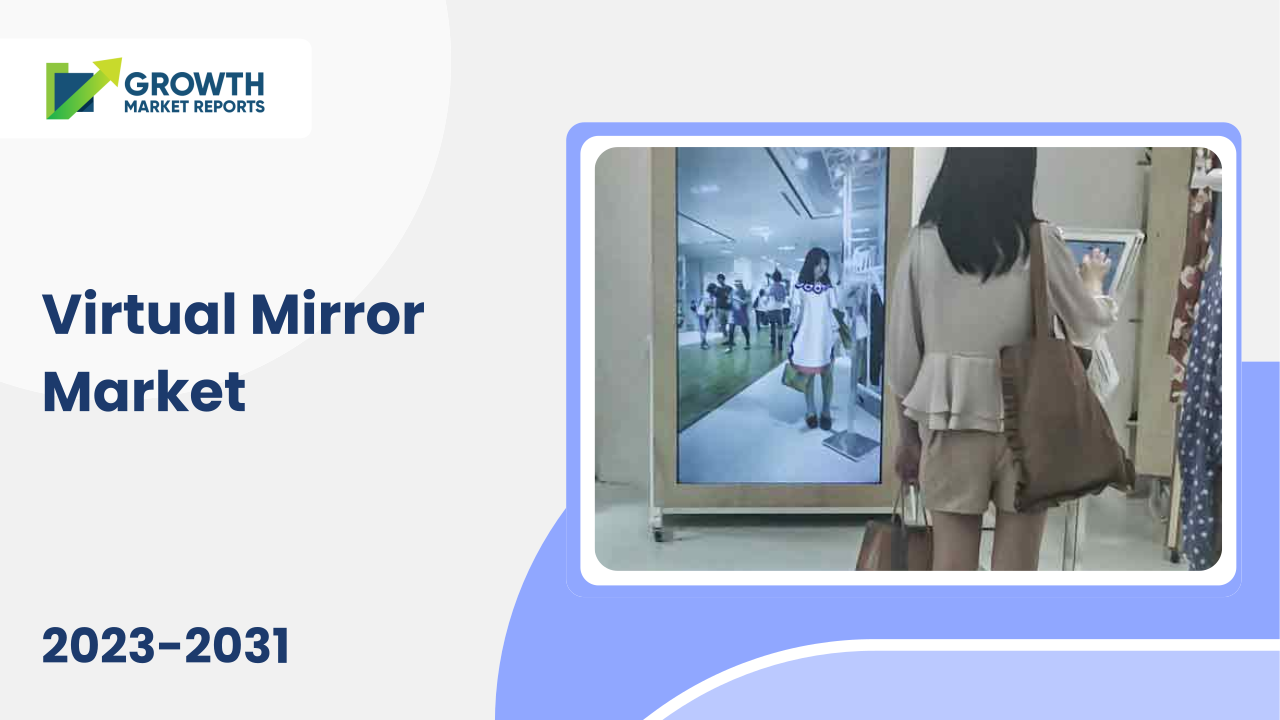
The concept of a Virtual Mirror is gaining strong traction as an innovative adjacent solution in the AI-driven wellness space. These mirrors use augmented reality and advanced imaging to project a virtual reflection of the user, enabling real-time posture correction and fitness guidance. By simulating various scenarios and providing instant feedback, they offer an immersive experience that enhances user engagement, particularly in home settings where personalized coaching replaces in-person consultations. As demand for remote fitness solutions grows, integration of virtual mirror capabilities into smart home ecosystems is expected to further accelerate AI Posture Mirror adoption through 2034.
Regionally, North America leads the AI Posture Mirror market, accounting for the largest share at approximately 39.5% in 2025, followed by Europe at roughly 24% and Asia Pacific at around 22.5%. High penetration of smart home devices, advanced healthcare infrastructure, and a tech-savvy population underpin North America's dominance. Asia Pacific is projected to exhibit the fastest growth, at a CAGR of 22.5% through 2034, driven by rising disposable incomes, rapid urbanization, and growing health awareness in China, India, and Japan. Europe presents significant opportunities in fitness and rehabilitation, supported by government digital health initiatives. Latin America and the Middle East and Africa are emerging growth corridors as infrastructure and health investment accelerate.
AI Posture Mirror Market by Product Type
The AI Posture Mirror market is segmented by product type into Standalone AI Posture Mirrors and Integrated Smart Mirrors, each offering distinct value propositions. Standalone AI Posture Mirrors are dedicated devices designed exclusively for posture analysis, equipped with advanced sensors, high-resolution cameras, and AI-driven software. These mirrors are gaining strong traction among fitness centers and physical therapy clinics due to their high accuracy, robust feature sets, and ability to deliver comprehensive posture assessments. Their specialized focus makes them particularly attractive for professional environments where precision and clinical reliability are paramount.

Integrated Smart Mirrors combine posture analysis with a range of additional smart features such as virtual fitness coaching, biometric health monitoring, and entertainment options. These multifunctional devices are increasingly popular in home settings, offering users a holistic wellness experience within a single connected device. The integration of posture correction with other health and lifestyle functions enhances user engagement and positions these products as central hubs in the connected home ecosystem. Manufacturers are leveraging partnerships with fitness app developers and health tech companies to enrich the functionality of integrated smart mirrors, broadening their market reach. The broader adoption of AI camera hardware improvements is directly benefiting the image quality and responsiveness of both product categories.
The differentiation between standalone and integrated products is driving innovation in design, user interface, and connectivity. Standalone mirrors are being optimized for portability and ease of clinical installation, catering to professional users who require mobility and flexibility. Integrated smart mirrors are focusing on seamless connectivity with other smart home platforms, enabling users to access posture analytics alongside health metrics such as heart rate, sleep quality, and activity levels. This convergence of functionalities is expected to accelerate adoption among tech-savvy consumers who seek comprehensive, data-rich wellness solutions.
From a competitive standpoint, product type segmentation is fostering intense R&D activity, with companies striving to balance accuracy, versatility, and affordability. While standalone mirrors command premium pricing due to their specialized clinical capabilities, integrated smart mirrors are gaining ground with broader consumer appeal and value-added features. Integrated Smart Mirrors held the larger share at approximately 56.5% of 2025 revenues, while Standalone AI Posture Mirrors accounted for roughly 43.5%, reflecting the strong consumer pull toward multifunctional home wellness devices. As consumer preferences evolve, manufacturers are introducing hybrid models that combine the best attributes of both segments, further intensifying competition and driving market expansion through 2034.
AI Posture Mirror Market Report Scope
| Attributes | Details |
| Report Title | AI Posture Mirror Market Research Report 2034 |
| By Product Type | Standalone AI Posture Mirrors, Integrated Smart Mirrors |
| By Application | Home Use, Fitness Centers, Physical Therapy Clinics, Corporate Wellness, Others |
| By Technology | Computer Vision, Sensor-Based, Machine Learning, Others |
| By Distribution Channel | Online Stores, Specialty Stores, Retail Stores, Others |
| By End-User | Individuals, Commercial, Healthcare, Others |
| Regions Covered | North America, Europe, APAC, Latin America, MEA |
| Base Year | 2025 |
| Historic Data | 2019-2024 |
| Forecast Period | 2026-2034 |
| Number of Pages | 250 |
| Number of Tables & Figures | 258 |
| Customization Available | Yes, the report can be customized as per your need. |
AI Posture Mirror Market by Application
The application landscape of the AI Posture Mirror market is highly diverse, encompassing Home Use, Fitness Centers, Physical Therapy Clinics, Corporate Wellness, and Others. Home use represents a substantial and growing share of the market in 2025, as individuals seek convenient, accessible solutions for posture correction, ergonomic improvement, and injury prevention. Modern AI Posture Mirrors feature user-friendly interfaces and straightforward installation, making them ideal for personal wellness routines. Integration with mobile apps and cloud platforms allows users to track progress, receive personalized recommendations, and share data with healthcare professionals as needed. The expanding ecosystem of AI-powered posture correction applications is complementing mirror-based devices and broadening overall consumer awareness of automated posture monitoring.
Fitness centers are another major application segment, leveraging AI Posture Mirrors to enhance member engagement, improve workout effectiveness, and reduce injury risk. These devices deliver real-time feedback on posture during exercise, enabling trainers to provide more personalized, data-driven coaching. Adoption of AI-driven posture analysis in fitness centers is aligned with the broader trend of data-driven fitness, where members expect measurable outcomes and tailored workout plans. By incorporating AI Posture Mirrors into their service offerings, fitness centers can differentiate themselves in a competitive landscape and attract health-conscious, tech-savvy clientele.
Physical therapy clinics utilize AI Posture Mirrors to support rehabilitation, monitor patient progress, and refine treatment protocols. The ability to generate objective, quantifiable data on posture and movement patterns is invaluable for therapists delivering evidence-based care. These mirrors also facilitate remote monitoring and tele-rehabilitation, expanding access to therapy services and improving patient outcomes across geographic boundaries. Integration with electronic health record (EHR) systems streamlines clinical workflow and enhances continuity of care, making AI Posture Mirrors a critical tool in modern rehabilitation practices as of 2025.
Corporate wellness programs are rapidly adopting AI Posture Mirrors to promote employee health, reduce musculoskeletal disorders, and improve workplace ergonomics. With hybrid and remote work models firmly established, organizations are investing in digital health solutions deployable both onsite and in home offices. AI Posture Mirrors enable companies to offer personalized wellness interventions, track program participation, and measure the impact of their initiatives. This application segment is expected to grow rapidly through 2034, as employers continue to recognize the direct relationship between employee well-being, engagement, and productivity, and as regulatory frameworks around workplace health mature.
AI Posture Mirror Market by Technology
The technology segment of the AI Posture Mirror market is categorized into Computer Vision, Sensor-Based, Machine Learning, and Others. Computer vision remains at the core of most AI Posture Mirrors in 2025, leveraging advanced imaging techniques and deep learning algorithms to detect and analyze body posture in real time. High-resolution cameras combined with sophisticated image processing enable these mirrors to provide detailed feedback on alignment, symmetry, and movement patterns, making them highly effective for both fitness and rehabilitation applications.
Sensor-based technology complements computer vision by incorporating accelerometers, gyroscopes, and pressure sensors to capture additional data on body position and movement. This multi-modal approach enhances the precision of posture analysis, particularly in dynamic environments where lighting conditions or camera angles may affect image quality. Sensor-based systems are especially valuable in professional settings such as physical therapy clinics, where accurate measurement of range of motion and joint angles is critical for treatment planning and progress monitoring. The continued advancement of AI server infrastructure is enabling faster, more complex model inference that benefits sensor fusion pipelines in these devices.
Machine learning algorithms play a pivotal role in personalizing the user experience and continuously improving posture correction accuracy. By analyzing large datasets of posture images and user feedback, these algorithms refine their models over time, enabling mirrors to adapt to individual body types, movement patterns, and health goals. Cloud-based machine learning infrastructure enhances scalability and enables over-the-air model updates, ensuring users consistently benefit from the latest improvements without hardware replacement.
Other emerging technologies, including augmented reality (AR) and voice recognition, are being integrated into AI Posture Mirrors to enhance interactivity and engagement. AR overlays provide intuitive visual cues for posture correction, while voice commands enable hands-free operation during workouts or therapy sessions. As the technology landscape evolves through 2034, manufacturers are expected to incorporate additional features such as biometric authentication, social sharing, and gamification, further expanding the capabilities and consumer appeal of AI Posture Mirrors.
AI Posture Mirror Market by Distribution Channel
The distribution channel segment of the AI Posture Mirror market includes Online Stores, Specialty Stores, Retail Stores, and Others. Online stores have emerged as the dominant distribution channel, accounting for a significant share of global sales in 2025. The convenience of online shopping, coupled with the ability to compare products, read verified reviews, and access detailed specifications, makes this channel particularly attractive to tech-savvy consumers. E-commerce platforms also enable manufacturers to reach a global audience and execute direct-to-consumer strategies, reducing dependency on traditional intermediaries and improving margin capture.
Specialty stores, including fitness equipment retailers and health tech boutiques, remain important distribution partners, especially in premium urban markets. These outlets offer personalized service, live product demonstrations, and expert guidance, which are instrumental in educating consumers about the benefits and technical features of AI-driven posture analysis. Specialty retailers frequently collaborate with manufacturers to host workshops, launch events, and promotional campaigns, further driving brand awareness and purchase intent.
Mass-market retail stores, including electronics chains and department stores, provide broad coverage and cater to mainstream consumers who prefer in-person shopping. The presence of AI Posture Mirrors in major retail environments enhances brand visibility and accessibility, particularly in high-footfall locations. Retail partnerships also facilitate bundled promotions with complementary smart home or fitness products, increasing the overall value proposition. Other distribution channels, including direct B2B sales to corporate clients and healthcare institutions, are gaining momentum as organizations seek customized deployments with dedicated training and support. As the market matures through 2034, integrated omni-channel strategies are expected to become the standard approach for maximizing reach and optimizing customer experience.
AI Posture Mirror Market by End-User
The end-user segment of the AI Posture Mirror market is divided into Individuals, Commercial, Healthcare, and Others. Individuals represent a large and growing portion of the market in 2025, driven by heightened focus on personal health, fitness, and ergonomic well-being. The ability of AI Posture Mirrors to deliver personalized real-time feedback, track long-term progress, and integrate with mobile health apps appeals strongly to consumers seeking convenient wellness tools. The rising prevalence of sedentary lifestyles, back pain, and posture-related health issues further underscores the importance of accessible posture monitoring solutions in the consumer segment.
Commercial end-users, including fitness centers, corporate wellness programs, and sports clubs, are rapidly scaling their adoption of AI Posture Mirrors to enhance service offerings and differentiate in competitive markets. These organizations use posture analysis to improve member outcomes, reduce injury rates, and drive long-term engagement. The scalability of AI Posture Mirror platforms enables trainers and coaches to deliver personalized guidance across multiple users, improving operational efficiency and service quality simultaneously.
Healthcare providers, including physical therapy clinics, rehabilitation centers, and hospital outpatient departments, use AI Posture Mirrors to support diagnosis, treatment planning, and ongoing patient monitoring. The objective, quantifiable data these devices provide enhances clinical decision-making and enables evidence-based care protocols. Integration with telehealth platforms and EHR systems streamlines workflow and expands access to rehabilitation services in underserved and remote areas, a particularly important capability as healthcare delivery continues to shift toward distributed models through 2034.
Other end-users, including educational institutions, sports academies, and research organizations, are exploring innovative applications of AI Posture Mirrors in athletic performance analysis, biomechanics research, and academic curricula. These segments represent emerging growth opportunities for manufacturers willing to develop specialized solutions for unique institutional needs. As awareness of the proven benefits of continuous posture monitoring expands, the end-user landscape is expected to diversify further, sustaining broad-based demand through the forecast period.
AI Posture Mirror Market Opportunities and Threats
The AI Posture Mirror market presents significant and expanding opportunities for growth through technological innovation and product diversification. The integration of advanced AI algorithms, computer vision, and multi-sensor systems enables manufacturers to deliver increasingly accurate and personalized posture analysis that caters to a broad range of user needs and clinical requirements. Expanding applications in fitness, healthcare, and corporate wellness programs open new revenue streams, while strategic partnerships with app developers, healthcare providers, and enterprise wellness platforms amplify market reach and accelerate adoption. The continued expansion of remote work and telehealth ecosystems creates particularly strong opportunities for home-based and remotely monitored posture solutions through 2034.
Another major opportunity lies in the untapped potential of emerging markets, particularly in Asia Pacific and Latin America. Rising disposable incomes, accelerating health awareness, and rapid urbanization are driving demand for smart wellness devices in these regions. Manufacturers can capitalize by offering affordable, locally tailored AI Posture Mirrors designed to meet the preferences and infrastructure realities of diverse consumer populations. Investments in regional distribution networks, localized marketing, multilingual interfaces, and responsive after-sales support are critical to capturing share in these high-growth markets. Government initiatives supporting digital health adoption in countries such as India, Brazil, and Indonesia provide additional policy tailwinds.
Despite the promising outlook, the market faces meaningful restraints. Premium pricing for advanced AI-driven mirrors continues to deter price-sensitive consumers in developing economies, limiting penetration in segments that represent substantial long-term volume. Data privacy and cybersecurity remain critical concerns, as AI Posture Mirrors continuously collect and process sensitive biometric and health information. Manufacturers must invest in robust encryption, transparent data governance, and regulatory compliance to build consumer trust. Limited awareness and understanding of posture monitoring benefits in certain markets also remains a barrier, underscoring the ongoing need for targeted consumer education and physician endorsement strategies.
AI Posture Mirror Market Size by Region
North America remains the largest market for AI Posture Mirrors, with a market size of approximately USD 569 million in 2025, accounting for roughly 39.5% of global revenue. The region benefits from high levels of technological adoption, advanced healthcare infrastructure, and a strong cultural emphasis on preventive health and fitness. The presence of leading manufacturers, a robust ecosystem of fitness centers and physical therapy clinics, and well-established corporate wellness programs all support continued market leadership. The United States is the primary driver, with significant investment in digital health solutions and a large, engaged base of health-conscious consumers across all age groups.

Europe follows, with a market size of approximately USD 346 million in 2025, driven by increasing adoption of smart wellness devices across fitness, healthcare, and home settings. The region's strong emphasis on digital health, supported by government-backed programs and favorable regulatory frameworks, creates a conducive environment for AI Posture Mirror adoption. Germany, the United Kingdom, and France are the leading national markets, with high penetration rates across both commercial and consumer segments. Europe is expected to grow at a CAGR of approximately 17.2% during the forecast period, fueled by ongoing innovation, rehabilitation sector expansion, and growing corporate wellness investment.
Asia Pacific is the fastest-growing region, with a market size of approximately USD 324 million in 2025 and a projected CAGR of 22.5% from 2026 to 2034. The region's rapid urbanization, rising disposable incomes, and expanding health awareness are generating strong demand for AI-driven wellness solutions. China, Japan, and India are the key national markets, with significant government and private investment in smart home technology and digital health infrastructure. Local manufacturers are introducing competitively priced, culturally tailored AI Posture Mirrors to serve diverse consumer segments. Latin America and the Middle East and Africa together account for the remaining approximately 14% of 2025 revenues, with both regions expected to post above-average growth rates as digital health infrastructure matures and health awareness accelerates through 2034.
AI Posture Mirror Market Competitive Landscape
The competitive landscape of the AI Posture Mirror market in 2025 is characterized by intense innovation, strategic ecosystem partnerships, and a strong focus on product differentiation. Leading players are investing heavily in R&D to enhance the accuracy, functionality, and user experience of their platforms. Computer vision precision, machine learning personalization, and seamless software ecosystems are the primary battlegrounds, with companies competing to deliver superior posture analysis and clinically meaningful recommendations. Strategic collaborations with fitness platforms, healthcare networks, and enterprise wellness providers are reshaping competitive dynamics, enabling companies to offer integrated end-to-end wellness solutions rather than standalone hardware.
Market leaders are leveraging their technological expertise and brand recognition to consolidate significant revenue shares in North America and Europe, while simultaneously expanding in Asia Pacific and Latin America through localized partnerships and tailored product lines. The ability to offer seamless integration with broader smart home and wearable ecosystems is emerging as a critical differentiator, as consumers and institutional buyers increasingly seek unified solutions that consolidate multiple health metrics in a single interface.
The market continues to attract new entrants, including well-funded startups and diversified technology companies, who are challenging incumbents with innovative hardware designs, subscription-based software models, and unique engagement features such as AR coaching overlays, gamification, and social fitness communities. Established fitness equipment manufacturers and consumer electronics brands are also entering or deepening their presence in the category, leveraging existing distribution channels and customer relationships to accelerate AI Posture Mirror adoption.
Major companies operating in the AI Posture Mirror market include Mirror (Lululemon Athletica), Tonal, Vaha, Fiture, Echelon Fitness, Kemtai, Kaia Health, SWORD Health, Hinge Health, Reflexion Health, Vicon Motion Systems, DARI Motion, Zebris Medical, Mira Rehab, PoseAI, Physitrack, Motus Nova, and Nuralogix. Mirror, backed by Lululemon Athletica, continues to lead the integrated smart mirror segment with a comprehensive fitness and posture analysis platform featuring live and on-demand classes. Tonal remains a leading innovator in AI-driven strength training and posture correction, combining adaptive resistance technology with sophisticated coaching algorithms. Fiture has established itself as a dominant force in Asia, offering affordable, AI-powered mirrors engineered for local market preferences. SWORD Health and Hinge Health are recognized for their clinically validated digital musculoskeletal care platforms that incorporate posture analysis within broader rehabilitation pathways.
These companies are continuously expanding their product portfolios, upgrading software capabilities, and investing in community-driven marketing to maintain competitive advantage. Collaborations with fitness professionals, clinical researchers, and corporate benefits administrators are common strategies for driving both brand credibility and distribution scale. As the market advances toward 2034, the ability to deliver accurate, personalized, and deeply engaging posture analysis solutions within an integrated wellness ecosystem will define sustained market leadership in the AI Posture Mirror industry.
Top Companies in the AI Posture Mirror Market
- Mirror (Lululemon Athletica)
- Tonal
- Vaha
- Fiture
- Echelon Fitness
- Kemtai
- Kaia Health
- SWORD Health
- Hinge Health
- Reflexion Health
- Vicon Motion Systems
- DARI Motion
- Zebris Medical
- Mira Rehab
- PoseAI
- Physitrack
- Motus Nova
- Nuralogix
Segments
The AI Posture Mirror market has been segmented on the basis of
Product Type
- Standalone AI Posture Mirrors
- Integrated Smart Mirrors
Application
- Home Use
- Fitness Centers
- Physical Therapy Clinics
- Corporate Wellness
- Others
Technology
- Computer Vision
- Sensor-Based
- Machine Learning
- Others
Distribution Channel
- Online Stores
- Specialty Stores
- Retail Stores
- Others
End-User
- Individuals
- Commercial
- Healthcare
- Others
Frequently Asked Questions
Leading companies in the AI Posture Mirror market include Mirror (Lululemon Athletica), Tonal, Vaha, Fiture, Echelon Fitness, Kemtai, Kaia Health, SWORD Health, Hinge Health, Reflexion Health, Vicon Motion Systems, DARI Motion, Zebris Medical, Mira Rehab, PoseAI, Physitrack, Motus Nova, and Nuralogix. These players compete on AI accuracy, software ecosystem depth, design aesthetics, and integration capabilities, with ongoing R&D investment driving continuous product differentiation.
Online stores are the dominant distribution channel, offering global reach, competitive pricing, and detailed product comparison tools that suit tech-savvy buyers. Specialty stores such as fitness equipment retailers and health tech boutiques provide expert advice and in-person demonstrations that drive conversion among premium buyers. Mass-market retail and electronics stores enhance brand visibility for mainstream consumers, while direct B2B sales to corporate clients, healthcare providers, and fitness chains are gaining momentum as institutional adoption grows. Omni-channel strategies are increasingly standard among leading manufacturers.
Major opportunities include the rapid expansion of telehealth and remote wellness services, untapped potential in Asia Pacific and Latin America, integration with broader smart home and wearable ecosystems, and growing corporate demand for employee health solutions. Key challenges include premium device pricing that limits adoption in price-sensitive markets, data privacy and cybersecurity concerns related to continuous health data collection, and the need for greater consumer education in markets with limited awareness of AI-driven posture monitoring benefits.
North America leads the global market in 2025, holding approximately 39.5% of total revenue, driven by advanced healthcare infrastructure, high smart device penetration, and strong corporate wellness investment. Europe accounts for around 24%, supported by digital health initiatives and robust rehabilitation sectors. Asia Pacific, with roughly 22.5% share, is the fastest-growing region, projected at a CAGR of 22.5% through 2034, propelled by rising disposable incomes, urbanization, and government-backed healthy lifestyle programs in China, Japan, and India.
Standalone AI Posture Mirrors are dedicated devices designed exclusively for posture analysis, offering high accuracy, specialized sensor arrays, and robust clinical or professional-grade features. They are preferred in physical therapy clinics, fitness centers, and sports facilities where precision is paramount. Integrated Smart Mirrors combine posture analysis with additional capabilities such as virtual fitness coaching, health monitoring, entertainment, and smart home connectivity, making them popular in home settings and consumer markets where a holistic wellness experience is desired.
The primary end-users are individuals seeking personal wellness and ergonomic solutions, commercial entities such as fitness centers, sports clubs, and corporate wellness programs, and healthcare providers including physical therapy clinics and rehabilitation centers. Emerging end-user categories include educational institutions, sports academies, and research organizations exploring performance analysis and academic applications.
The core technologies powering AI Posture Mirrors are computer vision (using high-resolution cameras and deep learning for real-time body alignment analysis), sensor-based systems (incorporating accelerometers, gyroscopes, and pressure sensors for precise motion capture), and machine learning algorithms (for personalized feedback, adaptive coaching, and continuous model improvement). Augmented reality overlays, voice recognition, and cloud-based processing are also being integrated to enhance interactivity and scalability.
AI Posture Mirrors serve a diverse range of applications, including home use for personal wellness and ergonomic improvement, fitness centers for real-time workout feedback and injury prevention, physical therapy clinics for rehabilitation monitoring and treatment optimization, and corporate wellness programs to reduce musculoskeletal disorders in office and hybrid work environments. Emerging applications in sports academies and educational institutions are also expanding the addressable market.
Key drivers include the global surge in health consciousness and preventive care, rapid advances in computer vision and machine learning, the proliferation of smart home ecosystems, increased remote and hybrid work driving ergonomic awareness, and growing investment in corporate wellness and digital rehabilitation programs. Falling hardware costs and rising consumer familiarity with AI-powered devices are also accelerating adoption through 2034.
The global AI Posture Mirror market reached USD 1.44 billion in 2025 and is projected to grow at a CAGR of 18.7% from 2026 to 2034, reaching an estimated USD 7.28 billion by 2034. This growth is fueled by rising health awareness, accelerating adoption of AI-driven wellness devices, and expanding applications across fitness, healthcare, and corporate sectors.
Table Of Content
Chapter 1 Executive SummaryChapter 2 Assumptions and Acronyms Used
Chapter 3 Research Methodology
Chapter 4 AI Posture Mirror Market Overview
4.1 Introduction
4.1.1 Market Taxonomy
4.1.2 Market Definition
4.1.3 Macro-Economic Factors Impacting the Market Growth
4.2 AI Posture Mirror Market Dynamics
4.2.1 Market Drivers
4.2.2 Market Restraints
4.2.3 Market Opportunity
4.3 AI Posture Mirror Market - Supply Chain Analysis
4.3.1 List of Key Suppliers
4.3.2 List of Key Distributors
4.3.3 List of Key Consumers
4.4 Key Forces Shaping the AI Posture Mirror Market
4.4.1 Bargaining Power of Suppliers
4.4.2 Bargaining Power of Buyers
4.4.3 Threat of Substitution
4.4.4 Threat of New Entrants
4.4.5 Competitive Rivalry
4.5 Global AI Posture Mirror Market Size & Forecast, 2023-2032
4.5.1 AI Posture Mirror Market Size and Y-o-Y Growth
4.5.2 AI Posture Mirror Market Absolute $ Opportunity
Chapter 5 Global AI Posture Mirror Market Analysis and Forecast By Product Type
5.1 Introduction
5.1.1 Key Market Trends & Growth Opportunities By Product Type
5.1.2 Basis Point Share (BPS) Analysis By Product Type
5.1.3 Absolute $ Opportunity Assessment By Product Type
5.2 AI Posture Mirror Market Size Forecast By Product Type
5.2.1 Standalone AI Posture Mirrors
5.2.2 Integrated Smart Mirrors
5.3 Market Attractiveness Analysis By Product Type
Chapter 6 Global AI Posture Mirror Market Analysis and Forecast By Application
6.1 Introduction
6.1.1 Key Market Trends & Growth Opportunities By Application
6.1.2 Basis Point Share (BPS) Analysis By Application
6.1.3 Absolute $ Opportunity Assessment By Application
6.2 AI Posture Mirror Market Size Forecast By Application
6.2.1 Home Use
6.2.2 Fitness Centers
6.2.3 Physical Therapy Clinics
6.2.4 Corporate Wellness
6.2.5 Others
6.3 Market Attractiveness Analysis By Application
Chapter 7 Global AI Posture Mirror Market Analysis and Forecast By Technology
7.1 Introduction
7.1.1 Key Market Trends & Growth Opportunities By Technology
7.1.2 Basis Point Share (BPS) Analysis By Technology
7.1.3 Absolute $ Opportunity Assessment By Technology
7.2 AI Posture Mirror Market Size Forecast By Technology
7.2.1 Computer Vision
7.2.2 Sensor-Based
7.2.3 Machine Learning
7.2.4 Others
7.3 Market Attractiveness Analysis By Technology
Chapter 8 Global AI Posture Mirror Market Analysis and Forecast By Distribution Channel
8.1 Introduction
8.1.1 Key Market Trends & Growth Opportunities By Distribution Channel
8.1.2 Basis Point Share (BPS) Analysis By Distribution Channel
8.1.3 Absolute $ Opportunity Assessment By Distribution Channel
8.2 AI Posture Mirror Market Size Forecast By Distribution Channel
8.2.1 Online Stores
8.2.2 Specialty Stores
8.2.3 Retail Stores
8.2.4 Others
8.3 Market Attractiveness Analysis By Distribution Channel
Chapter 9 Global AI Posture Mirror Market Analysis and Forecast By End-User
9.1 Introduction
9.1.1 Key Market Trends & Growth Opportunities By End-User
9.1.2 Basis Point Share (BPS) Analysis By End-User
9.1.3 Absolute $ Opportunity Assessment By End-User
9.2 AI Posture Mirror Market Size Forecast By End-User
9.2.1 Individuals
9.2.2 Commercial
9.2.3 Healthcare
9.2.4 Others
9.3 Market Attractiveness Analysis By End-User
Chapter 10 Global AI Posture Mirror Market Analysis and Forecast by Region
10.1 Introduction
10.1.1 Key Market Trends & Growth Opportunities By Region
10.1.2 Basis Point Share (BPS) Analysis By Region
10.1.3 Absolute $ Opportunity Assessment By Region
10.2 AI Posture Mirror Market Size Forecast By Region
10.2.1 North America
10.2.2 Europe
10.2.3 Asia Pacific
10.2.4 Latin America
10.2.5 Middle East & Africa (MEA)
10.3 Market Attractiveness Analysis By Region
Chapter 11 Coronavirus Disease (COVID-19) Impact
11.1 Introduction
11.2 Current & Future Impact Analysis
11.3 Economic Impact Analysis
11.4 Government Policies
11.5 Investment Scenario
Chapter 12 North America AI Posture Mirror Analysis and Forecast
12.1 Introduction
12.2 North America AI Posture Mirror Market Size Forecast by Country
12.2.1 U.S.
12.2.2 Canada
12.3 Basis Point Share (BPS) Analysis by Country
12.4 Absolute $ Opportunity Assessment by Country
12.5 Market Attractiveness Analysis by Country
12.6 North America AI Posture Mirror Market Size Forecast By Product Type
12.6.1 Standalone AI Posture Mirrors
12.6.2 Integrated Smart Mirrors
12.7 Basis Point Share (BPS) Analysis By Product Type
12.8 Absolute $ Opportunity Assessment By Product Type
12.9 Market Attractiveness Analysis By Product Type
12.10 North America AI Posture Mirror Market Size Forecast By Application
12.10.1 Home Use
12.10.2 Fitness Centers
12.10.3 Physical Therapy Clinics
12.10.4 Corporate Wellness
12.10.5 Others
12.11 Basis Point Share (BPS) Analysis By Application
12.12 Absolute $ Opportunity Assessment By Application
12.13 Market Attractiveness Analysis By Application
12.14 North America AI Posture Mirror Market Size Forecast By Technology
12.14.1 Computer Vision
12.14.2 Sensor-Based
12.14.3 Machine Learning
12.14.4 Others
12.15 Basis Point Share (BPS) Analysis By Technology
12.16 Absolute $ Opportunity Assessment By Technology
12.17 Market Attractiveness Analysis By Technology
12.18 North America AI Posture Mirror Market Size Forecast By Distribution Channel
12.18.1 Online Stores
12.18.2 Specialty Stores
12.18.3 Retail Stores
12.18.4 Others
12.19 Basis Point Share (BPS) Analysis By Distribution Channel
12.20 Absolute $ Opportunity Assessment By Distribution Channel
12.21 Market Attractiveness Analysis By Distribution Channel
12.22 North America AI Posture Mirror Market Size Forecast By End-User
12.22.1 Individuals
12.22.2 Commercial
12.22.3 Healthcare
12.22.4 Others
12.23 Basis Point Share (BPS) Analysis By End-User
12.24 Absolute $ Opportunity Assessment By End-User
12.25 Market Attractiveness Analysis By End-User
Chapter 13 Europe AI Posture Mirror Analysis and Forecast
13.1 Introduction
13.2 Europe AI Posture Mirror Market Size Forecast by Country
13.2.1 Germany
13.2.2 France
13.2.3 Italy
13.2.4 U.K.
13.2.5 Spain
13.2.6 Russia
13.2.7 Rest of Europe
13.3 Basis Point Share (BPS) Analysis by Country
13.4 Absolute $ Opportunity Assessment by Country
13.5 Market Attractiveness Analysis by Country
13.6 Europe AI Posture Mirror Market Size Forecast By Product Type
13.6.1 Standalone AI Posture Mirrors
13.6.2 Integrated Smart Mirrors
13.7 Basis Point Share (BPS) Analysis By Product Type
13.8 Absolute $ Opportunity Assessment By Product Type
13.9 Market Attractiveness Analysis By Product Type
13.10 Europe AI Posture Mirror Market Size Forecast By Application
13.10.1 Home Use
13.10.2 Fitness Centers
13.10.3 Physical Therapy Clinics
13.10.4 Corporate Wellness
13.10.5 Others
13.11 Basis Point Share (BPS) Analysis By Application
13.12 Absolute $ Opportunity Assessment By Application
13.13 Market Attractiveness Analysis By Application
13.14 Europe AI Posture Mirror Market Size Forecast By Technology
13.14.1 Computer Vision
13.14.2 Sensor-Based
13.14.3 Machine Learning
13.14.4 Others
13.15 Basis Point Share (BPS) Analysis By Technology
13.16 Absolute $ Opportunity Assessment By Technology
13.17 Market Attractiveness Analysis By Technology
13.18 Europe AI Posture Mirror Market Size Forecast By Distribution Channel
13.18.1 Online Stores
13.18.2 Specialty Stores
13.18.3 Retail Stores
13.18.4 Others
13.19 Basis Point Share (BPS) Analysis By Distribution Channel
13.20 Absolute $ Opportunity Assessment By Distribution Channel
13.21 Market Attractiveness Analysis By Distribution Channel
13.22 Europe AI Posture Mirror Market Size Forecast By End-User
13.22.1 Individuals
13.22.2 Commercial
13.22.3 Healthcare
13.22.4 Others
13.23 Basis Point Share (BPS) Analysis By End-User
13.24 Absolute $ Opportunity Assessment By End-User
13.25 Market Attractiveness Analysis By End-User
Chapter 14 Asia Pacific AI Posture Mirror Analysis and Forecast
14.1 Introduction
14.2 Asia Pacific AI Posture Mirror Market Size Forecast by Country
14.2.1 China
14.2.2 Japan
14.2.3 South Korea
14.2.4 India
14.2.5 Australia
14.2.6 South East Asia (SEA)
14.2.7 Rest of Asia Pacific (APAC)
14.3 Basis Point Share (BPS) Analysis by Country
14.4 Absolute $ Opportunity Assessment by Country
14.5 Market Attractiveness Analysis by Country
14.6 Asia Pacific AI Posture Mirror Market Size Forecast By Product Type
14.6.1 Standalone AI Posture Mirrors
14.6.2 Integrated Smart Mirrors
14.7 Basis Point Share (BPS) Analysis By Product Type
14.8 Absolute $ Opportunity Assessment By Product Type
14.9 Market Attractiveness Analysis By Product Type
14.10 Asia Pacific AI Posture Mirror Market Size Forecast By Application
14.10.1 Home Use
14.10.2 Fitness Centers
14.10.3 Physical Therapy Clinics
14.10.4 Corporate Wellness
14.10.5 Others
14.11 Basis Point Share (BPS) Analysis By Application
14.12 Absolute $ Opportunity Assessment By Application
14.13 Market Attractiveness Analysis By Application
14.14 Asia Pacific AI Posture Mirror Market Size Forecast By Technology
14.14.1 Computer Vision
14.14.2 Sensor-Based
14.14.3 Machine Learning
14.14.4 Others
14.15 Basis Point Share (BPS) Analysis By Technology
14.16 Absolute $ Opportunity Assessment By Technology
14.17 Market Attractiveness Analysis By Technology
14.18 Asia Pacific AI Posture Mirror Market Size Forecast By Distribution Channel
14.18.1 Online Stores
14.18.2 Specialty Stores
14.18.3 Retail Stores
14.18.4 Others
14.19 Basis Point Share (BPS) Analysis By Distribution Channel
14.20 Absolute $ Opportunity Assessment By Distribution Channel
14.21 Market Attractiveness Analysis By Distribution Channel
14.22 Asia Pacific AI Posture Mirror Market Size Forecast By End-User
14.22.1 Individuals
14.22.2 Commercial
14.22.3 Healthcare
14.22.4 Others
14.23 Basis Point Share (BPS) Analysis By End-User
14.24 Absolute $ Opportunity Assessment By End-User
14.25 Market Attractiveness Analysis By End-User
Chapter 15 Latin America AI Posture Mirror Analysis and Forecast
15.1 Introduction
15.2 Latin America AI Posture Mirror Market Size Forecast by Country
15.2.1 Brazil
15.2.2 Mexico
15.2.3 Rest of Latin America (LATAM)
15.3 Basis Point Share (BPS) Analysis by Country
15.4 Absolute $ Opportunity Assessment by Country
15.5 Market Attractiveness Analysis by Country
15.6 Latin America AI Posture Mirror Market Size Forecast By Product Type
15.6.1 Standalone AI Posture Mirrors
15.6.2 Integrated Smart Mirrors
15.7 Basis Point Share (BPS) Analysis By Product Type
15.8 Absolute $ Opportunity Assessment By Product Type
15.9 Market Attractiveness Analysis By Product Type
15.10 Latin America AI Posture Mirror Market Size Forecast By Application
15.10.1 Home Use
15.10.2 Fitness Centers
15.10.3 Physical Therapy Clinics
15.10.4 Corporate Wellness
15.10.5 Others
15.11 Basis Point Share (BPS) Analysis By Application
15.12 Absolute $ Opportunity Assessment By Application
15.13 Market Attractiveness Analysis By Application
15.14 Latin America AI Posture Mirror Market Size Forecast By Technology
15.14.1 Computer Vision
15.14.2 Sensor-Based
15.14.3 Machine Learning
15.14.4 Others
15.15 Basis Point Share (BPS) Analysis By Technology
15.16 Absolute $ Opportunity Assessment By Technology
15.17 Market Attractiveness Analysis By Technology
15.18 Latin America AI Posture Mirror Market Size Forecast By Distribution Channel
15.18.1 Online Stores
15.18.2 Specialty Stores
15.18.3 Retail Stores
15.18.4 Others
15.19 Basis Point Share (BPS) Analysis By Distribution Channel
15.20 Absolute $ Opportunity Assessment By Distribution Channel
15.21 Market Attractiveness Analysis By Distribution Channel
15.22 Latin America AI Posture Mirror Market Size Forecast By End-User
15.22.1 Individuals
15.22.2 Commercial
15.22.3 Healthcare
15.22.4 Others
15.23 Basis Point Share (BPS) Analysis By End-User
15.24 Absolute $ Opportunity Assessment By End-User
15.25 Market Attractiveness Analysis By End-User
Chapter 16 Middle East & Africa (MEA) AI Posture Mirror Analysis and Forecast
16.1 Introduction
16.2 Middle East & Africa (MEA) AI Posture Mirror Market Size Forecast by Country
16.2.1 Saudi Arabia
16.2.2 South Africa
16.2.3 UAE
16.2.4 Rest of Middle East & Africa (MEA)
16.3 Basis Point Share (BPS) Analysis by Country
16.4 Absolute $ Opportunity Assessment by Country
16.5 Market Attractiveness Analysis by Country
16.6 Middle East & Africa (MEA) AI Posture Mirror Market Size Forecast By Product Type
16.6.1 Standalone AI Posture Mirrors
16.6.2 Integrated Smart Mirrors
16.7 Basis Point Share (BPS) Analysis By Product Type
16.8 Absolute $ Opportunity Assessment By Product Type
16.9 Market Attractiveness Analysis By Product Type
16.10 Middle East & Africa (MEA) AI Posture Mirror Market Size Forecast By Application
16.10.1 Home Use
16.10.2 Fitness Centers
16.10.3 Physical Therapy Clinics
16.10.4 Corporate Wellness
16.10.5 Others
16.11 Basis Point Share (BPS) Analysis By Application
16.12 Absolute $ Opportunity Assessment By Application
16.13 Market Attractiveness Analysis By Application
16.14 Middle East & Africa (MEA) AI Posture Mirror Market Size Forecast By Technology
16.14.1 Computer Vision
16.14.2 Sensor-Based
16.14.3 Machine Learning
16.14.4 Others
16.15 Basis Point Share (BPS) Analysis By Technology
16.16 Absolute $ Opportunity Assessment By Technology
16.17 Market Attractiveness Analysis By Technology
16.18 Middle East & Africa (MEA) AI Posture Mirror Market Size Forecast By Distribution Channel
16.18.1 Online Stores
16.18.2 Specialty Stores
16.18.3 Retail Stores
16.18.4 Others
16.19 Basis Point Share (BPS) Analysis By Distribution Channel
16.20 Absolute $ Opportunity Assessment By Distribution Channel
16.21 Market Attractiveness Analysis By Distribution Channel
16.22 Middle East & Africa (MEA) AI Posture Mirror Market Size Forecast By End-User
16.22.1 Individuals
16.22.2 Commercial
16.22.3 Healthcare
16.22.4 Others
16.23 Basis Point Share (BPS) Analysis By End-User
16.24 Absolute $ Opportunity Assessment By End-User
16.25 Market Attractiveness Analysis By End-User
Chapter 17 Competition Landscape
17.1 AI Posture Mirror Market: Competitive Dashboard
17.2 Global AI Posture Mirror Market: Market Share Analysis, 2023
17.3 Company Profiles (Details – Overview, Financials, Developments, Strategy)
17.3.1 Mirror (Lululemon Athletica)
17.3.2 Tonal
17.3.3 Vaha
17.3.4 Fiture
17.3.5 Echelon Fitness
17.3.6 Kemtai
17.3.7 Kaia Health
17.3.8 SWORD Health
17.3.9 Hinge Health
17.3.10 Reflexion Health
17.3.11 Vicon Motion Systems
17.3.12 DARI Motion
17.3.13 Zebris Medical
17.3.14 Mira Rehab
17.3.15 PoseAI
17.3.16 Physitrack
17.3.17 Motus Nova
17.3.18 Nuralogix
Methodology




Related Reports
Some other reports from this category!


Our Clients





