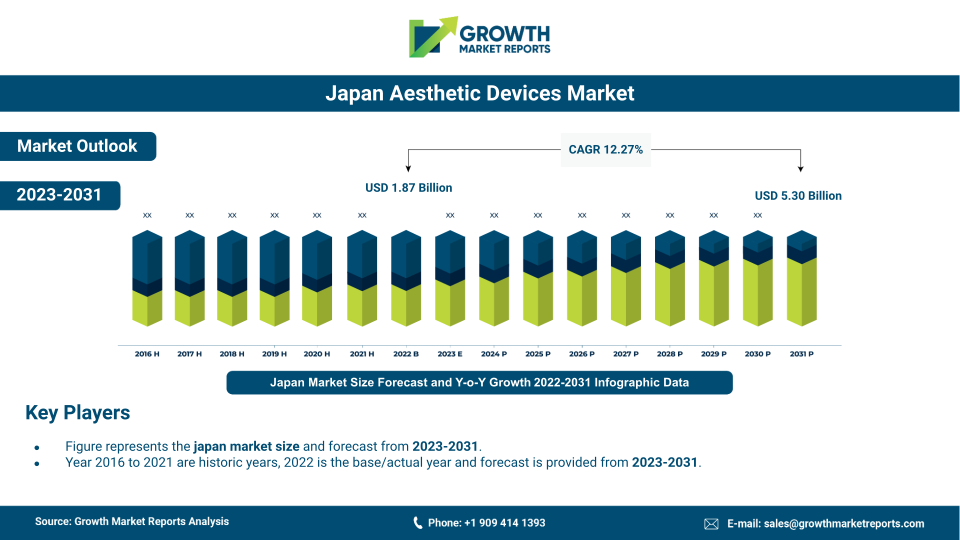
The Japan aesthetic devices market size was valued at USD 1.87 billion in 2022 and is expected to surpass USD 5.30 billion by 2031, expanding at a CAGR of 12.27% during the forecast period, 2023–2031. The growth of the market is attributed to growing demand for minimally invasive aesthetic devices.
Aesthetic devices are the medical devices that are used for various cosmetic procedures, which include plastic surgery, skin laxity, excessive fat, cellulite, scars, moles, wrinkles, unwanted hair, liver spots, spider veins, and skin discoloration. They are also used for beautification, correction, and improvement of the body.
In 2020 according to International Society of Aesthetic Plastic Surgery report around 38,097,209 cosmetic procedures performed globally instead that 231,457 surgeries are performed in Japan alone. Amidst the COVID-19 pandemic, the aesthetic devices market was negatively impacted globally due to reduced unwanted spending on expensive cosmetic treatments. However, the market is estimated to reach pre-COVID level by end of 2021.
Market Trends, Drivers, Restraints and Opportunities
-
Increasing awareness regarding aesthetic procedures is projected to drive the market growth during the forecast period.
-
Rising adoption of technologically advanced devices is expected to boost the market growth in the coming years.
-
Growing road accidents and trauma cases is expected to spur the market growth during the forecast period.
-
Increasing high prevalence of congenital face and tooth deformities is anticipated to drive the market growth during the forecast period.
-
Rising awareness programs, such as breast reconstructive awareness and high incidence of breast cancer are projected to drive the market growth during the forecast period.
-
High cost of treatment is estimated to restrict the market growth in the coming years.
-
Low reimbursements and risk of malfunctions associated mostly with implants can restrict the market growth.
-
Rapid growth in medical tourism, increase in preference for a better quality of life, and rise in popularity of celebrities among the young generation who motivate them to look aesthetically appealing can create lucrative opportunities during the forecast period.
Scope of the Report
The report on the Japan aesthetic devices market includes an assessment of the market, trends, segments, and regional markets. Overview and dynamics have also been included in the report.
|
Attributes
|
Details
|
|
Report Title
|
Aesthetic Devices Market - Japan Industry Analysis, Growth, Share, Size, Trends, and Forecast
|
|
Base Year
|
2022
|
|
Historic Data
|
2016–2021
|
|
Forecast Period
|
2023–2031
|
|
Segmentation
|
Types (Energy-based Aesthetic Devices [Laser-based Aesthetic Devices, Radiofrequency (RF) Based Aesthetic Devices, Light-based Aesthetic Devices, and Ultrasound-based Devices] and Non-energy-based Aesthetic Devices [Botulinum Toxin, Dermal Fillers and Aesthetic Threads, Microdermabrasion, and Implants {Breast Implants and Others}]), Applications (Skin Resurfacing and Tightening, Body Contouring and Cellulite Reduction, Hair Removal, Facial Aesthetic Procedures, Breast Augmentation, and Others), and End-users (Hospital, Aesthetic Centers, and Home Settings)
|
|
Country
|
Japan
|
|
Report Coverage
|
Company Share, Market Analysis and Size, Competitive Landscape, Growth Factors, and Trends, and Revenue Forecast
|
|
Key Players Covered in the Report
|
AbbiVe (Allergan Inc); Cutera Inc.; Lumenis Inc.; Venus Concept and Bausch Health Companies Inc
|
Japan Aesthetic Devices Market Segment Insights
Non-energy-based aesthetic devices segment to hold a significant market share
Based on types, the market is divided into energy-based aesthetic devices and non-energy-based aesthetic devices. The energy-based aesthetic devices is segregated into laser-based aesthetic device, radiofrequency (RF) based aesthetic devices, light-based aesthetic devices, and ultrasound-based devices.
The non-energy-based aesthetic devices is segmented into botulinum toxin, dermal fillers and aesthetic threads, microdermabrasion, and implants. The implants segment is bifurcated into breast implants and others.
The energy-based aesthetic device segment is anticipated to hold a key share of the market in the coming years due to highly precise and controllable effects on tissues, easy adaptability to fiber optics, and used to provide solutions for diagnostic and therapeutic problems, and it offers the clinician the opportunity to tailor strategies to fit specific and unique scenarios.
However, the non-energy-based aesthetic devices segment is anticipated to expand at a rapid pace during the forecast period owing to risks with the non-surgical processes that are limited to minor bruising and swelling.
Breast augmentation segment is expected to grow at a rapid pace
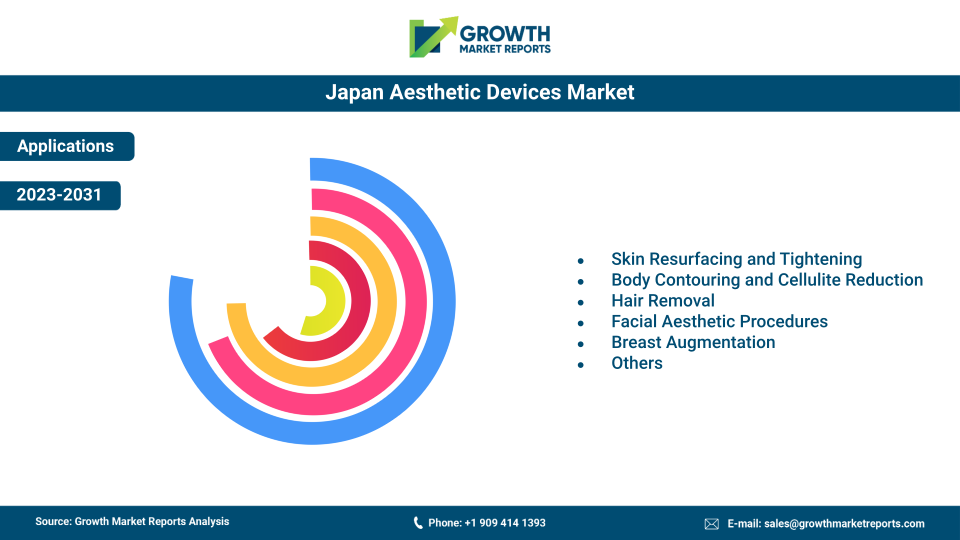
On the basis of applications, the market is segregated into skin resurfacing and tightening, body contouring and cellulite reduction, hair removal, facial aesthetic procedures, breast augmentation, and others. The skin resurfacing and tightening segment is anticipated to hold a key share of the market in the coming years due to increasing demand for solutions that can remove damaged skin, while preserving and stimulating the healthy skin layers that lie underneath.
On the other hand, the breast augmentation segment is anticipated to expand at a rapid pace during the forecast period owing to preference for change in the size and shape of breasts to improve body image and self-esteem.
Aesthetic centers segment is anticipated to hold a large market share
Based on end users, the market is bifurcated into hospital, aesthetic centers, and home settings. The aesthetic centers segment is anticipated to expand at a rapid pace during the forecast period, as it provides the necessary services either through lasers or other service-based modalities.
Segments
Types
- Energy-based Aesthetic Devices
- Laser-based Aesthetic Devices
- Radiofrequency (RF) Based Aesthetic Devices
- Light-based Aesthetic Devices
- Ultrasound-based Devices
- Non-energy-based Aesthetic Devices
- Botulinum Toxin
- Dermal Fillers and Aesthetic Threads
- Microdermabrasion
- Implants
Applications
- Skin Resurfacing and Tightening
- Body Contouring and Cellulite Reduction
- Hair Removal
- Facial Aesthetic Procedures
- Breast Augmentation
- Others
End-users
- Hospital
- Aesthetic Centers
- Home Settings
Country
Key Players
Competitive Landscape
Key players competing in the Japan aesthetic devices market includes AbbiVe (Allergan Inc); Cutera Inc.; Lumenis Inc.; Venus Concept; and Bausch Health Companies Inc.
Some of these players are engaging in business strategies such as mergers, acquisitions, partnerships, collaborations, capacity expansion, and product launches to enhance their market share











 Request For Customization
 Enquiry Before Buying
 Speak With Analyst