Acute Lymphoblastic Leukemia Therapeutics Market Research Report 2033

Acute Lymphoblastic Leukemia Therapeutics Market Research Report 2033

Segments - by Therapy Type (Chemotherapy, Targeted Therapy, Immunotherapy, Others), by Drug Type (Branded, Generic), by Age Group (Pediatric, Adult), by Route Of Administration (Oral, Injectable), by Distribution Channel (Hospital Pharmacies, Retail Pharmacies, Online Pharmacies, Others)

https://growthmarketreports.com/raksha
Author : Raksha Sharma
https://growthmarketreports.com/Vaibhav
Fact-checked by : V. Chandola
https://growthmarketreports.com/Shruti
Editor : Shruti Bhat

Upcoming | Report ID :HC-945 | 4.5 Rating | 18 Reviews | 259 Pages | Format : Docx PDF

Report Description


Acute Lymphoblastic Leukemia Therapeutics Market Outlook

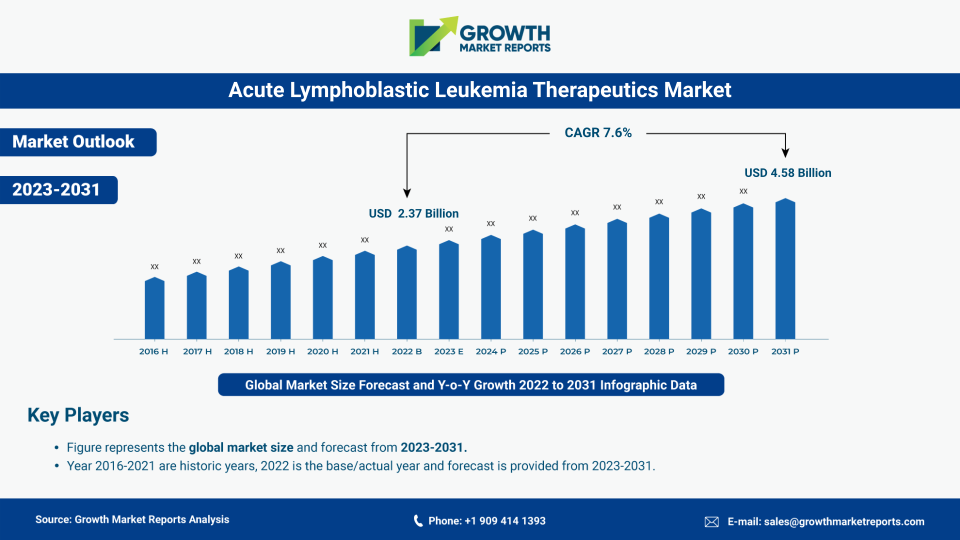
According to our latest research, the Acute Lymphoblastic Leukemia (ALL) Therapeutics market size reached USD 3.9 billion globally in 2024, driven by the increasing incidence of ALL and advancements in treatment modalities. The market is expected to grow at a robust CAGR of 7.2% from 2025 to 2033, reaching a forecasted value of USD 7.3 billion by the end of 2033. This significant growth is primarily attributed to rising awareness, improved diagnostic techniques, and the introduction of novel therapies that have enhanced patient survival rates and quality of life.

One of the most prominent growth factors for the Acute Lymphoblastic Leukemia Therapeutics market is the continuous evolution of therapeutic approaches. The shift from conventional chemotherapy to targeted therapies and immunotherapies has transformed the treatment landscape for ALL. Targeted therapies, such as tyrosine kinase inhibitors and monoclonal antibodies, have demonstrated superior efficacy and reduced side effects compared to traditional options, thereby fueling market expansion. Additionally, increasing clinical trials and regulatory approvals for innovative drugs are further propelling the adoption of advanced therapeutics, creating a favorable environment for market growth.

Another crucial driver is the growing prevalence of acute lymphoblastic leukemia, particularly among pediatric populations. With ALL being the most common type of childhood cancer, there is an urgent need for effective and less toxic treatment options. Governments and healthcare organizations worldwide are investing in research and development to address this need, leading to the introduction of novel therapies specifically designed for children. Moreover, the rising incidence of ALL among adults, coupled with the aging population, is contributing to the sustained demand for effective therapeutics across all age groups. This demographic trend is expected to play a significant role in the marketÂ’s expansion over the forecast period.

Technological advancements in diagnostic tools and personalized medicine are also catalyzing the growth of the ALL therapeutics market. The integration of genomics and molecular diagnostics into clinical practice enables the identification of specific genetic mutations and the selection of tailored therapies for individual patients. This personalized approach not only improves treatment outcomes but also minimizes adverse effects, enhancing patient compliance and satisfaction. Furthermore, increased healthcare expenditure, improved access to treatment in emerging economies, and supportive government policies are collectively creating a conducive environment for the growth of the acute lymphoblastic leukemia therapeutics market.

From a regional perspective, North America currently dominates the global market, accounting for the largest share due to its well-established healthcare infrastructure, high awareness levels, and strong presence of leading pharmaceutical companies. Europe follows closely, benefiting from robust research initiatives and favorable reimbursement policies. However, the Asia Pacific region is anticipated to witness the highest growth rate during the forecast period, driven by rising healthcare investments, increasing incidence of ALL, and improving access to advanced therapeutics. Latin America and the Middle East & Africa are also expected to contribute to market growth, albeit at a slower pace, as healthcare systems in these regions continue to evolve and expand their oncology capabilities.

Acute Myeloid Leukemia (AML) is another critical area of focus within the leukemia therapeutics landscape. Unlike Acute Lymphoblastic Leukemia, AML primarily affects adults and is characterized by the rapid growth of abnormal white blood cells that accumulate in the bone marrow, interfering with the production of normal blood cells. The treatment of AML has traditionally relied on intensive chemotherapy regimens, but recent advancements in targeted therapies and immunotherapies are offering new hope for patients. The development of FLT3 inhibitors and IDH inhibitors, for instance, has shown promise in improving outcomes for specific subsets of AML patients. As research continues to uncover the genetic and molecular underpinnings of AML, the potential for more personalized and effective treatment strategies is expanding, paralleling the advancements seen in ALL therapeutics.

Global Acute Lymphoblastic Leukemia Therapeutics Industry Outlook

Therapy Type Analysis

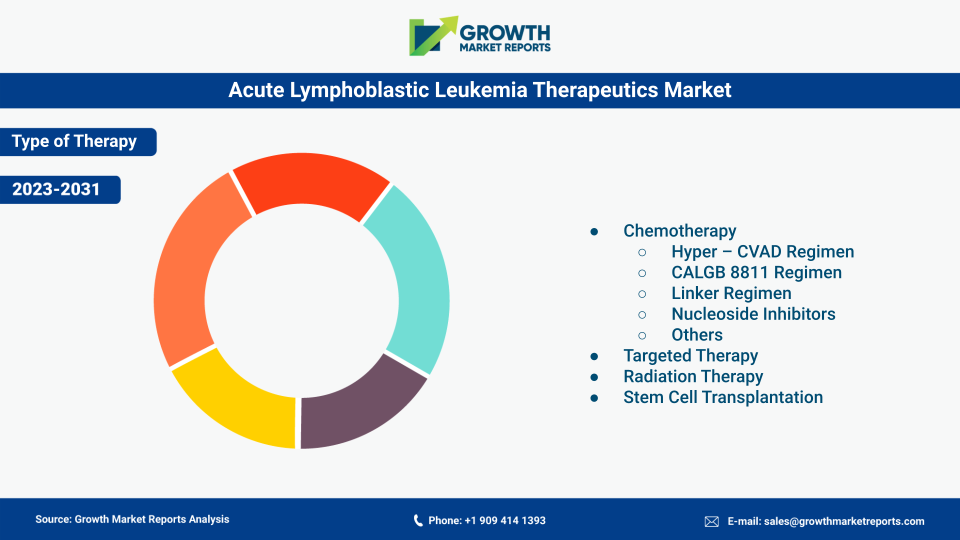
The therapy type segment of the Acute Lymphoblastic Leukemia Therapeutics market is categorized into chemotherapy, targeted therapy, immunotherapy, and others. Chemotherapy has historically been the mainstay of ALL treatment, offering broad-spectrum efficacy against rapidly dividing leukemia cells. Despite its effectiveness, chemotherapy is often associated with significant side effects, such as myelosuppression, infections, and organ toxicity, which can limit its long-term use, especially among pediatric and elderly patients. Nevertheless, chemotherapy continues to hold a substantial market share, particularly in regions where access to newer therapies is limited or cost-prohibitive.

Targeted therapy has emerged as a game-changer in the treatment of ALL, focusing on specific genetic or molecular abnormalities present in leukemia cells. Drugs such as tyrosine kinase inhibitors and monoclonal antibodies have demonstrated improved efficacy and safety profiles compared to traditional chemotherapy. The increasing adoption of targeted therapies is largely driven by their ability to selectively attack cancer cells while sparing healthy tissues, thereby reducing treatment-related toxicity. The growing body of clinical evidence supporting targeted therapies, along with ongoing research and development efforts, is expected to further boost their market penetration over the coming years.

Immunotherapy represents another significant advancement in ALL therapeutics, leveraging the patient's own immune system to combat leukemia cells. Chimeric antigen receptor (CAR) T-cell therapy, in particular, has shown remarkable success in treating relapsed or refractory ALL, especially among pediatric patients. The approval of CAR-T cell therapies and other immunotherapeutic agents has expanded the treatment arsenal for ALL, offering hope to patients who have failed conventional therapies. As the technology matures and becomes more widely available, the immunotherapy segment is poised for rapid growth, supported by ongoing clinical trials and investments in manufacturing capabilities.

The "others" category includes emerging therapies such as gene therapy, combination regimens, and supportive care interventions. While these approaches currently account for a smaller share of the market, they hold significant potential for future growth as research advances and new products receive regulatory approval. The integration of multiple therapeutic modalities, including chemotherapy, targeted therapy, and immunotherapy, into personalized treatment plans is expected to become increasingly common, further diversifying the therapy type segment and enhancing patient outcomes.

Report Scope

Attributes Details
Report Title Acute Lymphoblastic Leukemia Therapeutics Market Research Report 2033
By Therapy Type Chemotherapy, Targeted Therapy, Immunotherapy, Others
By Drug Type Branded, Generic
By Age Group Pediatric, Adult
By Route Of Administration Oral, Injectable
By Distribution Channel Hospital Pharmacies, Retail Pharmacies, Online Pharmacies, Others
Regions Covered North America, Europe, APAC, Latin America, MEA
Base Year 2024
Historic Data 2018-2023
Forecast Period 2025-2033
Number of Pages 259
Number of Tables & Figures 397
Customization Available Yes, the report can be customized as per your need.

Drug Type Analysis

The drug type segment of the Acute Lymphoblastic Leukemia Therapeutics market is divided into branded and generic drugs. Branded drugs dominate the market, primarily due to the high cost and innovative nature of newly approved therapies. These drugs are typically developed by leading pharmaceutical companies and undergo rigorous clinical testing to demonstrate their safety and efficacy. The premium pricing of branded drugs reflects the significant investment required for research, development, and regulatory approval, as well as the value they provide in terms of improved patient outcomes and reduced side effects.

Generic drugs, on the other hand, offer a cost-effective alternative to branded medications, particularly in regions with limited healthcare budgets or high out-of-pocket expenses. As patents for leading ALL therapies expire, the entry of generic competitors is expected to increase, driving down treatment costs and expanding access to life-saving medications. The availability of generics is particularly important in emerging markets, where affordability remains a key barrier to treatment. However, the uptake of generics may be limited by concerns about bioequivalence, regulatory hurdles, and the need for robust pharmacovigilance systems.

The balance between branded and generic drugs is influenced by several factors, including healthcare policies, reimbursement frameworks, and patient preferences. In developed markets, branded drugs continue to command a significant share due to strong physician and patient loyalty, as well as comprehensive insurance coverage. However, as healthcare systems increasingly prioritize cost containment and value-based care, the adoption of generics is expected to rise, particularly for established chemotherapy agents and supportive care medications.

Overall, the drug type segment is characterized by a dynamic interplay between innovation and affordability. While branded drugs are likely to maintain their dominance in the near term, the growing availability and acceptance of generics will play a crucial role in expanding access to ALL therapeutics globally. The development of biosimilars for complex biologic therapies, such as monoclonal antibodies and CAR-T cell products, represents another important trend that is expected to reshape the competitive landscape and drive further market growth.

Age Group Analysis

The age group segment of the Acute Lymphoblastic Leukemia Therapeutics market is bifurcated into pediatric and adult populations. Pediatric patients account for the majority of ALL cases, with the disease being the most common type of childhood cancer. The unique biology of pediatric ALL, coupled with the high cure rates achievable with current therapies, has driven significant research and investment in this segment. Treatment protocols for children are typically more aggressive and tailored to minimize long-term side effects, given the potential for lifelong health implications.

Adults with ALL face a different set of challenges, including lower survival rates and a higher risk of treatment-related complications. The disease tends to be more aggressive in adults, and the response to standard therapies is often less favorable compared to pediatric patients. As a result, there is a growing emphasis on developing novel therapies and personalized treatment approaches for adult ALL, including targeted agents and immunotherapies. The increasing incidence of ALL among older adults, driven by demographic shifts and improved diagnostic capabilities, is contributing to the rising demand for effective and tolerable treatment options in this population.

The pediatric segment benefits from strong advocacy and support from patient organizations, government agencies, and research institutions, which have collectively contributed to significant improvements in survival rates over the past few decades. However, there remains an unmet need for less toxic therapies that minimize the risk of long-term complications, such as secondary cancers, cardiac toxicity, and cognitive impairment. Ongoing research efforts are focused on identifying biomarkers and developing targeted therapies that can further enhance outcomes for pediatric patients while reducing treatment-related morbidity.

In contrast, the adult segment is characterized by a greater diversity of disease subtypes and treatment responses, necessitating a more individualized approach to care. The integration of molecular diagnostics, minimal residual disease (MRD) monitoring, and precision medicine is expected to play an increasingly important role in optimizing treatment strategies for adult ALL. As the population ages and the burden of comorbidities increases, the development of therapies that are both effective and well-tolerated will be critical to improving survival and quality of life for adult patients.

Route of Administration Analysis

The route of administration segment in the Acute Lymphoblastic Leukemia Therapeutics market is classified into oral and injectable formulations. Injectable therapies, including intravenous and subcutaneous administrations, have traditionally dominated the market due to the need for rapid and controlled delivery of chemotherapeutic agents, monoclonal antibodies, and immunotherapies. Hospital-based administration of injectables allows for close monitoring of patients and immediate management of potential adverse reactions, making this route particularly suitable for intensive induction and consolidation phases of ALL treatment.

Oral therapies are gaining traction as a preferred option for maintenance treatment and less intensive regimens, offering greater convenience and flexibility for patients. The development of effective oral formulations, particularly for targeted therapies and maintenance chemotherapy, has improved patient adherence and quality of life by reducing the frequency of hospital visits and minimizing disruption to daily activities. The availability of oral options is especially important for pediatric and elderly patients, who may face challenges with frequent injections or intravenous infusions.

The choice between oral and injectable routes is influenced by several factors, including the specific drugÂ’s pharmacokinetics, the phase of treatment, patient age, comorbidities, and healthcare infrastructure. While injectables remain the standard of care for induction and high-risk patients, the expanding pipeline of oral therapies is expected to drive a shift towards more patient-centric treatment models. The integration of telemedicine and remote monitoring technologies further supports the adoption of oral therapies by enabling real-time tracking of adherence and adverse events.

Despite the growing popularity of oral formulations, challenges remain in ensuring consistent absorption, managing drug-drug interactions, and monitoring for adherence. Injectable therapies are likely to retain their dominance for high-intensity regimens and novel immunotherapies, particularly in hospital settings. However, the continued development of safe and effective oral options will play a crucial role in expanding access to ALL therapeutics and enhancing patient outcomes across diverse healthcare settings.

Distribution Channel Analysis

The distribution channel segment of the Acute Lymphoblastic Leukemia Therapeutics market includes hospital pharmacies, retail pharmacies, online pharmacies, and others. Hospital pharmacies currently account for the largest share of the market, reflecting the complexity and intensity of ALL treatment regimens, which often require administration and monitoring in specialized healthcare settings. Hospital pharmacies play a critical role in ensuring the timely availability of high-cost and high-risk medications, managing inventory, and supporting multidisciplinary care teams.

Retail pharmacies are increasingly involved in the distribution of oral and supportive care medications, particularly for maintenance therapy and less intensive regimens. The convenience and accessibility of retail pharmacies make them an attractive option for patients who require ongoing treatment but do not need frequent hospital visits. The growth of retail pharmacy chains and the expansion of specialty pharmacy services are further enhancing the availability of ALL therapeutics in community settings.

Online pharmacies represent a rapidly growing distribution channel, driven by the increasing adoption of digital health technologies and changing consumer preferences. The ability to order medications online and have them delivered directly to the patientÂ’s home offers significant convenience, particularly for those living in remote or underserved areas. Online pharmacies are also playing a crucial role in improving access to generics and cost-effective treatment options, supporting broader efforts to expand access to ALL therapeutics globally.

The "others" category includes specialty distributors, compounding pharmacies, and direct-to-patient programs, which cater to specific patient populations or therapeutic needs. The choice of distribution channel is influenced by factors such as drug type, route of administration, regulatory requirements, and patient preferences. As healthcare systems continue to evolve and embrace digital transformation, the integration of multiple distribution channels is expected to enhance the efficiency and accessibility of ALL therapeutics, ultimately improving patient outcomes and satisfaction.

Opportunities & Threats

The Acute Lymphoblastic Leukemia Therapeutics market presents a multitude of opportunities for stakeholders across the value chain. The increasing focus on personalized medicine and the development of targeted therapies offer significant potential to improve treatment outcomes and reduce adverse effects. Advances in genomics, molecular diagnostics, and biomarker identification are enabling the design of therapies tailored to individual patient profiles, paving the way for more effective and less toxic treatment options. Furthermore, the growing investment in research and development, coupled with supportive regulatory frameworks, is accelerating the approval and commercialization of innovative drugs, creating new avenues for market expansion.

Another key opportunity lies in the expansion of healthcare infrastructure and access to treatment in emerging markets. As governments and private sector players invest in building oncology centers, training healthcare professionals, and improving diagnostic capabilities, the demand for ALL therapeutics is expected to rise significantly in regions such as Asia Pacific, Latin America, and the Middle East & Africa. The increasing availability of generics and biosimilars, along with innovative financing and reimbursement models, is further enhancing access to life-saving medications for underserved populations. Strategic partnerships, collaborations, and licensing agreements between global and local players are also facilitating the introduction of advanced therapies into new markets, driving further growth.

Despite these opportunities, the market faces several threats and restraining factors that could hinder its growth trajectory. One of the primary challenges is the high cost of novel therapies, particularly targeted agents and immunotherapies, which can limit access for patients in low- and middle-income countries. Reimbursement constraints, regulatory hurdles, and the complexity of manufacturing advanced biologics also pose significant barriers to market entry and expansion. Additionally, concerns about long-term safety, the risk of treatment resistance, and the need for robust pharmacovigilance systems underscore the importance of ongoing research and post-marketing surveillance to ensure the safe and effective use of ALL therapeutics.

Regional Outlook

North America remains the largest regional market for Acute Lymphoblastic Leukemia Therapeutics, accounting for approximately 42% of the global market value in 2024, or around USD 1.6 billion. The regionÂ’s dominance is underpinned by a highly developed healthcare infrastructure, strong research and development capabilities, and the presence of leading pharmaceutical companies. The United States, in particular, benefits from robust funding for cancer research, comprehensive insurance coverage, and early adoption of innovative therapies. The market in North America is expected to maintain steady growth, supported by ongoing advancements in treatment modalities and a growing focus on personalized medicine.

Europe holds the second-largest share of the global ALL therapeutics market, representing about 29% of the total value, or approximately USD 1.1 billion in 2024. The region benefits from well-established healthcare systems, favorable reimbursement policies, and strong collaboration between academic institutions, healthcare providers, and industry stakeholders. Countries such as Germany, France, and the United Kingdom are at the forefront of clinical research and the adoption of novel therapies. The European market is projected to grow at a CAGR of 6.8% through 2033, driven by increasing awareness, improved diagnostic capabilities, and expanding access to advanced treatment options.

The Asia Pacific region is poised for the fastest growth, with a projected CAGR of 8.5% from 2025 to 2033. The market size in Asia Pacific was valued at USD 830 million in 2024, accounting for 21% of the global market. Rapid urbanization, rising healthcare expenditure, and increasing incidence of ALL are key drivers of growth in this region. Countries such as China, India, and Japan are investing heavily in healthcare infrastructure, research, and the introduction of innovative therapies. While access to advanced treatments remains a challenge in some areas, the expansion of public and private healthcare systems, along with the availability of cost-effective generics, is expected to drive significant market growth. Latin America and the Middle East & Africa, with a combined market size of USD 390 million in 2024, are also witnessing gradual improvements in access to ALL therapeutics, supported by policy initiatives and international collaborations.

Acute Lymphoblastic Leukemia Therapeutics Market Statistics

Competitor Outlook

The Acute Lymphoblastic Leukemia Therapeutics market is characterized by a highly competitive landscape, with a mix of global pharmaceutical giants, biotechnology firms, and emerging players vying for market share. The competitive environment is shaped by ongoing innovation, strategic collaborations, and a relentless focus on improving patient outcomes. Leading companies are investing heavily in research and development to expand their product portfolios, secure regulatory approvals for novel therapies, and maintain a competitive edge. Mergers and acquisitions, licensing agreements, and partnerships with academic institutions and contract research organizations are common strategies employed to accelerate the development and commercialization of new drugs.

The market is witnessing a wave of innovation, particularly in the areas of targeted therapy and immunotherapy. Companies are leveraging advances in genomics, molecular biology, and cell engineering to develop next-generation treatments that address unmet medical needs and improve survival rates for ALL patients. The introduction of CAR-T cell therapies and other immunotherapeutic agents has set new benchmarks for efficacy, particularly in relapsed or refractory cases. However, the high cost and complexity of manufacturing these advanced therapies present significant challenges, necessitating ongoing investment in production capabilities and supply chain optimization.

Regulatory dynamics play a crucial role in shaping the competitive landscape, with companies required to navigate complex approval processes and demonstrate robust safety and efficacy data. The growing emphasis on real-world evidence, post-marketing surveillance, and value-based pricing is influencing product development and commercialization strategies. Companies that can effectively balance innovation with affordability, while ensuring compliance with evolving regulatory requirements, are well-positioned to succeed in this dynamic market.

Major players in the Acute Lymphoblastic Leukemia Therapeutics market include Novartis AG, Pfizer Inc., Amgen Inc., Bristol-Myers Squibb Company, Sanofi S.A., F. Hoffmann-La Roche Ltd., Jazz Pharmaceuticals plc, and Takeda Pharmaceutical Company Limited. Novartis AG is a pioneer in the development of CAR-T cell therapies, with its flagship product Kymriah revolutionizing the treatment of pediatric and young adult ALL. Pfizer Inc. offers a diverse portfolio of oncology products, including targeted therapies and supportive care medications, while Amgen Inc. is recognized for its innovative biologics and commitment to advancing cancer care.

Bristol-Myers Squibb Company has a strong presence in the immuno-oncology space, with a focus on developing novel agents for hematologic malignancies. Sanofi S.A. and F. Hoffmann-La Roche Ltd. are leading players in monoclonal antibody therapies, leveraging their expertise in biologics to address unmet needs in ALL treatment. Jazz Pharmaceuticals plc specializes in therapies for rare and orphan diseases, including relapsed or refractory ALL, while Takeda Pharmaceutical Company Limited is investing in both small molecules and biologics to expand its oncology portfolio. These companies are at the forefront of innovation, driving the development of next-generation therapies and shaping the future of the Acute Lymphoblastic Leukemia Therapeutics market.

Key Players

  • Novartis AG
  • Pfizer Inc.
  • Amgen Inc.
  • Sanofi S.A.
  • F. Hoffmann-La Roche Ltd.
  • Bristol Myers Squibb Company
  • Jazz Pharmaceuticals plc
  • Takeda Pharmaceutical Company Limited
  • Eli Lilly and Company
  • Merck & Co., Inc.
  • GlaxoSmithKline plc
  • Servier Laboratories
  • AstraZeneca plc
  • AbbVie Inc.
  • Gilead Sciences, Inc.
  • Bayer AG
  • Johnson & Johnson (Janssen Pharmaceuticals)
  • Celgene Corporation
  • Spectrum Pharmaceuticals, Inc.
  • Incyte Corporation
Acute Lymphoblastic Leukemia Therapeutics Market Overview

Segments

The Acute Lymphoblastic Leukemia Therapeutics market has been segmented on the basis of

Therapy Type

  • Chemotherapy
  • Targeted Therapy
  • Immunotherapy
  • Others

Drug Type

  • Branded
  • Generic

Age Group

  • Pediatric
  • Adult

Route Of Administration

  • Oral
  • Injectable

Distribution Channel

  • Hospital Pharmacies
  • Retail Pharmacies
  • Online Pharmacies
  • Others

Competitive Landscape

The market for acute lymphoblastic leukemia is moderately competitive and consists of the big players as well as the mid-sized companies. Some of the major players in the market are Pfizer Inc., Bristol-Myers Squibb Company, Novartis AG, SymBio Pharmaceuticals Limited, Genmab AS.

Major companies are focusing on the discovery of the drugs and are engaging in partnerships and medical universities to propel the development of drugs or treatments.
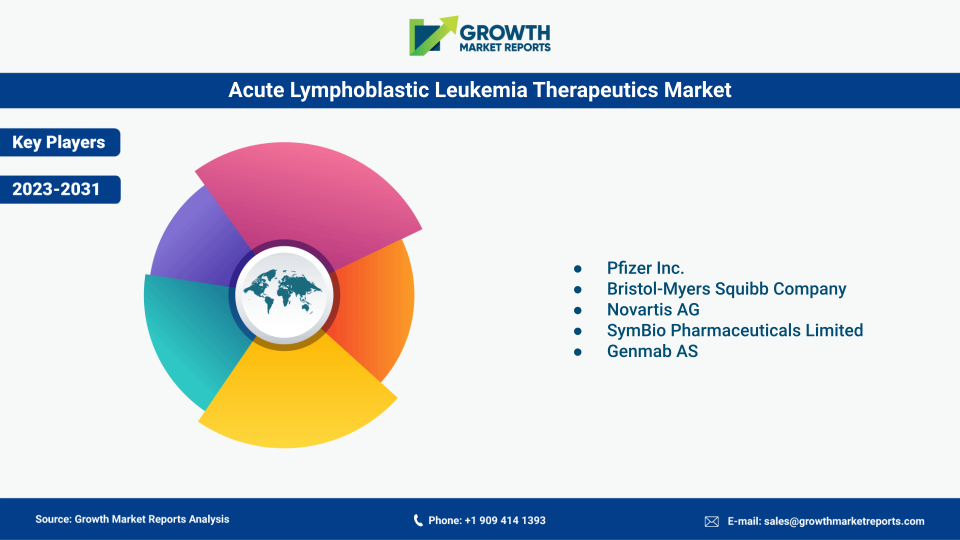

Acute Lymphoblastic Leukemia Therapeutics Market Key Players

Frequently Asked Questions

Opportunities include advances in personalized medicine and expanding access in emerging markets. Challenges involve high costs of novel therapies, regulatory hurdles, and ensuring long-term safety and access.

Major players include Novartis AG, Pfizer Inc., Amgen Inc., Sanofi S.A., F. Hoffmann-La Roche Ltd., Bristol Myers Squibb Company, Jazz Pharmaceuticals plc, and Takeda Pharmaceutical Company Limited.

Recent advancements include the development of targeted therapies, immunotherapies like CAR-T cell therapy, and the integration of genomics and molecular diagnostics for personalized medicine.

Pediatric patients account for the majority of ALL cases, making it the most common childhood cancer, but incidence among adults is also rising.

ALL therapeutics are distributed through hospital pharmacies, retail pharmacies, online pharmacies, and specialty distributors.

The market is segmented into branded and generic drugs. Branded drugs currently dominate due to their innovative nature, but generics are expected to gain share as patents expire.

Key therapy types include chemotherapy, targeted therapy (such as tyrosine kinase inhibitors and monoclonal antibodies), immunotherapy (including CAR-T cell therapy), and emerging options like gene therapy and combination regimens.

North America currently dominates the ALL Therapeutics market, followed by Europe. The Asia Pacific region is anticipated to have the highest growth rate through 2033.

The ALL Therapeutics market is expected to grow at a CAGR of 7.2% from 2025 to 2033, reaching approximately USD 7.3 billion by 2033.

As of 2024, the global Acute Lymphoblastic Leukemia (ALL) Therapeutics market size reached USD 3.9 billion.

Table Of Content

Chapter 1 Executive Summary
Chapter 2 Assumptions and Acronyms Used
Chapter 3 Research Methodology
Chapter 4 Acute Lymphoblastic Leukemia Therapeutics Market Overview
   4.1 Introduction
      4.1.1 Market Taxonomy
      4.1.2 Market Definition
      4.1.3 Macro-Economic Factors Impacting the Market Growth
   4.2 Acute Lymphoblastic Leukemia Therapeutics Market Dynamics
      4.2.1 Market Drivers
      4.2.2 Market Restraints
      4.2.3 Market Opportunity
   4.3 Acute Lymphoblastic Leukemia Therapeutics Market - Supply Chain Analysis
      4.3.1 List of Key Suppliers
      4.3.2 List of Key Distributors
      4.3.3 List of Key Consumers
   4.4 Key Forces Shaping the Acute Lymphoblastic Leukemia Therapeutics Market
      4.4.1 Bargaining Power of Suppliers
      4.4.2 Bargaining Power of Buyers
      4.4.3 Threat of Substitution
      4.4.4 Threat of New Entrants
      4.4.5 Competitive Rivalry
   4.5 Global Acute Lymphoblastic Leukemia Therapeutics Market Size & Forecast, 2023-2032
      4.5.1 Acute Lymphoblastic Leukemia Therapeutics Market Size and Y-o-Y Growth
      4.5.2 Acute Lymphoblastic Leukemia Therapeutics Market Absolute $ Opportunity

Chapter 5 Global Acute Lymphoblastic Leukemia Therapeutics Market Analysis and Forecast By Therapy Type
   5.1 Introduction
      5.1.1 Key Market Trends & Growth Opportunities By Therapy Type
      5.1.2 Basis Point Share (BPS) Analysis By Therapy Type
      5.1.3 Absolute $ Opportunity Assessment By Therapy Type
   5.2 Acute Lymphoblastic Leukemia Therapeutics Market Size Forecast By Therapy Type
      5.2.1 Chemotherapy
      5.2.2 Targeted Therapy
      5.2.3 Immunotherapy
      5.2.4 Others
   5.3 Market Attractiveness Analysis By Therapy Type

Chapter 6 Global Acute Lymphoblastic Leukemia Therapeutics Market Analysis and Forecast By Drug Type
   6.1 Introduction
      6.1.1 Key Market Trends & Growth Opportunities By Drug Type
      6.1.2 Basis Point Share (BPS) Analysis By Drug Type
      6.1.3 Absolute $ Opportunity Assessment By Drug Type
   6.2 Acute Lymphoblastic Leukemia Therapeutics Market Size Forecast By Drug Type
      6.2.1 Branded
      6.2.2 Generic
   6.3 Market Attractiveness Analysis By Drug Type

Chapter 7 Global Acute Lymphoblastic Leukemia Therapeutics Market Analysis and Forecast By Age Group
   7.1 Introduction
      7.1.1 Key Market Trends & Growth Opportunities By Age Group
      7.1.2 Basis Point Share (BPS) Analysis By Age Group
      7.1.3 Absolute $ Opportunity Assessment By Age Group
   7.2 Acute Lymphoblastic Leukemia Therapeutics Market Size Forecast By Age Group
      7.2.1 Pediatric
      7.2.2 Adult
   7.3 Market Attractiveness Analysis By Age Group

Chapter 8 Global Acute Lymphoblastic Leukemia Therapeutics Market Analysis and Forecast By Route Of Administration
   8.1 Introduction
      8.1.1 Key Market Trends & Growth Opportunities By Route Of Administration
      8.1.2 Basis Point Share (BPS) Analysis By Route Of Administration
      8.1.3 Absolute $ Opportunity Assessment By Route Of Administration
   8.2 Acute Lymphoblastic Leukemia Therapeutics Market Size Forecast By Route Of Administration
      8.2.1 Oral
      8.2.2 Injectable
   8.3 Market Attractiveness Analysis By Route Of Administration

Chapter 9 Global Acute Lymphoblastic Leukemia Therapeutics Market Analysis and Forecast By Distribution Channel
   9.1 Introduction
      9.1.1 Key Market Trends & Growth Opportunities By Distribution Channel
      9.1.2 Basis Point Share (BPS) Analysis By Distribution Channel
      9.1.3 Absolute $ Opportunity Assessment By Distribution Channel
   9.2 Acute Lymphoblastic Leukemia Therapeutics Market Size Forecast By Distribution Channel
      9.2.1 Hospital Pharmacies
      9.2.2 Retail Pharmacies
      9.2.3 Online Pharmacies
      9.2.4 Others
   9.3 Market Attractiveness Analysis By Distribution Channel

Chapter 10 Global Acute Lymphoblastic Leukemia Therapeutics Market Analysis and Forecast by Region
   10.1 Introduction
      10.1.1 Key Market Trends & Growth Opportunities By Region
      10.1.2 Basis Point Share (BPS) Analysis By Region
      10.1.3 Absolute $ Opportunity Assessment By Region
   10.2 Acute Lymphoblastic Leukemia Therapeutics Market Size Forecast By Region
      10.2.1 North America
      10.2.2 Europe
      10.2.3 Asia Pacific
      10.2.4 Latin America
      10.2.5 Middle East & Africa (MEA)
   10.3 Market Attractiveness Analysis By Region

Chapter 11 Coronavirus Disease (COVID-19) Impact 
   11.1 Introduction 
   11.2 Current & Future Impact Analysis 
   11.3 Economic Impact Analysis 
   11.4 Government Policies 
   11.5 Investment Scenario

Chapter 12 North America Acute Lymphoblastic Leukemia Therapeutics Analysis and Forecast
   12.1 Introduction
   12.2 North America Acute Lymphoblastic Leukemia Therapeutics Market Size Forecast by Country
      12.2.1 U.S.
      12.2.2 Canada
   12.3 Basis Point Share (BPS) Analysis by Country
   12.4 Absolute $ Opportunity Assessment by Country
   12.5 Market Attractiveness Analysis by Country
   12.6 North America Acute Lymphoblastic Leukemia Therapeutics Market Size Forecast By Therapy Type
      12.6.1 Chemotherapy
      12.6.2 Targeted Therapy
      12.6.3 Immunotherapy
      12.6.4 Others
   12.7 Basis Point Share (BPS) Analysis By Therapy Type 
   12.8 Absolute $ Opportunity Assessment By Therapy Type 
   12.9 Market Attractiveness Analysis By Therapy Type
   12.10 North America Acute Lymphoblastic Leukemia Therapeutics Market Size Forecast By Drug Type
      12.10.1 Branded
      12.10.2 Generic
   12.11 Basis Point Share (BPS) Analysis By Drug Type 
   12.12 Absolute $ Opportunity Assessment By Drug Type 
   12.13 Market Attractiveness Analysis By Drug Type
   12.14 North America Acute Lymphoblastic Leukemia Therapeutics Market Size Forecast By Age Group
      12.14.1 Pediatric
      12.14.2 Adult
   12.15 Basis Point Share (BPS) Analysis By Age Group 
   12.16 Absolute $ Opportunity Assessment By Age Group 
   12.17 Market Attractiveness Analysis By Age Group
   12.18 North America Acute Lymphoblastic Leukemia Therapeutics Market Size Forecast By Route Of Administration
      12.18.1 Oral
      12.18.2 Injectable
   12.19 Basis Point Share (BPS) Analysis By Route Of Administration 
   12.20 Absolute $ Opportunity Assessment By Route Of Administration 
   12.21 Market Attractiveness Analysis By Route Of Administration
   12.22 North America Acute Lymphoblastic Leukemia Therapeutics Market Size Forecast By Distribution Channel
      12.22.1 Hospital Pharmacies
      12.22.2 Retail Pharmacies
      12.22.3 Online Pharmacies
      12.22.4 Others
   12.23 Basis Point Share (BPS) Analysis By Distribution Channel 
   12.24 Absolute $ Opportunity Assessment By Distribution Channel 
   12.25 Market Attractiveness Analysis By Distribution Channel

Chapter 13 Europe Acute Lymphoblastic Leukemia Therapeutics Analysis and Forecast
   13.1 Introduction
   13.2 Europe Acute Lymphoblastic Leukemia Therapeutics Market Size Forecast by Country
      13.2.1 Germany
      13.2.2 France
      13.2.3 Italy
      13.2.4 U.K.
      13.2.5 Spain
      13.2.6 Russia
      13.2.7 Rest of Europe
   13.3 Basis Point Share (BPS) Analysis by Country
   13.4 Absolute $ Opportunity Assessment by Country
   13.5 Market Attractiveness Analysis by Country
   13.6 Europe Acute Lymphoblastic Leukemia Therapeutics Market Size Forecast By Therapy Type
      13.6.1 Chemotherapy
      13.6.2 Targeted Therapy
      13.6.3 Immunotherapy
      13.6.4 Others
   13.7 Basis Point Share (BPS) Analysis By Therapy Type 
   13.8 Absolute $ Opportunity Assessment By Therapy Type 
   13.9 Market Attractiveness Analysis By Therapy Type
   13.10 Europe Acute Lymphoblastic Leukemia Therapeutics Market Size Forecast By Drug Type
      13.10.1 Branded
      13.10.2 Generic
   13.11 Basis Point Share (BPS) Analysis By Drug Type 
   13.12 Absolute $ Opportunity Assessment By Drug Type 
   13.13 Market Attractiveness Analysis By Drug Type
   13.14 Europe Acute Lymphoblastic Leukemia Therapeutics Market Size Forecast By Age Group
      13.14.1 Pediatric
      13.14.2 Adult
   13.15 Basis Point Share (BPS) Analysis By Age Group 
   13.16 Absolute $ Opportunity Assessment By Age Group 
   13.17 Market Attractiveness Analysis By Age Group
   13.18 Europe Acute Lymphoblastic Leukemia Therapeutics Market Size Forecast By Route Of Administration
      13.18.1 Oral
      13.18.2 Injectable
   13.19 Basis Point Share (BPS) Analysis By Route Of Administration 
   13.20 Absolute $ Opportunity Assessment By Route Of Administration 
   13.21 Market Attractiveness Analysis By Route Of Administration
   13.22 Europe Acute Lymphoblastic Leukemia Therapeutics Market Size Forecast By Distribution Channel
      13.22.1 Hospital Pharmacies
      13.22.2 Retail Pharmacies
      13.22.3 Online Pharmacies
      13.22.4 Others
   13.23 Basis Point Share (BPS) Analysis By Distribution Channel 
   13.24 Absolute $ Opportunity Assessment By Distribution Channel 
   13.25 Market Attractiveness Analysis By Distribution Channel

Chapter 14 Asia Pacific Acute Lymphoblastic Leukemia Therapeutics Analysis and Forecast
   14.1 Introduction
   14.2 Asia Pacific Acute Lymphoblastic Leukemia Therapeutics Market Size Forecast by Country
      14.2.1 China
      14.2.2 Japan
      14.2.3 South Korea
      14.2.4 India
      14.2.5 Australia
      14.2.6 South East Asia (SEA)
      14.2.7 Rest of Asia Pacific (APAC)
   14.3 Basis Point Share (BPS) Analysis by Country
   14.4 Absolute $ Opportunity Assessment by Country
   14.5 Market Attractiveness Analysis by Country
   14.6 Asia Pacific Acute Lymphoblastic Leukemia Therapeutics Market Size Forecast By Therapy Type
      14.6.1 Chemotherapy
      14.6.2 Targeted Therapy
      14.6.3 Immunotherapy
      14.6.4 Others
   14.7 Basis Point Share (BPS) Analysis By Therapy Type 
   14.8 Absolute $ Opportunity Assessment By Therapy Type 
   14.9 Market Attractiveness Analysis By Therapy Type
   14.10 Asia Pacific Acute Lymphoblastic Leukemia Therapeutics Market Size Forecast By Drug Type
      14.10.1 Branded
      14.10.2 Generic
   14.11 Basis Point Share (BPS) Analysis By Drug Type 
   14.12 Absolute $ Opportunity Assessment By Drug Type 
   14.13 Market Attractiveness Analysis By Drug Type
   14.14 Asia Pacific Acute Lymphoblastic Leukemia Therapeutics Market Size Forecast By Age Group
      14.14.1 Pediatric
      14.14.2 Adult
   14.15 Basis Point Share (BPS) Analysis By Age Group 
   14.16 Absolute $ Opportunity Assessment By Age Group 
   14.17 Market Attractiveness Analysis By Age Group
   14.18 Asia Pacific Acute Lymphoblastic Leukemia Therapeutics Market Size Forecast By Route Of Administration
      14.18.1 Oral
      14.18.2 Injectable
   14.19 Basis Point Share (BPS) Analysis By Route Of Administration 
   14.20 Absolute $ Opportunity Assessment By Route Of Administration 
   14.21 Market Attractiveness Analysis By Route Of Administration
   14.22 Asia Pacific Acute Lymphoblastic Leukemia Therapeutics Market Size Forecast By Distribution Channel
      14.22.1 Hospital Pharmacies
      14.22.2 Retail Pharmacies
      14.22.3 Online Pharmacies
      14.22.4 Others
   14.23 Basis Point Share (BPS) Analysis By Distribution Channel 
   14.24 Absolute $ Opportunity Assessment By Distribution Channel 
   14.25 Market Attractiveness Analysis By Distribution Channel

Chapter 15 Latin America Acute Lymphoblastic Leukemia Therapeutics Analysis and Forecast
   15.1 Introduction
   15.2 Latin America Acute Lymphoblastic Leukemia Therapeutics Market Size Forecast by Country
      15.2.1 Brazil
      15.2.2 Mexico
      15.2.3 Rest of Latin America (LATAM)
   15.3 Basis Point Share (BPS) Analysis by Country
   15.4 Absolute $ Opportunity Assessment by Country
   15.5 Market Attractiveness Analysis by Country
   15.6 Latin America Acute Lymphoblastic Leukemia Therapeutics Market Size Forecast By Therapy Type
      15.6.1 Chemotherapy
      15.6.2 Targeted Therapy
      15.6.3 Immunotherapy
      15.6.4 Others
   15.7 Basis Point Share (BPS) Analysis By Therapy Type 
   15.8 Absolute $ Opportunity Assessment By Therapy Type 
   15.9 Market Attractiveness Analysis By Therapy Type
   15.10 Latin America Acute Lymphoblastic Leukemia Therapeutics Market Size Forecast By Drug Type
      15.10.1 Branded
      15.10.2 Generic
   15.11 Basis Point Share (BPS) Analysis By Drug Type 
   15.12 Absolute $ Opportunity Assessment By Drug Type 
   15.13 Market Attractiveness Analysis By Drug Type
   15.14 Latin America Acute Lymphoblastic Leukemia Therapeutics Market Size Forecast By Age Group
      15.14.1 Pediatric
      15.14.2 Adult
   15.15 Basis Point Share (BPS) Analysis By Age Group 
   15.16 Absolute $ Opportunity Assessment By Age Group 
   15.17 Market Attractiveness Analysis By Age Group
   15.18 Latin America Acute Lymphoblastic Leukemia Therapeutics Market Size Forecast By Route Of Administration
      15.18.1 Oral
      15.18.2 Injectable
   15.19 Basis Point Share (BPS) Analysis By Route Of Administration 
   15.20 Absolute $ Opportunity Assessment By Route Of Administration 
   15.21 Market Attractiveness Analysis By Route Of Administration
   15.22 Latin America Acute Lymphoblastic Leukemia Therapeutics Market Size Forecast By Distribution Channel
      15.22.1 Hospital Pharmacies
      15.22.2 Retail Pharmacies
      15.22.3 Online Pharmacies
      15.22.4 Others
   15.23 Basis Point Share (BPS) Analysis By Distribution Channel 
   15.24 Absolute $ Opportunity Assessment By Distribution Channel 
   15.25 Market Attractiveness Analysis By Distribution Channel

Chapter 16 Middle East & Africa (MEA) Acute Lymphoblastic Leukemia Therapeutics Analysis and Forecast
   16.1 Introduction
   16.2 Middle East & Africa (MEA) Acute Lymphoblastic Leukemia Therapeutics Market Size Forecast by Country
      16.2.1 Saudi Arabia
      16.2.2 South Africa
      16.2.3 UAE
      16.2.4 Rest of Middle East & Africa (MEA)
   16.3 Basis Point Share (BPS) Analysis by Country
   16.4 Absolute $ Opportunity Assessment by Country
   16.5 Market Attractiveness Analysis by Country
   16.6 Middle East & Africa (MEA) Acute Lymphoblastic Leukemia Therapeutics Market Size Forecast By Therapy Type
      16.6.1 Chemotherapy
      16.6.2 Targeted Therapy
      16.6.3 Immunotherapy
      16.6.4 Others
   16.7 Basis Point Share (BPS) Analysis By Therapy Type 
   16.8 Absolute $ Opportunity Assessment By Therapy Type 
   16.9 Market Attractiveness Analysis By Therapy Type
   16.10 Middle East & Africa (MEA) Acute Lymphoblastic Leukemia Therapeutics Market Size Forecast By Drug Type
      16.10.1 Branded
      16.10.2 Generic
   16.11 Basis Point Share (BPS) Analysis By Drug Type 
   16.12 Absolute $ Opportunity Assessment By Drug Type 
   16.13 Market Attractiveness Analysis By Drug Type
   16.14 Middle East & Africa (MEA) Acute Lymphoblastic Leukemia Therapeutics Market Size Forecast By Age Group
      16.14.1 Pediatric
      16.14.2 Adult
   16.15 Basis Point Share (BPS) Analysis By Age Group 
   16.16 Absolute $ Opportunity Assessment By Age Group 
   16.17 Market Attractiveness Analysis By Age Group
   16.18 Middle East & Africa (MEA) Acute Lymphoblastic Leukemia Therapeutics Market Size Forecast By Route Of Administration
      16.18.1 Oral
      16.18.2 Injectable
   16.19 Basis Point Share (BPS) Analysis By Route Of Administration 
   16.20 Absolute $ Opportunity Assessment By Route Of Administration 
   16.21 Market Attractiveness Analysis By Route Of Administration
   16.22 Middle East & Africa (MEA) Acute Lymphoblastic Leukemia Therapeutics Market Size Forecast By Distribution Channel
      16.22.1 Hospital Pharmacies
      16.22.2 Retail Pharmacies
      16.22.3 Online Pharmacies
      16.22.4 Others
   16.23 Basis Point Share (BPS) Analysis By Distribution Channel 
   16.24 Absolute $ Opportunity Assessment By Distribution Channel 
   16.25 Market Attractiveness Analysis By Distribution Channel

Chapter 17 Competition Landscape 
   17.1 Acute Lymphoblastic Leukemia Therapeutics Market: Competitive Dashboard
   17.2 Global Acute Lymphoblastic Leukemia Therapeutics Market: Market Share Analysis, 2023
   17.3 Company Profiles (Details – Overview, Financials, Developments, Strategy) 
      17.3.1 Novartis AG
Pfizer Inc.
Amgen Inc.
Sanofi S.A.
F. Hoffmann-La Roche Ltd.
Bristol Myers Squibb Company
Jazz Pharmaceuticals plc
Takeda Pharmaceutical Company Limited
Eli Lilly and Company
Merck & Co., Inc.
GlaxoSmithKline plc
Servier Laboratories
AstraZeneca plc
AbbVie Inc.
Gilead Sciences, Inc.
Bayer AG
Johnson & Johnson (Janssen Pharmaceuticals)
Celgene Corporation
Spectrum Pharmaceuticals, Inc.
Incyte Corporation

Methodology

Our Clients

General Electric
sinopec
Deloitte
Dassault Aviation
The John Holland Group
Siemens Healthcare
Nestle SA
FedEx Logistics