Segments - by Product Type (Disposable Needles, Non-Disposable Needles), by Material (Stainless Steel, Gold, Silver, Others), by Application (Pain Management, Neurological Disorders, Gynecological Disorders, Others), by End-User (Hospitals & Clinics, Ambulatory Surgical Centers, Home Healthcare, Others), by Distribution Channel (Direct Sales, Online Retail, Pharmacies, Others)
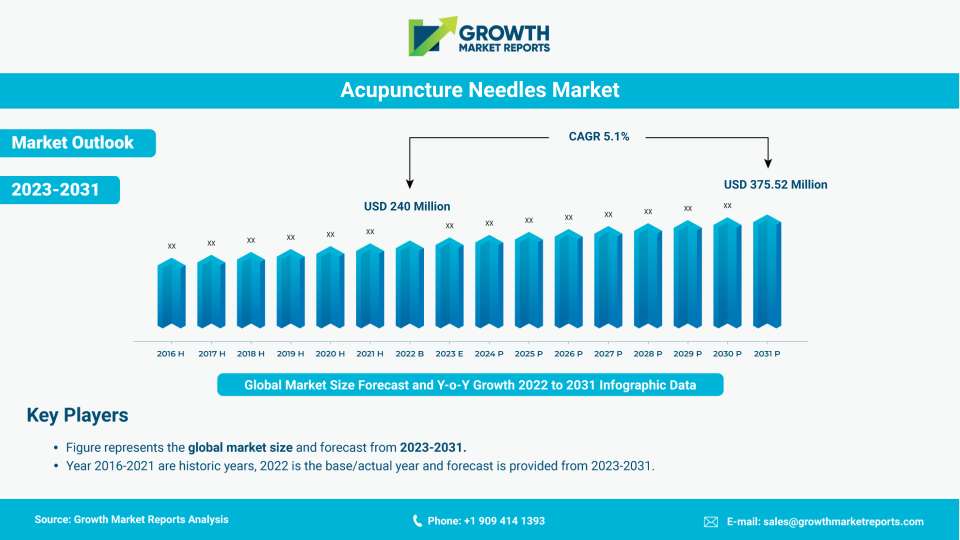
According to our latest research, the global acupuncture needles market size reached USD 273 million in 2024, reflecting a robust trajectory with a CAGR of 8.2% during the forecast period. The market is projected to attain USD 543 million by 2033, driven by increased adoption of alternative therapies, rising prevalence of chronic pain, and growing awareness of acupuncture’s therapeutic benefits. The upward trend is further catalyzed by supportive government policies and the integration of acupuncture into mainstream healthcare systems, positioning the acupuncture needles market for significant expansion worldwide.
The primary growth factor for the acupuncture needles market is the escalating demand for pain management solutions that are both effective and minimally invasive. Chronic pain, particularly musculoskeletal disorders, has become a global health concern, prompting patients and healthcare providers to seek alternative treatments beyond pharmacological interventions. Acupuncture, recognized for its efficacy in alleviating pain, has gained substantial traction, especially as concerns over opioid dependency and side effects of conventional medications intensify. As a result, the market for acupuncture needles is experiencing accelerated adoption across diverse healthcare settings, from hospitals and clinics to home healthcare environments. The increasing number of clinical studies validating acupuncture’s effectiveness in pain relief further strengthens its acceptance and boosts market growth.
Another significant driver propelling the acupuncture needles market is the rising prevalence of neurological and gynecological disorders. Conditions such as migraines, anxiety, depression, and menstrual disorders are increasingly managed with acupuncture as a complementary therapy. The integration of acupuncture into multidisciplinary treatment plans is becoming more prevalent, supported by emerging evidence and recommendations from medical associations. This trend is particularly evident in developed regions where healthcare providers are adopting holistic approaches to patient care. Additionally, the growing geriatric population, which is more susceptible to chronic and neurological ailments, is expected to fuel demand for acupuncture needles, as older adults often prefer less invasive and drug-free therapeutic options.
Technological advancements and innovations in acupuncture needle manufacturing are also contributing to market expansion. The development of disposable and high-precision needles made from stainless steel, gold, and silver ensures enhanced patient safety and comfort, reducing the risk of infections and procedural complications. Manufacturers are focusing on improving needle design, incorporating ergonomic features, and utilizing biocompatible materials to meet stringent regulatory standards. Furthermore, the proliferation of online retail channels and direct sales platforms has improved product accessibility, allowing healthcare providers and consumers to source quality acupuncture needles conveniently. These advancements are not only elevating the overall user experience but also broadening the market’s reach across emerging economies.
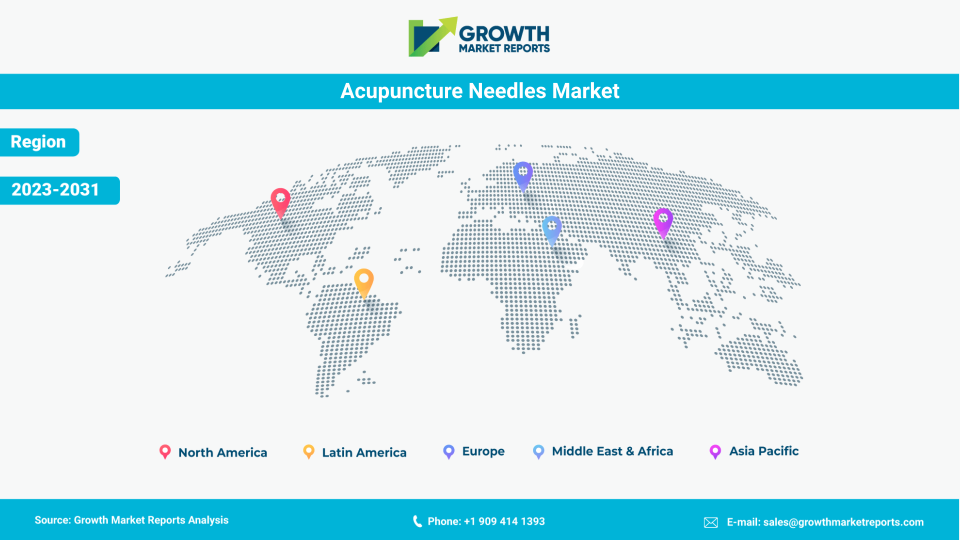
Regionally, the Asia Pacific dominates the acupuncture needles market, accounting for the largest share in 2024, followed by North America and Europe. The market’s growth in Asia Pacific is underpinned by the deep-rooted cultural acceptance of traditional Chinese medicine, the presence of leading manufacturers, and favorable regulatory frameworks. North America’s market expansion is driven by increasing adoption of complementary therapies and growing insurance coverage for acupuncture treatments. Meanwhile, Europe is witnessing steady growth due to rising awareness and integration of acupuncture into public healthcare systems. Latin America and the Middle East & Africa are also emerging as promising markets, benefitting from rising healthcare investments and increasing patient awareness.
The product type segment of the acupuncture needles market is primarily bifurcated into disposable needles and non-disposable needles. Disposable needles have captured a dominant market share, reflecting a paradigm shift in healthcare practices that prioritize infection control and patient safety. The widespread adoption of single-use needles is largely attributed to stringent regulatory guidelines and the growing emphasis on minimizing cross-contamination risks, especially in high-volume clinical settings. Healthcare providers increasingly prefer disposable acupuncture needles for their convenience, sterility, and compliance with global health standards, which collectively drive their demand in hospitals, clinics, and ambulatory surgical centers.
Non-disposable needles, while still utilized in certain traditional and specialized practices, have seen a relative decline in usage due to rising concerns over hygiene and infection transmission. Despite this, they retain a niche market, particularly in regions where traditional acupuncture methods are deeply ingrained and practitioners are highly skilled in sterilization protocols. The cost-effectiveness of non-disposable needles and their perceived efficacy in specific therapeutic applications sustain their presence, especially among long-standing practitioners and in educational institutions. However, ongoing technological advancements and regulatory pressures are gradually steering the market toward disposable alternatives.
The evolution of product design and material innovation has further reinforced the preference for disposable acupuncture needles. Manufacturers are investing in advanced manufacturing processes that ensure precision, durability, and patient comfort. Features such as silicone-coated tips, ergonomic grips, and color-coded handles are increasingly integrated into disposable needle designs, enhancing usability and procedural efficiency. These innovations not only improve the patient experience but also streamline workflow for healthcare professionals, contributing to the growing market share of disposable acupuncture needles.
The competitive landscape within the product type segment is characterized by continuous product launches and portfolio expansions by leading manufacturers. Companies are focusing on expanding their range of disposable needles to cater to diverse clinical requirements and patient preferences. Strategic collaborations with healthcare institutions and regulatory bodies further enable manufacturers to align product offerings with evolving industry standards. As a result, the product type segment remains dynamic, with disposable acupuncture needles poised to maintain their dominance throughout the forecast period, while non-disposable needles continue to serve specialized market segments.
| Attributes | Details |
| Report Title | Acupuncture Needles Market Research Report 2033 |
| By Product Type | Disposable Needles, Non-Disposable Needles |
| By Material | Stainless Steel, Gold, Silver, Others |
| By Application | Pain Management, Neurological Disorders, Gynecological Disorders, Others |
| By End-User | Hospitals & Clinics, Ambulatory Surgical Centers, Home Healthcare, Others |
| By Distribution Channel | Direct Sales, Online Retail, Pharmacies, Others |
| Regions Covered | North America, Europe, APAC, Latin America, MEA |
| Base Year | 2024 |
| Historic Data | 2018-2023 |
| Forecast Period | 2025-2033 |
| Number of Pages | 299 |
| Number of Tables & Figures | 394 |
| Customization Available | Yes, the report can be customized as per your need. |
The material segment of the acupuncture needles market encompasses stainless steel, gold, silver, and other specialized materials. Stainless steel needles represent the largest segment, owing to their superior mechanical properties, biocompatibility, and affordability. The widespread use of stainless steel needles is driven by their resistance to corrosion, ease of sterilization, and ability to provide consistent therapeutic outcomes. Healthcare providers favor stainless steel for its balance of strength and flexibility, which ensures precise insertion and minimal discomfort for patients. The dominance of stainless steel is further reinforced by its compliance with international safety and quality standards, making it the material of choice in both developed and emerging markets.
Gold and silver acupuncture needles, while less prevalent, occupy a premium niche within the market. These materials are traditionally associated with enhanced therapeutic effects, particularly in classical Chinese medicine and high-end wellness centers. Gold needles are prized for their hypoallergenic properties and perceived energetic benefits, while silver needles are valued for their antimicrobial characteristics. The high cost and limited availability of gold and silver needles restrict their widespread adoption; however, they remain popular among practitioners catering to affluent clientele or specialized therapeutic applications. The demand for these premium needles is expected to grow modestly, driven by increasing consumer interest in luxury wellness treatments.
Other materials, such as platinum, titanium, and polymer composites, are gradually gaining attention as manufacturers explore novel options to enhance needle performance and patient safety. These materials are being researched for their unique properties, including increased flexibility, reduced risk of allergic reactions, and improved tactile feedback for practitioners. While still in the early stages of adoption, the introduction of advanced materials is anticipated to fuel innovation within the acupuncture needles market, offering new opportunities for differentiation and value-added features. Regulatory approval and clinical validation will be critical in determining the long-term viability of these alternative materials.
Overall, the material segment is marked by a strong preference for stainless steel, underpinned by its proven track record and cost-effectiveness. However, the market’s evolution toward premium and innovative materials reflects a growing emphasis on patient-centric care and personalized treatment experiences. Manufacturers are expected to continue investing in research and development to expand their material portfolios, catering to the diverse needs of practitioners and patients alike.
The application segment of the acupuncture needles market is segmented into pain management, neurological disorders, gynecological disorders, and other therapeutic areas. Pain management remains the largest and most established application, accounting for a significant share of the global market. The effectiveness of acupuncture in treating chronic pain conditions such as lower back pain, osteoarthritis, and migraines is well-documented, prompting widespread adoption by both patients and healthcare providers. The integration of acupuncture into pain management protocols is particularly prevalent in regions grappling with opioid crises, as it offers a non-pharmacological alternative with minimal side effects.
Neurological disorders represent a rapidly expanding application segment, as emerging research highlights the benefits of acupuncture in managing conditions such as anxiety, depression, insomnia, and stroke rehabilitation. The growing acceptance of acupuncture as an adjunct therapy for neurological conditions is supported by clinical trials and endorsements from medical associations. This trend is particularly evident in urban healthcare centers and academic institutions, where multidisciplinary approaches to neurological care are being increasingly embraced. The rising incidence of neurological disorders, coupled with patient demand for holistic treatment options, is expected to drive sustained growth in this segment.
Gynecological disorders, including menstrual irregularities, infertility, and menopausal symptoms, constitute another important application area for acupuncture needles. Women’s health clinics and reproductive medicine centers are increasingly incorporating acupuncture into their treatment offerings, recognizing its potential to improve fertility outcomes, alleviate menstrual pain, and manage hormonal imbalances. The growing body of evidence supporting acupuncture’s efficacy in gynecological care is fostering greater acceptance among both patients and clinicians. As awareness of acupuncture’s benefits in women’s health continues to rise, this application segment is poised for steady expansion.
Other applications, such as gastrointestinal disorders, respiratory conditions, and addiction management, are also gaining traction within the acupuncture needles market. The versatility of acupuncture as a complementary therapy is driving its adoption across a wide range of medical specialties. As ongoing research continues to elucidate the mechanisms and benefits of acupuncture, the scope of its applications is expected to broaden further, presenting new growth opportunities for market participants.
The end-user segment of the acupuncture needles market is categorized into hospitals & clinics, ambulatory surgical centers, home healthcare, and others. Hospitals and clinics represent the largest end-user group, accounting for a substantial portion of market demand. The integration of acupuncture into hospital-based pain management and rehabilitation programs has become increasingly common, driven by clinical evidence, patient demand, and supportive healthcare policies. Hospitals and clinics benefit from access to skilled practitioners, advanced facilities, and comprehensive patient care protocols, making them ideal environments for the delivery of acupuncture services.
Ambulatory surgical centers (ASCs) are emerging as significant contributors to the acupuncture needles market, reflecting the broader shift toward outpatient care and minimally invasive procedures. ASCs offer convenient, cost-effective settings for acupuncture treatments, catering to patients seeking quick recovery and reduced hospital stays. The adoption of acupuncture in ASCs is supported by growing recognition of its role in perioperative pain management and post-surgical rehabilitation. As the number of ASCs continues to rise globally, their contribution to market growth is expected to increase in tandem.
Home healthcare is gaining momentum as a key end-user segment, driven by demographic shifts, patient preferences, and advancements in telemedicine. The ability to administer acupuncture in home settings offers unparalleled convenience, particularly for elderly or mobility-impaired patients. The proliferation of online retail channels and direct-to-consumer sales has made it easier for patients and caregivers to access high-quality acupuncture needles and related supplies. Home healthcare providers are increasingly incorporating acupuncture into their service offerings, leveraging remote monitoring and virtual consultations to ensure safe and effective treatment delivery.
Other end-users, including wellness centers, sports medicine clinics, and educational institutions, also contribute to the acupuncture needles market. These settings cater to specialized patient populations and focus on preventive care, athletic performance, and practitioner training. The diversification of end-user segments underscores the expanding reach of acupuncture and its growing integration into mainstream healthcare systems worldwide.
The distribution channel segment of the acupuncture needles market includes direct sales, online retail, pharmacies, and others. Direct sales remain the predominant channel, particularly for bulk purchases by hospitals, clinics, and healthcare institutions. Manufacturers and distributors leverage direct sales to offer customized solutions, technical support, and competitive pricing to institutional buyers. The reliability and efficiency of direct sales channels make them the preferred choice for large-scale procurement, ensuring timely delivery and compliance with regulatory requirements.
Online retail is rapidly emerging as a key distribution channel, driven by the digitalization of healthcare procurement and changing consumer behavior. The convenience of online platforms allows healthcare providers and individual practitioners to access a wide range of acupuncture needles, compare product features, and benefit from competitive pricing. The expansion of e-commerce has democratized access to high-quality needles, particularly in remote or underserved regions. Online retail channels also facilitate direct-to-consumer sales, empowering patients to participate actively in their healthcare management.
Pharmacies play a crucial role in the distribution of acupuncture needles, especially in regions with well-established retail pharmacy networks. Pharmacies offer a trusted point of access for patients and practitioners, ensuring product authenticity and regulatory compliance. The integration of acupuncture supplies into pharmacy offerings reflects the growing mainstream acceptance of acupuncture and its incorporation into routine healthcare practices. Pharmacies also serve as important touchpoints for patient education and counseling, further supporting market growth.
Other distribution channels, such as specialty stores and medical supply distributors, contribute to the market by catering to niche segments and specialized practitioners. These channels offer tailored product assortments and value-added services, enhancing the overall customer experience. The diversification of distribution channels underscores the dynamic nature of the acupuncture needles market and its responsiveness to evolving market trends and consumer preferences.
The acupuncture needles market presents significant opportunities for growth, particularly in the context of rising healthcare expenditures and the global shift toward preventive and holistic medicine. The increasing prevalence of chronic diseases, coupled with growing consumer awareness of alternative therapies, is creating a fertile environment for market expansion. Emerging markets in Asia Pacific, Latin America, and the Middle East & Africa offer untapped potential, driven by expanding healthcare infrastructure, rising disposable incomes, and supportive government initiatives. The integration of acupuncture into public health programs, insurance coverage, and corporate wellness schemes further amplifies growth prospects, presenting lucrative opportunities for manufacturers and service providers alike.
Technological innovation represents another major opportunity for the acupuncture needles market. Advances in needle design, material science, and manufacturing processes are enabling the development of safer, more effective, and user-friendly products. The adoption of digital health technologies, such as teleacupuncture and remote monitoring, is expanding access to acupuncture services and enhancing patient engagement. Strategic partnerships, mergers and acquisitions, and research collaborations are fostering innovation and driving competitive differentiation. Companies that invest in product development, regulatory compliance, and market education are well-positioned to capitalize on emerging trends and capture a larger share of the growing market.
Despite the favorable outlook, the acupuncture needles market faces certain restraints that could impede growth. Regulatory challenges, including varying standards and approval processes across regions, can create barriers to market entry and expansion. Concerns over product quality, counterfeit needles, and inadequate practitioner training may undermine patient trust and hinder adoption. Additionally, limited reimbursement policies and lack of standardized clinical guidelines in some countries may restrict market penetration. Addressing these challenges will require concerted efforts by industry stakeholders, regulatory authorities, and professional associations to ensure product safety, practitioner competence, and patient confidence.
The Asia Pacific region leads the global acupuncture needles market, accounting for the largest share with a market value of USD 120 million in 2024. The region’s dominance is rooted in the longstanding tradition of acupuncture, particularly in China, Japan, and South Korea, where it is widely practiced and culturally accepted. The presence of major manufacturers, supportive government policies, and a robust network of healthcare providers further bolster market growth. The Asia Pacific market is projected to maintain a strong CAGR of 8.6% through 2033, driven by rising healthcare expenditures, increasing medical tourism, and growing interest in integrative medicine.
North America is the second-largest market, with a value of USD 72 million in 2024. The region’s growth is fueled by increasing adoption of complementary and alternative medicine, expanding insurance coverage for acupuncture treatments, and rising awareness of the benefits of drug-free pain management. The United States, in particular, has witnessed a surge in acupuncture clinics and practitioner certifications, reflecting growing acceptance among patients and healthcare professionals. Canada is also experiencing steady growth, supported by favorable regulatory frameworks and public health initiatives. The North American market is expected to reach USD 143 million by 2033, representing a CAGR of 8.0%.
Europe holds a significant share of the acupuncture needles market, valued at USD 55 million in 2024. The region’s growth is underpinned by increasing integration of acupuncture into public healthcare systems, rising prevalence of chronic diseases, and growing consumer preference for holistic therapies. Countries such as Germany, France, and the United Kingdom are at the forefront of market expansion, supported by strong regulatory oversight and professional associations. The European market is anticipated to reach USD 105 million by 2033, with a steady growth trajectory. Latin America and the Middle East & Africa, though smaller in size, are emerging as high-potential markets, benefiting from rising healthcare investments, increasing patient awareness, and expanding practitioner networks.
The competitive landscape of the acupuncture needles market is characterized by the presence of several global and regional players, each striving to enhance their market position through product innovation, strategic partnerships, and geographic expansion. The market is moderately consolidated, with leading companies accounting for a significant share, while numerous small and medium-sized enterprises cater to niche segments and regional markets. Intense competition among established players has led to continuous improvements in product quality, safety features, and user experience, fostering a culture of innovation and excellence within the industry.
Major players in the acupuncture needles market focus on expanding their product portfolios to address the evolving needs of healthcare providers and patients. Investments in research and development are directed toward developing advanced needle designs, incorporating cutting-edge materials, and enhancing manufacturing processes to ensure precision and reliability. Companies are also leveraging digital platforms and e-commerce channels to broaden their market reach and improve customer engagement. Strategic collaborations with healthcare institutions, regulatory bodies, and academic organizations enable market leaders to stay abreast of industry trends and maintain a competitive edge.
The market is witnessing increasing consolidation through mergers and acquisitions, as larger companies seek to strengthen their market presence and diversify their offerings. This trend is particularly evident in developed regions, where regulatory compliance, brand reputation, and distribution networks play a crucial role in market success. At the same time, regional players are capitalizing on local expertise, cultural familiarity, and cost advantages to cater to specific market segments and emerging economies. The dynamic interplay between global and regional competitors ensures a vibrant and competitive market environment.
Some of the major companies operating in the global acupuncture needles market include SEIRIN Corporation, Suzhou Medical Appliance Factory, Dongbang Acupuncture Inc., 3B Scientific GmbH, and Asiamed GmbH. SEIRIN Corporation is renowned for its high-quality disposable needles and commitment to safety and innovation. Suzhou Medical Appliance Factory is a leading supplier of both disposable and non-disposable needles, with a strong presence in Asia and Europe. Dongbang Acupuncture Inc. is recognized for its advanced manufacturing techniques and comprehensive product range. 3B Scientific GmbH and Asiamed GmbH are prominent players in the European market, offering a wide array of acupuncture supplies and educational resources. These companies are distinguished by their focus on product quality, regulatory compliance, and customer support, positioning them as trusted partners for healthcare providers worldwide.
In summary, the acupuncture needles market is poised for substantial growth, driven by rising demand for alternative therapies, technological advancements, and expanding applications across diverse healthcare settings. The competitive landscape is marked by innovation, collaboration, and consolidation, with leading companies setting benchmarks for quality and performance. As the market continues to evolve, stakeholders must navigate regulatory complexities, address patient safety concerns, and embrace emerging opportunities to sustain long-term success and deliver value to patients and practitioners alike.
The Acupuncture Needles market has been segmented on the basis of
Key players in the acupuncture needles market include 3B SCIENTIFIC GMBH, AcuMedic Ltd., asia-med GmbH, SEIRIN, Dana Medical Co., Boen Healthcare Co., Ltd., Suzhou Hualun Medical Appliance Co., Ltd., WUXI JIAJIAN MEDICAL DEVICES CO., LTD., Suzhou Zhongjing Life & Science Technology Co., Ltd., and Shinylink (Shanghai) Industrial Inc.
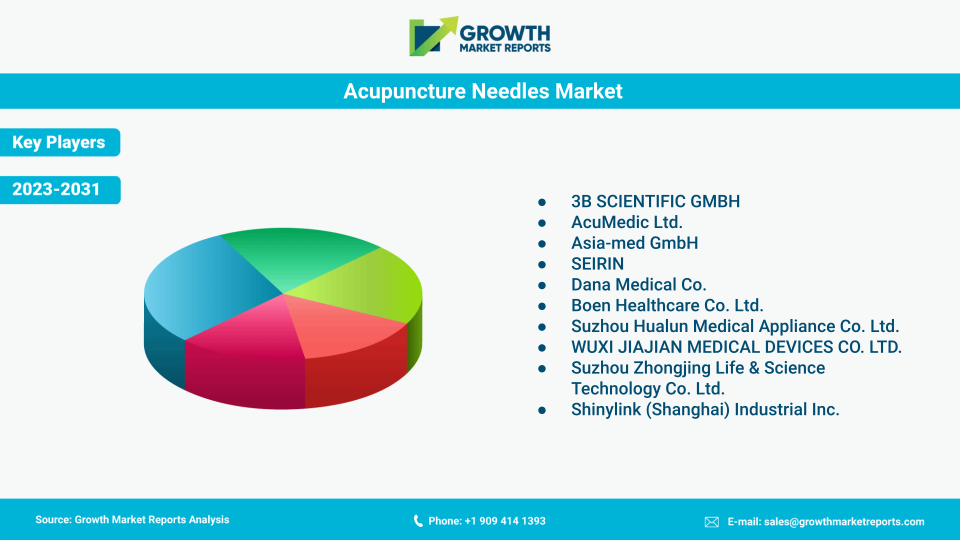
Key players include SEIRIN Corporation, Suzhou Medical Appliance Factory, Dongbang Acupuncture Inc., 3B Scientific GmbH, and Asiamed GmbH, among others.
Opportunities include technological innovation, rising healthcare expenditures, and growth in emerging markets. Threats involve regulatory challenges, product quality concerns, counterfeit needles, and limited reimbursement policies in some regions.
Distribution channels include direct sales to healthcare institutions, online retail platforms, pharmacies, and specialty medical supply stores.
Hospitals and clinics are the largest end-users, followed by ambulatory surgical centers, home healthcare providers, wellness centers, sports medicine clinics, and educational institutions.
Acupuncture needles are mainly used for pain management, neurological disorders (like anxiety and depression), gynecological disorders (such as menstrual irregularities and infertility), and other therapeutic areas.
Acupuncture needles are primarily made from stainless steel, but gold, silver, and other specialized materials like platinum and titanium are also used for premium or specialized applications.
The market is segmented into disposable and non-disposable acupuncture needles. Disposable needles hold the largest market share due to infection control and regulatory compliance.
The Asia Pacific region leads the market, followed by North America and Europe. Asia Pacific’s dominance is due to cultural acceptance, major manufacturers, and favorable regulations.
Key growth drivers include rising demand for alternative pain management therapies, increasing prevalence of chronic and neurological disorders, growing awareness of acupuncture’s benefits, supportive government policies, and technological advancements in needle manufacturing.
As of 2024, the global acupuncture needles market size reached USD 273 million, with projections to grow to USD 543 million by 2033.