Segments - by Product Type (Whole Milk, Skimmed Milk, Flavored Milk, Others), by Form (Liquid, Powder), by Packaging (Cartons, Bottles, Pouches, Others), by Distribution Channel (Supermarkets/Hypermarkets, Convenience Stores, Online Stores, Specialty Stores, Others), by Application (Infant Formula, Dairy Products, Bakery & Confectionery, Others)
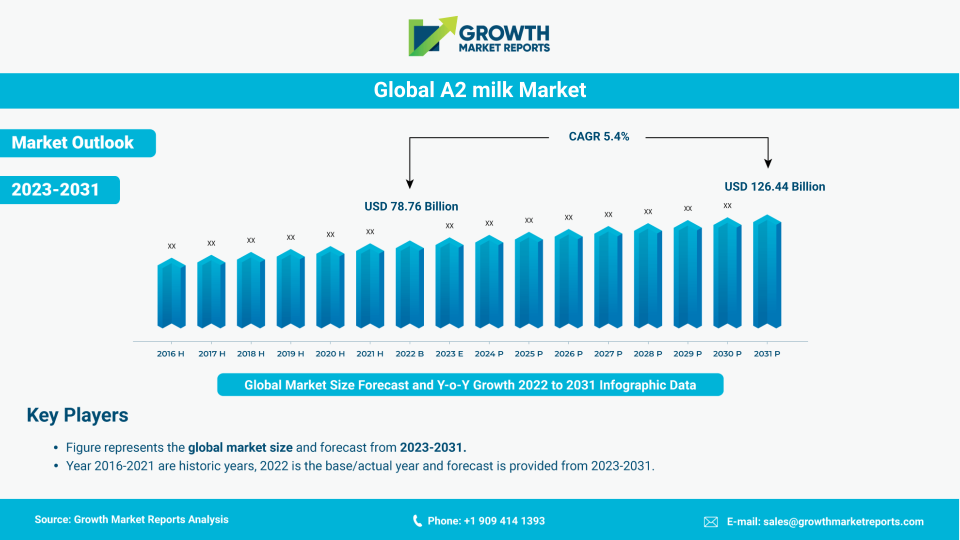
According to our latest research, the global A2 milk market size reached USD 2.62 billion in 2024, reflecting a robust growth trajectory driven by rising consumer awareness and health consciousness. The market is expected to expand at a CAGR of 15.7% from 2025 to 2033, reaching a forecasted value of USD 9.27 billion by 2033. Key growth factors include increasing demand for natural and easily digestible dairy products, shifting dietary preferences, and a surge in lactose intolerance cases globally. As per our analysis, the A2 milk market is poised for significant expansion, fueled by innovation in product offerings and the growing penetration of organized retail channels.
One of the primary growth drivers for the A2 milk market is the increasing prevalence of lactose intolerance and milk protein allergies among consumers worldwide. Traditional milk contains both A1 and A2 beta-casein proteins, but recent studies have linked the A1 protein to digestive discomfort and other health issues for a significant portion of the population. A2 milk, which contains only the A2 beta-casein protein, is considered easier to digest and less likely to cause adverse reactions. As awareness of these health benefits spreads through targeted marketing, educational campaigns, and endorsements by nutritionists, demand for A2 milk continues to rise. This trend is particularly strong among health-conscious consumers, parents seeking better nutrition for their children, and elderly populations who face digestive challenges.
Another significant growth factor is the increasing adoption of premium and specialty dairy products in both developed and emerging markets. With rising disposable incomes and evolving consumer preferences, there is a marked shift toward high-quality, value-added dairy products such as A2 milk. Manufacturers are responding by expanding their product portfolios to include various A2 milk-based offerings, such as flavored milk, infant formula, and dairy-based snacks. Additionally, the proliferation of modern retail formats, such as supermarkets, hypermarkets, and online stores, has made A2 milk more accessible to a broader consumer base. Aggressive marketing strategies, celebrity endorsements, and collaborations with health and wellness influencers have further accelerated market penetration.
Technological advancements in dairy farming and processing have also played a crucial role in the growth of the A2 milk market. Selective breeding practices, genetic testing of cattle, and improved supply chain management have enabled producers to increase the availability of A2 milk while maintaining consistent quality. This has encouraged both large-scale dairy producers and small farmers to invest in A2 milk production, thereby expanding the supply base and driving down costs over time. Furthermore, regulatory support and favorable government policies in certain regions have provided additional impetus to market growth, particularly in countries where dairy is a staple in the daily diet.
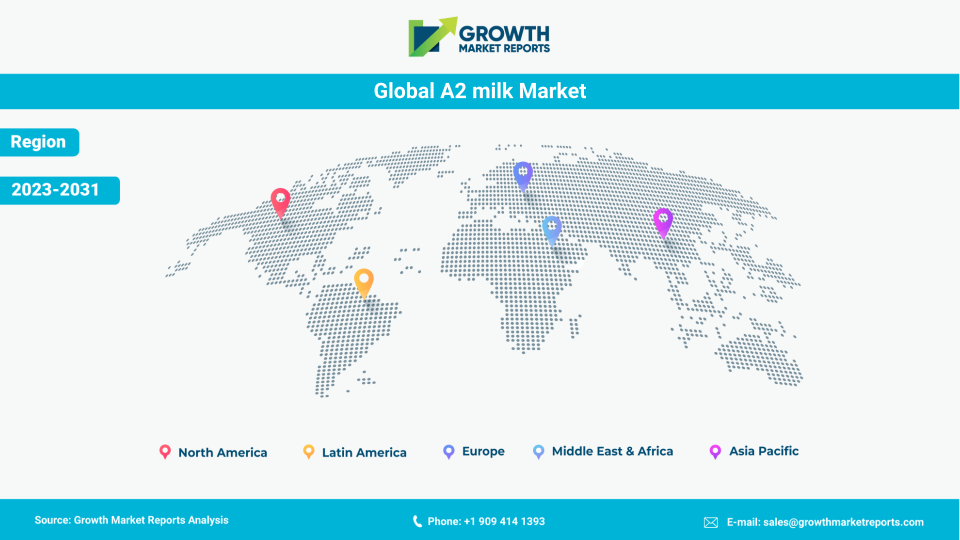
From a regional perspective, the Asia Pacific region dominates the A2 milk market, accounting for the largest share in 2024. This is primarily due to the high prevalence of lactose intolerance in countries such as China and India, coupled with a strong tradition of dairy consumption. North America and Europe are also witnessing rapid growth, driven by increasing consumer awareness and the presence of established dairy brands. Meanwhile, Latin America and the Middle East & Africa are emerging as promising markets, supported by urbanization, rising disposable incomes, and the expansion of modern retail infrastructure. The regional outlook remains positive, with all major regions expected to contribute significantly to the overall market growth during the forecast period.
The A2 milk market is segmented by product type into whole milk, skimmed milk, flavored milk, and others. Among these, whole milk continues to hold the largest market share, owing to its natural composition and higher nutritional value. Whole A2 milk is particularly favored by families and health enthusiasts who prioritize unprocessed, nutrient-rich dairy options. The rich taste and creamy texture of whole A2 milk also make it a preferred choice for direct consumption and culinary applications. In addition, manufacturers are investing in advanced packaging and preservation techniques to extend the shelf life of whole A2 milk, further boosting its appeal in both urban and rural markets.
Skimmed A2 milk is gaining traction among calorie-conscious consumers and individuals seeking lower fat content in their diet. This segment is particularly popular in developed regions such as North America and Europe, where demand for healthier dairy alternatives is on the rise. Skimmed A2 milk is also being increasingly used in institutional settings like schools, hospitals, and fitness centers, where nutritional guidelines emphasize reduced fat intake. The growing popularity of weight management and fitness trends has further propelled the demand for skimmed A2 milk, prompting manufacturers to introduce innovative packaging and value-added variants.
The flavored milk segment is witnessing rapid growth, especially among children and young adults. Flavored A2 milk products, available in variants such as chocolate, strawberry, and vanilla, offer a convenient and tasty alternative to sugary beverages and carbonated drinks. These products are often fortified with additional vitamins and minerals, making them an attractive option for parents looking to enhance their children's nutritional intake. Marketing campaigns targeting schools and youth-centric events have played a significant role in driving the adoption of flavored A2 milk, and manufacturers are continuously experimenting with new flavors and formulations to cater to evolving consumer preferences.
The "others" category includes specialized A2 milk products such as lactose-free A2 milk, organic A2 milk, and fortified A2 milk with added nutrients. These niche products cater to specific consumer segments with unique dietary requirements, such as individuals with severe lactose intolerance, athletes, and those seeking organic or fortified options. As the market matures, the demand for such specialized A2 milk products is expected to rise, supported by increasing consumer willingness to pay a premium for health-focused and customized dairy solutions.
| Attributes | Details |
| Report Title | A2 milk Market Research Report 2033 |
| By Product Type | Whole Milk, Skimmed Milk, Flavored Milk, Others |
| By Form | Liquid, Powder |
| By Packaging | Cartons, Bottles, Pouches, Others |
| By Distribution Channel | Supermarkets/Hypermarkets, Convenience Stores, Online Stores, Specialty Stores, Others |
| By Application | Infant Formula, Dairy Products, Bakery & Confectionery, Others |
| Regions Covered | North America, Europe, APAC, Latin America, MEA |
| Base Year | 2024 |
| Historic Data | 2018-2023 |
| Forecast Period | 2025-2033 |
| Number of Pages | 265 |
| Number of Tables & Figures | 351 |
| Customization Available | Yes, the report can be customized as per your need. |
The A2 milk market is divided by form into liquid and powder segments. The liquid A2 milk segment dominates the market, accounting for the majority of sales globally. Liquid A2 milk is preferred for its freshness, convenience, and versatility in both direct consumption and culinary uses. It is widely available through supermarkets, hypermarkets, and convenience stores, making it easily accessible to consumers. The liquid form also allows manufacturers to introduce a wide range of product variants, including whole, skimmed, and flavored options, catering to diverse consumer preferences. Moreover, advancements in cold chain logistics and packaging technologies have improved the shelf life and distribution efficiency of liquid A2 milk, further driving its market share.
Powdered A2 milk is gaining popularity, particularly in regions with limited access to fresh dairy products or where refrigeration infrastructure is underdeveloped. Powdered A2 milk offers several advantages, including longer shelf life, ease of transportation, and suitability for use in various food applications such as infant formula, bakery, and confectionery products. The convenience of storage and reconstitution makes powdered A2 milk an attractive option for households, foodservice providers, and emergency relief programs. Manufacturers are investing in research and development to enhance the solubility, taste, and nutritional profile of powdered A2 milk, ensuring that it meets the evolving needs of consumers and food processors alike.
The form segment is also witnessing innovation in packaging and delivery formats. Ready-to-drink (RTD) A2 milk beverages, single-serve sachets, and portion-controlled packs are being introduced to cater to the on-the-go lifestyle of modern consumers. These innovations not only enhance convenience but also help in reducing food waste and improving portion control. As consumer demand for convenience and portability continues to rise, the form segment is expected to witness further diversification and growth.
In summary, while liquid A2 milk remains the dominant form due to its widespread acceptance and versatility, the powdered segment is poised for significant growth, especially in emerging markets and specialized applications. The ongoing focus on product innovation, quality assurance, and supply chain optimization will be critical in shaping the future dynamics of the form segment in the A2 milk market.
Packaging plays a pivotal role in the A2 milk market, with key segments including cartons, bottles, pouches, and others. Cartons are the most widely used packaging format due to their convenience, cost-effectiveness, and ability to preserve the freshness and quality of A2 milk. Cartons are lightweight, recyclable, and easy to store, making them a preferred choice for both consumers and retailers. The use of aseptic packaging technology in cartons ensures extended shelf life without the need for refrigeration, which is particularly beneficial in regions with limited cold chain infrastructure. Major dairy brands are also leveraging attractive carton designs and branding to enhance shelf appeal and consumer engagement.
Bottles, both glass and plastic, are gaining popularity in the premium segment of the A2 milk market. Glass bottles are often associated with purity, sustainability, and a premium product image, appealing to environmentally conscious consumers and those seeking a nostalgic dairy experience. Plastic bottles, on the other hand, offer convenience, portability, and durability, making them suitable for on-the-go consumption. Innovations such as tamper-evident caps, ergonomic designs, and resealable closures are further enhancing the appeal of bottled A2 milk products. While bottles tend to be more expensive than cartons, they offer added value in terms of branding and consumer perception.
Pouches are widely used in price-sensitive markets and for bulk packaging applications. Pouches offer several advantages, including lower production and transportation costs, reduced environmental footprint, and flexibility in packaging sizes. They are particularly popular in developing regions where affordability and accessibility are key considerations. Manufacturers are also exploring eco-friendly pouch materials and designs to align with growing consumer demand for sustainable packaging solutions. The convenience of pouches for single-serve and family-size portions makes them a versatile option in the A2 milk market.
The "others" category includes innovative packaging formats such as tetra packs, bag-in-box systems, and specialty containers designed for institutional and foodservice applications. These formats cater to specific market needs, such as extended shelf life, bulk storage, and ease of dispensing. As the A2 milk market continues to evolve, packaging innovation will remain a critical factor in differentiating products, enhancing consumer convenience, and supporting sustainability initiatives. Manufacturers are increasingly investing in research and development to introduce packaging solutions that balance functionality, cost, and environmental impact.
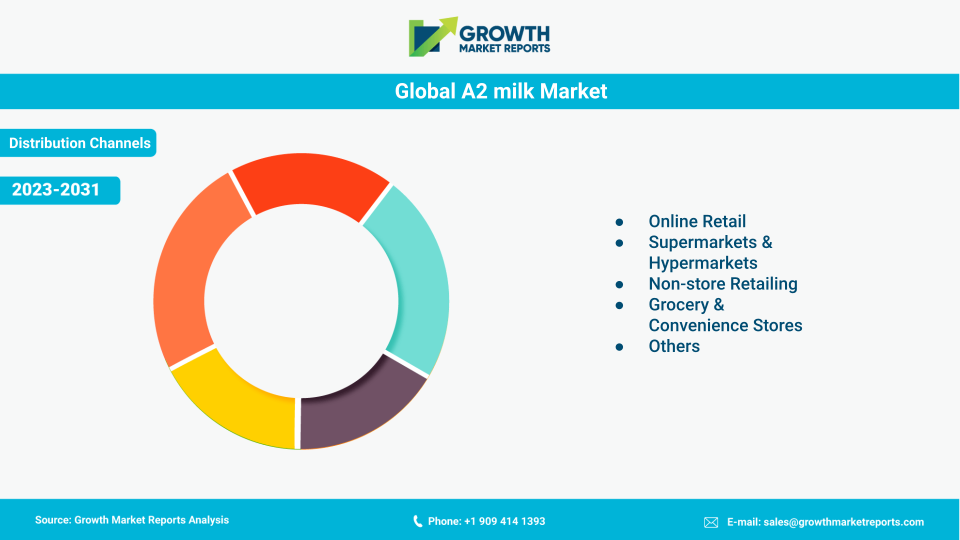
The distribution landscape for A2 milk is segmented into supermarkets/hypermarkets, convenience stores, online stores, specialty stores, and others. Supermarkets and hypermarkets dominate the distribution channel, accounting for the largest share of A2 milk sales globally. These retail outlets offer a wide variety of A2 milk products, competitive pricing, and the convenience of one-stop shopping. The presence of dedicated dairy sections, promotional activities, and in-store sampling programs further enhance the visibility and accessibility of A2 milk in these channels. As urbanization and organized retail penetration increase, supermarkets and hypermarkets are expected to maintain their leadership position in the distribution of A2 milk.
Convenience stores play a vital role in catering to the daily needs of consumers, particularly in urban and semi-urban areas. The proximity of convenience stores to residential neighborhoods, extended operating hours, and the availability of single-serve A2 milk products make them a popular choice for on-the-go consumption. Manufacturers are collaborating with convenience store chains to ensure regular supply, optimize product assortment, and implement targeted marketing strategies. The convenience store segment is expected to witness steady growth, supported by increasing consumer demand for quick and easy access to dairy products.
Online stores are emerging as a significant distribution channel for A2 milk, driven by the rapid growth of e-commerce and changing consumer shopping habits. Online platforms offer the convenience of home delivery, a wide range of product choices, and attractive discounts. The ability to compare brands, read reviews, and access detailed product information has empowered consumers to make informed purchasing decisions. Major dairy brands and retailers are investing in digital marketing, direct-to-consumer (D2C) channels, and subscription-based models to capture the growing online consumer base. The COVID-19 pandemic has further accelerated the shift towards online grocery shopping, and this trend is expected to continue in the coming years.
Specialty stores, including health food stores and organic markets, cater to niche consumer segments seeking premium, organic, or health-focused A2 milk products. These stores often offer personalized service, expert advice, and exclusive product offerings, making them a preferred choice for discerning consumers. The specialty store segment is characterized by higher price points, limited but curated product assortments, and a focus on quality and authenticity. As consumer interest in health and wellness continues to grow, specialty stores are expected to play an increasingly important role in the distribution of A2 milk.
The "others" category includes institutional channels such as schools, hospitals, and foodservice providers. These channels are gaining importance as awareness of the health benefits of A2 milk spreads among institutional buyers and decision-makers. Manufacturers are exploring partnerships and bulk supply agreements to tap into these emerging opportunities and expand their market reach.
The A2 milk market finds application in infant formula, dairy products, bakery & confectionery, and others. Infant formula represents a rapidly growing segment, as parents increasingly seek safe, easily digestible, and nutritionally superior alternatives for their babies. A2 milk-based infant formulas are gaining traction due to their closer resemblance to human milk protein composition and reduced risk of digestive discomfort. Leading infant nutrition brands are investing in research and development to formulate A2 milk-based products that meet stringent safety and nutritional standards. The rising birth rates in emerging markets and growing awareness of the benefits of A2 milk are expected to drive substantial growth in this application segment.
Dairy products such as cheese, yogurt, butter, and ice cream made from A2 milk are witnessing increasing demand among health-conscious consumers. These products retain the unique health benefits of A2 milk while offering variety and convenience. The dairy products segment is characterized by intense competition, product innovation, and frequent new launches. Manufacturers are leveraging advanced processing techniques, natural flavors, and clean-label ingredients to differentiate their offerings and cater to evolving consumer preferences. The growing popularity of functional dairy products, including probiotic-rich yogurts and fortified cheeses, is further fueling the demand for A2 milk-based dairy products.
The bakery and confectionery segment utilizes A2 milk as a key ingredient in various baked goods, chocolates, and desserts. The unique protein composition of A2 milk enhances the texture, flavor, and nutritional profile of bakery and confectionery products. Artisanal bakeries, premium chocolate makers, and specialty dessert brands are increasingly incorporating A2 milk into their recipes to appeal to health-conscious and discerning consumers. The rising trend of clean-label and allergen-free products is also driving the adoption of A2 milk in bakery and confectionery applications. As consumer demand for healthier indulgence continues to rise, this segment is expected to witness sustained growth.
The "others" category includes applications such as sports nutrition, medical nutrition, and functional foods. A2 milk is being explored as an ingredient in protein shakes, meal replacement products, and dietary supplements for athletes, elderly individuals, and patients with specific nutritional needs. The versatility of A2 milk and its compatibility with various food processing technologies make it a valuable ingredient in a wide range of functional food products. As scientific research continues to uncover new health benefits of A2 milk, its application scope is expected to expand further, opening up new opportunities for manufacturers and food innovators.
The A2 milk market presents a multitude of opportunities for industry stakeholders. One of the most promising opportunities lies in the expansion of product portfolios to include value-added and functional A2 milk products. Manufacturers can capitalize on the growing demand for health and wellness by introducing fortified, organic, lactose-free, and probiotic-rich A2 milk variants. The increasing popularity of plant-based and alternative dairy products also presents an opportunity for hybrid formulations that combine the benefits of A2 milk with plant-based ingredients. Additionally, the rise of e-commerce and direct-to-consumer channels offers manufacturers the chance to reach new customer segments, gather valuable consumer insights, and build brand loyalty through personalized marketing and subscription models.
Another key opportunity stems from the untapped potential in emerging markets, particularly in Asia Pacific, Latin America, and the Middle East & Africa. These regions are characterized by large populations, rising disposable incomes, and a growing middle class with increasing health awareness. By investing in local production facilities, distribution networks, and targeted marketing campaigns, manufacturers can establish a strong foothold in these high-growth markets. Strategic partnerships with local dairy cooperatives, government agencies, and health organizations can further enhance market penetration and brand credibility. Innovation in packaging, product formats, and pricing strategies will be critical in addressing the unique needs and preferences of consumers in these regions.
Despite the favorable growth outlook, the A2 milk market faces certain restraining factors. One of the primary challenges is the higher production cost associated with A2 milk, which stems from selective breeding, genetic testing, and specialized supply chain requirements. These costs are often passed on to consumers, resulting in higher retail prices compared to conventional milk. Price sensitivity, particularly in developing regions, can limit the adoption of A2 milk among lower-income consumers. Additionally, the market faces competition from other specialty dairy products and plant-based alternatives, which may offer similar health benefits at a lower cost. Addressing these challenges will require concerted efforts by industry stakeholders to optimize production processes, achieve economies of scale, and communicate the unique value proposition of A2 milk to consumers.
The Asia Pacific region leads the global A2 milk market, accounting for the largest share of USD 1.21 billion in 2024, driven by high dairy consumption, a large lactose-intolerant population, and increasing health consciousness. Countries such as China, India, Australia, and New Zealand are key contributors to regional growth, supported by robust dairy industries, government initiatives, and rising disposable incomes. The region is expected to maintain its dominance, with a projected CAGR of 16.8% from 2025 to 2033. The growing popularity of premium and specialty dairy products, coupled with expanding retail infrastructure, will continue to fuel market growth in Asia Pacific.
North America is the second-largest market for A2 milk, with a market size of USD 0.77 billion in 2024. The region's growth is driven by increasing consumer awareness of the health benefits of A2 milk, a well-established dairy industry, and the presence of leading market players. The United States and Canada are the primary contributors, with a strong focus on product innovation, marketing, and distribution. The North American market is characterized by high levels of competition, rapid adoption of online retail channels, and a growing preference for organic and clean-label dairy products. The region is expected to witness steady growth, supported by ongoing research and development efforts and favorable regulatory policies.
Europe holds a significant share of the global A2 milk market, with a market value of USD 0.41 billion in 2024. The region's growth is supported by increasing demand for specialty dairy products, rising health awareness, and a strong tradition of dairy consumption. Key markets include the United Kingdom, Germany, France, and the Netherlands, where leading dairy brands are actively promoting A2 milk products. Europe is also witnessing growing interest in organic and sustainable dairy production, which aligns with the values of environmentally conscious consumers. The region is expected to achieve moderate growth, with opportunities for expansion in Eastern Europe and the Nordic countries.
The A2 milk market is highly competitive, with a mix of multinational corporations, regional players, and niche brands vying for market share. The competitive landscape is characterized by intense rivalry, frequent product launches, strategic partnerships, and aggressive marketing campaigns. Leading companies are investing heavily in research and development to enhance the nutritional profile, taste, and shelf life of their A2 milk products. They are also focusing on expanding their distribution networks, both online and offline, to reach a wider consumer base. Branding, packaging, and consumer education are key differentiators in this market, as companies strive to build trust and loyalty among health-conscious consumers.
Innovation is a key driver of competitive advantage in the A2 milk market. Companies are continuously introducing new product variants, such as flavored A2 milk, fortified and organic options, and ready-to-drink beverages, to cater to diverse consumer preferences. Collaboration with health professionals, nutritionists, and wellness influencers has become a common strategy to enhance brand credibility and drive consumer adoption. In addition, leading players are leveraging digital marketing, social media, and influencer partnerships to engage with younger consumers and create a buzz around their products. Sustainability initiatives, such as eco-friendly packaging and responsible sourcing, are also gaining prominence as companies seek to align with evolving consumer values.
Mergers, acquisitions, and strategic alliances are shaping the competitive dynamics of the A2 milk market. Large dairy companies are acquiring or partnering with A2 milk producers to diversify their product portfolios and capitalize on the growing demand for specialty dairy products. These collaborations enable companies to leverage each other's strengths in production, distribution, and marketing, while also accelerating innovation and market expansion. The entry of new players, including startups and private label brands, is intensifying competition and driving price competitiveness in the market.
Some of the major companies operating in the global A2 milk market include The A2 Milk Company Limited, Fonterra Co-operative Group Limited, Amul (Gujarat Cooperative Milk Marketing Federation), Jersey Dairy, Freedom Foods Group, Nestlé S.A., Vinamilk, and Yili Group. The A2 Milk Company Limited is a pioneer in the industry and holds a significant market share, particularly in Asia Pacific and Australasia. Fonterra has made strategic investments in A2 milk production and distribution, leveraging its extensive global presence. Amul, a leading Indian dairy cooperative, has introduced A2 milk products to cater to the growing demand in the Indian market. Nestlé and Vinamilk are expanding their A2 milk portfolios through product innovation and targeted marketing campaigns. These companies are focused on enhancing product quality, expanding distribution channels, and strengthening their brand presence to maintain a competitive edge in the rapidly evolving A2 milk market.
The A2 milk market has been segmented on the basis of
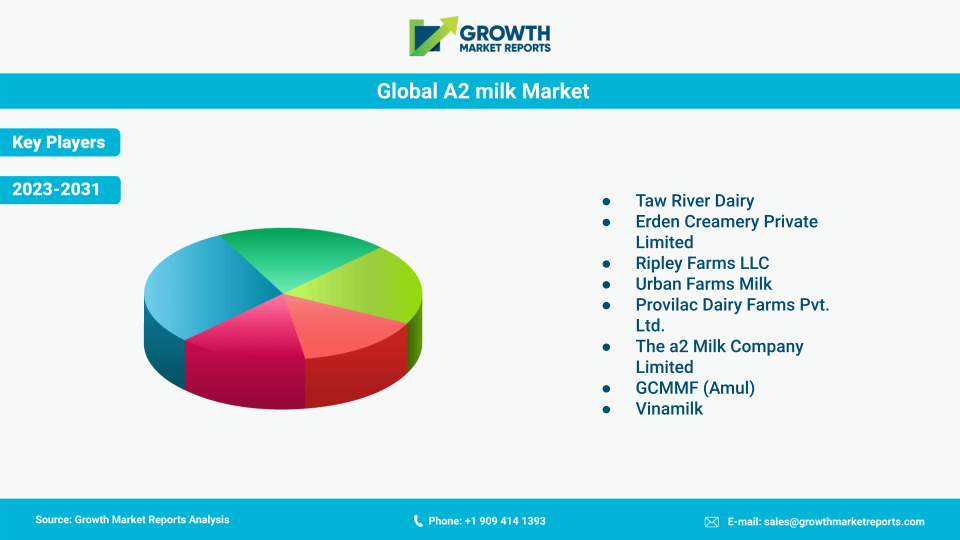
Key players in the A2 milk market are Taw River Dairy; Erden Creamery Private Limited, Ripley Farms LLC, Urban Farms Milk, Provilac Dairy Farms Pvt. Ltd., The a2 Milk Company Limited, GCMMF (Amul), and Vinamilk.
These players have constantly engaged in various business development activities including collaborations, agreements, mergers & acquisitions, production capacity expansion, new product launches, and partnerships to strengthen their geographical presence and expand their customer base globally.
Challenges include higher production costs and competition from plant-based or specialty dairy alternatives. Opportunities lie in product innovation (fortified, organic, lactose-free variants), expansion into emerging markets, and leveraging e-commerce and direct-to-consumer channels.
A2 milk is packaged in cartons, bottles (glass and plastic), pouches, tetra packs, and specialty containers for institutional use. Cartons are the most widely used due to convenience and shelf life.
Key companies include The a2 Milk Company Limited, Fonterra Co-operative Group Limited, Amul, Nestlé S.A., Vinamilk, Yili Group, Danone S.A., Arla Foods, and others.
A2 milk is used in infant formula, dairy products (cheese, yogurt, butter, ice cream), bakery and confectionery items, sports and medical nutrition, and functional foods.
A2 milk is widely available through supermarkets/hypermarkets, convenience stores, online stores, specialty health food stores, and institutional channels like schools and hospitals.
A2 milk products include whole milk, skimmed milk, flavored milk (such as chocolate, strawberry, and vanilla), lactose-free A2 milk, organic A2 milk, fortified A2 milk, and powdered A2 milk.
The Asia Pacific region dominates the A2 milk market, especially in countries like China, India, Australia, and New Zealand. North America and Europe are also experiencing rapid growth, while Latin America and the Middle East & Africa are emerging as promising markets.
Key growth drivers include rising consumer awareness of health benefits, increasing cases of lactose intolerance, demand for natural and premium dairy products, innovation in product offerings, and the expansion of organized retail channels.
The global A2 milk market reached USD 2.62 billion in 2024 and is expected to grow at a CAGR of 15.7% from 2025 to 2033, reaching an estimated value of USD 9.27 billion by 2033.
A2 milk is a type of cow's milk that contains only the A2 beta-casein protein, unlike regular milk which contains both A1 and A2 proteins. Studies suggest A2 milk is easier to digest and less likely to cause discomfort for people with lactose intolerance or milk protein allergies.